
Struggling with stubborn skin irritation around your mouth and nose? If perioral dermatitis keeps returning despite your best efforts, you are not alone. Many people are searching for a gentle, effective approach that soothes rather than aggravates sensitive skin.
This guide explores how calendula cream for perioral dermatitis can offer natural relief in 2025. We will break down the science, share benefits, and walk you through practical steps for real results.
Curious if this botanical remedy is right for you? Discover what perioral dermatitis is, how calendula cream works, key application tips, possible risks, and ways to build a calming skincare routine.
Understanding Perioral Dermatitis: Causes, Symptoms, and Triggers
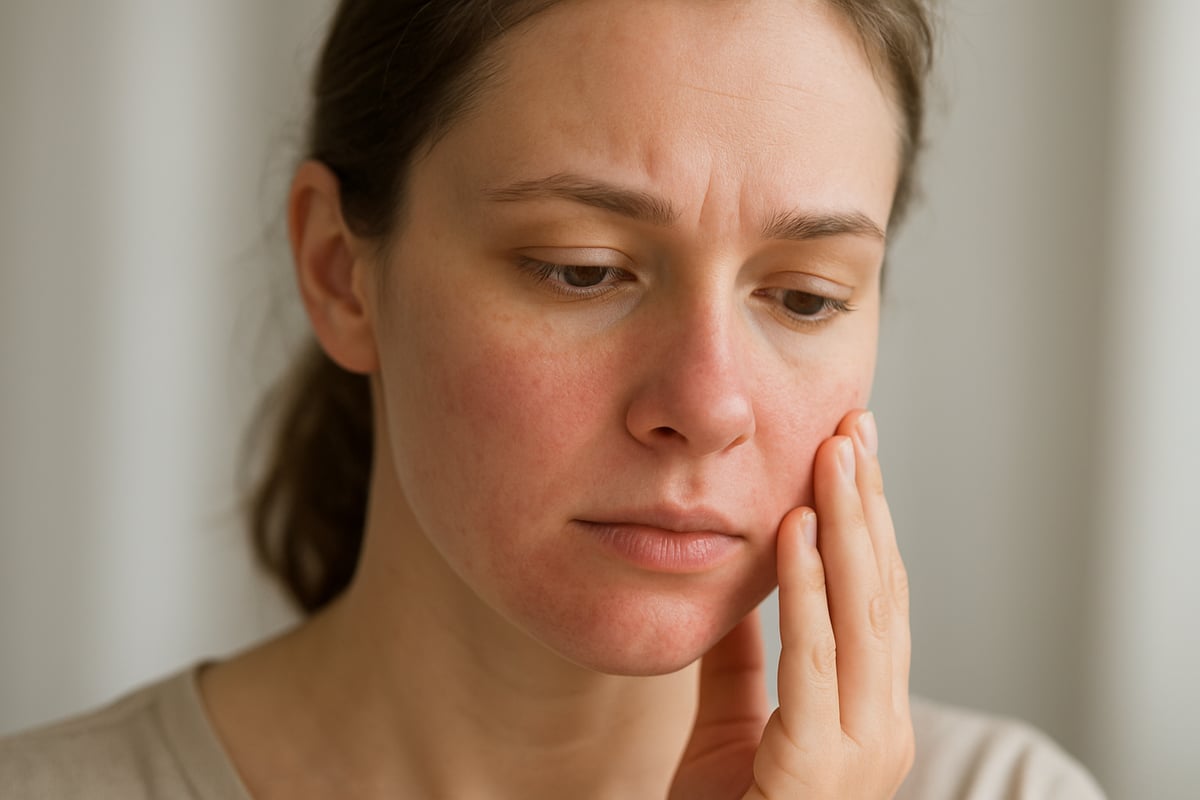
If you’ve noticed a persistent, uncomfortable rash around your mouth, nose, or eyes, you might be dealing with perioral dermatitis. This facial inflammatory rash often appears as clusters of small red bumps, sometimes with pustules or scaling. Unlike acne or eczema, perioral dermatitis has a distinct pattern, most commonly affecting women, children, and those with sensitive skin. While it can mimic other skin conditions, PD stands out due to its location and the way it flares. It’s estimated that up to 1% of the population will experience this condition at some point, making awareness crucial for early intervention and the right treatment like calendula cream for perioral dermatitis.
What Is Perioral Dermatitis?
Perioral dermatitis is a specific type of facial rash that primarily develops around the mouth, but can also affect the nostrils and eyes. It presents as small, red, sometimes pus-filled bumps and may be mistaken for acne or eczema. However, it is unique in its distribution and response to treatment. Women aged 16 to 45 are most frequently affected, though children and those with sensitive skin are also at risk. Unlike acne, PD rarely involves blackheads, and it usually doesn’t cause the thick scaling seen in eczema. With its rising prevalence, understanding the differences helps guide gentle choices like calendula cream for perioral dermatitis.
Common Causes and Risk Factors
Several triggers can set off perioral dermatitis or make it worse. Some of the most common include:
- Overuse of topical steroids or corticosteroids on the face
- Irritating skincare products, especially those with harsh chemicals or fluoride/SLS toothpaste
- Hormonal changes and stress, which can destabilize the skin barrier
- Environmental factors like cold weather, wind, or pollution
- Underlying problems with the skin’s natural barrier function
Recognizing these causes is key to breaking the flare-up cycle and choosing products that support healing, such as calendula cream for perioral dermatitis.
Symptoms and Progression
Symptoms of perioral dermatitis often begin subtly but can quickly escalate. Typical signs include:
- Persistent redness and clusters of tiny bumps or pustules
- Burning, itching, or a feeling of tightness around the mouth and nose
- Flare-ups that may become chronic or appear suddenly after a trigger
- Emotional distress, with self-esteem taking a hit due to visible facial changes
Tracking these symptoms can help you respond early and explore options like calendula cream for perioral dermatitis for gentle relief.
Why Conventional Treatments Sometimes Fail
Traditional treatments for perioral dermatitis often start with antibiotics or topical steroids. Unfortunately, antibiotics can lead to relapse or resistance, while steroid creams may cause withdrawal flares and worsen the condition long-term. Many harsh skincare routines strip the skin and disrupt its barrier, making things worse. That’s why so many people search for gentler, barrier-friendly options—like calendula cream for perioral dermatitis—to support healing without added irritation.
Calendula: Botanical Profile and Skin Benefits
Curious about the secret behind calendula cream for perioral dermatitis? Let’s explore the plant’s story, its unique skin benefits, how it compares with other botanicals, and essential safety tips before you try it.
What Is Calendula?
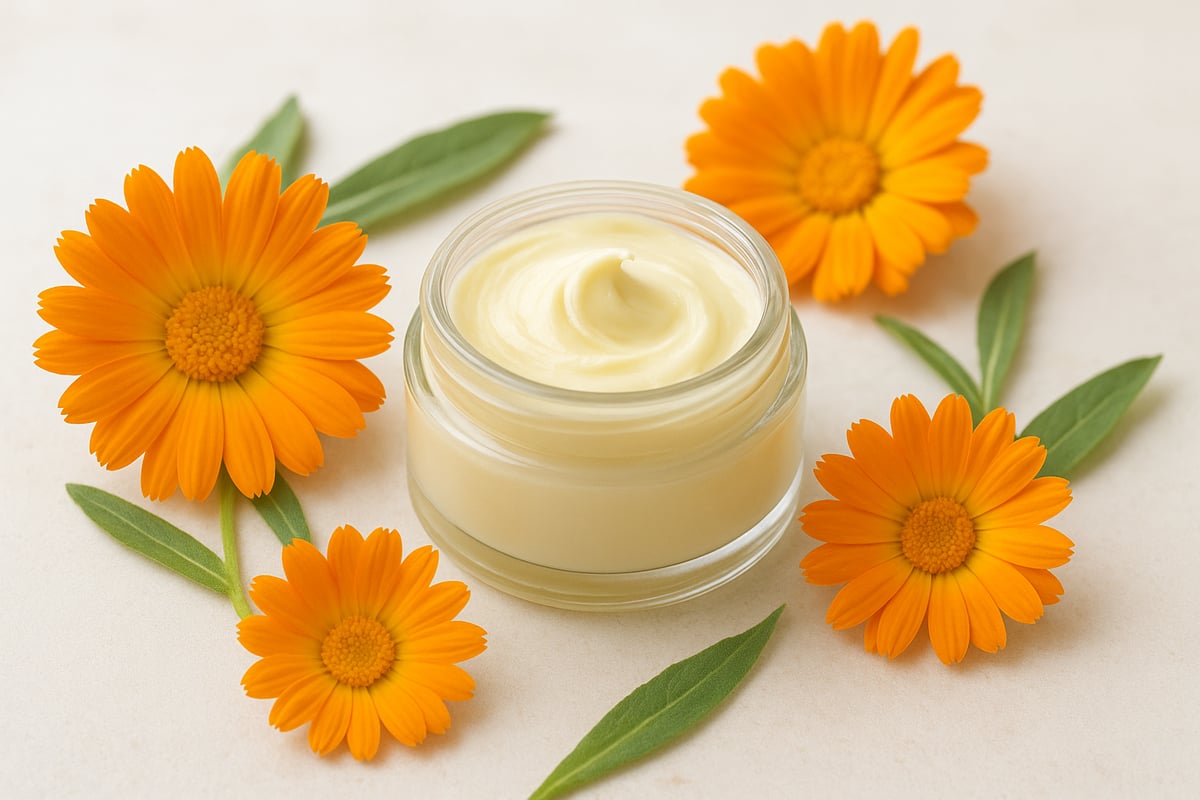
Calendula, known botanically as Calendula officinalis, is a vibrant yellow-orange flower often called pot marigold. For centuries, people have turned to calendula for its soothing and healing properties, making it a staple in herbal medicine cabinets.
This cheerful bloom is rich in powerful compounds like flavonoids, triterpenoids, and carotenoids. These active ingredients are the backbone of calendula cream for perioral dermatitis, supporting its calming effects.
Calendula’s traditional uses range from wound care to treating minor burns and rashes. Its gentle nature makes it especially popular among those seeking plant-based solutions for sensitive skin.
How Calendula Supports Skin Health
The science behind calendula cream for perioral dermatitis is impressive. Calendula’s anti-inflammatory action works by reducing prostaglandins—compounds that trigger redness and swelling in the skin.
It also helps boost the skin’s natural repair process, encouraging faster healing of irritated or damaged areas. Antioxidants in calendula shield the skin from free radicals, helping maintain a healthy, resilient barrier.
Curious about the research? Studies have shown that calendula extract can significantly reduce inflammation and support skin healing. You can dive deeper into the anti-inflammatory activity of Calendula extract to see why it’s gaining traction in modern skincare.
Calendula vs. Other Natural Remedies
How does calendula cream for perioral dermatitis stack up against other botanical options? Let’s break it down:
| Remedy | Best For | Irritation Risk | Scientific Support |
|---|---|---|---|
| Calendula | Sensitive, inflamed skin | Low | Strong |
| Chamomile | Mild redness, dryness | Low | Moderate |
| Aloe Vera | Burns, mild irritation | Low-Moderate | Good |
| Tea Tree Oil | Acne, oily skin | Moderate-High | Good |
Calendula stands out for its gentle touch. Dermatological studies and user testimonials often highlight calendula cream for perioral dermatitis as a top choice for those struggling with reactive skin.
Safety Profile and Allergen Considerations
Before adding calendula cream for perioral dermatitis to your routine, consider its excellent safety record. Most users experience little to no irritation, even those with sensitive skin.
However, if you have allergies to plants in the ragweed or marigold family, approach with caution. Patch testing is a smart first step, especially for children, pregnant women, or anyone with a history of plant allergies.
Overall, calendula is considered safe for most people seeking gentle, botanical relief from perioral dermatitis.
How Calendula Cream Works for Perioral Dermatitis
Dealing with perioral dermatitis can feel like a puzzle, but understanding how calendula cream for perioral dermatitis works is the first step to relief. Let’s break down the science, real-world results, and practical tips for using this gentle botanical remedy.
Mechanisms of Action on PD-Affected Skin
Calendula cream for perioral dermatitis acts in several soothing ways. Its potent anti-inflammatory compounds help calm visible redness, which is one of the most frustrating symptoms. When applied, calendula targets the burning, itching, and tightness that often accompany PD flare-ups.
The cream works by supporting your skin’s natural barrier, locking in moisture and reducing the risk of further irritation. By gently hydrating the skin, calendula encourages healing, making it an excellent choice for those with sensitive, reactive skin.
It also promotes cellular regeneration thereby healing problem skin.
Scientific Evidence and Clinical Insights
Curious about the science behind calendula cream for perioral dermatitis? Clinical studies have examined calendula’s effects on various types of dermatitis, showing promising results in reducing inflammation and speeding up skin recovery. Many users report noticeable improvement in symptoms, such as reduced redness and fewer bumps, within days of consistent use.
However, while research is encouraging, most studies focus on general dermatitis or eczema, not specifically on perioral dermatitis. This means more targeted studies are still needed to confirm its full effectiveness for PD. Still, the growing number of positive user experiences provides hope and guidance for those seeking alternatives.
When Calendula Cream Is Most Effective
Calendula cream for perioral dermatitis shines during mild to moderate flare-ups. If you’re recovering from steroid withdrawal, this gentle remedy can help restore your skin’s barrier and comfort. It pairs well with minimalist, fragrance-free routines, allowing your skin to breathe and heal without extra stress.
For best results, calendula cream should be integrated into a simple, non-irritating skincare regimen. It may not be a cure-all, but it’s a valuable ally for those managing ongoing symptoms and seeking a softer approach.
Limitations and When to Seek Medical Advice
While calendula cream for perioral dermatitis offers gentle care, it isn’t always enough for everyone. In severe cases, or if you notice signs of infection such as spreading redness, pus, or fever, medical intervention is crucial. If your rash worsens or new symptoms develop after starting calendula, it’s time to consult a dermatologist.
Remember, natural remedies aren’t a substitute for professional advice, especially if your PD is persistent or unresponsive. Don’t hesitate to seek help when needed—timely intervention can prevent complications and speed up recovery.
Comparing Calendula to Prescription and OTC Treatments
How does calendula cream for perioral dermatitis stack up against other treatments? Let’s take a look:
| Treatment | Pros | Cons |
|---|---|---|
| Calendula Cream | Gentle, non-steroidal, minimal side effects | May take longer to work than steroid creams |
| Antibiotics | Fast-acting, fights infection | Risk of resistance, potential relapse |
| Metronidazole | Reduces inflammation, effective for many | Possible irritation, prescription needed |
| Niacinamide | Supports barrier, anti-inflammatory | May not work for all, can cause dryness |
Calendula is best for those seeking a gentle, supportive routine, especially if prescription treatments have caused irritation. It may take longer to see results, but the trade-off is a lower risk of side effects.
Mama Nature: Natural Skincare Solutions for Sensitive Skin
If you’re searching for a trusted source of calendula cream for perioral dermatitis, ProSkin Eczema for Perioral Dermatitis by Mama Nature is tailored for compromised skin. This formula blends calendula with other gentle botanicals, supporting the skin barrier and calming inflammation.

Mama Nature is committed to sustainability, cruelty-free practices, and minimalistic formulations. Many customers managing perioral dermatitis have found real relief with their targeted creams and balms. Exploring their range can help you discover holistic, plant-powered alternatives that align with your skin’s unique needs.
Step-by-Step Guide: How to Use Calendula Cream for Perioral Dermatitis
Are you ready to soothe your irritated skin and finally get relief? Using calendula cream for perioral dermatitis is a gentle, practical way to tackle redness, bumps, and discomfort. This step-by-step guide breaks down everything you need to know, from picking the right product to troubleshooting any bumps in the road. Let’s take the guesswork out of your routine and help you rediscover calmer, happier skin.
Choosing the Right Calendula Cream
Not all creams are created equal. When selecting calendula cream for perioral dermatitis, check the ingredient list first. Look for pure calendula extract as a primary component, and choose products labeled fragrance-free and free from harsh additives.
Avoid potential irritants like coconut oil, beeswax, and synthetic fragrances, which can trigger flares for sensitive skin. Always read labels carefully and understand the concentration of calendula in the formula.
Patch testing is essential. Apply a small amount of calendula cream for perioral dermatitis to your inner forearm and wait 24 hours. If there’s no reaction, you’re good to go. For curated, gentle options, explore Natural Skincare Solutions for Sensitive Skin.
Best Practices for Application
Timing and consistency are key when using calendula cream for perioral dermatitis. For best results, apply the cream 2–3 times daily during active flares, and once daily for maintenance.
Many find nighttime application most effective, allowing the skin to heal uninterrupted. In the morning, you can layer calendula cream for perioral dermatitis beneath a gentle moisturizer and a mineral sunscreen.
Wait until the cream is fully absorbed before applying makeup or SPF. Remember, less is more—apply a thin, even layer, and don’t overload your skin.
Step-by-Step Application Process
Follow these simple steps for effective use of calendula cream for perioral dermatitis:
- Start with a gentle cleanse using lukewarm water and a non-stripping cleanser.
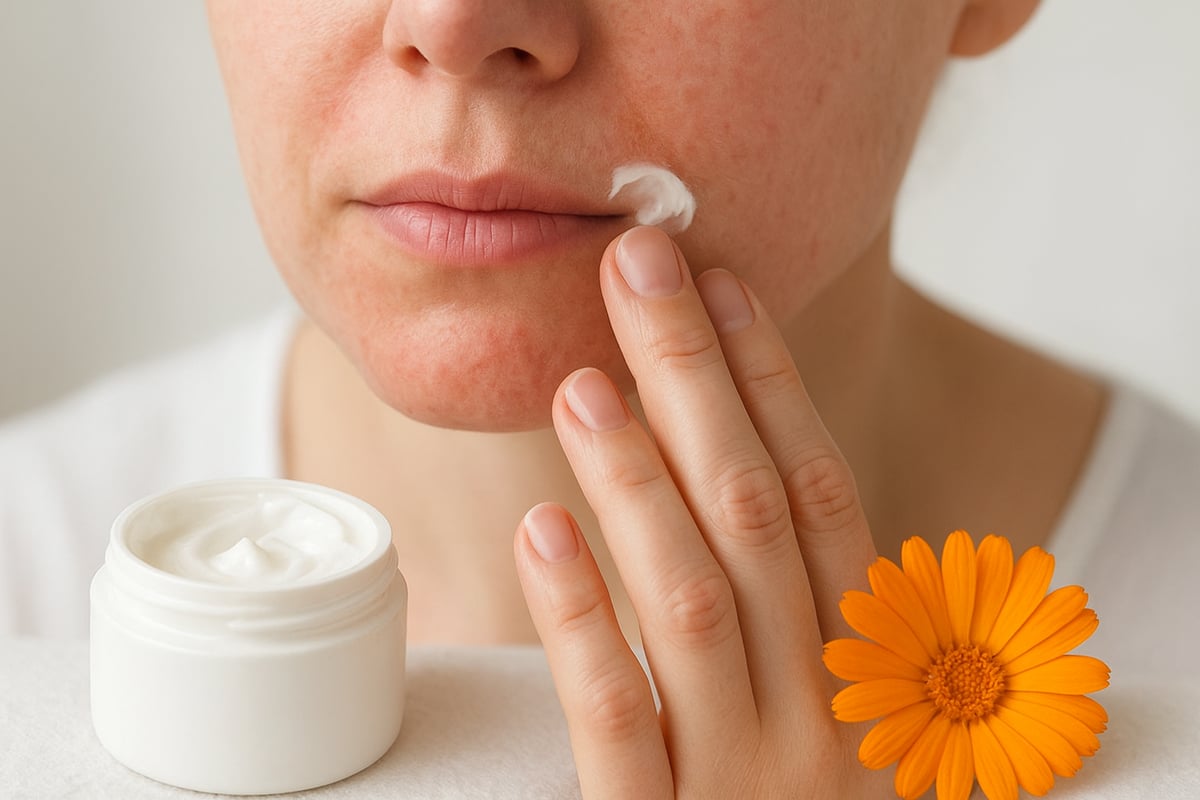
- Pat the skin dry, then apply a pea-sized amount of the cream directly to affected areas.
- Gently tap or press the cream in; avoid rubbing or over-massaging, which can worsen irritation.
- Always wash your hands before and after application to prevent spreading bacteria or product residue.
This careful process helps calendula cream for perioral dermatitis calm your skin without causing further stress.
What to Expect: Timeline and Results
Patience pays off with calendula cream for perioral dermatitis. Many users notice initial improvements—such as reduced redness and itching—overnight, but most see significant changes within 5 to 10 days.
Signs of progress include smoother skin, less tightness, and a visible decrease in bumps. If you notice continued improvement, keep your routine steady.
If symptoms plateau or worsen, consider adjusting the frequency or trying a different product. Track your skin’s response to calendula cream for perioral dermatitis for the best results.
Troubleshooting: If Calendula Stings or Irritates
Occasionally, calendula cream for perioral dermatitis can cause stinging or irritation. This may happen if you apply it to open cracks or if you have a sensitivity to a carrier oil in the formula.
If discomfort occurs:
- Try diluting the cream with a gentle, plain moisturizer.
- Apply a thin layer under sterile gauze for extra protection.
- Pause use for a few days to allow skin recovery.
If irritation persists, discontinue use and consult a healthcare professional. Always listen to your skin’s feedback when using calendula cream for perioral dermatitis.
Integrating Calendula Cream into a Minimalist Skincare Routine
Simplicity is your skin’s best friend during recovery. Pair calendula cream for perioral dermatitis with a gentle, non-foaming cleanser and a hydrating, fragrance-free serum.
Avoid over-cleansing, exfoliants, or actives like retinoids, which can aggravate PD. Stick to the basics: cleanse, apply calendula cream for perioral dermatitis, moisturize, and protect with sunscreen.
This minimalist approach reduces triggers and allows your skin barrier to heal, making calendula cream for perioral dermatitis even more effective.
Monitoring Progress and Knowing When to Stop
Keep a simple skin diary to track your journey with calendula cream for perioral dermatitis. Note changes in redness, bumps, itchiness, and overall comfort.
If you develop new rashes or reactions, stop using the cream immediately. After the flare resolves, you can reduce application frequency for maintenance.
Being mindful of your skin’s signals ensures that calendula cream for perioral dermatitis remains a helpful, not harmful, part of your routine.
Potential Risks, Precautions, and Who Should Avoid Calendula Cream
Navigating the world of calendula cream for perioral dermatitis is empowering, but it’s crucial to understand potential risks. While many people tolerate calendula well, some may experience side effects or need to take extra precautions. Let’s break down what you need to know so you can use calendula cream for perioral dermatitis safely and confidently.
Allergic Reactions and Sensitivities
While calendula cream for perioral dermatitis is considered gentle, allergies can happen. Look out for symptoms like swelling, redness, hives, or a worsening rash. Calendula belongs to the Asteraceae family, so if you’re allergic to ragweed, daisies, or marigolds, you might react to calendula as well.
Always patch test any new calendula cream for perioral dermatitis on a small area before applying to your face. If you notice irritation, stop use right away. For more on potential reactions and how calendula compares to other botanicals, see Calendula and eczema: Benefits and risks.
Not Suitable for Infected or Severe PD Cases
Calendula cream for perioral dermatitis can be soothing, but it isn’t a cure-all. If your perioral dermatitis is severe, spreading, or shows signs of infection (such as pus, increased pain, or fever), calendula cream for perioral dermatitis is not enough on its own.
In these cases, prescription treatments or antibiotics may be necessary. Look out for:
- Yellow or green discharge
- Rapidly spreading redness
- Systemic symptoms like fever
If you see these signs, stop using calendula cream for perioral dermatitis and consult a healthcare provider for targeted care.
Interactions with Other Medications or Treatments
Pairing calendula cream for perioral dermatitis with other products can be tricky. While generally safe, mixing it with certain prescription topicals or actives (like retinoids or acids) may reduce effectiveness or increase irritation.
If you’re already using antibiotics or medicated creams, always discuss adding calendula cream for perioral dermatitis with your dermatologist. They can advise on the safest routine and help you avoid interactions. Be especially cautious with products containing essential oils, as these may trigger sensitivity when combined.
Special Populations: Children, Pregnant, and Breastfeeding Women
Calendula cream for perioral dermatitis is often recommended for sensitive skin, and many formulas are marketed as safe for children and pregnant or breastfeeding women. However, it’s always wise to double-check safety data and consult a healthcare provider before use.
Generally, topical calendula is well-tolerated, but some experts urge caution, especially for babies under six months or those with a history of allergies. For more detailed guidance on safety across different populations, review Calendula’s safety in topical applications.
Building a Holistic Skin Recovery Routine: Calendula and Beyond
Recovering from perioral dermatitis takes more than just a single miracle product. For many, finding relief means building a thoughtful, holistic routine that supports skin health from multiple angles. Calendula cream for perioral dermatitis can be a cornerstone, but it shines brightest when combined with the right habits, ingredients, and supportive lifestyle changes.
Pairing Calendula with Other Soothing Ingredients
To maximize the benefits of calendula cream for perioral dermatitis, consider pairing it with other gentle, skin-friendly ingredients. Look for products containing goat milk, colloidal oatmeal, or ceramides, as these help reinforce the skin barrier and soothe irritation.
- Goat milk: naturally moisturizing and rich in vitamins
- Colloidal oatmeal: calms itch and redness
- Ceramides: restore and protect the skin barrier
Stick to non-stripping cleansers and avoid harsh scrubs. Simple routines with minimal ingredients help reduce the chance of new flare-ups. For more on this approach, explore Mama Nature’s Minimalist Skincare Philosophy.
Nutrition, Lifestyle, and Environmental Factors
What you put on your skin matters, but so does what you eat and how you live. Supporting your skin from the inside out can make a real difference when using calendula cream for perioral dermatitis.
Adopt an anti-inflammatory diet rich in leafy greens, berries, and omega-3s. Hydration is key, so drink plenty of water daily. Stress can trigger or worsen flare-ups, so prioritize activities that help you unwind, such as meditation or gentle exercise.
Be mindful of environmental triggers. Limit exposure to air pollution, avoid prolonged sun exposure, and protect your skin from harsh weather with a scarf or gentle moisturizer.
When to Add or Remove Skincare Products
Building a routine around calendula cream for perioral dermatitis means learning to listen to your skin. If a product stings, causes redness, or seems to worsen your condition, it might be time to remove it.
Signs a product is helping:
- Smoother, calmer skin
- Less redness and itching
- Consistent improvement over days
Signs it is hindering:
- New or worsening irritation
- Burning or stinging sensations
- Persistent dryness
Consider “skin fasting” — taking a break from all products except the essentials — if your skin feels overwhelmed. As your skin heals, you can slowly reintroduce products one at a time.
Real-World Experiences: Case Studies and Testimonials
Nothing is more reassuring than hearing from others who have walked in your shoes. Many people with perioral dermatitis have found that calendula cream for perioral dermatitis helped restore their confidence and comfort.
For example, some users report that switching to a minimalist routine and applying calendula cream led to visible improvement in redness and texture within a week. Others found that pairing calendula with gentle cleansers and patience was the key to recovery.
Want to read more authentic experiences? Check out Customer Testimonials on Skin Recovery for stories and tips from real users.
Calendula Cream in Professional and Spa Treatments
Calendula cream for perioral dermatitis is not just a home remedy. Many holistic dermatologists and spas now incorporate calendula-based treatments into their protocols for sensitive skin. These treatments often combine calendula with calming facials, LED therapy, or barrier-restoring masks.
Professionals appreciate calendula’s ability to soothe inflammation without causing further irritation. At home, you can mimic some of these practices by creating a calming ritual: cleanse gently, apply calendula cream, and follow with a hydrating mist or serum.
Some clinics even recommend calendula post-procedure to speed up recovery and reduce redness, making it a trusted ally in both professional and at-home care.
Future Trends: Botanical Skincare Innovations for PD
The future of calendula cream for perioral dermatitis looks bright, thanks to ongoing research and innovation. Scientists are exploring new ways to make plant-based actives more effective, like microencapsulation and slow-release formulas.
There is increasing demand for “clean” skincare, with brands focusing on fewer ingredients and sustainable sourcing. As technology advances, expect to see even more personalized, gentle solutions for sensitive skin.
Keep an eye on clinical studies for the latest breakthroughs. Botanical ingredients, including calendula, continue to be at the forefront of non-steroidal, gentle treatments for skin inflammation.
Resources for Ongoing Support and Education
Managing perioral dermatitis is a journey, and you do not have to go it alone. Surround yourself with resources and communities that empower and educate.
- Join online support groups for advice and encouragement
- Read dermatologist-backed articles and guides
- Keep a skin diary to track progress and patterns
Stay updated on new research and treatment options by subscribing to reputable dermatology sites or newsletters. Remember, the right information and support can make all the difference when using calendula cream for perioral dermatitis as part of your holistic recovery plan.