
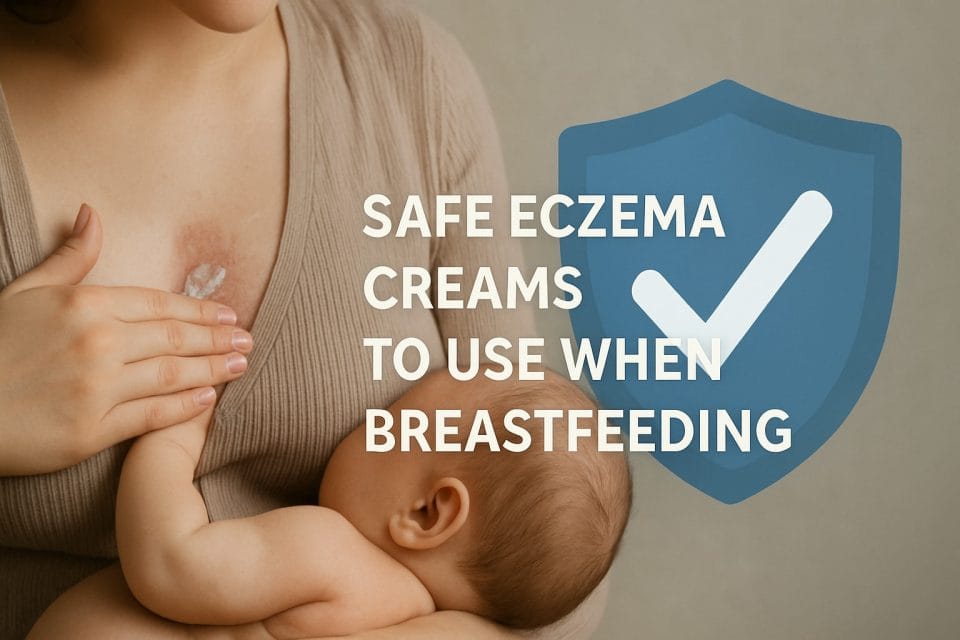
Navigating eczema flare-ups during breastfeeding can feel overwhelming, especially when every product choice affects both you and your baby. For many new mothers, comfort and safety are top priorities.
That’s why finding safe eczema creams to use when breastfeeding is so important. With countless products on the market, knowing which ones are gentle, effective, and truly free from harmful ingredients can be challenging.
In this article, you’ll discover why ingredient safety matters, what to look for in a cream, and get detailed reviews of the 7 best options for 2026. Ready to find relief that keeps both you and your little one safe? Let’s begin.
Why Ingredient Safety Matters for Breastfeeding Mothers
Navigating eczema care as a breastfeeding mother means ingredient safety is not just a nice-to-have, it is essential for you and your baby. Safe eczema creams to use when breastfeeding should be chosen with careful attention to what goes on your skin, as some substances can be absorbed and potentially reach your breast milk.
Ingredient Absorption and Breastfeeding Safety
When you apply any topical product, it is possible for certain ingredients to pass through the skin barrier and enter your bloodstream. For breastfeeding mothers, this means some components could transfer to breast milk, even in small amounts. That is why choosing safe eczema creams to use when breastfeeding is crucial, especially for those areas that may come into contact with your baby.
Some ingredients, like topical steroids or strong preservatives, are more likely to be absorbed than others. While most creams are designed for minimal systemic absorption, the risk increases with frequent or large-area application. Always check the label for details and be cautious about what you use on your skin.
Common Irritants and Trusted Guidance
Many conventional eczema creams contain potential irritants such as parabens, artificial fragrances, and certain alcohol derivatives. These can trigger allergic reactions in sensitive postpartum skin, and in rare cases, cause mild reactions in infants who come into contact with treated skin.
Major health organizations, including the American Academy of Dermatology and the NHS, recommend avoiding products with strong fragrances, unnecessary preservatives, and untested herbal extracts. For the most current recommendations and product safety, consult resources like the Eczema and Breastfeeding Guidelines to ensure you are using safe eczema creams to use when breastfeeding.
Skin Sensitivity, Statistics, and Infant Reactions
After childbirth, your skin may become more sensitive due to hormonal shifts and the demands of new motherhood. In fact, up to 20 percent of new mothers report experiencing eczema flare-ups within the first six months postpartum. Symptoms can include increased dryness, itching, and redness, which makes finding safe eczema creams to use when breastfeeding even more important.
There have been reports of infants developing mild rashes or irritation after direct contact with certain creams on their mother’s skin. Signs to watch for include redness, small bumps, or fussiness after skin-to-skin contact. Patch testing a new cream before regular use can help prevent these issues.
Professional Advice and Future Transparency
Before starting any new product, always consult a healthcare professional or dermatologist who understands the unique needs of breastfeeding mothers. They can recommend safe eczema creams to use when breastfeeding based on your personal and family history, as well as your baby’s sensitivities.
Looking ahead to 2026, regulatory agencies are expected to tighten ingredient transparency and labeling requirements. This means more detailed information on cream packaging, easier-to-understand ingredient lists, and certifications that highlight products free from harmful substances. Staying informed and proactive will help you make the safest choices for both you and your baby.
Criteria for Selecting Safe Eczema Creams in 2026
Choosing safe eczema creams to use when breastfeeding starts with understanding what truly matters for both mom and baby. With so many products on the market, ingredient safety and proven effectiveness are non-negotiable. But what specific factors should you prioritize to ensure you’re picking a cream that soothes without risk?
What Makes a Cream Safe for Breastfeeding?
When evaluating safe eczema creams to use when breastfeeding, look for formulas that are hypoallergenic, fragrance-free, and dermatologist-tested. Non-steroidal options are usually preferred, since steroids can sometimes be absorbed through the skin and may pose risks, especially if applied near the breast area. Reading the ingredient list is crucial, as even natural-sounding additives might trigger reactions in sensitive postpartum skin.
Certifications and Ingredient Transparency
Third-party certifications add an extra layer of confidence. Seals from organizations like Allergy UK or the National Eczema Association prove that products have passed rigorous safety checks. Ingredient transparency is improving, with brands now listing every component and its source. For more in-depth guidance on ingredient safety and product selection, check out this comprehensive Skin cream for eczema safety resource.
Natural vs. Synthetic: What’s Best for Sensitive Skin?
Many safe eczema creams to use when breastfeeding now feature natural or organic ingredients, such as colloidal oatmeal or calendula. Plant-based ingredients often appeal to mothers seeking gentle solutions, but not all synthetic components are harmful. Some, like ceramides, are lab-created yet mimic the skin’s natural barrier. The key is to weigh the benefits and potential sensitivities of each.
Patch Testing and Emerging Trends
Before making any cream a part of your daily routine, patch testing is essential—apply a small amount to a discreet area and monitor for 24 hours. The latest trends in safe eczema creams to use when breastfeeding include microbiome-friendly formulas, preservative-free blends, and environmentally conscious packaging. These innovations aim to minimize both skin and ecological impact.
Spotting Marketing Myths and Expert Insights
Don’t be fooled by labels claiming a product is “all-natural” or “for sensitive skin” without substantiated proof. Some brands use these phrases as marketing tactics, not guarantees. Instead, seek expert opinions and evidence-based reviews to balance efficacy with safety. Ultimately, the best safe eczema creams to use when breastfeeding are those that combine clinical backing, clear ingredient lists, and real-world results.
7 Best Safe Eczema Creams to Use When Breastfeeding in 2026
Finding the right solution for eczema can be daunting, especially when you’re breastfeeding and ingredient safety is non-negotiable. That’s why we’ve curated a list of the 7 best safe eczema creams to use when breastfeeding in 2026. These creams are gentle, effective, and designed with both you and your baby in mind. Wondering how they stack up? Check out the detailed breakdown below to find your perfect match for safe eczema creams to use when breastfeeding.
Mama Nature Eczema & Dermatitis Cream
If you’re seeking a holistic approach, Mama Nature Eczema & Dermatitis Cream stands out among safe eczema creams to use when breastfeeding. This handcrafted formula is 100% natural, steroid-free, and avoids parabens and synthetic fragrances, making it a trustworthy choice for mothers concerned about ingredient safety.

Key Features:
- Handcrafted with natural botanicals
- Free from steroids, parabens, and artificial scents
- Eco-friendly and cruelty-free
Benefits:
The cream calms itchiness, reduces redness, and helps repair the skin barrier. Its gentle formulation makes it suitable for daily use on adults, babies, and children, which is ideal for families managing sensitive skin together.
Pros:
- Multi-purpose for various skin concerns
- Ethical sourcing and environmental responsibility
- Safe for allergy-prone skin
Cons:
- May be harder to find outside the UK
- Slightly higher price compared to mainstream brands
For mothers who want safe eczema creams to use when breastfeeding that align with both health and ethical values, Mama Nature is a top contender.
Aveeno Baby Eczema Therapy Moisturizing Cream
Aveeno Baby Eczema Therapy Moisturizing Cream is a household name among safe eczema creams to use when breastfeeding. Its primary ingredient, colloidal oatmeal, is supported by research for soothing irritated skin and reinforcing the skin’s natural barrier.
Key Features:
- Contains colloidal oatmeal and ceramides
- Fragrance-free and recommended by pediatricians
- National Eczema Association Seal of Acceptance
Benefits:
This cream relieves itching and dryness, a common challenge for new mothers. It’s gentle enough for both mothers and babies, making it a reliable option for daily care.
Pros:
- Widely available and affordable
- Backed by clinical research and trusted by professionals
- Suitable for mild to moderate eczema
Cons:
- Contains some synthetic stabilizers
- May not be potent enough for severe flare-ups
If you need a dependable, budget-friendly solution among safe eczema creams to use when breastfeeding, Aveeno’s reputation is hard to beat.
Eucerin Eczema Relief Cream
Eucerin Eczema Relief Cream is another favorite in the arena of safe eczema creams to use when breastfeeding. Known for its immediate itch relief, it features ingredients like colloidal oatmeal, ceramide-3, and licorice root extract.
Key Features:
- Dermatologist-recommended formula
- Steroid-free and fragrance-free
- Fast-absorbing, non-greasy texture
Benefits:
Mothers struggling with moderate eczema will appreciate how quickly this cream calms discomfort. It’s designed to repair the skin’s protective barrier, reducing the risk of future flare-ups.
Pros:
- Trusted by dermatologists
- Effective for moderate cases
- Easy to apply and absorbs well
Cons:
- Not vegan due to some ingredients
- May contain alcohol derivatives
Eucerin earns its spot among safe eczema creams to use when breastfeeding for its proven results and dermatologist backing.
CeraVe Eczema Relief Creamy Oil
CeraVe Eczema Relief Creamy Oil is fast becoming a staple for those searching for safe eczema creams to use when breastfeeding. Developed with dermatologists, it combines ceramides, safflower oil, and colloidal oatmeal for a soothing experience.
Key Features:
- Deep hydration from ceramides and safflower oil
- Lightweight, non-comedogenic formula
- Accepted by the National Eczema Association
Benefits:
This creamy oil restores the skin barrier and locks in moisture, which is essential for mothers dealing with chronic dryness. Its gentle formula is safe for daily use and offers relief from persistent irritation.
Pros:
- Affordable and accessible
- Suitable for sensitive, eczema-prone skin
- Quick absorption without greasy residue
Cons:
- Contains some synthetic ingredients
- Oil texture might not appeal to everyone
CeraVe is a go-to among safe eczema creams to use when breastfeeding for its dermatologist-developed, effective care.
La Roche-Posay Lipikar Eczema Soothing Relief Cream
La Roche-Posay Lipikar Eczema Soothing Relief Cream is a French pharmacy favorite that’s making waves as one of the best safe eczema creams to use when breastfeeding. Its blend of shea butter, niacinamide, and colloidal oatmeal delivers targeted relief.
Key Features:
- Calms redness and reduces itching
- Strengthens the skin’s moisture barrier
- Suitable for face and body use
Benefits:
This cream is recommended by dermatologists for sensitive, reactive skin. It absorbs quickly, leaving no residue, and is fragrance-free to minimize the risk of irritation.
Pros:
- Fast-acting and gentle
- Versatile for various skin areas
- Minimal preservatives for safety
Cons:
- Pricier than many drugstore options
- May not be suitable for those seeking completely preservative-free products
For breastfeeding mothers looking for premium safe eczema creams to use when breastfeeding, La Roche-Posay is a luxurious yet practical pick.
Vanicream Moisturizing Cream for Sensitive Skin
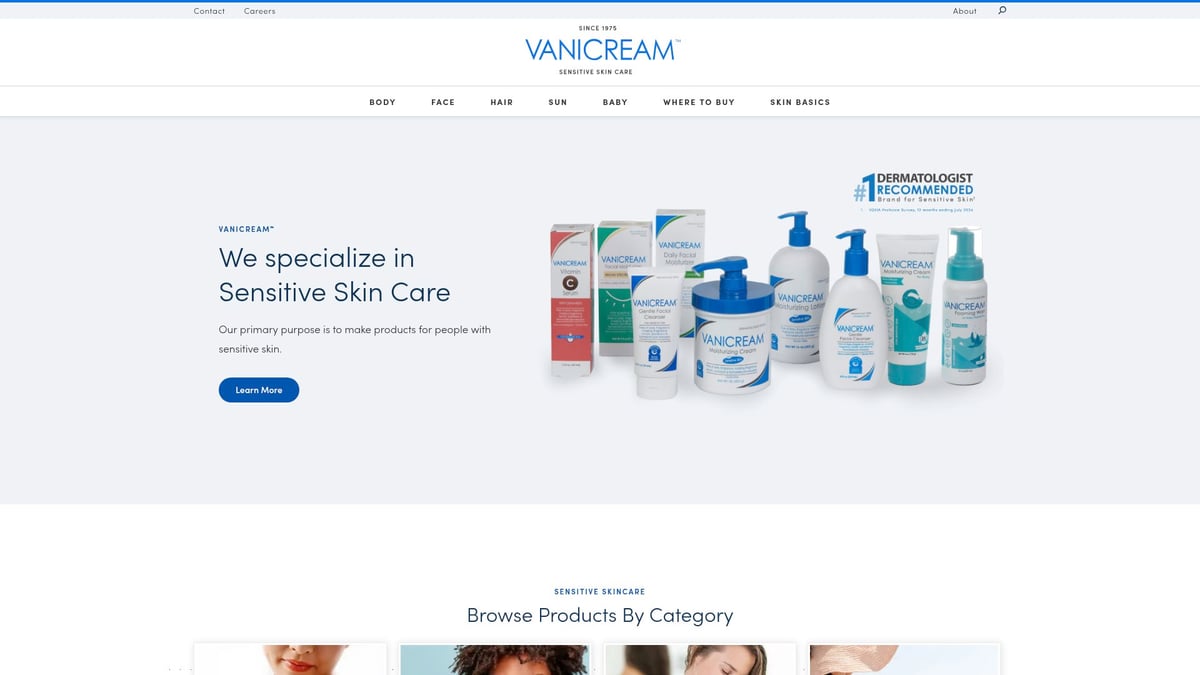
Vanicream Moisturizing Cream for Sensitive Skin is a classic recommendation for safe eczema creams to use when breastfeeding, especially for allergy-prone individuals. Its minimalist approach avoids common irritants.
Key Features:
- Free from dyes, fragrance, lanolin, parabens, and formaldehyde
- Awarded the NEA Seal of Acceptance
- Non-comedogenic and suitable for face and body
Benefits:
Vanicream delivers solid hydration and soothes irritation without extra additives. Its large tub offers great value for families needing frequent application.
Pros:
- Ideal for users with multiple allergies
- Affordable and generous size
- Simple, effective formula
Cons:
- Focuses mainly on hydration, not inflammation
- Lacks advanced active ingredients
If simplicity and safety are your priorities, Vanicream is a leading choice among safe eczema creams to use when breastfeeding.
California Baby Eczema Cream
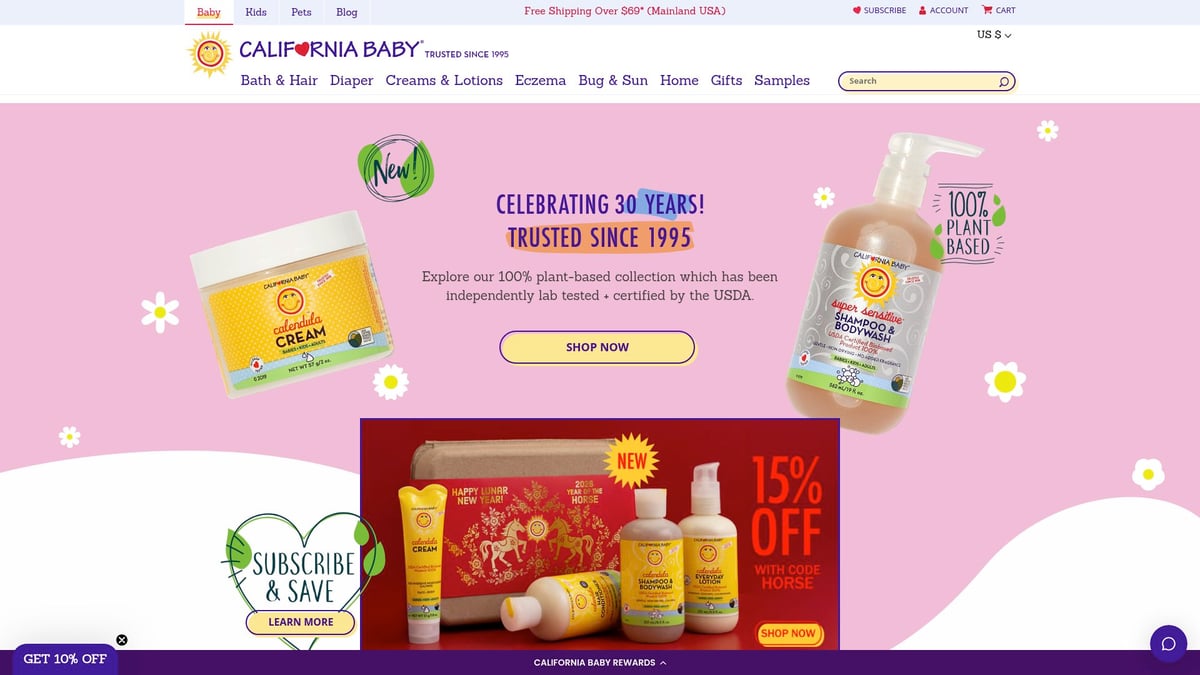
California Baby Eczema Cream is a standout among plant-based safe eczema creams to use when breastfeeding. It features organic calendula, aloe vera, and colloidal oatmeal, all renowned for their calming properties.
Key Features:
- Certified organic, vegan, and cruelty-free
- Gentle enough for newborns and mothers
- Eco-friendly packaging
Benefits:
This cream relieves itching, soothes red patches, and supports healing, making it perfect for families who favor natural, sustainable products.
Pros:
- Plant-based and safe for sensitive skin
- Ideal for mother and baby eczema care routines
- Environmentally responsible
Cons:
- Higher price per ounce
- Mild formula may require frequent reapplication
For those seeking botanical safe eczema creams to use when breastfeeding, California Baby is a gentle, eco-conscious solution.
Comparison Table: Top 7 Safe Eczema Creams to Use When Breastfeeding
| Product | Price | Key Ingredients | Best For | Pros | Cons |
|---|---|---|---|---|---|
| Mama Nature Eczema & Dermatitis Cream | Mid-range | 100% natural, no steroids/parabens | Sensitive, allergy-prone skin | Multi-purpose, eco-friendly | Limited availability, higher price |
| Aveeno Baby Eczema Therapy Moisturizing Cream | $10–15 | Colloidal oatmeal, ceramides | Mild-moderate eczema | Affordable, widely available | Some synthetic stabilizers |
| Eucerin Eczema Relief Cream | $12–18 | Colloidal oatmeal, ceramide-3 | Moderate eczema | Fast relief, dermatologist-backed | Not vegan, alcohol derivatives |
| CeraVe Eczema Relief Creamy Oil | $14–20 | Ceramides, safflower oil | Dry, eczema-prone skin | Lightweight, affordable | Some synthetic ingredients |
| La Roche-Posay Lipikar | $16–20 | Shea butter, niacinamide | Sensitive, reactive skin | Fast-absorbing, gentle | Pricier, minimal preservatives |
| Vanicream Moisturizing Cream | $14–18 | Fragrance/dye/paraben-free | Multiple sensitivities | Large size, simple formula | Basic hydration only |
| California Baby Eczema Cream | $19–22 | Calendula, aloe, oatmeal | Mild eczema, infants | Organic, eco-friendly | Higher price per ounce |
Choosing safe eczema creams to use when breastfeeding goes beyond comfort—it’s about peace of mind for you and your child. Always consult your healthcare provider and consider reading the Eczema in Pregnancy and Breastfeeding resource for up-to-date expert guidance on topical treatments during lactation.
With these 7 best safe eczema creams to use when breastfeeding, you can confidently manage flare-ups while prioritizing your family’s well-being.
How to Use Eczema Creams Safely While Breastfeeding
Managing eczema during breastfeeding requires a careful approach. Many mothers wonder how to choose and apply safe eczema creams to use when breastfeeding, aiming to get relief while protecting their baby. With a few mindful steps, you can soothe your skin and maintain your confidence throughout your breastfeeding journey.
Step-by-step Guide for Safe Application
Start by washing your hands thoroughly to avoid transferring bacteria. Apply a thin layer of your chosen product to affected areas, steering clear of the nipple and areola just before feeding. This minimizes the risk of your baby ingesting any residue. Timing is key. Use safe eczema creams to use when breastfeeding right after a feed, giving the cream ample time to absorb before your next session.
If you need to apply cream near the breast, gently wipe the area before nursing. For added safety, opt for creams labeled as safe eczema creams to use when breastfeeding and always follow package directions.
Patch Testing and Monitoring for Reactions
Before using any new cream, perform a patch test on a small area of skin. Wait 24 hours to check for redness, swelling, or irritation. This simple step can help prevent unexpected reactions, especially when using safe eczema creams to use when breastfeeding for the first time.
Keep an eye on your baby’s skin too. If you notice any redness or rash where their skin touches yours, review your product choice. For more guidance, see this helpful resource on eczema in babies and children.
Integrating Creams Into Your Eczema Routine
Safe eczema creams to use when breastfeeding work best as part of a holistic routine. Combine gentle, fragrance-free cleansers, regular moisturizing, and hydration. Make lifestyle tweaks, like managing stress and avoiding known irritants, to support your skin’s recovery.
Choose products designed for sensitive skin, and consider consulting guides like safe skincare for babies for tips that benefit both you and your little one.
When to Consult a Healthcare Provider
If you notice signs of infection, worsening symptoms, or persistent discomfort, reach out to your healthcare provider. Sometimes, prescription treatments or tailored advice are necessary for stubborn cases.
Real-world stories show that many mothers find relief by combining safe eczema creams to use when breastfeeding with lifestyle changes. Listening to your body and your baby’s cues helps you make the best choices for both of you.
Frequently Asked Questions About Eczema Creams and Breastfeeding
Many mothers wonder about the best practices and safety of using eczema creams while breastfeeding. Here, we address your most pressing questions with up-to-date, evidence-based guidance.
Can safe eczema creams to use when breastfeeding be applied to nipples?
Most experts advise avoiding direct application of creams to the nipple area before nursing. If treatment is needed on the nipple, use only products specifically labeled as safe for breastfeeding and wipe off any residue before feeding.
Are prescription steroid creams safe during lactation?
Mild to moderate topical steroids are generally considered low risk if used on small areas and away from the nipple. For more information, see the EUROGUIDERM Atopic Eczema Guideline and Topical Dexamethasone and Breastfeeding.
What natural ingredients are best for breastfeeding mothers with eczema?
Look for creams containing colloidal oatmeal, calendula, shea butter, and aloe vera. These are commonly found in safe eczema creams to use when breastfeeding and are less likely to cause irritation.
How often should creams be applied for best results?
Apply as directed on the packaging, usually 2–3 times daily. Always patch test new products and monitor for reactions.
Are there any long-term effects of using eczema creams while breastfeeding?
When used as directed, most over-the-counter creams have no known long-term effects for mother or baby. Prescription products should be used under medical supervision.
What should be done if the baby develops a rash after contact?
Stop using the cream immediately, wash the affected area, and consult your healthcare provider for further advice.
Can these creams be used on infants as well?
Many creams suitable for mothers are also formulated for babies, but always check the label and consult your pediatrician before use.
Where can I find more information about choosing creams for sensitive skin?
For a comprehensive guide, visit this Suitable for sensitive skin guide for tips on selecting gentle, effective products.