
Struggling with facial rashes that seem to flare up every month? If you’ve noticed a pattern between perioral dermatitis and the menstrual cycle, you’re definitely not alone. This frustrating skin condition often appears at the worst possible times, leaving many searching for answers.
In this guide, we’ll pull back the curtain on why perioral dermatitis and the menstrual cycle are so closely linked. You’ll discover exactly what perioral dermatitis is, how hormonal shifts can set off flare-ups, and how to spot the telltale symptoms.
We’ll also dive into the latest research, offering new prevention and treatment strategies designed for 2026. Ready for practical tips and real solutions? Let’s get started.
Understanding Perioral Dermatitis: Causes, Symptoms, and Risk Factors
Dealing with facial rashes can be confusing, especially when they appear suddenly and linger. If you have noticed a pattern between perioral dermatitis and the menstrual cycle, you are not imagining things. This section will break down what perioral dermatitis is, its main causes, and why certain people are more prone to these persistent flare-ups.
What is Perioral Dermatitis?
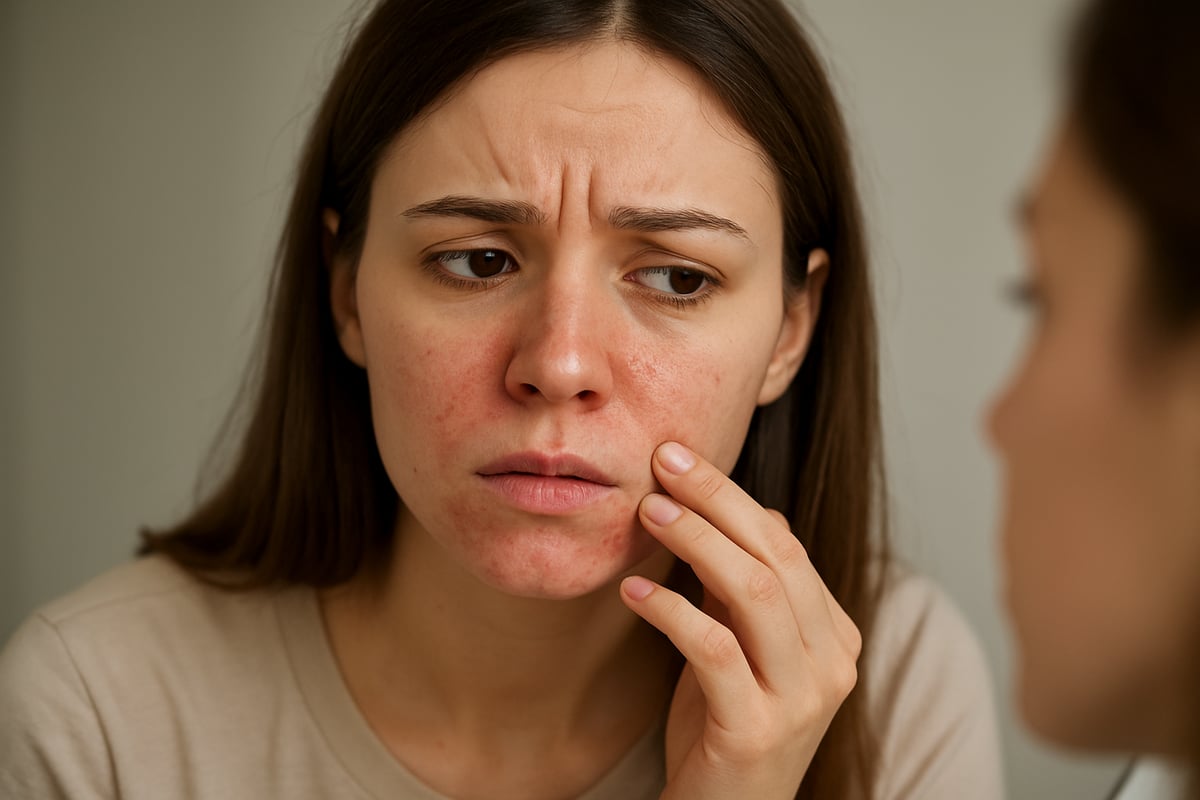
Perioral dermatitis is a chronic facial rash that most often affects women between the ages of 20 and 45. Typically, it appears as small red bumps and mild scaling around the mouth, nose, and sometimes the eyes. Unlike other rashes, perioral dermatitis and the menstrual cycle often go hand in hand, with flare-ups linked to hormonal changes. This condition is classified separately from acne and rosacea, although it shares some overlapping symptoms.
Key Causes and Triggers
Understanding what brings on perioral dermatitis can help reduce its impact. The most common triggers include:
- Overuse of topical steroids (prescription or over-the-counter)
- Skincare products with heavy oils, fragrances, or harsh chemicals
- Environmental stressors such as extreme weather or pollution
- Lifestyle factors like high stress or poor diet
- Underlying medical conditions impacting immunity
If you have noticed a connection between perioral dermatitis and the menstrual cycle, hormonal fluctuations might be playing a significant role in your flare-ups.
Recognizing Symptoms
Identifying the symptoms early is key to effective management. Classic signs of perioral dermatitis include:
- Clusters of red, sometimes pus-filled bumps
- Dry or flaky patches of skin
- Burning or itching sensations
These symptoms can be mistaken for acne or rosacea, but perioral dermatitis and the menstrual cycle often align, creating a cyclical pattern not seen with other conditions. For a deep dive into what to look for, check out this guide on perioral dermatitis symptoms and treatments.
Risk Factors
Some people are more likely to experience perioral dermatitis and the menstrual cycle together. Key risk factors include:
- Being female (up to 90% of cases occur in women)
- Frequent use of fluorinated toothpaste
- Heavy or occlusive cosmetics
- Hormonal changes, especially related to menstrual cycles
Recent studies highlight that women experiencing hormonal shifts, whether due to birth control, stress, or natural cycles, are at the highest risk.
Examples and Case Studies
Let us look at real-life scenarios. In 2024 and 2025, researchers saw a noticeable rise in perioral dermatitis and the menstrual cycle flare-ups among women using new facial creams. One woman reported persistent redness and bumps every month, directly before her period. Data from these studies show how quickly certain products or stressors can trigger symptoms, especially in those already sensitive to hormonal changes.
The Menstrual Cycle and Skin Health: Hormonal Fluctuations Explained
Ever noticed your skin acting up right before your period? If you struggle with perioral dermatitis and the menstrual cycle, you’re far from alone. The relationship between monthly hormonal shifts and skin health is both fascinating and frustrating. Understanding these patterns can help you anticipate, manage, and even prevent flare-ups.
Overview of the Menstrual Cycle Phases
The menstrual cycle is a finely tuned symphony of hormones. It is divided into four main phases: follicular, ovulation, luteal, and menstruation. Each phase brings a unique hormonal profile that influences your entire body, including your skin.
During the follicular phase, estrogen levels rise, preparing your body for ovulation and often leaving skin looking its best. Around ovulation, estrogen peaks, and some people notice a healthy glow. The luteal phase sees a surge in progesterone, which can increase oil production and sensitivity. Menstruation marks a drop in both estrogen and progesterone, sometimes leading to dryness, irritation, or breakouts.
Tracking these changes is essential for anyone managing perioral dermatitis and the menstrual cycle. Knowing your cycle’s rhythm empowers you to spot patterns and take proactive steps.
| Phase | Main Hormone(s) | Skin Impact |
|---|---|---|
| Follicular | Estrogen | Hydrated, clear |
| Ovulation | Estrogen peak | Radiant, balanced |
| Luteal | Progesterone | Oily, breakout-prone |
| Menstruation | Low estrogen/prog | Dry, sensitive, inflamed |
How Hormones Affect the Skin
Hormones are the invisible conductors orchestrating your skin’s behavior. Estrogen boosts hydration and supports healing, which explains why your complexion often looks its brightest mid-cycle. Progesterone, on the other hand, ramps up oil production, making pores more likely to clog and inflammation more common.
Androgens, though present in smaller amounts, can spike before your period, activating sebaceous glands and contributing to flare-ups. Anyone experiencing perioral dermatitis and the menstrual cycle may notice that skin feels both oilier and more reactive during the days before bleeding starts.
Hormonal fluctuations don’t just change oiliness or moisture levels. They can impact the skin’s immune defenses, making it more susceptible to irritation, redness, and rashes. This is why seemingly minor changes in your routine can have a bigger impact at certain times of the month.
Relationship Between Menstrual Cycle and Perioral Dermatitis
Why does perioral dermatitis and the menstrual cycle seem so closely linked? Scientists believe that the immune system’s response to hormonal changes is a major factor. As estrogen and progesterone levels shift, the skin’s barrier function can weaken, while inflammatory pathways may become more active.
Many women report that redness, bumps, and discomfort intensify during the days leading up to menstruation. Recent research, including a 2023 study on hormonal variations and skin disorders in perimenopausal women, confirms that skin conditions often worsen in sync with specific menstrual phases. These findings help explain why perioral dermatitis and the menstrual cycle are so tightly intertwined for so many.
For some, flare-ups are most noticeable just before or during menstruation. For others, ovulation triggers subtle changes. Recognizing your own pattern is the first step toward better management.
Examples and Data
Tracking perioral dermatitis and the menstrual cycle reveals clear trends. Up to 65% of women with this condition notice their symptoms worsen in a cyclical pattern. Case studies show that keeping a symptom diary can highlight flare-up triggers and help personalize treatment.
Imagine a woman who sees mild redness around her mouth throughout the month, but every time her period approaches, the rash becomes more inflamed and itchy. By noting these patterns, she and her dermatologist can adjust her skincare and medication proactively.
Integrating hormonal awareness into your dermatological care plan is a game-changer. By understanding the connection between perioral dermatitis and the menstrual cycle, you can anticipate flare-ups, tweak routines, and feel more in control.
Diagnosing Perioral Dermatitis in the Context of the Menstrual Cycle
Pinpointing perioral dermatitis and the menstrual cycle as a linked concern is a crucial step toward effective treatment. For many women, recognizing how their skin changes throughout the month can be the missing piece in resolving persistent facial rashes.
Clinical Diagnosis and Assessment
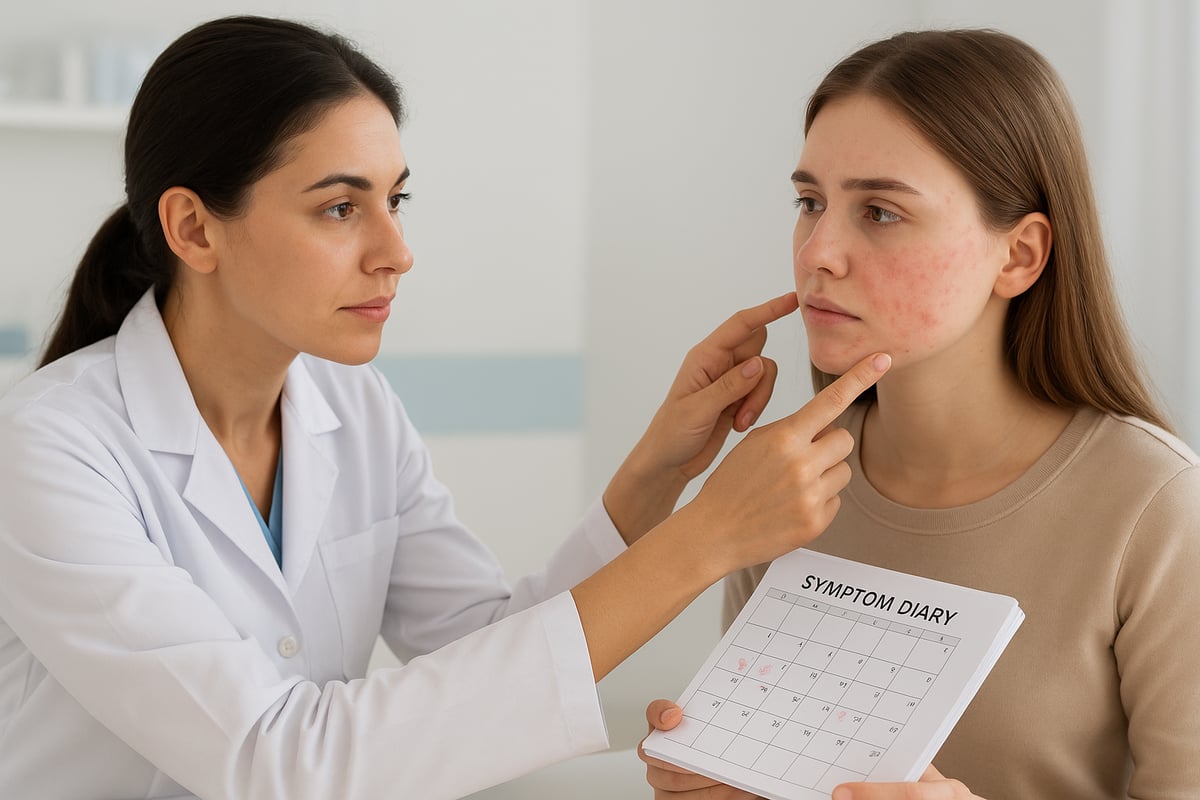
When diagnosing perioral dermatitis and the menstrual cycle connection, dermatologists start by differentiating this rash from similar conditions like acne or rosacea. They look for hallmark signs: clusters of small red bumps, scaling, and burning sensations around the mouth, nose, or eyes.
A detailed patient history is essential. Clinicians often ask about recent use of topical steroids, new skincare products, or lifestyle changes. Most importantly, they explore whether flare-ups occur in sync with hormonal fluctuations.
Tracking symptoms across several months can reveal clear patterns. If a patient notices that perioral dermatitis and the menstrual cycle are closely linked, this information guides the diagnostic process and future management.
Role of Hormonal Evaluation
Understanding how perioral dermatitis and the menstrual cycle interact sometimes calls for hormonal evaluation. If flare-ups reliably coincide with ovulation or menstruation, testing estrogen, progesterone, or androgen levels may be recommended.
Recent research, such as the Menstrual Cycle’s Impact on Atopic Dermatitis, highlights how premenstrual phases can worsen skin conditions, supporting the value of tracking cycle phases in diagnosis.
Identifying hormonal patterns enables more personalized treatment. For many women, simply connecting perioral dermatitis and the menstrual cycle provides relief, as it validates their experiences and informs targeted care.
Diagnostic Tools and Techniques
To confirm perioral dermatitis and the menstrual cycle as linked, dermatologists use several tools. Visual examination remains the first step, as the rash's distribution and appearance are telling.
Dermatoscopy can help rule out fungal or bacterial infections. In some cases, lab tests are ordered to exclude other causes. A table summarizing diagnostic steps:
| Diagnostic Tool | Purpose | When Used |
|---|---|---|
| Visual Exam | Initial assessment | All cases |
| Dermatoscopy | Detailed skin analysis | Ambiguous presentations |
| Lab Tests | Rule out infections/other issues | Atypical or severe symptoms |
Careful use of these tools, combined with cycle tracking, increases accuracy when diagnosing perioral dermatitis and the menstrual cycle relationship.
Patient Examples
Consider a patient who experiences monthly flare-ups of perioral dermatitis and the menstrual cycle. By keeping a symptom diary, she notes a clear pattern: redness and bumps appear just before her period, then fade as menstruation ends.
After several months of tracking, her dermatologist confirms the diagnosis by correlating her cycle with symptom severity. Data from recent studies show diagnostic accuracy improves significantly when menstrual timing is considered.
These real-life cases highlight the importance of empowering women to monitor their cycles and communicate patterns, making perioral dermatitis and the menstrual cycle easier to diagnose and manage.
Challenges and Considerations
Despite advances, diagnosing perioral dermatitis and the menstrual cycle connection remains complex. Symptoms often overlap with other facial skin disorders, making misdiagnosis a risk.
Women who do not track their cycles may be underdiagnosed or receive less effective care. Encouraging open dialogue about hormonal patterns is key.
Ultimately, understanding the link between perioral dermatitis and the menstrual cycle transforms both diagnosis and treatment, ensuring women receive the care and support they deserve.
Evidence-Based Treatment and Prevention Strategies (2026 Update)
Managing perioral dermatitis and the menstrual cycle requires a multi-pronged approach. With new research and therapies emerging in 2026, women have more options than ever to achieve clear, confident skin. Let’s break down the latest evidence-based strategies, from prescription treatments to lifestyle tweaks and prevention.
Topical and Prescription Treatments
First-line therapies for perioral dermatitis and the menstrual cycle often include topical antibiotics like metronidazole and erythromycin. These help reduce inflammation and target bacterial triggers. In 2026, non-steroidal anti-inflammatory creams are gaining traction for those seeking steroid-free relief. For severe cases, oral antibiotics such as tetracyclines or new-generation alternatives may be prescribed.
Women may also benefit from gender-specific creams designed to support hormonal skin. For example, an effective perioral dermatitis cream for women can be part of a daily skincare routine, especially when symptoms worsen around menstruation.
- Topical antibiotics: metronidazole, erythromycin
- Non-steroidal anti-inflammatory creams (2026 update)
- Oral antibiotics: tetracyclines, alternatives
It’s crucial to avoid steroid creams, which can worsen perioral dermatitis and the menstrual cycle symptoms.
Hormonal Management Approaches
Because perioral dermatitis and the menstrual cycle are closely linked, hormonal management is a key strategy. Oral contraceptives are sometimes recommended to stabilize hormonal fluctuations, especially for women with predictable flare-ups. Anti-androgen medications may be used for persistent cases, as they reduce oil production and inflammation tied to cycle changes.
Recent clinical trial data show that hormonal interventions can significantly decrease the frequency and severity of flare-ups. Dermatologists may suggest adjusting contraceptives or exploring hormone-balancing therapies as part of an integrated approach.
If you notice your symptoms peaking before or during your period, talk to your provider about hormonal options tailored to your needs.
Lifestyle and Skincare Modifications
Lifestyle changes can make a significant impact on perioral dermatitis and the menstrual cycle. Avoiding triggers like topical steroids, heavy cosmetics, and fluoride toothpaste is top priority. Instead, choose gentle, fragrance-free, non-comedogenic products to protect the skin barrier.
Stress management and dietary tweaks, such as reducing sugar and following an anti-inflammatory diet, can also reduce flare-up frequency. Try tracking your cycle to anticipate high-risk days and adjust your skincare accordingly.
- Switch to non-fluoridated toothpaste
- Use makeup labeled “non-comedogenic”
- Prioritize regular sleep and stress relief
Consistency is vital for lasting improvement.
Natural and Alternative Therapies
Some people turn to natural options for perioral dermatitis and the menstrual cycle. Probiotics and barrier-repair ingredients, such as niacinamide and ceramides, have evidence supporting their role in skin health. However, be cautious with essential oils, which can irritate sensitive skin and trigger flare-ups.
Recent studies highlight the benefits of integrating gentle, plant-based products into your regimen, but always patch-test new items first. Consult with a dermatologist to ensure your approach is safe and effective.
Remember, natural does not always mean better—focus on what your skin tolerates best.
Preventive Strategies
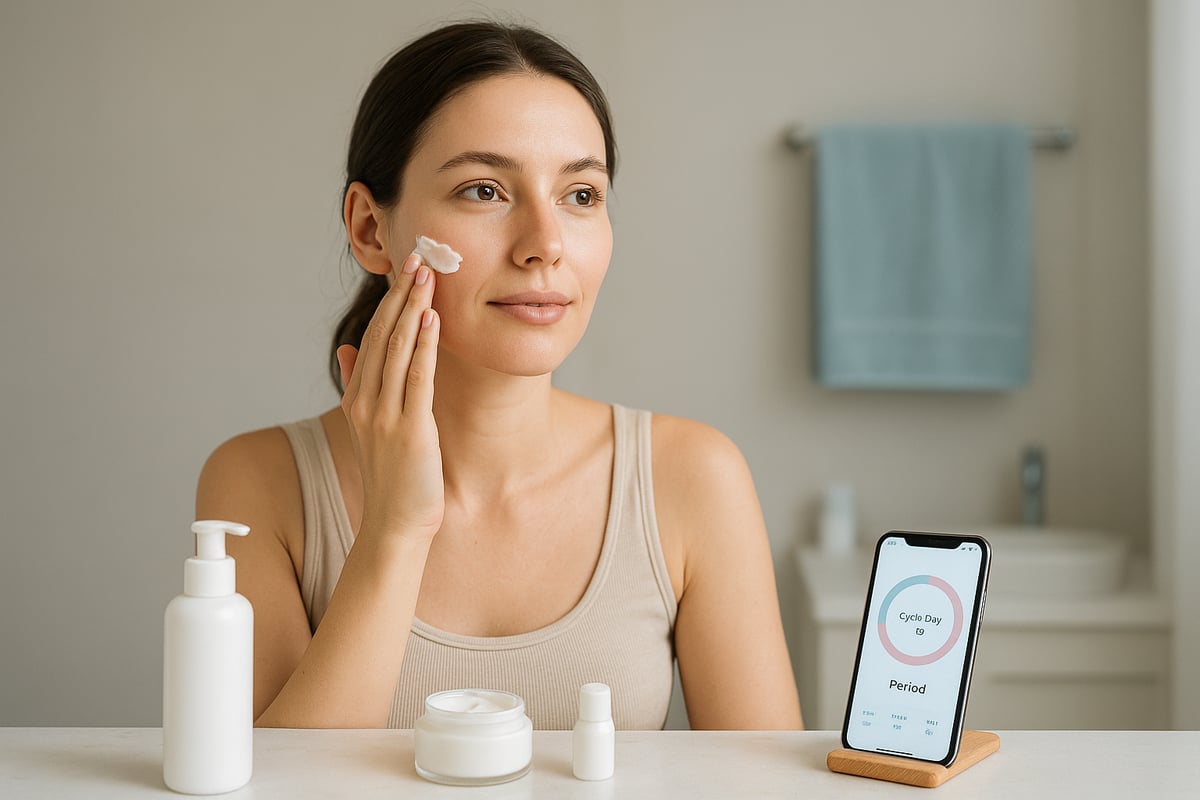
Prevention is just as important as treatment for perioral dermatitis and the menstrual cycle. Using cycle tracking apps can help you anticipate flare-ups and plan early interventions, such as adjusting your skincare routine before your period begins.
Developing an early intervention protocol with your dermatologist can reduce the duration and intensity of symptoms. Regular follow-ups and tailored advice based on your menstrual calendar empower you to take control.
- Track symptoms and cycles together
- Adjust products proactively
- Communicate changes with your healthcare provider
Small, proactive steps can prevent big setbacks.
Examples and Success Stories
Many women have successfully managed perioral dermatitis and the menstrual cycle through combined strategies. For instance, some achieved remission by using prescription creams, switching to gentle skincare, and tracking their cycles for pattern recognition.
Data from 2025-2026 show that integrated approaches lead to longer remission periods and fewer severe flare-ups. Real-life patient journeys highlight the importance of consistency and collaboration with healthcare teams.
By staying proactive and informed, you can transform your experience with perioral dermatitis and the menstrual cycle—one step at a time.
Living with Perioral Dermatitis: Daily Management and Mental Health
Living with perioral dermatitis and the menstrual cycle can feel like a never-ending battle with your skin and your confidence. The unpredictable timing and intensity of flare-ups often add frustration to daily life. Yet, with the right approach, it’s possible to take back control and protect your well-being.
Coping with the Emotional Impact
The emotional toll of perioral dermatitis and the menstrual cycle can be overwhelming. Flare-ups can trigger feelings of embarrassment, anxiety, and even isolation, especially when they coincide with social events or busy periods of life.
It’s important to recognize these feelings are valid. Seeking help from mental health professionals or joining online support groups can offer much-needed comfort and perspective. Talking openly about your experiences can also reduce shame and help you realize you’re not alone.
Building a Supportive Routine
Consistency is your best ally when managing perioral dermatitis and the menstrual cycle. Establish a gentle skincare routine that avoids harsh products and heavy cosmetics. Stick to prescribed medications and monitor any changes around your cycle.
Track your symptoms using a journal or app. Noticing patterns can help you and your dermatologist fine-tune your routine for better results. Remember, small daily habits add up to big improvements over time.
Navigating Flare-Ups
Flare-ups can happen suddenly, but having a plan can make all the difference. Keep a soothing moisturizer or prescribed cream on hand for quick relief. If a flare coincides with your period, consider adjusting your routine by simplifying products and avoiding known triggers.
Communicate with your healthcare provider if you notice new or worsening symptoms. Early intervention often leads to faster recovery and less discomfort.
Real-Life Experiences
Many women share stories of navigating perioral dermatitis and the menstrual cycle with resilience and hope. Some find their symptoms improve dramatically with tailored routines and lifestyle changes. Others achieve long-term remission through a combination of medical and emotional support.
If you’re wondering about the long-term outlook, learn more about real success stories and whether perioral dermatitis can be cured. Remember, progress is possible, and you’re not defined by your skin.
Practical Tips for Daily Life
Making small adjustments to your daily habits can ease the burden of perioral dermatitis and the menstrual cycle. Choose makeup labeled non-comedogenic and always remove it before bed. Use sunscreen designed for sensitive skin, and steer clear of fluoride toothpaste if it’s a trigger.
Explore gentle skincare options, like those highlighted in this natural cream for perioral dermatitis guide, for extra support. At work or in social settings, keep a calming product in your bag and practice self-acceptance as you manage your journey.
Future Directions: Research, Innovation, and Hope for 2026
The future looks bright for those navigating perioral dermatitis and the menstrual cycle. With new research, digital health breakthroughs, and a growing understanding of skin-hormone interactions, hope is on the horizon. Let’s explore where science and care are headed next.
Advances in Understanding the Hormone-Skin Connection
Researchers are diving deeper into the complex relationship between perioral dermatitis and the menstrual cycle. Recent studies have identified genetic markers and hormone receptors that may explain why some women are more susceptible to flare-ups at certain times of the month.
Ongoing clinical trials from 2025 to 2026 are evaluating how estrogen and progesterone fluctuations impact skin barrier function and inflammation. This research aims to deliver more targeted therapies in the future. The ultimate goal is to pinpoint exactly how perioral dermatitis and the menstrual cycle interact, leading to earlier prevention and better outcomes.
Personalized Medicine and Digital Health
Personalized medicine is quickly transforming the management of perioral dermatitis and the menstrual cycle. AI-powered apps now help women track both skin symptoms and cycle phases, allowing for more accurate prediction of flare-ups.
Teledermatology is also expanding, making it easier to access expert advice without leaving home. By combining real-time data from wearable sensors and digital diaries, clinicians can tailor treatments based on each person’s unique hormonal patterns. This approach promises to make perioral dermatitis and the menstrual cycle less mysterious and much more manageable.
Innovations in Skincare Products
The skincare industry is embracing the science behind perioral dermatitis and the menstrual cycle. Microbiome-friendly and hormone-supportive products are gaining traction, with brands focusing on non-toxic, sustainable ingredients.
A notable breakthrough involves creams targeting specific skin receptors. For example, a TRPV1 inhibitor cream demonstrated significant improvement in perioral dermatitis severity and skin barrier repair, as shown in recent clinical trials. These innovations are paving the way for safer, more effective care tailored to the needs of women affected by perioral dermatitis and the menstrual cycle.
Patient Advocacy and Awareness
The conversation around perioral dermatitis and the menstrual cycle is growing louder. Community-driven education initiatives are empowering women to recognize triggers and seek help sooner.
Advocacy groups are pushing for policy changes to improve access to dermatological care and to encourage insurance coverage for newer treatments. This movement is helping to reduce stigma and ensure everyone affected by perioral dermatitis and the menstrual cycle has the support they need.
Statistics and Predictions
Recent data suggest the prevalence of perioral dermatitis and the menstrual cycle connection may continue to rise, especially as more women become aware and seek diagnosis. A 2025 study found women with irregular periods are more likely to experience skin conditions like perioral dermatitis, highlighting the importance of hormonal balance.
By 2026, integrated care models are predicted to improve remission rates and patient satisfaction. Experts anticipate that tracking both perioral dermatitis and the menstrual cycle will become a standard part of dermatological care.
Inspiring Examples
Stories of hope are emerging as more women take charge of perioral dermatitis and the menstrual cycle. Patients who use digital tracking, evidence-based treatments, and supportive communities are reporting better quality of life.
Case studies show that combining medical, lifestyle, and advocacy resources leads to lasting remission and renewed confidence. As research and technology continue to advance, the future for those managing perioral dermatitis and the menstrual cycle is filled with optimism.