
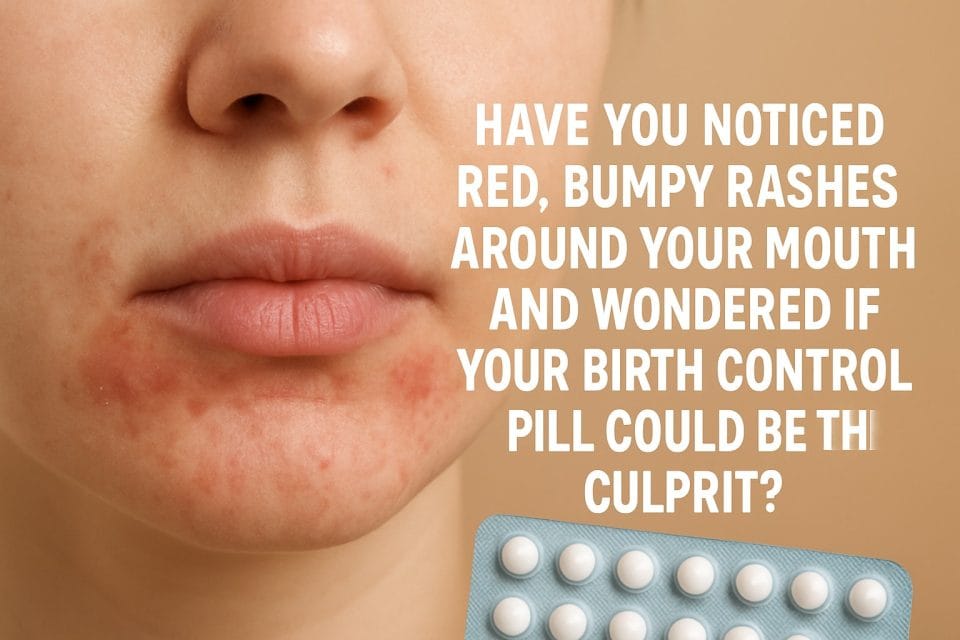
Have you noticed red, bumpy rashes around your mouth and wondered if your birth control pill could be the culprit?
You are not alone. More women are noticing a connection between perioral dermatitis and the birth control pill in recent years. As more people use hormonal contraceptives, understanding this link has become essential for making confident, healthy choices about your skin.
In this guide, you will discover what perioral dermatitis is, how the birth control pill might influence it, diagnosis tips, treatment options, prevention strategies, and what changes to expect by 2026.
Understanding Perioral Dermatitis
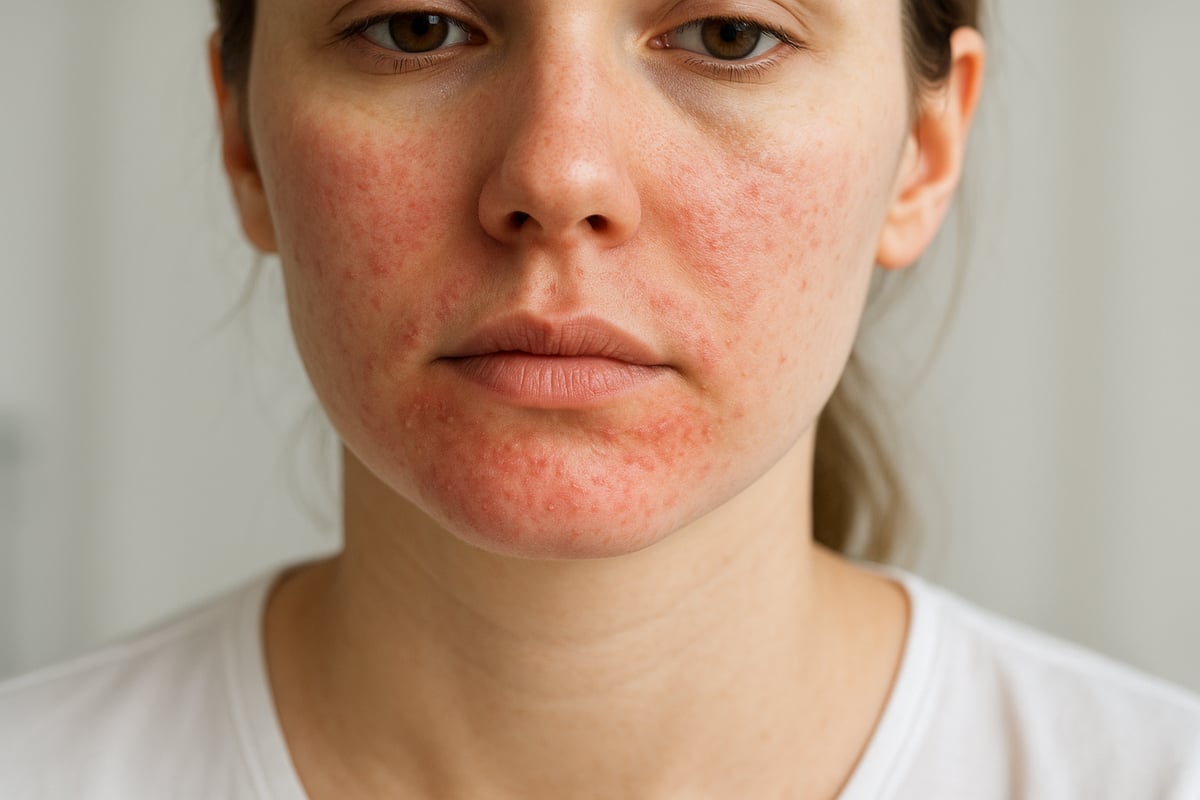
Have you ever noticed a sudden rash around your mouth and wondered what it could mean? Perioral dermatitis is a common but often misunderstood skin condition. It appears as clusters of tiny, red bumps, usually around the mouth, nose, or even the eyes. Unlike acne, these bumps may burn, itch, or flake, making them especially uncomfortable.
Perioral dermatitis stands out from other rashes because of its distinct pattern and symptoms. Most people experience redness, slight swelling, and sometimes a sandpaper-like texture. The affected area can feel tight or sore, especially after washing or applying products.
Statistics show that perioral dermatitis impacts up to 1% of the population, with most cases occurring in women between the ages of 16 and 45. This makes the connection between perioral dermatitis and the birth control pill particularly important to explore, as many women in this age group rely on hormonal contraceptives.
Several factors can trigger or worsen perioral dermatitis. The most common culprits include the use of topical steroids, hormonal changes, certain cosmetic products, and environmental factors such as humidity or pollution. If you have recently changed your skincare routine or started using a new cream, keep an eye out for any changes in your skin.
Hormonal fluctuations are a key risk factor, especially for women. This is why perioral dermatitis and the birth control pill are often discussed together. Birth control pills can alter hormone levels, which may influence skin health and trigger flare-ups in some individuals.
It is easy to confuse perioral dermatitis with other skin conditions, such as acne, rosacea, or eczema. Misdiagnosis is common, leading to frustration and delayed treatment. Here is a quick comparison to help you tell them apart:
| Condition | Typical Location | Appearance | Key Differences |
|---|---|---|---|
| Perioral Dermatitis | Around mouth, nose, eyes | Red bumps, scaling, burning | Spares lip border, no blackheads |
| Acne | Face, back, chest | Pimples, blackheads, whiteheads | Oily skin, often with cysts |
| Rosacea | Cheeks, nose, chin | Flushing, visible vessels, bumps | Triggers: spicy foods, alcohol |
| Eczema | Anywhere, often hands, arms | Dry patches, intense itch | Family history, sensitive skin |
Recent years have seen a rise in perioral dermatitis cases among young adults. Experts link this trend to changing lifestyles, increased use of facial products, and growing awareness of skin health. The surge in mask-wearing has also played a role, trapping moisture and irritants against the skin.
Let us look at a real-life example. Sarah, a 28-year-old marketing professional, spent months battling what she thought was stubborn acne. She tried new cleansers and spot treatments, but nothing worked. A dermatologist finally diagnosed her with perioral dermatitis, noting her recent switch to a new birth control pill and regular use of a topical steroid for eczema. Once she discontinued the steroid and adjusted her skincare routine, her skin began to heal.
If you suspect you are dealing with perioral dermatitis and the birth control pill might be involved, it is important to get an accurate diagnosis. Learning about the condition, its triggers, and the best ways to manage it can help you take control of your skin health. For a more detailed look at causes and management strategies, check out Perioral Dermatitis: Practice Essentials for expert advice.
Whether you are newly affected or have struggled for years, understanding perioral dermatitis and the birth control pill connection is the first step toward clearer, healthier skin.
The Birth Control Pill: Mechanisms and Skin Impact
Ever wondered how something as small as a daily pill can have such a big impact on your skin? The connection between perioral dermatitis and the birth control pill is a topic gaining attention, especially as more women seek answers about unexpected skin changes.
How the Birth Control Pill Works
Hormonal contraceptives, commonly known as birth control pills, contain synthetic versions of estrogen, progestin, or both. These hormones prevent pregnancy by stopping ovulation, thickening cervical mucus, and thinning the uterine lining.
But these same hormones also interact with the body’s natural balance in ways that can influence the skin. For some, this means clearer skin. For others, especially those with sensitive skin, it can trigger new issues, including perioral dermatitis and the birth control pill relationship.
Impact on Skin: Sebum Production and Microbiome
Estrogen and progestin play a key role in sebum regulation. Changes in hormone levels can either reduce or increase oil production. For many users, the pill helps control acne by lowering sebum, but for others, it may disrupt the skin’s barrier or alter the balance of good and bad bacteria.
The skin microbiome is a community of microorganisms that protect against irritation and infection. When the pill shifts this balance, it can make the skin more susceptible to inflammatory conditions like perioral dermatitis and the birth control pill can be a contributing factor.
What Studies Show: Skin Changes Linked to the Pill
Research paints a complex picture. Some studies show that certain oral contraceptives, particularly those with anti-androgenic effects, can improve acne and skin clarity. However, up to 10% of users report new or worsening rashes, dryness, or redness, including symptoms of perioral dermatitis and the birth control pill as a trigger. For a comprehensive review, see the Effect of birth control pills on acne in women, which explores how various pill formulations impact different skin conditions.
Pill Formulations and Their Dermatological Effects
Not all pills are created equal when it comes to skin health. Here’s a quick comparison:
| Pill Type | Common Skin Effects | Risk for Dermatitis |
|---|---|---|
| Combined (Estrogen + Progestin) | May improve acne, sometimes triggers rashes | Moderate |
| Progestin-Only | Can worsen acne, more likely to disrupt microbiome | Higher |
Switching between these types can sometimes resolve or worsen perioral dermatitis and the birth control pill should be discussed with a dermatologist before any changes.
Insights From Dermatologists
Dermatologists report seeing a clear pattern: women starting or switching birth control pills often notice changes in skin texture or develop new rashes. The link between perioral dermatitis and the birth control pill is now recognized in clinical practice, with many experts recommending personalized approaches based on skin type, medical history, and lifestyle.
If you’re experiencing persistent redness, bumps, or irritation after starting a new contraceptive, you are not alone. Understanding the science behind perioral dermatitis and the birth control pill can empower you to make informed choices for your skin’s health.
Diagnosing Perioral Dermatitis in 2026
Spotting the difference between perioral dermatitis and the birth control pill–related skin changes can be tricky, especially with symptoms that overlap with other facial conditions. Many women notice redness, tiny bumps, or burning around the mouth and wonder if their new contraceptive is to blame. Recognizing these patterns early can make all the difference in getting the right treatment.
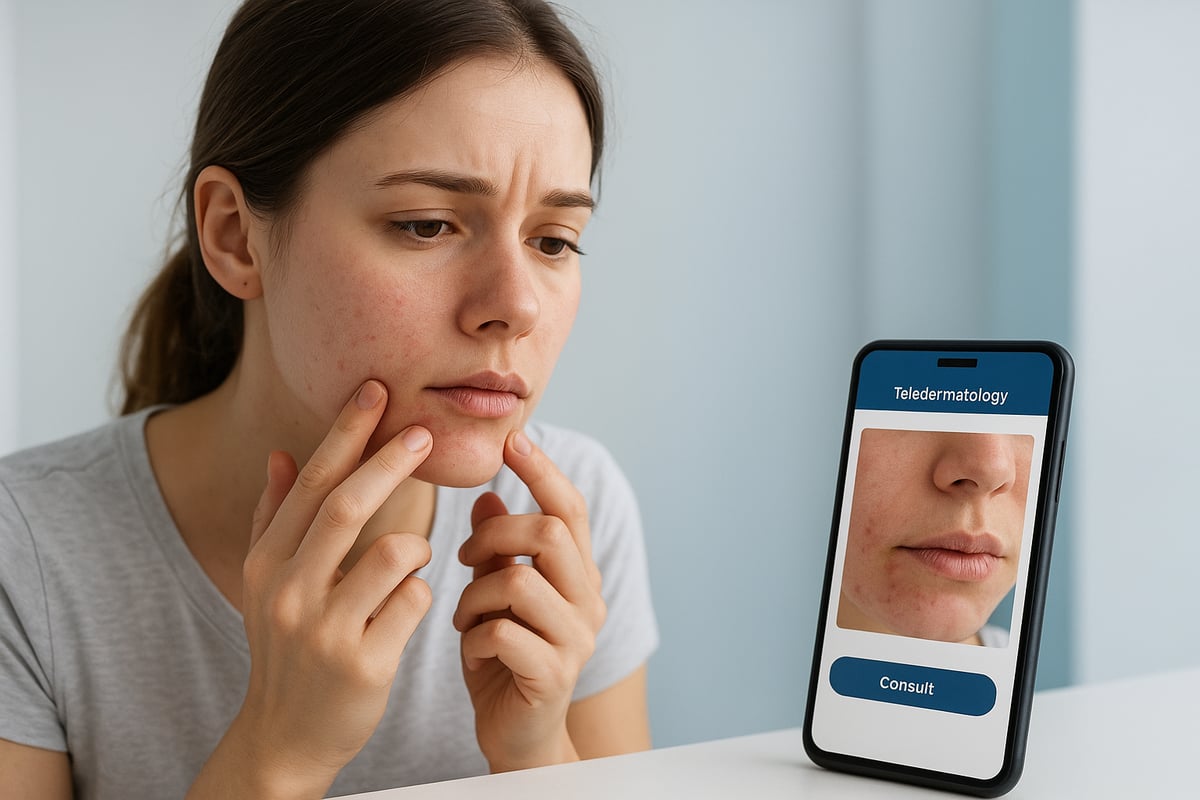
Today, diagnosing perioral dermatitis and the birth control pill connection often starts at home. Thanks to advances in AI-powered skin analysis apps, people can upload photos, answer a few questions about symptoms, and get a preliminary assessment in minutes. These tools analyze redness, rash patterns, and even ask about recent hormonal changes or new medications.
When seeking a definitive diagnosis, medical history plays a vital role. Doctors will ask about recent use of topical steroids, new cosmetic routines, and any changes in contraception. Sharing details about when you started the birth control pill, or if you recently switched brands, can help pinpoint if perioral dermatitis and the birth control pill are linked in your case.
Here’s how a typical diagnostic journey looks in 2026:
- Step 1: Notice persistent redness, bumps, or burning around the mouth, nose, or eyes.
- Step 2: Use a teledermatology app or schedule a virtual consult to share images and symptom history.
- Step 3: Discuss your contraceptive history and any topical steroid use with your provider.
- Step 4: Your doctor may recommend patch testing or a skin culture if infection is suspected.
- Step 5: Receive a personalized diagnosis and treatment plan, often without leaving home.
Distinguishing perioral dermatitis and the birth control pill side effects from other skin conditions is essential. Misdiagnosis is common, since acne, rosacea, and eczema can all cause facial rashes. Here’s a quick comparison:
| Condition | Typical Location | Appearance | Triggers |
|---|---|---|---|
| Perioral Dermatitis | Around mouth, nose, eyes | Red bumps, scaling | Hormonal changes, topical steroids, cosmetics |
| Acne | Face, chest, back | Pimples, cysts | Hormones, stress, oily skin |
| Rosacea | Cheeks, nose | Flushing, visible vessels | Heat, alcohol, spicy foods |
| Eczema | Anywhere | Dry, itchy patches | Allergens, stress, weather |
If your symptoms closely resemble rosacea, reviewing resources such as Proskin Rosacea Natural Hair Treatment can help you understand the subtle differences and why correct diagnosis matters.
Technology is transforming the way we address perioral dermatitis and the birth control pill–related changes. In 2026, over 70% of diagnoses happen via telehealth, making expert advice more accessible than ever. Imagine a virtual dermatology consult where you upload photos, share your medical history, and receive guidance within hours. This streamlined approach means less waiting, faster relief, and fewer missteps.
If you suspect a link between perioral dermatitis and the birth control pill, don’t hesitate to seek a professional opinion. Quick action, combined with the latest tech tools, can help you reclaim your skin’s health and confidence.
Managing and Treating Perioral Dermatitis Linked to Birth Control Pills
Managing perioral dermatitis and the birth control pill connection can feel overwhelming, but a clear plan makes all the difference. If you’re noticing red, bumpy rashes after starting or changing your pill, you’re not alone. Understanding the right steps can help you regain control and restore your skin’s health.
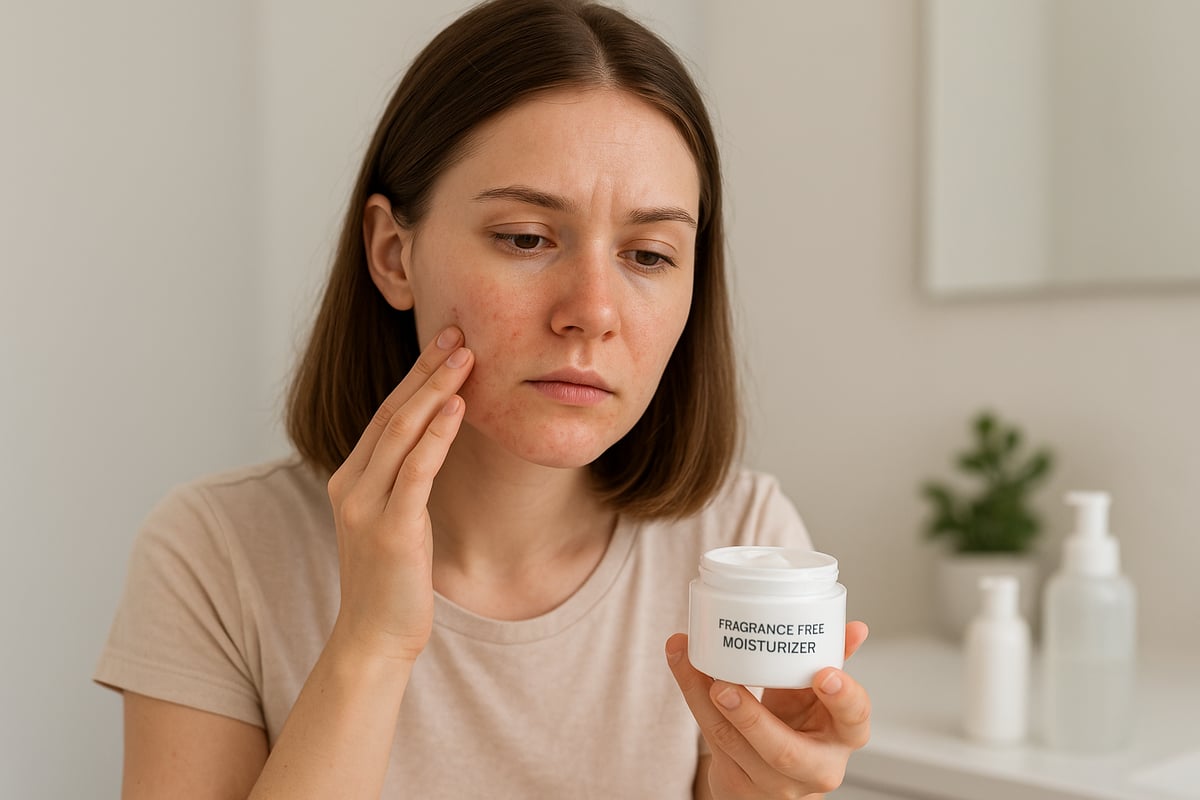
Step-by-Step Approach
The first step in managing perioral dermatitis and the birth control pill is to remove anything that could be triggering your skin. This often means discontinuing topical steroids, which are a common culprit. If you use any strong facial creams or ointments, ask your healthcare provider if they could be fueling your symptoms.
Next, review your cosmetic and skincare products. Heavy creams, harsh cleansers, and makeup with irritating ingredients can all make perioral dermatitis and the birth control pill more complicated. Switch to fragrance-free, gentle options and keep your routine simple.
If your symptoms began after starting a new pill, don’t stop it abruptly. Instead, consult your doctor about possible links between perioral dermatitis and the birth control pill. They can help you weigh the risks and benefits, and discuss safer alternatives.
Prescribed Treatments
When perioral dermatitis and the birth control pill are linked, healthcare providers often recommend specific medications to calm inflammation and clear the rash. Topical antibiotics like metronidazole or clindamycin are commonly prescribed. In moderate or persistent cases, oral antibiotics such as tetracyclines or macrolides may be used.
These medications help by reducing the bacteria and inflammation that drive perioral dermatitis and the birth control pill–related flare-ups. Treatment length varies, but most people see results within a few weeks.
Always follow your provider’s instructions closely. Don’t use over-the-counter steroid creams, as they can worsen the problem. If you have questions about medication side effects or interactions with the pill, bring them up at your next appointment.
Supportive Skincare and Lifestyle
Your daily routine matters when managing perioral dermatitis and the birth control pill. Use gentle cleansers and avoid over-washing. Stick to fragrance-free, non-comedogenic moisturizers to soothe irritation and repair the skin barrier. For those with sensitive skin, using products like Natural Skin Care for Sensitive Skin can help minimize discomfort and prevent further flare-ups.
Lifestyle tweaks can also make a difference. Reduce stress with mindfulness or relaxation techniques. Limit exposure to extreme weather, which can aggravate sensitive skin. Avoid face masks and occlusive cosmetics when possible, especially if they seem to trigger your symptoms.
Monitoring Progress: What to Expect
Recovery from perioral dermatitis and the birth control pill is usually gradual, but improvement is well within reach. Most patients notice significant changes within 6-8 weeks of targeted therapy. According to the British Journal of Dermatology, 85% of people see visible improvement in this timeframe.
Keep a symptom diary to track your progress and any new triggers. Regular check-ins with your provider can help prevent recurrence and catch issues early.
Should You Stop the Pill?
Deciding whether to stop the pill is highly individual. For some, switching to a different formulation or a non-hormonal method can bring relief. For others, careful management allows them to continue their chosen contraception without major flare-ups.
Always discuss options with your healthcare provider before making changes. They’ll consider your medical history, skin health, and personal preferences to help you navigate perioral dermatitis and the birth control pill confidently.
Preventing Perioral Dermatitis for Birth Control Pill Users
Taking steps to prevent perioral dermatitis and the birth control pill from becoming an unwelcome duo is easier than you might think. Many women are surprised to learn that small changes in daily habits can significantly reduce their risk. Prevention is not just about what you put on your skin, but also about making smart choices in contraception and lifestyle. By understanding the connection between perioral dermatitis and the birth control pill, you can confidently take charge of your skin health from the start.
Choose Low-Risk Contraceptive Formulations
If you are starting or already using birth control, talk to your healthcare provider about options that are less likely to trigger skin issues. Some pills have a lower risk of contributing to perioral dermatitis and the birth control pill is not the only option for contraception. Ask about non-hormonal alternatives, or formulations with a balance of estrogen and progestin that suit your skin type. For a deeper dive into how oral contraceptives affect skin, see this expert analysis on oral contraceptive therapy in acne. Personalizing your contraception can make a big difference in skin outcomes.
Refine Your Skincare Routine
Over-cleansing, harsh exfoliants, and heavy creams can disrupt your skin barrier, making it easier for perioral dermatitis and the birth control pill to become problematic. Stick to gentle, fragrance-free cleansers and moisturizers. Avoid layering multiple new products at once, especially those with strong active ingredients. Research highlights the importance of avoiding cosmetic products that can trigger flare-ups; for more on this, review the findings in this study on topical applications and perioral dermatitis. Simplicity and consistency are your allies when it comes to prevention.
Support Your Skin Barrier and Microbiome
Healthy skin starts with a strong barrier and balanced microbiome. Look for products labeled as barrier-repairing or microbiome-friendly. Ingredients like ceramides, glycerin, and niacinamide can help strengthen your skin’s defenses. If you notice redness or irritation, pause new products and focus on soothing hydration. These habits can help keep perioral dermatitis and the birth control pill from causing unexpected flare-ups.
Monitor for Early Signs and Take Action
Stay vigilant for the first hints of redness, bumps, or irritation around your mouth or nose. Catching symptoms early means you can act quickly, preventing escalation. Women’s health clinics now use preventive protocols that include regular skin check-ins, patient education, and immediate access to dermatology advice. Clinics that implemented these strategies reported a 30% reduction in perioral dermatitis recurrence, according to the Journal of Women’s Health, 2024.
Education Empowers Prevention
Remember, knowledge is power when it comes to perioral dermatitis and the birth control pill. By choosing the right contraceptive, refining your skincare, supporting your skin’s natural barrier, and monitoring for changes, you can stay ahead of potential problems. Prevention is a partnership between you and your healthcare team—stay informed, be proactive, and enjoy the confidence that comes with healthy, glowing skin.
Living with Perioral Dermatitis: Support, Resources, and Outlook
Living with perioral dermatitis and the birth control pill can feel overwhelming, especially when the condition affects your face and confidence. Many women experience anxiety about their appearance, social situations, or even daily routines. If you are feeling isolated, know that you are not alone, and support is available.
The rise in online communities has created powerful spaces for those managing perioral dermatitis and the birth control pill. Support groups on social media platforms and specialized forums offer a place to share experiences, ask questions, and find encouragement. In fact, the Skin Health Alliance reports a 50% increase in patient support group participation since 2023.
Here are some ways to find support and connection:
- Join reputable online forums or Facebook groups focused on perioral dermatitis and the birth control pill.
- Seek out virtual meetups or webinars hosted by dermatology professionals.
- Look for local or national organizations dedicated to skin health and women’s wellness.
Accessing reliable information is crucial. Stick to trusted sources such as board-certified dermatologists, women’s health organizations, and scientific publications. With telemedicine now widely available, scheduling virtual appointments is easier than ever. Many patients find that a quick video consult helps them manage perioral dermatitis and the birth control pill without leaving home.
For those seeking additional knowledge about how hormonal changes may influence skin, the Menopause and Dry Skin Insights page offers expert-backed information that can help you understand your skin’s needs.
The outlook for living with perioral dermatitis and the birth control pill in 2026 is encouraging. Increased awareness, better treatment options, and a shift toward open conversations have helped reduce stigma. Many women share stories of regaining their confidence, rebuilding self-esteem, and finding a supportive network.
Remember, reaching out for help is a sign of strength. Whether through telehealth, support groups, or professional resources, you have many tools to navigate perioral dermatitis and the birth control pill. If you need further guidance, explore reputable dermatology organizations, patient advocacy groups, and virtual communities for ongoing support.