

Your face deserves the best care possible, and choosing the right creams for your face can transform your skincare routine from basic to brilliant. Whether you're dealing with dryness, oiliness, aging concerns, or sensitivity, the perfect face cream acts as your skin's daily armor against environmental stressors while delivering essential nutrients. In 2026, the skincare industry has evolved dramatically, offering formulas that blend cutting-edge science with time-tested natural ingredients to create products that truly work with your skin's biology.
Understanding What Makes Face Creams Essential
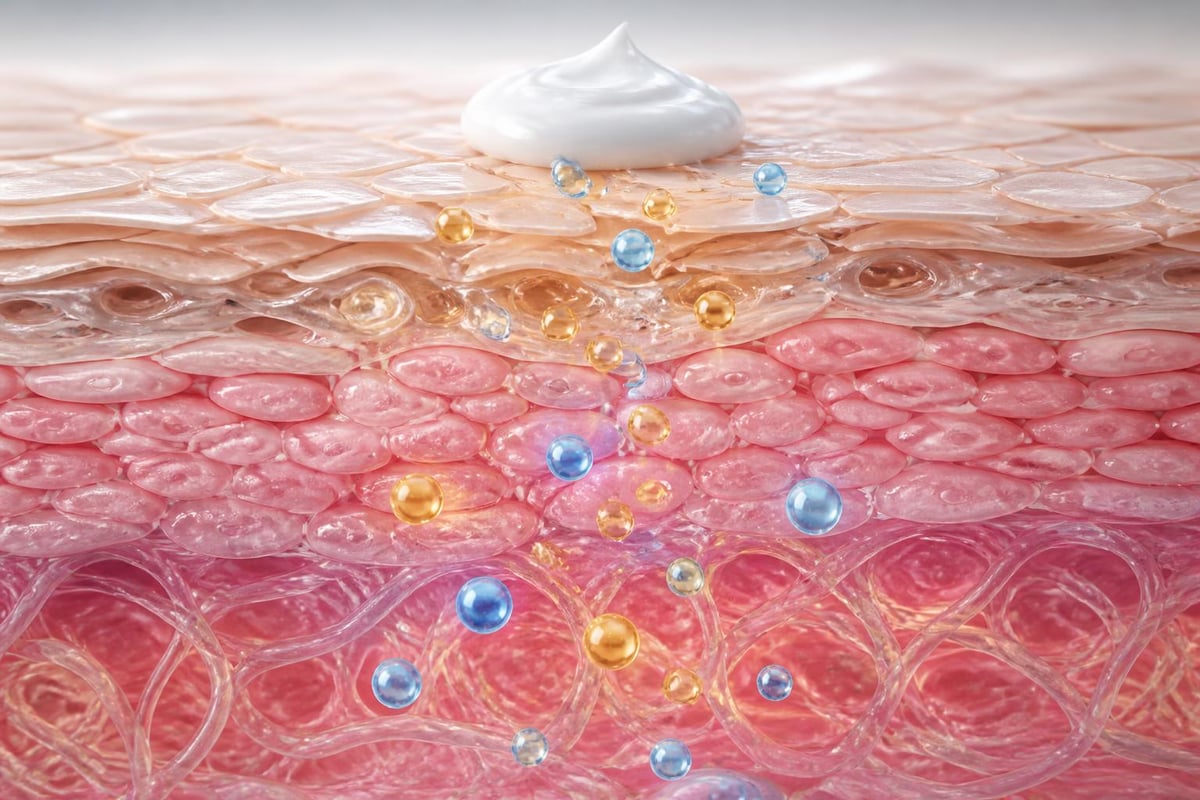
Face creams serve multiple purposes beyond simple moisturization. They create a protective barrier that locks in hydration, shields against pollution, and delivers active ingredients deep into your skin layers.
The skin on your face is remarkably different from the rest of your body. It's thinner, more exposed to environmental damage, and constantly renewing itself. This means the creams for your face need specialized formulations that respect this delicate ecosystem while providing targeted benefits.
The Science Behind Facial Hydration
Your skin's outermost layer, the stratum corneum, acts like a brick wall where dead skin cells are the bricks and lipids are the mortar. When this barrier becomes compromised, moisture escapes and irritants penetrate more easily.
Quality face creams work by:
- Replenishing the skin's natural lipid barrier with ceramides and fatty acids
- Attracting moisture from the environment using humectants like hyaluronic acid
- Sealing in hydration with occlusives such as natural oils and butters
- Delivering active ingredients that address specific skin concerns
According to Cleveland Clinic’s guidance on facial creams, understanding the difference between day and night formulations is crucial for maximizing benefits.
Choosing Creams for Your Face Based on Skin Type
Not all face creams are created equal, and your skin type dramatically influences which formulation will work best for you.
Dry Skin Solutions
If your skin feels tight, flaky, or rough, you need creams packed with intensive moisturizers. Look for rich formulas containing:
Key Ingredients for Dry Skin:
- Shea butter and cocoa butter for deep nourishment
- Glycerin to pull moisture into skin cells
- Squalane for lightweight but lasting hydration
- Natural oils like jojoba, argan, and rosehip
The beauty of eco-friendly skincare is that many plant-based ingredients naturally provide the intense moisture dry skin craves without synthetic additives.
Oily and Combination Skin Formulas
Oily skin still needs hydration, but heavy creams can trigger breakouts and excess sebum production. The solution? Lightweight, noncomedogenic formulations.
Dermatologist-approved noncomedogenic moisturizers prove that creams for your face can hydrate without clogging pores when formulated correctly.
| Skin Type | Texture Preference | Best Ingredients | Avoid |
|---|---|---|---|
| Oily | Gel or lightweight lotion | Niacinamide, hyaluronic acid, salicylic acid | Heavy oils, thick butters |
| Dry | Rich cream or balm | Ceramides, shea butter, oils | Alcohol, harsh surfactants |
| Combination | Medium-weight cream | Adaptogens, balanced oils | One-size-fits-all formulas |
| Sensitive | Gentle, fragrance-free | Colloidal oatmeal, calendula, allantoin | Fragrances, essential oils |
Sensitive and Reactive Skin Considerations
For those dealing with conditions like eczema, rosacea, or general sensitivity, choosing gentle creams for your face becomes critical. Marie Claire’s eczema face cream recommendations highlight formulas that soothe rather than irritate.
Natural ingredients often work beautifully for sensitive skin because they're recognized by the body as compatible compounds rather than foreign chemicals.
Natural Ingredients That Transform Face Creams
The shift toward natural skincare isn't just a trend; it's a return to ingredients our skin evolved alongside. Many botanical extracts offer benefits that synthetic alternatives struggle to replicate.
Power Players in Natural Face Creams
Hyaluronic Acid (Plant-Derived):
This molecule holds up to 1,000 times its weight in water, making it the ultimate hydration hero. While originally sourced from animal tissues, modern versions come from bacterial fermentation of plant materials.
Botanical Oils:
Unlike mineral oil, plant oils contain vitamins, antioxidants, and essential fatty acids that nourish while they moisturize. Argan oil, rosehip oil, and jojoba oil closely mimic your skin's natural sebum.
Vitamin C from Kakadu Plum:
This Australian superfruit contains 100 times more vitamin C than oranges, providing powerful antioxidant protection and brightening effects in creams for your face.
Bakuchiol (Nature's Retinol):
This plant-based alternative to retinol delivers similar anti-aging benefits without the irritation, making it perfect for sensitive skin types.
Day Versus Night: Timing Your Face Cream Application
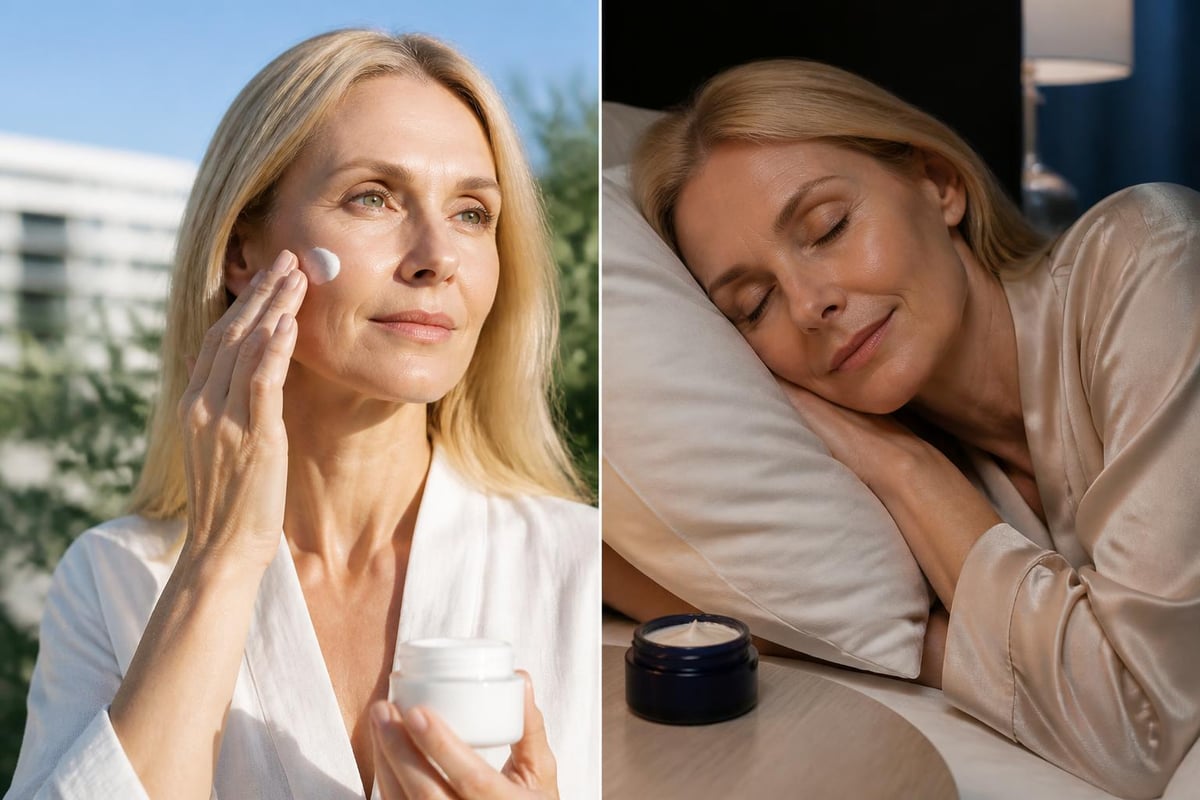
Your skin has different needs throughout the day, which is why many skincare enthusiasts use separate formulations for morning and evening.
Morning Face Cream Essentials
Day creams should focus on protection. During daylight hours, your skin faces UV exposure, pollution, and oxidative stress.
- Apply to clean, slightly damp skin for better absorption
- Choose formulas with SPF or layer sunscreen on top
- Look for antioxidants like vitamin C and green tea extract
- Keep it lightweight so makeup applies smoothly
Nighttime Repair Formulas
While you sleep, your skin enters repair mode, increasing cellular turnover and collagen production. Night creams leverage this natural rhythm.
The creams for your face that you apply before bed should be richer and more treatment-focused. They can contain higher concentrations of active ingredients since you won't face sun exposure.
Nighttime Ingredients to Love:
- Retinol or bakuchiol for cell turnover
- Peptides for collagen support
- Niacinamide for barrier repair
- Heavier oils and butters for deep moisturization
Anti-Aging Creams: Separating Fact from Fiction
The anti-aging category of face creams is crowded with promises, but some ingredients have genuine scientific backing.
Collagen Creams: Do They Work?
There's confusion about collagen in skincare. Research on collagen creams shows that while collagen molecules are too large to penetrate skin, collagen-boosting ingredients can stimulate your skin's own production.
Instead of looking for collagen as a topical ingredient, seek out:
- Peptides that signal collagen production
- Vitamin C that supports collagen synthesis
- Retinoids that increase cellular turnover
- Amino acids that provide collagen building blocks
Retinol Without the Irritation
Retinol remains the gold standard for anti-aging, but many people can't tolerate its side effects. Gentle retinol cream formulations now exist that minimize irritation through time-release technology and buffering ingredients.
For those seeking natural alternatives, bakuchiol offers impressive results without the sensitivity, redness, or sun sensitivity that traditional retinoids cause.
Application Techniques That Maximize Results
Even the best creams for your face won't deliver optimal results if applied incorrectly. Technique matters more than most people realize.
The Perfect Application Method
Step 1: Start with Clean Skin
Cleanse thoroughly but gently, removing all makeup, sunscreen, and daily buildup. Pat skin until it's slightly damp, not soaking wet.
Step 2: Apply While Skin is Still Moist
Damp skin absorbs products more effectively. This is when humectants work their magic, pulling that surface moisture deeper into your skin.
Step 3: Use the Right Amount
For most face creams, a nickel-sized amount suffices. More doesn't mean better; it often means clogged pores and wasted product.
Step 4: Warm and Press
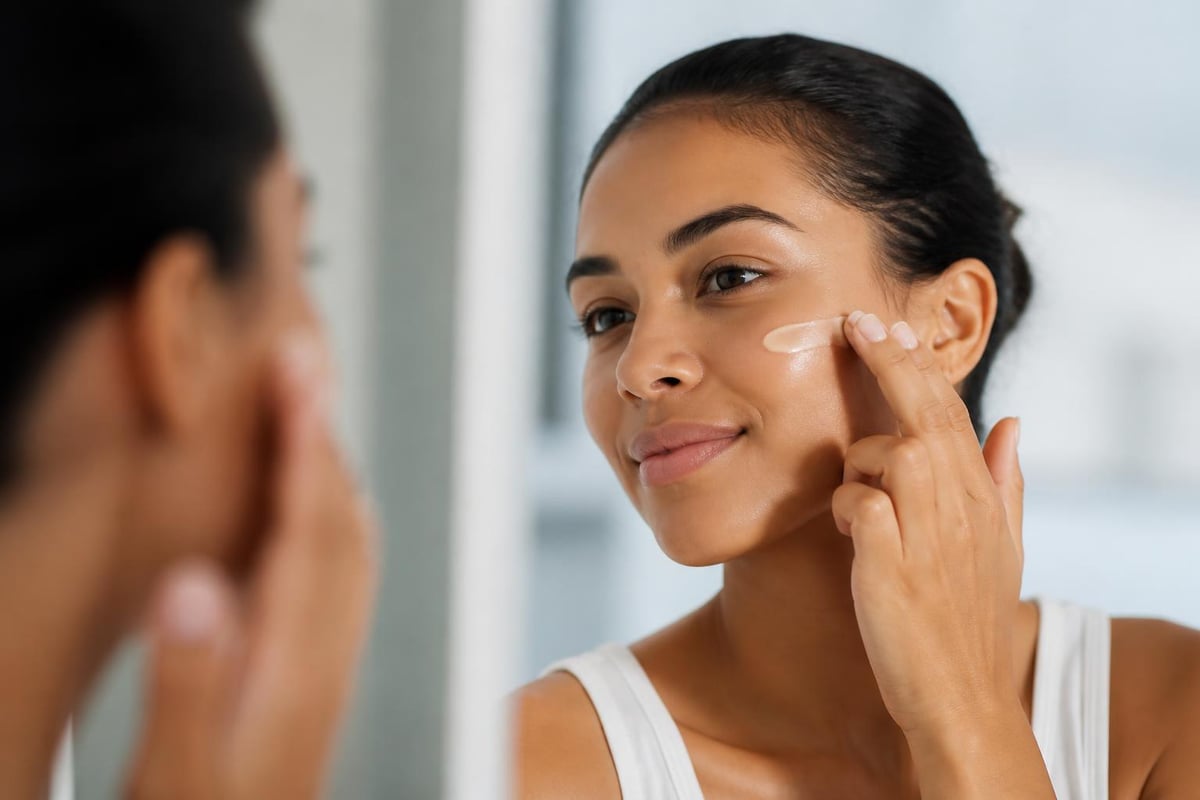
Rub the cream between your palms to warm it slightly, then press it into your skin rather than rubbing vigorously. Use upward, outward motions.
Step 5: Don't Forget Your Neck
The neck shows age just as quickly as the face. Extend your face cream down to your décolletage for consistent results.
Addressing Specific Skin Concerns
Beyond basic moisturization, modern creams for your face target specific issues with precision-formulated ingredients.
Hyperpigmentation and Dark Spots
Uneven skin tone frustrates many people, but the right ingredients can make a dramatic difference.
| Ingredient | How It Works | Best For |
|---|---|---|
| Vitamin C | Inhibits melanin production | Prevention and treatment |
| Niacinamide | Blocks melanin transfer | All skin types |
| Kojic Acid | Natural tyrosinase inhibitor | Stubborn spots |
| Licorice Root Extract | Gentle brightening | Sensitive skin |
| Alpha Arbutin | Targeted pigment reduction | Dark spots |
Acne-Prone Skin Solutions
Balancing acne treatment with proper hydration is tricky. You need creams for your face that won't clog pores but still provide essential moisture.
Look for formulations with:
- Salicylic acid to clear pores
- Tea tree oil for natural antibacterial action
- Niacinamide to regulate sebum
- Lightweight hyaluronic acid for hydration
The key is finding products that treat the acne without stripping your skin, which only triggers more oil production.
Reading Labels: What to Look For and What to Avoid
Understanding ingredient labels empowers you to choose the best creams for your face rather than falling for marketing hype.
Ingredients to Seek Out
When scanning labels, look for these beneficial components near the top of the ingredient list (ingredients are listed by concentration):
Humectants:
Hyaluronic acid, glycerin, aloe vera, honey
Emollients:
Plant oils (jojoba, rosehip, argan), shea butter, squalane
Occlusives:
Beeswax, plant waxes, certain oils
Active Ingredients:
Vitamin C, niacinamide, peptides, botanical extracts
Red Flags to Avoid
Not all ingredients deserve a place on your face. Some common additives can irritate, disrupt hormones, or simply offer no benefit:
- Synthetic fragrances (listed as "parfum" or "fragrance")
- Parabens (methylparaben, propylparaben)
- Sulfates (SLS, SLES)
- Mineral oil and petrolatum (in natural formulations)
- Denatured alcohol in high concentrations
Natural formulations typically skip these problematic ingredients entirely, relying instead on plant-based preservatives and gentle processing.
Seasonal Adjustments for Optimal Skin Health
Your skin's needs change with the seasons, and the creams for your face that work perfectly in summer might leave you dry and tight in winter.
Winter Skincare Strategies
Cold air, indoor heating, and low humidity create the perfect storm for dehydrated skin. Winter demands richer formulations.
Switch to creams containing:
- Higher concentrations of oils and butters
- Ceramides to repair barrier damage
- Occlusives to prevent moisture loss
- Soothing ingredients like oatmeal and calendula
Summer and Humidity Considerations
Forbes’ face moisturizer recommendations note that lighter formulations work better in humid weather when skin naturally retains more moisture.
During warmer months, opt for:
- Gel-based or water-cream textures
- Mattifying ingredients like niacinamide
- Built-in SPF or antioxidants
- Oil-free formulations if you're prone to breakouts
The Role of pH in Face Cream Effectiveness
Your skin's natural pH sits around 4.7 to 5.5, slightly acidic. This acid mantle protects against bacteria and maintains barrier function.
Creams for your face should respect this delicate balance. Products that are too alkaline can disrupt your skin's protective layer, leading to sensitivity, dryness, and inflammation.
Quality natural skincare brands formulate to match skin's pH, ensuring compatibility and reducing the risk of irritation. This is especially important for those dealing with conditions like rosacea or eczema.
Layering Face Creams with Other Products
Modern skincare routines often involve multiple products. Understanding how to layer creams for your face with serums, oils, and treatments maximizes benefits without overwhelming your skin.
The Correct Layering Order
- Cleanser (removed completely)
- Toner or essence (optional, thin liquid)
- Serum (concentrated actives)
- Eye cream (delicate area-specific)
- Face cream (seals everything in)
- Face oil (if using, goes last or mixed with cream)
- Sunscreen (daytime final step)
This order follows the principle of thin to thick, water-based to oil-based. Each layer should absorb before applying the next.
Testing and Transitioning to New Face Creams
Introducing new creams for your face requires patience and attention to how your skin responds.
The Patch Test Protocol
Before applying any new product to your entire face:
- Apply a small amount to your inner forearm or behind your ear
- Wait 24-48 hours to check for reactions
- If no irritation occurs, try it on a small facial area
- Monitor for one week before full application
Giving Products Time to Work
Skin cells turn over approximately every 28 days. Most ingredients need at least this long to show visible results. Some, like retinoids and vitamin C, may take 8-12 weeks for dramatic improvements.
Don't abandon effective creams for your face too quickly. Comprehensive moisturizer testing shows that consistent use over time yields the best outcomes.
Budget-Friendly Versus Luxury: Does Price Matter?
The most expensive cream isn't always the most effective. Price often reflects packaging, marketing, and brand prestige rather than ingredient quality.
What matters more than cost:
Ingredient Concentration:
A $20 cream with 15% vitamin C outperforms a $200 cream with 2% vitamin C.
Formulation Stability:
Properly formulated products preserve active ingredients. Poor formulation renders even expensive ingredients ineffective.
Skin Compatibility:
The best creams for your face are ones your skin tolerates and loves, regardless of price point.
Ethical Sourcing:
Natural skincare often costs more due to sustainable harvesting and fair trade practices, but the investment supports better products and planet health.
Creating a Sustainable Face Cream Routine
Sustainability in skincare extends beyond ingredients to packaging, manufacturing, and usage habits.
Eco-Conscious Choices
When selecting creams for your face, consider:
- Glass or recyclable packaging over single-use plastic
- Concentrated formulas that last longer
- Refillable container options
- Brands committed to carbon-neutral shipping
- Products free from palm oil or using sustainable palm oil
Many people discover that natural skincare approaches align with both their skin health goals and environmental values, creating a win-win scenario.
Minimizing Waste
The most sustainable routine is one you'll actually maintain. Rather than buying dozens of products, invest in versatile, multitasking creams for your face that address multiple concerns.
Quality over quantity reduces waste, saves money, and simplifies your routine while delivering better results.
Special Considerations for Different Life Stages
Your skin's needs evolve throughout your life, requiring different approaches to face cream selection.
Twenties: Prevention Focus
In your twenties, skin still produces ample collagen and elastin. Focus on:
- Lightweight hydration
- Daily SPF protection
- Antioxidants to prevent damage
- Gentle exfoliation
Thirties: Early Intervention
The first signs of aging may appear. Introduce:
- Retinol or bakuchiol
- Peptides for collagen support
- More intensive hydration
- Eye creams for delicate areas
Forties and Beyond: Targeted Treatment
Hormonal changes affect skin significantly. Look for creams for your face containing:
- Higher concentrations of actives
- Rich moisturizers for thinning skin
- Firming peptides and growth factors
- Barrier-repairing ceramides
Healthline’s moisturizer guide offers excellent recommendations across all age ranges and skin types.
The Mind-Body Connection: Stress and Skin Health
Your face cream can only do so much if stress, poor sleep, and unhealthy habits undermine your skin from within.
Stress triggers cortisol release, which increases inflammation and oil production while decreasing skin repair. The most effective skincare routine combines quality creams for your face with lifestyle practices that support overall health.
Holistic Skin Support:
- 7-9 hours of quality sleep nightly
- Stress management through meditation or yoga
- Adequate water intake (half your body weight in ounces)
- Nutrient-dense diet rich in antioxidants
- Regular gentle exercise for circulation
Creating a calming home spa experience with your face cream application transforms skincare from a chore into self-care ritual.
Making the Switch to Natural Face Creams
If you're transitioning from conventional to natural skincare, patience pays off. Your skin may need an adjustment period.
What to Expect During Transition
Some people experience temporary changes when switching to natural creams for your face:
- Initial breakouts as skin detoxifies from synthetic ingredients
- Adjustment to different textures and absorption rates
- Learning curve with application techniques
- Discovery of which natural ingredients work best for your skin
These effects typically resolve within 2-4 weeks as your skin adapts. The long-term benefits of natural formulations make the transition worthwhile.
Reading Between the Lines of "Natural" Marketing
Not all products labeled "natural" meet the same standards. Look for:
- Transparent ingredient lists
- Third-party certifications (USDA Organic, Ecocert, etc.)
- Clear sourcing information
- Honest marketing that doesn't overpromise results
Genuine natural skincare brands educate consumers about realistic expectations and ingredient functions rather than making miracle claims.
Finding the right creams for your face transforms not just your skin's appearance but your confidence and daily self-care ritual. Whether you're addressing specific concerns, preventing future damage, or simply maintaining healthy skin, natural formulations offer powerful benefits without harsh synthetic additives. Sinusoothe Ltd specializes in creating effective natural skincare products that work with your skin's biology rather than against it. Discover how Sinusoothe Ltd can help you achieve the radiant, healthy skin you deserve through thoughtfully formulated, sustainably sourced face creams.