
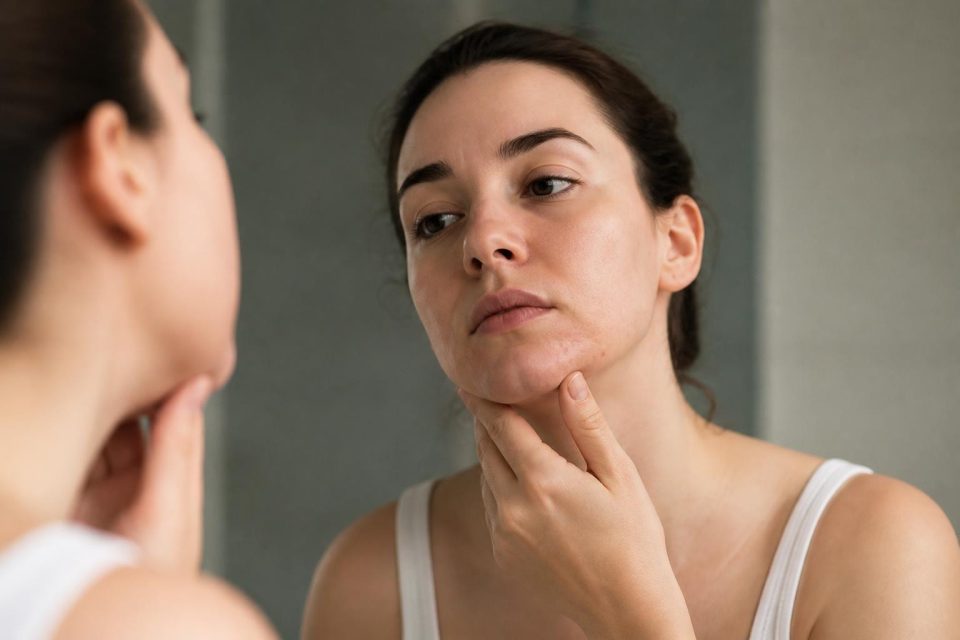
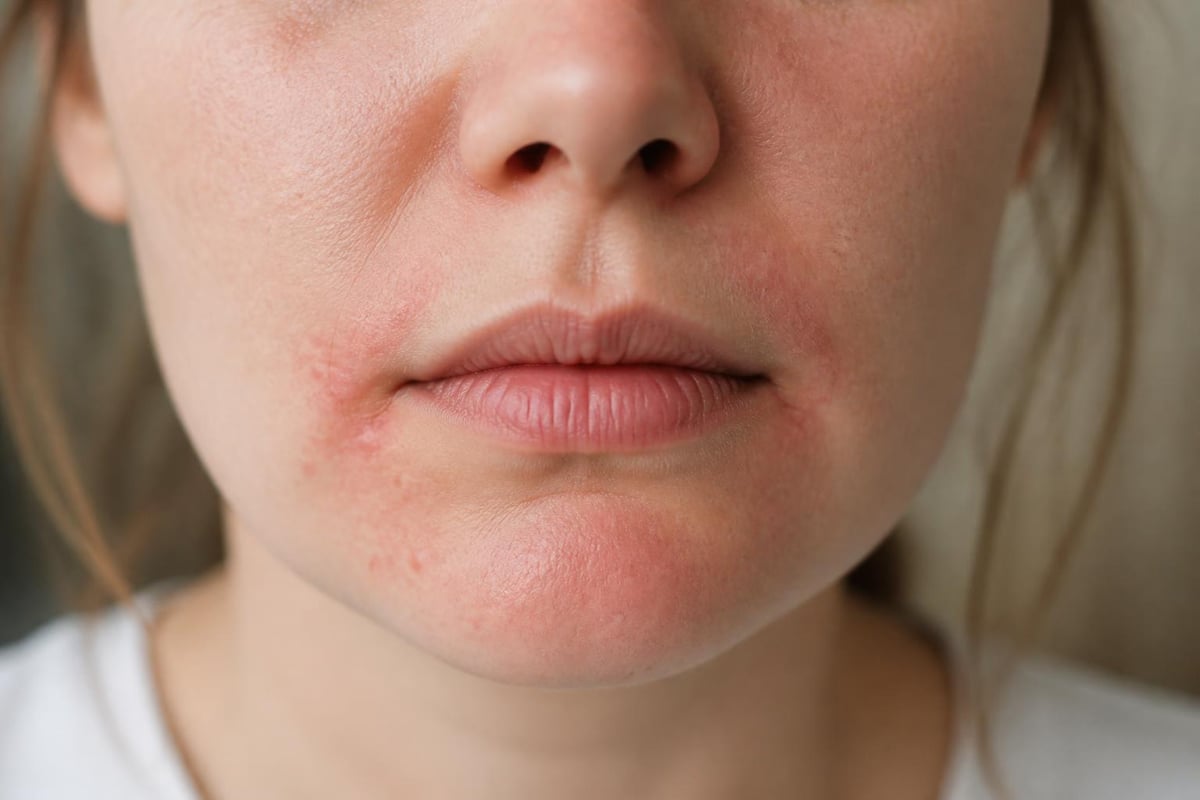
You've probably noticed the pattern by now. Your skin looks relatively calm for a few weeks, then suddenly, those familiar red bumps and rough patches appear around your mouth just as your period arrives. It's frustrating, embarrassing, and feels impossible to control. But here's the truth: your hormones are orchestrating a complex dance that directly affects your skin, and understanding why your period is causing your perioral dermatitis can help you finally take control of those cyclical flare-ups.
The Hormonal Rollercoaster Behind Your Skin Struggles
Your menstrual cycle isn't just about reproduction. It's a monthly hormonal symphony that influences everything from your mood to your metabolism, and your skin is one of the most responsive instruments in the orchestra.
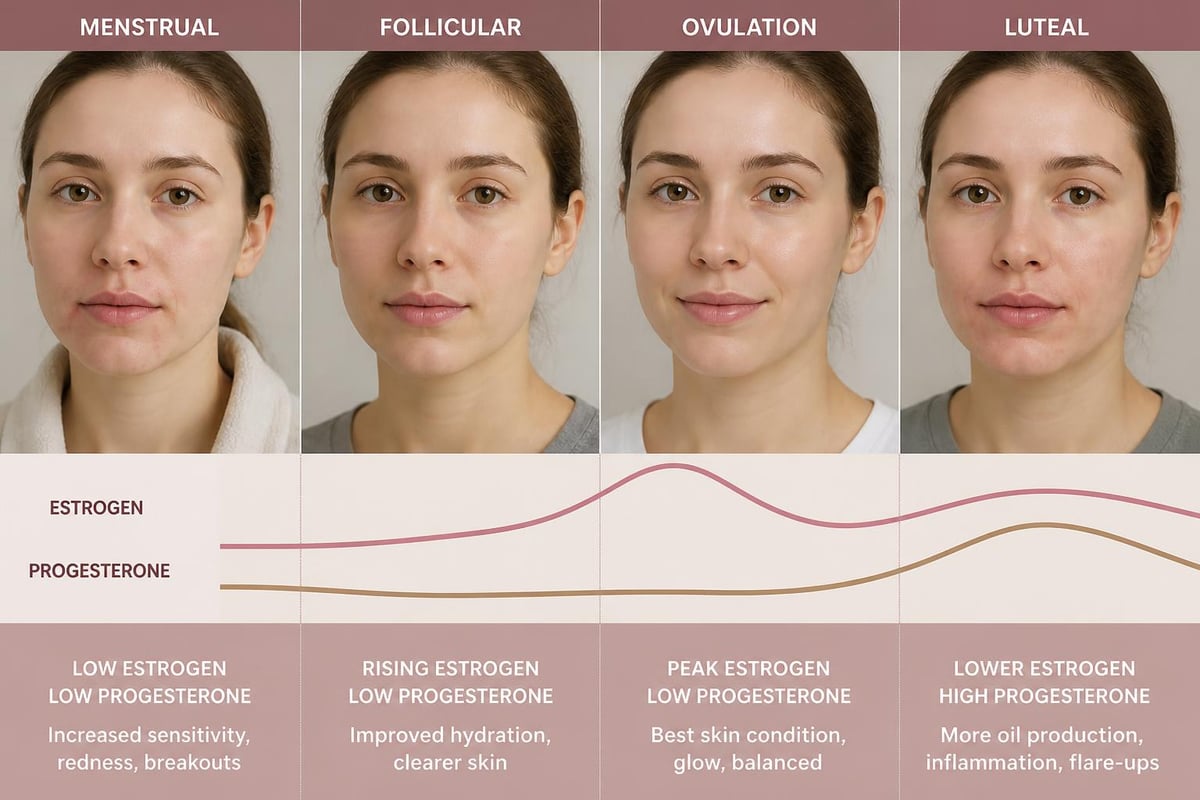
During the first half of your cycle, estrogen levels rise steadily. This hormone is essentially your skin's best friend, promoting collagen production, maintaining moisture, and keeping inflammation in check. Your skin often looks its absolute best during this phase, which typically occurs in the week following your period.
Then comes ovulation, around day 14 of a typical 28-day cycle. Estrogen peaks briefly before declining, while progesterone starts its ascent. This shift is where things get interesting for those dealing with perioral dermatitis.
The Progesterone Problem
Progesterone dominates the second half of your cycle, and while it serves essential reproductive functions, it's not particularly kind to your skin. This hormone increases sebum production, making your skin oilier and more prone to bacterial overgrowth. For someone with perioral dermatitis, this creates the perfect storm.
The increased oil production doesn't just clog pores. It changes the entire microbiome around your mouth, potentially triggering the inflammatory response characteristic of perioral dermatitis. Research indicates that hormonal fluctuations are among the environmental factors that can trigger or worsen this condition.
Why Perioral Dermatitis Targets Women Specifically
Have you ever wondered why perioral dermatitis seems to primarily affect women? The statistics are striking. This condition is most common in females between 20 and 45, which happens to be the prime reproductive years when hormonal fluctuations are most pronounced.
Men have relatively stable hormone levels throughout the month. Women, however, experience dramatic hormonal shifts every single cycle. These fluctuations don't just affect your uterus; they impact every organ system, including your largest organ: your skin.
The key factors that make women more susceptible include:
- Monthly estrogen and progesterone fluctuations
- Higher use of hormonal contraceptives that alter natural cycles
- Pregnancy and postpartum hormonal changes
- Perimenopause transitions with erratic hormone levels
- Greater exposure to cosmetic products that may interact with hormonal changes
The connection between why your period is causing your perioral dermatitis and these broader hormonal patterns reveals why managing this condition requires a holistic approach that accounts for your entire menstrual cycle, not just the week when symptoms appear.
The Pre-Menstrual Phase: When Inflammation Peaks
The week before your period is often when perioral dermatitis symptoms reach their worst. During this luteal phase, several factors converge to create the perfect conditions for a flare-up.
Testosterone levels, though relatively small in women, actually increase slightly during this time. This androgen hormone stimulates sebaceous glands, ramping up oil production even further. Combined with declining estrogen levels, your skin loses its protective anti-inflammatory shield right when it needs it most.
The Inflammation Cascade
Your immune system becomes more reactive during the pre-menstrual phase. Studies show that inflammatory markers increase in the days leading up to menstruation, which explains why conditions like perioral dermatitis, eczema, and acne often worsen simultaneously.
This heightened immune response means your skin reacts more aggressively to triggers that might not bother you at other times of the month. That fluoride toothpaste you've been using? Suddenly it's an irritant. The lip balm that was fine last week? Now it's causing inflammation.
| Cycle Phase | Dominant Hormone | Skin Impact | Perioral Dermatitis Risk |
|---|---|---|---|
| Menstrual (Days 1-5) | Low estrogen/progesterone | Dry, sensitive | Moderate to high |
| Follicular (Days 6-14) | Rising estrogen | Clear, balanced | Low |
| Ovulation (Days 14-16) | Estrogen peak | Glowing, optimal | Very low |
| Luteal (Days 17-28) | Progesterone dominant | Oily, inflamed | High to very high |
Birth Control and Perioral Dermatitis: A Complex Relationship
If you're on hormonal birth control, you might have noticed different patterns with your perioral dermatitis. Hormonal imbalances and birth control pills have been identified as possible contributing factors to this skin condition, but the relationship is surprisingly nuanced.
Some women find that birth control pills containing higher estrogen levels actually improve their perioral dermatitis by providing more stable hormone levels throughout the month. Others experience worsening symptoms, particularly with progesterone-dominant pills or progesterone-only methods like the mini-pill or hormonal IUDs.
Different contraceptive methods affect perioral dermatitis differently:
- Combined pills (estrogen + progesterone): May improve symptoms for some, worsen for others
- Progesterone-only pills: Often worsen perioral dermatitis due to increased sebum production
- Hormonal IUDs: Can trigger flare-ups in susceptible individuals
- Copper IUDs: No hormonal impact, but may still affect inflammation through other mechanisms
- Barrier methods: No hormonal interference with skin
Understanding why your period is causing your perioral dermatitis becomes even more complex when artificial hormones enter the equation. If you've recently started or changed birth control and noticed skin changes, this connection deserves exploration with your healthcare provider.
Tracking Your Cycle to Predict Flare-Ups
Knowledge is power, and tracking your menstrual cycle alongside your perioral dermatitis symptoms can reveal patterns you might otherwise miss. This information becomes invaluable for timing treatments and adjusting your skincare routine.
Start by noting where you are in your cycle each day. Day 1 is the first day of your period. Then rate your perioral dermatitis severity on a simple scale from 1-10. After two or three months, patterns will emerge that help you predict when flare-ups are coming.
What to Track
Keep a simple journal or use a period tracking app with notes functionality. Record these key factors:
- Cycle day and menstrual flow
- Perioral dermatitis severity and location
- Products you're using (skincare, toothpaste, makeup)
- Stress levels and sleep quality
- Diet changes or specific foods consumed
- Environmental factors (weather, humidity, travel)
This tracking helps you separate hormonal triggers from other potential causes. Maybe you'll discover that your perioral dermatitis worsens during your luteal phase every month like clockwork. Or perhaps you'll notice that stress during certain cycle phases creates a multiplier effect on symptoms.
Understanding the connection between why your period is causing your perioral dermatitis and other lifestyle factors gives you multiple intervention points to improve your skin health. Just like managing contact dermatitis from allergic reactions requires identifying specific triggers, hormonal perioral dermatitis management benefits from detailed tracking.
Natural Strategies to Break the Cycle
While you can't eliminate your hormonal fluctuations (nor would you want to, as they serve important functions), you can support your skin through these monthly transitions with strategic, natural approaches.
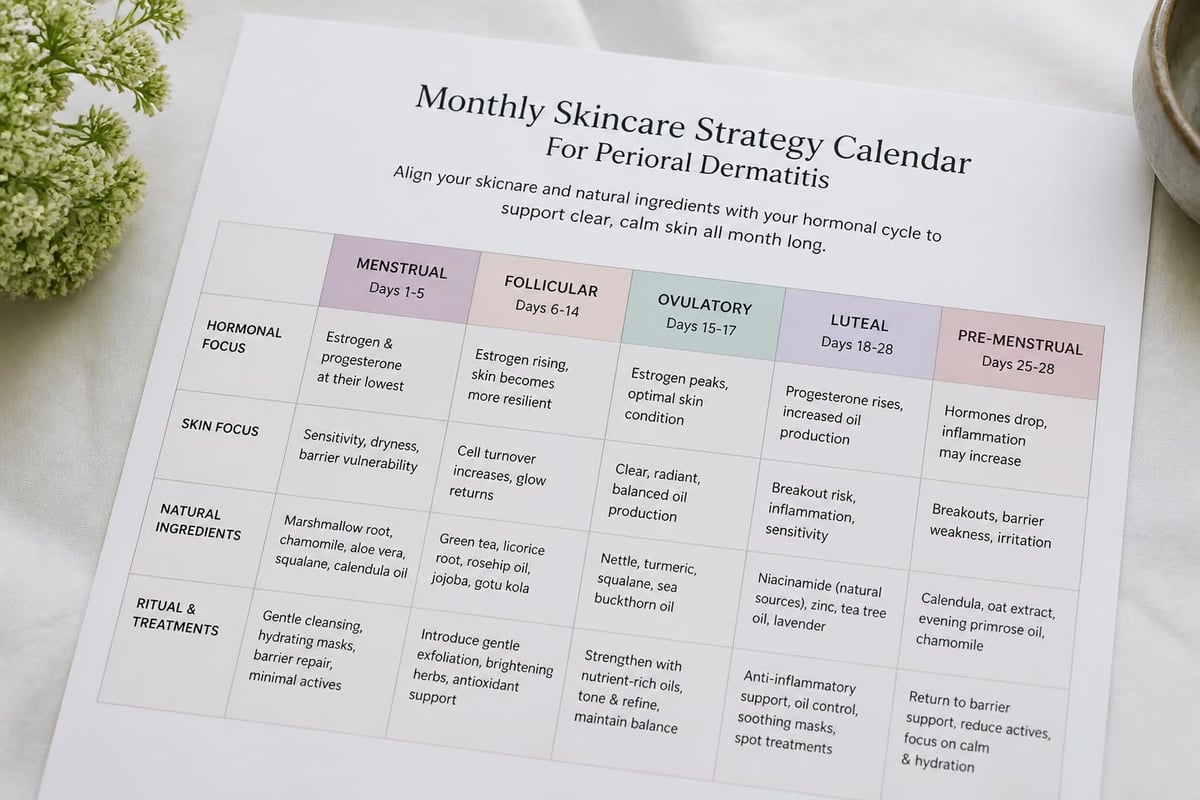
Cycle-synced skincare routine:
- Menstrual phase (Days 1-5): Focus on gentle, hydrating products with anti-inflammatory ingredients like calendula and chamomile
- Follicular phase (Days 6-14): Maintain your basic routine; your skin needs minimal intervention during this optimal period
- Ovulation (Days 14-16): Continue with balanced care; some gentle exfoliation is well-tolerated now
- Luteal phase (Days 17-28): Reduce oil-based products, increase anti-inflammatory support, and avoid new product experimentation
The luteal phase is when you need to be most vigilant. This is not the time to try that new lip product or experiment with different toothpaste. Keep everything consistent and supportive.
Nutritional Support for Hormonal Balance
What you eat influences your hormone levels and inflammatory response. Supporting your body nutritionally throughout your cycle can reduce the severity of perioral dermatitis flare-ups.
Omega-3 fatty acids from fish, flaxseeds, and walnuts help modulate inflammation. Zinc supports hormone balance and skin healing. B vitamins, particularly B6, help your body process estrogen effectively. Magnesium can reduce pre-menstrual inflammation and support skin barrier function.
| Nutrient | Benefit for Hormonal Skin | Food Sources |
|---|---|---|
| Omega-3s | Reduces inflammation | Salmon, sardines, walnuts, flaxseeds |
| Zinc | Balances hormones, heals skin | Pumpkin seeds, oysters, beef |
| Vitamin B6 | Supports estrogen metabolism | Chickpeas, salmon, potatoes |
| Magnesium | Reduces pre-menstrual inflammation | Dark chocolate, almonds, spinach |
| Vitamin E | Protects against oxidative stress | Sunflower seeds, almonds, avocado |
The Stress-Hormone-Skin Connection
Stress doesn't just feel bad; it actively disrupts your hormonal balance and worsens perioral dermatitis. Cortisol, your primary stress hormone, interacts with your sex hormones in ways that amplify skin inflammation.
When you're stressed during your luteal phase, cortisol further suppresses estrogen while potentially increasing androgens. This creates an even more inflammatory environment for your skin. High cortisol also impairs skin barrier function, making you more susceptible to irritants and bacteria.
Managing stress becomes particularly crucial during the two weeks before your period:
- Practice daily stress-reduction techniques (meditation, deep breathing, gentle yoga)
- Prioritize sleep, especially during your luteal phase when sleep quality naturally declines
- Reduce caffeine intake, which can spike cortisol and worsen hormonal imbalances
- Schedule demanding tasks during your follicular phase when you have more resilience
- Build in recovery time during your pre-menstrual week
Recognizing why your period is causing your perioral dermatitis means acknowledging that stress management is skincare. They're inseparable when hormones are involved.
When to Seek Professional Help
While understanding the hormonal connection empowers you to make better choices, some situations require medical intervention. Perioral dermatitis’s exact cause remains unknown, but various factors including hormonal changes have been identified by dermatologists who can provide targeted treatments.
Consider consulting a healthcare provider if:
- Your perioral dermatitis is severe, covering large areas around your mouth
- Over-the-counter approaches and natural strategies haven't improved symptoms after three menstrual cycles
- The condition is affecting your quality of life or self-esteem
- You're experiencing other concerning symptoms alongside skin changes
- You want to explore hormonal testing to identify specific imbalances
A dermatologist familiar with hormonal skin conditions can offer prescription treatments that work with your cycle. An endocrinologist can assess whether underlying hormonal imbalances beyond normal cyclical fluctuations are contributing to your symptoms.
For sensitive skin that's reactive to many products, exploring natural face serums designed for sensitive skin might provide gentle support without triggering additional inflammation.
Beyond the Monthly Cycle: Other Hormonal Transitions
Understanding why your period is causing your perioral dermatitis also prepares you for other hormonal transitions that might affect your skin throughout life.
Pregnancy and Postpartum
Pregnancy brings massive hormonal shifts that can either dramatically improve or significantly worsen perioral dermatitis. Some women experience the "pregnancy glow" that extends to clearing their perioral dermatitis, while others develop it for the first time during pregnancy.
Postpartum represents another dramatic hormonal transition. As estrogen and progesterone plummet after birth, many women experience perioral dermatitis flare-ups they've never had before. This typically resolves as hormones gradually stabilize, though breastfeeding extends the period of hormonal fluctuation.
Perimenopause and Menopause
As you approach menopause, your cycles become irregular, and hormone levels fluctuate unpredictably. This erratic pattern can make perioral dermatitis more challenging to manage because the predictable cycle-based patterns disappear.
Hormonal changes during perimenopause that affect perioral dermatitis:
- Declining estrogen reduces skin's anti-inflammatory protection
- Unpredictable progesterone surges trigger sporadic flare-ups
- Relatively higher testosterone levels increase sebum production
- Reduced skin thickness makes it more vulnerable to irritants
- Decreased moisture retention compromises skin barrier function
After menopause, when hormones stabilize at lower levels, many women find their perioral dermatitis finally improves or resolves completely. This further confirms the powerful role hormones play in this condition.
Empowering Yourself with Knowledge
The connection between your menstrual cycle and your skin isn't a weakness or something to endure helplessly. It's a biological reality that, once understood, becomes manageable. Harvard Health’s discussion of perioral dermatitis emphasizes how hormonal awareness can inform treatment approaches.
Every woman's hormonal pattern is unique. Your friend might experience her worst perioral dermatitis on day 25 of her cycle, while yours peaks on day 20. Your symptoms might be mild, while someone else experiences severe inflammation. This variability is normal and reflects the individual nature of hormonal balance.
By tracking your patterns, supporting your body nutritionally, adjusting your skincare routine to match your cycle phases, and managing stress strategically, you can significantly reduce the impact of hormonal fluctuations on your skin. You're not eliminating the connection between why your period is causing your perioral dermatitis, but you're working with your body's rhythms rather than against them.
The key is consistency and patience. Hormonal patterns take time to shift, and skin improvements happen gradually. Give any new approach at least three full menstrual cycles before deciding whether it's working. Your skin has a memory, and healing from chronic inflammation takes time.
Understanding the hormonal factors behind your perioral dermatitis transforms how you approach skincare throughout your cycle. By recognizing these patterns and supporting your skin with gentle, natural approaches during vulnerable phases, you can minimize flare-ups and restore your confidence. Sinusoothe Ltd offers carefully formulated natural skincare products designed for sensitive, reactive skin that experiences hormonal fluctuations. Explore products crafted to work with your body's natural rhythms, not against them.