
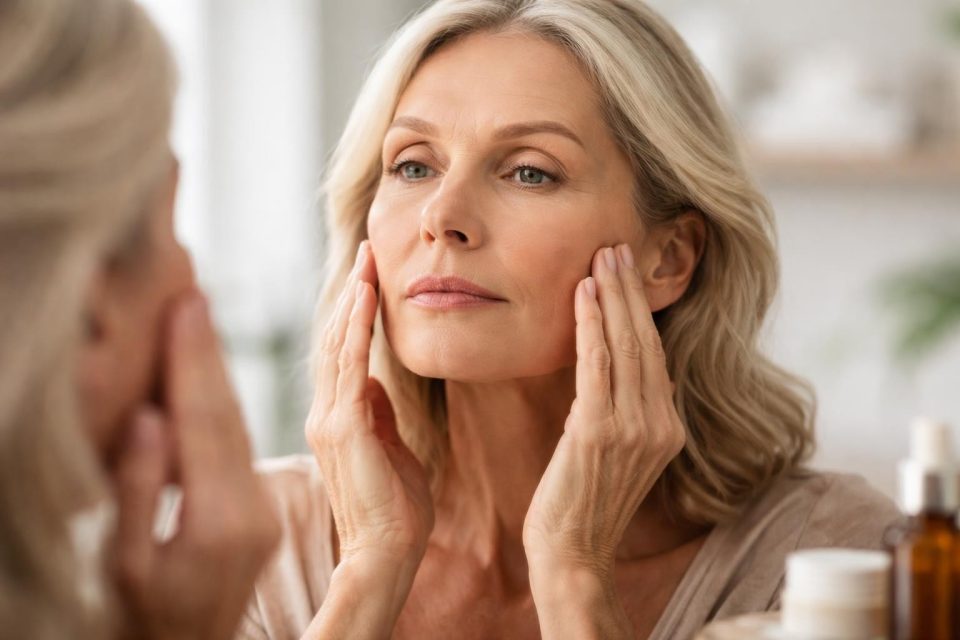
If you've noticed sudden changes in your face during your 40s or 50s, you're not imagining things. Many women ask the same question: does menopause age your face? The answer is complex and surprisingly fascinating. While aging is inevitable, menopause triggers specific biological changes that accelerate facial aging in ways you might not expect. Understanding these mechanisms empowers you to take proactive steps toward maintaining your skin's vitality during this transformative phase of life.
The Science Behind Menopausal Facial Aging
When we explore whether menopause ages your face, we need to look beyond surface-level changes. Menopause fundamentally alters your skin's biology at the cellular level.
Estrogen's Protective Role
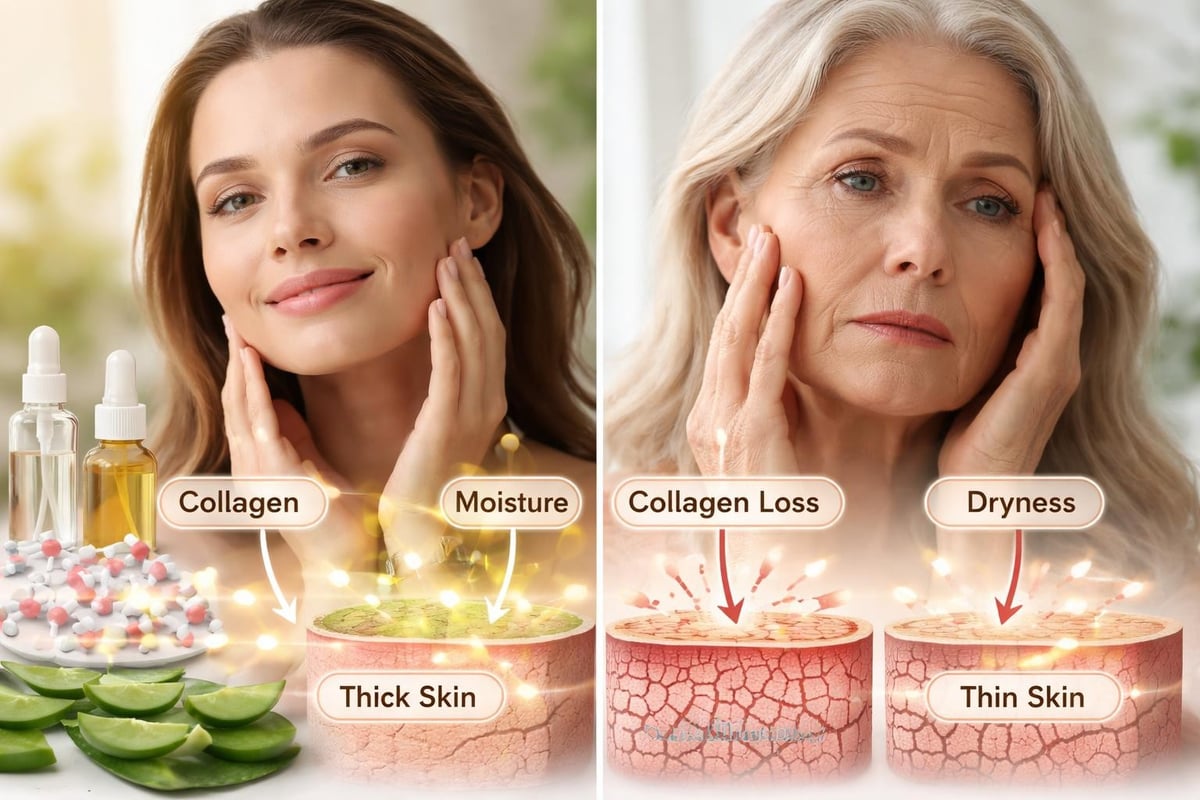
Before menopause, estrogen acts as your skin's guardian angel. This hormone stimulates collagen production, maintains skin thickness, and promotes moisture retention. When estrogen levels plummet during menopause, typically around age 51, your skin loses approximately 30% of its collagen within the first five years.
Research published in PubMed demonstrates that menopause disrupts common facial aging patterns, leading to accelerated structural changes that differ significantly from regular chronological aging.
What happens specifically?
- Collagen degradation accelerates by 2% annually after menopause
- Skin thickness decreases by up to 1.13% per year
- Natural oil production drops dramatically
- Elastin fibers break down faster than they're replaced
The Hidden Factor: Bone Density Loss
Here's something most people overlook when asking does menopause age your face: your facial bones are shrinking. Bone health plays a crucial role in facial aging, particularly as estrogen decline accelerates bone resorption.
Your facial skeleton provides scaffolding for your skin. When bones lose density and volume, the overlying skin has less structural support. This creates:
- Hollowing around the eyes
- Deepening nasolabial folds
- Sagging along the jawline
- A more angular facial appearance
Think of it like a tent losing its supporting poles. The fabric doesn't change, but it suddenly looks saggy and deflated.
Visible Signs That Menopause Is Affecting Your Face
So how exactly does menopause age your face in practical, visible terms? The Cleveland Clinic explains that declining estrogen impacts both skin and hair in multiple ways.
Skin Texture and Tone Changes
The textural transformation is often the first noticeable change. Your skin might suddenly feel different, look different, and behave differently than it has your entire adult life.
| Before Menopause | After Menopause |
|---|---|
| Plump, resilient texture | Thinner, more fragile skin |
| Even moisture levels | Persistent dryness |
| Smooth surface | Increased roughness |
| Quick healing | Slower repair processes |
| Minimal sensitivity | Heightened reactivity |
Many women notice their skin becomes unexpectedly dry, even if they previously had oily or combination skin. This happens because sebaceous glands produce less oil, disrupting your skin's natural barrier function.
Wrinkles and Fine Lines
While wrinkles are part of normal aging, menopausal changes accelerate their development. The question "does menopause age your face" becomes painfully obvious when you see new lines appearing seemingly overnight.
Dynamic wrinkles (those caused by facial expressions) become deeper and more permanent. Static wrinkles (visible even when your face is relaxed) develop faster due to:
- Reduced collagen creating less structural support
- Decreased elastin preventing skin from bouncing back
- Lower hyaluronic acid levels reducing plumpness
- Compromised barrier function allowing moisture loss
Pigmentation Problems
Age spots, melasma, and uneven skin tone frequently worsen during menopause. Hormonal fluctuations affect melanocyte activity, leading to irregular pigment distribution. Combined with cumulative sun damage, this creates the characteristic uneven complexion many menopausal women experience.
Understanding the Timeline
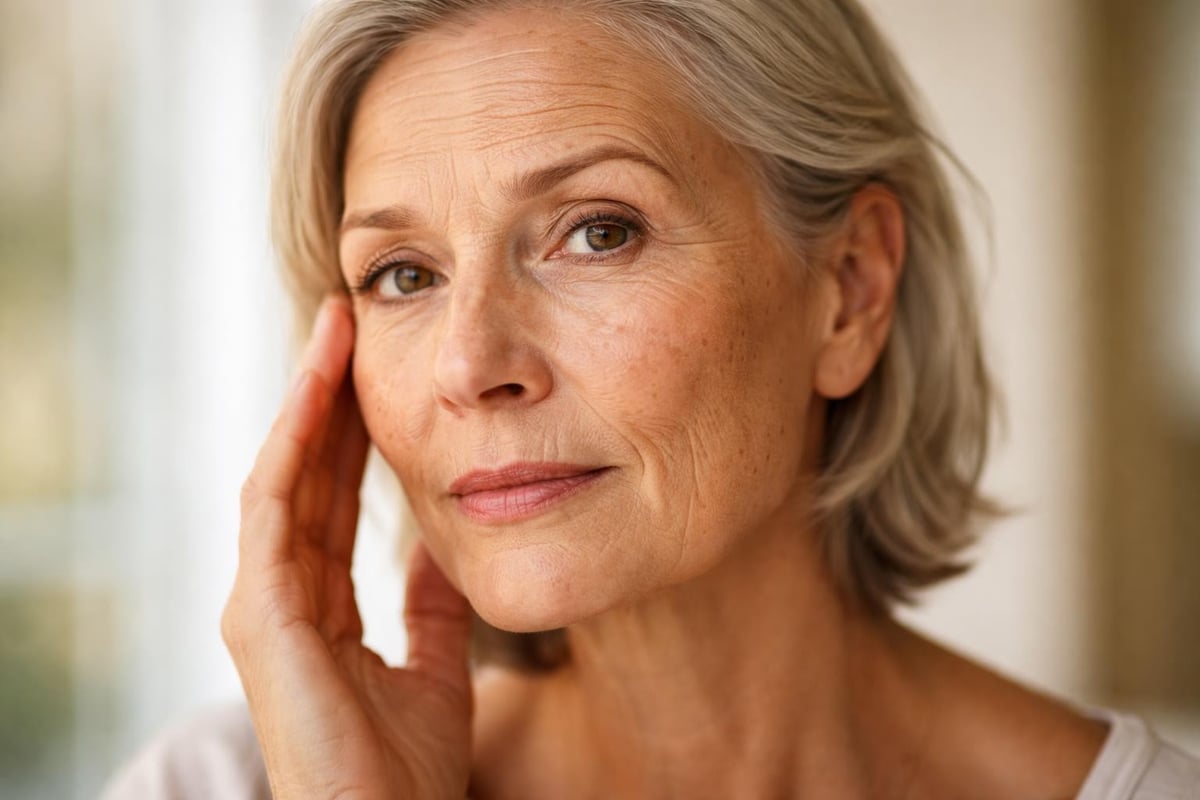
Does menopause age your face suddenly or gradually? The truth lies somewhere in between, varying significantly among individuals.
Perimenopause: The Warning Signs
Changes often begin during perimenopause, which can start in your 40s or even late 30s. During this transition period, erratic hormone fluctuations create unpredictable skin behavior. One week your skin might be oily and breaking out; the next, it's dry and flaky.
Harvard Health notes that estrogen decline leads to multiple skin changes including dryness, dullness, and loss of elasticity well before menstruation completely stops.
The First Five Years Post-Menopause
This is the critical window when facial aging accelerates most dramatically. Studies show that women lose the most collagen during this period, making it essential to adapt your skincare routine accordingly.
Understanding these changes helps you appreciate how natural ingredients, like those found in natural skincare solutions, can support your skin through this transition.
The Microbiome Connection
Recent research reveals another fascinating answer to whether menopause ages your face: it changes your skin's microbiome. A pilot study on menopausal facial skin microbiomes offers novel insights into how hormonal changes affect the beneficial bacteria living on your skin.
These microscopic organisms help:
- Maintain skin barrier integrity
- Regulate inflammation
- Protect against environmental stressors
- Support overall skin health
When menopause disrupts this delicate ecosystem, skin becomes more susceptible to conditions like rosacea and dermatitis, which can further accelerate the appearance of aging.
Natural Strategies to Support Your Skin
Understanding that menopause ages your face is empowering because it means you can take specific, targeted action. The American Academy of Dermatology provides comprehensive guidance on caring for skin during menopause.
Ingredient Priorities
When menopause is transforming your skin, certain ingredients become particularly valuable:
Hydrating Heroes:
- Hyaluronic acid (attracts 1000x its weight in water)
- Glycerin (humectant that draws moisture into skin)
- Ceramides (rebuild barrier function)
- Natural plant oils (seal in hydration)
Collagen Supporters:
- Vitamin C (stimulates collagen synthesis)
- Retinoids (boost cell turnover)
- Peptides (signal collagen production)
- Antioxidants (protect existing collagen)
Barrier Protectors:
- Niacinamide (strengthens skin barrier)
- Botanical extracts (soothe and protect)
- Essential fatty acids (support lipid layer)
Many women find that natural plant-based ingredients work particularly well during menopause because they support skin without irritation.
Lifestyle Factors That Make a Difference
Your daily habits significantly influence how menopause ages your face. Consider this your action plan:
- Prioritize sleep (7-9 hours nightly for optimal skin repair)
- Stay hydrated (aim for 8-10 glasses of water daily)
- Protect from sun (UV damage compounds menopausal changes)
- Manage stress (cortisol accelerates skin aging)
- Exercise regularly (improves circulation and skin cell turnover)

Professional Treatments vs. Natural Approaches
When considering whether menopause ages your face irreversibly, many women wonder about treatment options. Dermatologists share specific skin care tips for menopause and beyond that range from clinical interventions to gentle, natural approaches.
Clinical Options
Professional treatments can address menopausal skin changes:
| Treatment Type | Primary Benefit | Consideration |
|---|---|---|
| Chemical peels | Improve texture and tone | Requires downtime |
| Microneedling | Stimulates collagen | Multiple sessions needed |
| Laser therapy | Targets pigmentation | Can be expensive |
| Hormone replacement | Addresses root cause | Medical supervision required |
| Injectable fillers | Restores volume | Temporary results |
The Natural Alternative
For those preferring gentler approaches, natural skincare offers compelling benefits. Plant-based ingredients work synergistically with your skin's biology rather than forcing dramatic changes.
Natural approaches focus on:
- Supporting your skin's natural repair mechanisms
- Nourishing with bioavailable nutrients
- Protecting against environmental damage
- Soothing inflammation and sensitivity
The Boulder Medical Center discusses comprehensive treatments for menopausal skin changes that include both medical and natural interventions.
Nutrition's Role in Facial Aging
Does menopause age your face faster if you're not eating right? Absolutely. Your skin reflects your internal health, and menopausal changes make nutritional support even more critical.
Key Nutrients for Menopausal Skin
Collagen-building nutrients:
- Vitamin C (citrus, berries, leafy greens)
- Proline (egg whites, cabbage, asparagus)
- Glycine (bone broth, gelatin, meat)
- Copper (nuts, seeds, organ meats)
Hormone-balancing foods:
- Phytoestrogens (flaxseeds, soy, legumes)
- Omega-3 fatty acids (fatty fish, walnuts, chia)
- Cruciferous vegetables (broccoli, cauliflower)
- Whole grains (for fiber and B vitamins)
Antioxidant powerhouses:
- Berries (combat oxidative stress)
- Dark chocolate (flavonoids for skin health)
- Green tea (polyphenols reduce inflammation)
- Colorful vegetables (carotenoids protect cells)
Think of your plate as your most fundamental skincare routine. What you eat literally becomes your skin cells.
Creating Your Menopausal Skincare Routine
Understanding that menopause ages your face differently than simple chronological aging means your routine needs thoughtful adjustment. Healthline offers excellent insights on managing menopause-related skin changes with targeted at-home treatments.
Morning Routine Essentials
Start your day by protecting and preparing your skin:
- Gentle cleanser (cream-based, not foaming)
- Hydrating toner (alcohol-free, soothing)
- Vitamin C serum (antioxidant protection)
- Moisturizer (rich in ceramides and fatty acids)
- Broad-spectrum SPF (non-negotiable, minimum SPF 30)
Evening Repair Protocol
Nighttime is when your skin does its deepest repair work:
- Double cleanse (oil-based first, then gentle cleanser)
- Treatment serum (retinol or peptides)
- Hydrating essence (boost moisture levels)
- Rich night cream (seal everything in)
- Eye cream (target delicate periorbital area)
Consider incorporating lavender-based products for their calming, anti-inflammatory properties that work particularly well with sensitive menopausal skin.
The Emotional Dimension
Beyond the physical question of does menopause age your face, there's an important emotional component. Many women experience distress watching their appearance change, feeling like they're losing control over their identity.
Reframing the Narrative
Rather than viewing menopausal skin changes as purely negative, consider this transformative perspective:
- Your skin is adapting to new hormonal realities
- These changes signal wisdom and life experience
- You're entering a phase of freedom from monthly cycles
- Knowledge empowers you to support your skin effectively
Self-care during menopause isn't vanity. It's recognizing that feeling good in your skin supports your overall wellbeing, confidence, and quality of life.
Building Confidence Through Care
Developing a thoughtful skincare routine becomes an act of self-respect. When you invest time in understanding and addressing your skin's needs, you're honoring yourself and this natural life transition.
The ritual of caring for your skin can become meditative, grounding you in the present moment rather than worrying about future changes or mourning past appearance.
Prevention and Early Intervention
If you're wondering does menopause age your face and you haven't entered menopause yet, you have a valuable opportunity. Starting supportive practices in your 30s and 40s can significantly influence how your skin weathers this transition.
Pre-Menopausal Preparation
Start these habits early:
- Consistent sun protection (prevent cumulative damage)
- Quality sleep patterns (support natural repair)
- Stress management techniques (reduce cortisol impact)
- Balanced nutrition (build nutritional reserves)
- Gentle, consistent skincare (avoid barrier damage)
Recognizing Perimenopause Signs
Don't wait until menstruation stops completely. When you notice these changes, adjust your routine:
- Skin feeling drier than usual
- Products that previously worked becoming ineffective
- Increased sensitivity or reactivity
- New breakouts or skin congestion
- Subtle changes in skin texture
Early adaptation helps your skin transition more smoothly rather than experiencing sudden shock from radical changes.
Beyond Topical Care
While skincare products matter, addressing whether menopause ages your face requires a holistic approach. Your entire lifestyle influences how your skin responds to hormonal changes.
Stress and Cortisol Management
Chronic stress elevates cortisol, which breaks down collagen and impairs skin barrier function. During menopause, when your skin is already vulnerable, stress becomes particularly damaging.
Effective stress reduction strategies:
- Regular meditation or mindfulness practice
- Yoga or gentle movement
- Time in nature
- Creative expression
- Social connection and support
Sleep Quality
Poor sleep accelerates facial aging at any life stage, but during menopause, it becomes critical. Growth hormone, which peaks during deep sleep, stimulates cell repair and collagen production.
Prioritize sleep hygiene by:
- Maintaining consistent sleep/wake times
- Creating a cool, dark sleeping environment
- Limiting screen time before bed
- Avoiding caffeine after 2 PM
- Considering supplements like magnesium (with medical guidance)
Moving Forward With Confidence
So, does menopause age your face? Yes, it creates specific biological changes that accelerate certain aspects of facial aging. However, this isn't a passive process you simply endure. Understanding the mechanisms empowers you to respond effectively with targeted nutrition, lifestyle adjustments, and thoughtful skincare choices.
The intersection of declining estrogen, collagen loss, bone density changes, and microbiome shifts creates a perfect storm for visible facial aging. But knowledge is power. When you understand what's happening beneath your skin's surface, you can make informed decisions about how to support it through this transition.
Remember that every woman's menopausal journey is unique. What works brilliantly for one person might not suit another. Pay attention to how your skin responds and adjust accordingly. Your skin is communicating its needs; learning to listen becomes your most valuable skill during this transformative phase.
Menopausal skin changes are real, scientifically documented, and completely manageable with the right approach. While hormonal shifts create challenges for facial skin, combining knowledge with consistent natural care helps you maintain healthy, vibrant skin throughout this life transition. If you're looking for gentle, effective support during menopause, explore Sinusoothe Ltd’s natural skincare solutions designed to work harmoniously with your skin's changing needs.