
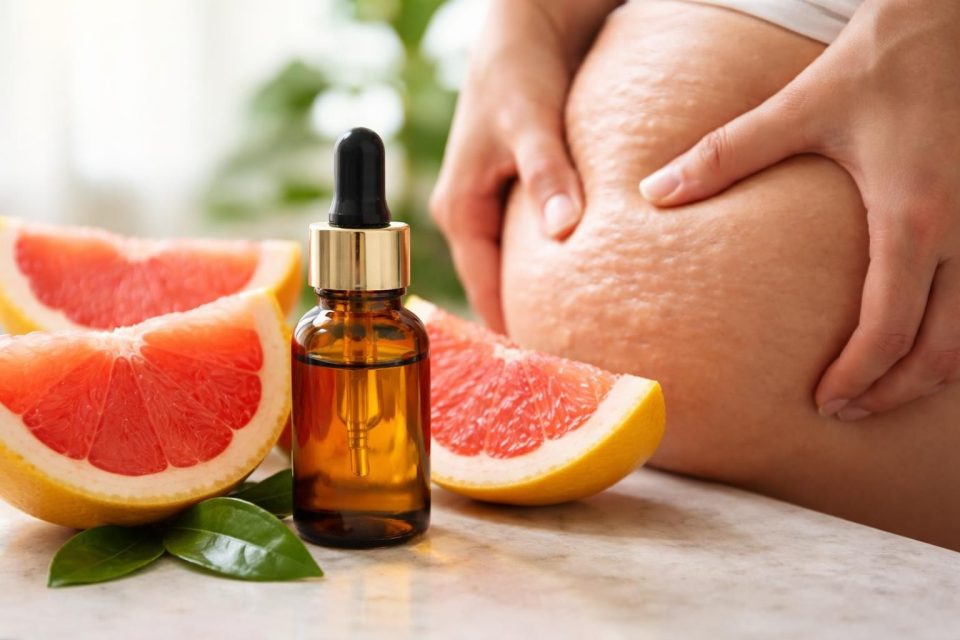
Cellulite affects approximately 90% of women at some point in their lives, making it one of the most common cosmetic concerns worldwide. If you've been searching for natural solutions to smooth dimpled skin, you've likely encountered essential oils as a potential treatment option. Among these botanical extracts, grapefruit oil for cellulite has gained significant attention in the natural skincare community for its purported fat-reducing and circulation-boosting properties. But does this citrus-derived oil truly deliver results, or is it just another wellness trend? Let's explore the science, application methods, and realistic expectations surrounding this popular essential oil.
What Makes Grapefruit Oil Effective Against Cellulite
Grapefruit essential oil comes from the peel of Citrus paradisi fruits through cold-pressing extraction. This aromatic oil contains several bioactive compounds that may influence cellulite appearance.
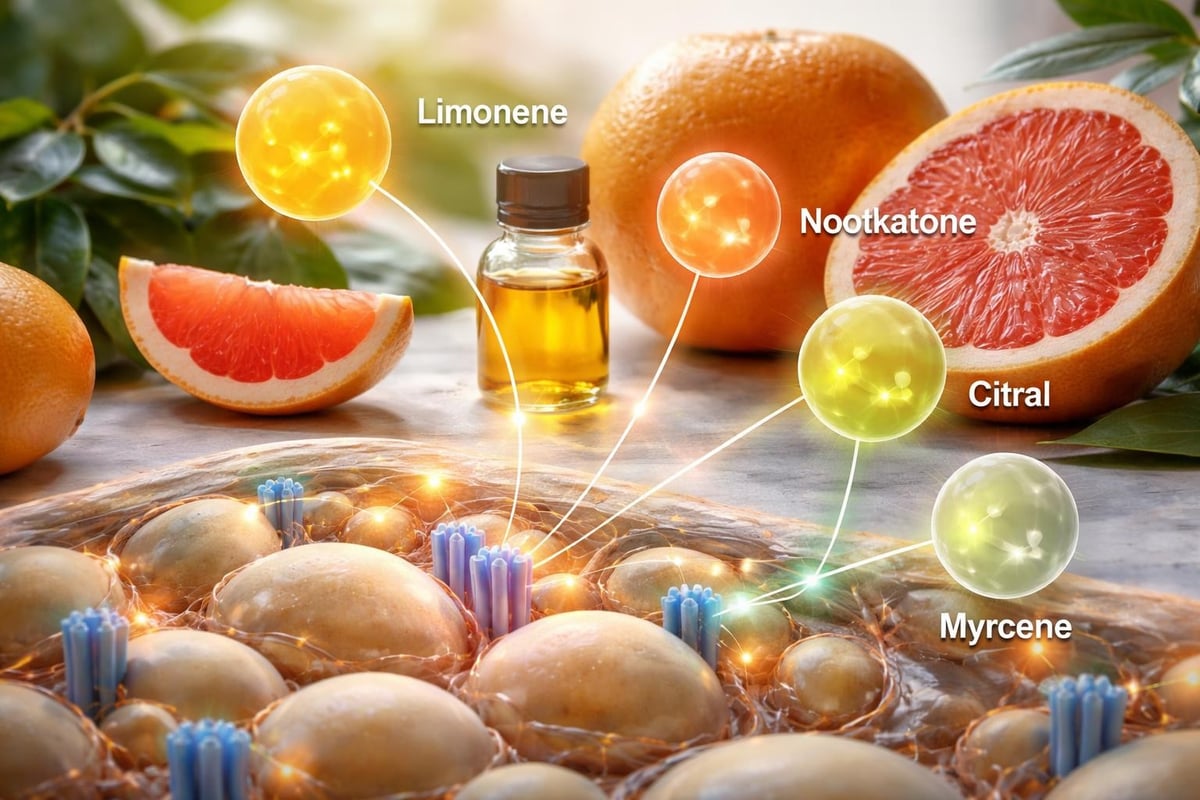
The primary active ingredient is limonene, comprising up to 95% of the oil's composition. This terpene has demonstrated potential effects on adipose tissue in laboratory studies. Research published in the Phytotherapy Research journal examined how grapefruit oil affects fat cell development, showing interesting results at the cellular level.
Key Beneficial Compounds
Grapefruit oil's effectiveness stems from multiple chemical constituents working together:
- Limonene: Exhibits potential lipolytic activity
- Nootkatone: May boost metabolic processes
- Citral: Provides antimicrobial and anti-inflammatory properties
- Myrcene: Supports circulation and lymphatic function
Beyond these compounds, grapefruit oil acts as a natural diuretic when applied topically. This property helps reduce fluid retention, one of the contributing factors to cellulite's dimpled appearance.
The Science Behind Cellulite Formation
Understanding how cellulite develops helps explain why grapefruit oil for cellulite might work as a treatment approach.
Cellulite forms when fat deposits push through the connective tissue beneath skin, creating that characteristic cottage cheese texture. Several factors contribute to this condition:
- Hormonal fluctuations affecting fat distribution
- Weakened collagen structures in the dermis
- Poor circulation limiting nutrient delivery
- Lymphatic congestion causing fluid accumulation
- Genetic predisposition determining fat storage patterns
Women experience cellulite more frequently than men due to differences in fat distribution, muscle composition, and connective tissue architecture. The perpendicular orientation of women's collagen fibers creates pockets where fat cells can protrude, while men's diagonal fiber pattern provides more resistance.
Where Grapefruit Oil Fits In
Grapefruit oil targets multiple cellulite mechanisms simultaneously. Its stimulating properties may enhance blood flow to affected areas, while its potential impact on fat metabolism could influence the size of adipocytes (fat cells). The detoxifying properties of essential oils for cellulite work synergistically with massage techniques to promote lymphatic drainage.
| Cellulite Factor | How Grapefruit Oil Addresses It |
|---|---|
| Fat deposits | Potential lipolytic activity through limonene |
| Poor circulation | Warming, stimulating properties |
| Fluid retention | Natural diuretic effects |
| Toxin buildup | Lymphatic system stimulation |
| Skin texture | Astringent properties tighten appearance |
Proven Application Methods for Maximum Results
Simply owning a bottle of grapefruit oil won't transform your skin. Proper application techniques make the difference between seeing improvements and wasting your investment.
Never apply grapefruit oil directly to skin without dilution. Essential oils are highly concentrated plant extracts that can cause irritation, burns, or photosensitivity when used undiluted.
Dilution Ratios and Carrier Oils
The standard dilution for topical application is 2-3% essential oil to carrier oil. For cellulite treatments, consider these carrier oil options:
- Coconut oil: Moisturizing with medium-chain fatty acids
- Jojoba oil: Closely mimics skin's natural sebum
- Sweet almond oil: Lightweight and easily absorbed
- Grapeseed oil: High in linoleic acid, non-comedogenic
- Rosehip oil: Contains vitamins A and C for skin regeneration
Mix 6-9 drops of grapefruit essential oil with one ounce (approximately 30ml) of your chosen carrier oil. Store this blend in a dark glass bottle away from direct sunlight.
Massage Techniques That Work
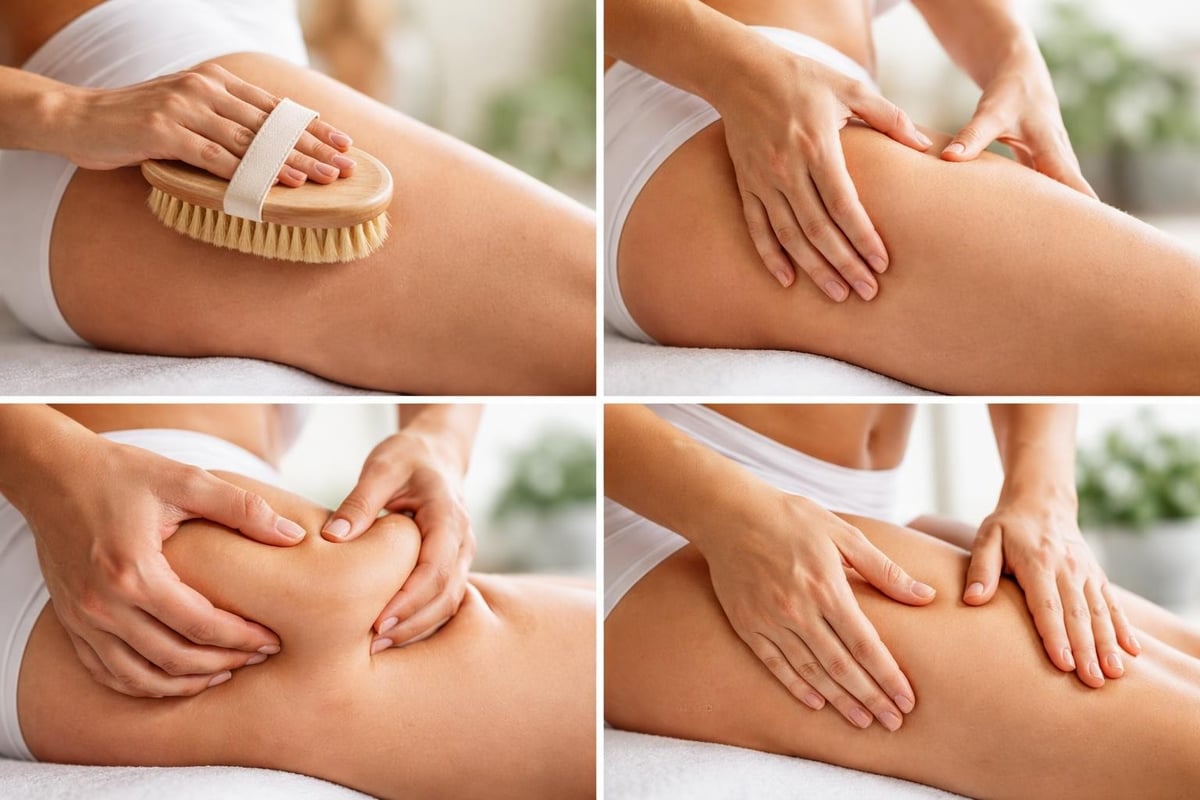
The application method matters as much as the oil itself. For those exploring natural approaches to get rid of cellulite, combining grapefruit oil with specific massage techniques amplifies results.
Dry brushing preparation: Before applying oil, dry brush the treatment area using firm, upward strokes toward the heart. This stimulates lymphatic flow and removes dead skin cells.
Circular kneading: Apply your grapefruit oil blend using firm circular motions. Work in sections, spending 2-3 minutes per area. This technique breaks up fat deposits and encourages drainage.
Pinch and roll method: Gently pinch small sections of skin between thumb and fingers, rolling the tissue. While this feels uncomfortable initially, it effectively targets stubborn cellulite zones.
Lymphatic drainage strokes: Finish with long, sweeping motions moving toward lymph nodes (behind knees, groin area). Use lighter pressure for these strokes.
Realistic Expectations and Timeline
Let's address the elephant in the room: grapefruit oil for cellulite isn't a miracle cure. Setting realistic expectations prevents disappointment and helps you evaluate progress accurately.
Most users notice subtle improvements after 4-6 weeks of consistent daily application. These changes typically include:
- Smoother skin texture
- Reduced appearance of dimpling
- Firmer feeling tissue
- Improved skin tone and brightness
- Decreased puffiness from fluid retention
Significant visible reduction requires 8-12 weeks of dedicated use combined with complementary lifestyle approaches. Even then, complete elimination of cellulite remains unlikely, as genetic and structural factors play substantial roles.
Factors Affecting Results
Your individual results depend on multiple variables:
| Factor | Impact on Results |
|---|---|
| Cellulite severity | Mild cases respond better than severe |
| Application consistency | Daily use outperforms sporadic treatment |
| Massage technique quality | Proper technique essential for lymphatic benefits |
| Hydration levels | Well-hydrated skin shows faster improvement |
| Diet and exercise | Supportive lifestyle amplifies effects |
| Age | Younger skin with better collagen responds more readily |
Creating Powerful Grapefruit Oil Blends
While grapefruit oil works independently, combining it with complementary essential oils creates synergistic effects. Essential oil blends for cellulite massage leverage multiple botanical compounds simultaneously.
Top Synergistic Oil Combinations
Detox Blend: Mix 4 drops grapefruit, 3 drops juniper berry, 2 drops fennel with 30ml carrier oil. This combination excels at reducing fluid retention and promoting toxin elimination.
Circulation Booster: Combine 3 drops grapefruit, 3 drops cypress, 2 drops rosemary, 1 drop black pepper with carrier oil. The warming properties increase blood flow dramatically.
Skin Firming Formula: Blend 4 drops grapefruit, 2 drops geranium, 2 drops frankincense, 1 drop patchouli. This mix targets skin elasticity alongside cellulite reduction.
For those with sensitive skin similar to conditions like rosacea-prone complexions, reduce essential oil concentration to 1-1.5% and perform patch tests before full application.
Safety Considerations and Contraindications
Grapefruit oil offers numerous benefits, but responsible use requires awareness of potential risks.
Photosensitivity represents the primary concern. Grapefruit oil contains furanocoumarins that increase UV sensitivity for 12-18 hours after application. Avoid sun exposure on treated areas, or apply the oil exclusively before bedtime.
Who Should Avoid Grapefruit Oil
- Pregnant or nursing women (consult healthcare provider first)
- Individuals with citrus allergies
- People taking photosensitizing medications
- Those with extremely sensitive skin conditions
- Anyone using topical retinoids (increased irritation risk)
Medication interactions: Some research suggests grapefruit can interact with certain medications when ingested. While topical application poses less risk, consult your physician if you're taking medications metabolized by the CYP3450 enzyme system.
Patch Test Protocol
Always perform a patch test before using any new essential oil blend:
- Apply a small amount to inner forearm
- Cover with bandage
- Wait 24-48 hours
- Check for redness, itching, or irritation
- Discontinue if any adverse reaction occurs
Complementary Lifestyle Strategies
Using grapefruit oil for cellulite works best within a comprehensive approach addressing multiple contributing factors simultaneously.
Hydration: Drink at least eight glasses of water daily. Adequate hydration helps flush toxins, reduces fluid retention, and maintains skin elasticity. Dehydrated skin accentuates cellulite appearance.
Nutrition adjustments: Reduce sodium intake to minimize water retention. Increase consumption of antioxidant-rich foods, lean proteins, and healthy fats. Foods high in vitamin C support collagen production.
Movement matters: Regular exercise, particularly strength training, builds muscle tissue beneath fat layers. This creates a smoother appearance from within. Cardiovascular activity improves circulation, complementing grapefruit oil's effects.
Additional Topical Treatments
Layer different approaches for enhanced results:
- Dry brushing: Daily sessions before oil application
- Coffee scrubs: Caffeine's temporary tightening effects
- Cold water rinses: Stimulates circulation and tightens skin
- Foam rolling: Deep tissue work breaks up fascial adhesions
The natural skincare philosophy emphasizes combining botanical ingredients with healthy lifestyle habits rather than seeking single-solution fixes.

Quality Matters: Choosing Your Grapefruit Oil
Not all grapefruit oils deliver equal benefits. Quality variations significantly impact effectiveness and safety.
Look for these quality indicators:
- 100% pure essential oil (no additives or synthetic fragrances)
- Cold-pressed extraction method
- Organic certification when possible
- Dark glass bottle (protects from light degradation)
- Clear botanical name (Citrus paradisi)
- Country of origin and batch number
- GC/MS testing results (gas chromatography/mass spectrometry)
Avoid oils labeled as "fragrance oil" or "aromatherapy oil" without confirming they're pure essential oils. These often contain synthetic compounds that lack therapeutic properties.
Storage and Shelf Life
Proper storage extends your oil's potency:
- Store in cool, dark location (not bathroom cabinet)
- Keep bottles tightly sealed
- Use within 12 months of opening
- Refrigeration extends shelf life for citrus oils
- Check for rancid smell indicating oxidation
Oxidized oils lose effectiveness and increase skin irritation risk. When your grapefruit oil smells off or changes color, replace it.
Research and Expert Perspectives
While anecdotal evidence supporting grapefruit oil for cellulite abounds, scientific research provides more measured insights.
Laboratory studies demonstrate grapefruit oil's effects on fat cells in controlled environments. However, translating these findings to real-world cellulite treatment remains complex. The skin barrier limits essential oil penetration, and cellulite involves multiple layers of tissue.
Aromatherapy experts acknowledge grapefruit oil's potential for reducing cellulite appearance while emphasizing that results vary considerably between individuals. The combination of active compounds, massage benefits, and improved circulation creates conditions favorable for improvement without guaranteeing specific outcomes.
What the Studies Show
Research on essential oils and cellulite remains limited but growing. Most studies examine individual compounds rather than complete essential oils, making direct application to grapefruit oil challenging.
The massage component itself provides documented benefits. Mechanical manipulation increases blood flow, promotes lymphatic drainage, and may temporarily redistribute subcutaneous fat. Essential oils enhance these effects through their bioactive properties.
Cost-Effectiveness Analysis
Compared to professional cellulite treatments, grapefruit oil presents an economical option.
| Treatment Type | Average Cost | Duration | Effectiveness |
|---|---|---|---|
| Grapefruit oil (DIY) | $15-30/month | Ongoing | Mild to moderate improvement |
| Professional massage | $80-150/session | 60-90 minutes | Temporary improvement |
| Laser treatments | $200-500/session | Multiple sessions needed | Moderate to significant |
| Topical creams | $30-100/month | Ongoing | Variable results |
A single bottle of quality grapefruit essential oil costs $10-20 and lasts 2-3 months when properly diluted. Carrier oils add minimal expense. This makes grapefruit oil one of the most affordable cellulite treatment options available in 2026.
The tradeoff involves time investment and manual application. Unlike professional treatments requiring occasional appointments, DIY essential oil protocols demand daily commitment for optimal results.
Tracking Your Progress
Documenting your journey helps maintain motivation and objectively assess effectiveness.
Photography protocol: Take photos from identical angles, lighting, and distance every two weeks. Morning photos show more accurate results before daily fluid fluctuations. Focus on consistency rather than perfection.
Measurements: Use fabric tape to measure treated areas. Record circumference at the widest point of thighs, hips, and any other target zones. Some cellulite improvement manifests as reduced circumference rather than visible texture changes.
Texture journaling: Rate skin texture on a 1-10 scale weekly. Note firmness, smoothness, and dimple visibility. Subjective measurements still provide valuable progress indicators.
Consider creating a simple spreadsheet or using smartphone apps to track these metrics. Reviewing progress after 4-6 weeks reveals patterns that daily observation might miss.
Alternative and Complementary Oils
While grapefruit oil for cellulite shows promise, exploring other essential oils expands your treatment toolkit.
Cedarwood oil promotes fat breakdown and has astringent properties. Juniper berry excels at fluid retention reduction. Rosemary oil stimulates circulation powerfully. Fennel oil offers additional diuretic effects.
Many practitioners rotate between different oils or blends weekly to prevent skin adaptation and leverage varied mechanisms. This approach also helps identify which oils your skin responds to best.
Expert guidance on essential oils for cellulite suggests experimenting with combinations while maintaining consistent application techniques. The massage method often matters more than the specific oil selection.
Making It Part of Your Routine
Sustainability determines long-term success. Integrating grapefruit oil application into existing self-care routines ensures consistency.
Evening ritual: Many users apply cellulite oil after showering when skin is clean and slightly damp. This maximizes absorption while creating a relaxing pre-bedtime routine.
Morning boost: Others prefer morning application combined with energizing massage to start the day. Grapefruit oil's invigorating scent provides natural aromatherapy benefits.
Set a phone reminder for the first few weeks until the habit becomes automatic. Keeping your oil blend visible (on the bathroom counter or nightstand) serves as a visual cue.
Pair application with other enjoyable activities like listening to podcasts or music. This positive association makes the routine feel less like a chore and more like valued self-care time.
Grapefruit oil for cellulite offers a natural, accessible approach to improving skin texture and reducing the appearance of dimpling when used consistently with proper technique. While it won't completely eliminate cellulite, the combination of bioactive compounds, therapeutic massage, and improved circulation can deliver noticeable improvements over several weeks. At Sinusoothe Ltd, we understand the power of botanical ingredients in addressing common skin concerns through gentle, effective formulations. Explore our range of natural skincare products designed to support your skin health journey with science-backed, plant-derived solutions.