
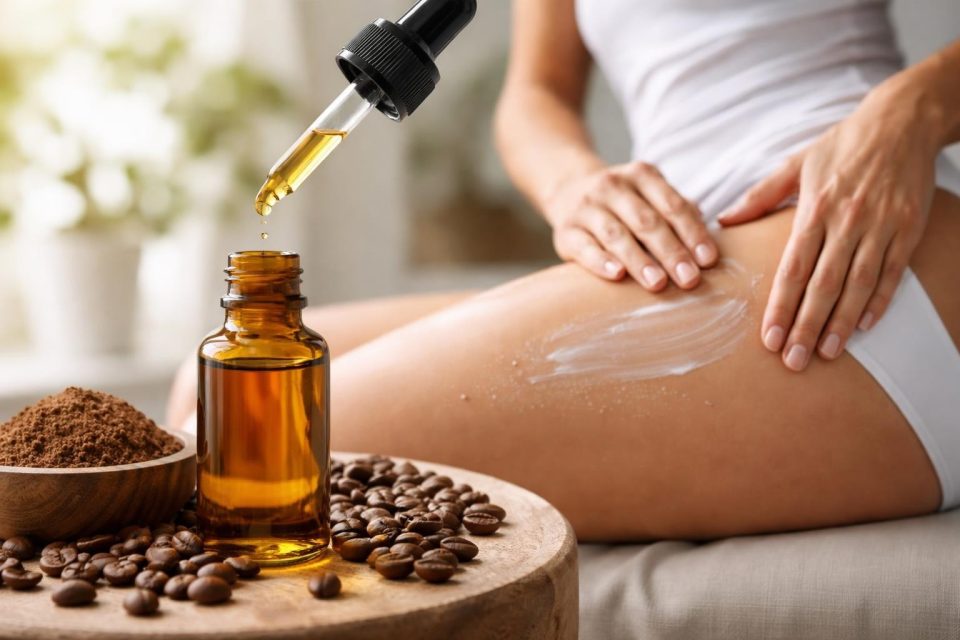
The battle against cellulite has led skincare enthusiasts to explore countless remedies, but one natural solution keeps rising to the top: coffee oil. This potent extract harnesses the power of coffee's active compounds to target those stubborn dimples and uneven skin texture. Unlike harsh chemical treatments or invasive procedures, coffee oil for cellulite offers a gentle yet effective approach that fits perfectly into your daily wellness routine. Whether you're dealing with mild dimpling or more pronounced texture concerns, understanding how this natural ingredient works can transform your skincare strategy.
What Makes Coffee Oil Different from Coffee Scrubs
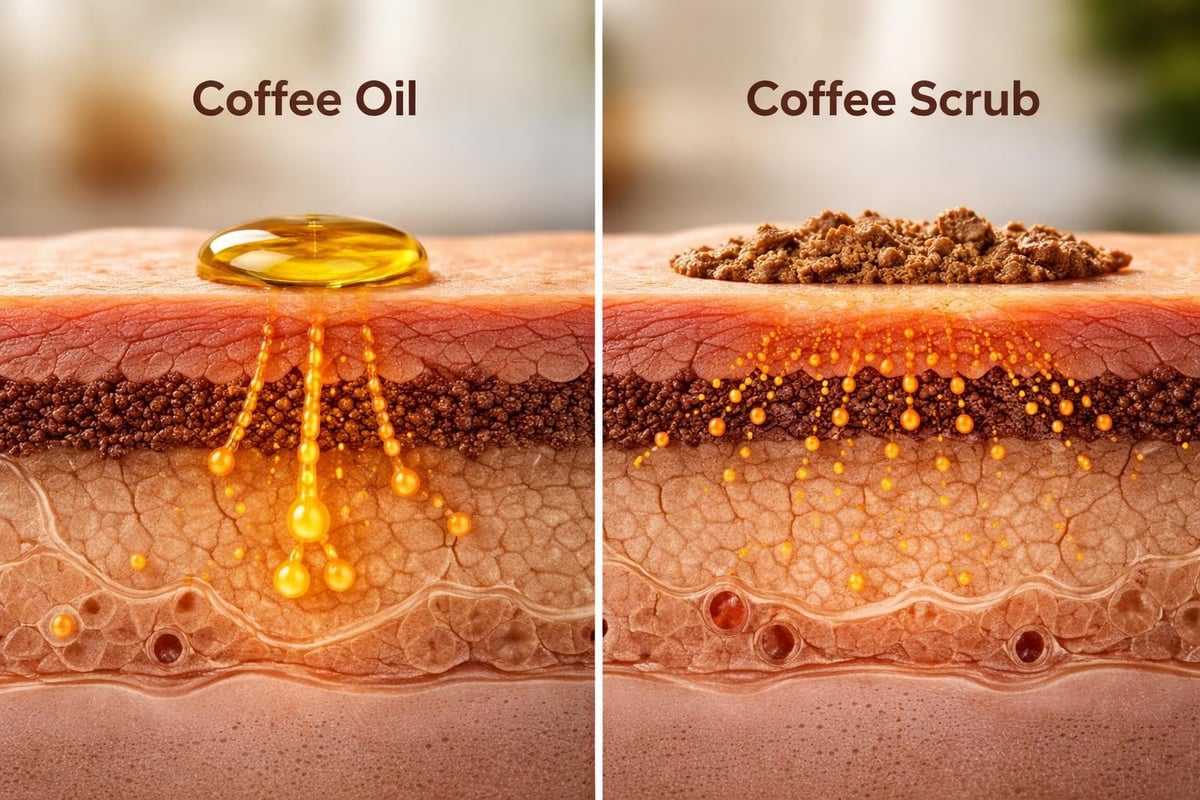
Coffee oil stands apart from traditional coffee scrubs in several important ways. While both contain beneficial compounds from coffee beans, the extraction process and application method create distinct experiences.
Coffee scrubs rely on physical exfoliation combined with caffeine absorption. You massage ground coffee directly onto damp skin, creating friction that removes dead cells while potentially allowing some caffeine to penetrate. The experience is invigorating but temporary.
Coffee oil, on the other hand, delivers concentrated active ingredients without the abrasive element. The Coffea Arabica seed oil contains potent antioxidants and caffeine that penetrate deeper into skin layers. This sustained contact allows for better absorption and longer-lasting effects.
Key Composition Differences
| Component | Coffee Scrub | Coffee Oil |
|---|---|---|
| Caffeine concentration | Moderate | High |
| Application duration | 5-10 minutes | Hours (absorbed) |
| Exfoliation | Physical | Chemical |
| Skin penetration | Surface level | Deep layers |
| Frequency recommended | 2-3 times weekly | Daily |
The oil form allows you to leave the active ingredients on your skin throughout the day, maximizing contact time with cellulite-prone areas. This extended exposure potentially enhances the firming and toning effects that make coffee oil for cellulite such an attractive option.
The Science Behind Caffeine and Cellulite Reduction
Understanding how coffee oil works requires looking at what cellulite actually is. Cellulite occurs when fat deposits push through connective tissue beneath the skin, creating that characteristic dimpled appearance. It affects up to 90% of women at some point in their lives, regardless of body weight.
Caffeine, the star compound in coffee oil, works through multiple mechanisms:
- Dehydrates fat cells: Caffeine temporarily removes water from fat cells, making them appear smaller and reducing the dimpled look
- Stimulates blood flow: Improved circulation brings oxygen and nutrients to skin tissues while removing waste products
- Breaks down fat deposits: Some research suggests caffeine may help metabolize stored fat in subcutaneous layers
- Tightens skin: The astringent properties of caffeine can create a temporary firming effect on skin surface
The antioxidants in coffee oil provide additional benefits. Chlorogenic acid, caffeic acid, and other polyphenols protect skin from free radical damage and may support collagen production. This combination addresses both the appearance and underlying health of cellulite-affected skin.
What Research Shows
According to scientific analyses of coffee scrubs and cellulite, topical caffeine application can produce measurable improvements in skin texture and firmness. While results vary between individuals, consistent use typically shows benefits within 4-12 weeks.
The key lies in regular application and realistic expectations. Coffee oil for cellulite won't eliminate the condition entirely, but it can significantly improve appearance and skin quality.
Creating Your Own Coffee-Infused Oil at Home
Making homemade coffee oil allows you to control ingredients and customize potency. This DIY approach appeals to those seeking natural skincare solutions without synthetic additives.
Basic Coffee Oil Recipe
Ingredients needed:
- 1 cup organic coffee beans (whole or coarsely ground)
- 2 cups carrier oil (coconut, jojoba, or sweet almond)
- Glass jar with tight lid
- Cheesecloth or fine strainer
Step-by-step process:
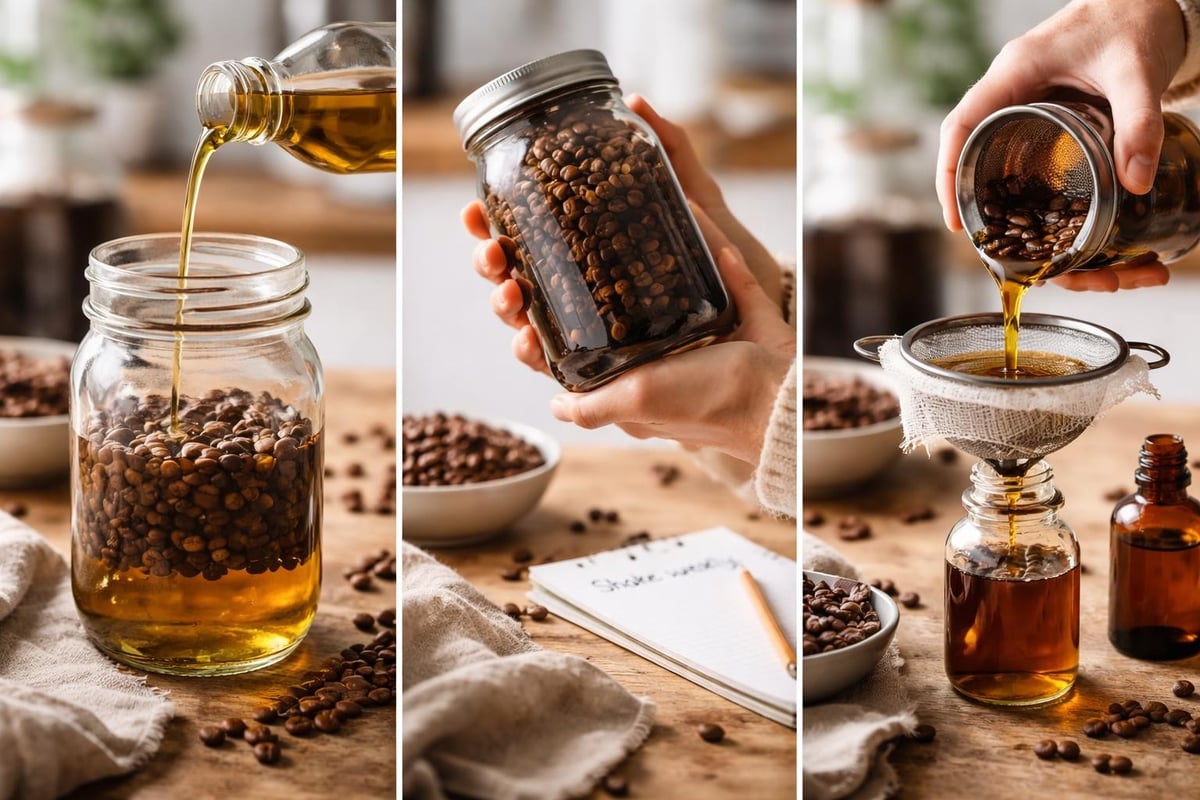
Prepare the coffee: Lightly crush whole beans or use coarsely ground coffee. Finer grounds create stronger oil but require more careful straining.
Combine ingredients: Place coffee in your glass jar and cover completely with carrier oil. Ensure all grounds are submerged to prevent mold growth.
Infusion period: Store the jar in a cool, dark place for 2-4 weeks. Shake gently every 2-3 days to redistribute compounds.
Strain thoroughly: After infusion, strain the oil through cheesecloth multiple times until completely clear of grounds.
Storage: Transfer to a dark glass bottle. Properly stored coffee oil lasts 3-6 months.
For those interested in creating coffee-infused oil for various skin concerns, this basic method provides an excellent foundation.
Advanced Formulation Tips
Enhance your homemade coffee oil for cellulite by incorporating complementary ingredients:
- Essential oils: Add 10-15 drops of grapefruit, juniper, or rosemary oil for additional circulation benefits
- Vitamin E: Include 1 teaspoon per cup of oil to extend shelf life and boost skin nourishment
- Cayenne pepper: A pinch creates warming sensation that may enhance blood flow (patch test first)
The comprehensive approach to homemade cellulite oil demonstrates how combining ingredients creates synergistic effects that target multiple aspects of skin health.
Proper Application Techniques for Maximum Results
How you apply coffee oil matters just as much as the oil itself. Strategic application maximizes absorption and effectiveness.
Daily Application Routine
Morning application:
Apply coffee oil for cellulite after showering when skin is clean and slightly damp. Dampness helps seal in moisture and may enhance penetration. Use firm, circular motions working from ankles upward toward the heart. This direction supports lymphatic drainage, potentially reducing fluid retention that accentuates cellulite.
Evening application:
Before bed, apply another layer focusing on problem areas. The extended contact time during sleep allows maximum absorption. Some users prefer mixing coffee oil with their regular body lotion for easier spreading.
Massage Techniques That Enhance Results
| Technique | How to Perform | Benefits |
|---|---|---|
| Circular kneading | Use knuckles in firm circles | Breaks up fatty deposits |
| Pinching rolls | Gently pinch and roll skin | Stimulates circulation |
| Upward strokes | Long, firm movements toward heart | Supports lymphatic flow |
| Percussion tapping | Light, rapid tapping | Increases blood flow |
Spend 5-10 minutes massaging each target area. The mechanical action combined with caffeine absorption creates a more comprehensive treatment than simply slathering on oil.
For optimal results, dry brushing before oil application creates an even more powerful routine. The exfoliation removes dead skin cells, allowing better penetration of active compounds.
Realistic Expectations and Timeline
Setting appropriate expectations helps you stay consistent with coffee oil treatments. This isn't a miracle cure, but rather a supportive tool in comprehensive skin care.
Week 1-2: Skin may feel softer and more hydrated. Caffeine's temporary dehydrating effect on fat cells might create subtle smoothing.
Week 3-6: Improved skin texture becomes more noticeable. The dimpled appearance may lessen as circulation increases and skin tightens.
Week 8-12: Maximum visible results typically appear within this timeframe. Continued use maintains benefits and may produce gradual additional improvements.
Factors Affecting Results
Your individual results with coffee oil for cellulite depend on several variables:
- Cellulite severity: Mild cases respond faster than advanced dimpling
- Application consistency: Daily use produces better results than sporadic application
- Overall lifestyle: Diet, hydration, and exercise significantly impact outcomes
- Skin type: Some skin types absorb topical treatments more readily
- Age: Younger skin with better elasticity typically shows faster improvement
Research discussed in analyses of coffee’s effectiveness for cellulite suggests that topical caffeine works best as part of a broader approach including healthy lifestyle habits.
Combining Coffee Oil with Other Cellulite Strategies
Coffee oil works more effectively when integrated into a comprehensive anti-cellulite program. Think of it as one powerful tool in a complete toolkit.
Complementary Approaches
Dietary adjustments:
Reduce sodium intake to minimize water retention. Increase foods rich in antioxidants, vitamin C, and omega-3 fatty acids to support skin health from within. Staying well-hydrated helps maintain skin elasticity and flush toxins.
Exercise routines:
Strength training builds muscle tone that makes skin appear firmer. Cardiovascular exercise improves circulation throughout the body. Targeted exercises for thighs, buttocks, and abdomen address common cellulite zones.
Dry brushing:
Before applying coffee oil, spend 3-5 minutes dry brushing cellulite-prone areas. This stimulates lymphatic drainage and removes dead skin cells, creating better absorption conditions.
Hydration protocol:
Drink at least 8 glasses of water daily. Proper hydration keeps skin plump and helps flush metabolic waste that may contribute to cellulite appearance.

The effectiveness of coffee scrubs and oils increases substantially when combined with these supportive practices. No single intervention eliminates cellulite, but a comprehensive approach creates meaningful improvements.
Commercial vs. Homemade Coffee Oil Options
Deciding between store-bought and DIY coffee oil for cellulite involves weighing several considerations.
Advantages of Commercial Products
Consistent potency: Manufactured products maintain standardized caffeine concentrations across batches. You know exactly what strength you're getting.
Additional active ingredients: Many commercial formulas include complementary compounds like retinol, peptides, or specialized plant extracts that enhance results.
Convenience: No preparation time required. Simply purchase and apply.
Texture optimization: Professional formulations often absorb more quickly and feel less greasy than homemade versions.
Benefits of DIY Coffee Oil
Cost effectiveness: Homemade versions cost a fraction of commercial products, especially important for consistent long-term use.
Ingredient control: You select every component, ensuring organic sources and avoiding potential irritants or allergens.
Customization: Adjust caffeine strength, add preferred essential oils, or modify carrier oils based on skin type.
Freshness guarantee: You know exactly when your oil was made and can ensure optimal potency.
Natural skincare enthusiasts often prefer the hands-on approach, while busy individuals may value commercial convenience. Both approaches can deliver results when applied consistently.
Safety Considerations and Potential Side Effects
While generally safe, coffee oil requires some precautions for optimal use.
Patch testing: Always test new coffee oil on a small skin area 24 hours before full application. Mix a tiny amount with carrier oil and apply to your inner forearm. Watch for redness, itching, or irritation.
Caffeine sensitivity: Some individuals absorb significant caffeine through skin. If you're highly sensitive to caffeine or pregnant, consult a healthcare provider before using coffee oil extensively.
Sun sensitivity: While less pronounced than with some other treatments, caffeine may slightly increase photosensitivity. Apply sunscreen when using coffee oil on exposed areas.
Allergic reactions: Coffee allergies are rare but possible. Discontinue use if you develop hives, swelling, or breathing difficulties.
Common Mistakes to Avoid
- Over-application: More isn't better. Excessive oil can clog pores without improving results
- Expecting overnight results: Cellulite reduction requires consistent effort over weeks or months
- Skipping carrier oil: Pure coffee essential oil is too concentrated for direct skin application
- Using expired oil: Rancid oils can irritate skin and lose effectiveness
- Irregular application: Sporadic use won't produce visible results
The scientific perspective on coffee grounds and cellulite emphasizes that proper, consistent use matters more than occasional intensive treatments.
Understanding Quality Indicators in Coffee Oil
Not all coffee oils deliver equal results. Recognizing quality markers helps you choose or create the most effective product.
What to Look For
Coffee source: Arabica coffee beans generally contain higher concentrations of beneficial compounds than Robusta varieties. Organic, single-origin beans offer the cleanest ingredient profile.
Extraction method: Cold-pressed or CO2 extraction preserves more active compounds than heat-based methods. Check product labels for extraction details.
Carrier oil quality: The base oil matters significantly. Look for cold-pressed, unrefined carrier oils that retain their own beneficial properties:
- Coconut oil: Antimicrobial, moisturizing, absorbs quickly
- Jojoba oil: Mimics skin's natural sebum, non-comedogenic
- Sweet almond oil: Rich in vitamins E and A, deeply nourishing
- Grapeseed oil: Lightweight, high in linoleic acid
Color and aroma: Quality coffee oil for cellulite should have a rich, brown color and distinct coffee scent. Pale, odorless oil suggests low concentration or old ingredients.
Packaging: Dark glass bottles protect oil from light degradation. Plastic containers or clear glass allow oxidation that reduces potency.
Storage Best Practices
Proper storage extends coffee oil effectiveness:
- Keep in cool, dark locations away from heat sources
- Ensure lids are tightly sealed after each use
- Use clean, dry hands or a pump dispenser to prevent contamination
- Monitor for rancid smell, which indicates oxidation
- Replace homemade oils every 3-6 months, commercial products per expiration date
Enhancing Results with Body Wraps and Masks
Coffee oil becomes even more effective when incorporated into specialized treatments.
DIY Coffee Oil Body Wrap
This intensive treatment amplifies the effects of coffee oil for cellulite through increased penetration and heat activation.
Materials needed:
- Coffee oil (homemade or commercial)
- Plastic wrap or body wrap sheets
- Warm towel
- 30-60 minutes of relaxation time
Application process:
- Exfoliate target areas with a gentle scrub
- Apply generous layer of coffee oil using massage techniques described earlier
- Wrap area snugly (but not too tightly) with plastic wrap
- Cover with warm towel to maintain temperature
- Relax for 30-60 minutes, allowing maximum absorption
- Unwrap and massage any remaining oil into skin
The occlusive environment created by wrapping increases skin temperature and enhances ingredient penetration. Many users report more dramatic temporary smoothing from wrap treatments.
Weekly Intensive Mask
For concentrated areas, create a thick coffee oil mask:
- Mix coffee oil with bentonite clay (2:1 ratio oil to clay)
- Add few drops of essential oil for enhanced benefits
- Apply thick layer to cellulite-prone areas
- Leave for 20-30 minutes
- Rinse with warm water and pat dry
- Follow with light coffee oil application
This combination provides both topical caffeine benefits and the detoxifying properties of clay, creating a comprehensive treatment approach.
Coffee oil for cellulite represents a natural, accessible approach to improving skin texture and reducing the appearance of dimpling. While not a complete solution on its own, consistent application combined with healthy lifestyle habits can produce noticeable improvements over time. If you're ready to embrace natural skincare solutions that work with your body rather than against it, explore how Sinusoothe Ltd can support your journey toward healthier, more confident skin with our carefully crafted natural skincare products.