

If you've noticed a stubborn rash of tiny red bumps clustering around your mouth, nose, or even eyes, you might be dealing with perioral dermatitis. This frustrating skin condition often masquerades as acne or rosacea, leaving many people treating it incorrectly for months. Understanding perioral dermatitis and what causes it is the first step toward clearing your skin naturally and preventing future flare-ups. Unlike other facial rashes, this particular condition has specific triggers that, once identified, can make all the difference in your treatment journey.
What Exactly Is Perioral Dermatitis?
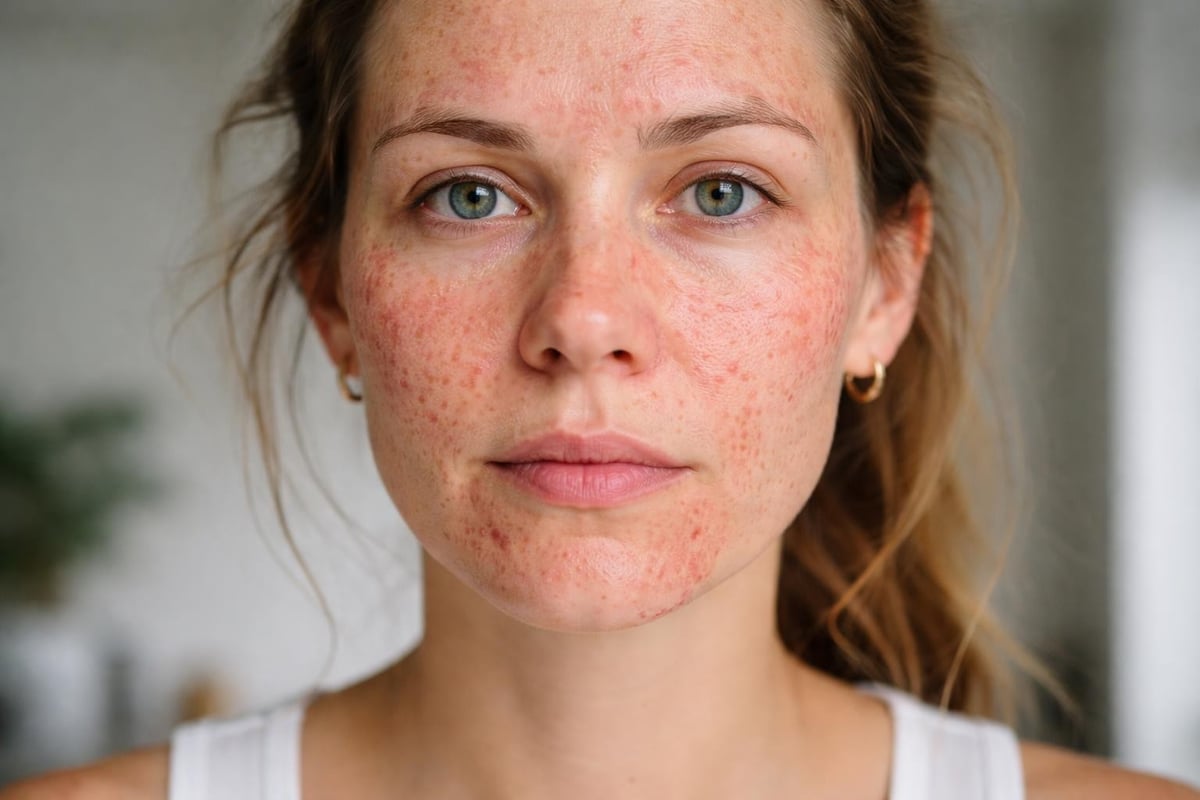
Perioral dermatitis appears as small, red, scaly bumps that form around the mouth, chin, and sometimes extend to the nose and eyes. The name literally means "around the mouth inflammation," though it doesn't always stay confined to that area.
The rash typically creates a distinctive pattern. You'll notice clusters of tiny papules with a clear zone of skin immediately bordering the lips. This characteristic feature helps distinguish it from other conditions.
Key identifying features include:
- Red or pink papules (small raised bumps)
- Dry, flaky, or scaly patches
- Mild burning or itching sensation
- Clear area directly next to the lip line
- Symmetrical distribution on both sides of the face
Most people describe the sensation as uncomfortable rather than painful. The bumps rarely itch intensely, though some burning or tightness is common. According to Harvard Health’s overview of perioral dermatitis, women between ages 16 and 45 experience this condition most frequently, though it can affect anyone.
Who Gets Perioral Dermatitis?
This condition shows a strong preference for certain demographics. Women of childbearing age represent the largest affected group, comprising approximately 90% of cases.
Children can develop perioral dermatitis too, particularly those using topical steroids for other skin conditions. The Nationwide Children’s Hospital information on perioral dermatitis emphasizes recognizing symptoms early in younger patients.
Men experience this condition less frequently but aren't immune. When it does occur in men, the triggers and treatment approaches remain similar to those in women.
Primary Causes of Perioral Dermatitis
Understanding perioral dermatitis and what causes it requires looking at multiple contributing factors. Unlike simple acne with straightforward causes, this condition develops from a complex interplay of triggers.
Topical Steroid Use
The single most common cause is prolonged use of topical corticosteroids on the face. These creams reduce inflammation effectively but can trigger a rebound effect.
When you stop using steroids after extended application, the skin often develops perioral dermatitis as a withdrawal reaction. This creates a frustrating cycle where the rash worsens, tempting you to reapply the steroid cream.
| Steroid Strength | Risk Level | Common Products |
|---|---|---|
| High potency | Highest risk | Prescription creams |
| Medium potency | Moderate risk | Over-the-counter hydrocortisone |
| Low potency | Lower risk (but still possible) | Mild topical treatments |
Breaking this cycle requires patience. Your skin needs time to adjust without the steroid suppression, which typically means the rash temporarily worsens before improving.
Heavy Skincare Products and Cosmetics
Rich facial moisturizers, thick foundations, and occlusive products can trigger or worsen perioraldermatitis. Products containing petroleum jelly, mineral oil, or heavy silicones create an environment where the condition thrives.
Your skin around the mouth is particularly sensitive to comedogenic ingredients. What works beautifully on your cheeks might cause problems in the perioral zone.
Common problematic ingredients include:
- Sodium lauryl sulfate (SLS)
- Heavy fragrances
- Petroleum-based occlusives
- Isopropyl myristate
- Certain preservatives
Many people find that switching to natural skincare for combination skin helps reduce flare-ups significantly. Gentle, minimal ingredient formulations work best during healing.
Fluoride Exposure
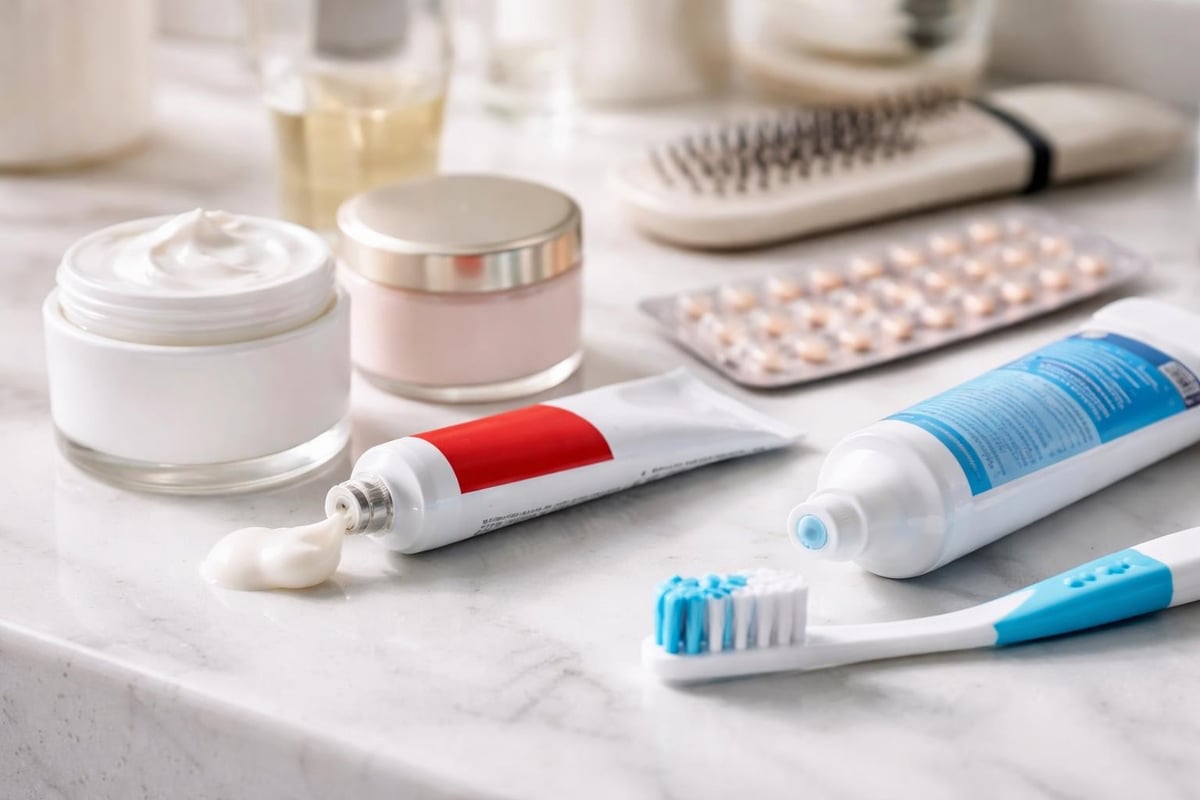
Surprisingly, fluoridated toothpaste ranks among the potential triggers. The fluoride compound can irritate the skin around your mouth, especially if toothpaste residue remains on the skin after brushing.
Switching to fluoride-free toothpaste helps some people resolve their symptoms completely. If you suspect this trigger, try the switch for at least six weeks to assess results.
Hormonal Fluctuations
Hormonal changes play a significant role in perioral dermatitis and what causes it to flare. Many women notice their symptoms worsen around menstruation, during pregnancy, or when starting or stopping hormonal birth control.
The exact mechanism isn't fully understood, but hormonal shifts appear to increase skin sensitivity and alter the skin's microbiome. This creates conditions where perioral dermatitis can develop more easily.
Birth control pills, particularly those with varying hormone levels, can trigger initial outbreaks. Some women develop the condition when starting contraceptives, while others experience it after discontinuation.
Secondary Contributing Factors
Beyond primary causes, several other factors can trigger or exacerbate symptoms. Recognizing these helps you create a comprehensive prevention strategy.
Environmental and Climate Factors
Wind, cold weather, and excessive sun exposure can all irritate the sensitive perioral area. Winter months often bring increased flare-ups as harsh weather strips moisture from skin.
Environmental triggers include:
- Strong winds causing skin dehydration
- UV radiation from sun exposure
- Low humidity in heated indoor environments
- Rapid temperature changes
- Chlorinated swimming pools
Protecting your skin from these elements without using heavy, occlusive products requires finding the right balance. Light, breathable sun protection works better than thick sunscreens in the affected area.
Microbial Factors
Research suggests that certain bacteria, yeast, or even Demodex mites can contribute to skin inflammation. These microorganisms naturally live on skin but can proliferate in conditions created by other triggers.
The Dermatologists.org exploration of perioral dermatitis causes discusses how disrupted skin barrier function allows microbial overgrowth. When your skin's natural defenses weaken from steroid use or harsh products, these organisms can contribute to inflammation.
Fusarium species and Candida albicans have been identified in some perioral dermatitis cases. However, whether they cause the condition or simply take advantage of compromised skin remains debated.
Skin Barrier Dysfunction
At its core, perioral dermatitis involves a compromised skin barrier. This protective layer normally keeps irritants out and moisture in. When damaged, it allows triggers to penetrate more easily.
Multiple factors damage the barrier:
- Over-cleansing with harsh soaps
- Physical exfoliation
- Chemical peels or retinoids
- Prolonged steroid use
- Natural aging processes
Restoring barrier function becomes essential for healing. This requires gentle care and often means doing less rather than more with your skincare routine.
Identifying Your Personal Triggers
Since perioral dermatitis and what causes it varies from person to person, identifying your specific triggers requires detective work. Keeping a detailed diary helps reveal patterns you might otherwise miss.
The Elimination Approach
Start by removing all potential triggers simultaneously. This means:
Week 1-2: Complete Reset
- Stop all topical steroids (under medical supervision)
- Switch to minimal, gentle skincare only
- Use fluoride-free toothpaste
- Avoid makeup in the affected area
- Document your skin's response daily
Week 3-4: Gradual Reintroduction
- Add back one product every 3-4 days
- Watch for symptom changes
- Note which additions cause reactions
- Continue documenting everything
This systematic approach reveals which factors specifically affect your skin. What triggers one person's perioral dermatitis might be perfectly fine for another.

Working With Healthcare Providers
Consulting a dermatologist provides valuable guidance, especially for severe cases. WebMD’s comprehensive guide on perioral dermatitis outlines when professional help becomes necessary.
Your healthcare provider can:
- Confirm the diagnosis through examination
- Rule out similar conditions like rosacea or seborrheic dermatitis
- Prescribe appropriate treatments if needed
- Monitor your progress during steroid withdrawal
Don't hesitate to seek professional evaluation if home treatments aren't working after 6-8 weeks. Sometimes prescription interventions accelerate healing significantly.
Natural Management Strategies
Understanding perioral dermatitis and what causes it empowers you to manage symptoms naturally. Many people successfully clear their skin without harsh medications.
Simplifying Your Routine
The "less is more" philosophy works wonderfully for perioral dermatitis. Strip your routine down to absolute basics during the healing phase.
Minimal effective routine:
- Gentle, sulfate-free cleanser (once daily, or just water)
- Light, non-comedogenic moisturizer (if needed)
- Zinc-based sun protection (mineral only)
- Nothing else
This minimalist approach gives your skin breathing room to heal. Many people find their skin clears within weeks of radical simplification. Similar to soothing approaches for rosacea redness, gentle care often produces the best results.
Ingredient Selection
Choosing the right ingredients makes a significant difference. Natural options often work better than synthetic alternatives during perioral dermatitis healing.
| Beneficial Ingredients | Why They Help | Ingredients to Avoid |
|---|---|---|
| Zinc oxide | Anti-inflammatory, protective | Sodium lauryl sulfate |
| Colloidal oatmeal | Soothes irritation | Petroleum jelly |
| Calendula | Gentle healing properties | Heavy fragrances |
| Chamomile | Reduces redness | Isopropyl myristate |
| Jojoba oil | Light, non-comedogenic moisture | Thick silicones |
Natural ingredients supporting skin regeneration can help restore barrier function once the acute inflammation subsides.
Lifestyle Modifications
Beyond topical care, certain lifestyle changes support healing:
- Hydration: Drink adequate water to support skin health from within
- Diet: Some people benefit from reducing dairy or high-glycemic foods
- Stress management: Stress can trigger or worsen flare-ups
- Sleep quality: Adequate rest supports skin repair processes
- Pillow hygiene: Change pillowcases frequently to reduce bacterial transfer
These foundational health practices create an environment where skin can heal more effectively.
Treatment Timelines and Expectations
Healing from perioral dermatitis requires patience. Most people see improvement within 4-8 weeks of removing triggers, though complete resolution may take longer.
The Initial Phase
Expect symptoms to potentially worsen during the first 1-2 weeks, especially if stopping topical steroids. This temporary flare doesn't mean your approach isn't working.
The Merck Manual’s information on perioral dermatitis explains this rebound phenomenon. Your skin is adjusting to functioning without steroid suppression.
Typical healing timeline:
- Days 1-14: Possible initial worsening, especially with steroid withdrawal
- Weeks 2-4: Gradual improvement begins, new bumps slow down
- Weeks 4-8: Noticeable clearing, existing bumps heal
- Weeks 8-12: Most cases significantly improved or resolved
- Months 3-6: Skin barrier fully restored, reduced sensitivity
Individual timelines vary based on severity, trigger identification success, and overall skin health.
Long-Term Prevention
Once cleared, preventing recurrence becomes the priority. Understanding perioral dermatitis and what causes it helps you avoid future flare-ups.
Maintain your simplified routine even after symptoms resolve. Many people find they need to permanently avoid certain triggers like heavy moisturizers or fluoride toothpaste.
Stay alert to early warning signs. Small clusters of bumps appearing around your mouth signal the need to immediately review your current products and routines.
When Standard Approaches Don't Work
Some cases prove resistant to typical management strategies. If you've eliminated common triggers without improvement, consider these possibilities:
Hidden Trigger Sources
Sometimes triggers hide in unexpected places:
- Dental products beyond toothpaste (mouthwash, dental floss)
- Hair products dripping onto facial skin
- Laundry detergent residue on pillowcases
- Airborne irritants in your environment
- Dietary sensitivities or allergies
According to Patient.info’s perioral dermatitis overview, overlooked triggers frequently explain treatment-resistant cases.
Medication-Based Interventions
When natural approaches alone prove insufficient, medications can help:
- Topical antibiotics: Metronidazole or erythromycin reduce inflammation
- Oral antibiotics: Tetracycline-class medications for moderate to severe cases
- Immunomodulators: Tacrolimus or pimecrolimus as alternatives to steroids
The MedicineNet discussion of perioral dermatitis treatment outlines these medical options. Always work with a healthcare provider when considering prescription treatments.
Related Conditions
Sometimes what appears to be treatment-resistant perioral dermatitis is actually a different condition requiring alternative approaches:
- Rosacea (which can coexist with perioral dermatitis)
- Seborrheic dermatitis
- Contact dermatitis from specific allergens
- Fungal infections
Proper diagnosis ensures you're treating the right condition with appropriate methods.
Building Resilient Skin
Recovery from perioral dermatitis offers an opportunity to develop healthier, more resilient skin long-term. The lessons learned during healing create lasting benefits.
Supporting Skin Barrier Function
Focus on maintaining a strong skin barrier even after symptoms resolve. This protective layer represents your first defense against future flare-ups.
Gentle cleansing, appropriate moisturizing, and sun protection form the foundation. Avoid the temptation to add too many products once your skin clears. The approach detailed in resources about natural creams for wrinkles emphasizes quality ingredients over quantity.
Stress and Skin Connection
The skin-stress connection affects perioral dermatitis significantly. Chronic stress weakens skin barrier function and increases inflammation throughout the body.
Incorporating stress management practices supports overall skin health:
- Regular exercise (avoiding excessive facial sweat contact)
- Meditation or mindfulness practices
- Adequate sleep (7-9 hours nightly)
- Social connection and support
- Time in nature
These practices benefit your entire body, with visible effects on skin health and resilience.
Nutritional Considerations
While diet alone rarely causes perioral dermatitis, nutritional support aids healing and prevention. Focus on anti-inflammatory foods that support skin health.
Skin-supportive nutrients include:
- Omega-3 fatty acids: Reduce inflammation (found in fatty fish, walnuts, flaxseeds)
- Zinc: Supports healing and immune function (pumpkin seeds, legumes)
- Vitamin C: Essential for collagen production (citrus, berries, bell peppers)
- Probiotics: Support gut and skin microbiome (fermented foods, yogurt)
- Antioxidants: Protect against oxidative stress (colorful vegetables, green tea)
Hydration deserves special mention. Adequate water intake supports every aspect of skin function, from cell turnover to toxin elimination.
Understanding perioral dermatitis and what causes it empowers you to take control of your skin health through informed choices about products, routines, and lifestyle factors. While the condition can feel frustrating and stubborn, most cases respond well to trigger elimination and gentle, natural care. At Sinusoothe Ltd, we specialize in gentle, natural skincare formulations designed to support sensitive skin without harsh chemicals or irritating ingredients. Our products focus on restoring skin barrier function and providing soothing relief while you heal-exactly what perioral dermatitis-prone skin needs most.