

Are you tired of battling stubborn cellulite and wondering if there’s more to the story? For many, the connection between low estrogen and cellulite is a missing puzzle piece that finally makes sense.
This guide dives deep into the science, exploring how hormonal shifts—especially low estrogen—can directly impact the appearance of cellulite. If you’ve ever questioned why cellulite seems to worsen over time, you’re not alone.
Cellulite is a source of frustration for countless women, and its causes often feel mysterious. What if the answer lies in a hormone most people overlook? Discover actionable advice and future-focused solutions that empower you to take charge.
We’ll explore the science of estrogen and cellulite, signs of hormonal imbalance, the latest research, expert-backed treatments, and simple lifestyle changes. Get ready to uncover what you need to know in 2026.
Understanding Estrogen and Its Role in Skin Health
Ever wondered why your skin changes as your hormones shift? Estrogen is more than just a reproductive hormone—it orchestrates many aspects of skin health, especially as it relates to low estrogen and cellulite. Let’s break down the science behind this vital hormone and its powerful effects on your skin.
What is Estrogen?
Estrogen is a key hormone that shapes much more than fertility. It comes in three main forms: estradiol, estriol, and estrone. Each plays a unique part in the body’s hormonal symphony.
Throughout life, estrogen production rises in puberty, cycles through reproductive years, and declines with age. This hormone guides not only menstrual cycles but also bone health, mood, and skin structure.
Understanding the role of estrogen is essential for anyone interested in low estrogen and cellulite, as its influence stretches from deep within your body to the surface of your skin.
How Estrogen Impacts Skin Structure
Estrogen acts as a guardian for your skin’s youthfulness. It boosts collagen and elastin synthesis, the proteins responsible for keeping skin firm and bouncy.
Here’s how estrogen helps your skin:
- Maintains skin hydration by supporting natural oils
- Keeps skin thick and resilient
- Smooths texture and helps repair damage
When estrogen levels drop, skin can become thinner, drier, and less elastic. These changes are key clues in the story of low estrogen and cellulite, as compromised skin structure makes dimpling more visible.
The Link Between Estrogen and Cellulite Formation
Estrogen isn’t just about cycles—it shapes where your body stores fat and how connective tissue holds it in place. When estrogen declines, fat may shift, and the tissue supporting your skin weakens. This is a crucial factor in low estrogen and cellulite.
Scientific studies reveal that lower estrogen levels often mean more visible cellulite, especially after menopause. Differences between premenopausal and postmenopausal women highlight this trend. Experts have found that estrogen regulates fat cell activity and connective tissue strength. For a deeper dive into how estrogen affects fat distribution and skin structure, read Estrogen’s Impact on Adipose Tissue Health.
Key Statistics and Research Findings
Cellulite is incredibly common—about 85 to 90 percent of women experience it, and the risk rises after menopause. This increase is closely tied to low estrogen and cellulite.
Recent studies show that estrogen therapy can help improve skin appearance and reduce cellulite’s severity. Experts agree that hormonal changes are a major driver of cellulite development, especially in women over 50.
| Statistic | Data/Source |
|---|---|
| Women with cellulite | 85–90% |
| Increase after menopause | Significant |
| Estrogen therapy effect on skin | Improved firmness, texture |
| Expert opinion on hormonal influence | Strong correlation |
Understanding these connections empowers you to take control, especially if you’re concerned about the impact of low estrogen and cellulite on your skin.
Low Estrogen: Causes, Symptoms, and Diagnosis
Are you curious about the connection between low estrogen and cellulite? Understanding why estrogen drops and how it impacts your skin is key to managing those stubborn dimples. Let’s break down the main causes, signs, diagnosis methods, and real-life data so you feel empowered and informed.
Common Causes of Low Estrogen
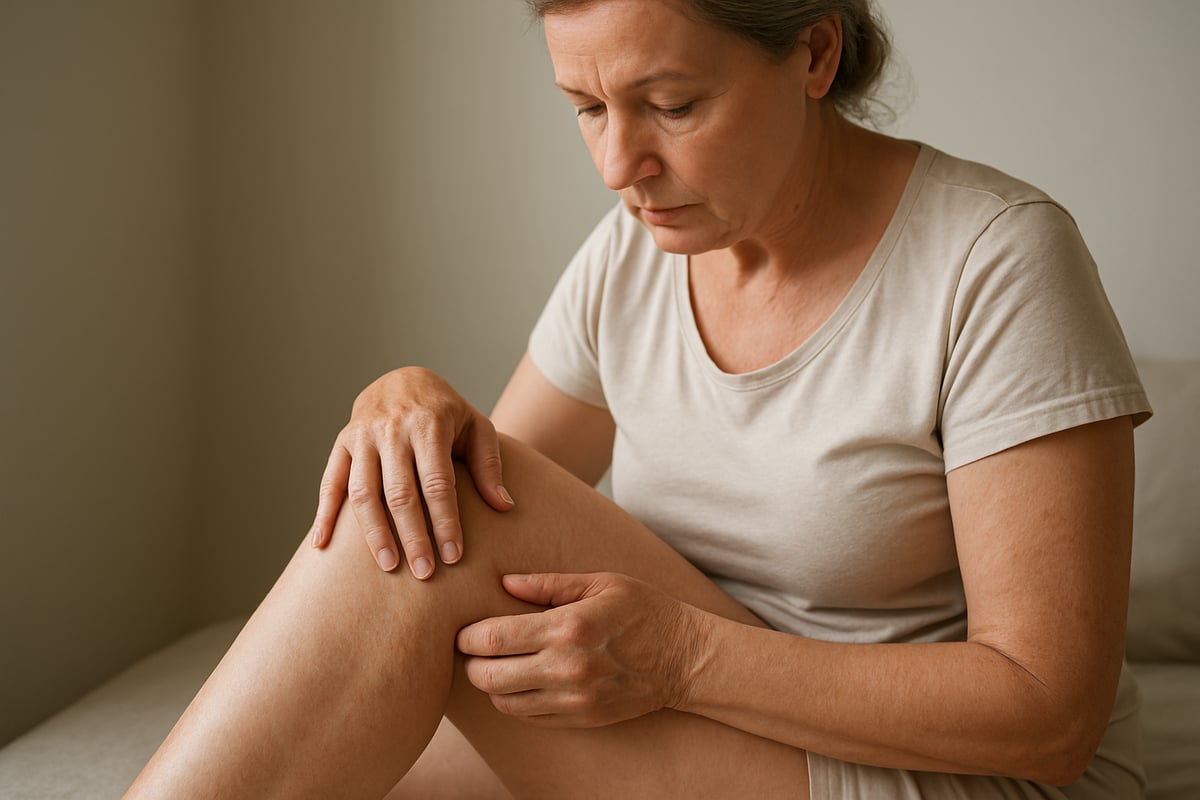
Several factors can lead to low estrogen and cellulite becoming more noticeable. The most common cause is menopause or perimenopause, when natural hormonal shifts occur. Medical treatments, such as oophorectomy (removal of ovaries), can cause a sudden drop in estrogen.
Other contributors include chronic stress, which disrupts hormone production, intense exercise routines, and eating disorders that affect overall hormonal balance. Each of these factors can set the stage for low estrogen and cellulite concerns as your body’s estrogen levels fall.
Recognizing Symptoms of Low Estrogen
Wondering if you might be experiencing low estrogen and cellulite at the same time? Common skin changes include dryness, thinning, and a loss of elasticity, making cellulite more visible.
Aside from changes in skin texture, you might notice hot flashes, mood swings, or irregular periods. These symptoms often act as early warning signs, letting you know your hormones are shifting, and putting you at greater risk for low estrogen and cellulite.
Diagnosing Low Estrogen Levels
If you suspect low estrogen and cellulite are affecting you, a medical evaluation is the first step. Doctors typically use blood tests to check hormone levels and will also discuss your symptoms in detail.
Knowing when to seek professional advice is important. If you notice persistent skin changes, unusual menstrual patterns, or increased cellulite, consider tracking your hormonal health. This proactive approach can help you address low estrogen and cellulite before they progress.
Case Examples and Data
Recent studies have shown that postmenopausal women often report a rise in low estrogen and cellulite. For example, research from 2024 and 2025 highlights a higher prevalence of cellulite among women over 50, especially after menopause. Early menopause can intensify these effects, leading to noticeable changes in skin and body composition.
To dive deeper into the science, you can explore this study on cellulite in menopause and hormonal influences which explains how low estrogen and cellulite are strongly linked as hormone levels decline.
The Science of Cellulite: Beyond Hormones
Cellulite is a term almost every woman has heard, but few truly understand. It refers to the dimpled, uneven texture that often appears on the thighs, buttocks, and abdomen. This condition is incredibly common, and it affects women of all shapes and sizes. The connection between low estrogen and cellulite is gaining attention, but it's only one piece of a much larger puzzle.
What is Cellulite?
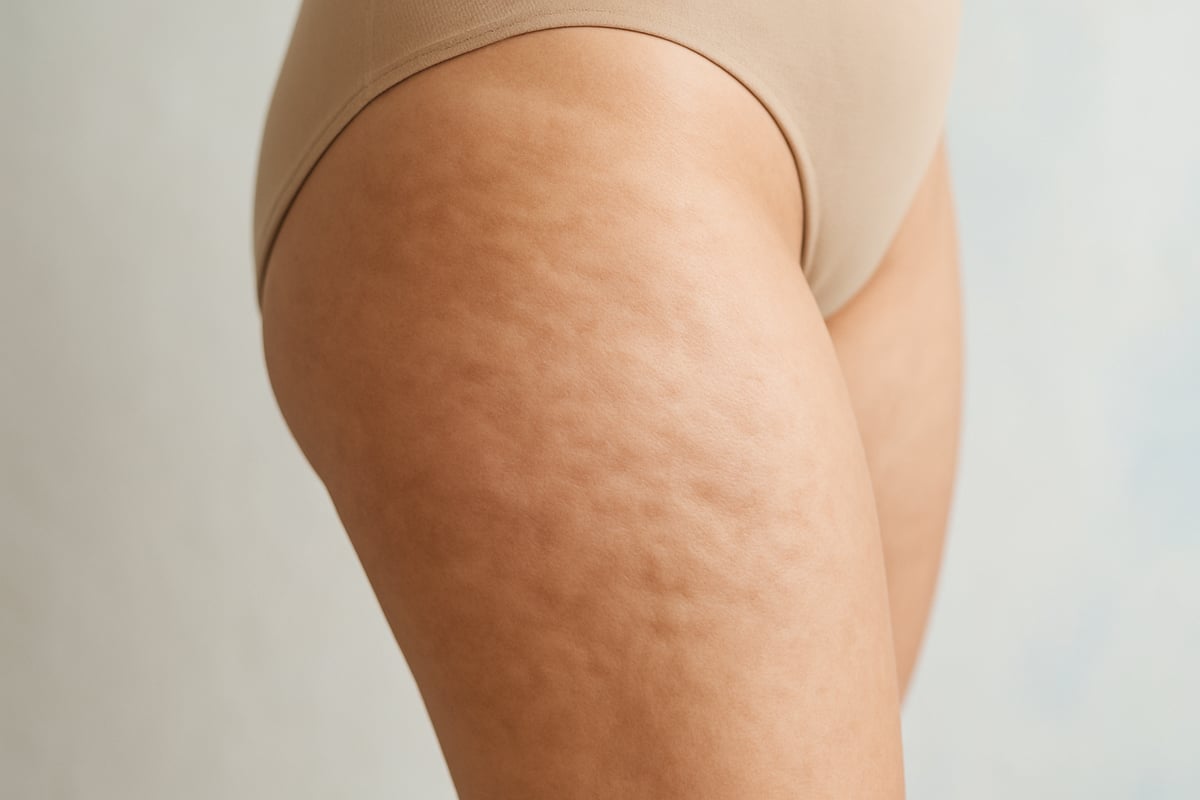
Cellulite describes the lumpy, dimpled skin that develops when fat deposits push through connective tissue beneath the skin. While it is most visible on the thighs and buttocks, it can also show up on the abdomen and arms. This texture is not a medical problem, but it can affect confidence. The interplay of low estrogen and cellulite formation is only just being uncovered by researchers.
Factors Contributing to Cellulite Formation
Why do some people develop cellulite while others do not? Genetics play a major role, as family history can predispose you to more visible dimpling. Lifestyle choices also matter: a diet high in processed foods, lack of exercise, and smoking can all worsen the appearance. The structure of connective tissue and the size of fat cells beneath the skin are additional factors. However, low estrogen and cellulite are not the only variables to consider.
Estrogen’s Role Compared to Other Factors
While hormones like estrogen influence the skin’s texture and fat distribution, they are not the sole culprits in cellulite development. Women with normal hormone levels can still see cellulite due to genetics or lifestyle. The relationship between low estrogen and cellulite is complex, and it often overlaps with other risk factors. Below is a simple comparison:
| Factor | Hormonal (Estrogen) | Non-Hormonal |
|---|---|---|
| Fat Distribution | Affected | Less affected |
| Skin Thickness | Thinner with low estrogen | May be unchanged |
| Genetics | Interacts with hormones | Direct role |
| Lifestyle | Can worsen effects | Major independent factor |
Key Research and Myths Debunked
Recent studies have shown that both hormonal and non-hormonal interventions can improve the appearance of cellulite. For example, bioactive compounds such as phytoestrogens may help support the skin when estrogen is low, as highlighted in this Bioactives for Estrogen-Deficient Skin review. It's also important to bust common myths:
- Only overweight people get cellulite.
- Miracle creams can erase cellulite overnight.
- Cellulite means poor health.
Dermatologists agree that low estrogen and cellulite are linked, but so are many other factors. The best results come from a combination of science-backed treatments and realistic expectations.
How Low Estrogen Influences Cellulite in 2026: Latest Insights
Are you curious about what's new in understanding low estrogen and cellulite? In 2026, science has made leaps in uncovering how hormonal shifts shape the skin’s texture, especially as women age. Let’s explore the most important breakthroughs and what they mean for you.
Emerging Research on Hormones and Cellulite
New studies in 2025 and 2026 have deepened our understanding of low estrogen and cellulite. Researchers are looking at how estrogen receptors in skin and fat cells directly affect tissue structure.
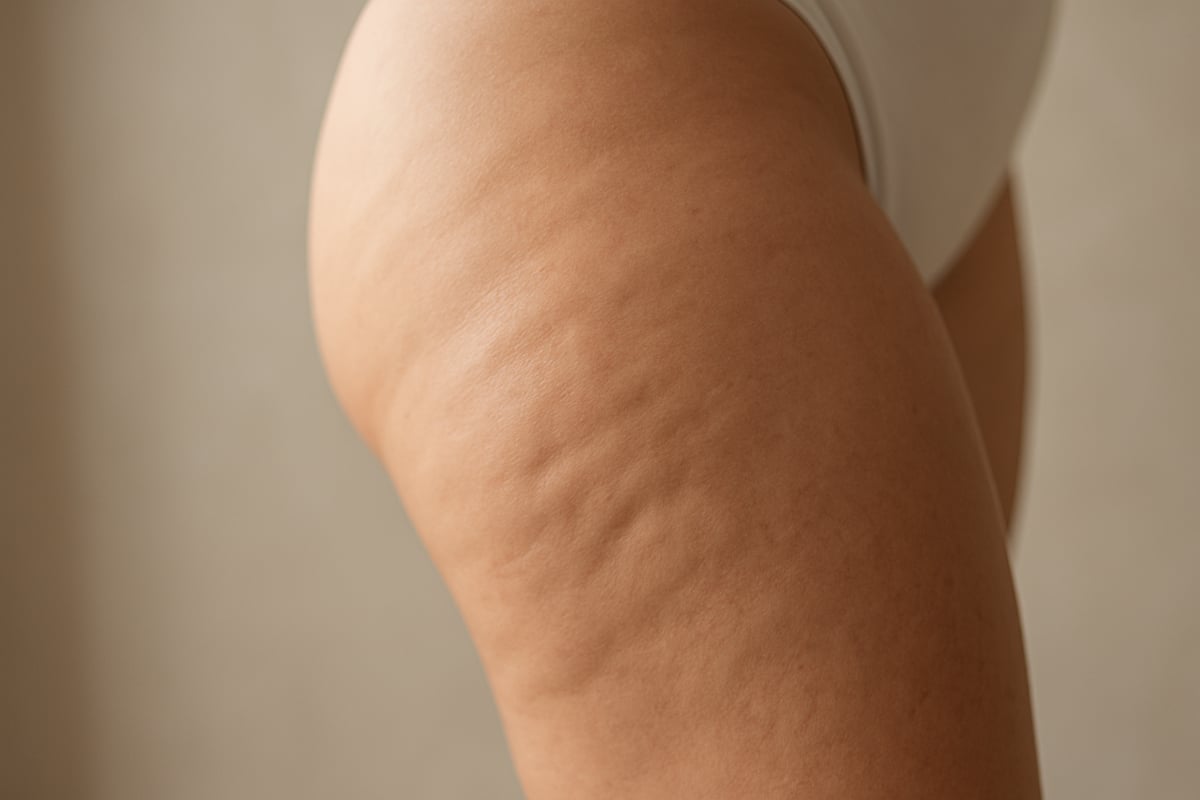
When estrogen levels drop, these receptors don’t get enough stimulation, making skin thinner and connective tissue weaker. This creates more visible dimpling. Recent findings also show that the decline in estrogen changes how fat is stored, especially in the thighs and hips, which are common cellulite areas.
Scientists now believe the connection between low estrogen and cellulite is stronger than previously thought. This means hormonal health is a key factor for skin appearance as women age.
Age, Menopause, and Cellulite Progression
Cellulite often becomes more noticeable as women approach menopause, and the reason is closely tied to low estrogen and cellulite. As estrogen naturally declines with age, the skin loses elasticity and fat distribution changes.
Data from recent years shows that most women see an increase in cellulite severity after their mid-40s. Studies highlight that the average onset of more pronounced cellulite coincides with perimenopause and menopause. In fact, surveys from 2025 indicate over 70% of women over 50 report new or worsening cellulite.
Understanding this timeline helps women recognize that hormonal changes, not just lifestyle, play a major role in cellulite progression.
Hormone Replacement Therapy (HRT) and Cellulite
With the growing link between low estrogen and cellulite, HRT remains a hot topic in 2026. Bioidentical, topical, and oral therapies are widely available. These treatments aim to restore estrogen levels, which can improve skin thickness and firmness.
Clinical evidence suggests HRT may help reduce cellulite severity in some women by supporting collagen and connective tissue. However, risks and benefits must be weighed carefully with a healthcare provider. For those interested in topical options, Estrogen-Deficient Skin: Topical Therapy Role offers a deep dive into how targeted treatments can address skin changes linked to low estrogen and cellulite.
Always consult a doctor to discuss the best approach for your unique needs and medical history.
Non-Hormonal Medical Treatments
Not everyone is a candidate for HRT, so what’s new in non-hormonal solutions for low estrogen and cellulite? In 2026, the FDA has approved several advanced treatments, including laser therapy, radiofrequency, and injectables that target fat and connective tissue.
These options are particularly promising for women with low estrogen who cannot or do not want hormone therapy. Clinical trials show these treatments can temporarily improve skin texture and reduce dimpling.
A key takeaway: while these therapies can help, maintaining results often requires ongoing sessions and a holistic approach.
Lifestyle and Preventive Strategies
Managing low estrogen and cellulite goes beyond medical treatments. Lifestyle changes are more important than ever. Regular strength training and exercises that boost circulation can help keep skin firm.
Nutrition plays a big role too. Diets rich in phytoestrogens, such as soy and flaxseed, may gently support hormonal balance and skin health. Prioritizing hydration, quality sleep, and stress reduction also helps minimize cellulite’s appearance.
These strategies empower women to take daily action, complementing any medical or cosmetic treatments they choose.
Expert Opinions and Patient Stories
Dermatologists and endocrinologists agree: managing low estrogen and cellulite requires a multifaceted approach. Experts recommend combining hormone assessment, targeted skincare, and lifestyle tweaks for best results.
Many women share inspiring stories of improvement after making small changes, like adding strength training or switching to a phytoestrogen-rich diet. Recent patient surveys confirm that women who address both hormonal and lifestyle factors see the most sustained improvements.
The journey with low estrogen and cellulite may feel overwhelming, but with the latest science and a supportive plan, smoother, healthier skin is within reach.
Step-by-Step Guide: Managing Cellulite Linked to Low Estrogen
Ready to tackle the connection between low estrogen and cellulite? This practical guide breaks down the steps you can take to minimize cellulite, boost skin health, and feel more confident. Whether you are just noticing changes or have been struggling for years, start here for the latest, most effective strategies.
Step 1: Assess Your Hormonal Health
The first step in managing low estrogen and cellulite is understanding your hormonal status. Have you noticed changes in your skin, mood, or menstrual cycle? These can be early signs of shifting estrogen levels.
Keep an eye out for symptoms like increased dryness, thinning skin, or more pronounced cellulite. If you suspect hormonal changes, schedule a medical evaluation. Blood tests and a detailed symptom review help pinpoint if low estrogen is a factor.
Early detection empowers you to address low estrogen and cellulite before they progress. Make it a habit to track changes in your skin and overall well-being, and don't hesitate to consult a healthcare professional.
Step 2: Explore Medical and Hormonal Treatments
When low estrogen and cellulite go hand in hand, medical treatments can make a big difference. Hormone replacement therapy (HRT) is often considered for women with significant estrogen decline, especially after menopause.
Options include bioidentical hormones, topical creams, and oral medications. Your doctor may also discuss non-hormonal prescriptions that target skin structure or fat metabolism. Each approach has unique benefits and risks.
The key is to have an open conversation with your healthcare provider. They can help tailor a plan to your needs, ensuring you address both low estrogen and cellulite effectively and safely.
Step 3: Build a Targeted Skincare Routine
A thoughtful skincare routine is crucial for anyone dealing with low estrogen and cellulite. Look for moisturizers with hyaluronic acid, retinoids, and peptides, which help lock in hydration and stimulate collagen.
Women with low estrogen often have sensitive or aging skin, so choose gentle, nourishing products. For expert guidance, check out these tips for sensitive skin care, especially if your skin reacts easily.
Incorporating natural botanicals can also support collagen production, further improving skin texture and helping to combat the appearance of cellulite.
Step 4: Adopt Supportive Lifestyle Habits
Lifestyle changes are powerful allies in managing low estrogen and cellulite. Regular exercise, especially strength training and stretching, boosts circulation and tones underlying muscles.
Eating a balanced diet with plenty of antioxidants, healthy fats, and phytoestrogens (like soy and flaxseed) helps support hormonal balance and skin resilience. Staying hydrated and managing stress are also essential.
Consider adding natural botanicals to your daily routine—these can help stimulate collagen and improve skin elasticity. For more on this, explore how natural botanicals for collagen production can benefit your skin.
Step 5: Consider Professional Treatments
If home strategies are not enough, professional treatments can target stubborn low estrogen and cellulite concerns. Options like microneedling, subcision, and body contouring are popular for breaking up fibrous tissue and improving skin texture.
Consult a dermatologist or aesthetic specialist to discuss what is right for your needs. These procedures often have minimal downtime and can deliver visible results, especially when combined with other steps in your routine.
Understanding the role of low estrogen and cellulite will help you set realistic expectations and get the most out of your investment in professional care.
Step 6: Track Progress and Adjust Your Plan
Managing low estrogen and cellulite is a journey, not a sprint. Set achievable goals for your skin and body, and track changes over time with photos or a journal.
Check in regularly with your healthcare provider or skincare expert. If you are not seeing the results you want, do not be afraid to tweak your routine, try new treatments, or revisit your medical options.
Patience and consistency are key. By staying proactive, you will be better equipped to manage low estrogen and cellulite, feeling empowered every step of the way.
Natural Solutions and Holistic Approaches for Cellulite and Low Estrogen
Looking for ways to support your body as you manage low estrogen and cellulite? You are not alone. Many women are turning to natural and holistic strategies to improve skin texture and balance hormones. Let us explore the most effective food, lifestyle, and skincare choices that can make a real difference.
The Role of Plant-Based and Phytoestrogenic Foods
Diet can play a powerful role in managing low estrogen and cellulite. Certain plant foods are rich in phytoestrogens, natural compounds that mimic estrogen’s effects in the body, supporting skin health and hormonal balance.
Some of the best phytoestrogenic foods include:
- Soy products (tofu, tempeh, edamame)
- Flaxseeds and sesame seeds
- Lentils and chickpeas
- Berries and dried fruits
Incorporating these foods into your meals may help reduce the visible effects of low estrogen and cellulite. Studies suggest that a diet rich in these ingredients can improve skin elasticity and hydration, making your skin appear smoother and firmer over time.
Natural Skincare Ingredients for Cellulite
When it comes to topical solutions for low estrogen and cellulite, natural ingredients are gaining popularity. Caffeine is known to temporarily tighten skin, while retinol promotes collagen production and cell renewal. Plant oils, such as rosehip and grapeseed, deliver antioxidants and essential fatty acids to nourish aging skin.
For those interested in deeper skin regeneration, certain essential oils have shown promise in supporting collagen and skin structure. You can learn more about essential oils for skin regeneration and how they may benefit women experiencing low estrogen and cellulite.
Choosing products with these natural ingredients can help your skin feel more resilient and look smoother, especially when used consistently as part of your routine.
Massage, Dry Brushing, and At-Home Techniques
Gentle self-care techniques can also play a role in managing low estrogen and cellulite. Regular massage helps boost circulation and encourages lymphatic drainage, which may reduce the appearance of dimpled skin.
Popular at-home methods include:
- Dry brushing with a natural-bristle brush before showering
- Using a foam roller to massage thighs and hips
- Manual massage with body oils or creams
These techniques are easy to add to your daily routine and can be both relaxing and effective. Research shows that consistent massage may improve skin tone and texture, supporting your efforts to manage low estrogen and cellulite naturally.
Stress Reduction and Hormonal Balance
Chronic stress is a known disruptor of hormonal health and can worsen the effects of low estrogen and cellulite. Managing stress is essential for supporting skin and overall well-being.
Integrate these stress-reduction strategies into your routine:
- Mindfulness meditation or deep breathing exercises
- Gentle yoga or tai chi
- Spending time in nature or connecting with loved ones
Reducing stress can help your body maintain a healthier hormonal balance, which in turn may minimize cellulite and other skin changes linked to low estrogen and cellulite. Remember, self-care is not selfish—it is a key part of feeling and looking your best.
Ethical and Sustainable Skincare Choices
Caring for your skin should not compromise your health or the planet. For women dealing with low estrogen and cellulite, choosing clean, eco-friendly products is especially important. Look for skincare lines that use natural ingredients, avoid harsh chemicals, and prioritize sustainability.
When evaluating products, check the ingredient list for irritants or synthetic fragrances. Eco-conscious brands often use recyclable packaging and responsibly sourced botanicals. For more tips on making sustainable choices, explore this guide to eco-friendly skincare for women.
Making mindful choices supports long-term skin health and aligns with a holistic approach to managing low estrogen and cellulite.