
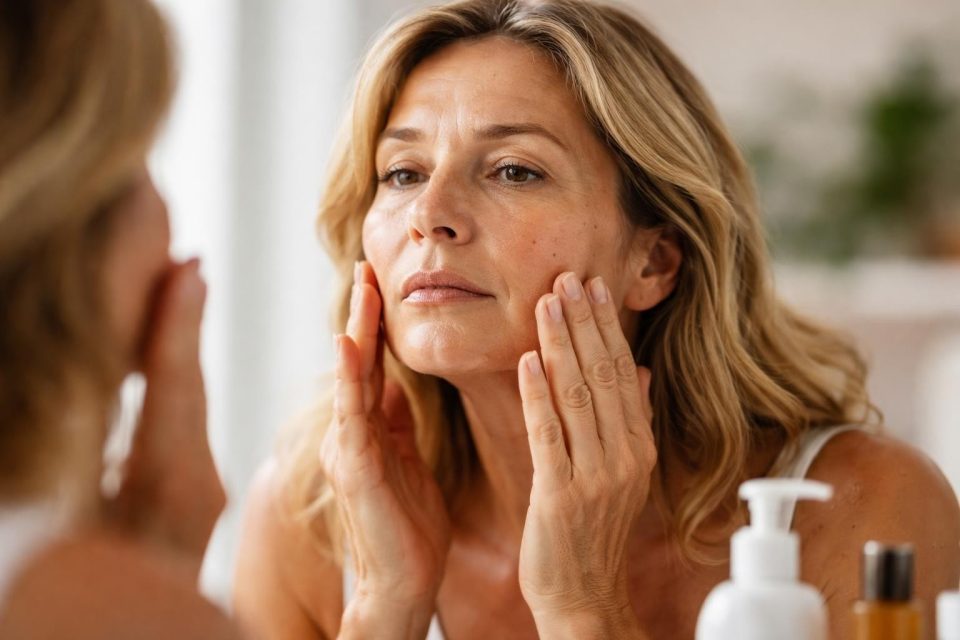
If you've noticed your skin becoming unexpectedly shiny, greasy, or prone to breakouts during midlife, you're not alone. The relationship between menopause and oily skin surprises many women who expect dryness as their primary concern during this transition. While it's true that declining estrogen levels often lead to moisture loss, the hormonal upheaval of menopause can simultaneously trigger your sebaceous glands to go into overdrive, creating a confusing mix of symptoms that leaves you wondering which products to reach for each morning.
Understanding the Hormonal Shift Behind Oily Skin
The connection between menopause and oily skin stems from a complex dance of hormones that begins years before your final period. During perimenopause, estrogen and progesterone levels fluctuate wildly before their eventual decline, while androgens (male hormones present in all women) maintain relatively stable levels or even increase proportionally.
This shifting balance creates what dermatologists call "androgen dominance," where hormones affect your skin in surprising ways. Androgens stimulate sebaceous glands to produce more sebum, the natural oil that keeps skin lubricated. When estrogen balanced these androgens in your younger years, sebum production remained controlled. Now, with less estrogen to counteract them, these glands work overtime.
The Sebum Production Paradox
Here's what makes this phase particularly challenging:
- Uneven oil distribution: You might experience an oily T-zone while cheeks remain dry
- Adult acne emergence: Clogged pores from excess sebum lead to breakouts you haven't seen since adolescence
- Enlarged pores: Increased oil production stretches pore openings, making them more visible
- Combination skin confusion: Products that address dryness may worsen oiliness, and vice versa
The increased sebum production during menopause doesn't affect everyone equally. Genetics, lifestyle factors, stress levels, and your skin's pre-existing tendencies all play roles in how dramatically you'll experience these changes.
Why Your Skin Behaves Differently Now
During reproductive years, estrogen performed multiple protective functions for your skin. It regulated oil production, maintained collagen and elastin fibers, supported skin thickness, and promoted moisture retention. As estrogen levels drop during the menopausal transition, your skin loses these regulatory benefits.
Meanwhile, testosterone and other androgens continue their work unchecked. These hormones bind to receptors in sebaceous glands, triggering them to enlarge and produce more oil. The result? Skin that feels greasy by midday, makeup that slides off, and a complexion that seems to have regressed to your teenage years.
The Timeline of Change
Understanding when these changes typically occur helps you prepare appropriate skincare strategies:
| Menopausal Stage | Typical Age Range | Oil Production Pattern |
|---|---|---|
| Early Perimenopause | 40-45 | Occasional oiliness, inconsistent patterns |
| Late Perimenopause | 45-51 | Increased frequency, combination skin dominates |
| Menopause | 51+ | Stabilization begins, but individual variation high |
| Post-menopause | 55+ | Gradual normalization for most, though some oiliness persists |
This timeline serves as a general guide, but remember that how peri-menopause affects your skin’s oil production varies significantly among individuals based on genetic factors and overall health.
Identifying Your Specific Oily Skin Triggers
The relationship between menopause and oily skin becomes more manageable when you understand your personal triggers. Keep a skin journal for 30 days, noting when oiliness peaks and what factors preceded it. Common culprits include stress spikes, certain foods, inadequate sleep, and overwashing your face.
Hot flashes compound the problem. When your body temperature suddenly rises, sweat mixes with sebum, creating that uncomfortable greasy sensation. Many women instinctively wash their faces more frequently during these episodes, which ironically signals sebaceous glands to produce even more oil as a protective response.
Diet plays a surprising role too. High-glycemic foods, dairy products, and excessive sugar consumption can trigger inflammatory responses that stimulate oil production. Conversely, omega-3 fatty acids and antioxidant-rich foods help regulate sebum and reduce inflammation.
Stress and Cortisol Connection
Chronic stress elevates cortisol levels, which directly impacts sebaceous gland activity. When you're stressed:
- Cortisol rises, triggering inflammatory pathways
- Sebaceous glands receive signals to increase oil production
- Skin barrier function weakens, making pores more susceptible to clogging
- Breakout cycles intensify, creating more stress
Breaking this cycle requires addressing both skincare routines and stress management techniques. Meditation, regular exercise, and adequate sleep all contribute to hormonal balance that supports healthier skin function.
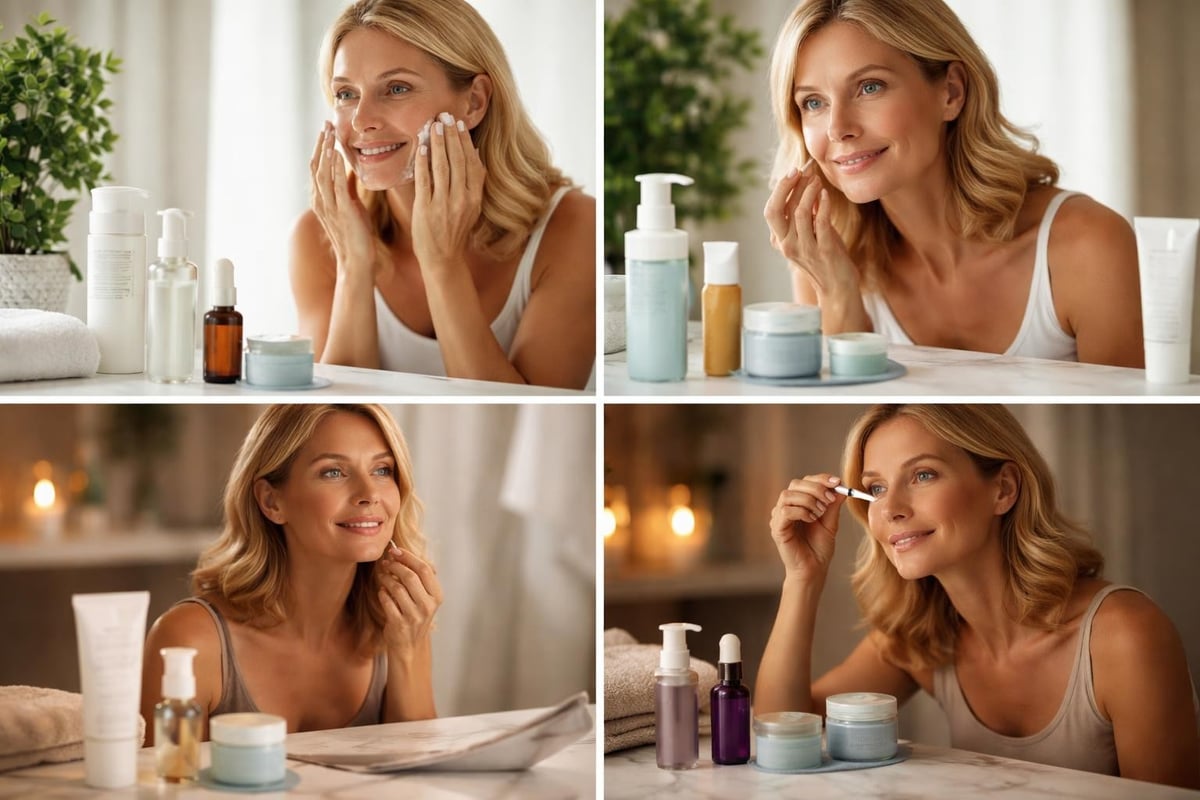
Natural Solutions for Managing Excess Oil
When dealing with menopause and oily skin, harsh products that strip away all oil often backfire. Your skin interprets this aggressive cleansing as an emergency, responding by producing even more sebum. Instead, adopt a balanced approach that respects your skin's need for some natural oils while controlling excess production.
Gentle cleansing forms the foundation. Use a mild, pH-balanced cleanser twice daily. Look for formulations containing natural ingredients like green tea extract, which offers antioxidant benefits without over-drying. Avoid cleansers with sulfates, which disrupt the skin barrier and trigger rebound oiliness.
The best night cream for menopausal skin over 50 should balance moisture replenishment with oil control. Natural ingredients work synergistically with your skin's biology rather than against it, making them particularly effective during this transitional period.
Key Natural Ingredients That Work
| Ingredient | Primary Benefit | How It Helps Oily Skin |
|---|---|---|
| Witch Hazel | Astringent, anti-inflammatory | Tightens pores, reduces excess oil |
| Jojoba Oil | Sebum-regulating | Signals glands to reduce production |
| Clay Masks | Absorbent | Draws out impurities without stripping |
| Niacinamide | Pore-minimizing | Regulates sebum, reduces inflammation |
| Tea Tree Oil | Antimicrobial | Prevents bacteria buildup in oily areas |
Incorporating natural face creams into your routine provides skin with nutrients it needs without synthetic chemicals that may aggravate hormonal sensitivity. These formulations often include plant-based compounds that gently regulate oil production while supporting overall skin health.
Building Your Daily Skincare Routine
A strategic approach to menopause and oily skin requires consistency and patience. Your routine should evolve based on how your skin responds, but these core principles remain constant throughout the menopausal transition.
Morning routine essentials:
- Gentle cleanse with lukewarm water (hot water stimulates oil production)
- Apply alcohol-free toner to balance pH
- Use lightweight, oil-free serum with niacinamide or vitamin C
- Moisturize with gel-based or water-based formula
- Never skip sunscreen-oil-free, mineral-based options work best
Evening routine priorities:
- Double cleanse if wearing makeup (oil-based cleanser followed by water-based)
- Exfoliate 2-3 times weekly with gentle chemical exfoliants (avoid harsh scrubs)
- Apply treatment products targeting your concerns (retinol for pores, salicylic acid for breakouts)
- Use nighttime moisturizer that supports skin barrier repair
Remember that managing skin changes during menopause requires adapting your routine as hormone levels continue to shift. What works perfectly in early perimenopause might need adjustment as you progress through this transition.
The Role of Hydration
This might sound counterintuitive, but properly hydrated skin produces less excess oil. When skin lacks water (hydration), it compensates by producing more oil (moisture). These aren't the same thing, and your routine must address both needs.
Drinking adequate water supports skin function from within. Aim for eight glasses daily, adjusting upward if you exercise or live in dry climates. Hydrating serums with hyaluronic acid pull moisture into skin without adding oil, creating the balance oily, menopausal skin craves.
Advanced Treatment Options Worth Considering
When basic skincare routines don't sufficiently address menopause and oily skin, several advanced options provide additional support. These treatments work by targeting the root hormonal causes or by directly affecting sebaceous gland behavior.
Retinoids deserve special attention. These vitamin A derivatives regulate cell turnover, prevent pore clogging, and actually reduce sebaceous gland size over time. Start with lower concentrations to build tolerance, applying every third night initially. Many women find that natural creams for wrinkles combined with retinoid treatments create comprehensive anti-aging and oil-control benefits.
Professional treatments can accelerate results:
- Chemical peels remove dead skin cells and excess oil
- Microneedling improves product absorption and regulates sebum
- LED light therapy reduces inflammation and bacteria
- HydraFacials extract impurities while hydrating
These interventions work best when combined with consistent home care and understanding how menopause affects the skin at multiple levels.

Lifestyle Modifications That Make a Difference
Your daily habits profoundly influence the relationship between menopause and oily skin. Small, consistent changes accumulate into significant improvements over weeks and months. Start by evaluating these key areas and implementing modifications that feel sustainable for your lifestyle.
Sleep quality directly impacts hormonal balance. During deep sleep, your body regulates cortisol, repairs skin damage, and balances reproductive hormones. Aim for seven to nine hours nightly, maintaining consistent sleep and wake times even on weekends. Poor sleep disrupts these processes, often manifesting as increased oiliness and breakouts.
Exercise benefits extend beyond general health. Regular physical activity helps regulate insulin sensitivity, which influences androgen levels. It also reduces stress hormones and promotes healthy circulation that supports skin function. Choose activities you enjoy, whether walking, swimming, yoga, or strength training.
Dietary Adjustments for Better Skin
Consider these nutritional strategies:
- Increase omega-3 intake through fatty fish, flaxseeds, and walnuts
- Choose low-glycemic carbohydrates to stabilize blood sugar and insulin
- Eat cruciferous vegetables (broccoli, cauliflower) that support estrogen metabolism
- Limit dairy consumption if you notice correlation with breakouts
- Stay hydrated with water and herbal teas rather than sugary drinks
These dietary modifications support overall hormonal balance, which helps manage oily skin throughout menopause and beyond. Give changes at least six to eight weeks before evaluating effectiveness, as skin cell turnover takes time.
Common Mistakes to Avoid
Even with good intentions, many women inadvertently worsen their menopause and oily skin symptoms through well-meaning but counterproductive practices. Recognizing these pitfalls helps you steer clear and maintain progress.
Over-cleansing ranks as the most common error. Washing your face more than twice daily strips protective oils, triggering rebound sebum production. If your skin feels tight after cleansing, your cleanser is too harsh. That squeaky-clean sensation actually indicates barrier damage, not thorough cleaning.
Using too many active ingredients simultaneously creates another problem. When you layer multiple potent treatments (retinol, acids, vitamin C), you risk irritating skin and disrupting its natural balance. This irritation paradoxically increases oil production as a protective response. Introduce new products one at a time, waiting two weeks between additions.
Product Selection Pitfalls
Avoid these formulation mistakes:
- Oil-free products that contain silicones: Create temporary smoothness but trap sebum beneath the surface
- Alcohol-heavy toners: Strip skin aggressively, causing rebound oiliness
- Heavy moisturizers meant for dry skin: Clog pores and increase breakouts
- Mattifying products with talc: May absorb oil short-term but irritate long-term
Shopping from British skincare brands committed to natural formulations helps you avoid many synthetic ingredients that aggravate hormonally sensitive skin during menopause.
When Professional Help Makes Sense
While most cases of menopause and oily skin respond well to adjusted routines and natural products, certain situations warrant professional consultation. Recognizing when to seek expert guidance prevents prolonged frustration and potential skin damage.
Schedule an appointment with a dermatologist if you experience:
- Severe acne with painful, deep cysts that don't respond to over-the-counter treatments
- Sudden dramatic changes in skin texture or oil production
- Signs of infection including persistent redness, warmth, or pustules
- Excessive hair growth accompanying oily skin, suggesting possible hormonal disorder
- No improvement after three months of consistent routine adjustments
A healthcare provider can evaluate whether hormonal therapy or other medical interventions might benefit your specific situation. Some women find that low-dose hormone replacement therapy not only alleviates hot flashes and other menopausal symptoms but also helps regulate sebum production.
Hormone Testing Considerations
Blood work measuring estrogen, progesterone, testosterone, and DHEA levels provides concrete data about your hormonal status. These tests help determine whether your oily skin stems from typical menopausal changes or an underlying endocrine issue requiring targeted treatment.
Work with practitioners who understand the nuances of female hormones during midlife. Functional medicine doctors, naturopaths specializing in women's health, and menopause-focused dermatologists bring valuable perspectives to treatment planning.
Embracing Your Skin Through Transition
The journey through menopause and oily skin challenges both your patience and self-image. Society's narrow beauty standards rarely acknowledge the reality of hormonal transitions, leaving many women feeling isolated or defective when their skin doesn't behave as expected.
Reframe this experience as transformation rather than deterioration. Your skin isn't failing you-it's adapting to profound physiological changes. The same hormonal shifts that create temporary oiliness also mark your transition into a new life phase with unique freedoms and wisdom.
Building a supportive community makes this process easier. Connect with other women navigating menopause through online forums, local support groups, or trusted friends. Sharing experiences normalizes your journey and often yields practical tips you won't find in conventional skincare advice.
Self-Care Beyond Skincare
Managing menopause and oily skin extends beyond products and treatments:
- Practice self-compassion when breakouts appear or skin feels unmanageable
- Celebrate small victories like finding a product that works or noticing improvement
- Focus on overall wellness rather than perfect skin as the primary goal
- Adjust expectations to match your current reality rather than comparing yourself to younger years
Your worth isn't determined by pore size or oil production. These temporary challenges deserve attention and care, but they don't define your value or beauty during this transformative period.
The Path Forward
Understanding the connection between menopause and oily skin empowers you to make informed decisions about your skincare routine, lifestyle choices, and treatment options. While this phase brings challenges, it's temporary, and most women find their skin stabilizes as hormonal fluctuations settle into post-menopausal patterns.
Keep experimenting until you discover the combination of products, practices, and perspectives that work for your unique situation. What helps your friend might not suit you, and that's completely normal. Your skin's needs during this transition are as individual as your fingerprint.
Stay patient with the process. Skin changes don't happen overnight, and neither do solutions. Give new routines at least six to eight weeks before judging effectiveness. Track your progress through photos rather than relying on daily mirror assessments, which can be misleading.
Most importantly, remember that managing menopause and oily skin successfully requires addressing both the physical symptoms and the emotional experience. Taking care of your skin during menopause means honoring your changing body while implementing practical strategies that support healthy function. This holistic approach yields the best long-term results, helping you move through this transition with confidence and grace.
Navigating menopause and oily skin doesn't have to feel overwhelming when you understand the hormonal changes at play and implement natural, gentle solutions tailored to your skin's evolving needs. The combination of proper cleansing, balanced hydration, natural ingredients, and lifestyle modifications creates a foundation for managing excess oil while supporting overall skin health during this transformative period. At Sinusoothe Ltd, we understand the unique challenges menopausal skin presents and offer natural skincare products formulated specifically for this life stage, helping you embrace your changing skin with confidence and care.