
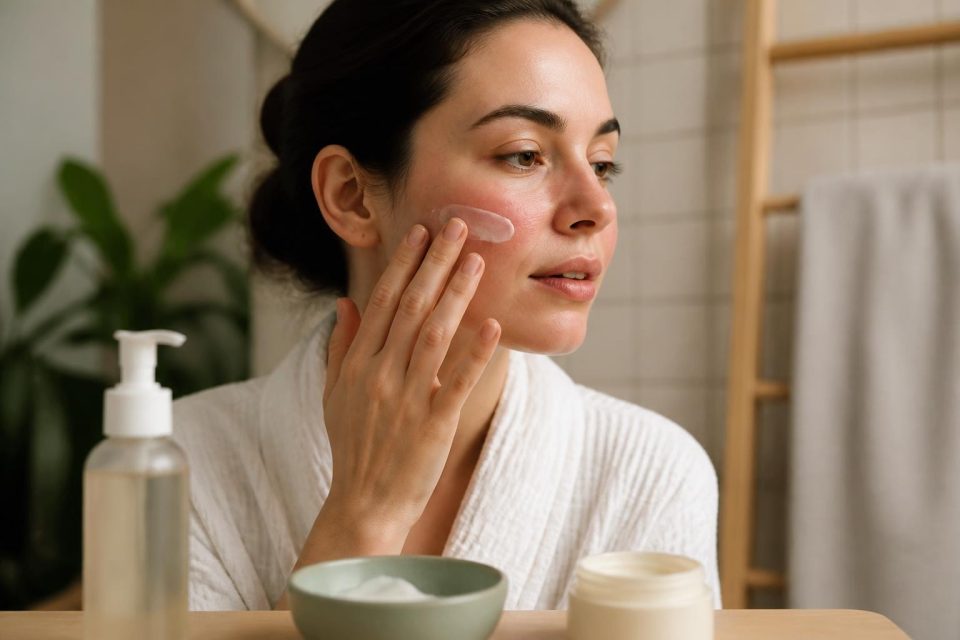
Living with facial eczema can feel like navigating a minefield every time you look at a skincare product. Your face is sensitive, reactive, and constantly demanding attention that traditional products can't provide. The good news? Understanding proper skincare for eczema on face doesn't require a medical degree or an unlimited budget. With the right knowledge about ingredients, routines, and natural solutions, you can transform your skin from inflamed and irritated to calm and comfortable. This comprehensive guide walks you through everything you need to know about managing facial eczema in 2026, from identifying triggers to building a routine that actually works for your unique skin needs.
Understanding Facial Eczema and Why It's Different
Facial eczema presents unique challenges compared to eczema elsewhere on your body. The skin on your face is thinner, more exposed to environmental stressors, and constantly visible, making breakouts both physically uncomfortable and emotionally taxing.
What makes facial eczema particularly tricky:
- Increased exposure to weather, pollution, and UV radiation
- More frequent contact with potential irritants (makeup, fragrances, hair products)
- Higher sensitivity due to thinner skin barrier
- Greater psychological impact from visible symptoms
The symptoms and causes of facial eczema vary from person to person, but common triggers include stress, allergens, harsh skincare products, and environmental factors. Unlike body eczema, facial manifestations often appear around the eyes, on the cheeks, or near the hairline where skin is most delicate.
The Science Behind Eczema-Prone Facial Skin
Your skin barrier acts as your first line of defense against irritants and moisture loss. When you have eczema, this barrier is compromised, allowing irritants to penetrate while moisture escapes. This creates a vicious cycle: dry skin becomes inflamed, inflammation damages the barrier further, and the weakened barrier allows more irritation.
Research in 2026 continues to show that ceramides, natural moisturizing factors, and lipids are essential components missing or depleted in eczema-prone skin. Replenishing these through targeted skincare for eczema on face becomes crucial for breaking the inflammation cycle.
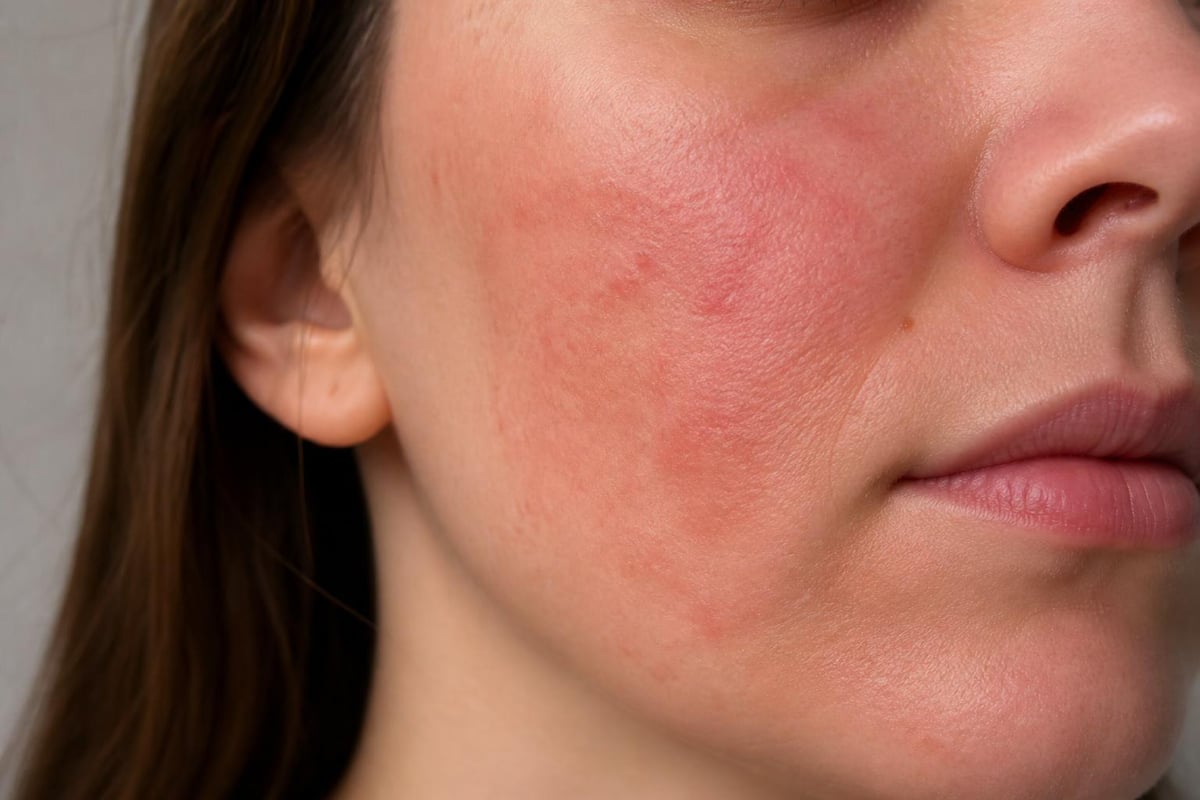
Building Your Gentle Cleansing Routine
The foundation of effective skincare for eczema on face starts with how you cleanse. Traditional foaming cleansers strip away the natural oils your compromised skin desperately needs, but skipping cleansing altogether allows irritants and allergens to accumulate.
Choosing the Right Cleanser
Your ideal cleanser should remove dirt and impurities without disrupting your skin barrier. Here's what to look for:
| Ingredient Type | What to Choose | What to Avoid |
|---|---|---|
| Base Formula | Cream or milk cleansers | Foaming agents, sulfates |
| pH Level | 4.5-5.5 (skin's natural pH) | High alkaline formulas |
| Moisturizing Agents | Glycerin, ceramides, oatmeal | Alcohol, witch hazel |
| Cleansing Agents | Gentle surfactants | Sodium lauryl sulfate (SLS) |
Natural ingredients like colloidal oatmeal provide gentle cleansing while soothing inflammation. Many people with facial eczema find success with oil-based cleansers that dissolve impurities without water-based stripping action.
Step-by-step cleansing technique:
- Use lukewarm water (never hot, which increases inflammation)
- Apply cleanser with gentle, circular motions using fingertips
- Avoid scrubbing or using washcloths that create friction
- Rinse thoroughly but gently
- Pat dry with a soft towel (never rub)
- Apply moisturizer within three minutes while skin is still damp
When managing sensitive skin conditions, timing matters as much as product selection. The "three-minute window" after cleansing represents your best opportunity to lock in moisture before transepidermal water loss accelerates.
Moisturizing Strategies That Actually Work
Moisturizing isn't optional when you're managing skincare for eczema on face. It's the cornerstone of your entire routine. But not all moisturizers are created equal, and understanding the different types helps you choose products that deliver real results.
The Three Types of Moisturizing Ingredients
Humectants draw water into your skin from the environment and deeper skin layers. Common humectants include hyaluronic acid, glycerin, and honey. While beneficial, humectants alone can actually increase dryness if not sealed with other ingredients.
Emollients smooth and soften skin by filling in the gaps between skin cells. Natural emollients like shea butter, sunflower seed oil, and jojoba oil work particularly well for facial eczema without clogging pores.
Occlusives create a physical barrier that prevents water loss. Petroleum jelly is the gold standard occlusive, but many people prefer lighter options like squalane or dimethicone for facial use.
The best face moisturizers for eczema typically combine all three types of ingredients for comprehensive hydration and barrier protection.
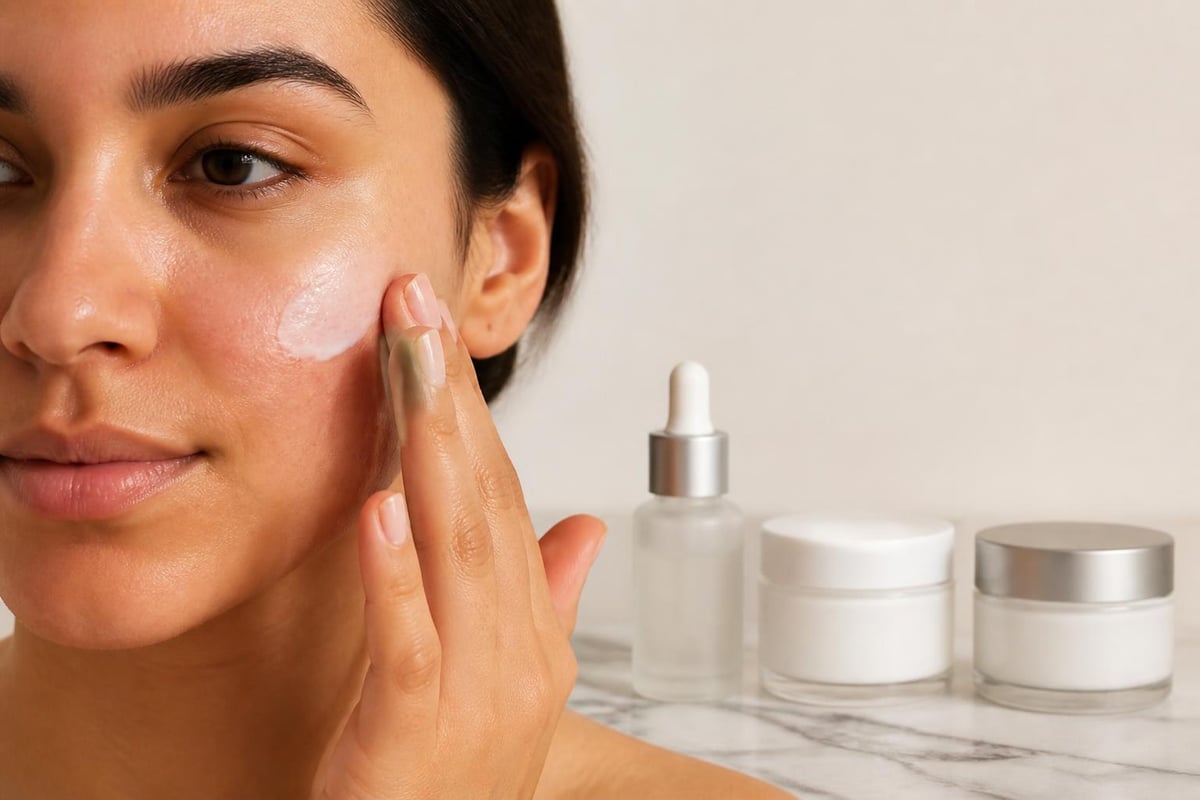
Developing Your Moisturizing Schedule
- Morning routine: Lighter moisturizer with SPF protection
- Evening routine: Richer cream or balm to support overnight barrier repair
- Mid-day touch-up: Keep a small amount of moisturizer for dry patches
- After washing hands: Reapply to prevent spread of dryness from hands to face
Consider the "sandwich method" for extremely dry areas: apply a thin layer of moisturizer, let it absorb for one minute, then apply a second layer. This technique dramatically improves hydration retention.
Ingredients to Seek and Avoid
Understanding ingredient labels transforms you from a passive consumer into an educated advocate for your skin. Certain ingredients consistently help eczema-prone skin, while others trigger flares in most people.
Star Ingredients for Facial Eczema
Colloidal oatmeal tops the list for its anti-inflammatory and skin-soothing properties. This finely ground oatmeal forms a protective barrier while reducing itching and irritation.
Ceramides are lipid molecules that naturally occur in skin but deplete in people with eczema. Topical ceramides help restore barrier function and reduce moisture loss.
Niacinamide (vitamin B3) reduces inflammation, improves barrier function, and addresses redness without irritation. Studies show consistent improvement in eczema symptoms with regular niacinamide use.
Natural oils like rosehip seed oil, evening primrose oil, and borage oil provide essential fatty acids that support skin barrier repair. These oils absorb well and don't typically cause the heaviness associated with mineral oil.
| Beneficial Ingredient | Primary Benefit | Best Used In |
|---|---|---|
| Colloidal Oatmeal | Anti-inflammatory, soothing | Cleansers, masks, creams |
| Ceramides | Barrier restoration | Moisturizers, serums |
| Niacinamide | Reduces redness, strengthens skin | Serums, lightweight lotions |
| Hyaluronic Acid | Deep hydration | Serums, essences |
| Squalane | Emollient, non-comedogenic | Face oils, moisturizers |
Ingredients That Trigger Flares
Fragrances represent the most common irritant in skincare products, including "natural" fragrances from essential oils. The importance of fragrance-free formulations cannot be overstated for facial eczema management.
Alcohol denatured appears in toners, some moisturizers, and many acne products. It provides quick-drying properties but severely disrupts the skin barrier.
Preservatives like methylisothiazolinone, formaldehyde-releasing agents, and parabens frequently cause allergic contact dermatitis in eczema-prone individuals.
Physical exfoliants including scrubs, brushes, and grainy cleansers create micro-tears in already compromised skin, worsening inflammation and sensitivity.
Creating Your Daily Skincare Routine
A consistent routine provides the structure your reactive skin needs to heal and maintain stability. Your routine should adapt to your skin's changing needs while maintaining core protective practices.
Morning Routine Framework
- Cleanse gently with lukewarm water and a cream cleanser
- Pat dry leaving skin slightly damp
- Apply treatment serum if using (niacinamide or ceramide-based)
- Layer moisturizer while skin is damp
- Add mineral sunscreen (SPF 30+, zinc oxide or titanium dioxide based)
Wait 60 seconds between each step to allow proper absorption. Rushing the process reduces effectiveness and can cause pilling when products mix incorrectly.
Evening Routine Framework
- Remove makeup with oil-based cleanser if needed
- Second cleanse with gentle cream cleanser
- Apply hydrating essence or thermal water spray
- Treatment products (prescription if applicable)
- Moisture serum or facial oil
- Rich night cream or healing balm
- Spot treatment with extra moisturizer or healing ointment on problem areas
The evening routine allows for richer, more occlusive products since you won't be applying makeup or facing environmental stressors. This is when your skin does its deepest repair work.
Managing Flare-Ups and Acute Episodes
Even with perfect skincare for eczema on face, flare-ups happen. Environmental changes, stress, illness, or accidental exposure to triggers can cause sudden inflammation that requires immediate intervention.
Immediate response protocol:
- Stop all products except gentle cleanser and basic moisturizer
- Apply cool (not cold) compresses for 10-15 minutes to reduce inflammation
- Increase moisturizer application frequency to every 2-3 hours
- Sleep with a humidifier to prevent overnight moisture loss
- Avoid touching or scratching affected areas (wear cotton gloves at night if needed)
When implementing effective eczema skincare routines, recognize that simplification during flares often works better than adding more products. Your skin needs time to calm down without additional variables.
When to Seek Professional Help
While natural skincare approaches work well for many people, certain situations require medical attention:
- Flares lasting longer than two weeks despite treatment
- Signs of infection (yellow crusting, oozing, fever)
- Eczema spreading rapidly or covering large facial areas
- Severe itching interfering with sleep or daily activities
- Eczema around eyes causing vision problems
A dermatologist can prescribe topical steroids, immunomodulators, or other targeted treatments for stubborn facial eczema while you continue supportive natural skincare.
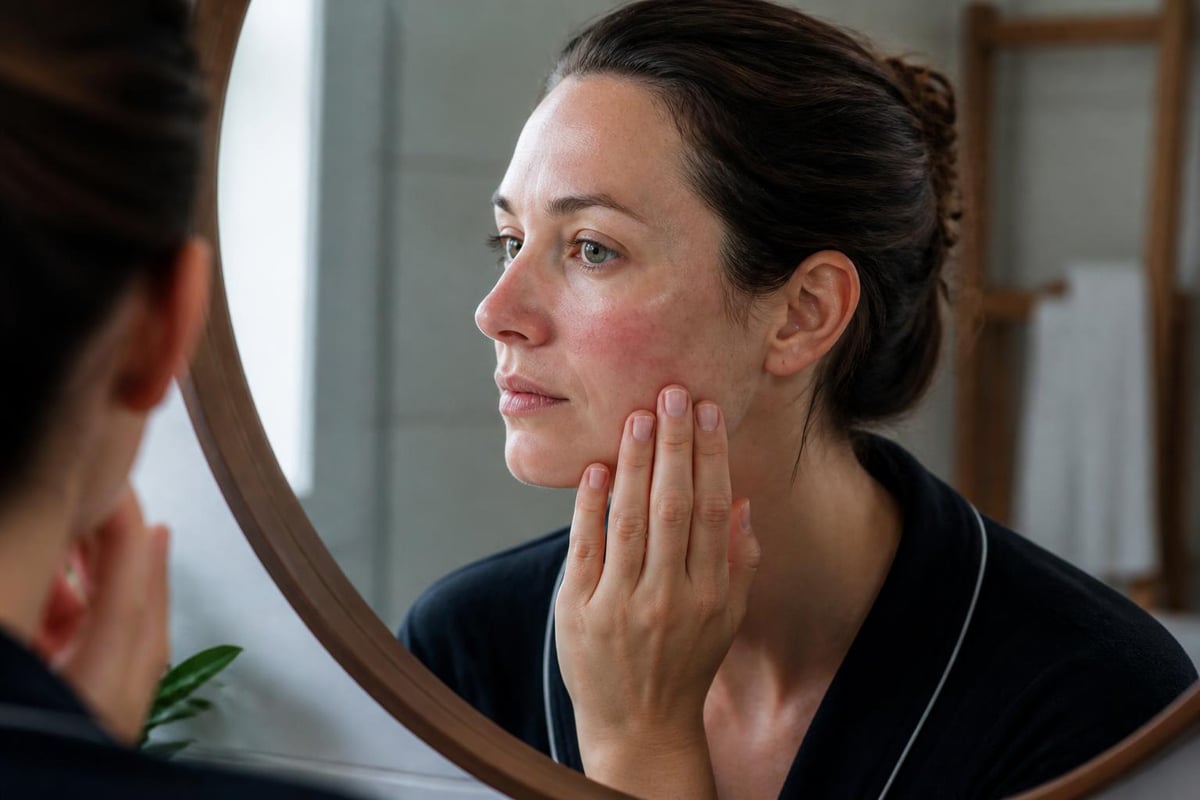
Lifestyle Factors That Impact Facial Eczema
Your skincare products represent only part of the eczema management equation. Daily habits and environmental factors significantly influence how your skin responds to treatment.
Diet and Hydration
While food triggers vary individually, common culprits include dairy, eggs, nuts, and gluten. Consider keeping a food and symptom diary for 4-6 weeks to identify your personal triggers.
Hydration impacts skin from the inside out. Aim for at least eight glasses of water daily, increasing during exercise or hot weather. Herbal teas (especially chamomile and green tea) provide additional anti-inflammatory benefits.
Environmental Control
- Use a humidifier to maintain 40-50% indoor humidity
- Wash pillowcases twice weekly in fragrance-free detergent
- Keep bedroom temperature cool (65-68°F) to prevent night sweating
- Filter shower water if hard water irritates your skin
- Wear soft, breathable fabrics that don't rub against your face
Stress Management
Stress triggers inflammatory responses that worsen eczema. Finding effective ways to manage stress through meditation, exercise, adequate sleep, or therapy can significantly reduce flare frequency.
Natural Ingredients That Support Healing
Natural doesn't automatically mean safe for eczema-prone skin, but certain plant-based ingredients offer genuine therapeutic benefits without synthetic irritants.
Proven Natural Solutions
Raw honey provides antimicrobial properties while supporting wound healing. Medical-grade manuka honey shows particular promise for eczema treatment.
Aloe vera gel (pure, without added fragrance) soothes inflammation and provides light hydration without heaviness.
Calendula extract reduces inflammation and supports skin barrier repair. Look for products with calendula oil or extract high on the ingredient list.
Chamomile offers anti-inflammatory and calming properties, though some people allergic to ragweed may react to chamomile.
Sea buckthorn oil contains omega-7 fatty acids, rare in plant sources, that specifically support skin barrier function and reduce inflammation.
When exploring natural options, patch test everything before applying to your full face. Natural ingredients can still cause allergic reactions, especially in sensitized skin.
Makeup and Cosmetics Considerations
Many people with facial eczema worry that makeup is off-limits, but careful product selection allows you to wear cosmetics without triggering flares.
Foundation and Base Products
Choose mineral-based foundations with minimal ingredients. Look for formulas containing:
- Zinc oxide or titanium dioxide (also provide sun protection)
- Iron oxides for color
- Simple oil or silicone bases
Avoid liquid foundations with long ingredient lists, fragrance, or potential allergens like beeswax (if you're allergic).
Application tips for eczema-prone skin:
- Use clean, soft brushes or beauty sponges (wash weekly)
- Apply moisturizer first and let it absorb fully
- Use patting motions rather than rubbing or blending
- Keep makeup light on active eczema areas
- Remove thoroughly but gently every evening
Eye Makeup Precautions
The eye area frequently experiences eczema flares. If you have eyelid eczema:
- Skip mascara during active flares
- Choose powder eyeshadows over creams
- Avoid waterproof formulas requiring harsh removers
- Replace eye products every 3-4 months to prevent bacterial growth
- Remove eye makeup with oil-based removers, never rubbing
Seasonal Adjustments for Year-Round Management
Effective skincare for eczema on face adapts to seasonal changes that impact your skin's needs and triggers.
Winter Skincare Strategies
Cold air and indoor heating create the perfect storm for eczema flares. Winter requires your richest moisturizers and most frequent application. Learn more about winter skincare adaptations that protect sensitive skin during harsh weather.
- Switch to cream or balm-based moisturizers
- Apply an occlusive layer before going outside
- Cover face with a soft scarf in extreme cold
- Use a humidifier in every room you spend significant time
- Shower less frequently and keep water lukewarm
Summer Skincare Strategies
Heat, sweat, and UV exposure present different challenges. Summer calls for lighter textures but more frequent application.
- Choose gel-cream or lotion moisturizers
- Apply mineral sunscreen every 2 hours outdoors
- Rinse sweat off promptly with cool water
- Stay in shade during peak UV hours (10am-4pm)
- Keep moisturizer in the refrigerator for cooling relief
| Season | Primary Challenge | Key Strategy |
|---|---|---|
| Winter | Dry air, indoor heating | Rich occlusives, humidifiers |
| Spring | Pollen, temperature fluctuations | Barrier protection, antihistamines |
| Summer | Heat, sweat, UV | Lightweight moisture, mineral SPF |
| Fall | Transition dryness | Gradual increase in occlusive use |
Understanding Prescription Options and Natural Alternatives
While focusing on natural approaches, understanding prescription options helps you make informed decisions about your eczema management strategy.
Topical Steroids
Dermatologists often prescribe mild topical steroids for facial eczema. These reduce inflammation quickly but require careful use to avoid side effects like skin thinning.
Natural alternatives that may reduce your need for steroids include:
- Regular colloidal oatmeal baths for full-body eczema
- Consistent barrier repair with ceramide-rich moisturizers
- Anti-inflammatory supplements (omega-3s, vitamin D, probiotics)
- Stress reduction techniques
Topical Calcineurin Inhibitors
Medications like tacrolimus and pimecrolimus offer non-steroidal options for facial eczema. They work well for eyelid eczema where steroid use is risky.
Complementary natural approaches:
- Zinc-rich foods or supplements to support immune function
- Green tea compresses for anti-inflammatory effects
- Probiotic skincare products to support skin microbiome
Product Selection and Label Reading Skills
Becoming a skilled label reader empowers you to identify suitable products quickly and avoid problematic ingredients hiding in appealing packaging.
Decoding Marketing Claims
"Hypoallergenic" has no regulated definition. Products labeled hypoallergenic may still contain common allergens.
"Dermatologist-tested" simply means a dermatologist looked at it, not that it's suitable for eczema-prone skin.
"Natural" and "organic" don't guarantee safety for sensitive skin. Many natural ingredients irritate or cause allergic reactions.
What to actually look for:
- "Fragrance-free" (not "unscented," which may contain masking fragrances)
- "Non-comedogenic" to prevent clogged pores
- Specific beneficial ingredients listed in the first 5-7 ingredients
- Recognized eczema-safe certifications from dermatology associations
Understanding Ingredient Order
Ingredients are listed by concentration from highest to lowest. If beneficial ingredients appear after preservatives (usually the last 3-5 ingredients), they're present in negligible amounts.
Red flags in ingredient lists:
- Parfum/fragrance in the first half of ingredients
- Multiple forms of alcohol
- Long chemical names you can't pronounce (often preservatives)
- "And other ingredients" (lack of transparency)
Testing New Products Safely
Even products specifically formulated for eczema can cause reactions. Proper testing prevents full-face flares from new products.
The patch test protocol:
- Choose a small area behind your ear or inside your elbow
- Apply a small amount of product twice daily for 3-5 days
- Watch for redness, itching, burning, or swelling
- If no reaction occurs, test on a small facial area (like your jawline)
- Continue for another 3-5 days before full-face application
This process seems tedious but saves you from the weeks of recovery required after a full-face allergic reaction.
Introduce only one new product every two weeks. This spacing allows you to identify exactly which product caused a reaction if one occurs.
Managing skincare for eczema on face requires patience, consistency, and a willingness to learn what works for your unique skin. By focusing on gentle cleansing, intensive moisturizing, avoiding triggers, and incorporating beneficial natural ingredients, you can significantly reduce flare frequency and severity. Whether you're dealing with occasional dry patches or chronic inflammation, the right approach transforms your relationship with your skin from frustration to confidence. Sinusoothe Ltd offers natural skincare products specifically formulated for sensitive, eczema-prone skin, providing the gentle yet effective solutions your face deserves.