

Waking up to tight, flaky skin is more than just uncomfortable-it's a sign that your skin barrier needs serious overnight support. While daytime moisturizers protect against environmental aggressors, a specialized night cream for dry skin works with your body's natural repair cycles to deliver deep hydration when your skin is most receptive. Between the hours of 10 PM and 2 AM, your skin enters its peak regeneration mode, making this the perfect window to flood parched cells with moisture-rich ingredients that wouldn't survive harsh daylight conditions.
Understanding Why Dry Skin Needs Nighttime Attention
Your skin doesn't rest when you do. Actually, it kicks into high gear.
During sleep, your skin increases its permeability by up to 30%, which means it absorbs active ingredients more effectively than during waking hours. This biological phenomenon makes nighttime the ideal opportunity to address chronic dryness with targeted formulations. The benefits of moisturizing before sleep extend beyond simple hydration-they support your skin's natural repair mechanisms.
Key nighttime skin changes include:
- Transepidermal water loss (TEWL) increases by 25% while you sleep
- Cell division rates peak between midnight and 4 AM
- Blood flow to skin increases, delivering more nutrients
- Cortisol levels drop, reducing inflammation
- Temperature regulation shifts, affecting product absorption
These factors combine to create the perfect environment for therapeutic intervention. But here's the catch: regular daytime moisturizers aren't formulated to capitalize on these unique conditions.
The Science Behind Overnight Moisture Retention
A proper night cream for dry skin functions differently than your morning moisturizer. Think of it as the difference between a quick snack and a nourishing meal. While day creams prioritize lightweight textures that sit well under makeup, night formulations embrace richer consistencies packed with occlusive agents that lock in moisture for 6-8 hours straight.
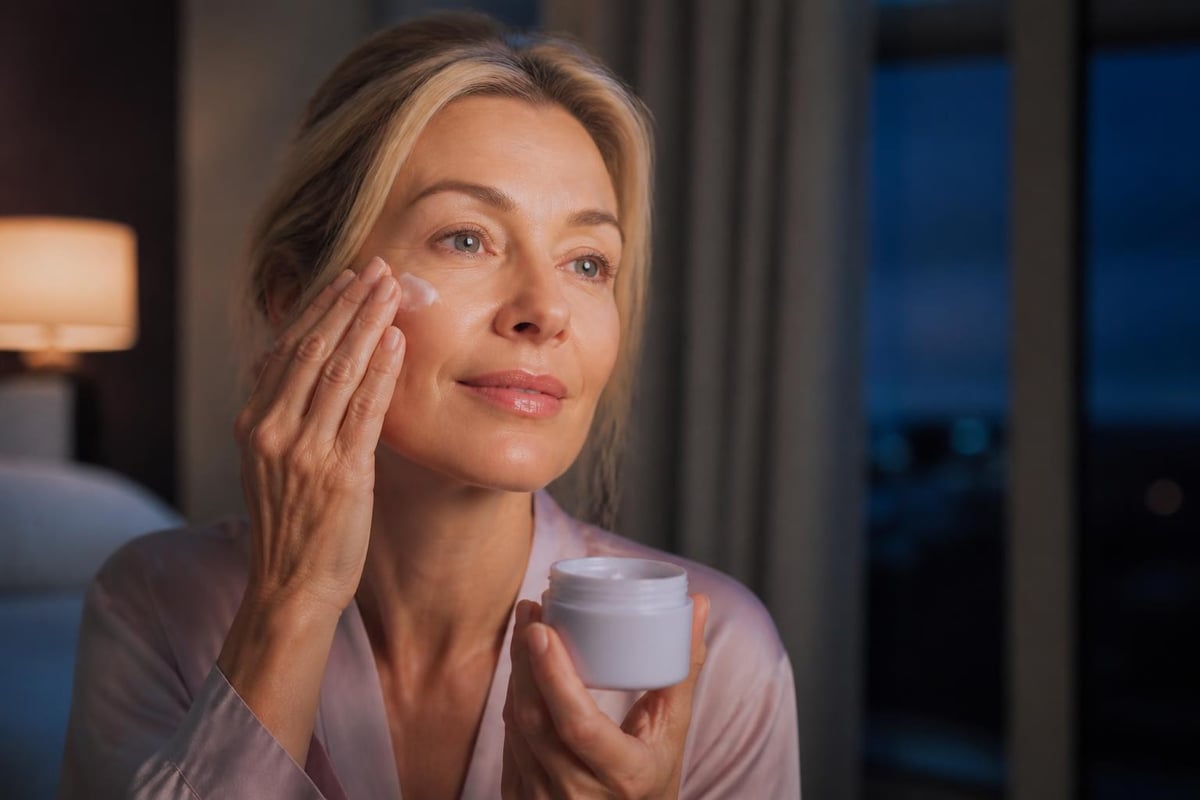
Research published in the Journal of Clinical and Aesthetic Dermatology demonstrates that specialized night moisturizers significantly improve skin barrier function in dry and compromised skin types. The study found that consistent nighttime application reduced TEWL by up to 40% within four weeks.
Essential Ingredients to Seek in Your Night Cream
Not all moisturizing ingredients are created equal, especially when formulating for overnight use.
Natural skincare enthusiasts should look for botanical-based compounds that mirror the skin's own moisturizing factors. These ingredients work synergistically to rebuild what daily stressors strip away. When shopping for natural face creams, pay attention to ingredient concentrations and sourcing quality.
| Ingredient Category | Examples | Primary Function | Best For |
|---|---|---|---|
| Humectants | Hyaluronic acid, glycerin, honey | Draw water into skin | All dry skin types |
| Emollients | Shea butter, jojoba oil, squalane | Soften and smooth | Rough, flaky patches |
| Occlusives | Beeswax, plant oils, ceramides | Seal in moisture | Severely dry skin |
| Antioxidants | Vitamin E, green tea, resveratrol | Repair free radical damage | Mature dry skin |
Power Players for Parched Skin
Hyaluronic acid deserves special mention-this moisture-binding molecule can hold up to 1,000 times its weight in water. In night formulations, it works as a moisture reservoir, continuously releasing hydration as your skin absorbs it throughout the night.
Plant-based ceramides rebuild the lipid barrier that keeps moisture in and irritants out. For those dealing with dull skin alongside dryness, ceramides restore the radiant complexion that dehydration steals.
Natural oils like rosehip, argan, and evening primrose contain essential fatty acids that your skin can't produce on its own. These lipids integrate into your skin's barrier structure, providing both immediate relief and long-term resilience.
Niacinamide (vitamin B3) is a multitasker that improves barrier function while reducing inflammation-perfect for skin that's dry and irritated. At concentrations between 2-5%, it strengthens the skin without causing sensitivity.
How to Apply Night Cream for Maximum Benefit
Slathering on product and hoping for the best won't cut it. Application technique matters.
The American Academy of Dermatology provides practical tips that emphasize gentle handling of dry skin to prevent further barrier damage. Your evening skincare routine should be a ritual, not a race.
The Perfect Application Sequence
- Cleanse gently with a cream-based or oil-based cleanser-avoid foaming formulas that strip natural oils
- Apply treatment serums while skin is still slightly damp to boost absorption
- Wait 1-2 minutes for serums to settle before applying cream
- Warm the product between your palms for 10 seconds to improve spreadability
- Press, don't rub the night cream into skin using upward motions
- Focus on dry zones like cheeks, jawline, and around the nose
- Don't forget your neck which shows dryness and aging even faster than your face
Pro tip: Apply your night cream for dry skin within three minutes of washing your face. This locks in the water your skin absorbed during cleansing, creating a moisture sandwich effect.
Common Application Mistakes to Avoid
Using too much product actually works against you. Overloading skin prevents proper absorption and can lead to congestion. A nickel-sized amount typically suffices for the entire face and neck.
Rubbing vigorously creates friction that damages already-compromised skin. Think gentle pressing motions instead of massage movements.
Skipping the eye area leaves the thinnest, driest skin on your face without protection. Use your ring finger to tap a small amount around the orbital bone-never pulling or tugging.

Natural Versus Synthetic: What Works Best for Dry Skin
This debate rages on, but the answer isn't black and white.
Natural skincare products offer biocompatible ingredients that your skin recognizes and processes more efficiently. Plant-based oils contain complex mixtures of fatty acids, vitamins, and antioxidants that synthetic alternatives can't fully replicate. When you choose natural skincare products, you're working with ingredients that have supported skin health for centuries.
However, certain lab-created ingredients like pure hyaluronic acid and stabilized vitamin C derivatives provide consistent potency that can vary in plant sources.
Advantages of natural night creams:
- Lower risk of synthetic preservative sensitivity
- Rich in complementary phytonutrients
- Environmentally sustainable sourcing options
- Often suitable for sensitive skin types
- Minimal processing preserves bioactive compounds
Consider hybrid formulations that blend the best of both worlds-natural base oils and butters enhanced with proven actives like peptides or ceramides. The key is avoiding harsh chemicals, artificial fragrances, and unnecessary fillers that offer zero benefit to dry skin.
Customizing Your Night Cream Routine by Season
Your skin's moisture needs fluctuate throughout the year, and your night cream for dry skin should adapt accordingly.
Winter brings brutal combination of cold outdoor air and heated indoor environments that devastate skin hydration. During these months (December through February in most climates), upgrade to richer formulations with higher concentrations of occlusives.
Seasonal Adjustment Guide
Winter (December-February):
Layer a facial oil under your night cream for extra barrier protection. Look for formulations containing shea butter, cocoa butter, or lanolin alternatives. Consider adding a humidifier to your bedroom to prevent overnight moisture loss.
Spring (March-May):
Transition to medium-weight creams that still deliver hydration without feeling heavy as temperatures rise. This is ideal for introducing argan oil-based products known for balancing moisture without clogging pores.
Summer (June-August):
Even dry skin can feel overwhelmed by thick creams in humidity. Switch to gel-cream hybrids or lighter lotions that contain hyaluronic acid. Don't skip nighttime moisture just because it's warm-air conditioning is incredibly dehydrating.
Fall (September-November):
Gradually reintroduce richer textures as heating systems kick on. This transitional period is perfect for assessing whether your summer routine left you with accumulated dryness that needs extra attention.
Addressing Specific Dry Skin Concerns at Night
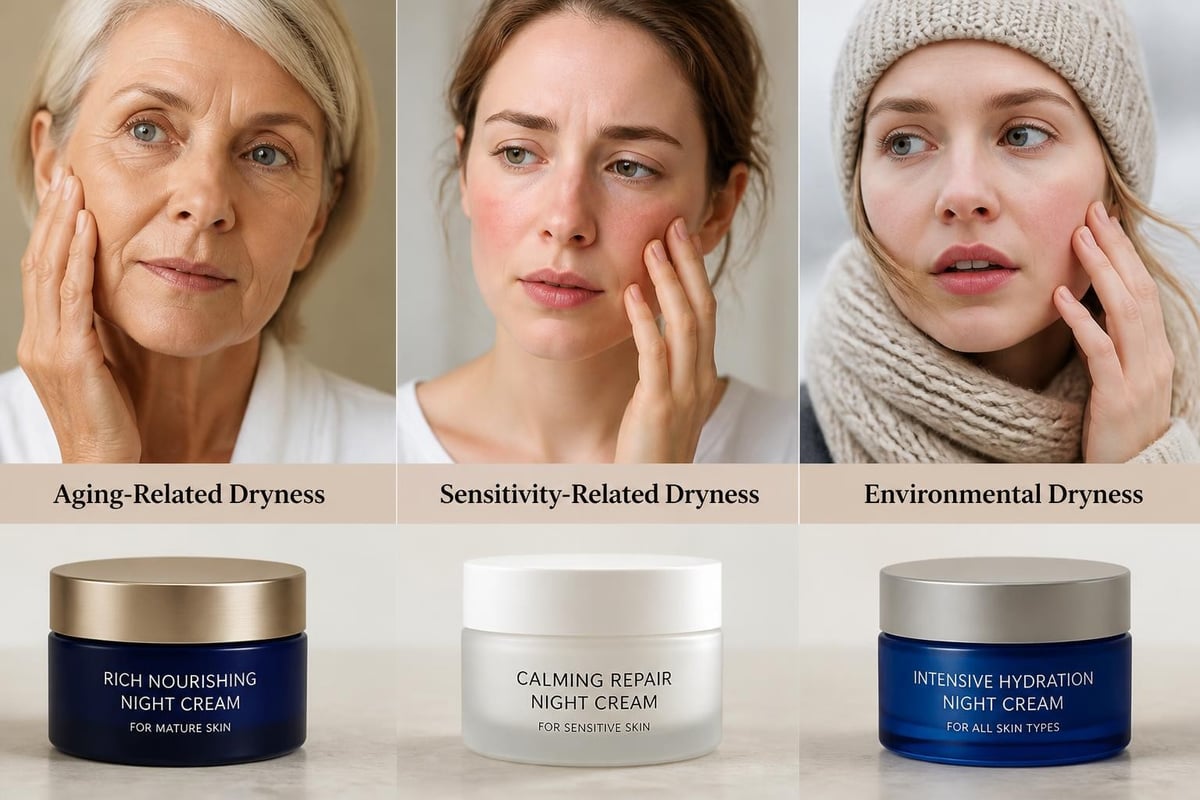
Not all dry skin manifests the same way. Your targeted concerns require specialized nighttime approaches.
Dry and Aging Skin
Mature skin loses moisture faster due to decreased sebum production and thinner dermal layers. Night creams for mature skin should combine intensive hydration with collagen-supporting ingredients like retinol, peptides, and growth factors.
Use retinol products 2-3 nights per week, alternating with deeply nourishing creams on off nights. This prevents the excessive dryness that retinol can trigger while still reaping its anti-aging benefits.
Dry and Sensitive Skin
Sensitivity often accompanies dryness, creating a frustrating cycle. Choose fragrance-free formulations with minimal ingredient lists. Colloidal oatmeal, calendula, and chamomile calm inflammation while delivering moisture. Understanding perioral dermatitis and similar conditions helps you avoid triggering ingredients.
Dry Patches and Flaking
Stubborn dry patches need spot treatment in addition to overall facial moisturizing. Apply a thick layer of your night cream as a "sleeping mask" on affected areas. The occlusion created by a thicker application allows ingredients to penetrate deeply into stubborn flakes.
Building the Complete Nighttime Routine for Dry Skin
Your night cream doesn't work in isolation. Context matters.
The ideal evening sequence includes:
- Double cleanse (oil cleanser followed by gentle cream cleanser)
- Hydrating toner or essence to prep skin for absorption
- Treatment serum targeting specific concerns (vitamin C, niacinamide, or peptides)
- Eye cream formulated for dry, delicate skin
- Night cream for dry skin as your moisture seal
- Optional facial oil for extremely dry conditions
This layering approach builds hydration in progressive steps, with each product supporting the next. Think of it as building a moisture foundation, walls, and roof-each layer serves a distinct purpose.
Frequency and Consistency
Every single night. No exceptions.
Skipping even one night allows moisture loss to undo days of progress. Your skin needs consistent reinforcement to rebuild and maintain its barrier function. Set a bathroom timer or phone reminder if you're forgetful-making this non-negotiable is the fastest path to improvement.
However, if you notice congestion or breakouts, evaluate your product combination rather than abandoning nighttime moisture. Dry skin can still experience clogged pores from overly rich formulations or incompatible ingredient combinations.
Shopping Smart: What to Look For and Avoid
The night cream market overflows with options, making selection overwhelming. Cut through marketing hype with informed criteria.
When reviewing products like those featured in Healthline’s night cream guide, look beyond brand names to actual formulations. A higher price tag doesn't guarantee superior hydration-sometimes it just pays for packaging and advertising.
Green Flags in Product Selection
- Short, understandable ingredient lists with recognizable components
- Appropriate packaging (opaque, airless pumps preserve ingredient stability)
- Clear concentration percentages for active ingredients
- Dermatologist-tested or clinically-studied formulations
- Suitable pH levels (between 4.5-6.0 for most skin types)
- Cruelty-free and sustainable sourcing practices
Red Flags to Avoid
Steer clear of formulations containing:
- Denatured alcohol high on the ingredient list
- Synthetic fragrances and dyes
- Harsh sulfates and detergents (sometimes added even to creams)
- Mineral oil as a primary ingredient (it sits on skin rather than penetrating)
- Excessive silicones that create temporary smoothness but don't nourish
Budget-conscious shoppers can find excellent options in drugstore aisles. Affordable drugstore moisturizers often contain the same proven ingredients as luxury counterparts, just without fancy packaging.
Testing and Transitioning to New Products
Introducing a new night cream for dry skin requires patience and observation. Your skin needs time to adjust and show results.
Week 1-2: Initial adjustment period where your skin adapts to new ingredients. Some mild tingling is normal with active ingredients, but burning or itching signals incompatibility.
Week 3-4: Early improvements appear, including reduced tightness upon waking and smoother texture. Flaking should begin diminishing.
Week 5-8: Significant transformation becomes visible. Skin tone evens out, fine lines appear less pronounced, and your moisture barrier feels resilient throughout the day.
Give any new product a full eight weeks before making a final judgment. Skin cell turnover takes 28-40 days in adults, so meaningful change requires multiple cycles.
Patch Testing Protocol
Always patch test new products before full-face application:
- Apply a small amount behind your ear or on your inner forearm
- Wait 24 hours and check for redness, itching, or swelling
- If clear, test on a small facial area (like your jawline) for three consecutive nights
- Only then proceed to full-face application
This careful approach prevents widespread reactions that could set your skin health back weeks. For those exploring solutions for conditions like eczema, patch testing becomes even more critical.
Complementary Practices for Optimal Results
Your night cream works hardest when supported by holistic skin health practices. External products can only do so much.
Hydration from within makes a measurable difference. Aim for half your body weight in ounces of water daily. Herbal teas and water-rich foods count toward this total. Dehydrated bodies cannot maintain hydrated skin, regardless of topical applications.
Sleep quality affects skin regeneration. Poor sleep disrupts the hormonal balance that governs cellular repair. Aim for 7-9 hours nightly, and maintain consistent sleep-wake times to optimize your circadian rhythm's skin benefits.
Dietary fats support skin lipids. Omega-3 fatty acids from fish, flaxseed, and walnuts provide building blocks for your skin's protective barrier. Consider supplementation if your diet lacks these essential fats.
Humidify your sleeping environment to maintain 40-60% relative humidity. Dry indoor air accelerates overnight moisture loss, forcing your night cream to work overtime. A simple humidifier makes a dramatic difference, especially during winter months.
Silk or satin pillowcases reduce friction against your skin throughout the night. Cotton absorbs moisture and creates drag that can irritate dry, sensitive skin. This simple switch preserves both your skincare products and your skin's delicate surface.
Real Results: What to Expect and When
Setting realistic expectations prevents frustration and premature product abandonment. Transformation takes time.
Immediate effects (1-3 days): Reduced tightness and discomfort, softer skin texture upon waking, less visible flaking.
Short-term improvements (1-2 weeks): Makeup applies more smoothly, midday dryness decreases, skin feels more resilient to environmental stressors.
Medium-term transformation (4-8 weeks): Fine lines from dehydration diminish, skin tone becomes more even, chronic dry patches heal, overall radiance improves.
Long-term benefits (3+ months): Strengthened moisture barrier requires less intensive intervention, skin maintains hydration longer between applications, improved texture and elasticity, reduced sensitivity to weather changes.
Reviews from sources like Marie Claire’s comprehensive guide emphasize that consistent use over months delivers the most impressive transformations. Don't expect overnight miracles from a night cream-instead, appreciate the cumulative effects of nightly nourishment.
Document your progress with weekly photos taken in consistent lighting. Subtle improvements become obvious when you compare your skin from month one to month three. This visual evidence motivates continued commitment when day-to-day changes feel imperceptible.
Choosing the right night cream for dry skin transforms your nightly routine from basic maintenance into powerful restoration therapy. By understanding your skin's unique overnight repair process and selecting formulations rich in natural, skin-identical ingredients, you create the foundation for lasting hydration and barrier health. At Sinusoothe Ltd, we believe in harnessing nature's most effective moisturizing botanicals to nourish dry skin while you sleep. Explore our range of natural skincare products designed specifically for intensive overnight hydration and wake up to the comfortable, radiant skin you deserve.