
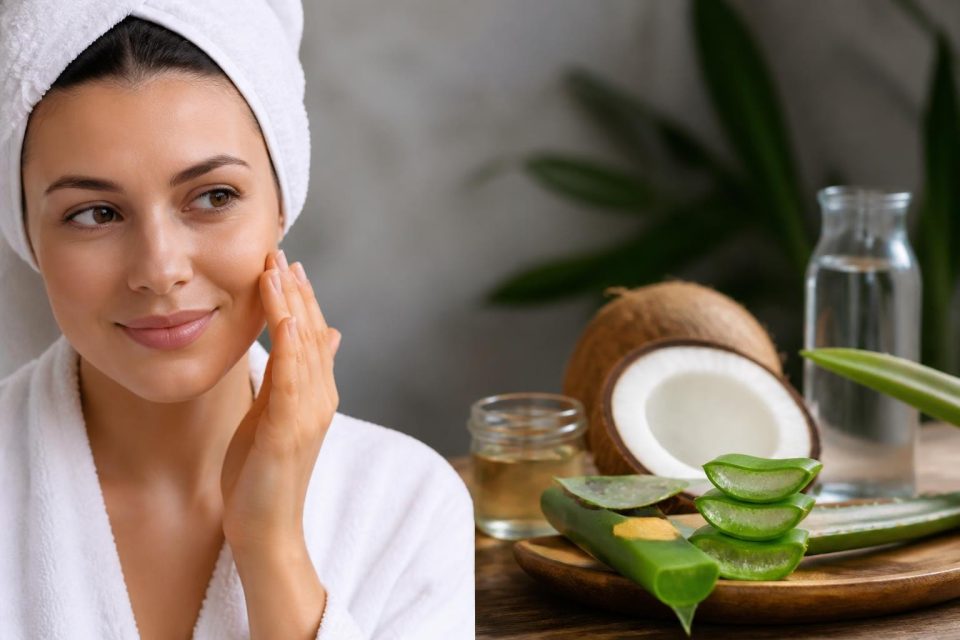
Dry skin can feel like an endless battle, especially when you're searching for solutions that actually work without harsh chemicals. If you've found yourself layering product after product only to end up with that familiar tight, flaky feeling by midday, you're not alone. The quest for a natural moisturiser for dry skin has become increasingly important as more people recognize the benefits of plant-based ingredients that nourish rather than simply coat the skin's surface.
Understanding Why Your Skin Feels Parched
Your skin's moisture barrier acts like a protective shield, keeping water in and irritants out. When this barrier becomes compromised, you experience that uncomfortable dryness, sensitivity, and sometimes even redness or itching.
Several factors contribute to this breakdown:
- Environmental stressors like cold weather, wind, and indoor heating
- Over-cleansing that strips away natural oils
- Age-related decline in sebum production
- Certain medications or health conditions
- Hot showers that disrupt the skin's protective layer
The skin's natural moisturizing factor (NMF) consists of compounds that attract and hold water within skin cells. According to research on natural moisturizing factors, maintaining these components is crucial for optimal hydration beyond just surface-level moisture.
The Science Behind Hydration
When you apply a natural moisturiser for dry skin, you're essentially supporting your skin's ability to retain water. Harvard Health explains that moisturizers work by trapping water to alleviate dry skin, creating a temporary barrier that prevents evaporation.
Think of it this way: if your skin were a sponge, dry skin would be a brittle, hardened sponge that can't absorb water effectively. Proper moisturization softens that sponge, allowing it to plump up and function optimally again.
Powerful Natural Ingredients That Actually Work
Not all natural ingredients deliver the same results. Understanding which components provide genuine hydration versus those that simply create temporary smoothness makes all the difference.
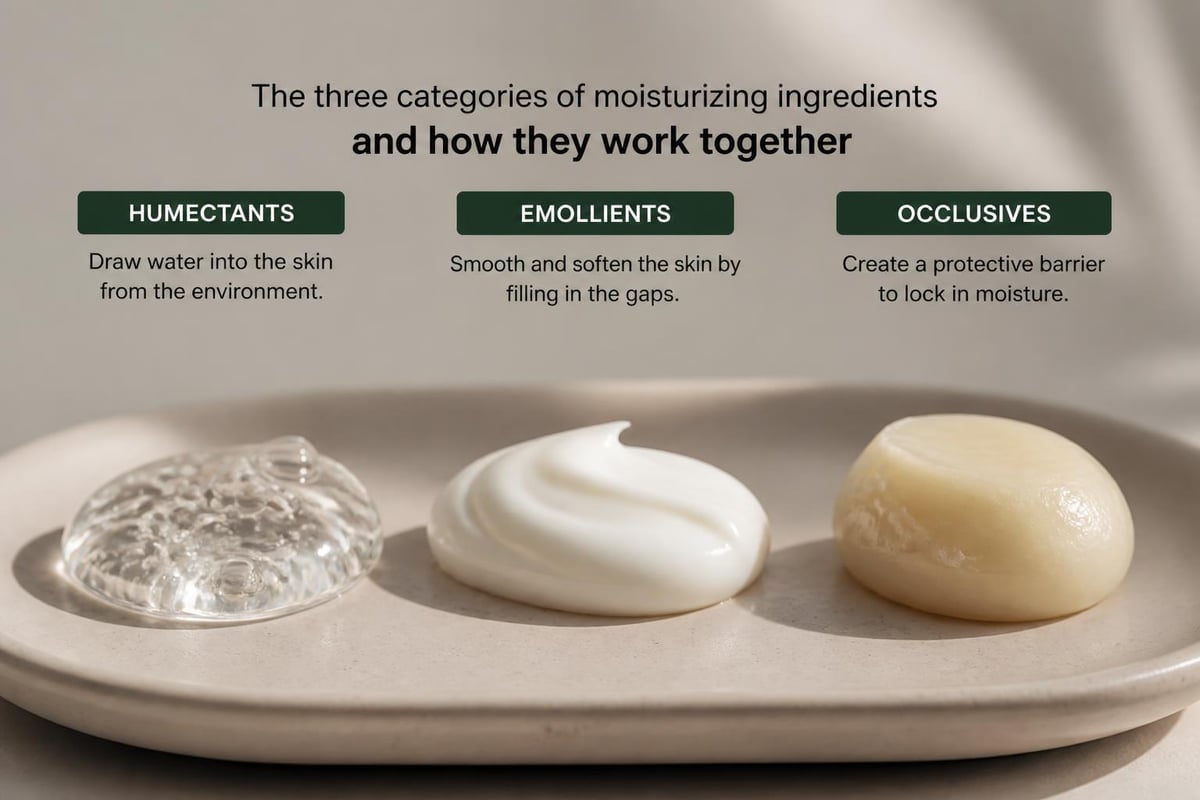
Humectants: Water Magnets for Your Skin
These ingredients draw moisture from the air into your skin:
- Hyaluronic acid holds up to 1000 times its weight in water
- Glycerin attracts moisture and improves skin barrier function
- Aloe vera provides both humectant and soothing properties
- Honey offers antimicrobial benefits alongside hydration
Humectants work best in humid environments. In very dry climates, they can actually draw moisture from deeper skin layers if not paired with occlusives.
Emollients: Smoothing and Softening Agents
These fill in the gaps between skin cells, creating that smooth, supple feeling:
| Ingredient | Source | Primary Benefit |
|---|---|---|
| Jojoba oil | Jojoba plant seeds | Closely mimics skin's sebum |
| Shea butter | Shea tree nuts | Rich in fatty acids and vitamins |
| Coconut oil | Coconut flesh | Antimicrobial and deeply nourishing |
| Sweet almond oil | Almond kernels | Lightweight, easily absorbed |
When selecting a natural moisturiser for dry skin, look for products that combine multiple emollients for comprehensive coverage.
Occlusives: Sealing in the Goodness
These create a physical barrier on your skin's surface:
- Beeswax provides a breathable protective layer
- Plant-based oils like olive or avocado oil
- Natural butters that solidify at room temperature
The most effective formulations layer these three ingredient types, creating what skincare experts call the "sandwich method" of hydration.
Building Your Natural Skincare Routine
Creating an effective routine isn't about using dozens of products. It's about strategic application and consistency.
Morning Moisture Protocol
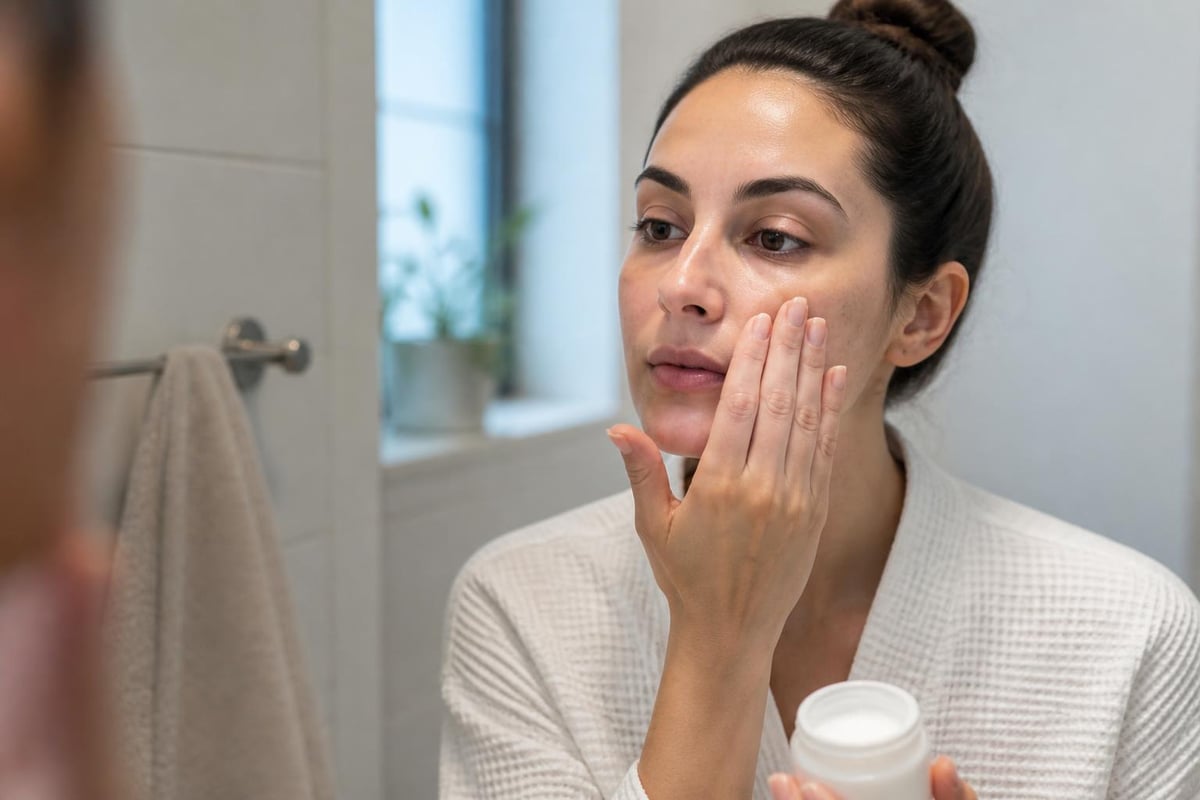
Start your day with clean, slightly damp skin. This is crucial because proper moisturizing techniques emphasize applying products when skin still retains some water.
Step-by-step morning routine:
- Cleanse with a gentle, oil-based cleanser
- Pat skin until damp, not completely dry
- Apply a hydrating serum if using one
- Layer your natural moisturiser for dry skin within three minutes
- Add sun protection for daytime wear
The three-minute window is critical. Your skin absorbs products most effectively when it's still holding moisture from cleansing.
Evening Nourishment Strategy
Nighttime offers the perfect opportunity for deeper hydration since your skin repairs itself while you sleep.
Consider incorporating natural face creams that are specifically formulated for overnight use. These often contain higher concentrations of nourishing oils and butters that might feel too heavy for daytime wear.
Your evening routine can be richer:
- Double cleanse to remove all traces of makeup and sunscreen
- Use a gentle exfoliant 2-3 times weekly to remove dead skin cells
- Apply treatment serums addressing specific concerns
- Lock everything in with a deeply nourishing natural moisturiser for dry skin
- Add a facial oil for extra barrier support
Weekly Intensive Treatments
Beyond daily care, weekly treatments boost your skin's moisture levels significantly.
Try these intensive options:
- Overnight masks with ingredients like avocado and oat extracts
- Oil treatments applied before bed and rinsed in the morning
- Hydrating sheet masks using natural essence formulations
- Steam treatments followed by immediate moisturizer application
Choosing the Right Formula for Your Skin Type
Even within the dry skin category, individual needs vary dramatically. What works beautifully for slightly dry skin might not suffice for severely dehydrated or eczema-prone skin.
Skin Type Breakdown
| Dry Skin Level | Characteristics | Best Formula Type |
|---|---|---|
| Mildly dry | Occasional tightness, seasonal dryness | Lightweight lotions, gel-creams |
| Moderately dry | Consistent dryness, visible flaking | Rich creams, balms |
| Severely dry | Cracking, persistent irritation | Thick butters, oil-based formulas |
| Combination-dry | Dry patches with normal areas | Targeted treatment approach |
Cleveland Clinic provides excellent guidance on selecting moisturizers based on skin type, emphasizing the importance of matching product weight to your specific needs.
Seasonal Adjustments
Your skin's needs shift throughout the year. That natural moisturiser for dry skin that felt perfect in summer might leave you tight and uncomfortable come January.
Winter adjustments:
- Switch to heavier, oil-based formulations
- Layer products for extra protection
- Use overnight treatments more frequently
- Consider a humidifier in your bedroom
Summer modifications:
- Opt for lighter, water-based options
- Focus on hydration over heavy emollients
- Incorporate cooling ingredients like cucumber or mint
- Increase antioxidant protection against UV damage
Common Mistakes That Make Dryness Worse
Even with the best intentions, certain habits can sabotage your efforts to achieve healthy, hydrated skin.
Over-Cleansing Trap
Washing your face too frequently or using harsh cleansers strips away the very oils your skin needs. Many people with dry skin actually create a vicious cycle: they feel dry, wash more to "clean" their skin, which makes them drier, leading to more washing.
Better approach:
- Cleanse only twice daily (morning and evening)
- Choose oil-based or cream cleansers
- Avoid products with sulfates or alcohol
- Use lukewarm water, never hot
Product Overload Problem
More products don't equal better results. In fact, using too many active ingredients can irritate dry skin, making it even more sensitive and parched.
Keep your routine simple with high-quality products. Sometimes a single exceptional natural moisturiser for dry skin outperforms five mediocre ones layered together.
Ignoring Internal Hydration
No amount of topical application can compensate for chronic dehydration. Your skin is your largest organ, and it reflects your internal health.
Support skin from within:
- Drink adequate water throughout the day
- Consume omega-3 rich foods like walnuts and flaxseeds
- Eat antioxidant-rich fruits and vegetables
- Limit alcohol and caffeine consumption
- Consider supplements like evening primrose oil
Special Considerations for Sensitive Skin
Dry skin often accompanies sensitivity, creating unique challenges when selecting products. If you're dealing with both conditions, you need a natural moisturiser for dry skin that's free from common irritants.
Ingredients to Avoid
Even natural ingredients can trigger reactions in sensitive individuals:
- Essential oils (particularly citrus-based)
- Fragrance compounds, even natural ones
- Certain botanical extracts
- High concentrations of acids
- Alcohol-based preservatives
If you have sensitive skin, face serums designed for delicate complexions can provide targeted hydration without overwhelming your skin.
Patch Testing Protocol
Never apply a new product all over your face immediately, no matter how natural or well-reviewed it is.
Proper patch test method:
- Apply a small amount to your inner forearm
- Wait 24-48 hours for any reaction
- If clear, test on your jawline or behind your ear
- Wait another 24 hours before full face application
- Introduce one new product at a time, waiting a week between additions
Decoding Product Labels and Claims
The natural beauty industry has exploded, bringing both wonderful innovations and confusing marketing claims. Understanding what labels really mean helps you select an effective natural moisturiser for dry skin.
Meaningful Certifications
Look for these legitimate certifications:
- USDA Organic guarantees organic farming practices
- Ecocert ensures natural and organic cosmetic standards
- Soil Association verifies organic ingredients and ethical production
- Leaping Bunny confirms cruelty-free status
- Vegan Society certifies no animal-derived ingredients
Greenwashing Red Flags
Watch out for vague claims without substance:
- "Natural" without specific ingredient percentages
- "Clean beauty" (not a regulated term)
- "Plant-based" products that still contain synthetic fillers
- Single natural ingredient in an otherwise conventional formula
- Beautiful botanical imagery masking questionable ingredients
Always read the full ingredient list. In the UK, ingredients must be listed in descending order by concentration, so the first five ingredients tell you what the product primarily contains.
Making Natural Moisturizers at Home
Creating your own natural moisturiser for dry skin gives you complete control over ingredients and freshness. However, it requires understanding proper formulation principles.
Basic Whipped Body Butter Recipe
This simple recipe suits normal to severely dry skin:
Ingredients:
- 1/2 cup shea butter
- 1/4 cup coconut oil
- 1/4 cup sweet almond oil
- 10 drops lavender essential oil (optional)
Method:
- Melt shea butter and coconut oil in a double boiler
- Remove from heat and stir in sweet almond oil
- Refrigerate until mixture begins to solidify (about 1 hour)
- Whip with electric mixer until fluffy
- Add essential oil if using
- Store in a clean jar for up to 3 months
Preservation Considerations
Homemade products lack commercial preservatives, making them prone to bacterial growth. Follow these safety guidelines:
- Use sterilized containers and utensils
- Keep water-based formulations refrigerated
- Use oil-only recipes for longer shelf life
- Make small batches you'll use within weeks
- Never introduce water into your storage container
- Discard if you notice any color, smell, or texture changes
Understanding proper skincare nutrition and feeding your skin helps you make informed decisions about both purchased and homemade products.
Tracking Your Progress and Adjusting
Finding the perfect natural moisturiser for dry skin often requires experimentation and patience. Your skin won't transform overnight, but you should notice improvements within a few weeks.
What to Monitor
Keep notes on these factors:
- Tightness or discomfort levels throughout the day
- Flaking or visible dryness
- Texture smoothness
- Makeup application ease
- Irritation or redness
- Overall comfort and appearance
Take weekly photos in consistent lighting to track visual changes that might be too gradual to notice day-to-day.
When to Adjust Your Routine
Don't abandon a product after just a few days unless it causes irritation. Give new products at least 2-4 weeks to show results.
Signs you need to switch:
- Persistent irritation or burning
- Worsening dryness after two weeks
- New breakouts (if not part of initial purging)
- No improvement after one month
- Texture that never absorbs properly
Signs your routine is working:
- Reduced tightness sensation
- Smoother skin texture
- Less visible flaking
- Improved makeup application
- Overall comfort throughout the day
Professional Treatments to Complement Home Care
While consistent use of a natural moisturiser for dry skin forms the foundation of your routine, professional treatments can accelerate results and address stubborn dryness.
Hydrafacial and Oxygen Treatments
These professional procedures infuse skin with intensive hydration using specialized equipment. They're particularly effective before special events or as seasonal boost treatments.
Professional Chemical Peels
Contrary to what you might think, gentle peels can actually help dry skin by removing the barrier of dead cells that prevents moisturizer absorption. Natural enzyme peels using fruit acids offer effective exfoliation without harsh chemicals.
LED Light Therapy
Red light therapy stimulates collagen production and improves skin barrier function, helping your skin retain moisture more effectively over time.
Always continue your home moisturizing routine between professional treatments for optimal results. Think of professional care as the turbocharger and your daily natural moisturiser for dry skin as the essential engine oil.
Beyond the Face: Total Body Hydration
While facial skin often gets the most attention, dry skin affects your entire body. Your hands, elbows, knees, and feet deserve the same nourishing care.
Body-Specific Strategies
Different body areas need tailored approaches:
| Body Area | Common Issues | Best Approach |
|---|---|---|
| Hands | Frequent washing, exposure | Keep hand cream at every sink |
| Elbows & Knees | Extra thick skin | Use body scrubs before moisturizing |
| Feet | Calluses, cracking | Overnight sock treatment with thick balms |
| Body | Large surface area | Apply to damp skin post-shower |
The Post-Shower Window
Your skin is most receptive to moisture immediately after bathing. Pat yourself until damp, then apply your body moisturizer within three minutes for maximum absorption.
For extremely dry areas, layer a natural oil under your moisturizer while skin is still slightly wet. This seals in water and provides an extra nourishment boost.
Transforming dry skin into healthy, comfortable skin requires the right combination of natural ingredients, consistent application, and patience with the process. By understanding your skin's unique needs and selecting a natural moisturiser for dry skin that truly addresses them, you're investing in long-term skin health rather than temporary fixes. At Sinusoothe Ltd, we're committed to providing natural skincare products that nourish your skin with plant-based ingredients that work in harmony with your body's natural processes. Explore our natural skincare collection to discover products formulated specifically for dry, sensitive skin that deserves gentle, effective care.