
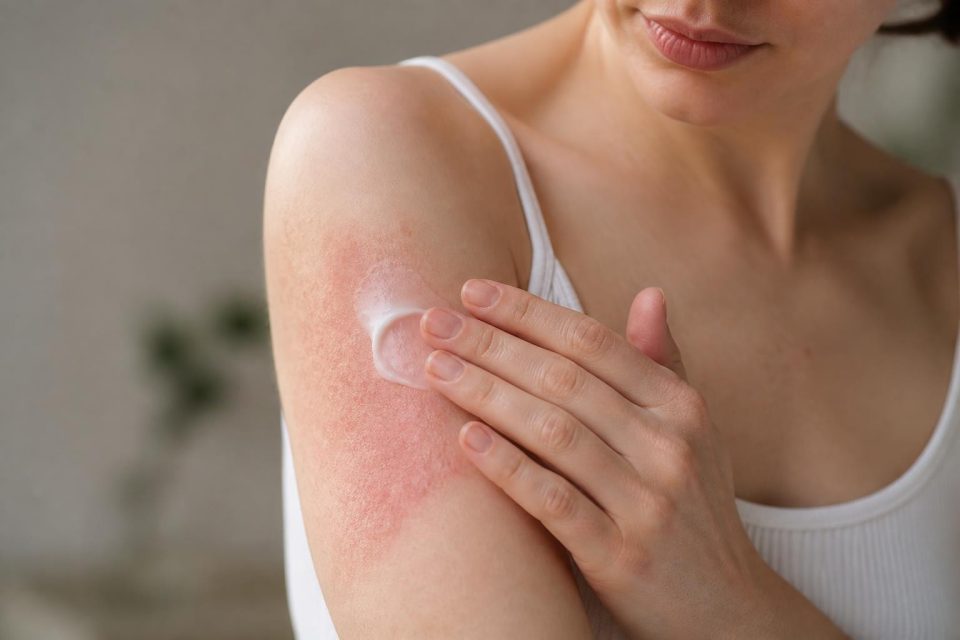
Living with eczema can feel like navigating a minefield of triggers, flare-ups, and endless itching. Your skin doesn't just feel different-it demands different care, gentler products, and a deeper understanding of what truly works. Whether you're managing your own eczema or caring for someone who battles this condition, developing the right skin care for eczema routines can transform daily discomfort into manageable relief. Natural skincare approaches offer a promising path forward, combining time-tested ingredients with modern understanding of how to nurture sensitive, inflamed skin back to health.
Understanding Eczema and Your Skin Barrier
Eczema, also known as atopic dermatitis, isn't just dry skin-it's a chronic inflammatory condition that disrupts your skin's protective barrier. Think of your skin barrier like a brick wall: healthy skin has tightly packed "bricks" (skin cells) held together with "mortar" (lipids and proteins). When you have eczema, gaps appear in this wall, allowing moisture to escape and irritants to enter.
This compromised barrier creates a vicious cycle. Water loss leads to dryness, which triggers inflammation, causing more barrier damage. Understanding this mechanism is crucial because effective skin care for eczema focuses on repairing and protecting this barrier rather than simply treating symptoms.
The Inflammation Connection
Your immune system plays a starring role in eczema flare-ups. When triggered by allergens, stress, or environmental factors, it overreacts, releasing inflammatory chemicals that cause redness, swelling, and that unbearable itch. According to Harvard Health’s eczema management strategies, controlling inflammation while supporting skin repair creates the foundation for long-term relief.
Natural ingredients excel in this dual role-many botanical extracts offer both anti-inflammatory properties and skin-nourishing benefits without the harsh side effects of synthetic alternatives.
Building Your Daily Eczema Skin Care Routine
Consistency transforms good intentions into visible results. Your daily routine should follow a specific sequence designed to cleanse without stripping, treat inflammation, and lock in moisture.
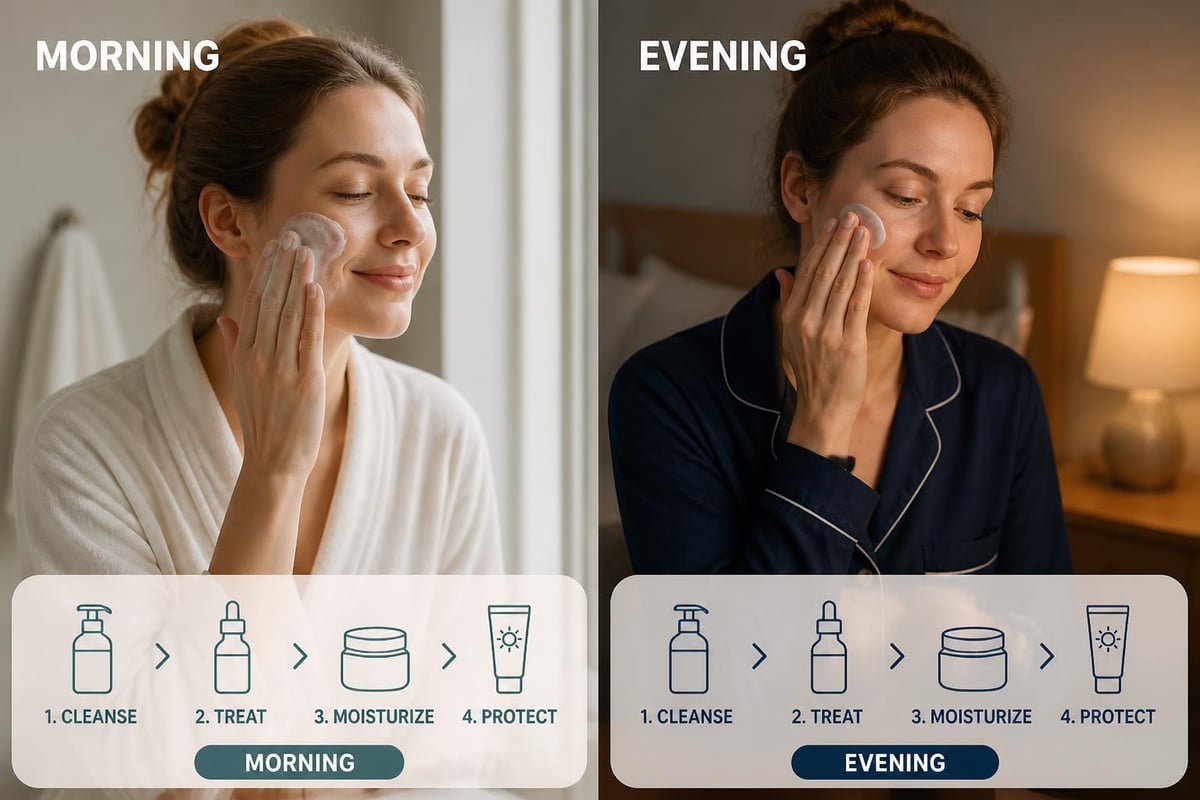
Morning Routine Essentials
Gentle Cleansing
- Use lukewarm water (hot water strips natural oils)
- Apply fragrance-free, pH-balanced cleansers
- Pat dry-never rub-with a soft towel
- Leave skin slightly damp for the next step
Treatment Application
If you're experiencing active inflammation, this is when you'd apply any medicated treatments or targeted natural remedies. Products containing colloidal oatmeal, calendula, or licorice root extract can significantly reduce redness and discomfort.
Moisturizing Strategy
The National Eczema Association emphasizes moisturizing as the cornerstone of eczema management. Apply your moisturizer within three minutes of cleansing while skin is still damp-this "soak and seal" method traps water in your skin.
Choose products with:
- Ceramides (rebuilds barrier)
- Hyaluronic acid (holds moisture)
- Shea butter or plant oils (seals hydration)
- Minimal ingredient lists (reduces reaction risk)
Evening Routine Modifications
Night offers an opportunity for deeper repair since your skin regenerates most actively during sleep.
- Double cleanse if needed (remove sunscreen/makeup first)
- Apply treatment products to problem areas
- Use a richer moisturizer than your morning formula
- Consider occlusive layer on severely dry patches
- Ensure clean bedding with hypoallergenic detergent
Natural Ingredients That Actually Work
Not all natural ingredients are created equal when it comes to skin care for eczema. Some botanical extracts have substantial research backing their effectiveness, while others remain folk remedies with limited evidence.
| Ingredient | Primary Benefit | Application Method |
|---|---|---|
| Colloidal Oatmeal | Reduces inflammation, relieves itch | Baths, creams, cleansers |
| Calendula Extract | Heals wounds, anti-inflammatory | Balms, oils, lotions |
| Shea Butter | Barrier repair, deep moisture | Creams, body butters |
| Coconut Oil | Antimicrobial, moisturizing | Direct application (patch test first) |
| Hemp Seed Oil | Omega fatty acids, reduces itch | Serums, body oils |
| Chamomile | Calming, anti-inflammatory | Compresses, creams |
Star Performers in Natural Eczema Care
Colloidal Oatmeal has FDA recognition as a skin protectant. It contains compounds called avenanthramides that reduce inflammation and itching while forming a protective barrier on skin. For those dealing with facial eczema, exploring face serums for sensitive skin can provide targeted relief without overwhelming delicate facial tissue.
Calendula has been used for centuries in wound healing and skin repair. Modern research confirms its anti-inflammatory and skin-regenerating properties, making it invaluable for eczema-damaged skin.
Plant-Based Oils rich in essential fatty acids help rebuild the lipid barrier. Hemp seed oil, in particular, contains the ideal ratio of omega-6 to omega-3 fatty acids for skin health. Success stories like this eczema healing journey demonstrate how natural formulations can create dramatic improvements.
Bathing Without Triggering Flare-Ups
The relationship between bathing and eczema seems contradictory-water is essential for hydration, yet bathing often worsens symptoms. The key lies in technique, not avoidance.
Optimal Bathing Protocol
Temperature and Duration
Keep water lukewarm (not hot) and limit baths to 10-15 minutes. Hot water feels soothing initially but strips protective oils, leading to increased dryness and irritation within hours.
What to Add
- Colloidal oatmeal baths (soothing and anti-inflammatory)
- A few tablespoons of plant oils (adds moisture)
- Baking soda (reduces itch for some people)
What to Avoid
- Bubble baths with surfactants
- Fragrance-heavy products
- Harsh soaps and body washes
- Bath salts (can be drying)
The Cleveland Clinic’s product guidance highlights that what you don't put on your skin matters as much as what you do-avoiding irritants prevents problems before they start.
Identifying and Avoiding Your Triggers
Effective skin care for eczema extends beyond products and routines to environmental and lifestyle modifications. Triggers vary dramatically between individuals, making personal observation crucial.
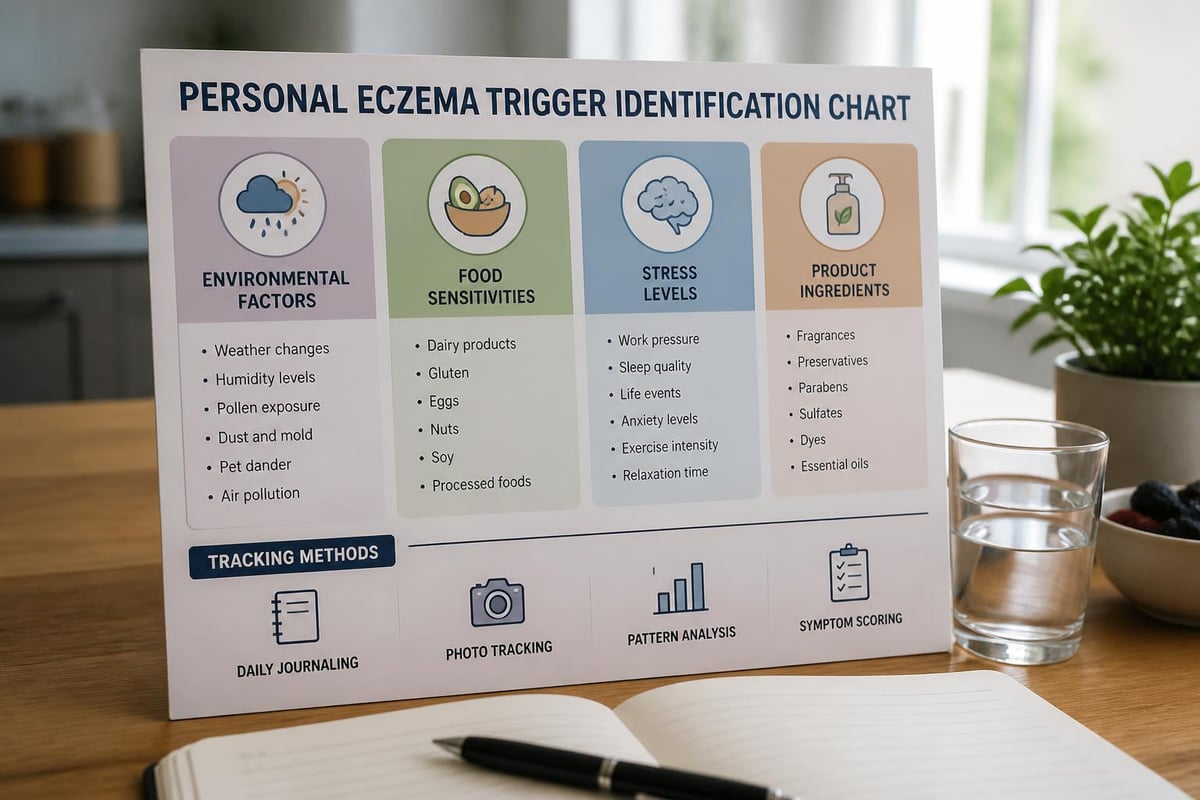
Common Environmental Triggers
- Temperature extremes (both heat and cold)
- Low humidity (especially during winter)
- Dust mites in bedding and upholstery
- Pet dander (even if you're not technically allergic)
- Pollen during high-count seasons
- Mold in damp environments
Product and Chemical Irritants
Reading ingredient labels becomes non-negotiable when you have eczema. Watch for these common irritants:
- Synthetic fragrances and parfum
- Sodium lauryl sulfate (SLS)
- Formaldehyde-releasing preservatives
- Alcohol (especially denatured alcohol)
- Essential oils (yes, even natural ones can irritate)
- Propylene glycol
Understanding what makes natural skincare different helps you make informed choices about product formulations and ingredient sourcing.
Seasonal Adjustments for Year-Round Comfort
Your skin's needs shift with the seasons, requiring adjustments to your skin care for eczema approach throughout the year.
Winter Survival Strategies
Cold air and indoor heating create a perfect storm for eczema flare-ups. Winter skincare requires extra attention to prevent the moisture loss that comes with low humidity.
Winter Must-Dos:
- Use a humidifier in bedrooms (aim for 45-55% humidity)
- Switch to richer, more occlusive moisturizers
- Layer products: serum + cream + occlusive
- Protect exposed skin before going outside
- Increase moisturizing frequency
Combat dry winter skin by applying moisturizer immediately after washing hands and throughout the day as needed. Discover more strategies for combating dry skin during winter that specifically address seasonal challenges.
Summer Considerations
Heat and humidity present different challenges. Sweat can irritate eczema-prone skin, while increased sun exposure requires careful protection.
Summer Adjustments:
- Choose lightweight, non-comedogenic moisturizers
- Use mineral-based sunscreens (zinc oxide, titanium dioxide)
- Rinse sweat off promptly with cool water
- Wear loose, breathable cotton clothing
- Stay hydrated to support skin moisture from within
The Role of Diet and Hydration
What you put inside your body affects what appears on your skin. While food isn't the primary cause of eczema for most people, certain dietary factors can influence inflammation and skin health.
Anti-Inflammatory Nutrition
| Food Category | Examples | Skin Benefit |
|---|---|---|
| Omega-3 Rich Foods | Salmon, flaxseeds, walnuts | Reduces inflammation |
| Probiotic Foods | Yogurt, kefir, sauerkraut | Supports gut-skin axis |
| Antioxidant Vegetables | Leafy greens, berries, sweet potatoes | Fights oxidative stress |
| Zinc Sources | Pumpkin seeds, chickpeas, cashews | Supports skin repair |
Hydration Fundamentals
Drinking adequate water supports your skin's ability to maintain moisture from the inside out. While topical hydration remains essential, systemic hydration provides the raw material your skin needs to function optimally.
Aim for:
- 8-10 glasses of water daily (more in hot weather or with exercise)
- Herbal teas (chamomile, rooibos) for variety
- Water-rich foods like cucumbers and watermelon
- Limited caffeine and alcohol (both dehydrating)
Managing Stress for Clearer Skin
The mind-skin connection runs deeper than most people realize. Stress doesn't just feel bad-it triggers physiological changes that directly worsen eczema. When you're stressed, your body releases cortisol and other inflammatory chemicals that compromise your skin barrier and intensify itching.
Stress-Reduction Techniques
Daily Practices:
- Meditation or mindfulness exercises (even 5 minutes helps)
- Regular physical activity (releases tension, improves circulation)
- Adequate sleep (7-9 hours for most adults)
- Creative outlets (art, music, journaling)
- Time in nature (proven to lower stress hormones)
During Flare-Ups:
When eczema worsens, stress often compounds the problem. Recognize this cycle and implement calming practices alongside your topical treatments. The American Academy of Dermatology offers comprehensive tips for managing symptoms during challenging periods.
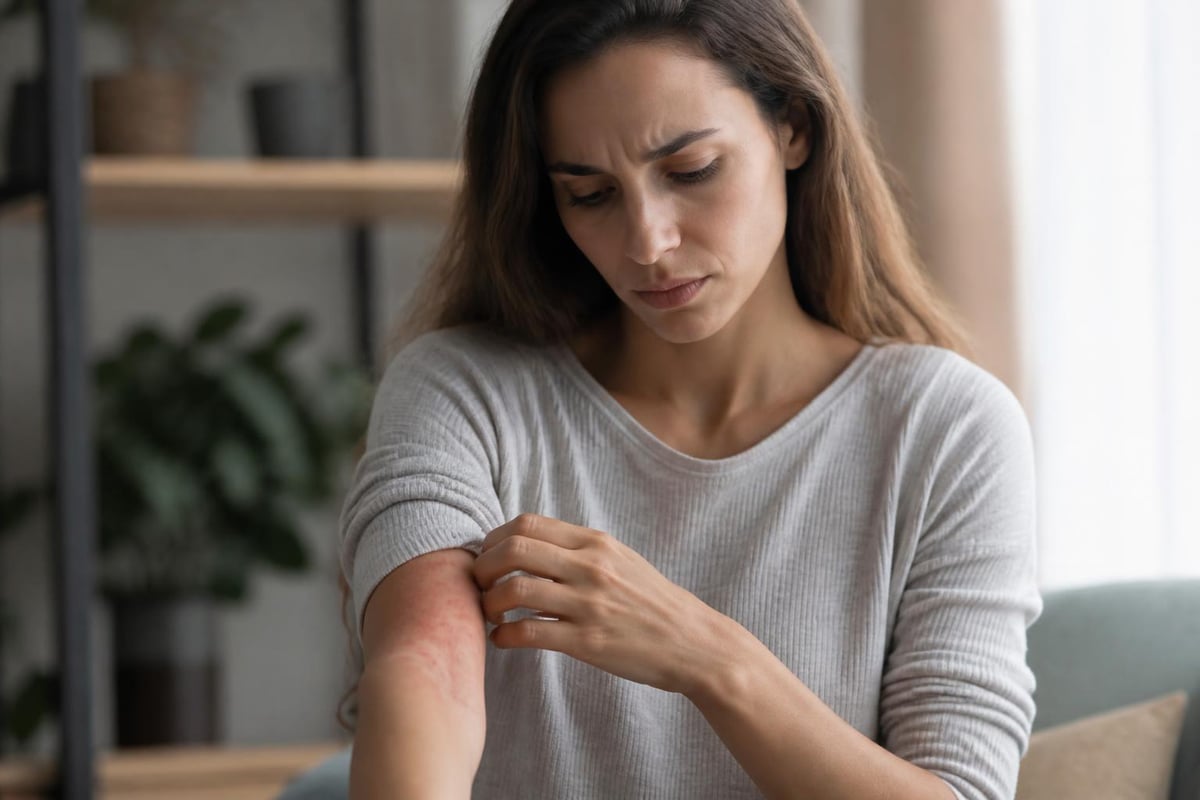
Special Considerations for Different Body Areas
Skin care for eczema isn't one-size-fits-all across your body. Different areas have varying skin thickness, oil production, and exposure to irritants.
Facial Eczema
Facial skin is thinner and more visible, requiring especially gentle care. Avoid harsh exfoliants and opt for creamy, non-foaming cleansers. When dealing with adult acne alongside eczema, balance becomes tricky-you need moisture without pore-clogging ingredients.
Hand Eczema
Hands endure constant washing and environmental exposure. Wear cotton-lined gloves for wet work, apply moisturizer after every hand washing, and use a thick cream or ointment overnight with cotton gloves for intensive repair.
Scalp and Hair Care
Choose fragrance-free, gentle shampoos and avoid scratching the scalp. Consider reducing washing frequency and using lukewarm water. Some people benefit from natural alternatives like lavender in skincare formulations for its soothing properties.
Product Selection: What to Look For
Navigating the skincare aisle with eczema requires detective skills. Marketing claims don't always align with what your skin actually needs.
Green Flags in Product Labels
- "Fragrance-free" (not just "unscented")
- "Hypoallergenic"
- "Non-comedogenic"
- Short ingredient lists
- Recognizable natural ingredients
- Third-party testing certifications
- pH-balanced formulations
Red Flags to Avoid
- "Dermatologist-tested" (doesn't guarantee suitability for eczema)
- Long lists of unpronounceable chemicals
- Fragrances listed as ingredients
- Essential oils high on ingredient lists
- Alcohol in the first five ingredients
- Claims that sound too good to be true
Healthline’s comprehensive routine guide emphasizes that consistent use of appropriate products matters more than expensive miracle cures.
When to Seek Professional Help
While natural skin care for eczema manages mild to moderate cases effectively, certain situations require medical attention.
See a Healthcare Provider If:
- Eczema interferes with sleep or daily activities
- Signs of infection appear (oozing, yellow crusting, fever)
- Over-the-counter approaches fail after 2-3 weeks
- Eczema suddenly worsens without obvious trigger
- You're considering systemic medications
- Skin becomes extremely painful
Professional guidance complements natural approaches rather than replacing them. Many dermatologists now recommend combining medical treatments with gentle, natural supportive care for optimal results.
Creating Your Personalized Protocol
The most effective skin care for eczema routine is the one you'll actually follow. Build your protocol gradually, testing one new product at a time to identify what works for your unique skin.
Getting Started: Your First 30 Days
Week 1-2: Establish Basics
- Choose one gentle cleanser
- Select one basic moisturizer
- Begin twice-daily application
- Track your skin's response
Week 3-4: Add Treatments
- Introduce one targeted treatment product
- Note any improvements or reactions
- Adjust application frequency as needed
- Begin identifying trigger patterns
Beyond Month One
Continue refining your routine based on results. What works in January might need adjustment by July. Stay flexible and attentive to your skin's changing needs.
Medical News Today’s skin care guidance reinforces that patience and consistency yield better results than constantly switching products in search of instant relief.
Long-Term Maintenance and Prevention
Once you've achieved improvement, maintaining healthy skin requires ongoing attention. Think of eczema management as a lifestyle rather than a temporary treatment.
Maintenance Strategies:
- Continue moisturizing even when skin looks clear
- Keep trigger logs to identify patterns
- Maintain a simple routine (complexity often backfires)
- Prepare for seasonal transitions in advance
- Stock up on products that work (avoid running out)
- Regular check-ins with healthcare providers
The journey to comfortable skin takes dedication, but the payoff-reduced itching, fewer flare-ups, and restored confidence-makes every step worthwhile. Natural approaches offer a sustainable path forward that respects your skin's delicate needs while providing effective relief.
Managing eczema through thoughtful, natural skin care transforms daily discomfort into sustainable wellness. By focusing on barrier repair, gentle ingredients, and consistent routines, you can significantly reduce flare-ups and restore your skin's health. If you're ready to experience the difference that truly natural, carefully formulated products can make in your eczema journey, explore Sinusoothe Ltd's range of gentle, effective skincare solutions designed specifically for sensitive, reactive skin. Your path to calmer, more comfortable skin starts with choices that honor your skin's unique needs.