Living with rosacea means navigating a complex landscape of triggers, symptoms, and management strategies. For many people, the unpredictable nature of flare-ups can feel overwhelming, especially when you're unsure what caused your skin to react. Understanding how to minimise rosacea flare ups starts with recognizing that this chronic condition requires a holistic approach that combines smart skincare choices, lifestyle adjustments, and awareness of your personal triggers. The good news? With the right knowledge and natural solutions, you can significantly reduce both the frequency and severity of those frustrating episodes that leave your skin red, irritated, and uncomfortable.
Understanding What Triggers Your Rosacea
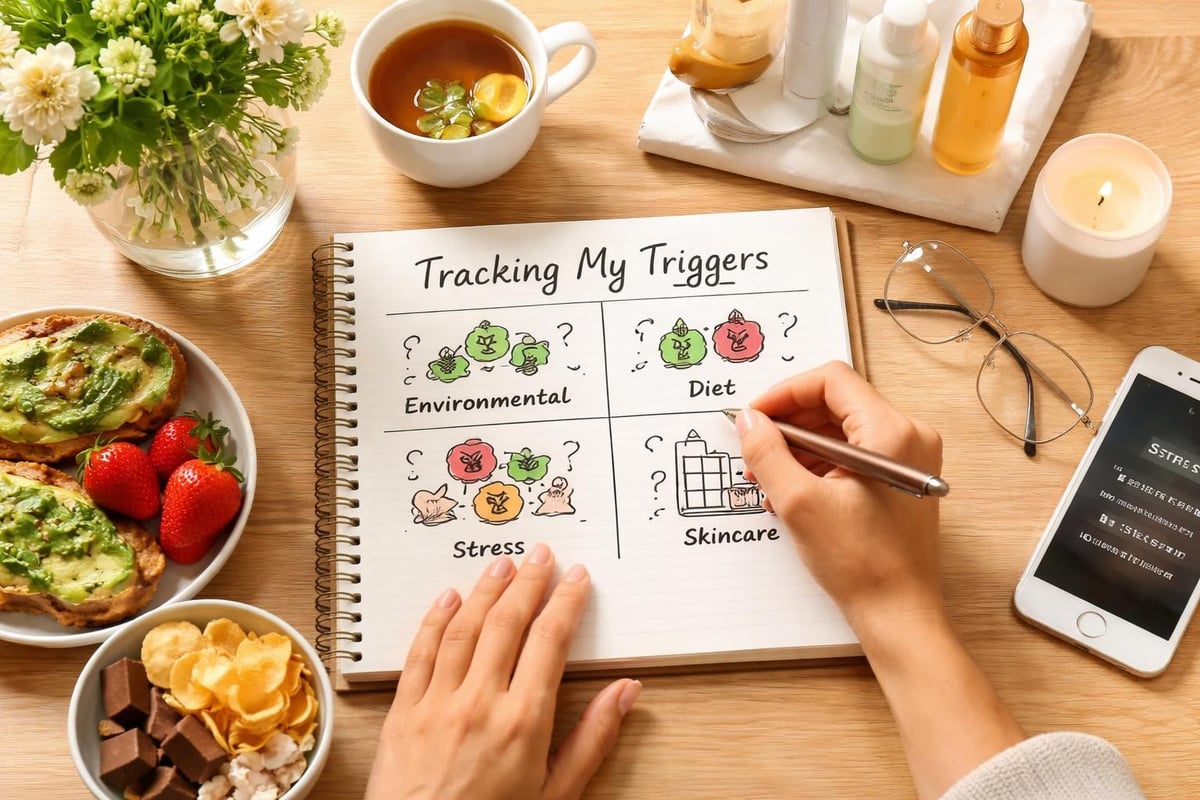
Before you can effectively manage your condition, you need to identify what sets it off. Rosacea triggers vary dramatically from person to person, which is why keeping a detailed journal becomes invaluable.
Common environmental triggers include:
- Extreme temperatures (both hot and cold)
- Wind and humidity changes
- Direct sunlight and UV exposure
- Indoor heating systems
- Air conditioning
Research from the National Rosacea Society identifies over 50 potential trigger factors, highlighting just how personalized your management plan needs to be. While one person might react strongly to spicy foods, another might find that emotional stress is their primary culprit.
The Food and Beverage Connection
Your diet plays a surprisingly significant role in how to minimise rosacea flare ups. Hot beverages rank among the most common dietary triggers, not necessarily because of their caffeine content, but because the heat itself causes blood vessel dilation.
Watch out for these potential dietary troublemakers:
- Alcohol (especially red wine)
- Spicy foods containing capsaicin
- Hot beverages above 140°F
- Histamine-rich foods like aged cheeses
- Foods containing cinnamaldehyde (tomatoes, citrus, chocolate)
Start eliminating suspected foods one at a time for at least two weeks. This methodical approach helps you pinpoint exactly which items affect your skin without unnecessarily restricting your diet.
Building a Rosacea-Friendly Skincare Routine
Your skincare routine represents your first line of defense. When learning how to minimise rosacea flare ups through topical care, gentleness is paramount. Many people unknowingly aggravate their condition by using products that are too harsh or contain irritating ingredients.
What to Avoid in Skincare Products
| Ingredient Type | Why It's Problematic | Common Examples |
|---|---|---|
| Alcohol-based toners | Strips natural oils, causes dryness | SD alcohol, denatured alcohol |
| Physical exfoliants | Creates micro-tears, increases inflammation | Walnut shells, apricot kernels |
| Strong acids | Disrupts skin barrier | High-concentration AHAs, BHAs |
| Fragrances | Common allergen and irritant | Synthetic and natural perfumes |
| Essential oils | Can trigger sensitivity | Peppermint, eucalyptus, citrus oils |
Instead, focus on products with soothing, anti-inflammatory ingredients. Many people find success with natural skincare solutions specifically designed for sensitive skin, which prioritize gentle, plant-based ingredients over synthetic compounds.
The Minimalist Approach
Less is genuinely more when managing rosacea. Your routine should include:
Morning:
- Gentle, non-foaming cleanser
- Lightweight moisturizer with ceramides
- Mineral-based SPF 30 or higher
Evening:
- Same gentle cleanser
- Hydrating serum (if tolerated)
- Richer night moisturizer
Test new products one at a time, waiting at least two weeks before introducing another. This patience prevents confusion about which product might be causing problems.
Managing Environmental Factors
Temperature extremes wreak havoc on rosacea-prone skin. Understanding how to minimise rosacea flare ups means protecting yourself from these environmental stressors year-round.
During winter months, the combination of cold outdoor air and dry indoor heating creates the perfect storm for irritation. Layer clothing so you can adjust your temperature gradually rather than experiencing sudden changes. Keep indoor humidity between 30-50% using a humidifier.
Summer brings its own challenges. The American Academy of Dermatology emphasizes that sun protection is absolutely critical for rosacea management. UV exposure not only triggers immediate flare-ups but also contributes to long-term skin damage that worsens the condition over time.
Sun Protection Strategies
- Apply mineral sunscreen (zinc oxide or titanium dioxide) every morning
- Reapply every two hours when outdoors
- Wear wide-brimmed hats and UV-protective clothing
- Seek shade during peak sun hours (10 AM to 4 PM)
- Use car window tints to reduce UV exposure while driving
Physical (mineral) sunscreens work better than chemical versions for most rosacea sufferers because they sit on the skin's surface rather than being absorbed, reducing the risk of irritation.

The Stress-Skin Connection
Emotional stress consistently ranks among the top triggers for rosacea flare-ups. When you're stressed, your body releases cortisol and other inflammatory compounds that directly impact your skin. Learning how to minimise rosacea flare ups requires addressing your mental and emotional wellbeing alongside physical care.
Effective stress management techniques include:
- Regular meditation or mindfulness practice (even 5 minutes daily helps)
- Progressive muscle relaxation exercises
- Consistent sleep schedule (7-9 hours nightly)
- Regular physical activity (avoiding overheating)
- Deep breathing exercises throughout the day
The relationship between stress and skin creates a frustrating cycle. Flare-ups cause stress about your appearance, which then triggers more flare-ups. Breaking this cycle requires conscious effort and self-compassion.
Exercise Without Triggering Flares
Physical activity reduces stress but can trigger rosacea through increased body heat and blood flow. Exercise in cool environments, keep a cool, damp cloth nearby to press against your face during breaks, and choose lower-intensity activities like yoga, swimming in cool water, or walking in shaded areas.
Natural Ingredients That Support Calm Skin
When exploring how to minimise rosacea flare ups naturally, certain botanical ingredients show promising anti-inflammatory and soothing properties. Understanding which natural components work with your skin rather than against it makes a significant difference.
Top Calming Ingredients
| Ingredient | Primary Benefits | How It Helps Rosacea |
|---|---|---|
| Niacinamide | Strengthens skin barrier | Reduces redness and inflammation |
| Azelaic acid | Anti-inflammatory, antibacterial | Decreases bumps and pustules |
| Green tea extract | Antioxidant, soothing | Calms irritation, reduces redness |
| Colloidal oatmeal | Barrier repair, anti-itch | Soothes inflamed skin |
| Centella asiatica | Wound healing, calming | Supports skin repair processes |
Many people with rosacea find that natural alternatives to synthetic skincare offer gentler results without compromising effectiveness. Plant-based formulations often exclude common irritants while providing beneficial compounds that support skin health.
What About Oils?
Facial oils present a tricky situation for rosacea. While some people tolerate them beautifully, others experience worsening symptoms. If you want to try oils, start with non-comedogenic options like squalane (derived from olives or sugarcane) or rosehip seed oil, which contains anti-inflammatory omega fatty acids.
Apply oils to damp skin in tiny amounts. If you notice any stinging, burning, or increased redness, discontinue use immediately.
The Role of Medical Treatments
While natural approaches form the foundation of management, understanding how to minimise rosacea flare ups sometimes requires medical intervention. Don't view prescription treatments and natural care as opposing approaches; they often work synergistically.
Topical medications like metronidazole gel or azelaic acid cream can significantly reduce inflammatory lesions. Oral antibiotics (in low doses) work not through their antimicrobial properties but through anti-inflammatory mechanisms. For severe cases, dermatologists might recommend laser therapy or intense pulsed light (IPL) treatments.
According to Medical News Today’s exploration of rosacea management, combining medical treatments with lifestyle modifications produces better outcomes than either approach alone. Work with a dermatologist who respects your preference for natural products and can help you create a comprehensive treatment plan.
Creating Your Personal Management Plan
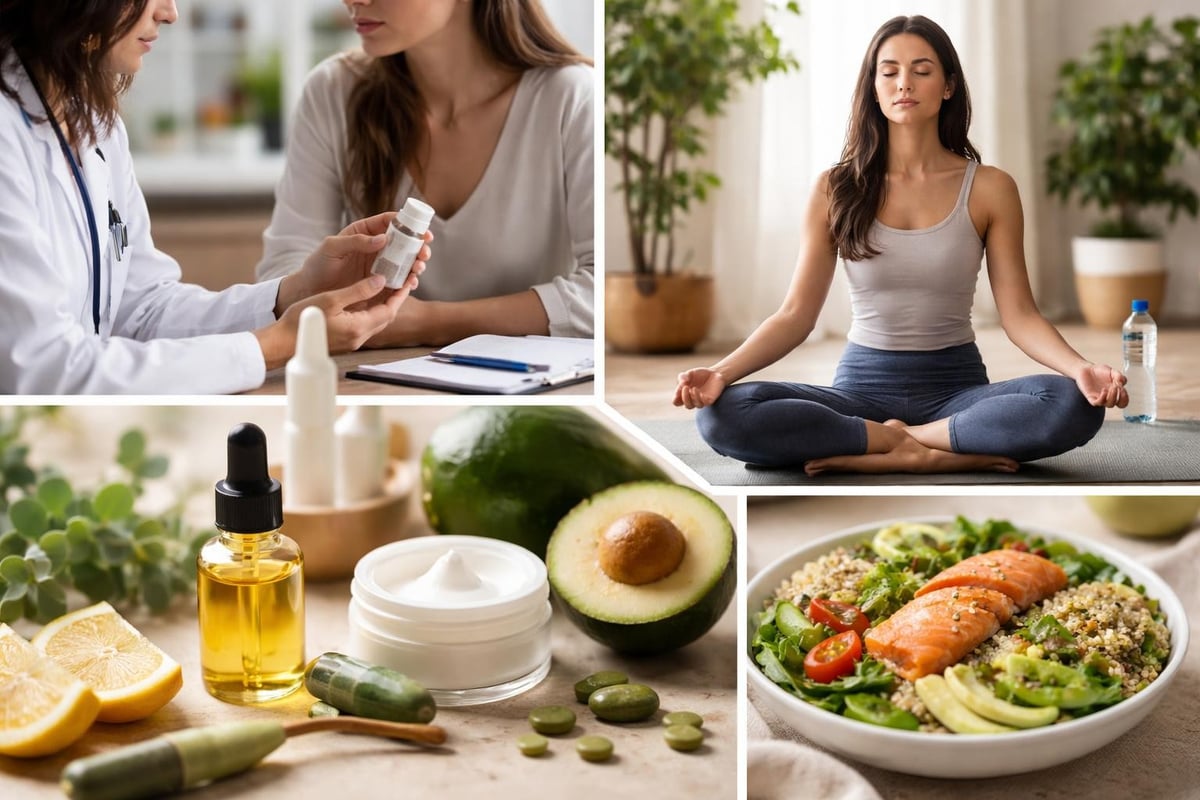
After understanding the various aspects of how to minimise rosacea flare ups, it's time to create your customized action plan. This living document should evolve as you learn more about your specific triggers and responses.
Your plan should include:
- Trigger list – Document everything that causes reactions
- Safe product list – Products you've tested and tolerated well
- Emergency protocol – Steps to take when a flare-up occurs
- Stress management routine – Daily practices that reduce cortisol
- Dietary guidelines – Foods to avoid and those that support skin health
Review and update this plan quarterly. Your triggers may change over time, especially during hormonal shifts, seasonal transitions, or life changes. Women often notice that menopausal changes affect their skin differently, requiring adjustments to their rosacea management approach.
When Flare-Ups Happen
Despite your best efforts, flare-ups will occasionally occur. Understanding how long symptoms typically last helps you maintain perspective during difficult periods. Most flare-ups resolve within a few days to two weeks with proper care.
During active flare-ups:
- Simplify your routine to cleanser and moisturizer only
- Apply cool (not cold) compresses for 10-15 minutes
- Avoid all known triggers strictly
- Stay hydrated by drinking plenty of water
- Get adequate rest to support your immune system
Resist the temptation to try new products or treatments during a flare-up. Your skin is already compromised and more reactive than usual.
Long-Term Skin Health Strategies
Managing rosacea isn't just about preventing the next flare-up; it's about supporting overall skin health that makes your complexion more resilient. Learning how to minimise rosacea flare ups involves thinking beyond immediate symptoms to long-term barrier function and skin integrity.
Supporting Your Skin Barrier
Your skin barrier acts as your first defense against environmental irritants and moisture loss. When compromised, it allows triggers to penetrate more easily and causes trans-epidermal water loss that leads to sensitivity.
Strengthen your barrier through:
- Ceramide-rich moisturizers that replace essential lipids
- Adequate hydration from both water intake and topical products
- Avoiding over-cleansing which strips protective oils
- Gentle application techniques using pressing motions rather than rubbing
- Consistent routine that doesn't constantly change products
Think of barrier repair as a marathon, not a sprint. Improvements accumulate gradually over weeks and months of consistent care.
The Importance of Consistency
Random, sporadic efforts won't produce the results you want. Whether you're following a natural skincare approach or using prescription treatments, consistency determines success. Set up systems that make adherence easy:
Keep products visible on your bathroom counter rather than hidden in cabinets. Set phone reminders for morning and evening routines until they become habitual. Prepare trigger-free meals in advance so you're not tempted to eat inflammatory foods when busy.
Beyond Skincare: Whole-Body Wellness
Your skin reflects your overall health. Understanding how to minimise rosacea flare ups means recognizing that internal wellness impacts external appearance. This holistic perspective considers factors beyond what you apply topically.
Key wellness pillars include:
- Gut health – Emerging research suggests connections between digestive health and rosacea
- Sleep quality – Poor sleep increases inflammatory markers throughout the body
- Hydration levels – Chronic dehydration compromises skin function
- Nutrient intake – Deficiencies in vitamin D, B vitamins, or omega-3s may worsen symptoms
- Toxin exposure – Reducing environmental toxins decreases overall body burden
Consider working with a functional medicine practitioner or naturopath who can evaluate underlying factors contributing to your rosacea. Sometimes addressing root causes like small intestinal bacterial overgrowth (SIBO) or nutrient deficiencies produces dramatic skin improvements.
Anti-Inflammatory Lifestyle
Beyond avoiding specific food triggers, adopting an overall anti-inflammatory dietary pattern benefits rosacea. Focus on:
- Colorful vegetables rich in antioxidants
- Omega-3 fatty acids from fish or flax seeds
- Probiotic foods supporting gut health
- Plenty of water throughout the day
- Limited processed foods and refined sugars
This approach supports not just your skin but your entire body's inflammatory response systems.
Building Your Support System
Managing a chronic condition like rosacea can feel isolating, but you don't have to navigate this journey alone. Building a support system of knowledgeable professionals and understanding peers makes the process less overwhelming.
Your ideal team might include:
- A dermatologist experienced in rosacea treatment
- An aesthetician trained in sensitive skin care
- A mental health professional if stress significantly impacts your condition
- Online or local support groups where you can share experiences
- Natural skincare experts who understand botanical ingredients
Don't hesitate to ask questions, seek second opinions, or advocate for yourself. You know your skin better than anyone else, and your insights about patterns and triggers provide valuable information for your healthcare team.
Remember that what works for someone else might not work for you. Just as combination skin requires personalized care, rosacea management demands an individualized approach based on your unique triggers, skin type, and lifestyle.
Understanding how to minimise rosacea flare ups empowers you to take control of your skin health through informed choices about skincare, lifestyle, and environmental factors. By identifying your personal triggers, building a gentle routine with natural ingredients, managing stress effectively, and supporting your overall wellness, you can significantly reduce both the frequency and severity of uncomfortable flare-ups. At Sinusoothe Ltd, we're committed to providing natural skincare solutions that work with your sensitive skin rather than against it, helping you achieve the calm, comfortable complexion you deserve.