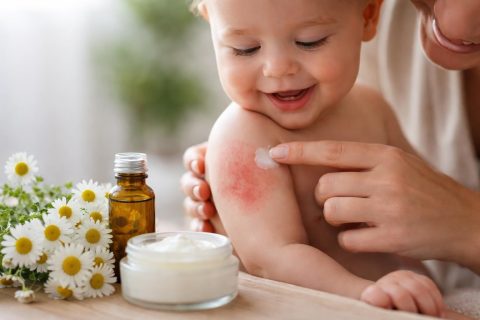
When your baby's delicate skin breaks out in red, itchy patches, finding a gentle yet effective solution becomes every parent's priority. Baby eczema affects approximately one in five infants, leaving parents searching for safe remedies that won't further irritate sensitive skin. Among natural remedies, chamomile stands out as a time-tested botanical with remarkable soothing properties. But what makes this simple flower so effective at calming inflamed baby skin?
The Science Behind Chamomile's Healing Power
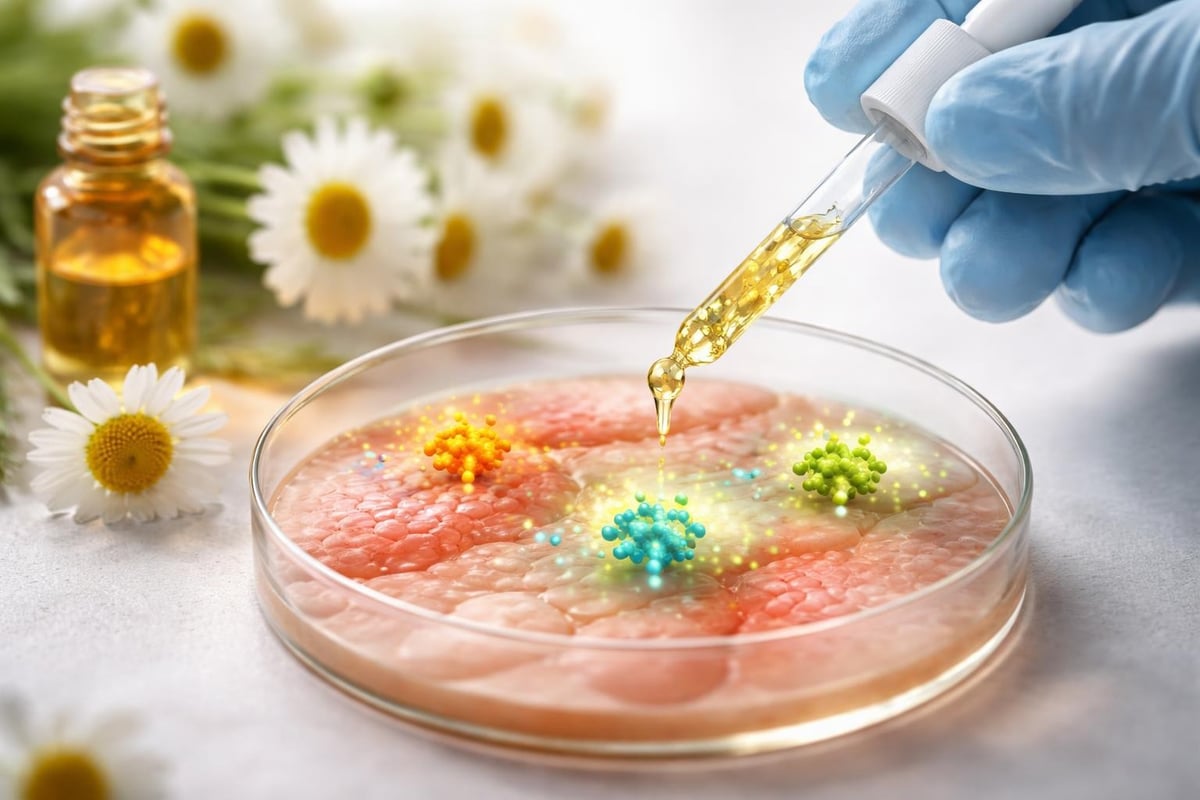
Understanding why chamomile soothes baby eczema starts with examining its unique chemical composition. This humble flower contains over 120 active compounds, but several stand out for their skin-healing properties.
Bisabolol serves as chamomile's primary anti-inflammatory agent. This compound penetrates deep into skin layers, where it actively reduces inflammation at the cellular level. Research shows that bisabolol’s soothing effects make it particularly beneficial for sensitive skin conditions like eczema.
Key Active Compounds in Chamomile
- Chamazulene: Creates chamomile's distinctive blue color and provides powerful anti-inflammatory effects
- Apigenin: A flavonoid that blocks inflammatory pathways in skin cells
- Alpha-bisabolol: Reduces redness and accelerates skin barrier repair
- Matricin: Converts to chamazulene during processing, enhancing anti-inflammatory benefits
These compounds work synergistically, creating a more potent effect than any single ingredient could achieve alone. When applied to eczema-affected skin, they interrupt the inflammatory cascade that triggers itching, redness, and discomfort.
How Inflammation Triggers Baby Eczema
Baby skin is approximately 30% thinner than adult skin, making it exceptionally vulnerable to environmental triggers and allergens. Eczema develops when the skin's protective barrier becomes compromised, allowing irritants to penetrate more easily.
The inflammatory response follows a predictable pattern:
- Barrier breakdown exposes deeper skin layers to allergens and irritants
- Immune cells activate and release inflammatory chemicals called cytokines
- Blood vessels dilate, causing redness and warmth
- Nerve endings become sensitized, triggering the itch-scratch cycle
- Scratching damages skin further, perpetuating the inflammatory loop
This cycle can be incredibly distressing for babies who cannot understand why their skin feels so uncomfortable. Traditional treatments often rely on steroids, which some parents prefer to avoid for long-term use.
Why Chamomile Works Differently
Unlike harsh chemical treatments, chamomile’s anti-inflammatory properties address multiple stages of the inflammatory process simultaneously. The flower's compounds don't just mask symptoms-they actively interrupt the biochemical pathways that perpetuate eczema flares.
German chamomile (Matricaria chamomilla) and Roman chamomile (Chamaemelum nobile) both offer therapeutic benefits, though German chamomile typically contains higher concentrations of anti-inflammatory compounds. Most skincare formulations specifically use German chamomile for this reason.
The Barrier Repair Connection
One of the most important reasons why chamomile soothes baby eczema involves its ability to support skin barrier function. The skin barrier acts like a brick wall, with skin cells as bricks and lipids (fats) as mortar. In eczema-prone skin, this wall has gaps that allow moisture to escape and irritants to enter.
Chamomile extracts promote the production of ceramides, essential lipids that fill these gaps. By strengthening the skin barrier, chamomile helps:
- Reduce transepidermal water loss (TEWL), keeping skin hydrated
- Prevent allergen penetration that triggers immune responses
- Maintain optimal pH levels for healthy skin function
- Support beneficial skin microbiome balance
| Skin Barrier Function | Healthy Skin | Eczema-Affected Skin | With Chamomile Treatment |
|---|---|---|---|
| Water retention | 85-90% | 60-70% | 75-85% |
| Lipid density | High | Low | Moderate to High |
| Immune activation | Minimal | Excessive | Balanced |
| pH level | 4.5-5.5 | 6.0-7.0 | 5.0-5.8 |
These improvements don't happen overnight, but consistent use of chamomile-based products can significantly enhance skin barrier integrity over several weeks.

Calming the Itch-Scratch Cycle
Parents know that the relentless itching associated with baby eczema creates a vicious cycle. Scratching provides temporary relief but damages skin further, intensifying inflammation and discomfort. Breaking this cycle is crucial for healing.
Chamomile addresses itching through multiple mechanisms. Its compounds directly affect nerve endings in the skin, reducing their sensitivity to itch signals. Additionally, by decreasing inflammation, chamomile removes the underlying cause of the itching sensation.
Natural antihistamine properties found in certain chamomile compounds also play a role. While not as potent as pharmaceutical antihistamines, these natural substances help moderate the histamine response that contributes to eczema itching.
For parents seeking gentle solutions, incorporating natural creams for sensitive skin into their baby's routine can provide relief without harsh chemicals. The key is selecting formulations that combine chamomile with other complementary ingredients.
Application Methods for Maximum Benefits
Knowing why chamomile soothes baby eczema is one thing-applying it effectively is another. The delivery method significantly impacts how well chamomile's active compounds reach affected skin.
Topical Application Options
Chamomile-infused creams and lotions offer the most practical solution for daily use. These formulations blend chamomile extracts with moisturizing bases that help ingredients penetrate while sealing in hydration. Look for products with chamomile listed among the first five ingredients for meaningful concentrations.
Chamomile compresses provide targeted relief for acute flares. Steep chamomile flowers in warm water, allow to cool to a comfortable temperature, then apply a soft cloth soaked in the solution to affected areas for 10-15 minutes.
Bath soaks distribute chamomile's benefits across larger areas of skin. Add chamomile tea or extracts to lukewarm bath water, letting your baby soak for 10 minutes. Pat skin dry gently and apply moisturizer immediately to lock in hydration.
- Always patch test new products on a small area before full application
- Apply chamomile products to slightly damp skin for better absorption
- Use twice daily during flares, once daily for maintenance
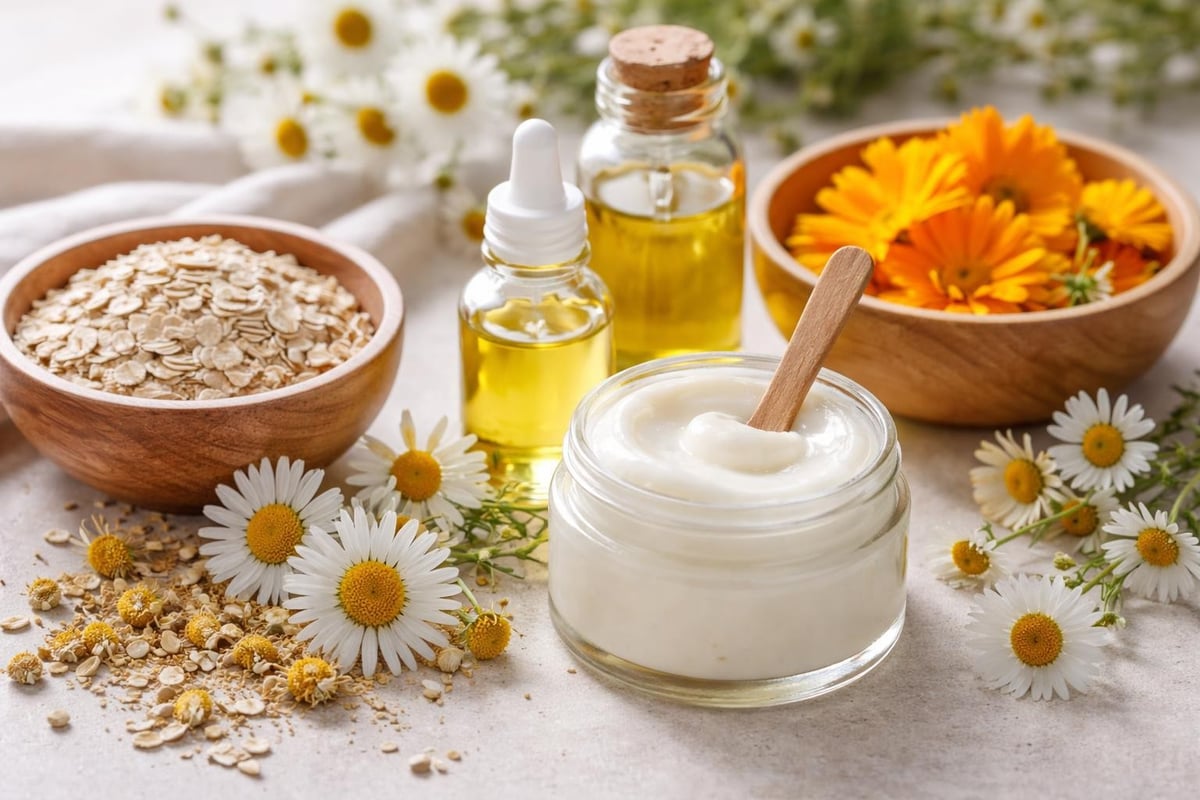
- Combine with other gentle ingredients like oatmeal or calendula
Safety Considerations for Baby Skin
While chamomile is generally recognized as safe, every baby's skin is unique. Understanding proper usage ensures you maximize benefits while minimizing any potential risks.
WebMD notes that chamomile rarely causes adverse reactions, but parents should remain vigilant. Babies with ragweed allergies may show sensitivity to chamomile, as both belong to the Asteraceae family. Always introduce new treatments gradually.
Safety Guidelines
Start with lower concentrations and observe your baby's response for 24-48 hours. If you notice increased redness, new rashes, or signs of discomfort, discontinue use and consult your pediatrician.
Choose products specifically formulated for babies, as these undergo more rigorous safety testing and avoid potentially irritating additives. Adult skincare products may contain fragrances, preservatives, or essential oil concentrations inappropriate for infant skin.
Avoid applying chamomile to broken or weeping skin without medical guidance. While chamomile promotes healing, open wounds require professional assessment to rule out infection.
When selecting chamomile products, consider exploring combination skin care solutions that address multiple skin concerns simultaneously.
Complementary Natural Ingredients
Chamomile works beautifully alongside other botanical ingredients to create comprehensive eczema relief. Smart formulations combine chamomile with synergistic components that enhance its effectiveness.
Colloidal oatmeal pairs exceptionally well with chamomile. While chamomile reduces inflammation, oatmeal forms a protective film over skin that locks in moisture and shields against irritants. Together, they create a powerful one-two punch against eczema symptoms.
Calendula extract shares chamomile's anti-inflammatory properties but works through slightly different mechanisms. Using both provides broader coverage of inflammatory pathways. Some parents find that products containing both ingredients outperform those with only one.
Natural oils like sunflower, jojoba, or argan provide the lipid-rich environment eczema-prone skin desperately needs. When combined with chamomile's anti-inflammatory effects, these oils support barrier repair while reducing inflammation.
| Ingredient Combination | Primary Benefit | Best For | Application Frequency |
|---|---|---|---|
| Chamomile + Oatmeal | Moisture + Soothing | Dry, itchy patches | 2-3 times daily |
| Chamomile + Calendula | Anti-inflammatory | Active flares | 2 times daily |
| Chamomile + Shea Butter | Barrier repair | Chronic eczema | Daily |
| Chamomile + Aloe | Cooling relief | Red, inflamed areas | As needed |
Understanding these combinations helps parents make informed decisions when selecting products or creating DIY treatments.
Long-Term Management Strategies
Recognizing why chamomile soothes baby eczema enables parents to incorporate it into comprehensive management plans. Eczema is typically a chronic condition that requires ongoing attention rather than a quick fix.
Consistency matters more than intensity when using natural remedies. Regular application of chamomile-based products maintains skin barrier function and keeps inflammation at bay, even between flares.
Develop a daily skincare routine that includes:
- Gentle cleansing with fragrance-free, soap-free cleansers
- Pat drying (never rubbing) with soft towels
- Immediate application of chamomile-enriched moisturizer to damp skin
- Reapplication after diaper changes or as needed
- Evening application before bedtime for overnight healing
Track your baby's eczema patterns to identify triggers. Common culprits include certain fabrics, laundry detergents, food allergens, temperature extremes, or seasonal changes. Keeping a simple diary helps you connect flares with potential causes.
When to Escalate Treatment
While chamomile offers remarkable benefits, severe eczema sometimes requires additional intervention. Consult your pediatrician if you notice:
- Oozing or crusting that suggests infection
- Widespread coverage affecting more than 20% of body surface
- Sleep disruption from intense itching despite treatment
- No improvement after 2-3 weeks of consistent natural treatment
- Signs of pain rather than just itching
Professional guidance ensures your baby receives appropriate care when natural remedies aren't sufficient alone.
Choosing Quality Chamomile Products
Product quality dramatically affects therapeutic outcomes. Not all chamomile-containing skincare delivers meaningful benefits. Understanding what to look for helps you select effective formulations.
Ingredient positioning tells you a lot about concentration. According to chamomile research, products listing chamomile within the first five ingredients typically contain therapeutic amounts. Those with chamomile near the end of lengthy ingredient lists may offer minimal benefits.
Extract type matters too. Chamomile oil, chamomile extract, and chamomile hydrosol differ in concentration and composition. Extracts and oils generally provide higher levels of active compounds than hydrosols.
Organic certification ensures chamomile was grown without pesticides that could irritate sensitive baby skin. While not always necessary, organic products offer extra peace of mind for cautious parents.
Avoid products containing:
- Synthetic fragrances or artificial colors
- Parabens or phthalates
- Sodium lauryl sulfate (SLS)
- High alcohol content
- Multiple essential oils (which can overwhelm sensitive skin)
For parents interested in comprehensive natural skincare, exploring options like natural solutions for mature skin demonstrates how botanical ingredients benefit various skin types and ages.
The Role of German vs. Roman Chamomile
While both chamomile varieties offer therapeutic benefits, understanding their differences helps optimize eczema treatment. German chamomile (Matricaria chamomilla) contains higher concentrations of chamazulene and bisabolol, making it the preferred choice for anti-inflammatory applications.
Roman chamomile (Chamaemelum nobile) has a milder, sweeter scent and offers excellent calming properties. It's often used in aromatherapy and bath products but may be less potent for addressing active eczema inflammation.
Look for German chamomile specifically in products designed to treat eczema. Product labels should clearly identify the chamomile species used. If uncertain, contact manufacturers directly to confirm which variety their formulations contain.
Some premium products combine both types, leveraging German chamomile's anti-inflammatory strength with Roman chamomile's soothing gentleness. This combination approach can be particularly effective for babies with both eczema and general skin sensitivity.
Building a Chamomile-Centered Routine
Creating an effective eczema management routine requires more than just selecting good products. How and when you apply treatments significantly impacts results.
Morning routine should focus on protection. After a gentle cleanse, apply chamomile cream to create a protective barrier before dressing your baby. This shields skin from environmental irritants encountered throughout the day.
Evening routine emphasizes repair and healing. A lukewarm chamomile bath followed by generous moisturizer application allows maximum time for ingredients to work overnight when skin naturally regenerates.
Between applications, avoid over-washing, which strips beneficial oils. Spot clean as needed and reapply chamomile products to any areas showing increased redness or dryness.
Environmental factors also matter:
- Maintain home humidity between 40-50% to prevent skin dehydration
- Use breathable, soft fabrics like cotton against baby's skin
- Keep fingernails trimmed short to minimize scratching damage
- Consider cotton mittens during sleep if nighttime scratching is severe
Parents seeking natural approaches to various skin concerns might also benefit from understanding how to address other skin issues naturally, demonstrating that botanical solutions extend beyond baby care.
Understanding Treatment Timelines
Parents often wonder how quickly they should expect results when using chamomile for baby eczema. Setting realistic expectations prevents disappointment and premature abandonment of effective treatments.
Immediate effects (within hours): Reduced itching sensation and slight improvement in redness due to chamomile's soothing properties.
Short-term effects (3-7 days): Noticeable decrease in inflammation, improved skin texture, and reduced frequency of scratching.
Medium-term effects (2-4 weeks): Strengthened skin barrier, fewer flare-ups, and improved overall skin appearance.
Long-term effects (2-3 months): Potential reduction in eczema severity, extended periods between flares, and decreased need for intensive treatments.
Individual responses vary based on eczema severity, consistency of application, and whether environmental triggers are also being addressed. Patience combined with diligent routine adherence yields the best outcomes.
Economic and Practical Considerations
Natural eczema treatments offer both advantages and challenges compared to conventional approaches. Understanding the full picture helps parents make informed decisions aligned with their values and circumstances.
Cost comparison shows that quality chamomile skincare products typically fall between basic drugstore moisturizers and prescription medications. While more expensive than simple petroleum jelly, they often cost less than long-term steroid use and dermatologist visits.
Accessibility varies by location. Urban areas typically offer broader selection of natural baby skincare products, while rural families may need to purchase online. Planning ahead ensures you don't run out during acute flares.
Shelf life considerations matter too. Natural products without synthetic preservatives may have shorter shelf lives than conventional alternatives. Purchase quantities you'll use within 6-12 months and store properly to maintain efficacy.
Many parents find that investing in quality natural skincare products provides value beyond just eczema treatment, as these gentle formulations benefit overall skin health and can be used preventatively.
Integrating Professional Guidance
While chamomile offers impressive benefits for baby eczema, it should complement rather than replace professional medical advice. Pediatricians and dermatologists provide valuable perspectives that enhance natural treatment approaches.
Schedule baseline evaluations to confirm eczema diagnosis and rule out other conditions that may mimic eczema symptoms. Conditions like seborrheic dermatitis, psoriasis, or fungal infections require different treatment approaches.
Discuss your natural treatment plan with healthcare providers. Most pediatricians support gentle, natural remedies, especially for mild to moderate eczema. They can advise on appropriate integration with conventional treatments when necessary.
Monitor and document your baby's response to chamomile treatments. Photos taken weekly provide objective evidence of improvement or worsening, helping healthcare providers make informed recommendations.
Collaboration between parents and professionals creates optimal outcomes. Understanding why chamomile soothes baby eczema empowers you to make educated decisions while ensuring your baby receives comprehensive care.
Chamomile's remarkable ability to calm inflamed baby skin stems from its unique combination of anti-inflammatory compounds, barrier-supporting properties, and gentle nature perfect for delicate infant skin. By understanding these mechanisms and applying chamomile-based treatments consistently, parents can provide meaningful relief from eczema's uncomfortable symptoms. At Sinusoothe Ltd, we specialize in creating natural skincare solutions that harness botanical ingredients like chamomile to support healthy, comfortable skin for the whole family. Discover our thoughtfully formulated products designed with your baby's sensitive skin in mind at Sinusoothe Ltd.