
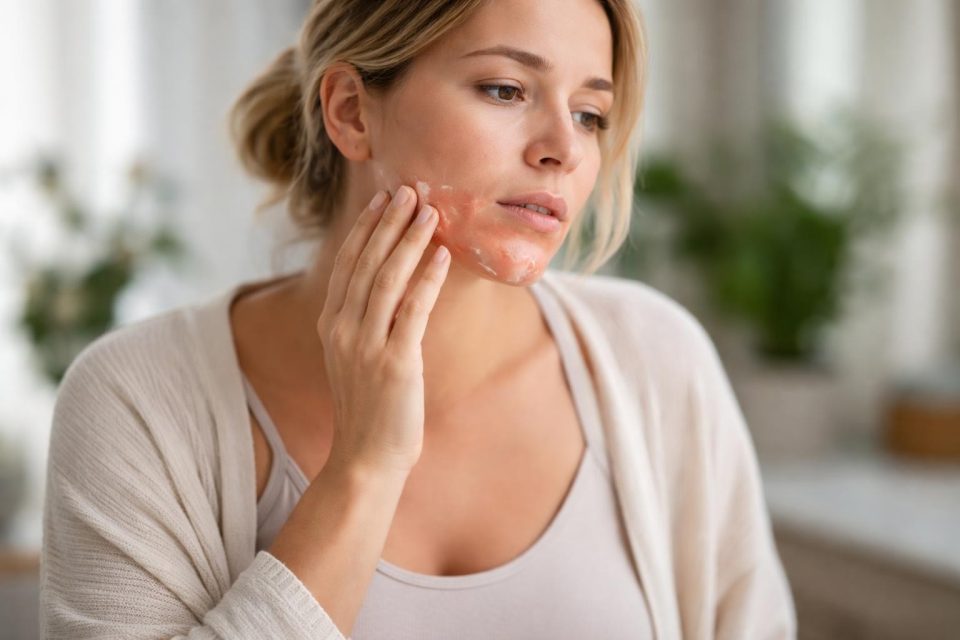
Pregnancy transforms your body in countless ways, and your skin is no exception. While many expectant mothers anticipate the famous "pregnancy glow," some experience less pleasant skin changes. One particularly frustrating condition that can emerge during these nine months is perioral dermatitis during pregnancy, a red, bumpy rash that appears around the mouth, nose, and sometimes eyes. This inflammatory skin condition can make you feel self-conscious precisely when you want to feel your best. Understanding what causes this condition and how to manage it safely becomes essential for maintaining both your comfort and confidence throughout your pregnancy journey.
What Makes Perioral Dermatitis Different During Pregnancy
Perioral dermatitis presents as small, red, inflammatory bumps clustered around your mouth, creating a distinctive pattern that sets it apart from typical acne or eczema. During pregnancy, this condition takes on unique characteristics that reflect the dramatic hormonal shifts occurring in your body.
The rash typically spares a small border of skin directly adjacent to your lips, creating what dermatologists call a "clear zone." This distinguishing feature helps identify the condition correctly. You might notice:
- Tiny red or pink bumps forming symmetrical patterns
- Mild burning or itching sensations around affected areas
- Dry, flaky patches that resist typical moisturizers
- Scale or crust development as bumps progress
The Hormonal Connection
Pregnancy hormones don't just affect your mood and energy levels. They fundamentally alter your skin's behavior. Elevated estrogen and progesterone levels increase oil production while simultaneously making your skin more reactive and sensitive. This creates the perfect environment for perioral dermatitis during pregnancy to develop or worsen.
Pregnancy hormones can trigger various skin conditions, making expectant mothers more susceptible to inflammatory skin reactions. Your immune system also shifts during pregnancy, potentially triggering inflammatory responses that wouldn't occur otherwise.
Common Triggers and Risk Factors
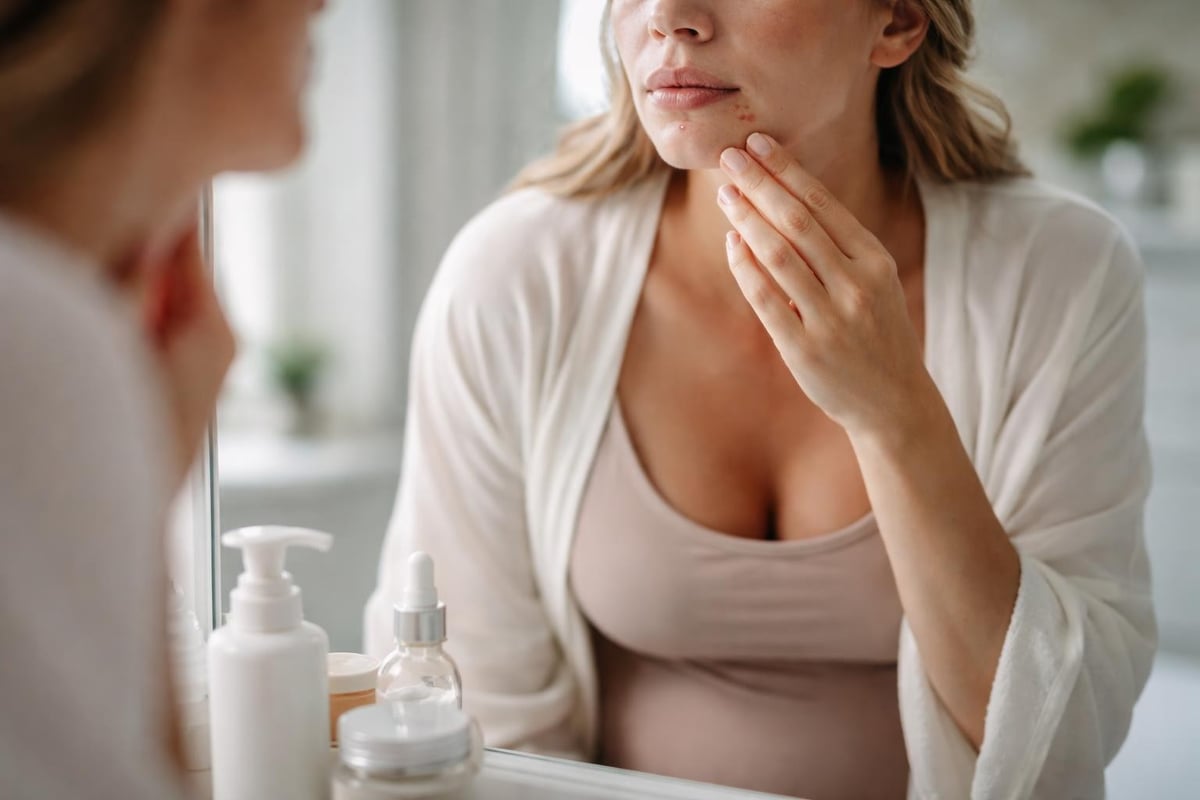
Understanding what provokes perioral dermatitis during pregnancy empowers you to make informed choices about your skincare routine. Several factors can initiate or aggravate this condition, and many relate directly to pregnancy-related changes.
Skincare Product Overload
Many pregnant women increase their skincare efforts, hoping to maintain clear, healthy skin. Ironically, this well-intentioned approach often backfires. Heavy facial creams, particularly those containing:
| Ingredient Type | Why It's Problematic | Common Sources |
|---|---|---|
| Petroleum derivatives | Occludes pores, traps bacteria | Thick moisturizers, lip balms |
| Fluorinated compounds | Triggers inflammation | Toothpaste, medicated products |
| Synthetic fragrances | Irritates sensitive pregnancy skin | Most conventional cosmetics |
The increased skin sensitivity during pregnancy means products you've used for years might suddenly become irritants. Finding gentle alternatives for sensitive skin becomes crucial during this vulnerable period.
Hormonal Fluctuations
Your body produces significantly more hormones during pregnancy than at any other time in your life. These hormonal surges don't maintain steady levels; they fluctuate throughout your pregnancy, creating waves of skin reactivity. Understanding hormonal changes and skin sensitivity helps explain why symptoms might appear suddenly in your second trimester or worsen as you approach delivery.
Environmental and Lifestyle Factors
Beyond hormones and products, several environmental elements contribute to flare-ups:
- Temperature extremes that stress already-sensitive skin
- Increased saliva exposure from pregnancy-related nausea
- Dietary changes affecting inflammation levels
- Stress responses that trigger cortisol spikes
- Reduced sleep quality impacting skin repair processes
Safe Treatment Approaches for Expectant Mothers
Managing perioral dermatitis during pregnancy requires a delicate balance. Many conventional treatments used outside pregnancy aren't safe for developing babies, so you'll need to focus on gentle, natural approaches.
The Elimination Strategy
Your first step should always involve removing potential irritants rather than adding new products. This counterintuitive approach often yields the fastest results.
Immediate actions to take:
- Stop using all fluoride toothpaste (switch to fluoride-free alternatives)
- Eliminate heavy facial creams and thick moisturizers
- Remove all makeup from affected areas temporarily
- Discontinue scented products near your face
- Avoid steroid creams unless prescribed by your doctor
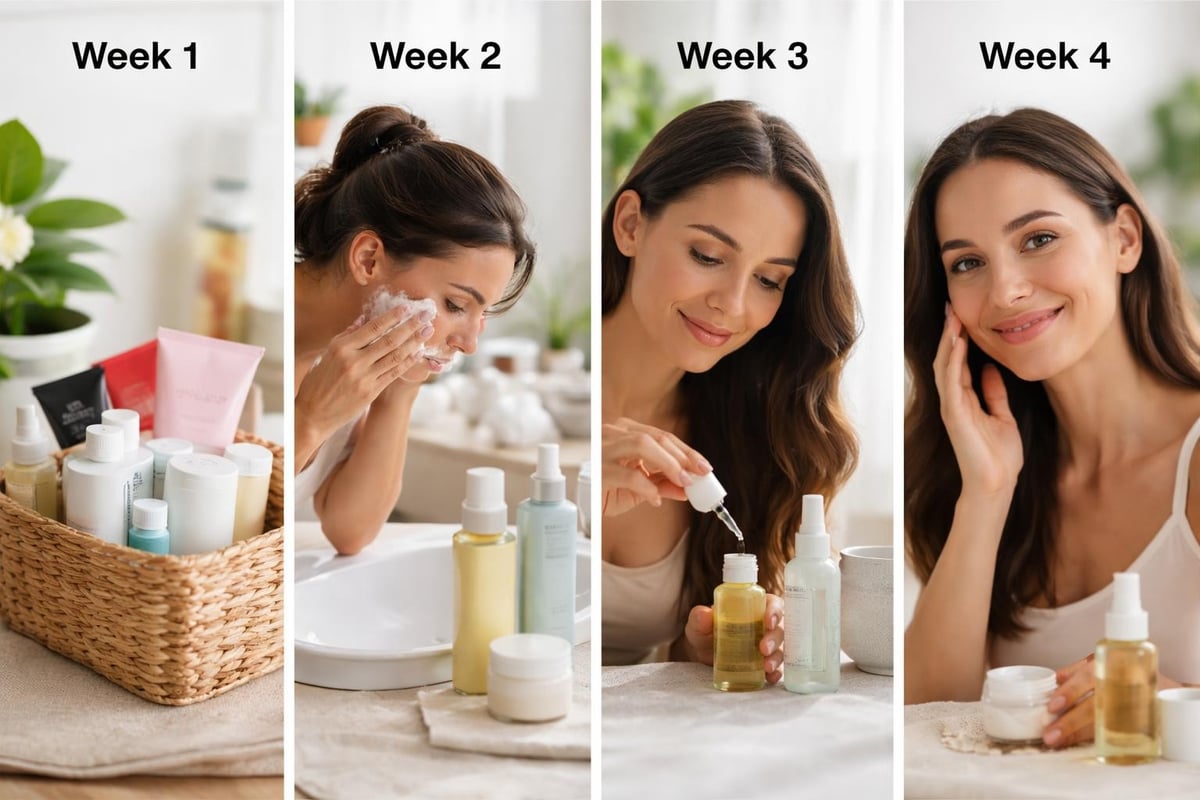
This "zero therapy" approach might initially worsen your symptoms as your skin adjusts, but most women notice improvement within two to three weeks.
Natural, Pregnancy-Safe Solutions
Once you've eliminated irritants, you can introduce gentle, supportive treatments. Natural face creams for delicate skin offer hydration without overwhelming sensitive pregnancy skin.
Consider these safe options:
- Gentle cleansing with lukewarm water and minimal product
- Lightweight, fragrance-free moisturizers applied sparingly
- Zinc-based products that calm inflammation
- Colloidal oatmeal treatments to soothe irritation
- Probiotic skincare supporting healthy skin microbiome
Medical Treatments Your Doctor Might Recommend
While natural approaches should be your first line of defense, some cases require medical intervention. Certain topical antibiotics, like erythromycin and azithromycin, are considered safe during pregnancy when needed.
Your healthcare provider might suggest:
| Treatment | Safety Profile | Typical Duration |
|---|---|---|
| Topical erythromycin | Generally safe throughout pregnancy | 6-12 weeks |
| Topical metronidazole | Safe after first trimester | 8-12 weeks |
| Azelaic acid | Pregnancy category B, generally safe | 12+ weeks |
Never use tetracycline antibiotics, isotretinoin, or strong topical steroids during pregnancy without explicit medical guidance, as these can harm fetal development.
Daily Care Routines That Actually Work
Creating a sustainable daily routine helps manage perioral dermatitis during pregnancy while supporting overall skin health. Consistency matters more than complexity when dealing with this condition.
Morning Protocol
Start your day with minimal intervention. Your morning routine during active perioral dermatitis should take less than five minutes:
- Rinse face with lukewarm water only
- Pat dry gently with a clean, soft towel
- Apply a thin layer of pregnancy-safe moisturizer if needed
- Use mineral-based sunscreen on unaffected areas
Evening Essentials
Nighttime offers your skin its best opportunity for repair and recovery. Keep this routine equally simple:
- Remove any makeup with micellar water or oil cleanser
- Cleanse gently with a pH-balanced, fragrance-free cleanser
- Apply treatment products prescribed by your doctor
- Use minimal moisturizer only on dry patches
Choosing appropriate face serums for sensitive skin can provide targeted support without overwhelming your compromised skin barrier.
Differentiating From Other Pregnancy Skin Conditions
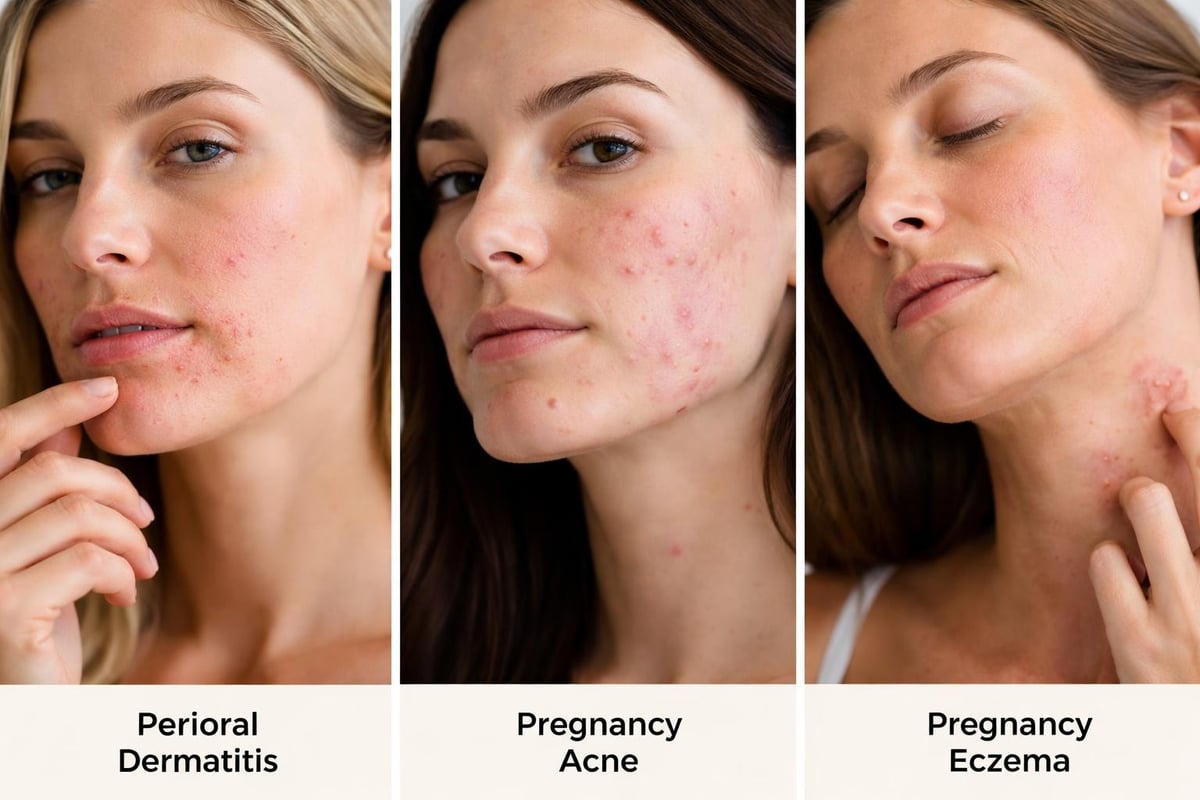
Pregnancy brings numerous skin changes, and perioral dermatitis during pregnancy can sometimes be confused with other conditions. Accurate identification ensures you're using the right treatment approach.
Pregnancy Acne vs. Perioral Dermatitis
While both involve bumps and inflammation, they differ significantly:
Pregnancy acne typically includes comedones (blackheads and whiteheads), appears across broader facial areas, and responds to conventional acne treatments. Perioral dermatitis lacks comedones, clusters specifically around mouth and nose, and often worsens with acne treatments.
Pregnancy-Related Eczema
Eczema during pregnancy can affect various body parts and typically involves intense itching, thicker plaques, and different distribution patterns than perioral dermatitis. However, both conditions share sensitivity to irritants and inflammatory triggers.
When to Seek Professional Diagnosis
Sometimes what appears to be perioral dermatitis might actually be Demodex folliculitis or other conditions requiring different treatment approaches. Consult a dermatologist if:
- Your rash doesn't improve after four weeks of conservative treatment
- Symptoms spread beyond the perioral area
- You develop fever or systemic symptoms
- The condition significantly impacts your quality of life
Dietary and Lifestyle Modifications
What you put into your body affects what appears on your skin. During pregnancy, when you're already making dietary adjustments, strategic choices can help manage perioral dermatitis.
Anti-Inflammatory Eating
Focus on foods that naturally reduce inflammation throughout your body:
- Omega-3 rich foods like wild salmon, walnuts, and chia seeds
- Colorful vegetables providing diverse antioxidants
- Probiotic foods supporting gut and skin microbiome health
- Clean proteins from sustainable sources
- Hydrating fruits with high water content
Foods to Minimize
Certain foods may exacerbate inflammatory conditions during pregnancy:
| Food Category | Why Reduce | Better Alternative |
|---|---|---|
| Processed sugars | Trigger inflammation, worsen skin | Fresh fruits, honey |
| Dairy products | May increase skin reactivity | Plant-based alternatives |
| Refined carbohydrates | Spike blood sugar, affect hormones | Whole grains, legumes |
| Excessive salt | Promotes water retention | Herbs and spices |
Stress Management Techniques
Pregnancy stress directly impacts your skin's inflammatory response. Incorporating daily stress reduction practices supports both your mental wellbeing and skin health:
- Prenatal yoga adapted for your trimester
- Meditation or mindfulness practices
- Gentle walking in nature
- Adequate sleep prioritization
- Connection with supportive community
Prevention Strategies for Future Pregnancies
If you've experienced perioral dermatitis during pregnancy, you'll want to minimize recurrence risk in future pregnancies. Proactive strategies make a significant difference.
Pre-Pregnancy Skincare Preparation
Before conceiving again, establish a simplified skincare routine using only pregnancy-safe products. This approach lets you identify which products work well with your skin before hormonal changes complicate matters.
Build your core routine around:
- Gentle, pH-balanced cleanser
- Lightweight, fragrance-free moisturizer
- Mineral sunscreen for daily protection
- Pregnancy-safe treatment products as needed
Early Intervention Mindset
Watch for early warning signs during subsequent pregnancies. Slight redness, mild irritation, or increased sensitivity around your mouth signal potential flare-ups. Addressing these symptoms immediately prevents full-blown perioral dermatitis from developing.
Long-Term Outlook and Recovery
The good news about perioral dermatitis during pregnancy is that it's typically temporary. Most women see significant improvement or complete resolution within weeks to months of appropriate treatment.
Post-Pregnancy Timeline
After delivery, your hormones gradually return to pre-pregnancy levels over several months. This hormonal normalization often coincides with perioral dermatitis resolution, though the timeline varies individually:
- Immediate postpartum (0-2 weeks): Symptoms may initially worsen due to dramatic hormonal shifts
- Early postpartum (2-8 weeks): Gradual improvement typically begins
- Mid-postpartum (2-4 months): Most women experience substantial clearing
- Extended recovery (4-12 months): Complete resolution for majority of cases
Maintaining Clear Skin
Once your perioral dermatitis clears, maintaining results requires ongoing attention to skin health. Using appropriate sensitive skin creams helps preserve your skin's barrier function and prevents recurrence.
Continue avoiding known triggers even after symptoms resolve. Your skin may remain more reactive for several months postpartum, so patience and gentle care remain essential.
Building Your Support Network
Managing perioral dermatitis during pregnancy feels less overwhelming when you have proper support. Don't hesitate to assemble a team of professionals and personal connections who understand your situation.
Your support network might include:
- A dermatologist experienced with pregnancy skin conditions
- Your obstetrician or midwife for coordinated care
- A trusted aesthetician knowledgeable about pregnancy-safe treatments
- Online or local support groups for expectant mothers
- Family and friends who provide emotional encouragement
Understanding common dermatology concerns helps you advocate effectively for appropriate care during medical appointments.
Remember that perioral dermatitis during pregnancy, while frustrating, represents a temporary challenge in your journey to motherhood. With proper understanding, gentle treatment approaches, and patience, you can successfully manage this condition while nurturing both yourself and your growing baby.
Managing perioral dermatitis during pregnancy requires a thoughtful approach that prioritizes both effectiveness and safety for you and your baby. By eliminating irritants, adopting gentle natural skincare practices, and working closely with healthcare providers, you can navigate this temporary condition with confidence. When you're ready to explore pregnancy-safe, natural skincare solutions that respect your skin's delicate balance, Sinusoothe Ltd offers carefully formulated products designed specifically for sensitive skin during this transformative time.