
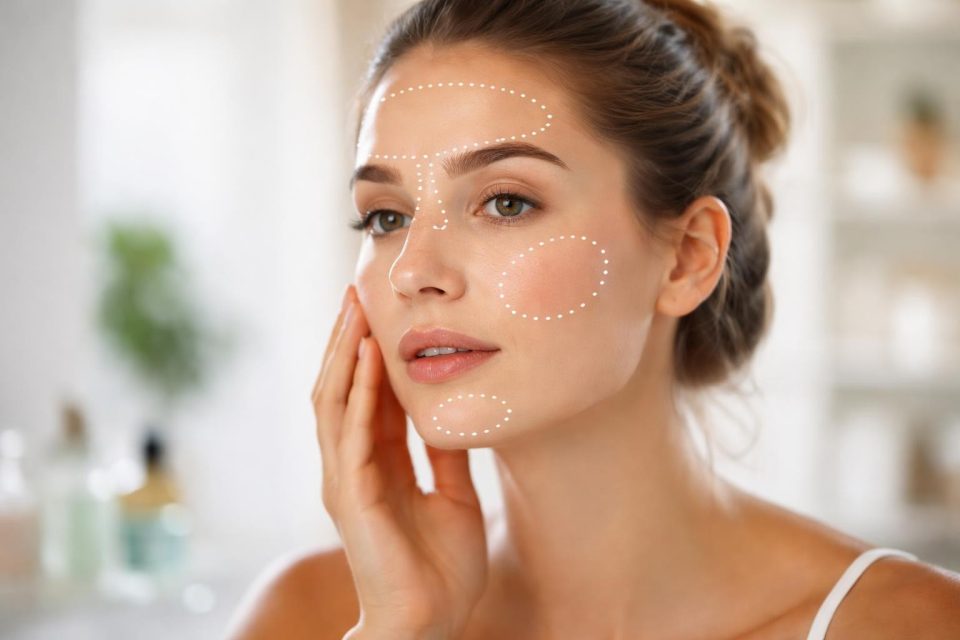
If you've ever looked in the mirror mid-afternoon only to find your face resembling a glazed donut, you're certainly not alone. The oily skin problem affects millions of people worldwide, creating frustration and self-consciousness that extends far beyond cosmetic concerns. Understanding why your skin produces excess sebum is the first step toward achieving the balanced, healthy complexion you deserve. This comprehensive guide explores everything from the scientific reasons behind excessive oil production to practical, natural solutions that actually work.
What Causes Your Skin to Produce Excess Oil?
The oily skin problem stems from overactive sebaceous glands that produce too much sebum, the natural oil that keeps your skin moisturized and protected. While sebum serves an essential protective function, excessive production creates that unwanted shine and can lead to clogged pores, breakouts, and makeup that slides off by lunchtime.
The Science Behind Sebum Production
Your sebaceous glands respond to various internal and external triggers. Genetics plays a significant role in determining skin type, meaning if your parents struggled with oily skin, you're more likely to experience it yourself. Hormonal fluctuations, particularly during puberty, menstruation, pregnancy, or times of stress, can dramatically increase oil production.
Key factors that trigger excess oil:
- Hormonal imbalances (androgens, estrogen, testosterone)
- Genetic predisposition
- Climate and humidity levels
- Incorrect skincare product choices
- Diet and lifestyle habits
- Stress and sleep patterns
Environmental conditions also play a crucial role. Hot, humid weather stimulates your glands to work overtime, while certain skincare routines can inadvertently worsen the problem. Many people with oily skin make the mistake of over-cleansing or using harsh products that strip away too much oil, causing the skin to compensate by producing even more sebum.

Identifying Your Specific Oily Skin Type
Not all oily skin presents the same way. Some people experience shine across their entire face, while others battle combination skin with an oily T-zone and dry cheeks. Understanding your specific pattern helps you choose the most effective treatment approach for your oily skin problem.
The Different Manifestations of Oily Skin
| Skin Type | Characteristics | Common Issues | Best Approach |
|---|---|---|---|
| Oily All Over | Shine across entire face | Large pores, frequent breakouts | Lightweight, oil-free products |
| Combination Oily | Oily T-zone, normal/dry cheeks | Uneven texture, occasional breakouts | Zone-targeted treatment |
| Oily & Dehydrated | Shine with flaky patches | Overproduction compensating for dryness | Hydrating, balancing formulas |
| Oily & Sensitive | Shine plus redness/irritation | Breakouts with inflammation | Gentle, natural ingredients |
Dehydrated oily skin deserves special attention because it's frequently misunderstood. Your skin can simultaneously be oily and dehydrated, producing excess sebum to compensate for lack of water. This creates a challenging cycle where traditional oily skin treatments may worsen dehydration, leading to even more oil production.
Natural Remedies That Actually Balance Oil Production
The beauty of addressing the oily skin problem naturally lies in working with your skin rather than against it. Natural skincare products from quality sources like Mama Nature help restore balance without harsh chemicals that disrupt your skin's natural barrier function.
Daily Cleansing Techniques
Proper cleansing forms the foundation of any effective oily skin routine. You need to remove excess oil, dirt, and impurities without stripping your skin completely bare. WebMD recommends washing your face twice daily with a gentle, pH-balanced cleanser designed for oily skin.
Optimal cleansing protocol:
- Use lukewarm water (hot water stimulates more oil production)
- Apply a small amount of gentle cleanser
- Massage in circular motions for 30-60 seconds
- Rinse thoroughly with cool water
- Pat dry with a clean towel (don't rub)
- Follow immediately with appropriate treatments
Double cleansing has gained popularity in 2026, particularly for those who wear makeup or sunscreen. This method involves using an oil-based cleanser first to dissolve makeup and sebum, followed by a water-based cleanser to remove remaining impurities. Contrary to what you might think, using oil to cleanse oily skin works because similar substances attract and dissolve each other.
Botanical Ingredients That Combat Excess Oil
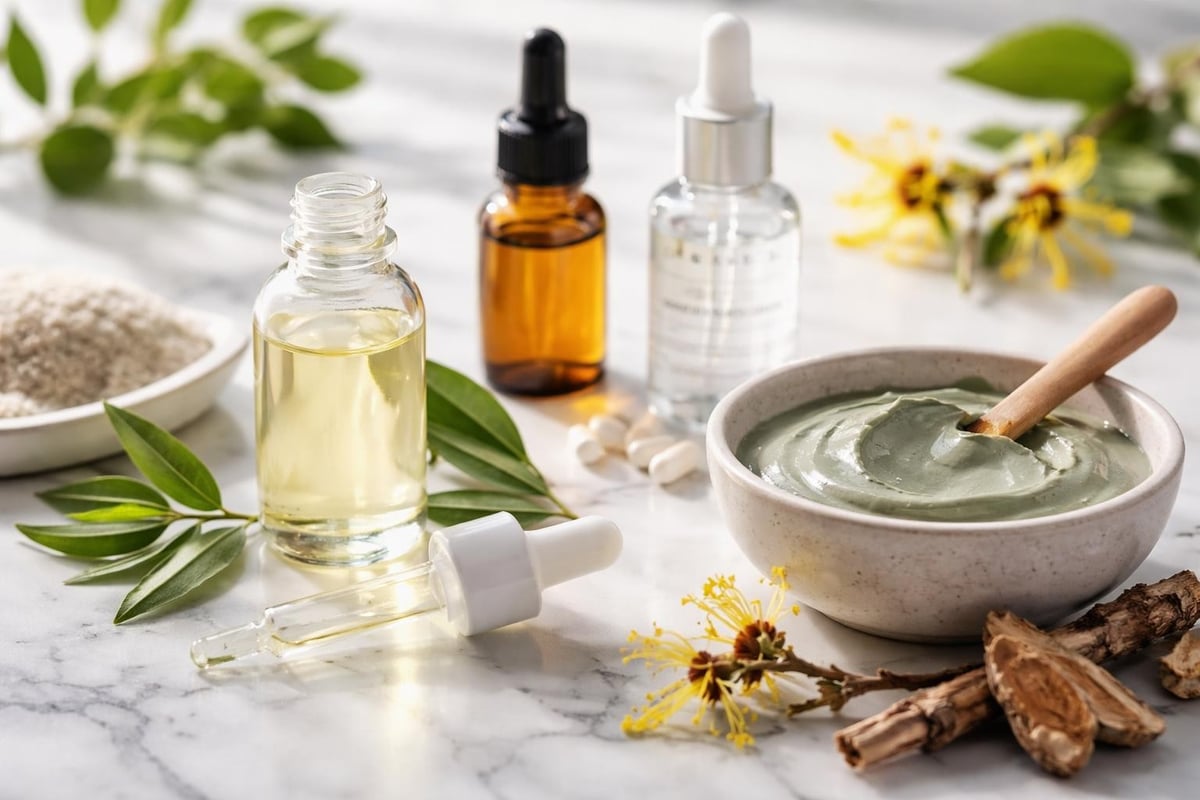
Natural ingredients offer powerful solutions for the oily skin problem without the harsh side effects of synthetic chemicals. Tea tree oil possesses antimicrobial properties that help prevent breakouts while regulating sebum production. Witch hazel acts as a natural astringent, tightening pores and reducing inflammation.
Niacinamide (vitamin B3) has emerged as a superstar ingredient for oily skin management. It regulates sebum production, minimizes pore appearance, and strengthens the skin barrier. Clay masks containing kaolin or bentonite absorb excess oil without over-drying, making them perfect weekly treatments.
If you're dealing with both oiliness and sensitivity, exploring sensitive skin remedies can help you find gentle solutions that won't trigger irritation while managing oil production.
Building Your Perfect Oily Skin Routine
Creating an effective routine requires understanding that consistency trumps complexity. Your oily skin problem won't improve overnight, but a well-structured regimen maintained over 6-8 weeks can produce remarkable results.
Morning Routine Essentials
Morning skincare sets the foundation for how your skin behaves throughout the day. Start with that gentle cleanser, then apply a lightweight, oil-free toner to balance pH levels and tighten pores. Many people with oily skin skip moisturizer, thinking it will make them shinier, but this actually worsens the problem.
Choose a gel-based or water-based moisturizer that provides hydration without heavy oils. Your skin needs moisture to function properly, and when it's properly hydrated, it produces less compensatory oil. Face serums designed for sensitive skin often work beautifully for oily skin types because they deliver concentrated ingredients without heavy textures.
Evening Repair Protocol
Nighttime offers your skin the opportunity to repair and regenerate. After cleansing, consider using a gentle chemical exfoliant 2-3 times weekly. Salicylic acid works particularly well for oily, acne-prone skin because it penetrates pores to dissolve oil and debris.
Weekly treatment schedule:
- Monday: Regular cleansing routine
- Wednesday: Clay mask (10-15 minutes)
- Friday: Gentle exfoliation
- Sunday: Hydrating sheet mask
Apply targeted treatments next. Niacinamide serums, retinol (if tolerated), or natural botanical extracts can address specific concerns while you sleep. Finish with a lightweight night cream or gel that supports overnight repair without clogging pores.
Diet and Lifestyle Factors That Influence Oil Production
Your oily skin problem doesn't exist in isolation from the rest of your health. What you eat, how much you sleep, and how you manage stress all directly impact sebum production. Research indicates a strong connection between lifestyle factors and skin oiliness.
Foods That Help or Hinder
High-glycemic foods like white bread, sugary snacks, and processed carbohydrates spike insulin levels, which in turn stimulates androgen production and increases sebum. Dairy products, particularly skim milk, have been linked to increased acne and oiliness in some individuals.
Conversely, foods rich in omega-3 fatty acids (salmon, walnuts, flaxseeds) possess anti-inflammatory properties that may help regulate oil production. Zinc-rich foods like pumpkin seeds, chickpeas, and oysters support healthy skin function. Antioxidant-packed vegetables and fruits protect against oxidative stress that can trigger excess sebum.
| Food Category | Best Choices | Foods to Limit |
|---|---|---|
| Proteins | Wild-caught fish, legumes | Processed meats |
| Carbohydrates | Quinoa, sweet potatoes | White bread, pastries |
| Fats | Avocado, olive oil, nuts | Trans fats, excessive dairy |
| Beverages | Water, green tea | Sugary drinks, alcohol |
The Stress-Skin Connection
Chronic stress elevates cortisol levels, which triggers increased oil production and inflammation. Finding effective stress management techniques becomes part of your oily skin solution. Regular exercise, adequate sleep (7-9 hours nightly), meditation, and time in nature all contribute to balanced hormone levels and healthier skin.
Hydration deserves special emphasis. Drinking sufficient water (approximately 8 glasses daily, more if you exercise) helps flush toxins and keeps skin cells functioning optimally. Well-hydrated skin produces less compensatory oil because it's not trying to protect itself from dehydration.

Advanced Natural Treatments for Stubborn Oiliness
When basic routines aren't quite enough, several advanced natural approaches can help tackle persistent oily skin problems. These methods work synergistically with your daily routine to provide enhanced oil control.
Professional-Grade Natural Solutions
Natural acids like mandelic acid and azelaic acid offer powerful oil-regulating benefits without the harshness of synthetic alternatives. Mandelic acid, derived from bitter almonds, exfoliates gently while regulating sebum and brightening skin tone. Azelaic acid, found in grains like wheat and barley, reduces oil production while fighting acne-causing bacteria.
Facial oils might seem counterintuitive for oily skin, but certain lightweight oils actually help balance sebum production. Jojoba oil closely mimics skin's natural sebum, signaling your glands to produce less. Rosehip seed oil provides vitamin A and essential fatty acids without clogging pores. Hemp seed oil delivers omega-3 and omega-6 in the perfect ratio for skin health.
At-Home Treatment Techniques
Facial steaming opens pores and facilitates deep cleansing. Once weekly, hold your face over a bowl of hot water (with optional herbs like chamomile or lavender) for 5-10 minutes, then follow with a clay mask. This combination effectively draws out impurities and excess oil.
Blotting papers provide immediate oil control throughout the day without disturbing makeup. Keep a pack in your bag for quick touch-ups. Unlike powder, which can clog pores with repeated application, blotting papers simply absorb excess oil.
Ice therapy tightens pores and reduces inflammation. Wrap an ice cube in a clean cloth and gently glide it over your face for a few minutes, focusing on particularly oily areas. This simple technique temporarily reduces oil production and creates a smooth canvas for makeup application.
Seasonal Adjustments for Year-Round Oil Control
Your oily skin problem likely varies with the seasons, requiring thoughtful adjustments to maintain optimal balance throughout the year. What works perfectly in winter may prove inadequate during humid summer months.
Summer Strategies
Hot, humid weather sends sebaceous glands into overdrive. Lighten your routine by switching to gel-based moisturizers and oil-free sunscreens. Consider mineral sunscreens with zinc oxide, which absorbs excess oil while providing sun protection. Refresh your face with rosewater or green tea mists throughout the day to cool skin and remove excess oil.
Exfoliation becomes even more important during summer to prevent clogged pores from sweat and sunscreen. Increase frequency to 3-4 times weekly if your skin tolerates it well, always following with appropriate hydration.
Winter Modifications
Cold, dry air creates unique challenges for oily skin. While you might produce less oil overall, indoor heating can dehydrate skin, triggering compensatory oil production. Balance becomes crucial. You may need a slightly richer moisturizer than your summer formula, though still oil-free or lightweight.
For those with combination tendencies, consider face cream options for delicate skin that provide adequate hydration without heaviness. Don't abandon your oil-control measures entirely, but adjust intensity based on your skin's feedback.
Common Mistakes That Worsen Oily Skin
Understanding what not to do proves just as important as knowing the right steps. Many well-intentioned skincare practices actually aggravate the oily skin problem rather than improving it.
Mistakes to avoid:
- Over-cleansing (more than twice daily)
- Using alcohol-based toners that strip skin
- Skipping moisturizer completely
- Applying too many active ingredients simultaneously
- Picking or squeezing blemishes
- Using dirty makeup brushes and sponges
- Sleeping in makeup
- Touching your face throughout the day
The "squeaky clean" feeling after washing might seem like a good thing, but it actually indicates you've stripped away too much oil. Your skin should feel clean but comfortable, never tight or dry. That stripped feeling triggers increased oil production as your skin rushes to restore its protective barrier.
Similarly, using too many active ingredients simultaneously can overwhelm and irritate skin. If you're using salicylic acid, niacinamide, retinol, and vitamin C all at once, your skin may react with increased sensitivity and oil production. Introduce new products one at a time, spacing them at least two weeks apart to assess individual effects.
Makeup and Oily Skin: Making It Work
Having an oily skin problem doesn't mean you can't wear makeup successfully. The right products and application techniques ensure your makeup stays put while allowing your skin to breathe.
Product Selection Strategies
Choose oil-free, non-comedogenic formulas labeled "mattifying" or "long-wear." Mineral makeup works exceptionally well for oily skin because it absorbs excess sebum throughout the day. Powder foundations often perform better than liquid formulas, though modern long-wear liquids designed specifically for oily skin can also succeed.
Setting spray has evolved significantly in 2026, with natural formulations that control oil while keeping makeup fresh for hours. Look for products containing witch hazel, tea tree, or niacinamide. Apply after completing your makeup, holding the bottle 8-10 inches away and misting in an "X" and "T" pattern across your face.
| Makeup Category | Best Formulas | Application Tips |
|---|---|---|
| Primer | Mattifying, pore-filling | Focus on oily zones |
| Foundation | Powder or oil-free liquid | Use damp sponge for sheer coverage |
| Concealer | Creamy but oil-free | Set with translucent powder |
| Powder | Translucent or mineral | Press, don't swipe |
| Setting Spray | Alcohol-free, mattifying | Multiple light layers |
Application and Maintenance
Start with a mattifying primer on your oiliest areas, typically the T-zone. Apply foundation with a damp beauty sponge for better control and a more natural finish than brushes provide. Set strategically with powder only where needed, not across your entire face.
Keep blotting papers and a small powder compact for midday touch-ups. Blot first to remove excess oil, then lightly dust powder only if necessary. Avoid the temptation to layer on more foundation or concealer, which creates a cakey appearance and clogs pores.
The Role of Professional Guidance
While natural remedies and consistent home care form the foundation of managing the oily skin problem, sometimes professional guidance accelerates progress and prevents frustration. Understanding when to consult skincare experts helps you make informed decisions about your skin health.
Persistent concerns that don't respond to 8-12 weeks of diligent home care warrant professional evaluation. Dermatologists can assess whether underlying conditions like hormonal imbalances, polycystic ovary syndrome (PCOS), or thyroid issues contribute to your oily skin. They can also rule out conditions that mimic oily skin, such as seborrheic dermatitis.
Estheticians specializing in natural skincare offer professional treatments that complement your home routine. Regular facials designed for oily skin, including deep cleansing, extractions, and targeted masks, can significantly improve your results. They also provide personalized product recommendations based on your specific skin behavior and needs.
Long-Term Management and Realistic Expectations
Managing the oily skin problem effectively requires understanding that while you can significantly improve your skin's appearance and health, you likely won't completely eliminate oil production. Your sebaceous glands serve important protective functions, and some oil production is both normal and necessary.
Setting realistic expectations prevents frustration and helps you appreciate the progress you make. Most people notice improvement within 4-6 weeks of consistent routine implementation, with continued enhancement over 3-6 months. Your skin's oil production may decrease by 30-50%, pores may appear smaller, and breakouts should reduce in frequency and severity.
Remember that various factors will cause temporary fluctuations. Hormonal cycles, stress, weather changes, and dietary variations all influence oil production. Rather than viewing occasional oilier days as failures, recognize them as normal variations within an overall improved baseline.
Track your progress with monthly photos taken in consistent lighting. This objective documentation helps you see improvements that might be hard to notice day-to-day. Note what works well and what doesn't in a simple skincare journal, creating your personalized roadmap to optimal skin health.
Managing oily skin successfully combines understanding your skin's unique needs with consistent application of natural, gentle solutions that work with your body rather than against it. The journey to balanced, healthy skin requires patience and persistence, but the results are absolutely worth the effort. Sinusoothe Ltd offers carefully formulated natural skincare products designed to support your skin's natural balance while addressing excess oil production. Discover how botanical ingredients and thoughtful formulations can transform your oily skin problem into radiant, confident skin health.