

Finding the perfect skincare routine when you have combination skin feels like solving a puzzle. One part of your face is producing excess oil while another begs for moisture. This unique skin type affects millions of people worldwide, creating a constant balancing act between managing shine and preventing dryness. The right combination skin mask can transform your skincare routine, addressing multiple concerns simultaneously while bringing your complexion into perfect harmony. Let's explore how to master the art of masking for combination skin using natural, effective approaches that work with your skin's unique characteristics.
Understanding Combination Skin and Why It Needs Special Care
Combination skin is characterized by an oily T-zone (forehead, nose, and chin) combined with normal to dry cheeks and outer facial areas. This skin type presents unique challenges that require thoughtful solutions.
Key characteristics include:
- Enlarged pores concentrated in the T-zone area
- Occasional breakouts primarily on the forehead, nose, or chin
- Dry patches appearing on cheeks or around the mouth
- Seasonal variations affecting oil production and dryness
- Different hydration needs across facial zones
The characteristics of combination skin create specific challenges that generic skincare products often fail to address. Your skin doesn't fit neatly into one category, which means you need targeted strategies rather than one-size-fits-all solutions.
The Science Behind Multi-Masking
Multi-masking has revolutionized how we approach combination skin care. This technique involves applying different masks to different facial zones based on their specific needs.
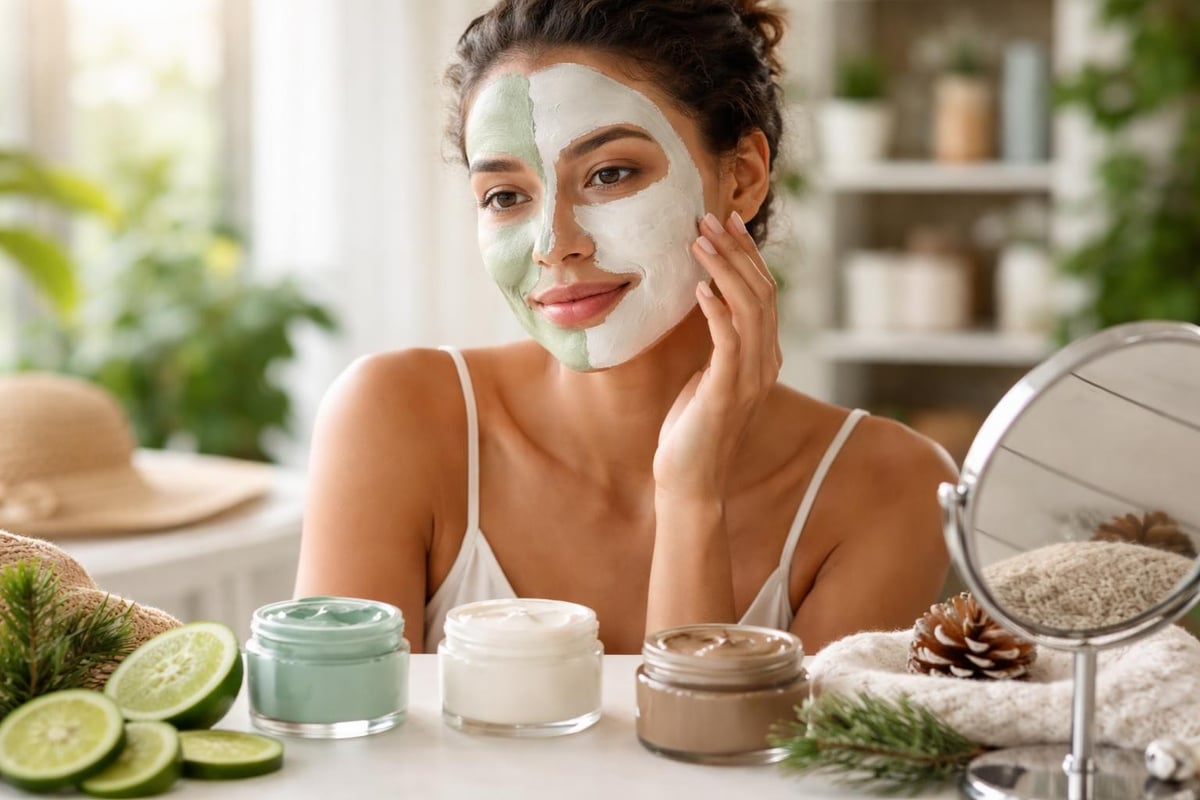
Think of it as creating a customized treatment map for your face. Your oily T-zone might benefit from a clay-based purifying mask, while your dry cheeks need intense hydration from a cream-based formula. This personalized approach delivers better results than applying a single mask across your entire face.
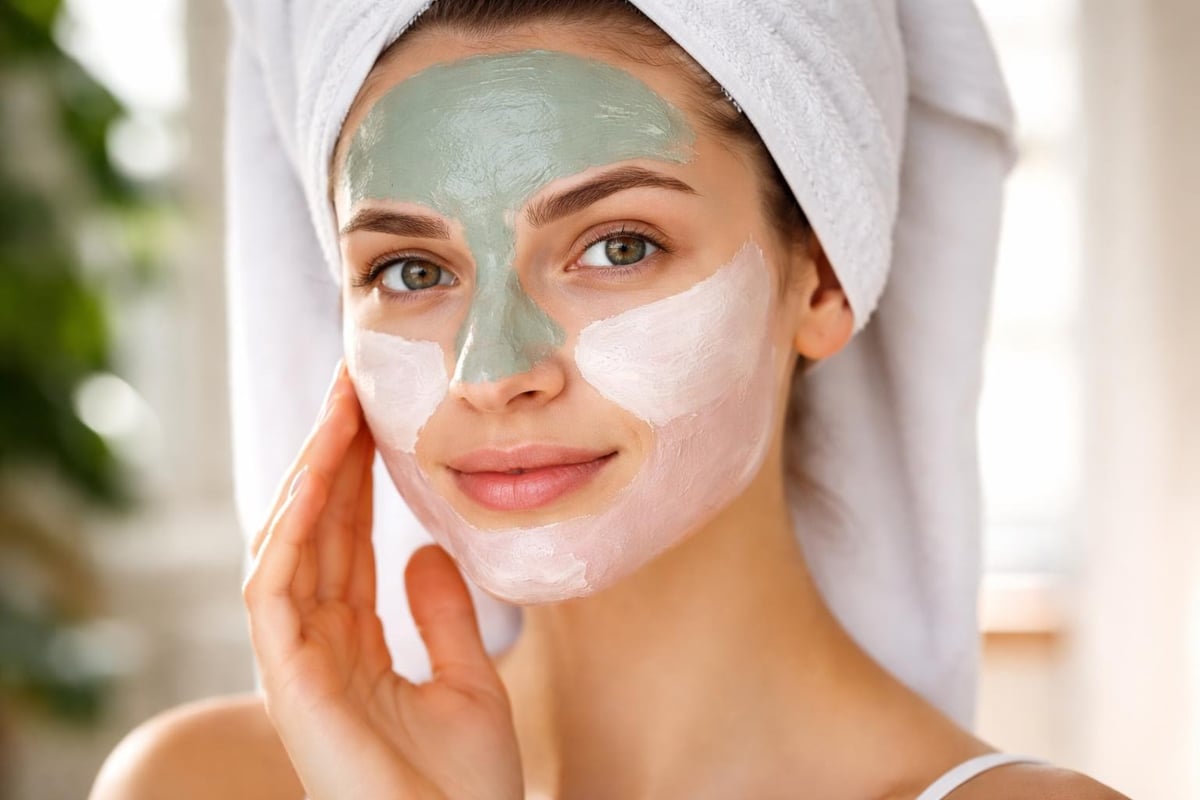
Choosing the Right Combination Skin Mask for Your Needs
Selecting an effective combination skin mask requires understanding both your skin's current condition and your treatment goals. Natural ingredients offer powerful benefits without harsh chemicals that might disrupt your skin's delicate balance.
| Mask Type | Best For | Key Ingredients | Application Zone |
|---|---|---|---|
| Clay Masks | Oil control, pore refinement | Kaolin, bentonite, activated charcoal | T-zone only |
| Hydrating Masks | Moisture boost, plumping | Hyaluronic acid, aloe vera, honey | Cheeks and dry areas |
| Enzyme Masks | Gentle exfoliation | Papaya, pumpkin, pineapple | Entire face (avoid active breakouts) |
| Sheet Masks | Quick hydration | Green tea, niacinamide, ceramides | Entire face |
Natural ingredients provide gentle yet effective treatment options. Clay-based formulations work beautifully for managing excess sebum production in oily zones. Meanwhile, ingredients like honey and aloe vera deliver soothing hydration where your skin needs it most.
Natural Ingredients That Balance Combination Skin
When formulating or selecting a combination skin mask, certain natural ingredients consistently deliver outstanding results:
For oily zones:
- Kaolin clay absorbs excess oil without over-drying
- Tea tree oil provides antibacterial benefits
- Witch hazel minimizes pores and controls shine
- Charcoal draws out impurities from congested pores
For dry areas:
- Hyaluronic acid attracts and retains moisture
- Avocado oil nourishes without feeling heavy
- Cucumber extract soothes and refreshes
- Rose water balances pH while hydrating
The formulation and evaluation of herbal face masks demonstrates how natural ingredients can effectively address multiple skin concerns simultaneously, making them ideal for combination skin types.
Application Techniques for Maximum Effectiveness
Proper application techniques dramatically impact your combination skin mask results. Rushing through the process or applying products incorrectly can limit their effectiveness or even cause irritation.
Step-by-Step Application Process
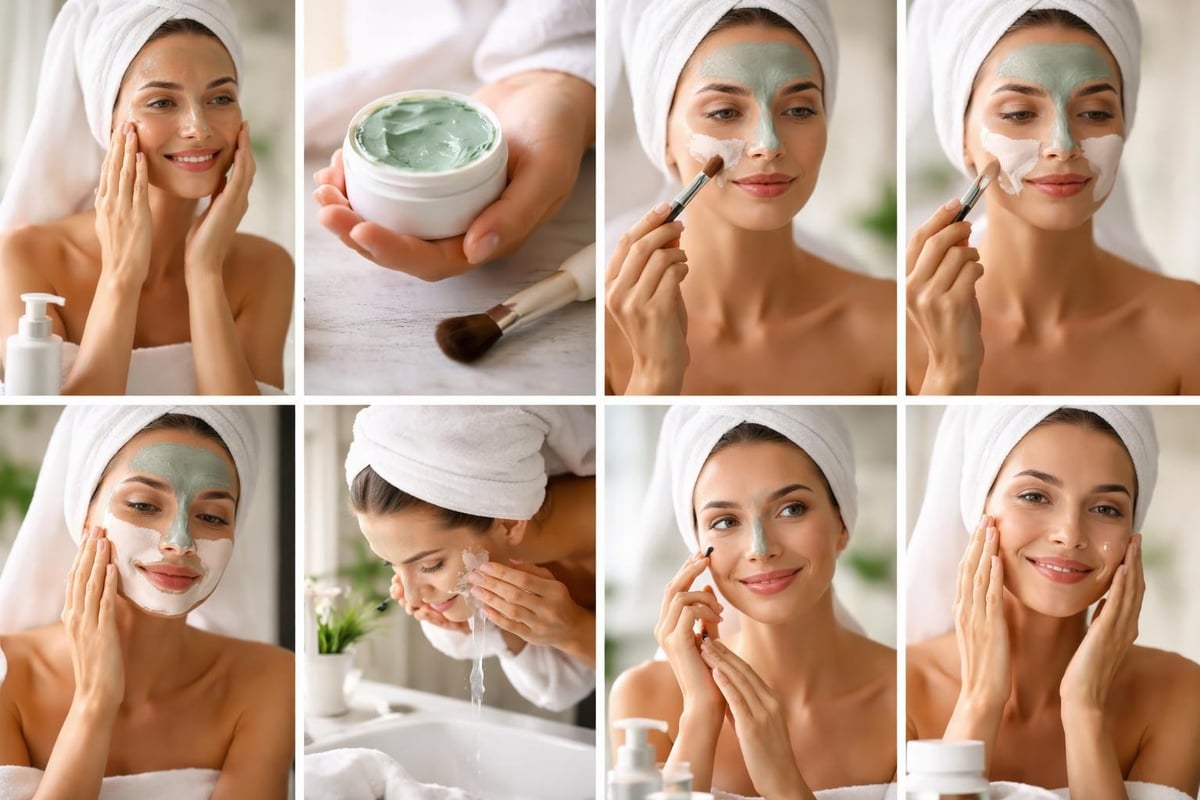
- Cleanse thoroughly to remove makeup, dirt, and excess oil
- Exfoliate gently (2-3 times weekly) to prepare skin for better absorption
- Divide your face into zones based on skin characteristics
- Apply targeted masks to each zone using clean fingers or a brush
- Time accurately based on product instructions (typically 10-15 minutes)
- Remove completely with lukewarm water and a soft cloth
- Follow with appropriate toner and moisturizer for each zone
The order matters significantly. Starting with a clean canvas ensures your mask ingredients can penetrate effectively rather than sitting on top of dirt and oil.
Many people wonder about frequency. For most combination skin types, using a targeted mask 2-3 times per week provides optimal results without overwhelming your skin. Listen to your skin's signals and adjust accordingly.
DIY Combination Skin Mask Recipes Worth Trying
Creating your own masks at home allows complete control over ingredients while avoiding preservatives and synthetic additives. These recipes use kitchen staples to deliver professional-quality results.
Balancing Green Tea and Clay Mask
This mask combines oil-absorbing properties with antioxidant benefits:
- 2 tablespoons bentonite clay
- 1 tablespoon brewed green tea (cooled)
- 1 teaspoon raw honey
- 2 drops tea tree essential oil
Mix ingredients into a smooth paste. Apply to T-zone only, leave for 10 minutes, then rinse thoroughly. The clay controls oil while honey provides gentle hydration.
Hydrating Avocado and Oat Mask
Perfect for dry areas of combination skin:
- Half ripe avocado (mashed)
- 1 tablespoon finely ground oats
- 1 teaspoon plain yogurt
- Few drops rosehip oil
Blend until creamy and apply to dry cheeks and outer face. Leave for 15 minutes before removing with warm water. This combination nourishes without clogging pores.
Those interested in DIY face masks suitable for combination skin can find additional recipes and application tips for creating effective homemade treatments using natural ingredients.
Commercial Options That Actually Work
While DIY masks offer wonderful benefits, high-quality commercial products provide convenience and consistent formulations. Understanding what to look for helps you make informed purchasing decisions.
What to Look for on Labels
Beneficial ingredients to seek:
- Salicylic acid for gentle exfoliation in oily zones
- Niacinamide for pore refinement and barrier support
- Glycerin for lightweight hydration
- Natural clays without harsh sulfates
Ingredients to avoid:
- Heavy mineral oils that might clog pores
- Alcohol denat in high concentrations
- Artificial fragrances that could irritate
- Parabens and synthetic preservatives
Reading reviews helps identify products that genuinely work for combination skin. The top face masks for combination skin provides detailed descriptions and user feedback to guide your selection process.
| Product Category | Key Benefits | Ideal Frequency | Expected Results |
|---|---|---|---|
| Purifying Clay Masks | Oil control, pore minimization | 2x weekly (T-zone) | Reduced shine within 2-3 weeks |
| Hydrogel Masks | Intense moisture, cooling | 1-2x weekly (full face) | Improved plumpness immediately |
| Overnight Masks | Deep nourishment, repair | 2-3x weekly (dry areas) | Enhanced texture in 4 weeks |
| Bubble Masks | Deep cleansing, fun application | 1x weekly (full face) | Clearer complexion in 3 weeks |
When incorporating eco-friendly skincare UK options into your routine, you support both your skin health and environmental sustainability through natural, responsibly sourced ingredients.
Seasonal Adjustments for Combination Skin Masking
Your skin's needs shift throughout the year as temperature and humidity fluctuate. A combination skin mask strategy that works perfectly in summer might leave you feeling tight and uncomfortable in winter.
Spring and Summer Strategies
Warmer months typically increase oil production in your T-zone while outdoor activities and sun exposure might dehydrate your cheeks.
Focus on:
- Lightweight, gel-based hydrating masks for dry areas
- More frequent clay applications to control increased oil
- Soothing ingredients to calm sun-exposed skin
- Refreshing formulas with cucumber or mint
Fall and Winter Approaches
Cold weather and indoor heating create additional dryness challenges even in naturally oily zones.
Adjust your routine with:
- Richer, cream-based hydrating masks for dry patches
- Less frequent clay treatments to avoid over-drying
- Nourishing overnight masks for winter repair
- Barrier-supporting ingredients like ceramides
Temperature changes affect how your combination skin mask performs. What feels perfectly balanced in July might seem stripping in January. Pay attention to these seasonal signals and modify your approach accordingly.
Troubleshooting Common Combination Skin Mask Issues
Even with careful selection and application, you might encounter challenges when using masks on combination skin. Understanding how to address these issues prevents frustration and supports better results.
Problem: Mask Dries Too Quickly on Some Areas
Solution: Apply a thicker layer to dry-prone zones or mist with rose water during treatment time. Some areas naturally absorb products faster than others.
Problem: Breakouts After Masking
Possible causes and fixes:
- Over-exfoliation: Reduce frequency to once weekly
- Comedogenic ingredients: Check product formulations for pore-clogging oils
- Not removing completely: Use a soft washcloth with thorough rinsing
- Dirty application tools: Clean brushes and spatulas regularly
Problem: Increased Sensitivity or Redness
This often indicates product incompatibility or skin barrier disruption. Switch to gentler formulas and consider sensitive skin remedies that support barrier health while addressing combination skin concerns.
Immediate steps:
- Discontinue the problematic product immediately
- Apply a soothing, fragrance-free moisturizer
- Avoid active ingredients for 3-5 days
- Gradually reintroduce treatments one at a time
Integrating Masks Into Your Complete Skincare Routine
A combination skin mask works best as part of a comprehensive skincare strategy rather than as a standalone treatment. Understanding how masks fit into your broader routine enhances their effectiveness.
Morning routine structure:
- Gentle cleanser appropriate for your skin type
- Hydrating toner to prep skin
- Lightweight serum (consider face serums for sensitive skin if prone to irritation)
- Moisturizer suited to each facial zone
- Broad-spectrum SPF protection
Evening routine with masking:
- Oil-based cleanser to remove makeup and sunscreen
- Water-based cleanser for thorough cleaning
- Combination skin mask application (2-3x weekly)
- Toner to rebalance pH
- Treatment serum targeting specific concerns
- Night cream or sleeping mask for dry areas
The timing of your mask application matters. Evening treatments allow active ingredients to work overnight without interference from makeup or environmental exposure.
Combining Masks with Other Treatments
Be mindful about layering active ingredients. Using a strong exfoliating mask the same night as retinol can cause irritation. Create a treatment schedule that spaces out powerful actives:
- Monday: Exfoliating mask (T-zone)
- Wednesday: Hydrating mask (full face)
- Friday: Clay mask (T-zone) + nourishing mask (cheeks)
- Other nights: Standard routine with targeted serums
Expert Tips for Long-Term Success
Achieving and maintaining balanced combination skin requires consistency and patience. These professional insights help you maximize your masking results over time.
Track your progress: Photograph your skin weekly under consistent lighting. This visual record reveals subtle improvements you might otherwise miss and helps identify which products truly work.
Adjust based on feedback: Your skin communicates constantly. Increased oiliness suggests you might need more frequent purifying treatments. New dry patches indicate a need for additional hydration.
Don't over-complicate: While multi-masking offers customization benefits, you don't need ten different products. Focus on 2-3 high-quality masks that address your primary concerns.
Beauty experts consistently emphasize that trusted face masks for various skin concerns should align with your specific skin goals while respecting your skin's natural characteristics.
Building Your Combination Skin Mask Collection
Starting a mask collection for combination skin doesn't require breaking the bank. Begin with essentials and expand based on your experience and specific needs.
Starter Kit (3 masks)
- Purifying clay mask for T-zone oil control
- Hydrating gel or cream mask for dry areas
- Gentle enzyme mask for weekly full-face exfoliation
Expanded Collection (5-6 masks)
Add these as you identify additional needs:
- Overnight sleeping mask for intensive dry-area repair
- Pore-minimizing mask with niacinamide for texture refinement
- Soothing mask with calming ingredients for stressed skin days
Quality trumps quantity every time. Three masks you use consistently deliver better results than ten products gathering dust in your bathroom cabinet.
Storage and Shelf Life Considerations
Proper storage extends your combination skin mask effectiveness and prevents contamination:
- Keep masks in cool, dark places away from bathroom humidity
- Close containers tightly after each use
- Use clean spatulas rather than fingers for jar products
- Check expiration dates and note when you opened products
- Natural formulations typically last 6-12 months once opened
Advanced Techniques for Combination Skin Masking
Once you've mastered basic combination skin mask application, these advanced techniques take your results to the next level.
The Sandwich Method
This technique maximizes hydration while addressing oil control:
- Apply lightweight hydrating serum to entire face
- Layer targeted masks on appropriate zones
- After removing masks, apply another thin layer of hydrating serum
- Seal with appropriate moisturizer for each area
The first serum layer ensures dry areas receive hydration even under oil-controlling clay, while the second layer capitalizes on post-mask absorption.
Temperature Therapy Integration
Adjusting mask temperature enhances specific benefits:
Warm masks (slightly heated, never hot):
- Open pores for deeper cleansing
- Enhance circulation for a healthy glow
- Improve product absorption
Cool masks (refrigerated before application):
- Reduce inflammation and redness
- Minimize pore appearance
- Refresh and energize tired skin
The application guide specifically tailored for combination skin provides detailed instructions on targeting various skin concerns simultaneously using professional techniques.
Masking Before Special Events
Strategic timing maximizes your combination skin mask benefits for important occasions:
7 days before: Deep cleansing treatment to clear congestion
3 days before: Hydrating and brightening masks
1 day before: Gentle, soothing treatment (avoid strong actives)
Day of: Sheet mask for quick hydration 2-3 hours before event
This schedule ensures your skin looks its absolute best without risking last-minute reactions or sensitivity.
Understanding Mask Ingredients and Their Functions
Knowledge empowers better product selection. Understanding what each ingredient does helps you choose the most effective combination skin mask for your specific goals.
| Ingredient | Primary Function | Best For | Cautions |
|---|---|---|---|
| Bentonite Clay | Absorbs excess oil, draws out impurities | Oily T-zone, congested pores | Can be drying; limit to oily areas |
| Hyaluronic Acid | Attracts and retains moisture | Dry patches, overall hydration | None for most skin types |
| Niacinamide | Regulates sebum, minimizes pores | Entire face, especially T-zone | Rarely causes sensitivity |
| Salicylic Acid | Exfoliates inside pores, prevents breakouts | Oily, acne-prone areas | Avoid if using other exfoliants same day |
| Aloe Vera | Soothes, hydrates, reduces inflammation | All areas, especially dry/irritated | Ensure pure formulation |
| Vitamin C | Brightens, evens tone, antioxidant protection | Entire face for radiance | May oxidize; store properly |
Reading beyond marketing claims helps you identify truly beneficial products. A mask labeled "for combination skin" might still contain ingredients better suited to oily or dry skin exclusively.
Similar to choosing sensitive skin cream for face, selecting masks requires attention to ingredient quality and formulation balance rather than flashy packaging or trendy buzzwords.
Real Results: What to Expect and When
Setting realistic expectations prevents disappointment and supports consistent effort. Understanding typical timelines for various improvements helps you evaluate product effectiveness accurately.
Immediate Results (Same Day)
- Softer, smoother texture
- Temporary pore size reduction
- Enhanced hydration and plumpness
- Refreshed, cleaner-feeling skin
- Reduced surface oil
Short-Term Results (2-3 Weeks)
- More balanced oil production
- Fewer breakouts in previously problematic areas
- Improved product absorption
- More even skin tone
- Refined overall texture
Long-Term Results (6-8 Weeks)
- Significantly minimized pore appearance
- Lasting hydration balance
- Clearer, more radiant complexion
- Reduced need for heavy makeup
- Enhanced confidence in your skin's appearance
Consistency matters more than perfection. Using your combination skin mask twice weekly for two months delivers better results than daily use for one week followed by abandonment.
Mastering combination skin requires understanding your unique facial zones and providing targeted care that respects each area's specific needs. The right combination skin mask strategy balances oil control with hydration, creating harmony across your complexion through natural ingredients and thoughtful application techniques. Ready to transform your skincare routine with products designed specifically for your skin's natural balance? Discover how Sinusoothe Ltd combines effective natural ingredients with sustainable practices to support your journey toward beautifully balanced, healthy skin.