
Menopause brings about profound changes in your body, and your skin often bears the brunt of these hormonal shifts. If you've found yourself scratching more frequently, experiencing uncomfortable dryness, or noticing your skin feels irritated without an obvious cause, you're not alone. This itchy, uncomfortable sensation affects countless women navigating menopause, and finding the best cream for menopause itchy skin can transform your daily comfort. The right skincare approach combines understanding what's happening beneath the surface with choosing products formulated to address your specific needs during this transitional phase.
Understanding Why Menopause Makes Your Skin Itch
Your skin's response to menopause isn't random or mysterious. As estrogen levels decline, your body produces less collagen and natural oils, which are essential for maintaining your skin's protective barrier. This barrier normally locks in moisture and keeps irritants out, but when it weakens, water escapes more easily and your skin becomes vulnerable.
The result? That persistent itchiness you're experiencing.
The Hormone-Skin Connection
Estrogen plays a starring role in skin health. It regulates oil production, supports collagen synthesis, and maintains skin thickness. When estrogen drops during menopause, several things happen simultaneously:
- Reduced sebum production leads to drier skin
- Decreased collagen causes thinning and loss of elasticity
- Lower hyaluronic acid levels diminish moisture retention
- Weakened skin barrier allows irritants to penetrate more easily
According to research on how declining estrogen affects skin during menopause, these changes typically begin during perimenopause and can persist for years after your final period.
Where Itching Strikes Most
While menopause-related itching can appear anywhere, certain areas prove more susceptible:
- Arms and legs (especially lower legs)
- Back and torso
- Face and neck
- Scalp
The technical term for this widespread itching is "pruritus," and it's one of the most commonly reported skin complaints during menopause.
Essential Ingredients in the Best Cream for Menopause Itchy Skin
Not all moisturizers address the specific challenges your menopausal skin faces. The best cream for menopause itchy skin should contain targeted ingredients that rebuild your skin barrier, lock in moisture, and calm inflammation.
Barrier-Repair Powerhouses
Your compromised skin barrier needs reinforcement from ingredients that mimic your skin's natural structure:
| Ingredient | Function | Benefits for Menopausal Skin |
|---|---|---|
| Ceramides | Lipid molecules that fill gaps between skin cells | Restore barrier integrity, reduce water loss |
| Hyaluronic Acid | Moisture-binding humectant | Holds 1000x its weight in water, plumps skin |
| Colloidal Oatmeal | Anti-inflammatory and soothing | Relieves itching immediately, forms protective layer |
| Niacinamide | Vitamin B3 derivative | Strengthens barrier, reduces inflammation, improves texture |
| Glycerin | Humectant moisturizer | Draws moisture into skin, prevents dehydration |
When choosing natural face creams, look for formulations that combine multiple barrier-supporting ingredients rather than relying on a single active component.
Nature's Soothing Solutions
Natural ingredients offer powerful relief without synthetic additives. Plant-based options that work exceptionally well for menopausal itchy skin include:
- Shea butter: Rich in fatty acids and vitamins that nourish depleted skin
- Aloe vera: Anti-inflammatory properties reduce redness and irritation
- Calendula extract: Traditional remedy for sensitive, inflamed skin
- Evening primrose oil: Contains gamma-linolenic acid that supports skin barrier function
- Chamomile: Calms irritation and reduces inflammatory responses
Research highlighted in hormone-free menopause itch relief creams shows that these natural ingredients can be just as effective as synthetic alternatives when properly formulated.
Choosing the Right Formulation Type
The best cream for menopause itchy skin comes in various formulations, each with distinct advantages depending on your specific needs and preferences.
Cream vs. Ointment vs. Lotion
Understanding the differences helps you select the most effective option:
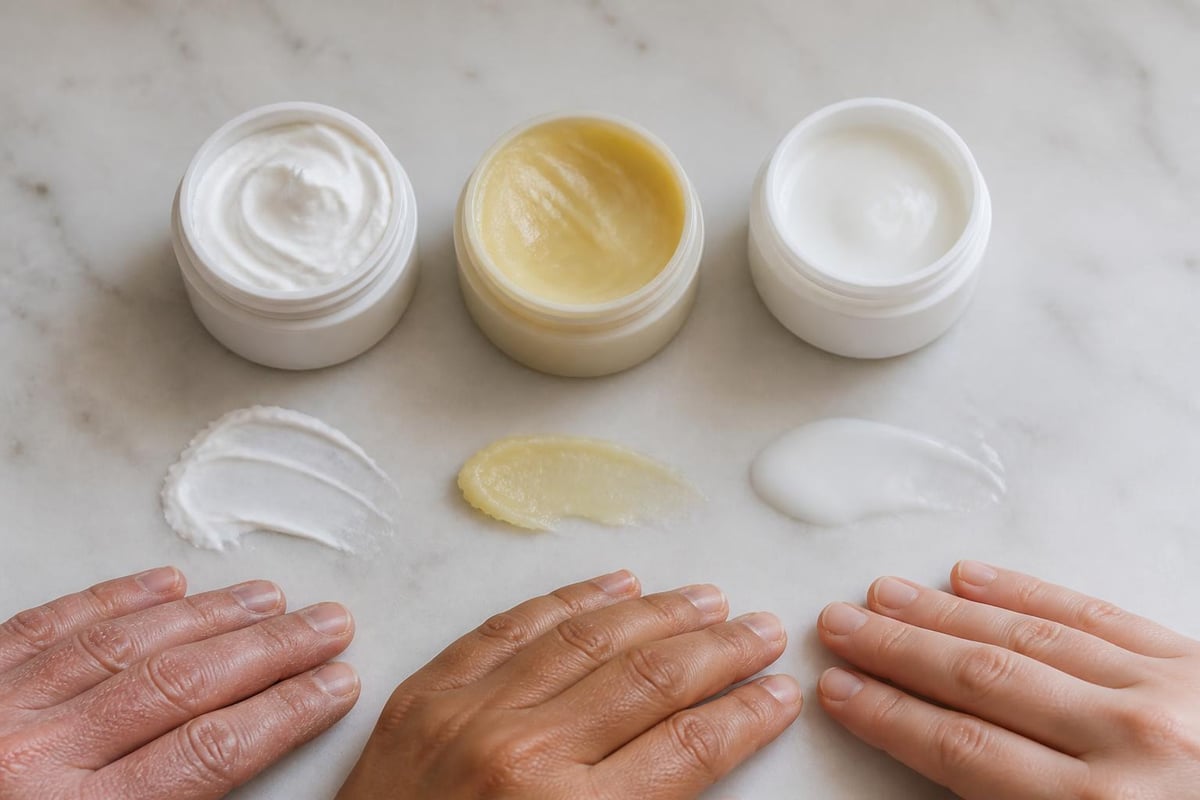
Creams offer a balanced approach. They're thicker than lotions but absorb more readily than ointments, making them ideal for daily use on both body and face. Most women find creams provide sufficient moisture without feeling greasy.
Ointments contain the highest oil content. They create an occlusive barrier that prevents moisture loss, making them excellent for extremely dry patches or nighttime use. However, they can feel heavy during the day.
Lotions are lighter and spread easily, but they may not provide enough moisture for severely dry, itchy menopausal skin. They work better for maintenance once you've gotten symptoms under control.
Fragrance-Free Matters More Than Ever
Your menopausal skin is more sensitive than it used to be. Fragrances, whether synthetic or natural, rank among the top skin irritants. Even essential oils can trigger reactions in compromised skin.
When selecting beauty creams, prioritize fragrance-free formulations. This doesn't mean unscented (which can still contain masking fragrances) but truly fragrance-free products.
Application Techniques That Maximize Relief
Having the best cream for menopause itchy skin is only half the equation. How and when you apply it significantly impacts your results.
The Damp Skin Strategy
Apply your moisturizer within three minutes of bathing while your skin is still slightly damp. This technique, recommended by dermatologists, traps water in your skin rather than just sitting on top of it.
Here's your optimal application routine:
- Pat skin gently with a towel (don't rub completely dry)
- Immediately apply your chosen cream in gentle, upward strokes
- Focus on particularly itchy areas with a second layer
- Allow a few minutes for absorption before dressing
Frequency and Consistency
During menopause, once-daily moisturizing rarely suffices. Your compromised skin barrier allows moisture to escape rapidly, requiring more frequent application.
Most women find success with this schedule:
- Morning: After showering, before getting dressed
- Midday: Touch-up on hands, arms, or particularly dry areas
- Evening: Heavier application before bed
- As needed: Whenever itching flares
Consistency matters more than the specific product you choose. Even the best cream for menopause itchy skin won't work if applied sporadically.
Lifestyle Adjustments That Enhance Your Skincare
Your cream works harder when supported by smart lifestyle choices that protect your skin barrier and reduce inflammation.
Bathing and Cleansing Modifications
Hot water strips your skin of natural oils faster than you can replace them. Switch to lukewarm water for bathing and limit shower time to 10 minutes or less.
Choose gentle, soap-free cleansers instead of traditional bar soaps. These maintain your skin's natural pH and don't disrupt the lipid barrier. The menopause skincare treatments article emphasizes using mild cleansers as a foundational step.
Hydration From the Inside Out
Your skin reflects your overall hydration status. Menopausal women need adequate water intake to support skin moisture from within.
Aim for:
- At least 8 glasses of water daily
- Herbal teas that don't dehydrate (avoid excessive caffeine)
- Water-rich foods like cucumbers, watermelon, and leafy greens
Environmental Protection
Indoor heating and air conditioning both strip moisture from air and skin. Combat this by:
- Using a humidifier in your bedroom (aim for 30-50% humidity)
- Wearing breathable, natural fabrics that don't trap heat
- Protecting skin from harsh weather with appropriate coverage
- Applying cream before exposure to cold or wind
Natural vs. Medical-Grade Options
When searching for the best cream for menopause itchy skin, you'll encounter both natural formulations and medical-grade products. Each has its place in managing menopausal skin changes.
When Natural Solutions Excel
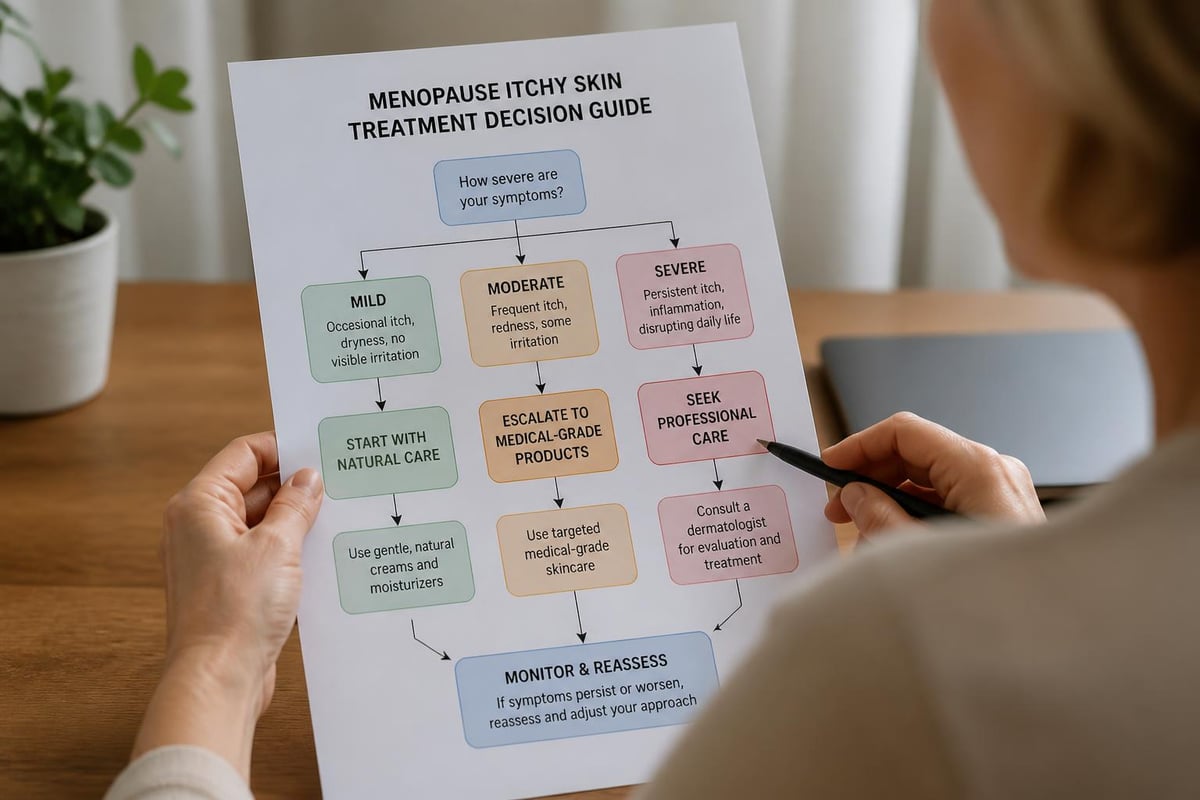
Natural skincare products work beautifully for mild to moderate itching and dryness. They typically contain fewer potential irritants and align with a holistic approach to menopause management.
Plant-based ingredients like those found in sensitive skin creams offer gentle yet effective relief without synthetic additives that might aggravate already sensitive skin.
Natural options shine when:
- You're managing mild to moderate symptoms
- You prefer minimal ingredient lists
- You have multiple sensitivities to synthetic compounds
- You want to avoid potential hormone disruptors
When to Consider Medical-Grade Products
For severe itching that disrupts sleep or daily activities, medical-grade options may be necessary. These products contain higher concentrations of active ingredients or prescription components like mild topical steroids.
Consult a dermatologist if:
- Itching persists despite consistent moisturizing
- You develop rashes, scaling, or open sores from scratching
- Symptoms interfere with sleep or quality of life
- Over-the-counter solutions provide no relief after 2-3 weeks
According to experts discussing skincare practices for menopausal skin, combining professional guidance with quality home care often yields the best results.
Reading Labels Like a Pro
The packaging might promise relief, but the ingredient list tells the real story. Learning to decode labels helps you identify the best cream for menopause itchy skin among countless options.
Red Flags to Avoid
Certain ingredients commonly found in skincare products can worsen menopausal itching:
| Ingredient to Avoid | Why It's Problematic | Found In |
|---|---|---|
| Alcohol (denatured) | Extremely drying, strips natural oils | Toners, light lotions |
| Synthetic fragrances | Top allergen, irritates sensitive skin | Most conventional products |
| Sulfates (SLS, SLES) | Harsh detergents that disrupt barrier | Body washes, cleansers |
| Parabens | Potential hormone disruptors | Many conventional moisturizers |
| Retinoids (in high concentrations) | Can increase dryness and sensitivity | Anti-aging formulations |
Green Light Ingredients
When scanning labels, look for these beneficial components near the top of the ingredient list (ingredients appear in descending order by concentration):
- Ceramides (often listed with numbers like ceramide NP, AP, or EOP)
- Sodium hyaluronate (the salt form of hyaluronic acid)
- Colloidal oatmeal or avena sativa
- Plant oils (jojoba, argan, rosehip)
- Niacinamide or nicotinamide
The insights shared in menopause itchy skin treatments and ingredients confirm that products leading with these components typically deliver superior results.
Layering Products for Maximum Benefit
Using multiple products strategically can enhance results beyond what any single cream achieves alone.
The Thin-to-Thick Rule
Apply products from thinnest to thickest consistency to ensure proper absorption:
- Serum or essence: Water-based treatments with concentrated actives (hyaluronic acid, niacinamide)
- Lightweight cream: Your primary moisturizer with barrier-supporting ingredients
- Facial oil or thick ointment: Seals everything underneath, prevents water loss
This layering approach is particularly effective at night when your skin undergoes its natural repair processes.
Strategic Spot Treatment
You don't need to apply everything everywhere. Use richer formulations on particularly itchy or dry patches while maintaining lighter products on less affected areas.
For instance:
- Face and neck: Lightweight, non-comedogenic cream
- Elbows, knees, and shins: Richer, more occlusive ointment
- Hands: Frequent reapplication of medium-weight cream
Long-Term Skin Health Beyond Immediate Relief
While finding the best cream for menopause itchy skin provides welcome relief, supporting your skin's overall health requires a broader perspective.
Nutritional Support for Skin
What you eat influences your skin's ability to maintain its barrier and manage inflammation. Focus on:
Omega-3 fatty acids from fatty fish, flaxseeds, and walnuts reduce inflammatory responses and support cell membrane health.
Antioxidant-rich foods like berries, dark chocolate, and green tea combat oxidative stress that accelerates skin aging during menopause.
Phytoestrogens from soy, flaxseeds, and legumes may help compensate for declining estrogen, though evidence remains mixed.
Vitamin E from nuts, seeds, and leafy greens supports skin healing and moisture retention.
Stress Management Connection
Stress worsens inflammation throughout your body, including your skin. Chronic stress can intensify itching and slow healing.
Incorporate stress-reduction practices:
- Regular physical activity (releases endorphins, improves circulation)
- Meditation or deep breathing exercises (activates relaxation response)
- Adequate sleep (essential for skin repair and barrier function)
- Social connections (emotional support buffers stress impact)
Professional Partnerships
Building a relationship with a dermatologist who understands menopausal skin changes can be invaluable. They can:
- Prescribe stronger treatments if over-the-counter options fail
- Rule out other conditions that mimic menopausal itching (thyroid issues, diabetes)
- Recommend medical-grade products tailored to your specific skin type
- Monitor for skin changes that require medical attention
Seasonal Adjustments for Year-Round Comfort
Your skin's needs fluctuate with seasons, requiring adjustments to maintain optimal comfort throughout the year.
Winter Care Intensification
Cold air and indoor heating create the perfect storm for dry, itchy menopausal skin. During winter months:
- Switch to heavier, more occlusive formulations
- Increase application frequency
- Use a humidifier in heated spaces
- Protect exposed skin when outdoors
Summer Modifications
Heat and humidity allow you to lighten your routine slightly, but don't abandon your best cream for menopause itchy skin entirely:
- Choose lighter formulations that won't feel heavy
- Apply after swimming or sweating to replace lost moisture
- Add sun protection (UV damage worsens dryness)
- Stay hydrated to support skin from within
Tracking Your Progress
Monitoring what works helps you refine your approach and identify patterns in your skin's behavior.
Keep a Skin Journal
Document:
- Products used and application times
- Severity of itching (rate 1-10)
- Environmental factors (humidity, temperature, stress levels)
- Diet and hydration
- Sleep quality
After 2-3 weeks, patterns often emerge revealing which products, routines, or lifestyle factors most impact your symptoms.
Patience Pays Off
Skin cell turnover takes approximately 28 days under normal circumstances, potentially longer during menopause. Give new products at least 3-4 weeks before judging effectiveness.
However, discontinue immediately if you experience:
- Increased redness or irritation
- Burning or stinging sensations
- Rash or hives
- Worsening itchiness
Creating Your Personalized Routine
The best cream for menopause itchy skin is ultimately the one that works for your unique skin. Your perfect routine might differ from others' based on severity, skin type, lifestyle, and personal preferences.
Start with these foundational steps:
Morning routine:
- Cleanse with lukewarm water and gentle, fragrance-free cleanser
- Pat skin barely dry
- Apply hydrating serum if using
- Follow with your chosen moisturizing cream
- Add sunscreen if spending time outdoors
Evening routine:
- Remove any makeup with oil-based cleanser
- Cleanse skin with gentle wash
- Apply treatment serum while skin is damp
- Layer on richer night cream
- Use extra-thick formula on particularly dry areas
As-needed care:
- Keep travel-size cream in your bag for midday touch-ups
- Apply immediately after handwashing
- Use cooling gel or aloe for sudden itch flare-ups
- Consider overnight gloves or socks with thick cream for hands and feet
Building a routine that feels sustainable ensures you'll stick with it long enough to see results. Don't overwhelm yourself with ten-step processes that feel burdensome.
Finding relief from menopausal itchy skin transforms not just your physical comfort but your overall quality of life during this transitional phase. By understanding what your skin needs, choosing products with proven barrier-supporting ingredients, and maintaining consistent application habits, you can effectively manage symptoms and restore your skin's health. Whether you prefer natural formulations or need medical-grade solutions, the right combination exists for your unique situation. If you're ready to experience the soothing relief that comes from products specifically designed for sensitive, changing skin, explore the thoughtfully crafted natural skincare solutions at Sinusoothe Ltd, where quality ingredients meet menopausal skin's unique needs.