

Living with skin that feels tight, itchy, and reactive can feel like navigating a minefield every time you try a new product. When you're dealing with skin dry sensitive issues, every cleanser, moisturizer, and serum becomes a potential trigger for redness, flaking, or uncomfortable stinging sensations. The good news? Understanding your unique skin needs and choosing the right natural ingredients can transform your daily routine from frustrating to truly nurturing. Let's explore how to recognize, treat, and maintain skin dry sensitive types with confidence.
Understanding What Makes Skin Dry Sensitive
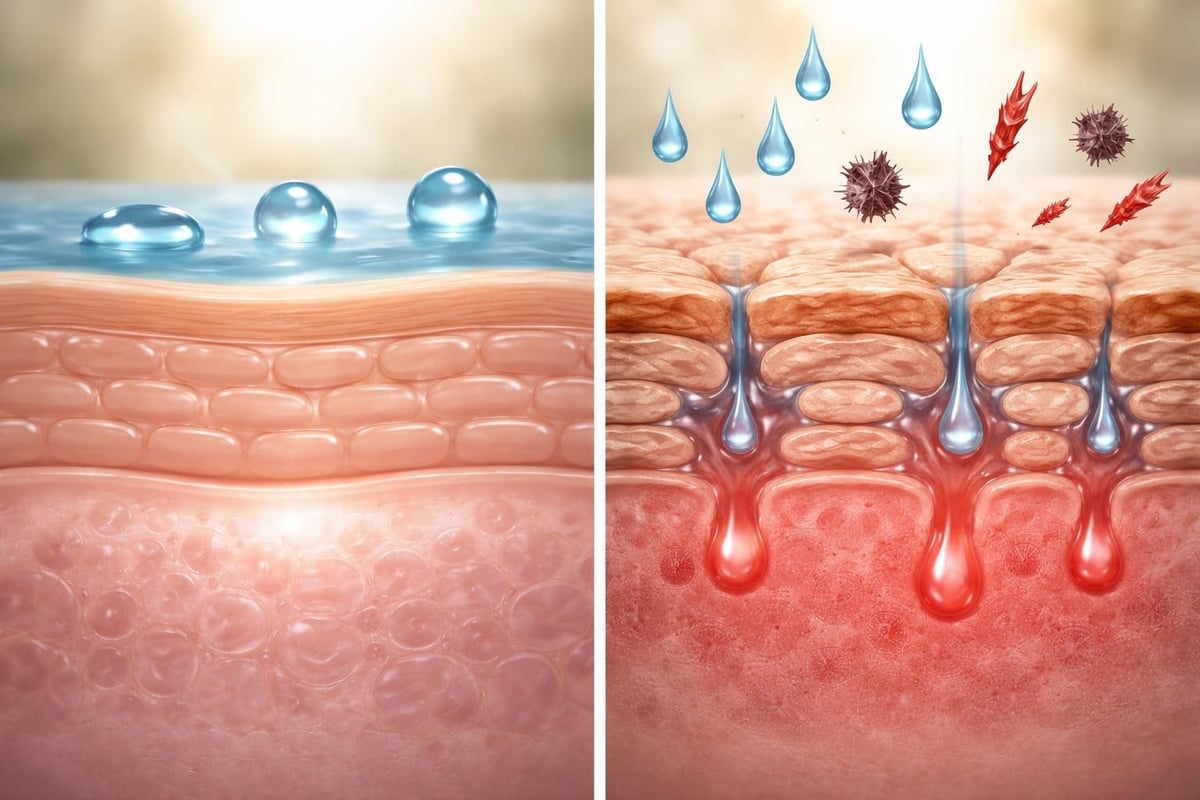
The combination of dryness and sensitivity creates a unique challenge. Your skin barrier, the protective outer layer that keeps moisture in and irritants out, isn't functioning at its best. This compromised barrier leads to moisture loss while simultaneously making your skin more vulnerable to environmental stressors.
The Science Behind the Sensitivity
When your skin lacks adequate lipids and natural moisturizing factors, it becomes permeable. Think of it like a brick wall with missing mortar. Water escapes more easily, and allergens, bacteria, and pollutants can penetrate more readily. This explains why sensitive skin reacts to so many common triggers, from fragrances to temperature changes.
Key characteristics of skin dry sensitive types include:
- Persistent tightness, especially after cleansing
- Visible flaking or rough texture
- Redness that appears without clear cause
- Stinging or burning when applying products
- Increased reactivity to weather changes
Your genetics play a significant role in determining whether you'll develop skin dry sensitive conditions, but environmental factors and lifestyle choices matter tremendously too.
Identifying Your Specific Triggers
Not all skin dry sensitive cases respond to the same triggers. Some people react strongly to certain ingredients, while others find environmental factors more problematic. Keeping a simple skin diary for two weeks can reveal patterns you might otherwise miss.
Common Culprits to Watch
| Trigger Category | Specific Examples | Why They Affect Sensitive Skin |
|---|---|---|
| Ingredients | Fragrances, essential oils, alcohol | Disrupt barrier function and cause inflammation |
| Environmental | Cold wind, dry indoor heating, pollution | Strip natural oils and increase water loss |
| Physical | Hot water, harsh scrubbing, friction | Damage protective skin barrier |
| Product-related | Over-exfoliation, layering too many actives | Overwhelm skin's ability to repair itself |
According to dermatology experts at UCLA Health, identifying and eliminating your personal triggers represents the first crucial step toward healthier skin. This process requires patience and careful observation.
Many people with skin dry sensitive types discover they've been unknowingly sabotaging their progress by using products marketed as "gentle" but containing hidden irritants. Reading ingredient lists becomes essential rather than optional.
Building Your Gentle Skincare Foundation
The cornerstone of managing skin dry sensitive conditions lies in simplicity. Fewer products, carefully chosen, outperform elaborate routines that overwhelm compromised skin. Let's break down what actually works.
The Essential Three-Step Routine
Step 1: Cleansing Without Stripping
Your cleanser should leave skin feeling comfortable, not tight. Creamy, non-foaming formulas work best for most people dealing with skin dry sensitive challenges. Avoid anything that produces lots of bubbles, as these typically contain sulfates that strip natural oils.
Consider cleansing only once daily, in the evening. Morning rinses with plain lukewarm water often suffice, preserving the protective oils your skin produces overnight.
Step 2: Hydration That Penetrates
Layering hydration proves more effective than relying on a single heavy cream. Start with a hydrating essence or toner containing humectants like glycerin or hyaluronic acid. These ingredients draw water into your skin, creating the foundation for deeper moisturization.
For targeted treatment of particularly sensitive areas, explore options like face serums for sensitive skin that deliver concentrated benefits without overwhelming your skin barrier.
Step 3: Sealing in Moisture
Your moisturizer should contain both humectants and occlusives. While humectants attract water, occlusives like shea butter, squalane, and ceramides prevent that moisture from evaporating. This combination addresses both the dryness and sensitivity aspects of skin dry sensitive types.
Natural Ingredients That Actually Help
- Colloidal oatmeal reduces inflammation and forms a protective barrier
- Calendula extract soothes irritation without sensitizing
- Ceramides rebuild the skin barrier structure
- Niacinamide strengthens skin while calming redness
- Bisabolol provides anti-inflammatory benefits naturally
Those exploring eco-friendly skincare options will find many of these ingredients in sustainably sourced formulations that prioritize both skin health and environmental responsibility.

Advanced Strategies for Stubborn Cases
When basic routines don't fully resolve skin dry sensitive issues, these targeted approaches can make the difference between ongoing frustration and genuine improvement.
Layering Techniques That Work
The Korean skincare philosophy of layering lightweight hydrating products has particular merit for sensitive skin. Rather than applying one thick cream, try this approach:
- Apply thinnest consistency products first
- Wait 30-60 seconds between layers
- Seal everything with a slightly richer moisturizer
- Consider adding a facial oil as the final step at night
This method allows each product to absorb properly without creating a barrier that prevents subsequent products from penetrating. The American Academy of Dermatology recommends timing your moisturizer application within three minutes of bathing to trap maximum moisture.
Environmental Protection Matters
| Time of Day | Protection Strategy | Why It Helps |
|---|---|---|
| Morning | Mineral sunscreen SPF 30+ | Shields from UV damage without chemical irritants |
| Daytime | Antioxidant serum under moisturizer | Neutralizes pollution and free radicals |
| Evening | Humidifier in bedroom | Maintains 40-50% humidity for optimal skin hydration |
| Year-round | Protective clothing in extreme weather | Prevents wind and cold from stripping moisture |
Understanding that skin dry sensitive conditions worsen in low humidity helps explain why winter often brings increased discomfort. Adjust your routine seasonally, adding richer products when indoor heating depletes moisture from the air.
What to Avoid at All Costs
Sometimes success comes more from what you eliminate than what you add. These ingredients and practices consistently cause problems for people managing skin dry sensitive types.
The Never-Use List
Physical exfoliants like scrubs, brushes, and grainy cleansers create micro-tears in already compromised skin. Chemical exfoliants work better when used sparingly, but many people with sensitive skin find they don't need them at all.
Alcohol-based toners destroy the skin barrier rapidly. While they may feel refreshing initially, they cause long-term damage that outweighs any temporary benefits.
Fragrance and essential oils represent the most common sensitizers in skincare. Even natural fragrances can trigger reactions in skin dry sensitive individuals. Products labeled "unscented" differ from "fragrance-free," so read carefully.
Common Mistakes That Make Things Worse
- Changing your entire routine at once (makes identifying problems impossible)
- Using hot water for cleansing (strips protective oils instantly)
- Over-washing your face (twice daily maximum, once often suffices)
- Applying too many active ingredients simultaneously (overwhelms repair mechanisms)
- Ignoring your neck and chest (these areas need the same gentle care)
When you find products that work, resist the temptation to add "just one more thing." Skin dry sensitive types thrive on consistency and minimalism rather than complexity.
Creating Your Personalized Action Plan
Generic advice only takes you so far. Developing a routine tailored to your specific situation requires methodical testing and honest assessment of results.
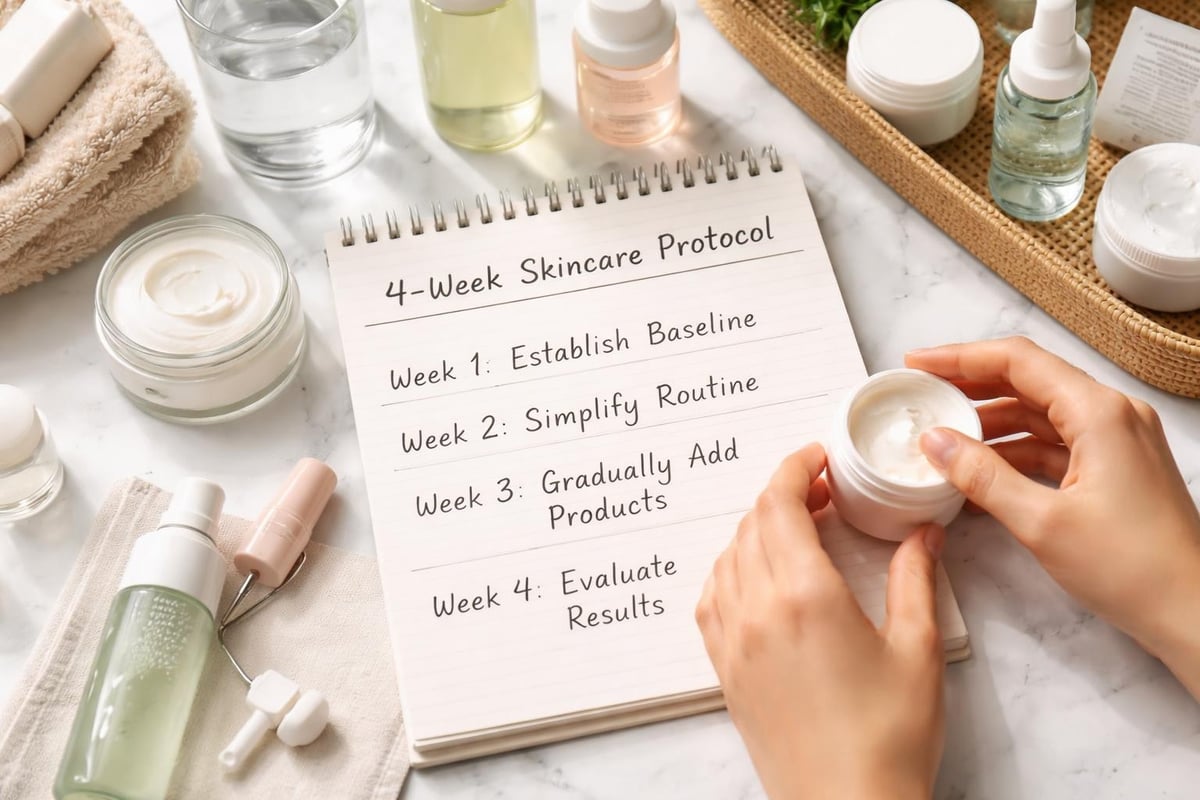
The Four-Week Testing Protocol
Week 1: Establish your baseline
- Document current skin condition with photos
- Note problem areas and severity
- Track daily symptoms in a simple journal
Week 2: Strip back to basics
- Use only gentle cleanser, basic moisturizer, and sunscreen
- Eliminate all potential irritants
- Allow skin barrier to begin recovering
Week 3: Add one product at a time
- Wait 4-5 days between new additions
- Monitor for any adverse reactions
- Keep what helps, eliminate what doesn't
Week 4: Evaluate and adjust
- Compare photos from week one
- Identify which products made measurable differences
- Refine your routine to your proven essentials
This systematic approach prevents the confusion that comes from changing multiple variables simultaneously. For additional guidance on managing reactivity, explore comprehensive sensitive skin remedies that complement your developing routine.
Professional Treatment Options
While home care forms the foundation of managing skin dry sensitive conditions, certain situations warrant professional intervention. Knowing when to seek expert help prevents minor issues from becoming chronic problems.
When to Consult a Dermatologist
Persistent skin dry sensitive symptoms that don't improve after six weeks of gentle care may indicate underlying conditions like eczema, rosacea, or contact dermatitis. The American Academy of Dermatology emphasizes that personalized medical advice ensures you're addressing root causes rather than just symptoms.
Signs you need professional evaluation:
- Cracking or bleeding skin
- Severe itching that disrupts sleep
- Signs of infection (oozing, warmth, spreading redness)
- Sudden onset without clear trigger
- Reactions that spread beyond the initial application area
Dermatologists can prescribe medicated creams, identify specific allergens through patch testing, and rule out medical conditions that mimic simple sensitivity.
Professional Treatments That Help
| Treatment Type | How It Works | Best For |
|---|---|---|
| Prescription ceramide creams | Repair barrier more intensively | Severe dryness with compromised barrier |
| Low-dose topical steroids | Reduce inflammation quickly | Acute flares of reactivity |
| Light therapy | Calms immune response | Chronic sensitivity conditions |
| Customized compound formulas | Target your specific needs | Multiple sensitivities to commercial products |
These medical interventions work best when combined with excellent home care rather than replacing it entirely.
Lifestyle Factors That Impact Your Skin
Your skincare products represent only part of the equation. Daily habits and environmental exposures significantly influence how well you manage skin dry sensitive conditions.
Diet and Hydration Connections
While no single food causes or cures sensitive skin, certain nutritional patterns support skin barrier health. Omega-3 fatty acids from sources like salmon, walnuts, and flaxseeds provide building blocks for healthy cell membranes. Adequate water intake, typically eight glasses daily, maintains overall hydration that reflects in your skin.
Some people with skin dry sensitive types notice improvements when they reduce inflammatory foods like refined sugar and processed ingredients. Keep that skin diary going to track any correlations between what you eat and how your skin behaves.
Sleep and Stress Management
Your skin repairs itself primarily during sleep. Chronic sleep deprivation impairs barrier function and increases inflammatory markers throughout your body. Aim for seven to nine hours of quality sleep nightly.
Stress triggers cortisol release, which can exacerbate sensitivity and reduce your skin's ability to retain moisture. Whether through meditation, exercise, or creative hobbies, finding effective stress management techniques benefits your skin dry sensitive condition as much as your mental health.
Daily Habits That Make a Difference
- Pat skin dry gently rather than rubbing vigorously
- Change pillowcases twice weekly to reduce bacterial exposure
- Wear soft, natural fabrics next to your skin
- Keep showers lukewarm and under 10 minutes
- Apply moisturizer immediately after washing hands
These small adjustments compound over time, creating an environment where your skin dry sensitive issues can actually heal rather than just being temporarily masked.
Seasonal Adjustments for Year-Round Comfort
Your skin's needs change throughout the year. What works perfectly in humid July may leave you uncomfortable in dry January. Building flexibility into your routine prevents seasonal setbacks.
Winter Survival Strategies
Cold outdoor air combined with dry indoor heating creates the perfect storm for skin dry sensitive flare-ups. During winter months, consider switching to cream cleansers if you typically use gel formulas, and layer on richer moisturizers at night.
Adding a humidifier to your bedroom maintains optimal moisture levels while you sleep. Target 40-50% relative humidity for best results. Some people also benefit from applying a thin layer of petroleum jelly over their regular moisturizer before bed during particularly harsh weather.
Summer Considerations
Higher humidity might seem beneficial, but summer brings its own challenges. Sunscreen becomes non-negotiable, yet many formulas irritate sensitive skin. Mineral sunscreens with zinc oxide or titanium dioxide typically cause fewer reactions than chemical filters.
Sweat can also trigger sensitivity. Gentle cleansing after exercise removes irritants without stripping protective oils. For comprehensive facial care that addresses seasonal changes, quality sensitive skin creams for face adapt to varying humidity and temperature conditions.
Transition Season Success
Spring and fall require particular attention as weather fluctuates rapidly. Keep both your lighter summer products and richer winter options accessible. Some days you'll need more moisture, other days less. Learning to read your skin's signals helps you adjust proactively rather than reactively.
Building Long-Term Resilience
Managing skin dry sensitive conditions successfully means thinking beyond quick fixes. The goal involves strengthening your skin barrier so thoroughly that sensitivity decreases over time.
The Six-Month Transformation Timeline
Realistic expectations prevent discouragement. While you'll notice some improvements within weeks, truly rebuilding your skin barrier and reducing sensitivity takes sustained effort.
Months 1-2: Stabilization
Reduce inflammation, eliminate irritants, establish consistent gentle routine
Months 3-4: Recovery
Skin barrier begins repairing, moisture retention improves, reactivity decreases
Months 5-6: Strengthening
Enhanced resilience to environmental stressors, reduced sensitivity to previous triggers
This timeline assumes consistent application of appropriate products and avoidance of known irritants. Setbacks happen, but they become less frequent and less severe as your barrier strengthens.
Maintenance Mode Mindset
Once your skin dry sensitive symptoms improve significantly, resist the temptation to experiment wildly with new products. Maintenance requires the same disciplined approach that achieved your results initially.
That doesn't mean never trying anything new. When you want to test a product, introduce it gradually and one at a time. Your improved skin barrier can likely handle more variety than before, but thoughtful caution still serves you well.
Tracking Progress Beyond Symptoms
- Take monthly photos in consistent lighting
- Note how long your moisturizer keeps skin comfortable
- Track how many products you can use without reaction
- Observe whether seasonal transitions cause less disruption
- Monitor improvements in skin texture and overall comfort
These objective measures reveal progress that daily mirror checks might miss. Celebrating these victories maintains motivation for long-term commitment to gentle skincare practices.
The Natural Ingredient Advantage
Synthetic ingredients aren't automatically problematic, and natural ones aren't automatically safe. However, certain plant-based ingredients offer specific advantages for people managing skin dry sensitive conditions.
Why Natural Often Works Better
Plant-derived ingredients typically contain multiple active compounds that work synergistically rather than single isolated chemicals. This complexity can provide benefits with lower concentrations, reducing the likelihood of irritation while maintaining effectiveness.
Natural formulations from Paula’s Choice and similar brands demonstrate how thoughtfully chosen botanical ingredients address both dryness and sensitivity simultaneously.
Top natural soothers for skin dry sensitive types:
- Aloe vera gel for immediate cooling and hydration
- Chamomile extract for anti-inflammatory benefits
- Green tea polyphenols for antioxidant protection
- Coconut oil (if tolerated) for deep moisture and antimicrobial properties
- Honey for humectant properties and healing support
Always patch test even natural ingredients, as allergies can develop to any substance. Apply a small amount to your inner forearm for 24-48 hours before using on your face.
Transforming skin dry sensitive conditions from a daily frustration into manageable comfort requires patience, knowledge, and the right product choices. By understanding your unique triggers, building a gentle routine around proven ingredients, and making lifestyle adjustments that support skin health, you create the foundation for lasting improvement. When you're ready to experience the benefits of thoughtfully formulated natural skincare designed specifically for sensitive skin needs, Sinusoothe Ltd offers products that prioritize both effectiveness and gentleness, helping you achieve the comfortable, healthy skin you deserve.