
Struggling with redness, bumps, or discomfort around your mouth? If so, you are not alone. Perioral dermatitis is a common skin challenge that affects millions of people every year, often causing frustration and confusion.
This expert guide for 2026 brings you the latest science and the safest, most effective natural cream for perioral dermatitis solutions. Here, you will discover what perioral dermatitis is, why natural creams are gaining popularity, the top ingredients to look for, a step-by-step method for choosing and using creams, trusted expert tips, and the newest research-backed recommendations.
Get ready to take control of your skin health with confidence and practical, proven strategies.
Understanding Perioral Dermatitis: Causes and Symptoms
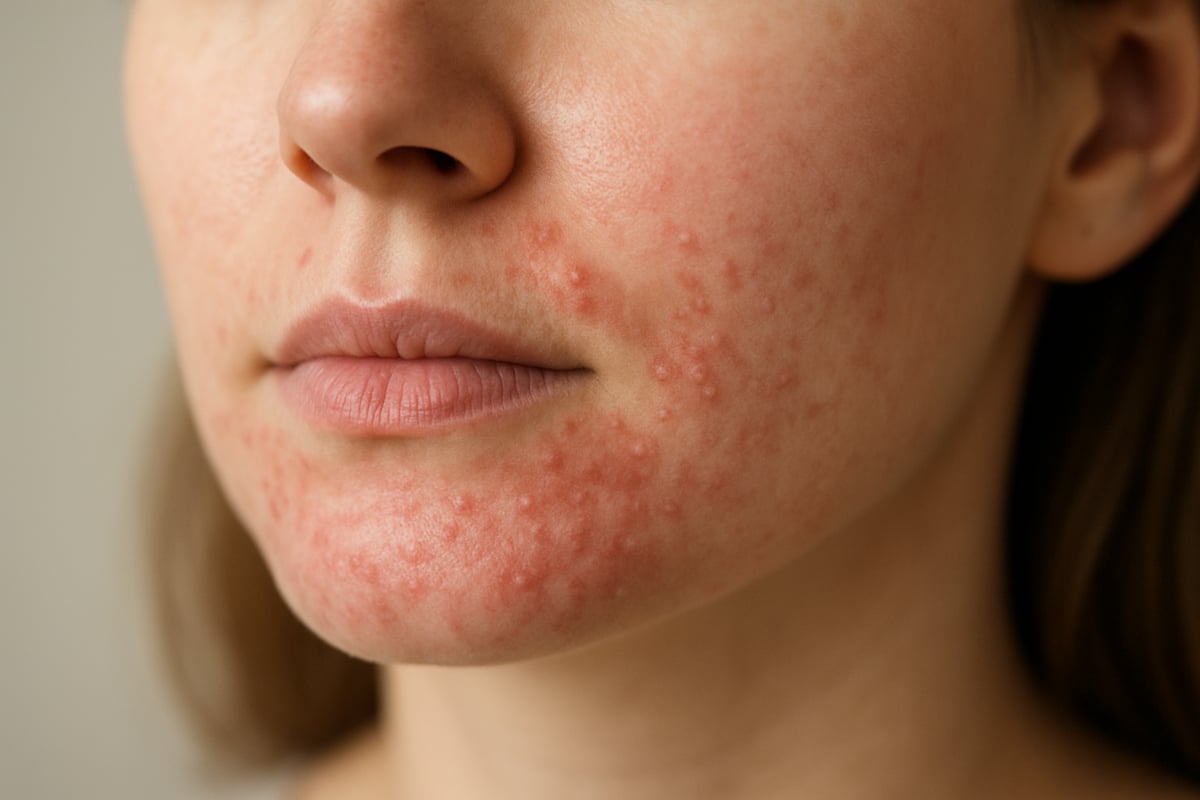
Perioral dermatitis can feel like an unsolvable mystery. It is a chronic inflammatory skin condition that primarily appears around the mouth, but sometimes pops up near the nose or eyes. If you have struggled with redness, bumps, or burning in these areas, you might already be searching for a natural cream for perioral dermatitis that brings real relief.
This condition does not discriminate, but it does have favorite targets. About 1 in every 100 adults worldwide will experience perioral dermatitis at some point. Women between ages 16 and 45 are especially at risk. The most common symptoms include:
- Persistent redness or rash
- Flaky or scaly skin
- Small papules or pustules (tiny bumps)
- Burning, itching, or a tight sensation
If you have noticed these symptoms, you are not alone. Many people turn to a natural cream for perioral dermatitis, hoping to avoid the harsh side effects of synthetic treatments. The discomfort and embarrassment can disrupt daily life, making it important to spot the signs early.
What sparks perioral dermatitis? The triggers might surprise you. Overusing topical steroids is a leading cause, especially creams that were meant to calm the skin but end up making things worse. Other common triggers include:
- Harsh or irritating skincare products
- Toothpaste containing fluoride
- Hormonal changes (such as pregnancy or menstrual cycles)
- Environmental factors like wind or extreme weather
Sensitive skin types are more prone to perioral dermatitis, and so are people with allergies or conditions like rosacea. If you fall into one of these groups, it is worth considering gentle options, such as a natural cream for perioral dermatitis, as part of your skincare routine.
The risks of ignoring this condition are real. Untreated perioral dermatitis can lead to persistent discomfort, scarring, or even emotional distress. The constant cycle of flare-ups can be exhausting, and self-esteem often takes a hit. That is why early intervention is crucial.
Diagnosing perioral dermatitis usually starts with a clinical exam. Dermatologists look at your medical history, recent skincare habits, and sometimes perform a skin swab to rule out infections. Getting an accurate diagnosis is the first step toward choosing the right treatment, whether that is a prescription or a carefully selected natural cream for perioral dermatitis.
Consider the story of a 32-year-old woman who suffered for months after overusing a steroid cream. Her symptoms kept coming back, worse each time, until a dermatologist recognized the pattern. Switching her routine and introducing a gentle, natural cream for perioral dermatitis finally set her on the path to recovery.
Want to dive deeper into what these symptoms mean and how to find the right solution? You can read more about Perioral dermatitis symptoms and treatments, which explains in detail what to look for and how to manage this stubborn condition.
Understanding the causes and symptoms of perioral dermatitis empowers you to take control. With knowledge in hand, you are ready to explore the best ways to soothe your skin and restore your confidence.
Why Choose Natural Creams for Perioral Dermatitis?
Are you wary of putting harsh chemicals on your already sensitive skin? You are not alone. The rise in demand for a natural cream for perioral dermatitis is no coincidence. More people are becoming aware that what goes on their skin matters just as much as what goes into their body.
Recent years have seen a surge in concerns about synthetic ingredients like parabens and artificial fragrances. These additives, common in many skincare products, have been linked to irritation and can make perioral dermatitis worse. Many sufferers report flare-ups after using products that seemed gentle at first glance but contained hidden irritants.
So, why is a natural cream for perioral dermatitis considered a better choice? For one, these creams are formulated to be gentle on reactive skin. They often skip unnecessary fillers, focusing instead on ingredients that soothe, calm, and repair. Think of it as choosing a salad of fresh greens over a processed meal—your skin recognizes and responds better to what is pure and simple.
Scientific studies back up the benefits of natural ingredients. For example, research shows that botanicals like calendula and chamomile can reduce dermatitis symptoms by up to 40%. These ingredients help calm inflammation, reduce redness, and speed up skin healing. If you have ever felt the sting or itch after applying a conventional cream, you know how important gentleness can be.
Let’s compare natural and conventional options for treating perioral dermatitis:
| Feature | Natural Cream for Perioral Dermatitis | Conventional Treatments |
|---|---|---|
| Key Ingredients | Calendula, chamomile, aloe vera | Steroids, antibiotics |
| Side Effects | Rare, mild if any | Rebound, thinning skin |
| Long-Term Safety | High | Can be problematic |
| Environmental Impact | Low | Variable |
| Ethical Considerations | Often cruelty-free | Not always |
As you can see, a natural cream for perioral dermatitis is typically non-comedogenic and hypoallergenic. This means it will not clog pores or trigger allergic reactions in most people. For those with sensitive skin or a history of allergies, this safety profile is a game-changer.
There is another layer: environmental and ethical responsibility. Many natural creams are cruelty-free and sourced sustainably, making them a win for both your skin and the planet. In fact, 2026 market data reveals a 35% jump in demand for natural skin solutions, with consumers seeking transparency and accountability from brands.
But do these creams actually work in real life? Consider this testimonial from a long-time dermatitis sufferer: “After years of using steroid creams that left my skin thin and reactive, I switched to a calendula-based natural cream for perioral dermatitis. Within weeks, the redness faded and my skin felt comfortable again. I finally felt in control.” Stories like this are echoed in many Holistic Treatment for Perioral Dermatitis accounts, where users share their journey from frustration to relief using natural, holistic approaches.
Choosing a natural cream for perioral dermatitis is not just about what you avoid, but what you gain—gentle support, fewer side effects, and a routine that aligns with your values. If you are looking for a safer, more effective way to soothe your skin, natural options are leading the way in 2026.
Key Natural Ingredients to Look for in 2026
Navigating the world of natural cream for perioral dermatitis can feel overwhelming. With so many products on the shelves, knowing which ingredients truly make a difference is essential. In 2026, the focus is sharper than ever on proven botanicals, powerful plant oils, and knowing what to avoid for gentle, effective relief.
Proven Botanicals for Calming and Repair
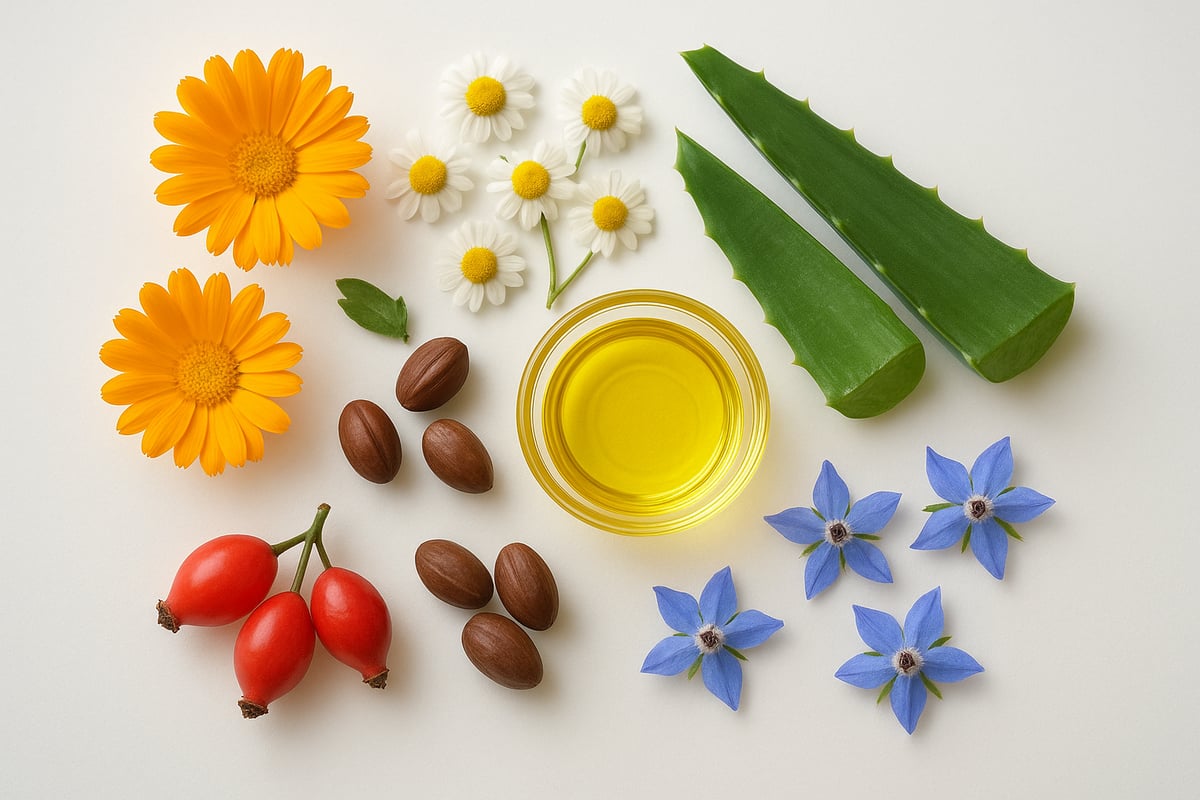
The heart of any effective natural cream for perioral dermatitis lies in its botanical actives. Calendula stands out as a star, celebrated for its anti-inflammatory power and ability to speed up skin healing. Clinical trials in recent years have shown calendula extract can reduce perioral dermatitis symptoms by up to 50 percent.
Chamomile is another go-to. With its high bisabolol content, it works wonders to calm redness and irritation. Many people find that a natural cream for perioral dermatitis containing chamomile helps soothe burning and itching within days.
Aloe vera is a hydration hero. Rich in polysaccharides, it not only moisturizes but also supports the skin barrier. Licorice root rounds out the list, helping to brighten skin and fade hyperpigmentation that sometimes lingers after a flare.
Want to dig into the science behind these botanicals? This evidence based review of perioral dermatitis therapy offers a deeper look at how natural ingredients stack up against conventional treatments.
Powerful Plant Oils and Extracts
Plant oils have become essential in the best natural cream for perioral dermatitis. Jojoba oil is prized for its ability to mimic skin’s own sebum, making it non-comedogenic and perfect for sensitive types. Rosehip oil, loaded with vitamins A and C, is celebrated for boosting skin regeneration and fading discoloration.
Evening primrose oil is rich in gamma-linolenic acid, which supports the skin’s barrier. Many people find that a natural cream for perioral dermatitis with evening primrose oil helps reduce chronic inflammation and flakiness.
Borage seed oil is a quiet powerhouse, offering anti-inflammatory benefits especially useful for persistent dermatitis. Dermatologists in 2026 often recommend blends featuring these oils for those with sensitive or reactive skin.
Here is a quick summary table of top plant oils:
| Oil | Main Benefit | Skin Suitability |
|---|---|---|
| Jojoba | Mimics natural sebum | All, especially sensitive |
| Rosehip | Regeneration, vitamins | Dry, aging, uneven tone |
| Evening Primrose | Barrier support | Dry, inflamed |
| Borage Seed | Anti-inflammatory | Chronic dermatitis |
Choosing a natural cream for perioral dermatitis packed with these oils can make a visible difference in skin comfort and resilience.
Ingredients to Avoid in Natural Creams
Even when reaching for a natural cream for perioral dermatitis, not all “natural” is safe. Some essential oils, like peppermint and citrus, are highly allergenic and can trigger flare-ups. Alcohol-based preservatives are another red flag, as they tend to dry out and further irritate sensitive skin.
Synthetic “natural” fragrances deserve caution too. In a 2025 survey, nearly 20 percent of natural creams contained hidden irritants that led to worsened symptoms. Reading labels becomes a crucial step. Always check for full ingredient transparency and avoid products with vague terms like “fragrance” or “parfum.”
Here are some practical tips for safe choices:
- Avoid high-allergen essential oils, especially in leave-on products.
- Steer clear of alcohol-based preservatives and synthetic fragrances.
- Look for third-party certifications to ensure ingredient purity.
By staying informed and vigilant, you can ensure the natural cream for perioral dermatitis you choose is truly gentle, effective, and safe for your skin.
Step-by-Step Guide: How to Choose and Use a Natural Cream for Perioral Dermatitis
Navigating the world of skincare can feel overwhelming, especially when you are searching for the best natural cream for perioral dermatitis. This step-by-step guide will help you make informed, confident choices for your sensitive skin. Let’s break it down together, so you can find relief and restore your skin’s balance.
Step 1: Identify Your Skin’s Needs
Before choosing any natural cream for perioral dermatitis, take a moment to assess your unique skin situation. Are your symptoms mild or severe? Does your skin tend to be dry, oily, or somewhere in between? Pay attention to any patterns, such as flare-ups after using certain products or changes in weather.
Make a list of your known allergies or past negative reactions to ingredients. Consider any triggers you have noticed, like stress, toothpaste, or hormonal shifts. Understanding these details will help you select a natural cream for perioral dermatitis that really works for you.
- Assess severity and frequency of symptoms.
- Identify skincare and environmental triggers.
- List any allergies or sensitivities.
- Note previous responses to creams or treatments.
By being thorough in this step, you set the foundation for success with your natural cream for perioral dermatitis.
Step 2: Research and Shortlist Products
Once you know your skin’s needs, it is time to research options. Look for products with transparent ingredient lists—avoid hidden chemicals or synthetic additives. Seek out certifications like organic or cruelty-free, which often indicate a gentler formula.
Reading user reviews and dermatologist endorsements can offer valuable insights. Compare a few top contenders side by side. For example, some creams may highlight calendula or chamomile, while others focus on barrier-repairing oils. Always ensure the natural cream for perioral dermatitis you choose matches your ingredient preferences and ethical values.
- Check for third-party certifications.
- Prioritize transparent, easy-to-understand ingredients.
- Compare user feedback and professional recommendations.
This step ensures you are not just picking what is popular, but what is truly best for your skin.
Step 3: Patch Test Before Full Application
Patch testing is an essential part of using any new natural cream for perioral dermatitis. Even the gentlest ingredients can cause issues for sensitive skin. To patch test, apply a small amount of cream to a discreet area, like behind your ear or on your inner arm.
Wait 24 to 48 hours and observe for any redness, itching, or discomfort. If your skin stays calm, you are likely good to go. If there is a reaction, try a different formula. Remember, a patch test helps prevent full-face flare-ups and supports your journey with natural cream for perioral dermatitis.
- Cleanse test area gently before applying.
- Use a pea-sized amount for accuracy.
- Monitor for delayed reactions up to two days.
This small step can save you days or weeks of irritation.
Step 4: Application Best Practices
Now that you have found your ideal natural cream for perioral dermatitis, proper application is key. Always start with a gentle, non-foaming cleanser to remove impurities without stripping your skin. Pat your face dry with a soft towel.
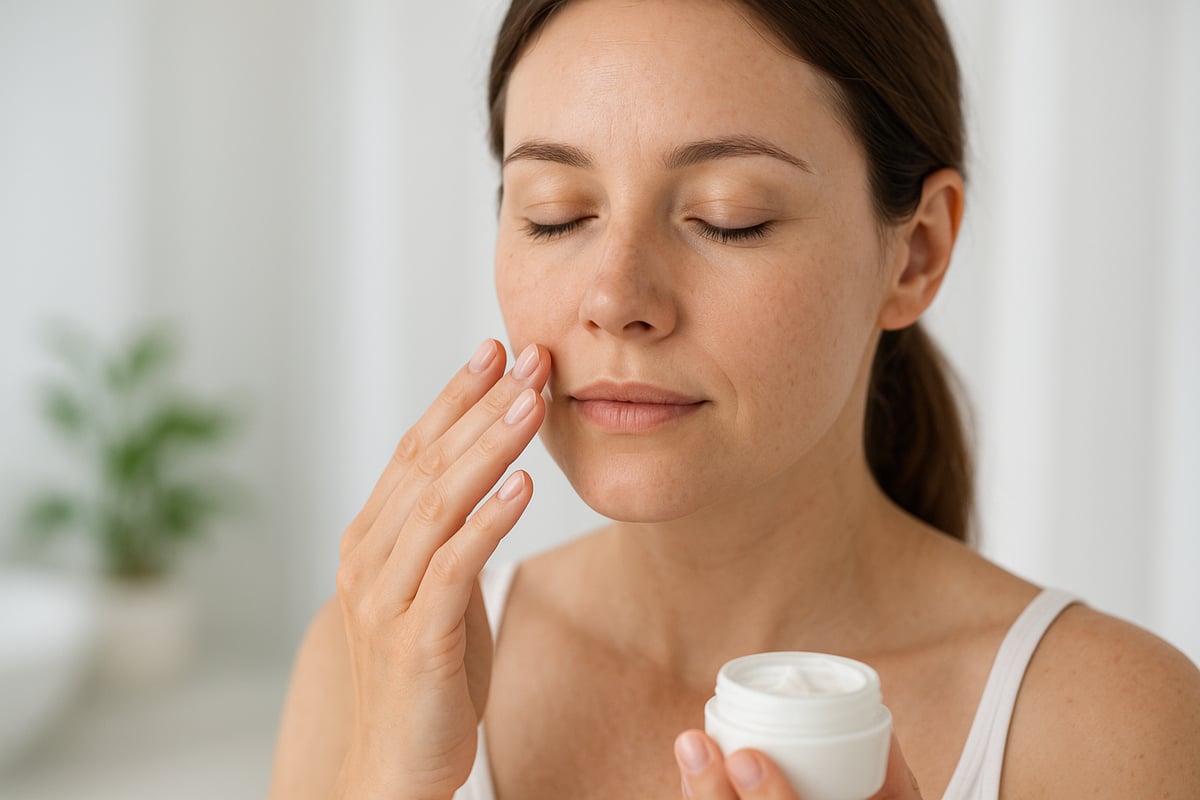
Apply a thin layer of the natural cream for perioral dermatitis to affected areas. Avoid rubbing or layering with multiple products, which can aggravate sensitive skin. Most creams work best when used once or twice daily, but always follow product instructions and adjust as needed.
- Start with clean, dry skin.
- Use a light touch and minimal product.
- Apply consistently at recommended intervals.
Gentle, consistent care helps deliver the best results.
Step 5: Monitor Progress and Adjust Routine
Tracking your skin’s response is crucial after starting a new natural cream for perioral dermatitis. Keep a simple journal or take weekly photos to see how redness, bumps, or irritation change over time.
If you notice steady improvement, stick with your routine. If symptoms worsen or do not improve after two to four weeks, consult a dermatologist. Sometimes, your skin may need a different approach or additional support alongside your natural cream for perioral dermatitis.
- Document changes in symptoms weekly.
- Note any new triggers or outside factors.
- Seek professional advice if needed.
Staying observant ensures you get the most from your chosen product.
Step 6: Integrate with a Holistic Skincare Routine
To maximize the benefits of your natural cream for perioral dermatitis, support your skin with a gentle, holistic routine. Use non-foaming cleansers, skip harsh exfoliants, and choose sun protection formulated for sensitive skin.
For more ideas on creating a gentle, effective routine, check out these natural skincare tips for spring. Remember, less is more when your skin is healing. Consistency, patience, and mindful choices will help you achieve lasting comfort.
Expert Tips for Managing Perioral Dermatitis Naturally
Finding balance in your daily routine can make a world of difference when using a natural cream for perioral dermatitis. Let’s explore expert-backed strategies to help you manage symptoms gently, avoid common triggers, and support your skin’s natural healing journey.
Lifestyle and Environmental Adjustments
Managing perioral dermatitis starts with understanding your daily habits and environment. Small changes can have a big impact, especially when paired with a natural cream for perioral dermatitis.
First, identify and avoid common triggers like fluoride toothpaste, topical steroid creams, and harsh weather conditions. Many people see improvement just by switching to SLS-free or fluoride-free toothpaste.
Your diet also plays a role. Focus on anti-inflammatory foods such as leafy greens, berries, and omega-3 rich fish. Staying hydrated helps maintain your skin’s barrier, while reducing processed foods can lower inflammation.
Stress is another hidden culprit. Practice mindfulness, meditation, or deep breathing exercises to keep flare-ups at bay. Prioritizing sleep and finding time for relaxation supports your skin’s natural repair process.
Choosing products with ethical and eco-friendly values not only benefits your skin but also the planet. For inspiration, discover how eco-friendly artisan skincare can complement your use of a natural cream for perioral dermatitis.
Remember, positive lifestyle adjustments go hand-in-hand with your topical routine.
Skincare Routine Do’s and Don’ts
Your daily skincare habits can either calm or aggravate perioral dermatitis. When using a natural cream for perioral dermatitis, keep your approach minimal and gentle.
Do:
- Use lukewarm water to cleanse your face.
- Pat skin dry with a soft towel, avoiding friction.
- Stick to a simple routine, focusing on a gentle cleanser and your chosen natural cream for perioral dermatitis.
Don’t:
- Overwash your face, as this can strip natural oils.
- Use strong actives like retinoids or exfoliants during flare-ups.
- Layer multiple products, which increases the risk of irritation.
Consistency is key. Give your skin time to adjust and allow the natural cream for perioral dermatitis to work its magic. Be patient, as visible results may take several weeks.
If you’re looking for real-world experiences, reading customer testimonials on natural creams can be helpful for understanding what to expect and how others have succeeded.
When to Seek Professional Help
While a natural cream for perioral dermatitis is effective for many, it’s important to recognize when it’s time to consult a dermatologist.
If you notice signs of infection, such as increased redness, swelling, pus, or pain, professional care is crucial. Severe worsening or no improvement after four weeks of consistent use should also prompt a visit to a skin specialist.
Dermatologists can provide accurate diagnosis, rule out other conditions, and discuss safe integration of medical therapies with your natural routine. Sometimes, combining a natural cream for perioral dermatitis with prescription treatments leads to the best results.
Never hesitate to seek expert guidance if you’re unsure about your symptoms or progress. Your health and confidence are worth it.
Latest Research and Innovations in Natural Creams for Perioral Dermatitis (2026 Update)
Are you wondering what’s new in the world of natural cream for perioral dermatitis? 2026 has brought an exciting wave of scientific discoveries and product innovations, making it easier than ever to find relief using gentle, effective solutions. Let’s dive into the latest research, breakthrough ingredients, and what these advances mean for your skin health.
2026 Clinical Studies: Natural Creams Take Center Stage
Recent clinical trials have confirmed what many holistic dermatologists have been saying for years: a well-formulated natural cream for perioral dermatitis can significantly reduce symptoms without the risks linked to steroids or antibiotics. In one standout study, a cream containing a TRPV1 inhibitor, derived from botanicals, showed marked improvement in redness and irritation. You can read more in the Efficacy of a skin care cream with TRPV1 inhibitor 4-t-butylcyclohexanol in the topical therapy of perioral dermatitis study, which highlights how non-steroidal options are reshaping topical therapy.
New Botanical Breakthroughs: Plant Peptides and Microbiome Balancers
This year, researchers have uncovered the power of plant peptides and microbiome-balancing extracts in natural cream for perioral dermatitis. These ingredients work at a cellular level, calming inflammation and repairing the skin’s barrier. Oat-derived peptides and fermented botanicals are leading the way, showing impressive results in soothing irritation and reducing recurrence rates in long-term studies.
Formulation Advances: Bioavailability and Shelf Life
Science is catching up with nature. The latest natural cream for perioral dermatitis features enhanced bioavailability, meaning active ingredients penetrate deeper and work more effectively. New preservation methods, like airless pump packaging and plant-based antioxidants, extend shelf life without synthetic chemicals. This means safer, fresher creams for sensitive skin.
Personalized Skincare: AI and Ingredient Matching
In 2026, AI-driven tools are helping users pinpoint the best natural cream for perioral dermatitis based on their unique skin profile. These platforms analyze skin type, triggers, and sensitivities, then recommend products with optimal ingredient blends. Personalized care is now more accessible, empowering you to make smarter choices for your skin.
Market Leaders and Consumer Satisfaction
Let’s look at the numbers. The natural skincare market has exploded, with leading brands focusing on transparency and efficacy. According to recent surveys, over 80% of users reported satisfaction with natural cream for perioral dermatitis, especially those containing oat, calendula, or chamomile. Here’s a quick market snapshot:
| Brand Name | Key Ingredient | Satisfaction Rate |
|---|---|---|
| PureCalm | Oat peptides | 85% |
| Botanica Relief | Calendula extract | 83% |
| GentleGlow | Chamomile & aloe | 80% |
Regulatory Shifts: Stricter “Natural” Standards
With consumer demand rising, both the EU and US have tightened regulations for products labeled “natural.” Only creams meeting strict sourcing, safety, and transparency criteria can now claim this title. This shift means you can trust that a natural cream for perioral dermatitis is genuinely plant-based and free from hidden irritants.
Emerging Trends: Barrier Repair and Microbiome Health
Looking ahead, the focus is on strengthening the skin barrier and nurturing a healthy microbiome. Natural cream for perioral dermatitis is now packed with prebiotics and barrier-boosting botanicals, offering holistic support for sensitive skin. One recent trial reported a 65% improvement in symptoms with a novel oat-based formula, underlining the promise of these innovations.
In short, 2026 is an exciting time for anyone seeking a natural cream for perioral dermatitis. With science and nature working hand in hand, relief is both safer and more effective than ever before.