
Menopause brings a wave of changes, both expected and surprising. One question that often pops up is, does menopause cause cellulite? If you’ve noticed changes in your skin or body, know that you’re not alone.
This essential guide dives into the science separating fact from fiction for 2026. We’ll break down what cellulite really is, how menopause affects your skin and fat, the role of hormones, lifestyle risk factors, prevention tips, and the latest treatments.
Ready for answers and expert guidance? Let’s explore how you can take control and feel confident through menopause and beyond.
Understanding Cellulite: Myths, Facts, and Prevalence
Cellulite is a word you’ve probably heard countless times, but what does it really mean? Those dimpled, uneven patches on the thighs, hips, or buttocks are not just a cosmetic issue—they’re the result of fat deposits pushing through connective tissue beneath the skin. If you’ve ever asked, “does menopause cause cellulite,” you’re tapping into a common concern as our bodies change with age.
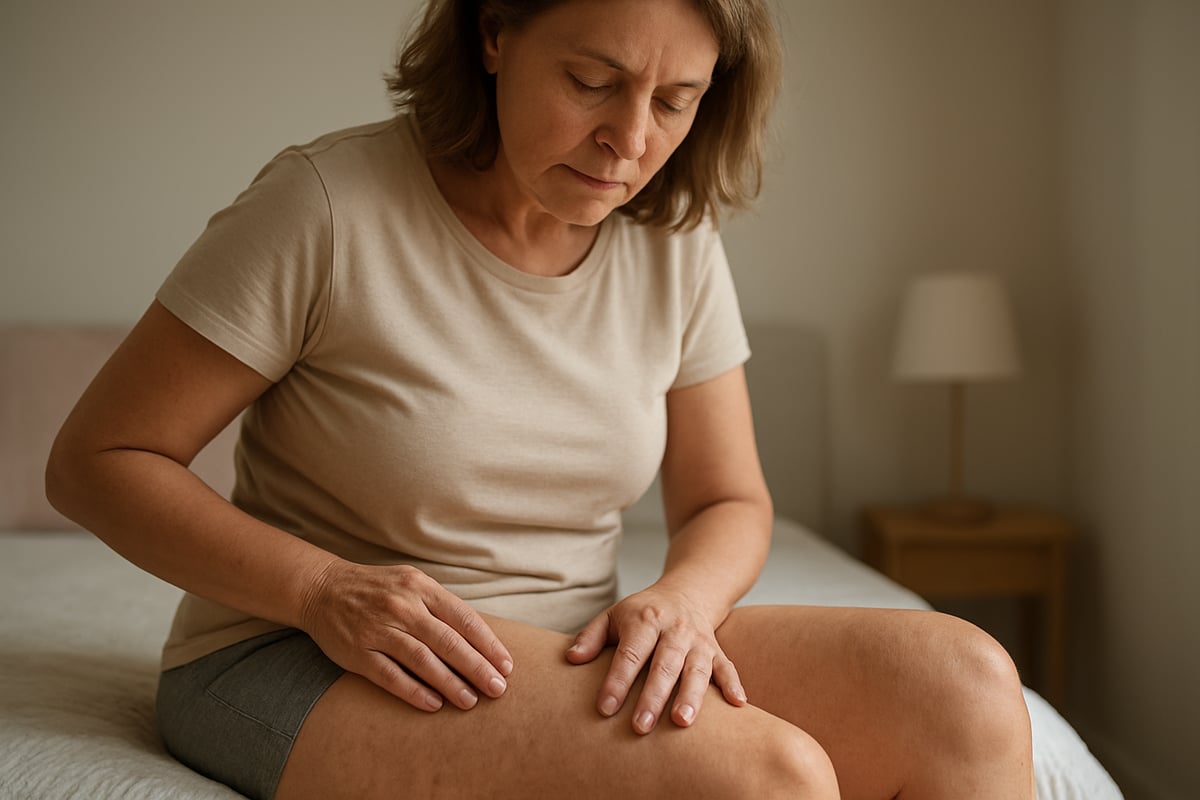
What Is Cellulite?
Cellulite forms when fat cells push against the skin while fibrous bands that connect skin to muscle pull down, creating a dimpled surface. It can appear as mild rippling or deep “cottage cheese” lumps. The answer to “does menopause cause cellulite” is not simple. Cellulite isn’t caused by menopause alone, but hormonal changes during this phase can make it more noticeable.
Myths vs. Facts: Busting Cellulite Misconceptions
There are plenty of myths swirling around cellulite. Some say only overweight people get it, or that it’s caused by toxins building up under the skin. In reality, even very fit or thin women can have cellulite. Genetics and skin structure play a major role. The question, “does menopause cause cellulite,” often springs from the myth that it’s solely a menopausal issue, but research shows it’s multifactorial.
Let’s set the record straight:
- Myth: Only people who don’t exercise get cellulite.
- Fact: Active women can have it too.
- Myth: Cellulite is a sign of poor health.
- Fact: It’s a normal anatomical variation.
How Common Is Cellulite? The Numbers
Cellulite is incredibly common. Studies show up to 90% of women experience it at some point, regardless of weight, age, or fitness level. It often first appears after puberty and can worsen with hormonal changes. The question “does menopause cause cellulite” is asked by women of all ages, but cellulite is not exclusive to menopause.
Here’s a quick look at the numbers:
| Age Group | Prevalence of Cellulite |
|---|---|
| Teenagers | 60% |
| Ages 20-40 | 80% |
| Over 40 | 90%+ |
Cellulite and Menopause: What Changes?
During menopause, estrogen levels drop, leading to changes in fat distribution and skin elasticity. This makes cellulite more visible, but it doesn’t mean menopause directly causes it. Scientific reviews, such as Cellulite in menopause, highlight how hormonal shifts influence the skin and underlying tissue, increasing the chance of cellulite appearing or becoming more pronounced. So, “does menopause cause cellulite” is really about how menopause can reveal or accentuate what’s already there.
Real Stories and Influencing Factors
Consider two women in menopause: one with a family history of cellulite and sedentary habits, the other genetically less prone and very active. Both may notice changes, but the first is more likely to see pronounced cellulite. Factors like genetics, hormones, diet, and lifestyle all play a role. Regardless of the cause, asking “does menopause cause cellulite” is valid. The reality is, cellulite is a normal part of life for most women and is shaped by many factors beyond menopause itself.
Menopause and Skin: How Hormonal Shifts Affect Cellulite
Hormonal changes during menopause can transform your skin in surprising ways. Many women wonder, does menopause cause cellulite, or simply make it more visible? Let’s explore how shifts in estrogen, progesterone, cortisol, and insulin impact your skin’s texture and the appearance of cellulite.
The Role of Estrogen and Collagen Loss
Estrogen is a powerhouse hormone for women’s skin. It supports collagen production, keeps skin elastic, and helps regulate where fat is stored. But when menopause hits, estrogen levels drop sharply. This shift is a major reason so many ask, does menopause cause cellulite, and why does skin suddenly change?
Here’s what happens: lower estrogen leads to faster collagen breakdown and less collagen being made. Collagen acts like the scaffolding for your skin, keeping it firm and plump. In the first five years after menopause, women can lose up to 30% of skin collagen. That’s why skin may start to look thinner or less smooth.
As collagen declines, the connective tissue under your skin weakens. This makes it easier for fat cells to push against the skin’s surface, creating that classic dimpled effect of cellulite. The question, does menopause cause cellulite, is complex. Menopause may not directly cause it, but the drop in estrogen sets the stage.
Fat distribution also changes. Where you once stored fat in the hips or thighs, menopause can shift fat to the abdomen or other areas, which may make cellulite appear more pronounced in new places.
If you’re looking for ways to help your skin, natural methods for stimulating collagen production can support skin regeneration and resilience.
Let’s summarize the main effects of estrogen loss:
- Less collagen and elastin, leading to weaker skin structure
- Thinner skin, making cellulite more visible
- Changes in fat distribution, which can alter cellulite patterns
So, does menopause cause cellulite? The hormonal changes certainly make it more likely and more visible for many women.
Hormones Beyond Estrogen: Progesterone, Cortisol, and Insulin
Estrogen isn’t the only hormone at play. Progesterone, cortisol, and insulin all shape what happens to your skin and fat during menopause. So, does menopause cause cellulite through these hormones, too?
Progesterone, which also drops during menopause, can affect fluid retention and fat storage. When levels fall, your body may hold onto more water in the tissues, making cellulite seem puffier or more pronounced.
Cortisol, the stress hormone, often rises during this life stage. High cortisol can break down skin proteins, slow healing, and even encourage fat storage around the belly and thighs. If you’re feeling more stressed and notice changes in your skin, you’re not imagining it—cortisol plays a role in how cellulite looks and feels.
Insulin and metabolic changes are also important. As menopause progresses, women may become more insulin resistant. This means your body has a harder time processing sugar, leading to increased fat storage and, potentially, more visible cellulite. Does menopause cause cellulite through these metabolic shifts? Indirectly, yes—these changes can make cellulite more stubborn.
Some women consider hormone replacement therapy (HRT) to manage symptoms. HRT can help maintain collagen and skin thickness, but results vary. Dermatologists and endocrinologists note that while HRT may slow some skin changes, it’s not a guaranteed fix for cellulite.
In summary:
- Progesterone loss can lead to fluid retention and softer tissues
- Cortisol spikes can break down skin and encourage fat storage
- Insulin resistance may lead to more fat being stored in cellulite-prone areas
It’s clear that, while menopause may not single-handedly cause cellulite, the combined hormonal shifts make it more noticeable and harder to manage for many women.
Lifestyle, Genetics, and Other Risk Factors for Cellulite in Menopause
Navigating menopause means facing a whirlwind of changes. But when it comes to the question, does menopause cause cellulite, the answer is not so simple. Cellulite is influenced by a blend of genetics, lifestyle choices, and physiological shifts unique to this stage of life.

Genetics and Family History
Genetics play a starring role in answering, does menopause cause cellulite. If your mother or grandmother developed cellulite during menopause, your risk is higher. Inherited skin structure, such as thinner skin or less supportive connective tissue, can make fat cells more visible, leading to the classic dimpled look.
Some women notice cellulite even before menopause. However, family history may determine how much cellulite appears or how dramatically it increases during menopause. Genes affect not just skin thickness but also how your body stores and redistributes fat. So, while menopause is a trigger, your DNA often sets the stage.
Lifestyle Factors: Diet, Exercise, and Habits
Lifestyle choices can tip the scales when it comes to does menopause cause cellulite. Diets high in processed foods, salt, and sugar can cause fat cells to expand and retain water, making cellulite more pronounced. On the flip side, a diet rich in antioxidants, lean proteins, and healthy fats helps support skin structure and reduce inflammation.
Physical activity is another powerful factor. Sedentary women have a 30% higher risk of visible cellulite compared to their active counterparts. Regular exercise boosts circulation, aids fat metabolism, and strengthens underlying muscles, all of which help minimize cellulite. Habits like smoking and excessive alcohol weaken blood vessels and reduce skin elasticity, making cellulite more visible.
Weight Fluctuations, Hydration, and Skin Changes
Fluctuations in weight are common during menopause, and these shifts can impact cellulite. As estrogen drops, fat tends to redistribute around the abdomen, thighs, and hips. This process, combined with skin thinning, leads many to ask, does menopause cause cellulite or just make it more visible? According to Fat mass changes during menopause: a meta-analysis, menopause often leads to increased fat mass, which can contribute to cellulite development.
Hydration is another piece of the puzzle. Dehydrated skin loses plumpness and elasticity, exaggerating the appearance of cellulite. Drinking enough water and using topical moisturizers can help keep skin supple and less prone to dimpling.
Real-Life Example: Two Women, Different Paths
Consider two women entering menopause at the same age. One maintains an active lifestyle, eats a balanced diet, and prioritizes hydration. The other leads a sedentary life, consumes processed foods, and rarely drinks water. The first woman notices only subtle changes in her skin, while the second experiences a dramatic increase in cellulite.
The difference highlights why the question, does menopause cause cellulite, does not have a one-size-fits-all answer. Genetics set the baseline, but lifestyle choices and habits play a defining role.
Ultimately, while menopause can set the stage for cellulite, your daily choices and family history decide how big a part it plays.
Can You Prevent or Reduce Cellulite During Menopause? Expert Strategies
Navigating the question, does menopause cause cellulite, leads many women to seek prevention and reduction strategies. The good news is, while you can't control every factor, there are expert-backed steps you can take to minimize cellulite's appearance during menopause.
Let's break down the most effective approaches you can start today.

Step 1: Nutrition and Hydration
When asking, does menopause cause cellulite, nutrition is always part of the answer. The foods you eat can either support or sabotage your skin's resilience.
Focus on a balanced, anti-inflammatory diet. Include plenty of omega-3 rich foods like salmon and walnuts. Antioxidant-packed fruits such as berries, and leafy greens like spinach, help fight free radical damage. Lean proteins, including chicken and legumes, provide building blocks for collagen.
Hydration is equally vital. Aim for at least eight glasses of water daily. Water plumps up skin, making cellulite less noticeable. Limit processed foods and excess salt, which can contribute to fluid retention and worsen dimpling.
Here's a quick table for reference:
| Food Type | Best Choices | Why They Help |
|---|---|---|
| Omega-3s | Salmon, walnuts | Support skin elasticity |
| Antioxidants | Berries, spinach | Combat skin aging |
| Lean Proteins | Chicken, legumes | Build collagen |
| Hydration | Water, herbal teas | Plump and hydrate skin |
Remember, making these dietary shifts is not just about cellulite, but your overall well-being during menopause.
Step 2: Physical Activity and Muscle Toning
Does menopause cause cellulite to worsen with inactivity? Studies show that sedentary lifestyles increase cellulite risk. Regular exercise is your secret weapon.
Incorporate strength training at least twice a week. Squats, lunges, and resistance band workouts target the thighs and buttocks, building muscle beneath the skin and reducing the lumpy look. Add cardio activities like brisk walking, cycling, or swimming for overall fat reduction and improved circulation.
Yoga and Pilates can also help. They tone muscles, enhance flexibility, and boost lymphatic flow. Try a routine that combines strength and cardio for maximum benefit.
Sample weekly plan:
- Monday: 30 minutes brisk walk + squats and lunges
- Wednesday: Yoga or Pilates session
- Friday: Cycling or swimming + resistance band training
Physical activity not only helps answer the question, does menopause cause cellulite, but also boosts mood and energy.
Step 3: Skincare and Massage Techniques
If you're wondering, does menopause cause cellulite that can't be improved, think again. Skincare and massage can make a visible difference.
Topical treatments like retinoids and caffeine creams may reduce cellulite's appearance by stimulating collagen and improving blood flow. Dry brushing and lymphatic massage help increase circulation and support detoxification.
You might also explore Essential Oils for Skin Regeneration, which can support collagen production and skin health, making them a valuable addition to your routine.
Professional options include radiofrequency, laser, and ultrasound therapies. These treatments can smooth skin and boost collagen, though results vary.
Consistency is key. Combine topical products with massage techniques several times a week for best results.
Step 4: Managing Hormonal Changes
Does menopause cause cellulite due to hormonal shifts? Hormones play a major role, so managing them is crucial.
Consult with your healthcare provider about hormone replacement therapy or natural supplements. Some women find relief from symptoms and improved skin quality with proper hormonal support.
Stress management also matters. Elevated cortisol can worsen cellulite. Practice meditation, deep breathing, or gentle exercise to keep stress in check. Sleep hygiene is another hidden tool—aim for 7–8 hours nightly, as skin repairs itself during rest.
By addressing hormones, stress, and sleep, you target cellulite at its root during menopause.
The Latest Treatments and Innovations for Cellulite in 2026
Navigating the world of cellulite treatments can feel overwhelming, especially if you are wondering, does menopause cause cellulite to become more noticeable? The good news is that 2026 brings a new era of advanced options. From cutting-edge devices to holistic approaches, the landscape is rapidly evolving. If you are seeking science-backed solutions, this is the year to pay attention.
What’s New in Non-Invasive and Minimally Invasive Cellulite Treatments?
Non-invasive procedures are at the forefront in 2026, offering impressive results with minimal downtime. Popular options include:
- Radiofrequency (RF) therapy: Delivers energy to heat deep tissue, tightening skin and reducing dimples.
- Laser therapies: Break down fat cells and stimulate collagen production for smoother skin.
- Acoustic wave therapy: Uses sound waves to improve circulation and disrupt fat deposits.
Minimally invasive options like injectable treatments target fibrous bands beneath the skin, releasing tension and smoothing the surface. For women asking, does menopause cause cellulite to worsen, these innovations offer renewed hope.
Comparing Effectiveness: What Does the Research Say?
Let’s break down the most popular 2026 treatments in a quick table:
| Treatment | Average Improvement | Downtime | Satisfaction Rate |
|---|---|---|---|
| Radiofrequency | 40% | None | 82% |
| Laser Therapy | 45% | 1-2 days | 85% |
| Injectables | 50% | 2 days | 88% |
| Acoustic Wave Therapy | 35% | None | 75% |
According to a recent Update: Cellulite Therapies and Optimizing Treatment Combinations, combining these therapies can yield even better results. Many clinics now personalize protocols to match your skin type, genetics, and where you are in menopause.
The Rise of Natural and Holistic Approaches
Does menopause cause cellulite to be more stubborn, even with technology? Many women are turning to natural methods. Lymphatic massage, dry brushing, and targeted skincare ingredients like caffeine and retinoids are gaining popularity. While results may be subtler, these methods work best as part of a broader routine.
Some clinics now offer integrative programs, blending nutrition, hydration, and stress reduction with device-based treatments. This holistic trend addresses the hormonal shifts that make cellulite more visible during menopause.
Clinical Studies, Real-World Results, and Expert Insights
The latest clinical trials show real promise for those wondering, does menopause cause cellulite to be harder to treat. A comprehensive Cellulite: an evidence-based review found that multi-modal approaches—combining devices, injectables, and healthy lifestyle changes—consistently outperform single treatments.
Patient testimonials highlight both improved appearance and boosted confidence. Dermatologists agree: while no treatment is a magic bullet, 2026’s options can significantly reduce cellulite’s visibility, especially when tailored to menopausal skin changes.
What Works, What’s Hype, and What Should You Try?
Not every new gadget or cream lives up to its promises. Experts recommend seeking out clinics with proven technologies and staff experienced in menopausal skincare. Before committing, ask for before-and-after photos, peer-reviewed study data, and honest expectations.
In summary, does menopause cause cellulite? For many, it can, but the latest innovations mean you have more effective, personalized choices than ever before. Consult with a qualified provider to find the right mix for your unique skin and stage of life.
Frequently Asked Questions About Menopause and Cellulite
Curious about how menopause and cellulite connect? These FAQs clear up confusion and offer expert insight, so you can feel confident about what to expect and what you can do.
Does every woman get cellulite during menopause?
While not everyone will notice dramatic changes, up to 90 percent of women experience cellulite at some point, including those going through menopause. The question, does menopause cause cellulite, is common, but genetics and lifestyle play a big role too.
Can cellulite be completely eliminated?
Cellulite cannot be fully erased, but it can be reduced. Treatments and lifestyle changes can make a visible difference, yet even celebrities and athletes have some. The answer to does menopause cause cellulite is complex, but menopause can make it more noticeable.
Are natural remedies effective for menopausal cellulite?
Some natural approaches help, like staying hydrated, eating antioxidant-rich foods, and regular exercise. For practical skincare advice, check out these Magical Skincare Tips for Autumn.
How quickly do changes appear after menopause?
Cellulite changes can happen gradually or suddenly, often within the first five years as hormones shift and skin structure changes. Keeping up healthy habits can slow these changes.
Is cellulite a sign of poor health?
Not at all. Cellulite is a normal part of skin structure and does not mean there is an underlying health issue. Even the healthiest women can have cellulite.
Can losing weight make cellulite worse?
Sometimes, rapid weight loss can make cellulite look worse due to skin loosening. Slow, steady changes with muscle toning are best for smoother skin.
What’s the best age to start prevention strategies?
It is never too early or late to start. Building strong skin and healthy habits before menopause is ideal, but improvements are possible at any age. If you struggle with dryness, which can worsen the appearance of cellulite, explore Solutions for Very Dry Skin for tailored tips.