
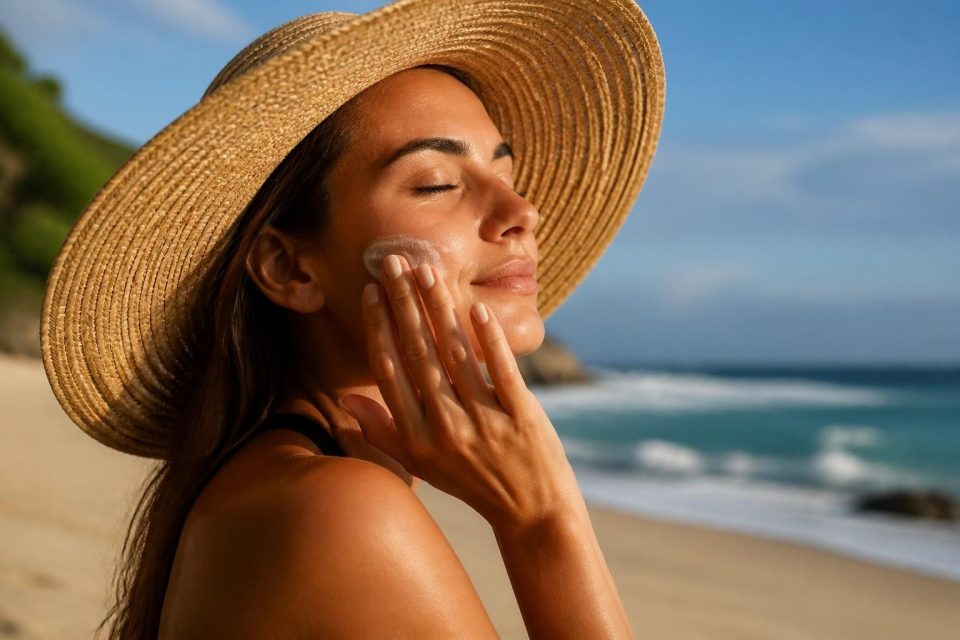
Your skin is your body's largest organ, and its relationship with sunlight is more complex than you might think. While we need sunshine for vitamin D production and mental wellbeing, the interaction between skin sun exposure requires careful management to prevent damage while maintaining health. In 2026, understanding how to protect your skin while enjoying outdoor activities has never been more important, especially as we face changing environmental conditions and evolving skincare solutions.
Understanding How Sunlight Affects Your Skin
The science behind skin sun interaction involves multiple layers of complexity. When ultraviolet radiation hits your skin, it triggers immediate and long-term responses that affect everything from pigmentation to cellular structure.
The Two Types of UV Radiation You Should Know
UVA rays penetrate deeply into your skin, affecting the dermis where collagen and elastin reside. These rays don't cause immediate burning but contribute significantly to premature aging and long-term damage.
UVB rays target the skin's surface, causing sunburn and playing a direct role in developing skin cancers. According to the CDC’s information on UV radiation, both types pose distinct risks that require comprehensive protection strategies.
Your skin sun exposure accumulates over time, creating a "sun damage bank" that can manifest years or even decades later. Every unprotected moment outdoors deposits into this bank, whether you're at the beach or walking to your car.

Recognizing the Signs of Sun Damage
Many people don't realize their skin has sustained damage until visible changes appear. Early detection helps you adjust your protection strategy before serious problems develop.
Immediate Effects on Your Skin
- Redness and inflammation within hours of exposure
- Tenderness or pain when touching affected areas
- Skin feeling tight or dehydrated
- Increased skin temperature in exposed regions
- Peeling that begins 3-7 days after burning
Long-Term Consequences
The relationship between skin sun damage extends far beyond temporary sunburn. Chronic exposure creates structural changes that accelerate aging and increase health risks.
| Early Signs | Advanced Indicators | Serious Concerns |
|---|---|---|
| Fine lines around eyes | Deep wrinkles | Precancerous lesions |
| Uneven pigmentation | Age spots | Skin cancer development |
| Rough texture | Loss of elasticity | Permanent discoloration |
| Mild dryness | Visible capillaries | Thick, leathery skin |
The Harvard Health overview of sun-damaged skin details how these changes progress, emphasizing that prevention remains far more effective than treatment.
Building Your Daily Sun Protection Routine
Creating a comprehensive skin sun protection strategy requires consistency rather than perfection. Your daily habits matter more than occasional intensive measures.
Morning Protection Protocol
Start every day with protection, regardless of weather conditions. UV rays penetrate clouds, windows, and even light clothing.
- Cleanse your face with a gentle, natural cleanser
- Apply an antioxidant-rich serum to combat free radicals
- Use a broad-spectrum sunscreen with SPF 30 or higher
- Reapply every two hours when spending time outdoors
- Layer protective clothing over exposed areas
Natural skincare products work harmoniously with sun protection strategies, supporting your skin's inherent defense mechanisms while providing external barriers. Exploring natural skincare solutions can complement your protection routine with ingredients that nourish and repair.
Strategic Timing and Behavior
The sun's intensity varies throughout the day, with peak UV radiation occurring between 10 AM and 4 PM. Sun protection guidelines from MedlinePlus recommend scheduling outdoor activities outside these hours whenever possible.
Smart outdoor habits include:
- Seeking shade during peak intensity hours
- Wearing wide-brimmed hats that shade face and neck
- Choosing tightly-woven fabrics that block UV penetration
- Protecting eyes with UV-blocking sunglasses
- Avoiding reflective surfaces that intensify exposure
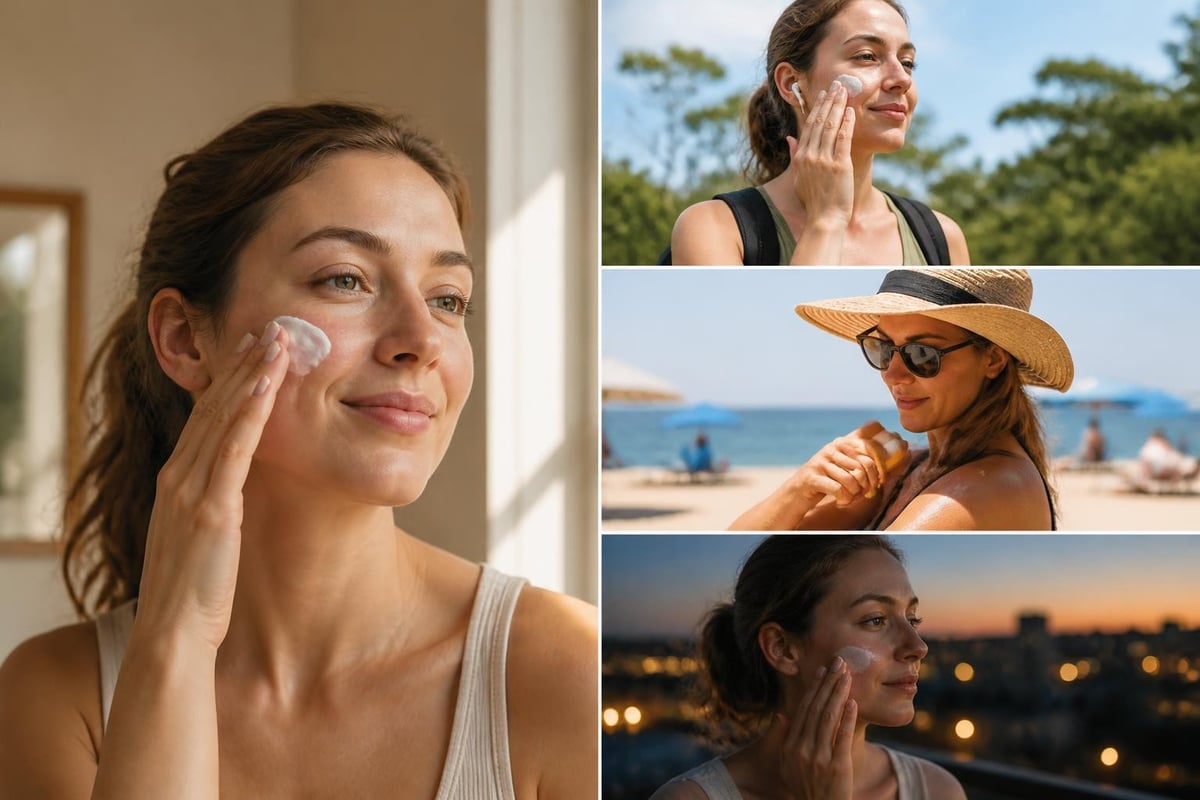
Natural Approaches to Skin Sun Care
Modern skincare increasingly embraces ingredients that work with your skin's biology rather than against it. Natural compounds offer powerful protection when incorporated thoughtfully.
Plant-Based Protection Allies
Certain botanical ingredients provide antioxidant support that helps neutralize free radicals generated by UV exposure. While they shouldn't replace sunscreen, they create additional layers of defense.
- Green tea extract contains polyphenols that reduce inflammation
- Vitamin C brightens while defending against oxidative stress
- Vitamin E supports skin barrier function and healing
- Aloe vera soothes and hydrates sun-exposed skin
- Chamomile calms redness and irritation
The American Academy of Dermatology’s sun protection guidance acknowledges that comprehensive care combines multiple approaches, including topical protection and nutritional support.
After-Sun Recovery Strategies
When your skin sun exposure exceeds safe limits despite precautions, immediate recovery care minimizes damage progression.
| Recovery Step | Purpose | Timing |
|---|---|---|
| Cool compress application | Reduces inflammation | Immediately after exposure |
| Hydrating treatment | Restores moisture barrier | Within 2-4 hours |
| Antioxidant serum | Neutralizes free radicals | Evening application |
| Gentle cleansing | Removes impurities without stripping | Twice daily |
| Extra hydration | Supports cellular repair | Ongoing for 5-7 days |
Understanding that less is definitely more when treating stressed skin helps you avoid over-treating and further irritation.
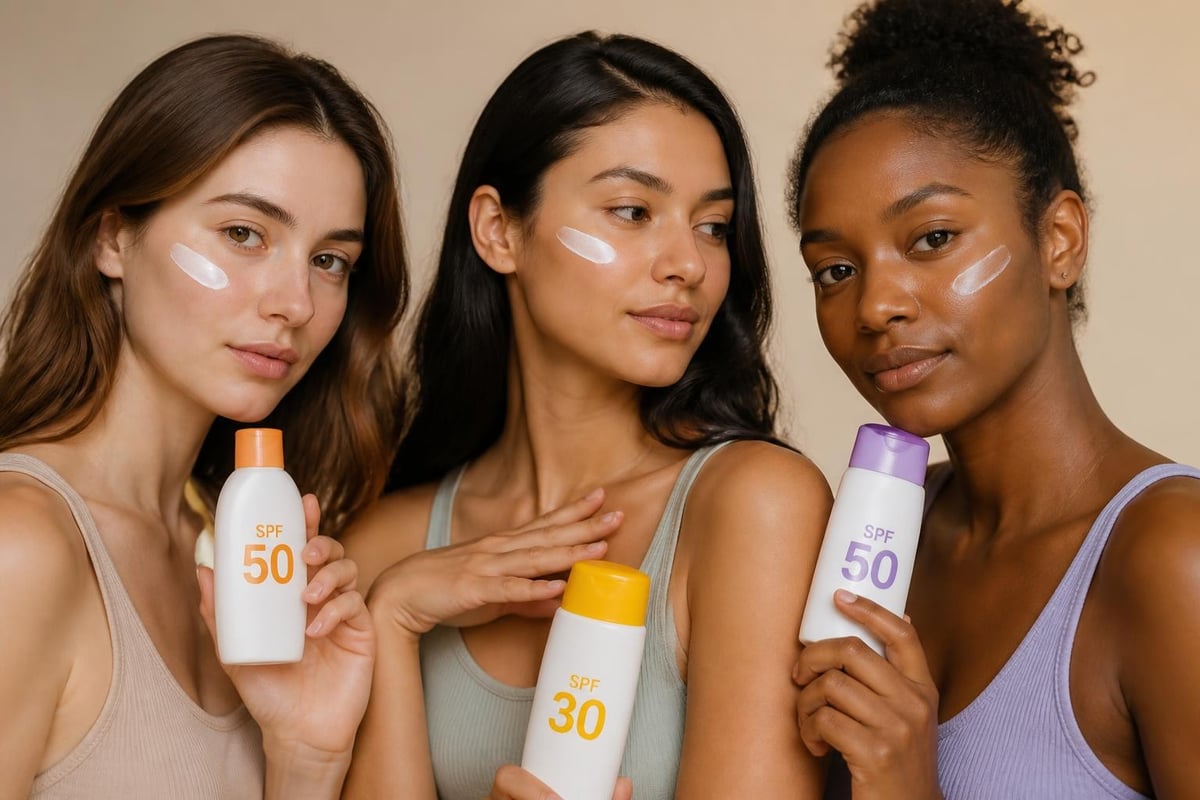
Special Considerations for Different Skin Types
Your skin sun protection needs vary based on your individual characteristics. Customizing your approach ensures optimal results without unnecessary product layering.
Fair and Light Skin Tones
People with less melanin burn faster and face higher skin cancer risks. Your protection strategy should be more aggressive, with SPF 50 or higher and frequent reapplication.
Consider these enhanced measures:
- Seeking shade as your primary defense
- Wearing protective clothing as standard practice
- Applying sunscreen 30 minutes before sun exposure
- Using water-resistant formulas during swimming or sweating
Medium and Olive Complexions
While you have more natural protection than fairer skin types, UV damage still accumulates. Many people with medium skin tones mistakenly believe they don't need consistent protection.
Your skin sun care should include regular SPF 30 application and attention to hyperpigmentation, which develops more readily in melanin-rich skin after inflammation.
Deep Skin Tones
Melanin provides natural UV protection, but it's not sufficient on its own. The CDC’s sun safety facts emphasize that everyone, regardless of skin tone, requires protection from harmful UV radiation.
Key considerations include:
- Finding sunscreens that don't leave white residue
- Monitoring for hyperpigmentation and dark spots
- Watching for skin cancer in areas like palms and soles
- Maintaining consistent protection year-round
Debunking Common Sun Protection Myths
Misinformation about skin sun care persists despite abundant scientific evidence. Separating fact from fiction ensures you're truly protecting yourself.
Myth: You Don't Need Protection on Cloudy Days
Up to 80% of UV rays penetrate cloud cover. Your skin sun exposure continues even when you can't see direct sunshine. Consistent daily protection matters more than weather-dependent application.
Myth: Darker Skin Doesn't Need Sunscreen
While melanin provides some protection (roughly equivalent to SPF 13), it's insufficient for preventing all UV damage. Everyone benefits from additional protection, regardless of natural pigmentation.
Myth: Last Year's Sunscreen Works Fine
Sunscreen degrades over time, losing effectiveness. Check expiration dates and replace products that have separated, changed color, or smell unusual.
Myth: Base Tans Provide Protection
A tan represents damage, not protection. It offers minimal SPF (approximately 2-4) while indicating your skin has already sustained harm. There's no such thing as a "safe" tan from UV exposure.
The World Health Organization’s UV radiation fact sheet provides evidence-based information that contradicts many common misconceptions about sun safety.
Seasonal Adjustments for Year-Round Protection
Your skin sun protection strategy should evolve with changing seasons and activities. What works in January may need modification by July.
Summer Intensification
Higher UV indices, longer days, and increased outdoor time demand enhanced vigilance. Water activities, beach visits, and outdoor sports multiply exposure risks.
- Apply sunscreen 30 minutes before going outside
- Reapply every 80 minutes during water activities
- Use lip balm with SPF protection
- Protect scalp with hats or spray sunscreen
- Consider UV-protective swimwear for extended water time
Winter Maintenance
Many people abandon sun protection during colder months, but UV exposure continues. Snow reflects up to 80% of UV rays, potentially doubling your exposure during winter sports.
Winter-specific strategies:
- Maintain daily facial sunscreen application
- Protect hands and neck during outdoor activities
- Use higher SPF at elevated altitudes
- Apply to often-forgotten areas like ears and eyelids
- Reapply after heavy sweating despite cold temperatures
Spring and Fall Transitions
Moderate temperatures often create false security. You'll spend more time outdoors without feeling overheated, leading to extended unprotected exposure.
Creating a Sustainable Sun Protection Lifestyle
Long-term skin sun care requires habits that integrate seamlessly into your daily routine rather than feeling like burdensome tasks.
Making Protection Automatic
Place sunscreen where you'll see it every morning, alongside other essentials like toothpaste. This visual cue creates automatic application without requiring conscious decision-making.
Keep travel-sized protection in your car, bag, and desk. When reapplication is convenient, you're more likely to maintain consistent coverage throughout the day.
Teaching Children Healthy Habits
Establishing skin sun awareness early creates lifelong protection habits. Children who learn proper sun care naturally continue these practices into adulthood.
| Age Group | Appropriate Measures | Teaching Approach |
|---|---|---|
| 0-6 months | Shade, protective clothing | Parent-managed only |
| 6 months-2 years | Mineral sunscreen, hats | Make it routine |
| 3-5 years | Self-application with supervision | Fun, educational games |
| 6-12 years | Independent application | Explain consequences |
| Teenagers | Full responsibility | Emphasize appearance impacts |
Monitoring Your Skin's Health
Regular self-examinations help you identify changes early. Check your entire body monthly, using mirrors for hard-to-see areas or asking a partner for assistance.
Comprehensive sun protection information from DermNet includes guidance on what to watch for during skin checks and when to consult professionals.
Integrating Sun Safety with Active Lifestyles
Athletes, outdoor workers, and nature enthusiasts face unique skin sun challenges that require specialized strategies without compromising performance or enjoyment.
Performance-Compatible Protection
Modern sunscreen formulations accommodate active lifestyles with sweat-resistant and non-greasy options. Look for products specifically designed for sports use.
- Choose water-resistant formulas rated for 80 minutes
- Apply stick sunscreen to face for controlled application
- Wear moisture-wicking, UV-protective clothing
- Reapply immediately after toweling off
- Use spray formulas for quick touch-ups during brief breaks
Balancing Vitamin D Needs
While skin sun exposure produces vitamin D, you need surprisingly little UV exposure for adequate synthesis. Just 10-15 minutes of midday sun on arms and legs twice weekly typically suffices.
For those avoiding sun exposure entirely, dietary sources and supplements provide safer vitamin D maintenance without UV damage risks.
Advanced Protection Technologies
Innovation continues improving skin sun protection effectiveness and user experience. Understanding new developments helps you make informed product choices.
Mineral Versus Chemical Sunscreens
Mineral sunscreens use zinc oxide or titanium dioxide to physically block UV rays. They work immediately upon application and rarely cause irritation.
Chemical sunscreens absorb UV radiation and convert it to heat. They typically feel lighter but require 20-30 minutes to become effective.
Neither type is universally superior. Your choice should consider skin sensitivity, activity level, and personal preference.
Emerging Protective Ingredients
Recent research identifies novel compounds that enhance protection beyond traditional SPF ratings:
- Niacinamide strengthens skin barrier function
- Astaxanthin provides powerful antioxidant protection
- Polypodium leucotomos extract supports DNA repair
- Ferulic acid stabilizes and enhances vitamin C and E
These ingredients work synergistically with sun protection, offering comprehensive skin sun care that addresses multiple damage pathways simultaneously.
Environmental Factors Affecting Protection Needs
Your location, altitude, and surroundings dramatically influence UV intensity. Understanding these variables helps you adjust protection appropriately.
Geographic Considerations
UV radiation intensifies closer to the equator. If you're traveling to tropical destinations, increase your SPF rating and application frequency even if you're accustomed to less intensive protection at home.
Altitude Effects
UV exposure increases 10-12% for every 1,000 feet of elevation gain. Mountain activities require enhanced protection regardless of temperature or season.
Reflective Surface Awareness
Certain environments multiply UV exposure through reflection:
- Sand reflects 15% of UV radiation
- Water surfaces reflect 10-25%
- Snow bounces back 80% of rays
- Concrete reflects 10%
When near reflective surfaces, your skin sun exposure comes from multiple angles simultaneously, requiring comprehensive coverage and more frequent reapplication.
Protecting your skin from sun damage requires consistent daily habits, informed product choices, and awareness of your unique needs and environmental factors. By implementing the strategies outlined above, you'll maintain healthy, resilient skin while safely enjoying outdoor activities throughout 2026 and beyond. Sinusoothe Ltd offers natural skincare solutions that complement your sun protection routine with gentle, effective formulas designed to nourish and repair your skin. Discover how thoughtfully crafted natural products can enhance your skin's health and resilience today.