
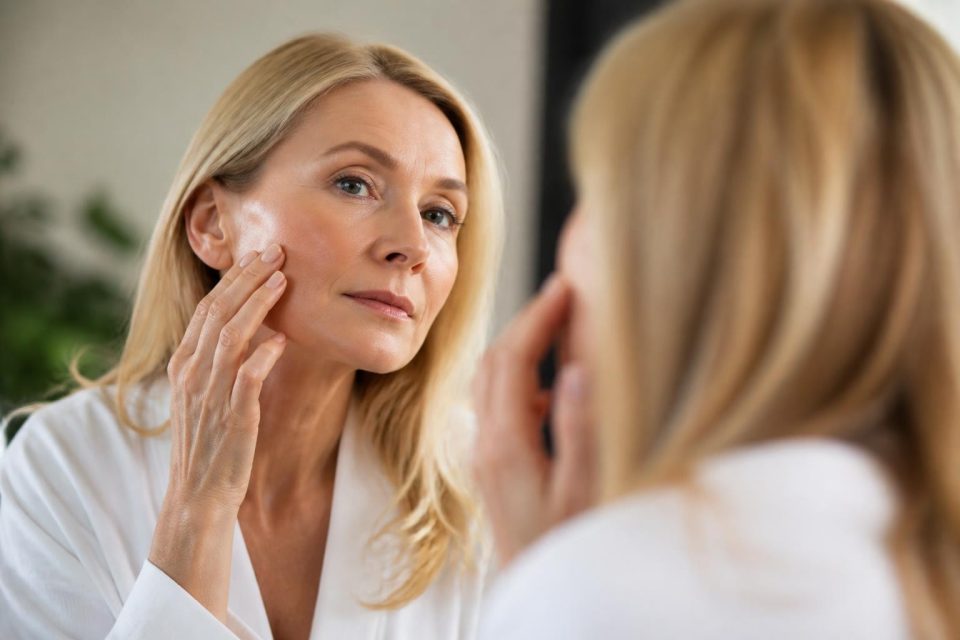
Menopause brings countless changes to your body, but few are as immediately noticeable as what happens to your skin. You might wake up one morning and barely recognize the face staring back at you in the mirror: tight, flaky, and desperately thirsty for moisture. If you're wondering how to get rid of menopausal dry skin, you're certainly not alone. This frustrating symptom affects approximately 75% of menopausal women, transforming once-supple skin into a parched landscape that feels uncomfortable and looks lackluster.
The good news? Understanding why your skin has changed is the first step toward reclaiming your natural glow. Armed with the right knowledge and targeted natural skincare strategies, you can restore moisture, comfort, and confidence to your complexion throughout this transitional phase and beyond.
Why Menopause Transforms Your Skin's Moisture Levels
Your skin's sudden dryness isn't random or inevitable. It's directly linked to the hormonal upheaval happening inside your body. Declining estrogen levels during menopause trigger a cascade of changes that fundamentally alter how your skin functions.
Estrogen plays a starring role in maintaining your skin's hydration. This hormone stimulates oil gland production, encourages collagen synthesis, and helps your skin retain water. When estrogen levels plummet during perimenopause and menopause, these protective mechanisms weaken dramatically.
The Triple Threat to Skin Hydration
Your menopausal skin faces three simultaneous challenges:
- Reduced sebum production: Oil glands become less active, leaving your skin's protective lipid barrier compromised
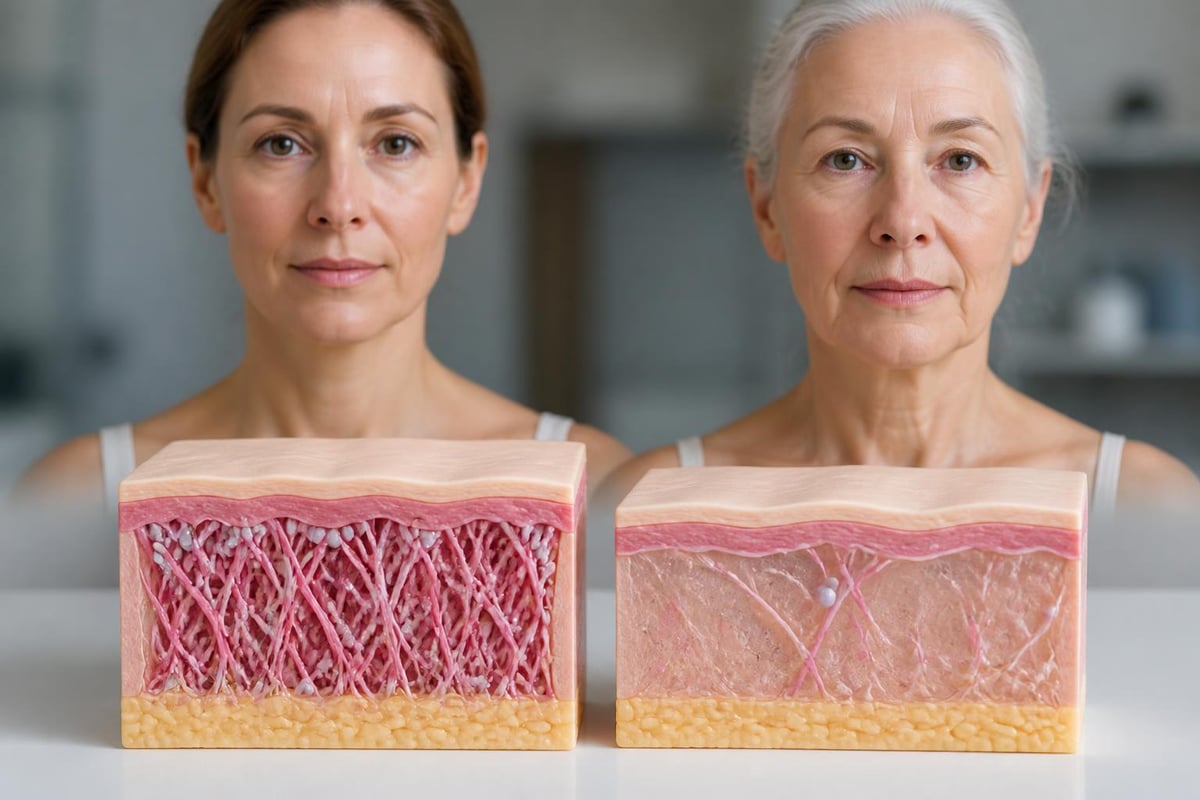
- Decreased collagen synthesis: You lose approximately 30% of your skin's collagen in the first five years of menopause
- Impaired water retention: Your skin's ability to hold onto moisture diminishes significantly
According to research on menopause and skin changes, skin thickness can decrease by as much as 1.13% per year during the first five postmenopausal years. This thinning makes your skin more vulnerable to environmental damage and moisture loss.

Natural Ingredients That Combat Menopausal Dryness
Learning how to get rid of menopausal dry skin starts with choosing the right ingredients. Natural skincare products can deliver powerful hydration without harsh chemicals that might further irritate your sensitive, changing skin.
Hyaluronic Acid: Your Moisture Magnet
This naturally occurring substance can hold up to 1,000 times its weight in water. While your body produces hyaluronic acid naturally, production decreases with age and hormonal changes. Topical application helps replenish this moisture-binding molecule.
Look for serums or creams containing multiple molecular weights of hyaluronic acid. Smaller molecules penetrate deeper, while larger ones create a moisture-locking barrier on the surface.
Plant-Based Oils for Barrier Repair
Natural oils mimic your skin's sebum, helping to restore the protective barrier that keeps moisture in and irritants out. The most effective options include:
- Jojoba oil: Closely resembles human sebum and absorbs quickly
- Rosehip seed oil: Rich in essential fatty acids and vitamins A and C
- Argan oil: Packed with vitamin E and antioxidants
- Sea buckthorn oil: Contains omega-7 fatty acids rarely found in other plant sources
| Oil Type | Primary Benefit | Best For |
|---|---|---|
| Jojoba | Sebum replacement | All skin types |
| Rosehip | Regeneration | Mature, damaged skin |
| Argan | Antioxidant protection | Sensitive skin |
| Sea Buckthorn | Deep nourishment | Extremely dry skin |
When selecting beauty creams, prioritize formulations that combine multiple plant oils for comprehensive barrier support.
Building Your Menopausal Skincare Routine
Creating an effective routine for how to get rid of menopausal dry skin requires strategic layering of products that work synergistically to restore and maintain hydration.
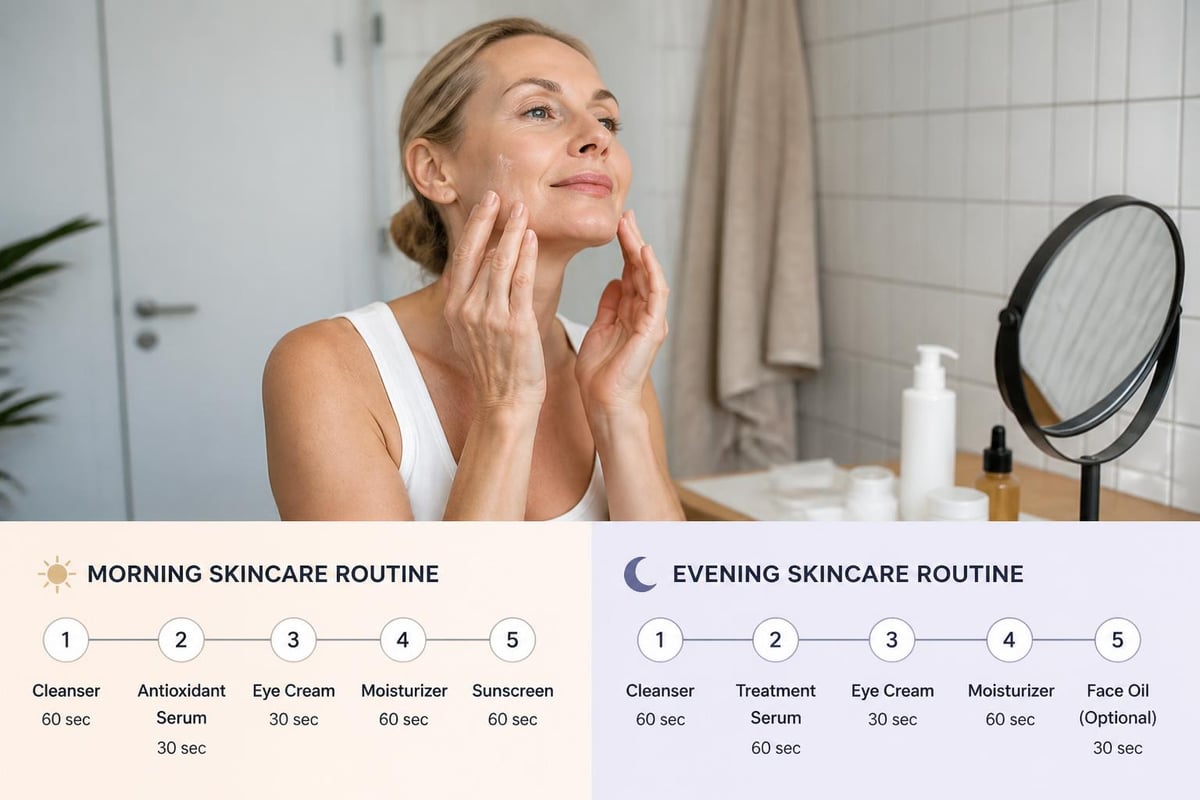
Morning Hydration Protocol
Start your day with gentle cleansing that doesn't strip your skin's limited natural oils. Harsh foaming cleansers are your enemy now. Instead, opt for cream or oil-based cleansers that remove impurities while preserving moisture.
After cleansing, apply products in order of thinnest to thickest consistency:
- Hydrating toner or essence: Prepare skin to absorb subsequent products
- Hyaluronic acid serum: Apply to damp skin for maximum moisture binding
- Vitamin C serum: Boosts collagen production and provides antioxidant protection
- Rich moisturizer: Seal in all the previous layers
- Broad-spectrum SPF: Non-negotiable for preventing further moisture loss
Evening Repair Routine
Your nighttime routine should focus on deeper repair and regeneration. This is when your skin does its most intensive healing work.
The connection between hormones and dry skin means your evening routine should be richer and more nourishing than your morning protocol. Consider incorporating retinol alternatives like bakuchiol, which stimulates collagen without the irritation that menopausal skin often experiences with traditional retinoids.
Lifestyle Strategies That Support Skin Hydration
External skincare products are only part of the equation. How you treat your body from the inside dramatically impacts your skin's moisture levels.
Hydration Beyond Water
Yes, drinking adequate water matters, but it's not the complete solution. You need to help your body actually retain that water.
Electrolyte balance is crucial. Add a pinch of sea salt to your water or consume electrolyte-rich foods like coconut water, leafy greens, and bananas. These minerals help your cells hold onto the water you drink.
Essential fatty acids from omega-3 sources strengthen your skin's lipid barrier. Incorporate these foods regularly:
- Wild-caught fatty fish (salmon, sardines, mackerel)
- Flaxseeds and chia seeds
- Walnuts
- Hemp seeds
Environmental Protection
Your environment can either support or sabotage your efforts to combat dry skin. Non-medical treatments for menopausal dry skin often focus heavily on environmental modifications.
| Environmental Factor | Impact on Skin | Solution |
|---|---|---|
| Low humidity | Accelerates water loss | Use humidifier (40-50% humidity) |
| Hot showers | Strips natural oils | Lukewarm water only |
| Central heating | Dries air and skin | Keep bedroom cooler at night |
| Air conditioning | Reduces moisture | Position away from direct airflow |
Consider investing in a quality humidifier for your bedroom. Maintaining indoor humidity between 40-50% can significantly reduce transepidermal water loss while you sleep.
Advanced Natural Solutions for Stubborn Dryness
When basic moisturizing isn't enough, these advanced natural approaches can provide additional relief for persistent dryness.
Facial Oils and Slugging
The Korean skincare technique called "slugging" involves applying a thick layer of occlusive product as the final step in your nighttime routine. This creates a seal that prevents moisture loss overnight.
For a natural version, try this approach:
- Complete your regular evening skincare routine
- Warm 3-4 drops of facial oil between your palms
- Press gently into skin using upward motions
- Apply a thin layer of natural balm over the driest areas
Humectant-Rich Masks
Weekly intensive treatments give your skin a hydration boost. Look for masks containing multiple humectants like glycerin, honey, and aloe vera. These ingredients draw water from the atmosphere and deeper skin layers to the surface.
Natural honey masks are particularly effective. Raw honey is hygroscopic (attracts water molecules) and contains enzymes and antioxidants that support skin healing. Simply apply raw honey to clean, damp skin for 15-20 minutes before rinsing.
Ingredients and Habits to Avoid
Knowing what NOT to do is just as important as understanding how to get rid of menopausal dry skin effectively.
Skincare Ingredients That Worsen Dryness
Some common ingredients in conventional skincare products can exacerbate menopausal dryness:
- Sulfates (SLS, SLES): Strip natural oils aggressively
- Denatured alcohol: Evaporates quickly, taking skin moisture with it
- Fragrance: Can trigger inflammation and sensitivity
- Harsh exfoliants: Physical scrubs and high-percentage chemical peels
Instead, choose products specifically formulated for sensitive skin that avoid these potentially irritating ingredients.
Daily Habits That Sabotage Hydration
Beyond products, certain behaviors undermine your skin's moisture balance:
Over-exfoliation is particularly problematic for menopausal skin. While removing dead cells is important, excessive exfoliation damages your already-compromised moisture barrier. Limit chemical exfoliation to 2-3 times weekly maximum, and skip physical scrubs entirely.
Hot water exposure feels wonderful in the moment but causes significant moisture loss. Keep showers short and temperatures moderate. Pat skin partially dry rather than rubbing vigorously, and apply moisturizer while skin is still slightly damp to lock in maximum hydration.
The Role of Collagen in Skin Moisture
Collagen isn't just about firmness and wrinkles. This structural protein plays a critical role in your skin's ability to retain moisture. The dramatic collagen loss during menopause directly contributes to dryness and dehydration.
Supporting Collagen Production Naturally
You can't replace lost collagen instantly, but you can encourage your skin to produce more. These natural strategies help:
- Vitamin C: Essential cofactor for collagen synthesis
- Peptides: Signal your skin to ramp up collagen production
- Amino acids: Provide building blocks for new collagen
- Silica: Supports connective tissue health (found in cucumbers, oats, and bamboo extract)
When choosing creams for your face, look for formulations that combine collagen-supporting ingredients with intense moisturizers for comprehensive menopausal skin support.
Managing Itching and Irritation
Dry skin often brings an unwanted companion: persistent itching. This can range from mildly annoying to genuinely disruptive, affecting sleep quality and daily comfort.
Why Menopausal Skin Itches
Hormonal changes that cause itchy skin go beyond simple dryness. Decreased estrogen affects your skin's nerve endings, making them more sensitive to irritation. Additionally, the compromised moisture barrier allows irritants to penetrate more easily.
Soothing Strategies for Immediate Relief
When itching strikes, resist the urge to scratch. Instead, try these natural interventions:
- Apply cool compresses to affected areas
- Use colloidal oatmeal baths or lotions
- Keep a soothing mist in the refrigerator for quick relief
- Apply aloe vera gel directly from the plant
- Take antihistamines if itching disrupts sleep (consult your healthcare provider)
The philosophy of less is more applies perfectly to irritated menopausal skin. Simplify your routine to gentle, minimal ingredients when experiencing flare-ups.
Seasonal Adjustments for Year-Round Comfort
Your approach to how to get rid of menopausal dry skin should adapt to changing environmental conditions throughout the year.
Winter Skin Survival
Cold outdoor air and dry indoor heating create the perfect storm for moisture loss. During winter months:
- Switch to richer, more occlusive moisturizers
- Add a facial oil to your morning routine
- Use overnight masks 2-3 times weekly
- Apply moisturizer more frequently throughout the day
- Protect exposed skin when going outside
Summer Skin Strategies
High temperatures don't mean your skin is automatically hydrated. Air conditioning, chlorine, and sun exposure all contribute to dryness.
| Season | Primary Challenge | Key Adjustment |
|---|---|---|
| Winter | Heating + cold air | Richer formulations |
| Spring | Temperature fluctuations | Balanced, flexible routine |
| Summer | AC + sun exposure | Lightweight hydrators + SPF |
| Fall | Transition period | Gradually increase richness |
Adjust your routine gradually as seasons change rather than making abrupt switches that might confuse your skin.
Monitoring Progress and Adjusting Your Approach
Understanding how to get rid of menopausal dry skin is an ongoing process, not a one-time fix. Your skin's needs will continue evolving throughout menopause and beyond.
Signs Your Routine Is Working
You should notice improvements within 2-4 weeks of implementing a consistent hydration-focused routine:
- Reduced tightness, especially after cleansing
- Decreased flaking and rough patches
- Improved skin texture and smoothness
- Better makeup application
- Less noticeable fine lines
- Reduced itching and irritation
If you're not seeing progress after a month, reassess your routine. You might need richer products, more frequent application, or additional lifestyle modifications.
When to Seek Professional Help
Sometimes dry skin signals underlying health issues beyond typical menopausal changes. Consult a dermatologist if you experience:
- Severe itching that disrupts sleep
- Bleeding or cracking skin
- Signs of infection (warmth, pus, spreading redness)
- Skin changes that don't respond to treatment
- Sudden, dramatic worsening of symptoms
Professional guidance ensures you're addressing the root cause effectively and safely.
Creating a Sustainable Long-Term Skincare Plan
The most effective approach to menopausal skin changes is one you can maintain consistently. Complicated routines with dozens of products aren't sustainable for most people.
Building Your Core Four
Focus on these essential categories:
- Gentle cleanser: Removes impurities without stripping
- Hydrating serum: Delivers active moisture-binding ingredients
- Rich moisturizer: Seals in hydration and repairs barrier
- Sun protection: Prevents additional damage and moisture loss
Everything else is supplementary. Once these foundations are solid, you can add treatments like exfoliants, masks, or targeted serums based on your specific needs and preferences.
Embracing the Journey
Menopause is a transition, not a destination. Your skin will continue changing, and that's completely normal. The goal isn't to fight these changes but to support your skin optimally through each phase.
Natural skincare products offer gentle, effective solutions that work with your body's changing needs rather than against them. By choosing formulations that prioritize hydration, barrier repair, and skin health, you're investing in long-term comfort and confidence.
Restoring moisture to menopausal skin requires patience, consistency, and the right natural ingredients working together. By understanding the hormonal changes affecting your skin and implementing targeted hydration strategies, you can reclaim comfort and radiance throughout this transitional phase. If you're ready to transform your skincare routine with products specifically designed to address menopausal dryness, explore how Sinusoothe Ltd combines nature's most powerful hydrating ingredients into gentle, effective formulations that truly make a difference for mature skin.