
Navigating menopause is challenging enough without the added complexity of managing oily skin. While many women experience dryness during this hormonal transition, a significant number find themselves dealing with excess sebum, enlarged pores, and unexpected breakouts. The combination of fluctuating estrogen levels and persistent oil production creates a unique skincare puzzle that requires specialized solutions. Understanding how to address both menopausal skin changes and oiliness simultaneously is essential for maintaining a healthy, balanced complexion throughout this life stage.
Understanding Oily Skin During Menopause
The relationship between menopause and skin oil production seems counterintuitive at first. Most discussions about menopausal skincare focus on dryness, yet approximately 30% of women experience continued or even increased oiliness during perimenopause and menopause.
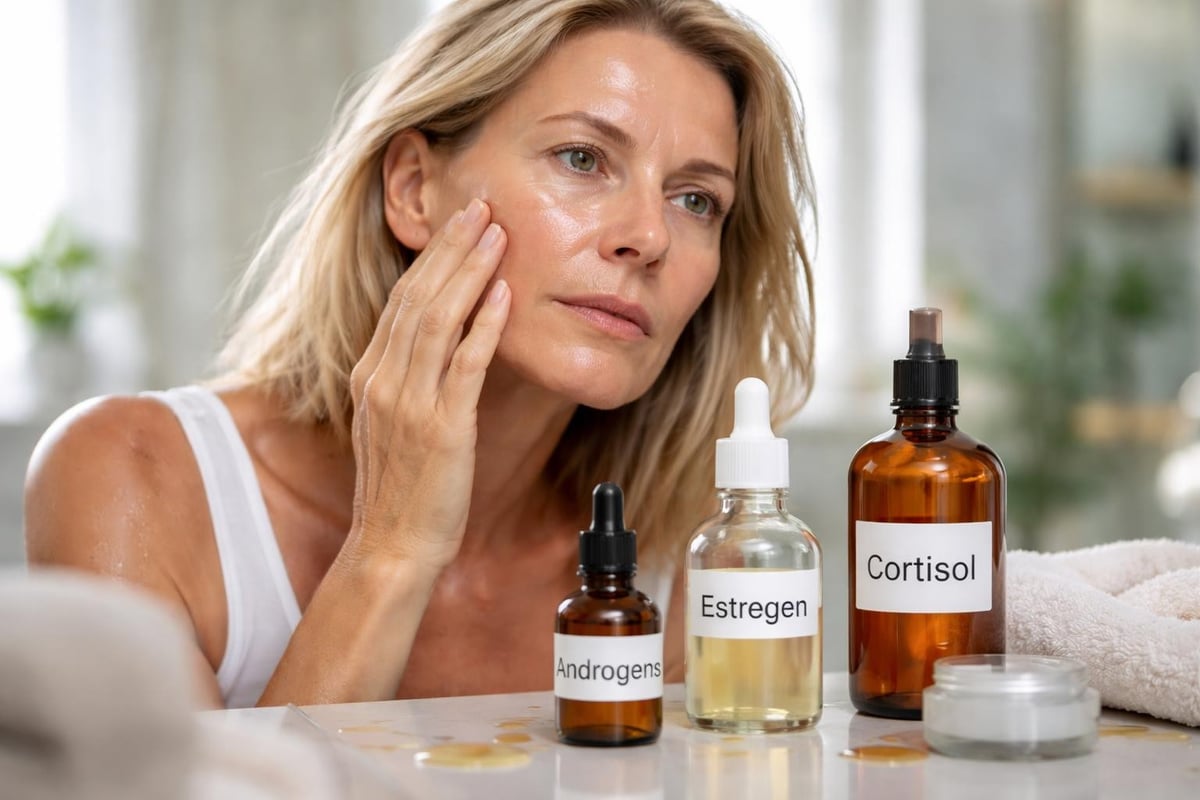
Why does this happen? The answer lies in hormonal complexity:
- Declining estrogen levels alter the skin's ability to retain moisture in deeper layers
- Relative androgen dominance can trigger sebaceous glands to produce more oil
- Stress hormones like cortisol spike during menopausal transitions, stimulating sebum production
- The skin barrier becomes compromised, leading to simultaneous dehydration and surface oiliness
This creates what dermatologists call "dehydrated oily skin," where your T-zone shines while your cheeks feel tight and uncomfortable. The key to finding the best skincare for oily menopausal skin lies in addressing both issues without aggravating either condition.
The Collagen Connection
Beyond oil management, menopause accelerates collagen loss at approximately 30% during the first five years post-menopause. This affects skin structure, elasticity, and pore appearance. When combined with active sebaceous glands, enlarged pores become more visible and prone to congestion.
Essential Ingredients for Oily Menopausal Skin
Building an effective routine requires understanding which active ingredients serve dual purposes: controlling excess oil while supporting aging skin's structural needs.
Powerhouse Actives
| Ingredient | Oil Control Benefits | Anti-Aging Benefits | Best Concentration |
|---|---|---|---|
| Niacinamide | Regulates sebum, minimizes pores | Improves elasticity, reduces hyperpigmentation | 5-10% |
| Retinol | Prevents pore congestion | Stimulates collagen, smooths lines | 0.25-1% |
| Salicylic Acid | Exfoliates inside pores | Improves texture, brightens | 0.5-2% |
| Hyaluronic Acid | Hydrates without oil | Plumps skin, reduces wrinkles | 1-2% |
| Vitamin C | Controls oxidative stress | Brightens, firms skin | 10-20% |
Niacinamide stands out as particularly valuable for the best skincare for oily menopausal skin. This versatile vitamin B3 derivative reduces sebum production by up to 30% while simultaneously strengthening the skin barrier and improving elasticity.
Natural Alternatives Worth Exploring
For those preferring plant-based solutions aligned with natural skincare approaches, several botanical ingredients deliver impressive results:
- Green tea extract: Powerful antioxidant that reduces sebum production and protects collagen
- Witch hazel: Gently astringent without over-drying mature skin
- Rosehip oil: Despite being an oil, it's non-comedogenic and rich in vitamin A
- Bakuchiol: Natural retinol alternative that offers similar benefits with less irritation
The approach to natural creams for wrinkles can be adapted for oily menopausal skin by selecting lightweight formulations with these botanical actives.
Building Your Morning Routine
A morning routine for oily menopausal skin should focus on cleansing, protection, and oil control without stripping the skin or accelerating visible aging.
Step-by-Step Morning Protocol
- Gentle Gel Cleanser: Choose formulas with salicylic acid or gluconolactone that clean thoroughly without harsh sulfates
- Hydrating Toner: Apply a watery essence with niacinamide to prep skin and begin oil control
- Lightweight Serum: Layer vitamin C for antioxidant protection and brightening
- Oil-Free Moisturizer: Select noncomedogenic moisturizers with hyaluronic acid
- Mattifying SPF: Finish with broad-spectrum SPF 30+ that contains zinc oxide for a matte finish
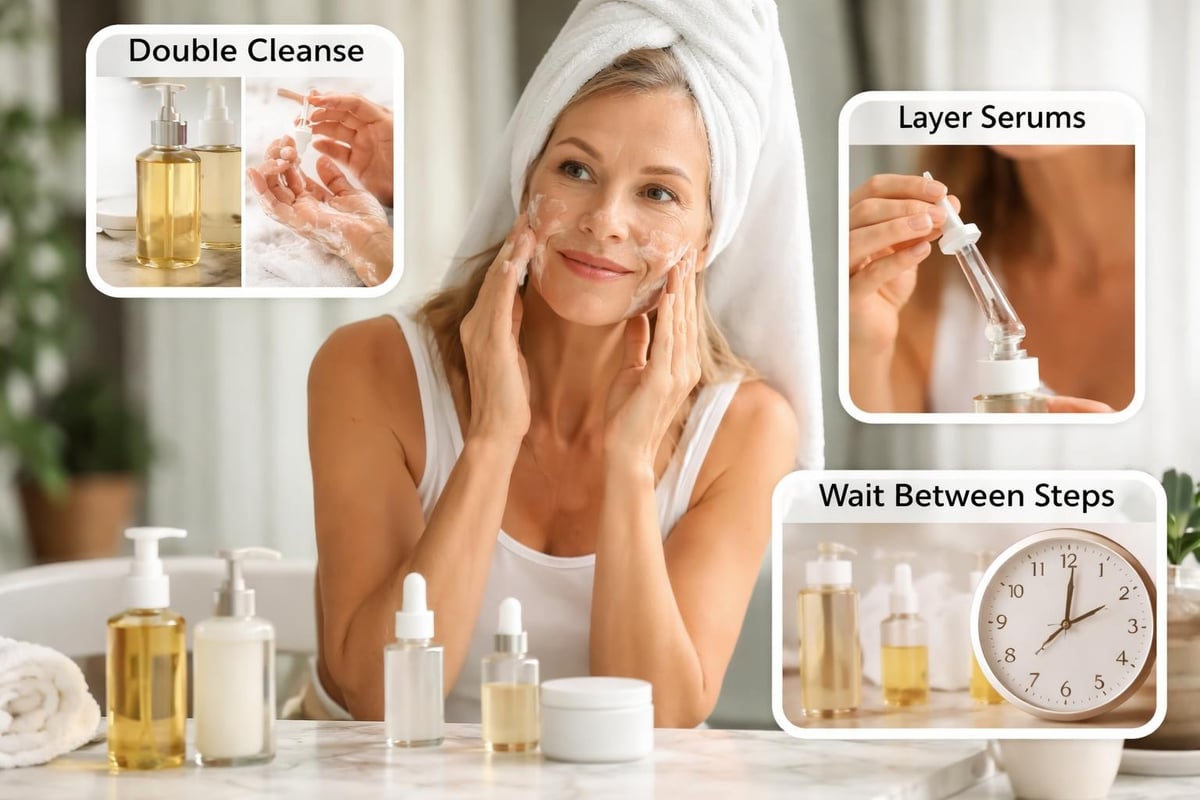
Pro tip: Wait 60 seconds between each step to allow proper absorption and prevent product pilling, which is common with multiple lightweight layers.
The best skincare for oily menopausal skin often involves using less product than you think. Overloading skin triggers more oil production as your sebaceous glands compensate for perceived dryness.
Evening Routine Essentials
Nighttime offers the opportunity to incorporate stronger actives and richer treatments that work while your skin undergoes its natural repair cycle.
Double Cleansing for Oily Skin
Starting with Korean cleansing oils might seem counterintuitive for oily skin, but oil-based cleansers effectively dissolve sebum, sunscreen, and makeup without disrupting the skin barrier. Follow with a gentle foaming or gel cleanser to remove any residue.
Why this works: The "like dissolves like" principle means oil cleansers actually regulate sebum production better than harsh, stripping cleansers that trigger rebound oiliness.
Treatment Layers
After cleansing, your evening routine should include:
- Exfoliating toner (3-4 times weekly): Glycolic or lactic acid to prevent pore congestion
- Retinol serum: Start with lower concentrations if new to retinoids; dermatologist-recommended retinol creams offer proven anti-aging benefits
- Targeted treatment: Niacinamide or peptide serum for specific concerns
- Night moisturizer: Lighter than traditional night creams but still nourishing
Weekly Treatments and Boosters
Beyond daily routines, weekly treatments address specific concerns and enhance overall results for the best skincare for oily menopausal skin.
Clay Masks for Pore Refinement
Application schedule: Use kaolin or bentonite clay masks 1-2 times weekly on oily zones only. These natural purifiers absorb excess sebum and draw out impurities without over-drying.
Mix clay powder with:
- Rose water for added soothing benefits
- A few drops of tea tree oil for antibacterial action
- Honey for gentle hydration
Leave on for 10-12 minutes maximum. Removing masks before they completely dry prevents excessive moisture loss.
Hydrating Sheet Masks
Balance clay treatments with hydrating face masks containing hyaluronic acid, ceramides, or centella asiatica. These replenish moisture in deeper skin layers without adding surface oil.
Strategic timing: Apply hydrating masks the evening before important events or after aggressive exfoliation to calm and plump skin.
Common Mistakes to Avoid
Even with quality products, certain habits sabotage your skincare efforts and exacerbate both oiliness and aging concerns.
Over-Cleansing Trap
Washing more than twice daily strips natural oils, triggering your skin to produce even more sebum as compensation. This creates a vicious cycle where you feel increasingly oily despite constant cleansing.
The solution: Stick to morning and evening cleansing only. Throughout the day, use oil-absorbing sheets or a quick splash of cool water if needed.
Skipping Moisturizer
Perhaps the most damaging myth is that oily skin doesn't need moisturizer. Skipping this step leads to dehydration, which paradoxically increases oil production and accelerates visible aging.
The best skincare for oily menopausal skin always includes appropriate moisturization using oil-free moisturizers formulated with humectants rather than heavy emollients.
Ingredient Overload
Adding too many active ingredients simultaneously causes irritation, sensitivity, and barrier damage. Start with one active at a time, allowing 2-3 weeks before introducing another.
| Common Combo | Risk Level | Better Alternative |
|---|---|---|
| Retinol + AHA/BHA daily | High | Alternate nights |
| Vitamin C + Niacinamide | Low-Medium | Use together (newer research supports this) |
| Multiple exfoliants | High | Choose one chemical exfoliant |
| Retinol + Benzoyl Peroxide | Very High | Use at different times of day |
Lifestyle Factors That Impact Skin
Topical products represent only part of the equation. Several lifestyle modifications significantly impact how successfully you manage oily menopausal skin.
Dietary Considerations
Research increasingly links diet with sebum production and skin inflammation. For optimal results with the best skincare for oily menopausal skin:
- Reduce high-glycemic foods: Sugar and refined carbohydrates spike insulin, triggering increased oil production
- Increase omega-3 fatty acids: Found in fatty fish, flaxseeds, and walnuts, these reduce inflammation
- Stay hydrated: Drink 8-10 glasses of water daily to support skin barrier function
- Limit dairy: Some studies suggest dairy products may exacerbate oiliness and breakouts
Phytoestrogen-rich foods like soy, flaxseeds, and chickpeas may help balance hormones naturally, potentially reducing some menopausal skin symptoms.
Sleep and Stress Management
Both inadequate sleep and chronic stress elevate cortisol levels, directly increasing sebum production while accelerating collagen breakdown.
Prioritize:
- 7-8 hours of quality sleep nightly
- Stress-reduction techniques like meditation or yoga
- Regular exercise to balance hormones naturally
- Consistent sleep schedules to regulate circadian rhythms

Product Selection Guidelines
Choosing the right formulations makes the difference between products that work synergistically and those that conflict with your skin's needs.
Texture Matters
For oily menopausal skin, product texture directly impacts effectiveness and comfort:
- Gels and serums: Best for delivering active ingredients without heaviness
- Gel-creams: Hybrid formulations that provide hydration with a lightweight feel
- Water-based lotions: Absorb quickly without residue
- Avoid thick creams: Heavy occlusives trap oil and clog pores
When exploring options for nighttime treatments, look for gel-based or lightweight lotion formulations rather than traditional rich night creams.
Reading Labels Effectively
Green flags to look for:
- Non-comedogenic certification
- Fragrance-free or naturally fragranced
- pH-balanced (4.5-5.5 for cleansers)
- Third-party testing verification
Red flags to avoid:
- Heavy silicones (dimethicone high on ingredient list)
- Mineral oil or petrolatum as primary ingredients
- Artificial fragrances
- Denatured alcohol in first five ingredients
Adapting for Seasonal Changes
Your skin's oil production fluctuates with environmental conditions, requiring routine adjustments throughout the year.
Summer Strategies
Warmer months typically increase sebum production, requiring lighter formulations:
- Switch to gel cleansers and micellar water
- Use mattifying primers under sunscreen
- Increase clay mask frequency to twice weekly
- Choose water-based sunscreens over cream formulas
Winter Adjustments
Cold, dry air can create surface dehydration while maintaining oily T-zone areas:
- Add a hydrating essence layer
- Use slightly richer moisturizers on dry areas only
- Reduce exfoliation frequency slightly
- Consider a humidifier in your bedroom
The best skincare for oily menopausal skin remains flexible, adapting to your skin's changing needs rather than following rigid routines.
When to Seek Professional Help
Some situations require dermatological intervention beyond home skincare routines.
Consult a dermatologist if you experience:
- Sudden, severe acne breakouts after years of clear skin
- Persistent oiliness despite consistent appropriate skincare
- Signs of rosacea or perioral dermatitis
- Extreme sensitivity or burning with most products
- Suspected hormonal imbalances requiring medical management
Professional treatments like chemical peels, laser therapy, or prescription medications may complement your routine for optimal results. Understanding how menopause affects the skin helps you recognize when changes warrant professional evaluation.
Sustainable Skincare Choices
Aligning your beauty routine with environmental values doesn't require sacrificing effectiveness. Many eco-friendly skincare options now deliver results comparable to conventional products.
Sustainable considerations:
- Choose brands with recyclable or biodegradable packaging
- Select concentrated formulas requiring less product per use
- Support companies with transparent ingredient sourcing
- Opt for multi-purpose products to reduce overall consumption
Natural and sustainable approaches often work particularly well for sensitive menopausal skin, which may react poorly to synthetic ingredients and heavy fragrances.
Tracking Your Progress
Documenting your skincare journey helps identify what works and what doesn't, especially important when managing the complex needs of oily menopausal skin.
Effective Monitoring Methods
- Weekly photos: Take consistent pictures in the same lighting to track changes
- Skincare journal: Note products used, breakouts, oil levels, and how skin feels
- Blotting paper test: Count sheets needed throughout the day to measure oil production
- Pore size assessment: Monitor changes in pore appearance monthly
Patience is essential. Most active ingredients require 6-8 weeks to show significant results. The best skincare for oily menopausal skin works gradually, improving skin health rather than providing overnight transformations.
Ingredient Combinations That Enhance Results
Strategic ingredient pairing amplifies benefits while minimizing potential irritation.
Synergistic Duos
Niacinamide + Hyaluronic Acid: Controls oil while maintaining hydration balance. This combination addresses the core challenge of oily yet dehydrated menopausal skin.
Retinol + Peptides: Stimulates collagen production from two different pathways, maximizing anti-aging benefits without increasing irritation.
Vitamin C + Vitamin E: These antioxidants work synergistically, with each enhancing the stability and effectiveness of the other.
Salicylic Acid + Azelaic Acid: Provides thorough exfoliation for pore clarity while brightening post-inflammatory hyperpigmentation common in mature skin.
The Role of Face Oils
Despite seeming counterintuitive, certain face oils actually benefit oily menopausal skin when chosen and applied correctly.
Beneficial oils for oily skin include:
- Jojoba oil (mimics natural sebum, helping regulate production)
- Rosehip seed oil (high in linoleic acid, which oily skin typically lacks)
- Grapeseed oil (lightweight, non-comedogenic, antioxidant-rich)
- Squalane (hydrating without greasiness)
Application technique: Apply 2-3 drops to damp skin, then layer moisturizer on top. This "moisture sandwich" locks in hydration without excessive oiliness. Alternatively, mix one drop into your regular moisturizer.
Managing oily menopausal skin requires a balanced approach that respects both your skin's oil production and its changing structural needs during this hormonal transition. By combining appropriate active ingredients, maintaining consistent routines, and making supportive lifestyle choices, you can achieve the clear, healthy, age-defying complexion you deserve. If you're seeking effective solutions rooted in natural ingredients, Sinusoothe Ltd offers thoughtfully formulated products designed to work with your skin's natural processes rather than against them. Explore our range of gentle yet powerful natural skincare solutions tailored for mature skin's unique requirements.