
Your skin deserves the best care possible, and choosing the right cream for the skin can transform your complexion from dull and dehydrated to radiant and healthy. With countless options flooding the market in 2026, understanding what makes an effective skincare cream and how to select products tailored to your unique needs has never been more important. Whether you're battling dryness, seeking anti-aging solutions, or simply maintaining your skin's natural glow, the world of topical skincare offers remarkable possibilities when you know what to look for.
Understanding What Makes Effective Cream for the Skin
The foundation of any quality cream for the skin lies in its formulation and ingredient synergy. Modern skincare science has evolved dramatically, revealing how specific compounds interact with your skin's natural barrier and cellular structures.
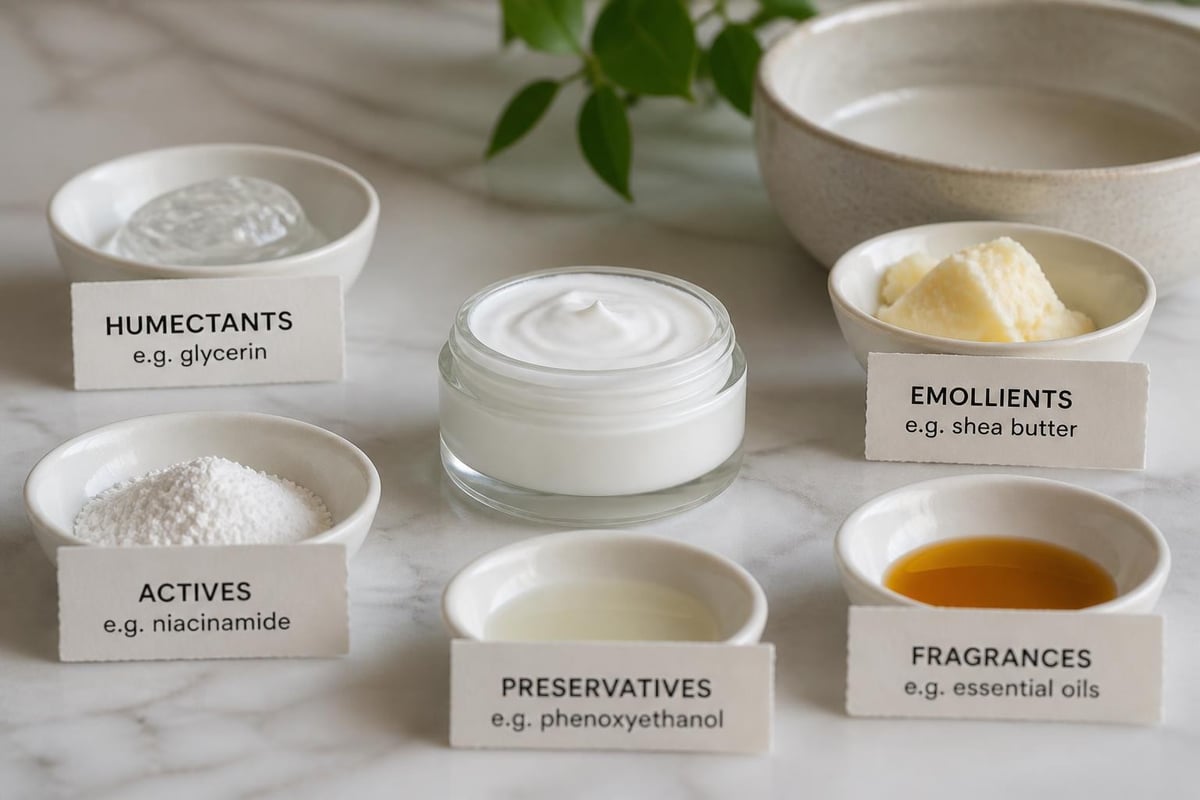
Key components that define superior skin creams include:
- Humectants that draw moisture into the skin
- Emollients that soften and smooth texture
- Occlusives that seal in hydration
- Active ingredients targeting specific concerns
- Preservatives ensuring product safety and longevity
Think about your skin as a living ecosystem that requires balanced nourishment. Just as you wouldn't feed your body the same meal every day, your skin thrives when receiving varied nutrients through thoughtfully crafted formulations.
The Science Behind Skin Absorption
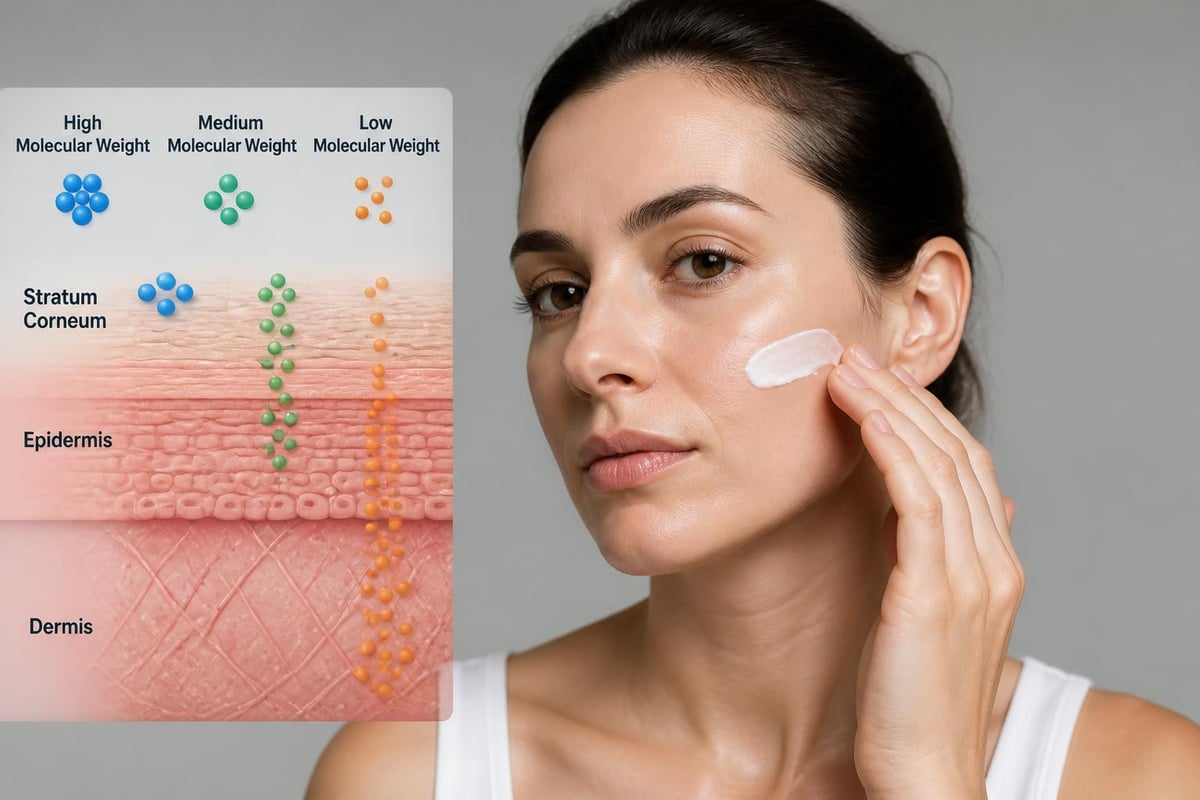
Not all cream for the skin penetrates equally. Molecular size, formulation pH, and delivery systems determine how effectively ingredients reach their target layers. Research has demonstrated that creams mimicking the skin's natural moisturizing systems can significantly increase hydration levels, proving that biomimetic approaches often outperform traditional formulations.
Your skin's outermost layer, the stratum corneum, acts as both protector and gatekeeper. Smaller molecules like glycerin and hyaluronic acid slip through more easily, while larger peptides and proteins require specialized delivery mechanisms.
Different Types of Cream for the Skin and Their Purposes
Walking down the skincare aisle can feel overwhelming with the sheer variety of products claiming miraculous results. Let's break down the major categories and their specific functions.
Day Creams Versus Night Creams
The distinction between morning and evening formulations isn't just marketing hype. Day and night face creams serve genuinely different purposes based on your skin's circadian rhythm and environmental exposures.
| Feature | Day Cream | Night Cream |
|---|---|---|
| Primary Function | Protection and hydration | Repair and regeneration |
| Texture | Lighter, fast-absorbing | Richer, more emollient |
| SPF Content | Often included | Rarely included |
| Active Ingredients | Antioxidants, sunscreen | Retinoids, peptides, AHAs |
| Ideal For | Environmental defense | Intensive treatment |
Day formulations typically incorporate antioxidants like vitamin C to combat free radical damage from pollution and UV exposure. Night creams, conversely, leverage your skin's natural repair cycle, delivering potent actives when cellular regeneration peaks between 11 PM and 4 AM.
Specialized Treatment Creams
Beyond basic moisturization, targeted cream for the skin addresses specific concerns with concentrated ingredients:
- Anti-aging creams containing retinol, peptides, and growth factors
- Brightening creams with vitamin C, niacinamide, and kojic acid
- Acne-fighting creams featuring salicylic acid, benzoyl peroxide, or sulfur
- Barrier-repair creams packed with ceramides, cholesterol, and fatty acids
- Soothing creams utilizing centella asiatica, colloidal oatmeal, and allantoin
Each formulation type requires different application strategies and patience. Anti-aging ingredients often need 8-12 weeks to show visible results, while barrier-repair creams can provide relief within days.
Decoding Ingredient Labels on Your Skin Cream
Reading ingredient lists shouldn't require a chemistry degree, yet many people feel lost when confronted with complex scientific names. Let's demystify what you're actually applying to your face.
Power Ingredients Worth Seeking
Understanding skin care ingredients empowers you to make informed decisions rather than relying on marketing claims. When selecting cream for the skin, prioritize these evidence-backed compounds:
- Hyaluronic acid: Holds 1000 times its weight in water
- Niacinamide: Strengthens barrier, reduces inflammation, regulates sebum
- Ceramides: Lipids that restore and maintain the moisture barrier
- Peptides: Amino acid chains signaling collagen production
- Alpha-hydroxy acids (AHAs): Exfoliate and improve texture
Natural doesn't automatically mean better, and synthetic doesn't mean harmful. Many lab-created ingredients offer superior stability and efficacy compared to their natural counterparts. The Cleveland Clinic explains how AHAs, whether derived from fruit or synthesized in labs, function identically once applied to skin.
Ingredients to Approach Cautiously
Not every ingredient suits every skin type, and some compounds carry genuine risks for sensitive individuals. Being aware of potential irritants helps you avoid unnecessary reactions.
Common problematic ingredients include:
- Fragrance (natural and synthetic)
- Essential oils in high concentrations
- Denatured alcohol
- Certain preservatives like parabens (though research remains mixed)
- Sulfates in cleansing creams
The key lies in knowing your own sensitivities. What triggers inflammation in one person might be perfectly tolerable for another. If you're exploring natural skincare approaches, focusing on minimal, recognizable ingredients often reduces reaction risk.
Application Techniques That Maximize Results
Owning premium cream for the skin means nothing if you're applying it incorrectly. Technique significantly impacts absorption, efficacy, and overall outcomes.
The Proper Order of Application
Layering products in the correct sequence ensures each formula penetrates optimally without interference. Follow this universal rule: thinnest to thickest consistency.
- Cleanser (rinse thoroughly)
- Toner or essence (optional)
- Serums (wait 30-60 seconds)
- Eye cream (if using)
- Face cream
- Sunscreen (morning only)
Allow each layer to absorb before applying the next. Rushing through your routine compromises ingredient delivery and can cause pilling, where products ball up on your skin surface.
Application Methods That Enhance Absorption
How you physically apply cream for the skin affects penetration depth and lymphatic drainage. Try these proven techniques:
For face creams:
- Warm product between palms for 5-10 seconds
- Press (don't rub) into skin using upward motions
- Use gentle tapping on delicate eye areas
- Follow facial massage patterns to boost circulation
For body creams:
- Apply to slightly damp skin to lock in moisture
- Use long, sweeping strokes following muscle direction
- Focus extra attention on naturally dry areas (elbows, knees, heels)
- Massage in circular motions over joints and tension points
The temperature of your skin also matters. Slightly warm skin from a shower absorbs products more efficiently than cold, constricted pores. However, scalding hot water damages your moisture barrier, so stick with lukewarm temperatures.
Natural Versus Synthetic: Finding Your Balance
The natural skincare movement has gained tremendous momentum, yet the binary choice between "natural" and "synthetic" oversimplifies a nuanced reality.
What "Natural" Really Means in Skincare
No universal definition or regulation governs the term "natural" in cosmetics. Some brands consider anything plant-derived natural, while others demand organic certification and zero processing. This ambiguity creates confusion when selecting cream for the skin.
Genuinely natural ingredients include:
- Plant oils (jojoba, rosehip, argan)
- Botanical extracts (aloe, chamomile, calendula)
- Naturally-occurring vitamins (tocopherol/vitamin E)
- Mineral-based compounds (zinc oxide, titanium dioxide)
- Honey, beeswax, and propolis
Yet even "natural" ingredients undergo processing, refinement, and preservation. Cold-pressed oils still require filtering, and botanical extracts need solvents for extraction. Understanding this helps set realistic expectations about what natural truly encompasses.
The Case for Science-Backed Formulations
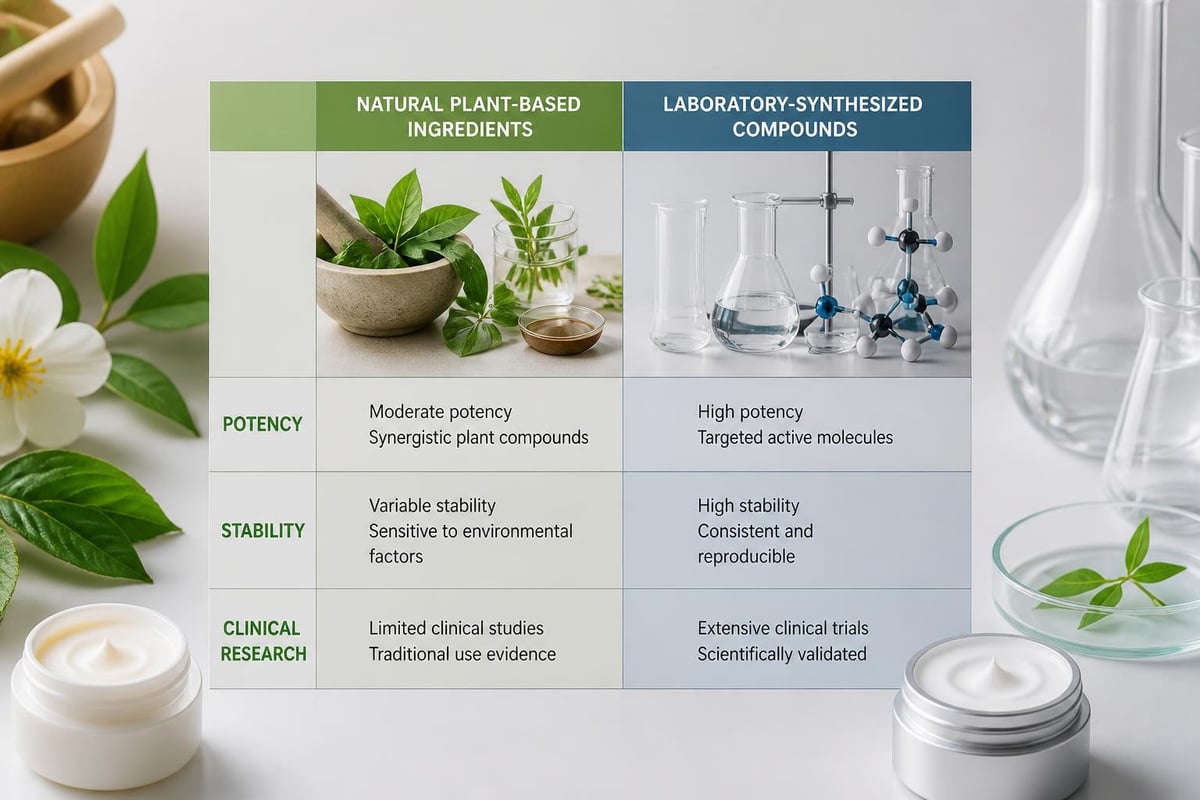
Modern dermatological research has produced remarkable compounds that nature cannot efficiently provide. Stabilized vitamin C derivatives, encapsulated retinol, and laboratory-synthesized peptides offer targeted benefits often surpassing plant-based alternatives.
| Aspect | Natural Ingredients | Synthetic Ingredients |
|---|---|---|
| Consistency | Variable potency | Standardized concentrations |
| Allergen Risk | Higher (complex proteins) | Lower (isolated compounds) |
| Stability | Often degrades faster | Enhanced shelf life |
| Environmental Impact | Not always sustainable | Depends on manufacturing |
| Efficacy Research | Limited clinical trials | Extensive testing |
The smartest approach combines both worlds. Many effective creams for the skin feature natural base ingredients enhanced with scientifically-proven actives. This hybrid methodology delivers performance without compromising on ingredient consciousness.
Addressing Common Skin Concerns With Targeted Creams
Different skin challenges demand specialized formulations. Let's explore how to match cream for the skin with your primary concerns.
Combating Dryness and Dehydration
Dry skin lacks oil, while dehydrated skin lacks water. Most people experience both simultaneously, requiring cream for the skin that addresses multiple deficiencies.
Essential ingredients for dry skin:
- Shea butter and cocoa butter (occlusives)
- Squalane and plant oils (emollients)
- Glycerin and urea (humectants)
- Ceramides (barrier repair)
Apply your moisturizer within three minutes of cleansing, when skin retains maximum water content. This "damp skin" application technique traps moisture more effectively than waiting until completely dry.
Managing Sensitivity and Redness
Sensitive skin reacts to numerous triggers, from temperature changes to ingredient exposure. Building a routine around gentle, minimal formulations reduces inflammation while supporting barrier integrity.
Look for creams containing:
- Colloidal oatmeal (anti-inflammatory)
- Centella asiatica (wound healing)
- Niacinamide (barrier strengthening)
- Allantoin (soothing)
- Beta-glucan (calming)
Avoid potential irritants like fragrance, essential oils, alcohol, and harsh preservatives. When introducing new products, patch test on your inner arm for 24-48 hours before applying to your face.
Fighting Signs of Aging
The most effective anti-aging cream for the skin combines multiple mechanisms: collagen stimulation, antioxidant protection, cellular renewal, and deep hydration.
Proven anti-aging ingredients include:
- Retinoids (retinol, retinaldehyde, retinoic acid)
- Vitamin C (L-ascorbic acid, ascorbyl glucoside)
- Peptides (Matrixyl, Argireline, copper peptides)
- Growth factors (EGF, TGF-beta)
- Antioxidants (resveratrol, CoQ10, vitamin E)
Start retinoids slowly, two nights weekly, gradually increasing as tolerance builds. Patience proves essential as cellular turnover requires consistent use over months to reveal significant improvements.
Seasonal Adjustments to Your Cream Routine
Your skin's needs fluctuate throughout the year, demanding formulation adjustments that match environmental conditions.
Winter Skincare Strategies
Cold air, low humidity, and indoor heating strip moisture from skin faster than any other season. Winter demands richer, more protective cream for the skin that defends against harsh elements.
Winter formulation priorities:
- Heavier textures (balms, ointments, rich creams)
- Increased occlusive ingredients
- Protective antioxidants
- Barrier-supporting lipids
Layer a facial oil under your night cream for extra protection, or mix a few drops directly into your moisturizer. Don't forget frequently neglected areas like hands, feet, and lips, which crack easily in cold weather.
Summer Modifications
Heat and humidity call for lighter textures that won't clog pores or feel suffocating. However, "light" doesn't mean skipping moisturizer entirely, a common mistake that triggers reactive oil production.
Switch to:
- Gel-cream hybrids
- Oil-free formulations
- Mattifying ingredients (silica, clay)
- Water-based moisturizers
Sunscreen becomes non-negotiable during summer months. Choose cream for the skin with built-in SPF 30+ for daily wear, reapplying every two hours during extended sun exposure. Cream-based makeup can provide additional coverage, though dedicated sunscreen remains essential.
Building a Sustainable Skincare Practice
Beyond personal benefits, your cream choices impact environmental and social systems. Conscious consumers increasingly seek brands aligning with their values.
Evaluating Brand Ethics and Transparency
Companies genuinely committed to sustainability provide detailed information about sourcing, manufacturing, and packaging. When exploring natural skincare products, investigate these factors:
- Ingredient origin and farming practices
- Fair trade certifications
- Cruelty-free and vegan status
- Packaging materials and recyclability
- Company transparency about formulations
Authentic brands openly discuss their supply chains and admit limitations rather than making exaggerated claims. Be wary of greenwashing, where companies use nature imagery and vague language without substantive environmental commitments.
Minimizing Product Waste
The average person accumulates numerous half-used jars of cream for the skin, wasting money and resources. Building a streamlined routine reduces clutter while improving results.
Waste reduction strategies include:
- Researching thoroughly before purchasing
- Requesting samples when available
- Using products consistently before adding new ones
- Properly storing creams to extend shelf life
- Repurposing containers when empty
Store your creams in cool, dark locations away from bathroom humidity. Most formulations remain stable for 6-12 months after opening, though natural preservative systems may have shorter lifespans. Always check packaging for PAO (Period After Opening) symbols indicating recommended usage timeframes.
Understanding Your Unique Skin Profile
Cookie-cutter approaches rarely deliver optimal results because skin varies dramatically between individuals. Identifying your specific characteristics guides more effective product selection.
Beyond the Basic Skin Types
The traditional dry-oily-combination-sensitive classification oversimplifies skin's complexity. Modern dermatology recognizes multiple factors influencing how your skin responds to cream formulations.
Consider these additional variables:
- Fitzpatrick type (melanin content and sun sensitivity)
- Hormonal fluctuations affecting oil production
- Environmental stressors (pollution, climate, water quality)
- Lifestyle factors (diet, sleep, stress levels)
- Genetic predispositions to certain conditions
Your skin type can shift over time due to aging, hormonal changes, medication, or environmental relocation. The cream for the skin that worked perfectly at 25 might feel inadequate at 45, requiring formulation adjustments as your needs evolve.
Patch Testing and Introduction Protocols
Introducing new products cautiously prevents adverse reactions and helps identify specific trigger ingredients. Even supposedly gentle formulations can cause sensitivity in reactive individuals.
Follow this systematic approach:
- Patch test: Apply small amount to inner forearm for 24-48 hours
- Spot test: Use on one face area (jawline works well) for 3-5 days
- Full face trial: Gradually incorporate into routine, monitoring reactions
- Consistency period: Use for 4-6 weeks before evaluating effectiveness
Keep a skincare journal noting products used, application frequency, and observed changes. This record proves invaluable when troubleshooting issues or identifying successful combinations.
The Future of Cream for the Skin Technology
Skincare innovation accelerates yearly, with 2026 bringing exciting developments in personalization, delivery systems, and ingredient science.
Emerging Technologies Reshaping Formulations
Current cutting-edge developments include:
- Microbiome-supporting prebiotics and postbiotics
- Epigenetic ingredients influencing gene expression
- Nanotechnology for enhanced penetration
- AI-powered personalized formulation
- Sustainable biotechnology creating lab-grown ingredients
These advances promise more targeted, effective cream for the skin that works with your unique biology rather than applying one-size-fits-all solutions. However, longer-term safety data remains limited for many novel ingredients, warranting cautious optimism rather than blind enthusiasm.
Personalization and Custom Formulation
Several brands now offer bespoke cream for the skin created specifically for individual customers based on questionnaires, skin analysis, or even DNA testing. While intriguing, effectiveness depends on the sophistication of the assessment methodology and formulation expertise.
Custom skincare typically costs more than mass-market options, but may prove worthwhile for people with complex concerns unaddressed by standard products. Evaluate whether the personalization genuinely tailors active ingredients and concentrations, or merely adjusts fragrance and packaging.
Selecting the right cream for the skin transforms from overwhelming to empowering when you understand formulation science, ingredient functions, and your unique needs. Armed with this knowledge, you can build a skincare routine that truly serves your skin's health rather than simply following trends. At Sinusoothe Ltd, we believe in transparent, natural formulations that respect both your skin and the environment, creating products that nourish without compromise. Explore our thoughtfully crafted range and discover how nature-based ingredients can elevate your daily skincare ritual.