
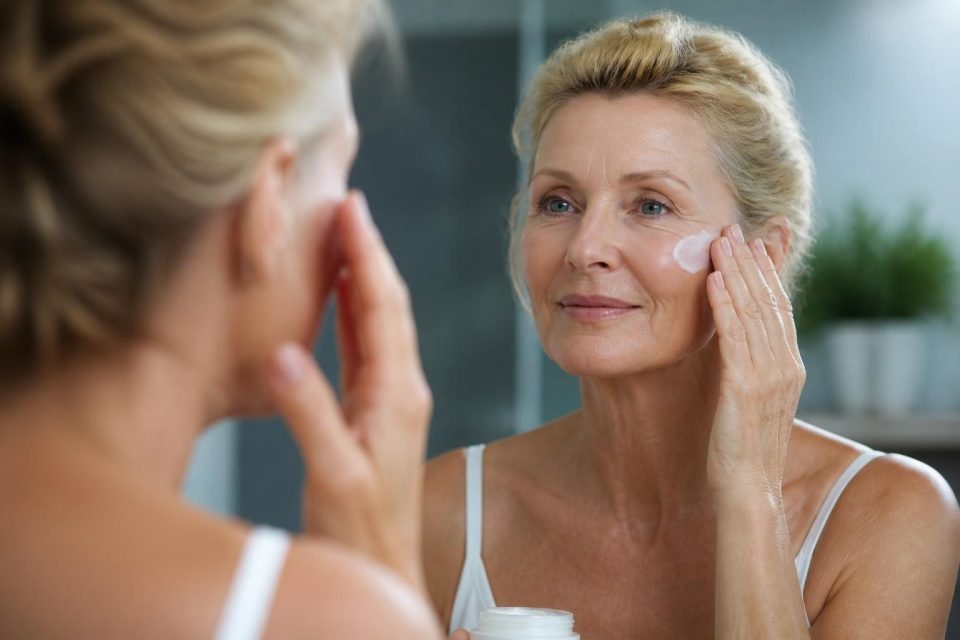
Your skin tells a story of every laugh, every sunny day, every late night, and every triumph. As this beautiful narrative unfolds, your skin's needs evolve in remarkable ways. Finding the right cream for mature skin isn't about fighting age but celebrating it with products that honor your skin's changing requirements. Natural ingredients have emerged as powerful allies in this journey, offering solutions that work with your skin rather than against it.
Understanding What Makes Mature Skin Unique
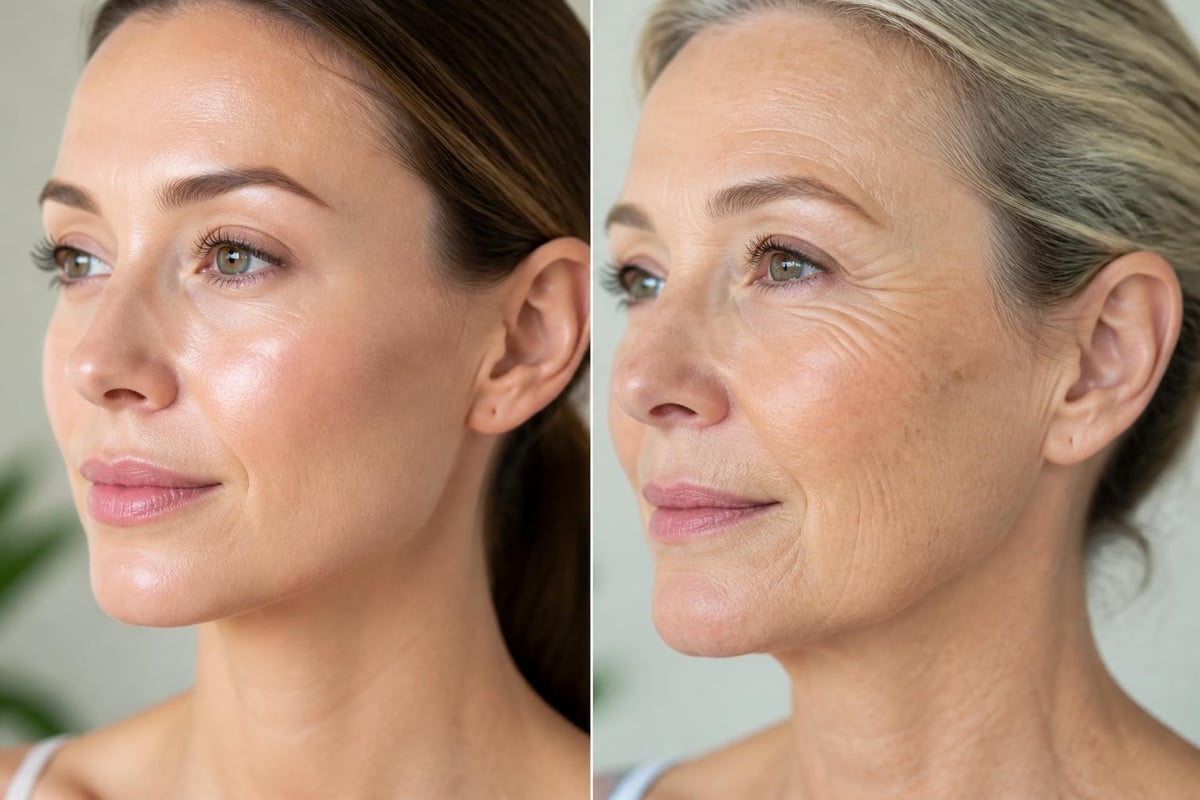
Mature skin operates differently than younger skin, and recognizing these changes helps you make smarter choices. Your skin produces less sebum after age 40, leading to increased dryness and a compromised moisture barrier. Collagen production slows dramatically, reducing by about 1% each year after your mid-twenties.
Cell turnover also decelerates significantly. While young skin regenerates every 28 days, mature skin can take 45 to 60 days for the same process. This slower renewal means dead cells linger longer, creating a dull appearance that no amount of surface hydration can fix alone.
The Science Behind Skin Transformation
Your skin's natural lipid barrier becomes thinner with time, making it harder to retain moisture and protect against environmental stressors. Free radical damage accumulates, creating visible signs like fine lines, age spots, and uneven texture. Understanding these mechanisms helps you appreciate why specialized formulations matter.
The dermis layer loses elastin fibers, which are responsible for that bounce-back quality in youthful skin. Blood vessel walls also thin, reducing nutrient delivery to skin cells. These aren't failures but natural progressions that deserve thoughtful attention.
Key Ingredients to Seek in Every Formula
Not all ingredients deliver equal results for mature skin. Certain powerhouse components have earned their reputation through both scientific research and real-world results. When selecting a cream for mature skin, prioritize formulations containing these proven performers.
Hyaluronic acid stands out as a hydration champion, holding up to 1000 times its weight in water. This moisture-binding molecule plumps skin from within, smoothing the appearance of fine lines almost immediately. Look for products with multiple molecular weights for surface and deep hydration.
Retinoids and retinol accelerate cell turnover, stimulating collagen production and fading age spots. While powerful, these vitamin A derivatives require careful introduction, especially in natural formulations that balance efficacy with gentleness.
Natural Alternatives That Deliver Results
Plant-based ingredients offer impressive benefits without harsh side effects. Rosehip oil contains natural retinoids alongside essential fatty acids, making it gentler than synthetic alternatives while still promoting renewal. Sea buckthorn provides omega-7 fatty acids that support skin barrier repair.
Peptides from natural sources signal your skin to produce more collagen and elastin. These protein fragments act as messengers, telling mature skin cells to behave more youthfully. Combined with antioxidants like vitamin C, vitamin E, and coenzyme Q10, they create comprehensive protection against oxidative stress.
The best moisturizers for mature skin often combine these ingredients strategically, layering hydration with active renewal agents.
Choosing Between Day and Night Formulations
Your skin has different needs depending on the time of day, making specialized formulations essential for optimal results. Daytime products should focus on protection while nighttime formulas emphasize repair and renewal.
Morning Protection Essentials
Day creams should contain SPF or work seamlessly under sunscreen, as UV protection remains your most powerful anti-aging tool. Antioxidants like green tea extract, vitamin C, and niacinamide defend against environmental damage throughout the day.
Lighter textures work better for daytime wear, absorbing quickly without leaving residue under makeup. Ingredients like squalane and jojoba oil provide moisture without heaviness. Many dermatologist-recommended moisturizers emphasize this balance between protection and wearability.
Nighttime Renewal Strategies
Night is when your skin does its heaviest repair work, making it the ideal time for richer formulations. Your cream for mature skin should be more emollient after dark, delivering intensive moisture that supports overnight regeneration.
Active ingredients like retinol, AHAs, and growth factors work most effectively while you sleep. Your skin's increased permeability at night means nutrients penetrate more deeply, making this the perfect opportunity for targeted treatments. Expert-recommended night creams often feature time-release technology for sustained overnight benefits.
| Daytime Priorities | Nighttime Priorities |
|---|---|
| UV protection | Deep repair |
| Antioxidant defense | Active renewal agents |
| Lightweight texture | Rich, emollient texture |
| Makeup compatibility | Maximum penetration |
| Environmental shield | Collagen stimulation |
Application Techniques That Maximize Results
Even the finest cream for mature skin underperforms with poor application. Your technique matters as much as your product choice, especially when working with delicate mature skin that bruises and stretches more easily.
Start with perfectly clean skin, using a gentle cleanser that doesn't strip natural oils. Pat dry rather than rubbing, leaving skin slightly damp to enhance product absorption. This moisture creates a magnet effect, pulling active ingredients deeper into your skin.
The proper application sequence matters:
- Apply serums first, moving from thinnest to thickest consistency
- Wait 30-60 seconds between layers for optimal absorption
- Use gentle upward motions when applying cream
- Press rather than rub, avoiding tugging delicate skin
- Don't forget your neck and décolletage, which show age as readily as your face
The Power of Facial Massage
Incorporating gentle massage techniques boosts circulation, bringing fresh oxygen and nutrients to skin cells. Use your ring finger for the lightest touch, especially around the delicate eye area. Upward strokes counteract gravity's downward pull, promoting lymphatic drainage that reduces puffiness.
Spend at least 60 seconds massaging your cream for mature skin into your face. This extra time significantly improves absorption while providing relaxation benefits that reduce stress-related skin damage. The ritual itself becomes a form of self-care that extends beyond mere maintenance.
Targeted Solutions for Specific Concerns
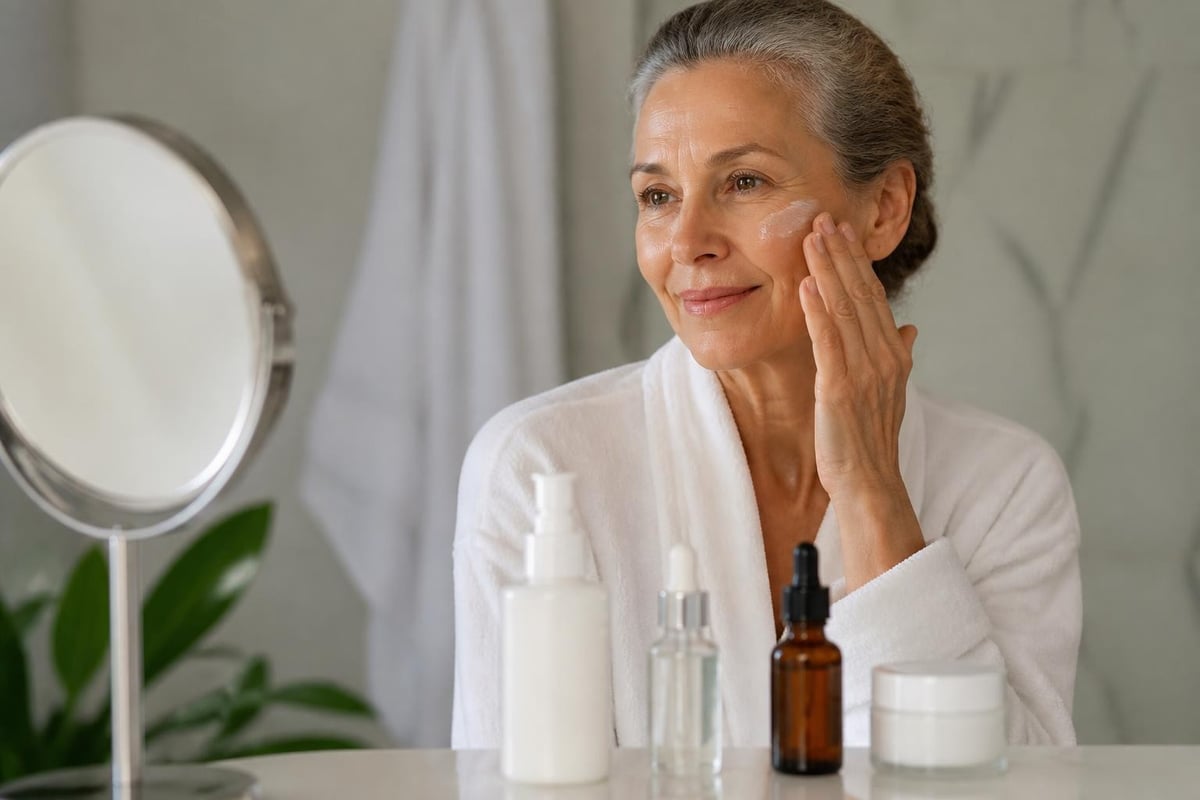
Mature skin rarely presents just one challenge. Most people deal with multiple concerns simultaneously, requiring a strategic approach that addresses various issues without overwhelming delicate skin.
Addressing Deep Lines and Wrinkles
Expression lines deepen over time as collagen support diminishes. Look for formulations combining peptides with moisture-binding ingredients. Bakuchiol, a natural retinol alternative, smooths lines without irritation that synthetic versions sometimes cause.
Consistent use matters more than product price. A moderately-priced cream for mature skin applied religiously outperforms an expensive product used sporadically. Top-rated lotions for mature skin emphasize this consistency principle.
Brightening Age Spots and Uneven Tone
Hyperpigmentation responds well to vitamin C, kojic acid, and licorice root extract. These natural brighteners work gradually, fading spots without harsh bleaching agents. Niacinamide deserves special mention, as it addresses multiple concerns including discoloration, enlarged pores, and inflammation.
Exfoliation plays a crucial role in evening skin tone. Gentle enzymatic exfoliants from papaya or pumpkin remove dead cells without abrasion, revealing brighter skin beneath. Chemical exfoliants like lactic acid work beautifully for mature skin, providing renewal without harshness.
Restoring Lost Firmness
Sagging skin needs ingredients that support structural proteins. Vitamin C stimulates collagen synthesis while copper peptides strengthen elastin fibers. Plant stem cells from rare alpine plants or sea fennel have shown promising results in clinical studies.
Don't overlook the power of proper hydration for firmness. Dehydrated skin appears loose and crepey regardless of its actual structure. A deeply moisturizing cream for mature skin creates immediate plumping that makes skin appear firmer while long-term ingredients work on actual structural improvements.
Body Care Beyond Your Face
Mature skin changes affect your entire body, not just your face. Arms, hands, and legs deserve the same thoughtful attention you give facial skin, yet they're often neglected in skincare routines.
Hand cream becomes essential as mature hands show age through thinning skin, prominent veins, and age spots. Specialized hand creams for mature skin incorporate ingredients that address these unique challenges while providing intensive moisture.
Body-specific considerations include:
- Larger surface areas requiring rich but affordable formulations
- Different sebum production patterns across body zones
- Varying sun exposure requiring targeted protection
- Specific problem areas like elbows, knees, and heels
Creating a Complete Body Routine
Body lotions designed for aging skin contain higher concentrations of emollients than facial products. Apply them to damp skin immediately after bathing, when your pores are open and receptive.
Focus extra attention on areas prone to crepiness: upper arms, inner thighs, and stomach. These zones benefit from ingredients like shea butter, cocoa butter, and ceramides that reinforce the skin barrier. The neck and chest require facial-quality products, as this delicate skin shows age rapidly.

Natural Versus Synthetic: Making Informed Choices
The natural versus synthetic debate creates confusion, especially when marketing claims overshadow scientific facts. Understanding what these terms actually mean helps you make choices aligned with your values and skin's needs.
Natural ingredients come from plants, minerals, or animal sources with minimal processing. They offer complex nutritional profiles that synthetic versions can't fully replicate. However, "natural" doesn't automatically mean "better" or "safer." Poison ivy is natural but hardly beneficial for skin.
The Case for Natural Formulations
Natural skincare products from trusted sources often contain complementary compounds that work synergistically. When you extract vitamin C from rosehips, you also get bioflavonoids that enhance its effectiveness. This complexity creates benefits beyond isolated synthetic ingredients.
Natural formulations typically avoid questionable preservatives, synthetic fragrances, and petroleum derivatives that may irritate mature skin. They align with sustainable practices, appealing to environmentally conscious consumers who recognize that skin health connects to planetary health.
Understanding Synthetic Benefits
Some synthetic ingredients outperform natural alternatives in stability and consistency. Lab-created hyaluronic acid, for example, provides predictable molecular weights impossible to guarantee from natural sources. Synthetic preservatives extend product shelf life, preventing bacterial contamination that could harm skin.
The best approach combines both worlds strategically. A cream for mature skin might feature natural botanical extracts alongside stable synthetic actives, creating formulations that balance efficacy, safety, and sustainability. Quality matters more than origin.
Building Your Personalized Routine
Cookie-cutter routines rarely serve mature skin well. Your unique combination of concerns, sensitivity level, climate, and lifestyle demands a customized approach that evolves with your changing needs.
Start simple rather than overwhelming your skin with too many products simultaneously. Introduce one new item every two weeks, giving your skin time to adjust and allowing you to identify any sensitivities. This patient approach prevents the confusion of not knowing which product caused which reaction.
Morning Routine Foundation
- Gentle cleanser that removes overnight oils without stripping
- Hydrating toner or essence to prep skin for treatment products
- Serum targeting your primary concern (brightening, firming, or hydration)
- Eye cream addressing fine lines and dark circles
- Moisturizer appropriate for your skin type
- SPF as your final protective layer
Evening Renewal Protocol
Your nighttime routine can be slightly more complex, as you're not layering makeup or rushing out the door. This is when you incorporate active treatments that might cause photosensitivity or need extended contact time.
Cleanse thoroughly to remove all traces of sunscreen, makeup, and daily grime. Consider double cleansing if you wear heavy products. Apply any prescription treatments first, then layer your cream for mature skin over top. Some people prefer applying eye cream last to prevent migration.
Common Mistakes to Avoid
Even with the best cream for mature skin, certain missteps sabotage your results. Recognizing these pitfalls helps you get maximum value from your skincare investment.
Over-exfoliating ranks among the most common errors. Mature skin doesn't bounce back from aggressive scrubbing like younger skin does. Limit physical exfoliation to once weekly, relying instead on gentle chemical exfoliants that work without abrasion.
Skipping sunscreen negates even the finest anti-aging cream. UV damage accounts for up to 80% of visible facial aging. Daily broad-spectrum SPF 30 or higher is non-negotiable, even on cloudy days or when working indoors near windows.
Product Compatibility Issues
Mixing incompatible ingredients creates irritation or neutralizes benefits. Vitamin C and retinol shouldn't share application times, as they work at different pH levels. Niacinamide and vitamin C were once thought incompatible, though modern formulations often combine them successfully.
Using too many actives simultaneously overwhelms mature skin. More isn't better when it comes to potent ingredients. A focused routine with three well-chosen actives outperforms ten products applied haphazardly. Prevention’s expert recommendations emphasize this less-is-more philosophy.
| Common Mistake | Better Approach |
|---|---|
| Harsh cleansing | Gentle, oil-based cleansers |
| Skipping neck care | Extend all facial products to neck |
| Inconsistent application | Set reminders, build habits |
| Ignoring ingredients lists | Research key components |
| Neglecting patch testing | Test new products on inner arm first |
Special Considerations for Sensitive Mature Skin
Sensitivity often increases with age as your skin barrier weakens and inflammatory responses become more pronounced. Finding a cream for mature skin that addresses aging concerns without triggering irritation requires careful ingredient selection.
Fragrance, whether natural or synthetic, tops the list of common irritants. Essential oils smell wonderful but can inflame sensitive skin. Unscented formulations let active ingredients shine without competing sensory input that might cause reactions.
Identifying Your Triggers
Keep a skincare journal noting products used and any reactions experienced. Patterns emerge over time, revealing specific ingredients that don't suit your skin. Common culprits include alcohol, artificial dyes, sulfates, and certain preservatives like parabens.
Redness, itching, burning, or increased breakouts signal that something isn't working. Stop using new products immediately if these symptoms appear. Your skin's feedback is more valuable than any expert opinion about what "should" work.
The Eye Area Deserves Special Attention
The skin around your eyes measures just 0.5mm thick compared to 2mm elsewhere on your face. This delicate area shows age first, developing crow's feet, hollows, and dark circles that standard cream for mature skin may not adequately address.
Specialized eye creams for mature skin use gentler formulations with smaller molecular structures that penetrate without causing milia or puffiness. Caffeine reduces undereye bags while peptides specifically target crow's feet.
Apply eye cream using your ring finger:
- Dot product along the orbital bone, never on the eyelid
- Pat gently, moving from inner to outer corner
- Use upward motions to counteract drooping
- Apply both morning and night for consistent results
- Store in the refrigerator for extra depuffing benefits
Seasonal Adjustments for Year-Round Results
Your skin's needs fluctuate with weather changes, requiring routine adjustments throughout the year. The cream for mature skin that works beautifully in humid summer may leave you feeling tight and uncomfortable during dry winter months.
Winter demands richer formulations with heavier occlusives like shea butter and beeswax. Indoor heating strips moisture from air and skin alike, necessitating increased hydration. Consider adding a facial oil over your regular moisturizer for extra protection against harsh conditions.
Summer calls for lighter textures that won't feel suffocating in heat and humidity. However, don't skimp on moisture entirely, as sun exposure and air conditioning create their own dehydrating effects. Gel-cream hybrids provide hydration without heaviness.
Transitional Season Strategies
Spring and fall present unique challenges as temperatures fluctuate. Layer products strategically rather than switching formulations completely. Use your lighter summer cream during the day and richer winter formula at night during transitional months.
Pay attention to your skin's feedback rather than calendar dates. If your skin feels tight despite your regular routine, it's asking for more moisture. Conversely, unexpected breakouts might signal that you need to lighten up your products as weather shifts.
Understanding Pricing and Value
Premium pricing doesn't guarantee superior results in skincare. While some expensive ingredients justify higher costs, many affordable products deliver excellent results for mature skin through smart formulation rather than luxury packaging.
Focus on ingredient concentrations and formulation quality rather than brand prestige. A cream for mature skin listing retinol as the fifth ingredient likely contains minimal amounts regardless of the price tag. British Vogue’s moisturizer recommendations include options across various price points, proving effectiveness isn't exclusively expensive.
Value indicators include:
- Active ingredients listed in the first five components
- Appropriate packaging (opaque, airtight for oxidation-prone ingredients)
- Clinical testing results or third-party certifications
- Transparent ingredient sourcing information
- Realistic claims backed by research
Lifestyle Factors That Enhance Product Performance
No cream for mature skin can fully compensate for poor lifestyle choices. Your daily habits either support or sabotage your skincare routine, making holistic wellness essential for optimal results.
Hydration from within matters enormously. Drinking adequate water keeps skin cells plump and functional, improving the effectiveness of topical products. Aim for eight glasses daily, adjusting for climate, activity level, and individual needs.
Sleep quality directly impacts skin regeneration. Growth hormone released during deep sleep repairs daily damage and stimulates collagen production. Prioritize seven to nine hours nightly, using silk pillowcases to minimize sleep lines that can become permanent over time.
Nutrition for Radiant Skin
Your diet provides building blocks for healthy skin. Omega-3 fatty acids from fish, walnuts, and flaxseed support skin barrier function. Antioxidant-rich berries combat free radical damage while vitamin C-laden citrus fruits boost collagen synthesis.
Limit sugar and processed foods that trigger glycation, a process where sugar molecules bind to proteins like collagen, making them stiff and dysfunctional. This internal damage manifests externally as sagging, wrinkled skin that even the best products struggle to improve.
Empowering Your Journey with Natural Solutions
Understanding what your mature skin needs transforms skincare from confusing obligation to empowering ritual. Knowledge about ingredients, application techniques, and realistic expectations helps you make choices that truly serve your skin's evolving requirements.
Quality natural formulations honor your skin's wisdom, working with its natural processes rather than attempting to override them. The philosophy behind natural skincare recognizes that less can indeed be more when ingredients are chosen thoughtfully and formulated skillfully.
Your skin has carried you through countless experiences, adapting and protecting you every step of the way. Choosing a cream for mature skin that respects this journey while supporting your skin's current needs represents an act of self-care that extends far beyond surface appearance. The right products, applied consistently with intention, help your skin continue its remarkable work for years to come.
Remember that finding your perfect formulation takes patience and experimentation. What works brilliantly for someone else might not suit your unique skin chemistry. Trust your skin's feedback, adjust as needed, and celebrate the wisdom that comes with each passing year.
Finding the perfect cream for mature skin means understanding your unique needs and choosing formulations that truly support aging skin's requirements. Natural ingredients offer powerful benefits when properly formulated, providing the nourishment your skin craves without harsh chemicals. If you're ready to explore thoughtfully crafted natural skincare products designed with your skin's wellness in mind, discover what Sinusoothe Ltd has to offer and take the next step in your skincare journey today.