
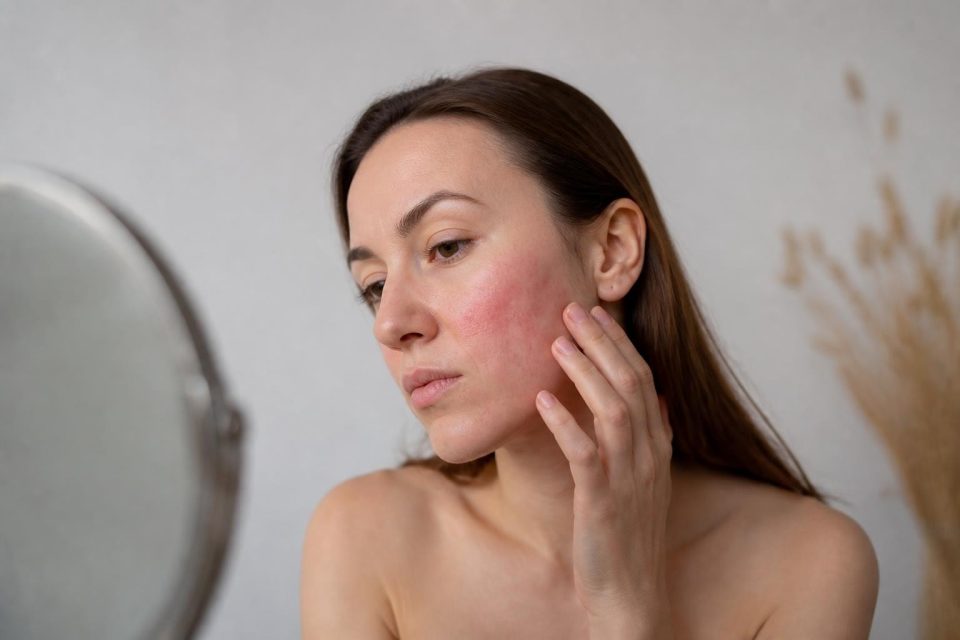
Your skin deserves products that nurture rather than harm. Yet thousands of people discover each year that their trusted skin cream has become their skin's worst enemy. Skin cream dermatitis, a frustrating condition where the very products meant to heal and protect actually cause inflammation and irritation, affects people of all ages and skin types. Whether you're dealing with redness, itching, or painful rashes, understanding this condition is your first step toward reclaiming comfortable, healthy skin.
What Exactly Is Skin Cream Dermatitis?
Skin cream dermatitis occurs when your skin reacts adversely to ingredients within topical products. This isn't just simple sensitivity-it's an inflammatory response that can manifest as contact dermatitis, allergic reactions, or irritant-induced inflammation.
The condition typically appears in two primary forms. Irritant contact dermatitis develops when harsh chemicals damage your skin's protective barrier, while allergic contact dermatitis involves your immune system mounting a defense against specific ingredients it perceives as threats.
How Your Skin Reacts
When you apply a problematic cream, your skin doesn't always react immediately. Some reactions appear within hours, while others take days or even weeks of repeated exposure to develop.
- Redness and inflammation at application sites
- Persistent itching that worsens at night
- Dry, flaking patches that resist moisturization
- Burning or stinging sensations upon application
- Small bumps or blisters in severe cases
Many people struggle to identify skin cream dermatitis because symptoms can mimic other conditions like eczema or rosacea. That burning sensation from your "rejuvenating" night cream? It might not be the product "working"-it could be the beginning stages of dermatitis.
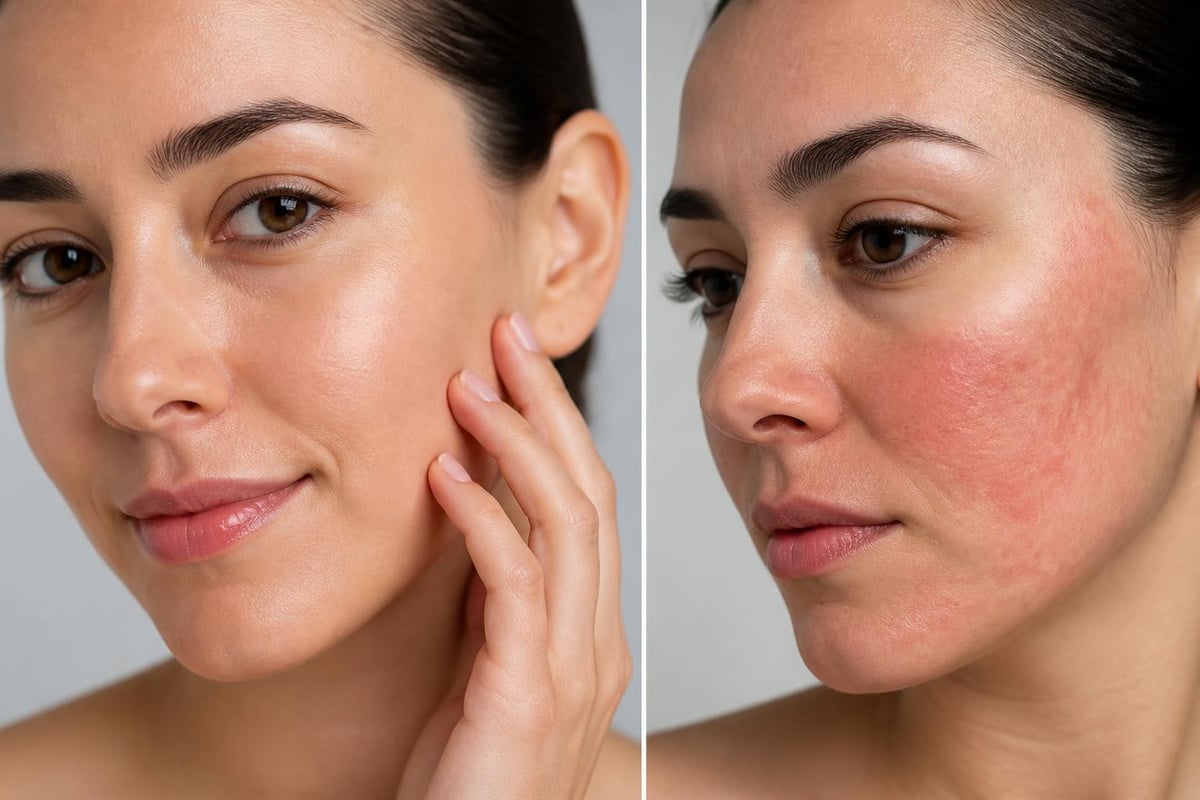
Common Culprits Behind Skin Cream Dermatitis
Understanding which ingredients trigger reactions helps you make informed choices. The skincare industry uses thousands of compounds, but certain categories consistently cause problems.
Preservatives top the list of problematic ingredients. Parabens, formaldehyde-releasing agents, and methylisothiazolinone extend product shelf life but frequently trigger allergic reactions. According to research on complementary health approaches for skin conditions, many patients find relief by switching to preservative-free formulations.
Fragrance: The Hidden Irritant
Fragrance represents one of the most common allergens in skincare products. A single "fragrance" listing on an ingredient label can represent dozens of undisclosed chemicals.
Both synthetic and natural fragrances cause reactions. Essential oils, while natural, contain potent compounds that irritate sensitive skin. Even products labeled "unscented" may contain masking fragrances that hide chemical odors.
| Ingredient Category | Common Examples | Reaction Type |
|---|---|---|
| Preservatives | Parabens, Formaldehyde donors | Allergic/Irritant |
| Fragrances | Essential oils, Synthetic perfumes | Primarily allergic |
| Emulsifiers | PEG compounds, Polysorbates | Irritant |
| Active Ingredients | Retinoids, Alpha-hydroxy acids | Irritant |
| Colorants | FD&C dyes, Carmine | Allergic |
Emulsifiers and surfactants create smooth textures but strip natural oils from your skin. When understanding perioral dermatitis symptoms, many people discover their favorite creamy products contributed to their condition.
The Moisture Paradox
Here's something that surprises many people: sometimes the problem isn't what's in your cream but how much you're using. Recent research examining the potential overuse of moisturizers in dermatitis care suggests that excessive moisturizer application may actually worsen certain skin conditions.
Your skin produces its own moisture-regulating systems. Over-moisturizing can suppress these natural processes, creating dependency where your skin stops producing adequate oils independently.
Finding the Right Balance
- Start with minimal application and increase only if needed
- Pay attention to how your skin feels hours after application
- Consider whether your skin actually needs moisturizer at that moment
- Rotate products to prevent sensitization to specific ingredients
- Give your skin occasional breaks from topical products
This doesn't mean abandoning moisturizers entirely. Many people genuinely need additional hydration, especially those dealing with naturally dry skin or living in harsh climates. The key lies in finding your personal sweet spot.
When exploring natural face creams, consider formulations that support rather than replace your skin's natural functions. Simple ingredient lists often work better than complex multi-ingredient formulations promising miraculous results.
Identifying Your Triggers
Pinpointing exactly which ingredient causes your skin cream dermatitis requires detective work. Patch testing remains the gold standard for identifying allergens, but you can start investigating at home.
Keep a detailed skincare journal. Record every product you use, when you apply it, and any symptoms that develop. Note changes in your environment, diet, or stress levels that might influence your skin.
The elimination method works surprisingly well. Remove all skincare products except the absolute essentials. Once your skin clears, reintroduce products one at a time, waiting at least a week between additions.
Professional Testing Options
Dermatologists offer formal patch testing that exposes small skin areas to common allergens. This testing identifies specific triggers with greater accuracy than home experimentation.
- Standard allergen panels test 20-80 common irritants
- Extended testing covers fragrance components and preservatives
- Results typically appear within 48-96 hours
- Testing helps distinguish allergic from irritant reactions
Resources like those from DermNet NZ on barrier creams provide valuable information about protective strategies while you identify triggers.

Treatment Approaches That Actually Work
Once skin cream dermatitis develops, your first priority involves stopping further damage. Discontinue all suspected products immediately, even if they're expensive or you've used them for years without issues.
Sensitization can develop over time. A product that worked beautifully for months might suddenly trigger reactions as your immune system develops antibodies to specific ingredients.
Healing Your Compromised Skin Barrier
Your skin barrier functions like a brick wall, with skin cells as bricks and lipids as mortar. When this barrier breaks down, irritants penetrate more easily, perpetuating the inflammation cycle.
Gentle care accelerates healing. Avoid hot water, which strips protective oils. Pat skin dry rather than rubbing. Consider understanding emollients for dermatitis treatment to learn how proper moisturization supports barrier repair.
Simple, minimal ingredient products work best during recovery. Look for formulations containing:
- Ceramides that rebuild barrier lipids
- Hyaluronic acid for gentle hydration
- Colloidal oatmeal to soothe inflammation
- Allantoin for promoting skin healing
- Glycerin to attract and retain moisture
When selecting appropriate eczema creams, the same principles apply to skin cream dermatitis recovery. Fewer ingredients mean fewer potential triggers.
Prevention Strategies for Long-Term Success
Preventing skin cream dermatitis proves far easier than treating established cases. Smart product selection and usage habits protect your skin from unnecessary reactions.
Read ingredient lists religiously. Don't rely on marketing claims like "hypoallergenic" or "dermatologist tested"-these terms lack standardized definitions. The ingredient deck tells the real story.
Building a Safe Skincare Routine
Start with single-ingredient products to establish baseline tolerance. Once you know your skin handles pure rosehip oil or plain shea butter, you can gradually test more complex formulations.
Introduce new products strategically. Never start multiple products simultaneously, as you won't know which one causes problems if reactions develop. Wait at least two weeks before adding another new item.
Test new products on a small area first. The inside of your forearm provides sensitive test territory. Apply the product twice daily for three days before using it on your face.
| Prevention Strategy | Implementation | Benefit |
|---|---|---|
| Patch testing | Test on forearm 3 days before facial use | Identifies reactions before widespread application |
| Minimal formulations | Choose 5-10 ingredient products | Reduces exposure to potential allergens |
| Product rotation | Avoid daily use of same products | Prevents sensitization buildup |
| Natural alternatives | Select plant-based ingredients | Often gentler than synthetic compounds |
Those struggling with adult acne causes and treatments should be particularly cautious, as acne treatments often contain aggressive ingredients that compound dermatitis risk.
Natural Alternatives Worth Considering
Natural skincare isn't automatically safer, but thoughtfully formulated natural products often contain fewer synthetic allergens. The key lies in understanding which natural ingredients suit your skin.
Plant oils provide excellent moisturization without complex chemical processing. Jojoba oil mimics skin's natural sebum, while squalane derived from olives offers lightweight hydration. These simple ingredients rarely trigger skin cream dermatitis.
Botanical extracts require more caution. While calendula and chamomile soothe many people, others react to their proteins and volatile compounds. The concentration matters tremendously-highly concentrated extracts pose greater risks than diluted versions.
Ingredients That Deserve Your Trust
- Shea butter: Rich in fatty acids, anti-inflammatory properties
- Aloe vera: Cooling, healing, generally well-tolerated
- Coconut oil: Antimicrobial benefits, though comedogenic for some
- Oat extract: Scientifically proven soothing properties
- Honey: Natural humectant with healing properties
When considering lavender’s uses in skincare, remember that essential oils require dilution. Pure essential oils applied directly to skin frequently cause irritation or sensitization.

Understanding Prescription Options
Sometimes over-the-counter approaches aren't enough. Severe skin cream dermatitis may require medical intervention, especially when inflammation persists despite removing triggering products.
Topical corticosteroids reduce inflammation quickly but come with their own risks. Long-term use can thin skin and create dependency. Your dermatologist might prescribe these for short-term use while your skin heals.
Newer options like crisaborole ointment for eczema offer anti-inflammatory benefits without steroid side effects. These prescription treatments target specific inflammatory pathways involved in dermatitis.
When to Seek Professional Help
Don't hesitate to consult a dermatologist if your skin shows these warning signs:
- Spreading rashes that worsen despite stopping suspected products
- Intense itching that interferes with sleep or daily activities
- Signs of infection like oozing, crusting, or fever
- Persistent symptoms lasting more than two weeks
- Reactions affecting large body areas or sensitive regions
Medical professionals provide patch testing, prescribe appropriate treatments, and rule out other conditions mimicking skin cream dermatitis.
The Mind-Skin Connection
Stress significantly impacts skin health, potentially triggering or worsening dermatitis. Your skin contains numerous stress receptors, and anxiety triggers inflammatory chemicals throughout your body.
Managing stress helps prevent skin cream dermatitis flares. Regular exercise, adequate sleep, and relaxation practices support overall skin health. When your stress hormones stay balanced, your skin better resists inflammatory triggers.
Psychological stress also leads to overuse of skincare products. Anxious individuals often apply more products more frequently, hoping to fix perceived imperfections. This overconsumption increases exposure to potential allergens.
Lifestyle Factors That Matter
Beyond the products you apply, daily habits influence your dermatitis risk. Environmental factors, dietary choices, and general wellness practices all play roles.
Hard water contains minerals that deposit on skin, potentially irritating sensitive individuals. Consider installing a water softener or rinsing with filtered water after cleansing.
Climate affects skin dramatically. Cold, dry winters compromise skin barriers, making you more susceptible to irritation from skincare products. Humid summers encourage bacteria growth in cream formulations, particularly natural products without strong preservatives.
Your diet influences skin health from within. Anti-inflammatory foods like fatty fish, colorful vegetables, and nuts support healthy skin function. Adequate water intake maintains skin hydration, reducing reliance on heavy moisturizers.
Product Expiration and Storage
Old skincare products pose underappreciated risks. As formulations age, preservatives break down and ingredients oxidize, creating new irritants that trigger skin cream dermatitis.
Natural products with minimal preservatives require particular vigilance. Without synthetic preservatives, bacteria and mold colonize creams within weeks of opening.
Storage Best Practices
- Keep products in cool, dark locations away from bathrooms
- Seal containers tightly after each use to prevent oxidation
- Mark opening dates on all products
- Discard products after recommended periods (usually 6-12 months)
- Never share personal skincare products
- Watch for color, texture, or scent changes indicating degradation
Those interested in eco-friendly artisan skincare should be especially mindful of storage requirements, as these products typically contain fewer stabilizing ingredients.
Building Resilient, Healthy Skin
The ultimate goal isn't just avoiding skin cream dermatitis but developing genuinely healthy skin that resists irritation. Strong skin barriers tolerate occasional exposure to less-ideal ingredients without dramatic reactions.
Consistent, gentle care builds resilience. Avoid aggressive treatments that promise dramatic overnight results. Your skin renews gradually, and sustainable improvements require patience and consistency.
Support your skin's natural acid mantle by avoiding harsh alkaline soaps. Your skin's slightly acidic pH protects against harmful bacteria and maintains barrier integrity. Many commercial cleansers disrupt this balance.
Consider whether your current routine actually serves your skin's needs or merely feeds product addiction. Questioning whether you’re wasting money on skin essences and other unnecessary products might reveal opportunities to simplify.
The Power of Simplicity
Minimalist skincare routines often outperform elaborate multi-step regimens. Each additional product multiplies your exposure to potential irritants. Three well-chosen products frequently deliver better results than ten mediocre ones.
Basic needs include cleansing, moisturizing, and sun protection. Everything else qualifies as optional. If your current routine exceeds five products, consider whether you genuinely need each one.
Quality over quantity guides smart skincare choices. One excellent moisturizer beats five average ones. Invest in formulations that genuinely suit your skin rather than accumulating products based on trends or marketing hype.
Children's skin products offer surprising wisdom for adults with sensitive skin. Products designed for babies typically avoid common allergens and irritants, making them excellent starting points for those recovering from skin cream dermatitis. Resources on caring for various foot conditions with natural products demonstrate how simple, natural formulations effectively address skin concerns.
Understanding skin cream dermatitis empowers you to make informed choices that protect rather than harm your skin. By identifying triggers, simplifying routines, and choosing thoughtfully formulated products, you can achieve comfortable, healthy skin without constant irritation. If you're ready to experience genuinely gentle skincare that respects your skin's natural balance, explore the thoughtfully crafted natural formulations at Sinusoothe Ltd, where every ingredient serves a purpose and your skin's wellbeing comes first.