
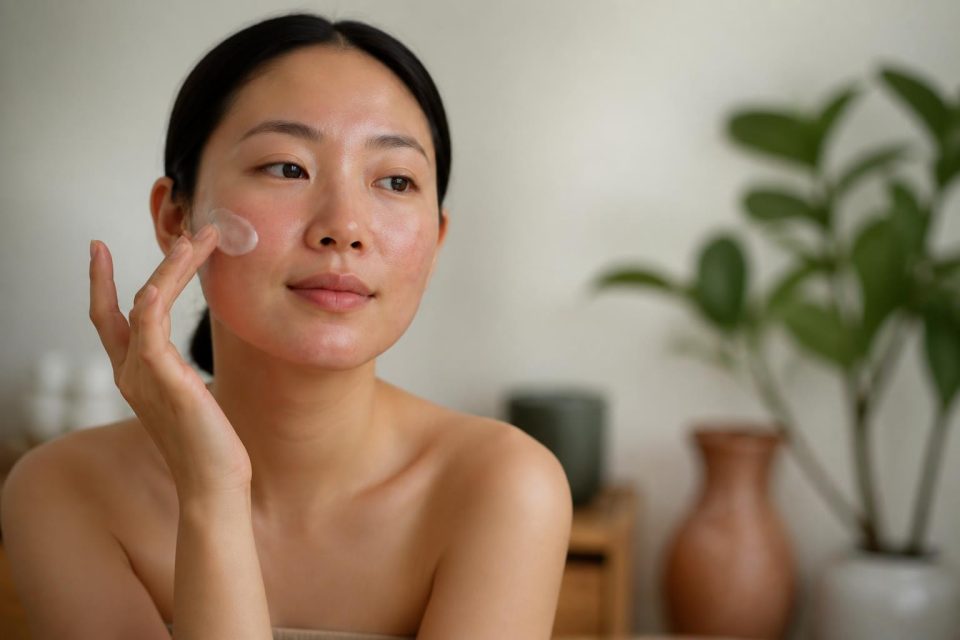
Living with eczema means your skin constantly reminds you of its special needs. That red, itchy patch on your elbow or the dry, scaly skin behind your knees isn't just annoying-it's your body telling you that standard skin care products won't cut it. Finding the right eczema skin care products transforms daily life from constant discomfort to manageable routine. Whether you're dealing with atopic dermatitis, contact dermatitis, or another form of eczema, understanding which products truly support your skin barrier makes all the difference.
Understanding What Your Eczema-Prone Skin Actually Needs
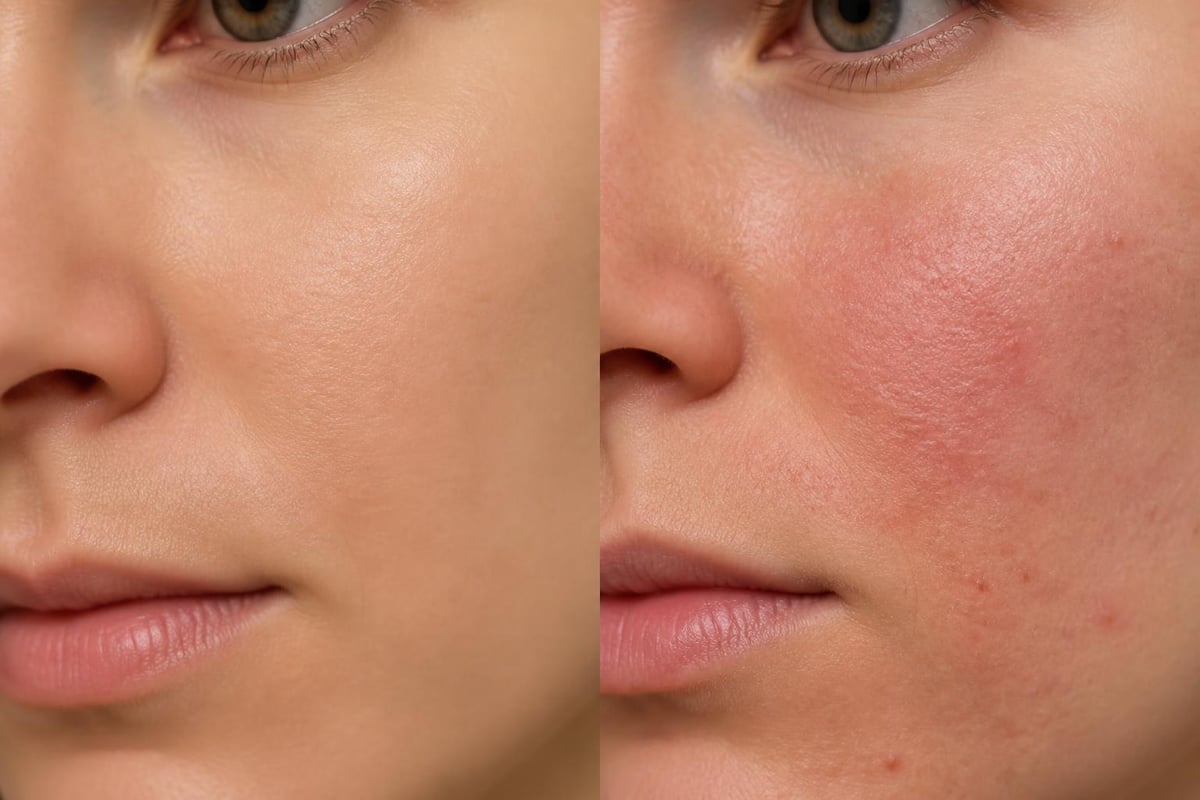
Your skin's protective barrier functions differently when you have eczema. Think of it like a brick wall with missing mortar-moisture escapes easily while irritants slip through the gaps. This compromised barrier creates the perfect storm for inflammation, itching, and those frustrating flare-ups that appear without warning.
The ceramides, cholesterol, and fatty acids that should naturally protect your skin are present in lower quantities when you have eczema. That's why daily skin care with moisturizing products becomes non-negotiable rather than optional.
The Science Behind Effective Products
What makes certain products work for eczema?
- Barrier repair ingredients that replace missing lipids
- Humectants that draw moisture into the skin
- Occlusives that seal moisture in place
- Anti-inflammatory compounds that calm reactive skin
Research shows that the most effective eczema skin care products don't just moisturize-they actively repair your skin's protective layer. This explains why your regular body lotion might feel nice initially but fails to prevent the next flare-up.
Choosing the Right Cleanser Without Triggering Flares
Cleansing seems straightforward until you realize that most soaps strip away the oils your skin desperately needs. Traditional bar soaps, foaming cleansers, and antibacterial washes can wreak havoc on eczema-prone skin.
| Cleanser Type | pH Level | Best For | Avoid If |
|---|---|---|---|
| Creamy cleansers | 5.5-6.5 | Very dry, sensitive skin | Oily skin types |
| Oil cleansers | 5.0-6.0 | Removing makeup, gentle cleansing | Prone to folliculitis |
| Micellar water | 5.5-7.0 | Quick refresh, sensitive areas | Heavy makeup removal needed |
| Syndet bars | 5.5-6.5 | Full-body cleansing | Prefer liquid formulas |
Your cleanser should leave your skin feeling comfortable, not tight or squeaky clean. That "squeaky" feeling actually signals that you've stripped away too much of your natural protection.
When selecting products, look for fragrance-free formulas with minimal ingredients. The Cleveland Clinic’s eczema skin care guidance emphasizes using lukewarm water and limiting bath time to prevent further moisture loss.
Ingredients Your Cleanser Should Include
Colloidal oatmeal soothes inflamed skin while you cleanse. Glycerin attracts moisture without feeling heavy. Ceramides start the repair process even during your shower.
Avoid sodium lauryl sulfate (SLS), which creates satisfying bubbles but destroys your skin barrier faster than you can rebuild it. Similarly, skip products with methylisothiazolinone or other harsh preservatives that commonly trigger contact dermatitis.
Moisturizers That Actually Work for Eczema
Not all moisturizers deserve space in your bathroom cabinet. The difference between products that help and those that merely sit on your skin surface comes down to formulation strategy and ingredient quality.
The National Eczema Association emphasizes regular moisturizing as the cornerstone of eczema management, recommending application at least twice daily and immediately after bathing.
The three-layer approach to moisture:
- Humectants pull water into your skin (hyaluronic acid, glycerin, urea)
- Emollients smooth and soften skin texture (shea butter, squalane, plant oils)
- Occlusives seal everything in place (petrolatum, dimethicone, beeswax)
The most effective eczema skin care products contain all three types of ingredients working together. This explains why petroleum jelly alone helps but doesn't completely solve the problem-it lacks humectants to draw moisture in.
Cream, Ointment, or Lotion?
Your choice depends on severity and personal preference. Ointments deliver maximum barrier protection but feel greasy. Creams absorb more quickly while still providing substantial moisture. Lotions feel lightweight but may require more frequent application.
For severe eczema, dermatologists typically recommend ointments at night and creams during the day. Those with milder symptoms might find that quality creams work perfectly for both applications. Just like choosing face serums for sensitive skin, understanding your specific needs guides product selection.
Natural and Plant-Based Options Worth Considering
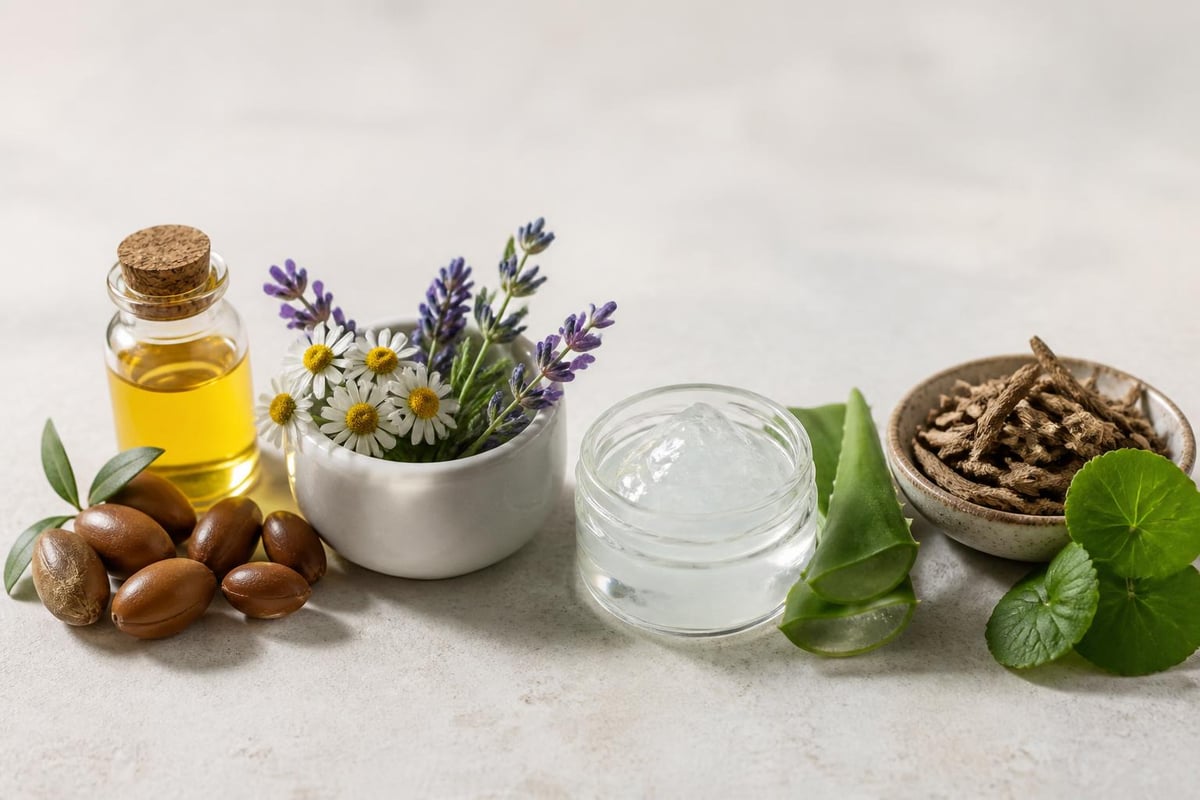
The natural skincare movement has created genuine innovations in eczema care, though not every "natural" product lives up to its promises. Plant-based eczema skin care products can be remarkably effective when formulated correctly.
Proven natural ingredients for eczema:
- Colloidal oatmeal reduces inflammation and itching
- Sunflower seed oil repairs barrier function
- Shea butter provides deep moisture and anti-inflammatory benefits
- Calendula extract calms irritated skin
- Hemp seed oil supplies omega fatty acids for barrier repair
However, Medical News Today’s eczema skin care guide warns that natural doesn't automatically mean safe for eczema. Essential oils, botanical extracts, and natural fragrances can trigger reactions just as readily as synthetic ingredients.
The Eco-Friendly Advantage
Choosing eco-friendly skincare benefits both your skin and the environment. Many sustainable brands avoid synthetic fragrances, harsh preservatives, and irritating additives simply because they're committed to minimal, natural formulations.
This alignment between environmental values and eczema-safe ingredients makes natural products particularly appealing. You're not compromising effectiveness for sustainability-you're getting both.
What to Absolutely Avoid in Your Products
Understanding what to exclude from your routine matters as much as knowing what to include. Some ingredients seem harmless but consistently trigger problems for eczema-prone skin.
| Ingredient Category | Common Names | Why to Avoid |
|---|---|---|
| Fragrances | Parfum, essential oils | Most common allergen, no therapeutic benefit |
| Harsh preservatives | Methylisothiazolinone, formaldehyde-releasers | High irritation potential |
| Drying alcohols | SD alcohol, denatured alcohol | Strip natural oils |
| Strong surfactants | SLS, SLES | Damage skin barrier |
| Botanical irritants | Lavender oil, citrus oils, menthol | Sensitizing compounds |
The American Academy of Dermatology cautions against products claiming to cure eczema, recommending dermatologist consultation before trying new treatments. Managing expectations prevents disappointment and wasted money on miracle promises.
Building Your Complete Eczema Care Routine
Successful eczema management requires a systematic approach rather than random product application. Your routine should support your skin throughout the day and night, adapting to seasonal changes and flare-up patterns.
Morning routine structure:
- Gentle cleansing (only if needed)
- Pat skin dry, leaving slightly damp
- Apply prescription medication to affected areas (if prescribed)
- Layer moisturizer within three minutes
- Sunscreen on exposed areas
Evening routine essentials:
- Remove makeup and daily buildup
- Lukewarm shower or bath (under 10 minutes)
- Pat dry gently
- Medications on problem areas
- Rich moisturizer or ointment
- Extra attention to hands, feet, and other trouble spots
The timing of moisturizer application significantly impacts effectiveness. Those precious minutes after bathing represent your golden window-your skin is hydrated and ready to lock in moisture with the right eczema skin care products.
Adjusting for Seasons and Flares
Winter demands richer formulations as indoor heating zaps humidity. Summer might allow lighter creams, but air conditioning creates similar dryness challenges. During flare-ups, simplify everything-use only your gentlest, most trusted products until your skin calms down.
Keep a flare-up kit ready with your most soothing products, wet wrap materials, and clean cotton gloves. Prevention works better than treatment, but having your emergency supplies organized reduces stress when your skin acts up.
Product Testing and Patch Testing Strategies
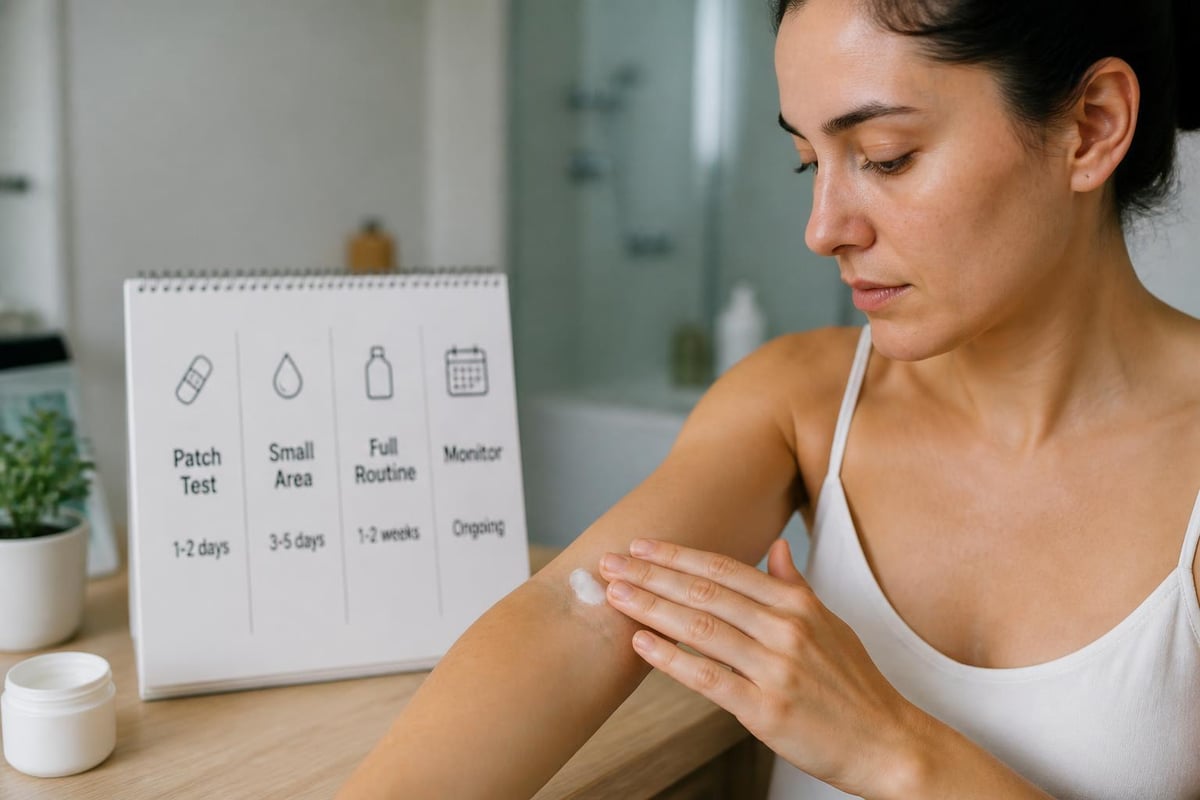
Even products specifically designed for sensitive skin can trigger reactions. Smart testing prevents full-body disasters and identifies your personal triggers.
The patch test protocol:
- Choose a small area on your inner forearm
- Apply a small amount of product
- Cover with a bandage if possible
- Wait 24-48 hours
- Check for redness, itching, or irritation
If your test spot remains calm, try the product on a larger area that typically shows eczema symptoms. This two-stage approach catches most potential reactions before they become major problems.
When introducing multiple new eczema skin care products, test them one at a time with at least a week between additions. This patience pays off by clearly identifying any culprits rather than creating confusion about which product caused problems.
Understanding Labels and Certifications
Marketing claims on eczema skin care products can mislead even educated consumers. Learning to decode labels protects your skin and your wallet.
"Hypoallergenic" sounds reassuring but has no legal definition. Companies can use this term without meeting any specific standards. Similarly, "dermatologist-tested" might mean a single dermatologist tried it once-not exactly rigorous validation.
More meaningful indicators include:
- National Eczema Association Seal of Acceptance (rigorously tested specifically for eczema)
- Complete ingredient lists (transparency matters)
- Fragrance-free (not "unscented," which may contain masking fragrances)
- pH-balanced (ideally around 5.5)
The AAD’s moisturizer selection guide recommends looking for products labeled as suitable for eczema or very dry skin, which typically undergo more careful formulation.
Special Considerations for Different Body Areas
Your facial skin, hands, and body each present unique challenges requiring targeted approaches. Using the same heavy ointment everywhere might protect your body but cause breakouts on your face.
Facial Eczema Solutions
Facial eczema demands non-comedogenic formulas that won't clog pores while still providing adequate moisture. Lighter creams with ceramides work better than thick ointments for most people. Consider products developed specifically for sensitive facial skin.
The eyelid area presents particular challenges-extremely thin, delicate skin with limited product tolerance. Ophthalmologist-approved options prevent eye irritation while addressing eczema symptoms.
Hand Eczema Management
Hands face constant assault from washing, weather, and daily tasks. Hand eczema requires frequent reapplication and overnight intensive treatment.
Hand care strategy:
- Apply moisturizer after every hand washing
- Use cotton gloves over night cream
- Keep travel-size products everywhere
- Choose fragrance-free hand soaps
- Wear protective gloves for wet work
Body Care Approaches
Larger body areas allow for cost-effective, simpler formulations. Quality doesn't require luxury prices-many dermatologist-recommended eczema skin care products come from drugstore brands with decades of research behind them.
Complementary Treatments and Lifestyle Factors
Products alone don't determine eczema outcomes. Environmental factors, stress management, and overall health significantly impact skin behavior.
A Cochrane review on emollients and moisturizers found that while moisturizers help control eczema, they work best as part of comprehensive management including trigger avoidance and medical treatment when necessary.
Lifestyle modifications that support your products:
- Use a humidifier when indoor air is dry
- Choose soft, breathable fabrics (cotton, bamboo)
- Manage stress through meditation, exercise, or therapy
- Identify and avoid food triggers if relevant
- Maintain consistent sleep schedules
- Stay hydrated from the inside out
Temperature extremes stress eczema-prone skin. Overheating triggers itching and sweating can irritate. Cold weather strips moisture rapidly. Adapting your environment and clothing choices works alongside your product routine.
When to Upgrade Beyond Over-the-Counter Products
Sometimes over-the-counter eczema skin care products aren't enough, and that's perfectly normal. Recognizing when professional help is needed prevents unnecessary suffering.
Signs you need prescription support:
- Severe itching interfering with sleep
- Oozing, crusting, or signs of infection
- Eczema covering large body areas
- No improvement after 2-3 weeks of proper care
- Significant impact on quality of life
Prescription options include topical corticosteroids, calcineurin inhibitors, PDE4 inhibitors, and newer biologic medications. These work alongside your basic skincare routine, not instead of it. Understanding treatment options from the National Eczema Society helps you have informed conversations with healthcare providers.
Even with prescriptions, you'll still need gentle cleansers and regular moisturizers. Those fundamentals remain constant regardless of treatment intensity.
Budget-Friendly Strategies for Effective Care
Managing eczema shouldn't require a second mortgage. Strategic shopping and smart prioritization stretch your budget while maintaining skin health.
Cost-saving approaches:
- Invest in one excellent moisturizer, use affordable cleansers
- Buy larger sizes with better per-ounce pricing
- Use thick ointments at night, lighter creams during the day
- Request prescription samples before purchasing
- Check pharmacy store brands with identical active ingredients
Generic versions of popular eczema skin care products often contain the same active ingredients at fraction of the cost. The fancy jar and brand name don't make ingredients work better.
Many natural skincare companies, particularly those focused on accessibility, offer quality products at reasonable prices without compromising effectiveness. Sinusoothe Ltd exemplifies this approach by prioritizing ingredient quality over marketing hype.
Making Eczema Care Sustainable Long-Term
Consistency determines outcomes more than product perfection. The most scientifically advanced cream fails if it sits unused in your bathroom cabinet.
Building sustainable habits means choosing products you'll actually use daily. If you hate the texture, you won't apply it regularly. If the smell bothers you, you'll skip applications. Find formulations that work with your preferences rather than against them.
Habit-building strategies:
- Link skincare to existing routines (after brushing teeth)
- Keep products visible where you'll use them
- Set phone reminders for midday reapplication
- Track patterns to identify early flare-up signs
- Celebrate small improvements rather than expecting perfection
Eczema management is a marathon, not a sprint. Some days your skin behaves beautifully, others it rebels despite perfect product use. That's the nature of chronic conditions. Patience and persistence matter more than finding one magical product.
Managing eczema requires the right combination of gentle cleansing, strategic moisturizing, and avoiding common irritants that trigger flare-ups. When you understand what your skin truly needs and choose eczema skin care products formulated to repair your barrier rather than just temporarily soothe symptoms, daily comfort becomes achievable. Sinusoothe Ltd offers natural skincare solutions designed with sensitive, reactive skin in mind, providing the gentle yet effective care that eczema-prone skin demands. Explore our thoughtfully formulated products that prioritize skin barrier health and long-term comfort over quick fixes.