
Every parent knows that moment when you notice your baby's delicate skin looking red and irritated during a nappy change. It's concerning, uncomfortable for your little one, and often sends you scrambling for solutions. The right nappy rash cream for babies can transform those stressful moments into manageable situations, but with countless products on pharmacy shelves, how do you choose? Understanding what causes this common condition, which ingredients truly work, and how to apply treatments properly makes all the difference between quick relief and prolonged discomfort.
Understanding Why Babies Develop Nappy Rash
Nappy rash affects nearly every baby at some point, making it one of the most universal challenges of infancy. The condition develops when sensitive baby skin stays in prolonged contact with moisture, friction, and irritants trapped inside nappies.
Several key factors contribute to this irritation:
- Prolonged exposure to urine and faeces
- Friction from nappy materials rubbing against skin
- Introduction of new foods changing stool composition
- Antibiotic use affecting gut bacteria balance
- Sensitivity to nappy materials or laundry detergents
The Royal Children’s Hospital Melbourne outlines comprehensive information about causes and management strategies that help parents identify different severity levels. Recognizing these triggers allows you to implement preventive measures before redness escalates into painful open sores.
The Science Behind Barrier Protection
Your baby's skin barrier functions differently than adult skin. Thinner, more permeable, and still developing, infant skin absorbs substances more readily while losing moisture faster. This makes the nappy area particularly vulnerable to breakdown.
When choosing a nappy rash cream for babies, you're essentially selecting a product that creates an artificial protective barrier. This shield keeps moisture away from skin while allowing the natural healing process to occur underneath. The most effective formulations combine occlusive ingredients that repel wetness with soothing compounds that reduce inflammation.
Essential Ingredients That Actually Work
Not all nappy rash cream ingredients deliver the same results. Understanding which compounds provide genuine therapeutic benefits versus those serving as marketing gimmicks helps you make informed choices for your baby's sensitive skin.
| Ingredient | Primary Function | Effectiveness Level |
|---|---|---|
| Zinc Oxide | Creates water-resistant barrier | Highly Effective |
| Petroleum Jelly | Occlusive moisture protection | Very Effective |
| Calendula Extract | Anti-inflammatory, promotes healing | Moderate to High |
| Chamomile | Soothes irritation, reduces redness | Moderate |
| Lanolin | Moisturizes and protects | Moderate |
| Coconut Oil | Natural antimicrobial properties | Moderate |
Zinc oxide stands as the gold standard for barrier protection, typically used in concentrations between 10-40%. This mineral creates an impermeable layer that prevents moisture from reaching inflamed skin while possessing mild antiseptic properties. Many dermatologists recommend zinc-based formulations as the first-line defense against nappy rash.
Natural alternatives have gained significant attention from parents seeking natural skincare products that avoid synthetic additives. Calendula, derived from marigold flowers, offers genuine anti-inflammatory benefits supported by research. Similarly, chamomile provides calming effects that reduce discomfort and redness.
Ingredients to Approach with Caution
Consumer Reports highlights how to choose products without harmful chemicals, emphasizing certain ingredients that may irritate sensitive skin. Fragrances, even those labeled "natural," can trigger allergic reactions in susceptible babies. Preservatives like parabens, while effective at preventing bacterial growth in cream formulations, raise concerns among parents prioritizing minimal chemical exposure.
Boric acid, occasionally found in older nappy rash cream formulations, should be avoided entirely. This compound can absorb through broken skin and potentially cause toxicity issues. Similarly, talc has fallen out of favor due to contamination concerns and respiratory risks if inhaled during application.
Application Techniques for Maximum Effectiveness
Having the right nappy rash cream for babies means nothing if you don't apply it correctly. Proper technique maximizes protection while minimizing waste and ensuring comfort for your little one.
The Step-by-Step Application Method
- Clean the area gently using lukewarm water and a soft cloth rather than commercial wipes containing alcohol or fragrance
- Pat completely dry with a clean towel, paying special attention to skin folds where moisture hides
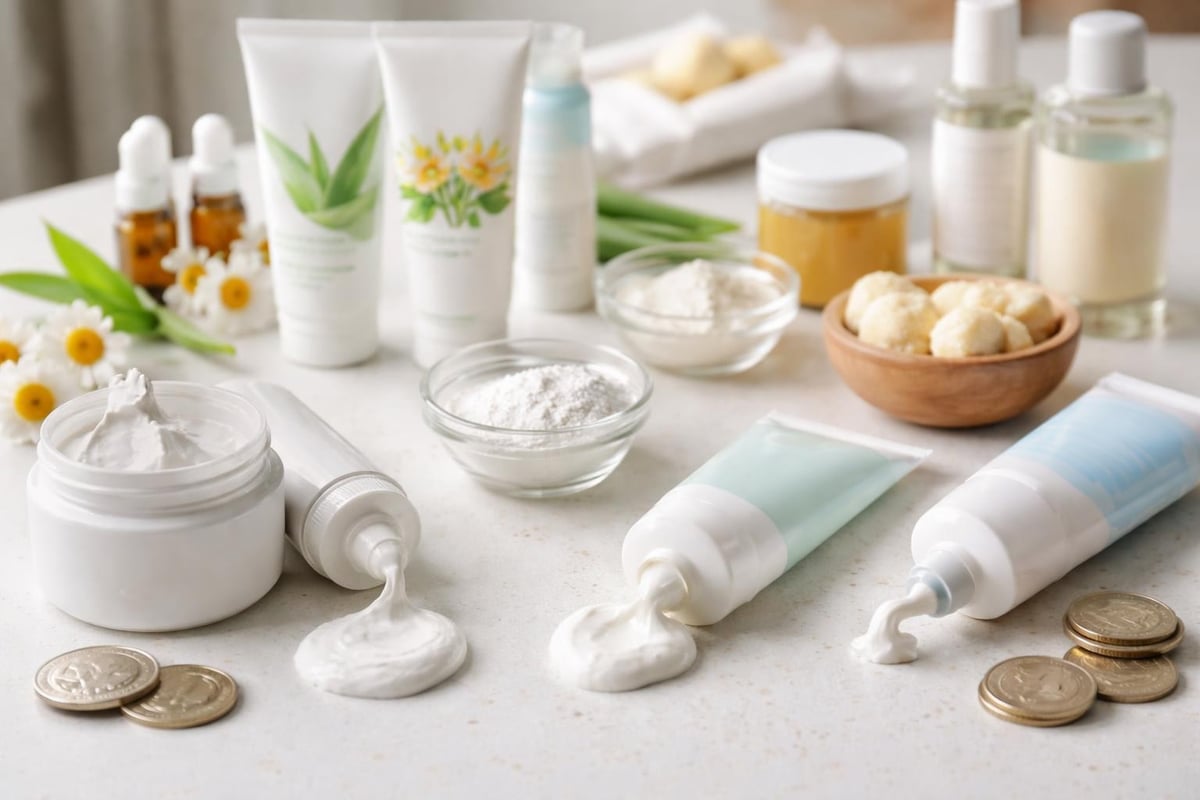
- Apply a thick layer of cream, roughly the thickness of a pound coin, covering all affected areas
- Don't rub vigorously – instead, spread gently to avoid further irritating inflamed skin
- Allow brief air exposure if possible before fastening the fresh nappy
Many parents make the mistake of applying too little product. Unlike facial moisturizers that should be absorbed completely, nappy rash cream for babies should remain visible as a white layer on the skin. This ensures adequate barrier protection throughout the time between changes.
Timing matters significantly. Apply protective cream at every nappy change when rash is present, not just when you remember. Consistency creates the healing environment needed for recovery. For prevention, application before overnight sleep proves particularly beneficial since babies typically wear nappies for longer stretches at night.
When Standard Application Isn't Enough
Severe nappy rash presenting with open sores, bleeding, or signs of infection requires medical evaluation. While continuing gentle cleansing and barrier cream application, contact your healthcare provider if you notice:
- Rash spreading beyond the nappy area
- Blisters or pustules forming
- Fever accompanying the skin condition
- No improvement after 3-4 days of treatment
- Increased crying or signs of pain during changes
Different types of nappy rash require specific treatments, particularly fungal infections caused by yeast. These often develop after antibiotic courses and present as bright red rash with satellite spots around the edges. Antifungal creams, sometimes requiring prescription, work better than standard barrier products in these cases.
Prevention Strategies That Reduce Occurrence
The most effective nappy rash cream for babies is the one you rarely need to use. Implementing prevention strategies significantly reduces rash frequency and severity, saving your baby discomfort and your family stress.
Core prevention principles include:
- Changing nappies every 2-3 hours during the day
- Immediate changes after bowel movements
- Allowing nappy-free time daily for air circulation
- Using appropriately sized nappies that don't rub or chafe
- Avoiding overtightening fasteners that restrict airflow
Prevention of diaper rash emphasizes the importance of maintaining proper skin care routines consistently. These habits become second nature with practice and dramatically impact your baby's skin health.
The Role of Dietary Changes
Introduction of solid foods often coincides with increased nappy rash occurrence. New foods change stool acidity and frequency, both factors that contribute to skin irritation. When starting solids, introduce one food at a time to identify potential triggers.
Highly acidic foods like citrus fruits, tomatoes, and strawberries frequently cause stool changes that irritate sensitive skin. If you notice rash developing after introducing specific foods, consider temporarily removing them and trying again in a few weeks as digestive systems mature.
| Age Group | Common Triggers | Prevention Focus |
|---|---|---|
| 0-6 months | Formula changes, antibiotics | Frequent changes, barrier cream |
| 6-12 months | New solid foods, teething | Food introduction tracking, extra protection |
| 12+ months | Toddler foods, potty training | Consistent changing routine, air time |
Natural Versus Conventional Formulations
The debate between natural and conventional nappy rash cream for babies reflects broader parenting philosophies about chemical exposure and ingredient transparency. Both approaches offer valid benefits worth considering.
Conventional formulations typically rely on petroleum-based ingredients like mineral oil and petrolatum. These compounds create highly effective occlusive barriers that prevent moisture contact. They're extensively tested, shelf-stable, and generally affordable. However, some parents worry about petroleum derivatives on baby skin, preferring plant-based alternatives.
Natural formulations utilize ingredients like coconut oil, shea butter, and botanical extracts that provide both barrier protection and skin-soothing properties. These products align with preferences for minimal processing and recognizable ingredient lists. The trade-off often involves higher prices and shorter shelf lives due to lack of synthetic preservatives.
Making the Choice That Fits Your Family
Neither approach is inherently superior for every baby. Some infants respond beautifully to simple petroleum jelly, while others show improvement with calendula-enriched natural creams. Skin sensitivity varies dramatically between individuals, making personal experimentation necessary.
Consider these factors when deciding:
- Your baby's specific skin sensitivities and allergies
- Rash severity and frequency
- Budget constraints for ongoing purchases
- Personal values regarding ingredient sourcing
- Ease of application and availability
Many families maintain both options, using intensive conventional treatments for active rashes while applying gentler natural formulations for daily prevention. This hybrid approach combines the strength of pharmaceutical-grade ingredients with the appeal of botanical skincare.
Storage and Shelf Life Considerations
Proper storage extends the effectiveness of any nappy rash cream for babies while preventing contamination that could worsen skin conditions. Most parents overlook these practical details until products separate or develop off odors.
Barrier creams should be stored at room temperature away from direct sunlight and heat sources. Bathrooms seem convenient for nappy changing but temperature fluctuations from showers can degrade formulations over time. Consider keeping creams in bedroom changing stations where conditions remain more stable.
Watch for these signs that cream has expired or spoiled:
- Separation with liquid pooling on the surface
- Changed texture becoming grainy or clumpy
- Unusual odor development
- Color changes from original appearance
- Mold growth around jar edges
Tubes prove more hygienic than jars since you avoid repeatedly dipping fingers into product. If using jar formulations, consider dispensing amounts onto clean cotton pads or spatulas rather than contaminating the entire container with each use. This simple practice extends shelf life while reducing bacterial introduction.
Traveling with Nappy Rash Cream
Travel presents unique challenges for maintaining skin care routines. TSA liquid restrictions limit container sizes for air travel, while temperature extremes in vehicles can affect product consistency. Transfer small amounts into approved travel containers, clearly labeling them for security screenings.
During long trips, carry cream in insulated bags alongside other temperature-sensitive items. Extreme heat can cause separation in natural formulations containing oils and waxes, while freezing temperatures make petroleum-based products difficult to spread. Planning ahead prevents scrambling to find replacement products in unfamiliar locations when rash develops.
Specialized Situations Requiring Adapted Approaches
Certain circumstances call for modified treatment strategies beyond standard nappy rash cream for babies application. Premature infants, babies with eczema, and those with chronic skin conditions need tailored approaches developed with healthcare providers.
Premature Baby Considerations
Premature babies possess even more delicate skin than full-term infants. Their skin barrier develops less completely, making them exceptionally vulnerable to irritation and breakdown. Use fragrance-free, hypoallergenic formulations specifically tested for premature infant skin.
Application frequency may need adjustment since premature babies often require more frequent nappy changes. Work closely with your neonatal care team to develop appropriate protection protocols that balance skin health with other medical needs.
Eczema and Nappy Rash Overlap
Babies with eczema frequently experience more severe and persistent nappy rash. The compromised skin barrier that characterizes eczema makes the nappy area particularly susceptible to irritation. Layer treatments strategically, applying prescribed eczema medications first, then topping with barrier cream to lock in treatment while protecting against moisture.
Some skincare approaches for sensitive skin conditions translate effectively to infant care, particularly emphasis on minimal ingredient formulations and fragrance avoidance. However, always consult pediatric dermatologists before applying adult-focused products to baby skin.
Economic Considerations and Value Assessment
Quality nappy rash cream for babies represents an investment in your child's comfort and health. Prices vary dramatically from budget drugstore options to premium natural formulations, raising questions about whether expensive products deliver proportional benefits.
Value assessment factors include:
- Cost per ounce rather than total package price
- Effectiveness requiring less frequent reapplication
- Dual-purpose use for minor cuts and skin irritations
- Likelihood of causing allergic reactions requiring product replacement
- Longevity before expiration
Generic zinc oxide creams often contain identical active ingredients to name brands at fraction of the cost. The primary differences involve texture, fragrance, and packaging rather than therapeutic effectiveness. Reading ingredient labels helps identify true bargains versus marketing inflation.
Bulk purchasing reduces per-unit costs but only makes sense for products you've already tested successfully on your baby's skin. Buying large quantities of untried formulations risks waste if your baby reacts poorly or the product proves ineffective for their specific rash type.
When Premium Products Justify Higher Costs
Organic certification, sustainable packaging, and fair-trade ingredient sourcing increase production costs reflected in retail prices. For families prioritizing these values, premium natural nappy rash cream for babies aligns purchasing decisions with broader environmental and ethical commitments.
Products featuring rare or extensively processed natural ingredients like sea buckthorn oil or propolis extract command higher prices due to sourcing challenges. Evaluate whether these specialized ingredients address your baby's specific needs or simply represent trendy additions with minimal practical benefit.
Building Your Nappy Care Toolkit
Comprehensive nappy care extends beyond having excellent nappy rash cream for babies readily available. Creating a complete toolkit ensures you can handle various situations from mild irritation to severe breakdown.
Essential toolkit components include:
- Primary barrier cream with proven effectiveness for your baby
- Backup alternative formula in case of reactions
- Gentle cleansing solution or plain water sprayer
- Soft cloths or cotton pads for patting dry
- Disposable gloves for messy changes when traveling
Organizing supplies in portable caddies allows quick access whether changing in nursery, living room, or away from home. Restock immediately when running low rather than discovering empty containers mid-change during a rash flare-up.
Consider maintaining separate kits for different locations if you frequently care for your baby at grandparents' homes or childcare facilities. This ensures consistent treatment regardless of where changes occur, preventing gaps in barrier protection that allow rash to worsen.
Educating Caregivers on Proper Application
Anyone providing care for your baby should understand your preferred treatment approach. Demonstrate proper application techniques to grandparents, babysitters, and childcare providers rather than assuming they'll intuitively know your methods.
Provide written instructions with product names, application amounts, and frequency expectations. Clear communication prevents well-meaning caregivers from under-applying products or skipping applications they assume unnecessary, potentially allowing preventable rash development.
Understanding When Professional Help Becomes Necessary
While most nappy rash resolves with diligent home treatment using appropriate nappy rash cream for babies, certain situations require medical evaluation. Distinguishing between normal healing timelines and complications requiring intervention protects your baby from prolonged discomfort.
Persistent rash lasting beyond one week despite consistent barrier cream application warrants pediatrician consultation. The underlying cause might extend beyond simple irritation, requiring prescription treatments or addressing systemic issues affecting skin health.
Signs of secondary infection including pus, increasing warmth, or spreading redness demand prompt medical attention. Bacterial or fungal infections won't respond to standard barrier creams and may worsen without appropriate antimicrobial treatment.
Seek immediate evaluation if rash presents with:
- Blistering or open sores
- Purple or black discoloration
- Fever or signs of systemic illness
- Extreme pain causing constant crying
- Rapid spreading beyond nappy area
Healthcare providers can distinguish between common irritant dermatitis and conditions like seborrheic dermatitis, psoriasis, or allergic reactions requiring different treatment approaches. Don't hesitate to seek guidance when uncertainty exists about proper management.
Protecting your baby's delicate skin requires understanding the causes of nappy rash, selecting effective barrier creams with proven ingredients, and implementing consistent prevention strategies. Whether you choose conventional zinc oxide formulations or natural botanical alternatives, proper application technique and frequent nappy changes remain fundamental to managing this common challenge. When you're ready to explore gentle, effective natural skincare products formulated with your baby's wellbeing in mind, Sinusoothe Ltd offers thoughtfully crafted solutions that prioritize both effectiveness and ingredient transparency. Your baby's comfort starts with informed choices and consistent care routines that support healthy skin development.