
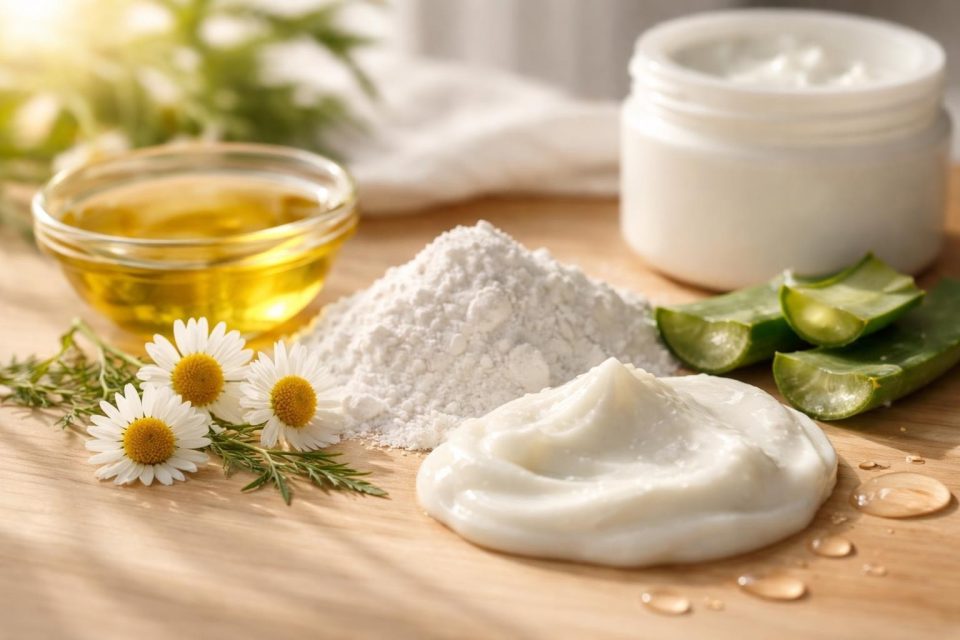
Every parent knows that moment when their baby's skin looks red, irritated, and uncomfortable. Finding the right diaper cream for babies becomes an urgent priority when diaper rash strikes, but the marketplace offers dozens of options with confusing ingredient lists and conflicting claims. Natural skincare products have emerged as a preferred choice for parents who want effective protection without exposing their little ones to synthetic chemicals or artificial fragrances. Understanding what makes a quality diaper cream and how to use it properly can transform your baby care routine from reactive to proactive.
Understanding the Purpose of Diaper Cream
Diaper rash affects nearly every baby at some point, usually between 8 and 15 months of age. The warm, moist environment inside a diaper creates perfect conditions for skin irritation and bacterial growth.
Diaper cream for babies serves multiple essential functions:
- Creates a moisture barrier between skin and wetness
- Soothes existing inflammation and redness
- Prevents future rashes through protective layering
- Promotes healing with nourishing ingredients
- Reduces friction from diaper movement
The skin in the diaper area is particularly vulnerable because it's constantly exposed to urine, feces, and friction. Quality creams form a protective seal that allows the skin to breathe while staying dry.
When Prevention Beats Treatment
Most parents reach for diaper cream only after redness appears, but preventative application offers significant benefits. Using a thin layer during every change, especially overnight, can stop irritation before it starts.
Babies with sensitive skin need consistent barrier protection. This becomes even more critical during teething periods, when dietary changes, or when introducing new foods that alter stool composition.
Key Ingredients in Natural Diaper Creams
The foundation of effective diaper cream for babies lies in its ingredient profile. Natural formulations prioritize skin-compatible components that work with the body's healing processes rather than against them.
| Ingredient Type | Primary Function | Examples | Benefits |
|---|---|---|---|
| Mineral Barriers | Moisture protection | Zinc oxide, titanium dioxide | Creates impermeable seal, FDA-approved |
| Natural Oils | Nourishment | Coconut oil, sunflower oil, shea butter | Deep moisturization, anti-inflammatory |
| Botanical Extracts | Healing support | Calendula, chamomile, aloe vera | Soothes irritation, reduces redness |
| Natural Waxes | Consistency and adhesion | Beeswax, candelilla wax | Helps cream stay in place, texture |
Zinc Oxide: The Gold Standard
Zinc oxide remains the most effective active ingredient in diaper rash prevention and treatment. This mineral compound sits on the skin's surface, reflecting moisture away while allowing air circulation.
Concentrations between 10% and 40% offer therapeutic benefits. Higher percentages create thicker barriers but can be harder to spread evenly. Choosing diaper creams without harmful chemicals ensures you're getting effective protection without synthetic additives.
Natural plant-based ingredients complement zinc oxide perfectly:
- Calendula extract reduces inflammation through anti-inflammatory compounds
- Chamomile oil calms irritated skin with bisabolol
- Coconut oil provides antibacterial and antifungal properties
- Shea butter delivers vitamins A and E for skin repair
The synergy between mineral barriers and botanical ingredients creates more effective formulations than either component alone. Natural oils also improve spreadability, making application easier on delicate skin.
Different Types of Diaper Cream Formulations
Not all diaper cream for babies comes in the same consistency. Understanding different types of diaper cream helps you select the right product for your specific needs and preferences.
Creams Versus Ointments Versus Pastes
Creams offer lighter consistency with easier spreadability. They absorb more quickly and work well for prevention and mild irritation. Water-based creams feel less greasy but may not provide as strong a barrier for severe rashes.
Ointments contain higher oil content, creating thicker, longer-lasting protection. They excel at treating active rashes and overnight protection. The trade-off comes in application difficulty and potential residue on clothing.
Pastes deliver maximum barrier protection with the thickest consistency. These work best for stubborn rashes or babies prone to severe irritation. Their density makes spreading challenging, requiring more effort during changes.
Your choice depends on several factors:
- Current skin condition (prevention vs. treatment)
- Time of day (overnight needs stronger barriers)
- Baby's activity level (active babies need adherent formulas)
- Climate and humidity (hot weather requires breathable options)
- Personal preference for texture and application
Proper Application Techniques for Maximum Effectiveness
Even the best diaper cream for babies won't work properly without correct application. Many parents apply too little product or skip crucial preparation steps.
Preparation and Timing
Start with clean, completely dry skin. Moisture trapped under cream creates the perfect environment for rash development rather than prevention. Pat the diaper area gently with a soft cloth after cleaning.
Allow air exposure for 2-3 minutes if possible. This brief pause lets remaining moisture evaporate and gives irritated skin a healing break.
Coverage and Quantity
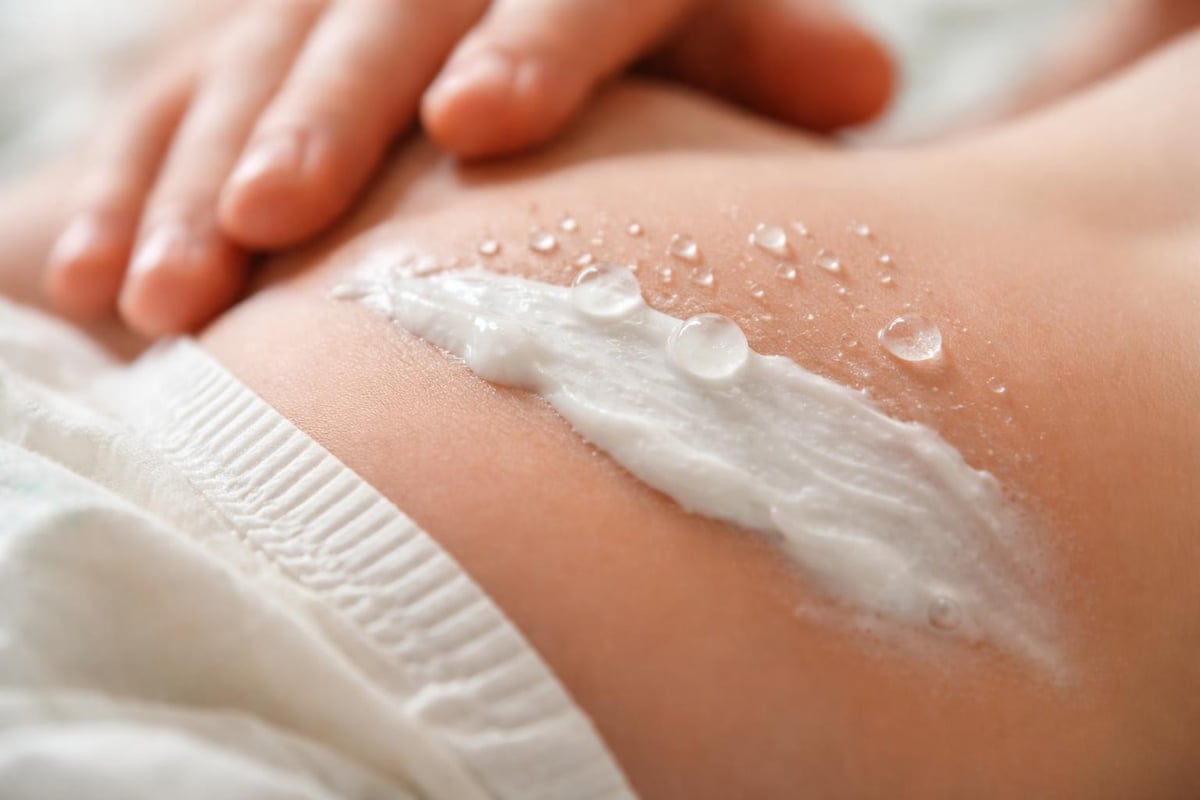
Apply a layer thick enough to see white coverage on the skin. Proper application techniques ensure even distribution across all vulnerable areas.
Focus on these high-risk zones:
- Buttocks where the diaper makes closest contact
- Genital area folds where moisture accumulates
- Inner thigh creases prone to friction
- Lower abdomen where waistband sits
Don't forget the areas between folds. Gently separate skin creases to apply thin layers in hidden spots where moisture loves to hide.
Selecting the Right Product for Your Baby's Needs
The diaper cream market offers overwhelming choices, from drugstore brands to premium natural formulations. Making an informed decision requires understanding your baby's specific skin characteristics and sensitivities.
Assessing Skin Type and Sensitivity
Babies with eczema-prone skin need fragrance-free formulations without common irritants. Look for products specifically labeled hypoallergenic and dermatologist-tested.
Normal skin types can tolerate wider ingredient ranges but still benefit from natural formulations. Prevention-focused parents should choose lighter creams for daily use and keep thicker ointments for flare-ups.
| Skin Condition | Recommended Formulation | Key Ingredients to Seek | Ingredients to Avoid |
|---|---|---|---|
| Sensitive/Eczema | Thick, minimal ingredients | Zinc oxide, shea butter | Fragrances, parabens, dyes |
| Normal | Medium creams or light ointments | Zinc oxide, calendula, coconut oil | Synthetic preservatives |
| Yeast rash | Antifungal ointments | Zinc oxide, coconut oil, calendula | Sugar-based ingredients |
| Severe irritation | Maximum barrier pastes | High zinc oxide (40%), petroleum alternatives | Water (reduces barrier) |
Selecting effective diaper rash creams means matching product characteristics to your baby's current needs rather than following trending brands.
Reading Labels Like a Pro
Ingredients appear in descending order by volume. If zinc oxide ranks fifth or sixth, the product likely contains insufficient concentration for therapeutic effect.
Red flags on ingredient lists include:
- Parabens (methylparaben, propylparaben)
- Artificial fragrances listed simply as "fragrance"
- Talc or cornstarch in creams meant for yeast rashes
- Boric acid or phenol derivatives
- Synthetic dyes (FD&C or D&C colors)
Natural doesn't automatically mean safe or effective. Some plant extracts can cause allergic reactions in sensitive babies. Start with products containing well-researched, gentle botanicals like calendula and chamomile.
Common Mistakes Parents Make With Diaper Cream
Even experienced parents sometimes develop habits that reduce diaper cream for babies effectiveness. Recognizing these errors helps you optimize your routine.
Waiting Too Long to Apply
Many parents use diaper cream only after redness appears. This reactive approach allows minor irritation to progress into painful rashes requiring longer treatment.
Prevention takes less product and delivers better outcomes. A thin barrier layer at every change costs minimal time and product while providing maximum protection.
Using Too Little Product
Skimping on application means insufficient barrier formation. You should see white cream on the skin after proper application, not a barely-there transparent layer.
The "frosting" rule works well: Apply cream like you're frosting a cake, creating visible coverage without excessive thickness. This ensures protection without waste.
Mixing Incompatible Products
Switching between multiple diaper cream for babies products during the same rash episode can prevent healing. Different formulations may interact poorly or confuse the healing process.
Select one product and use it consistently for 3-4 days before determining effectiveness. Exceptions apply when treating yeast infections, which require antifungal-specific formulas.
Natural Alternatives and Complementary Practices
Beyond commercial products, several natural approaches support healthy diaper area skin. These practices enhance diaper cream for babies effectiveness rather than replacing it.
Diaper-Free Time Benefits
Allowing babies to go without diapers for 15-20 minutes daily accelerates healing and prevents future rashes. Air exposure dries the skin naturally and reduces bacterial growth.
Create a safe space with waterproof pads or towels. This practice works especially well after baths when skin is clean and parents can supervise closely.
Diet and Hydration Connections
What babies eat directly affects stool composition and skin irritation potential. Highly acidic foods like citrus and tomatoes can create more irritating stools that increase rash risk.
Monitor diaper rash patterns after introducing new foods. Understanding what to look for in diaper cream includes recognizing when dietary changes might be contributing to skin issues.
Adequate hydration dilutes urine concentration, reducing irritation potential. Ensure babies receive appropriate fluid intake for their age and activity level.
Treating Persistent or Severe Diaper Rash
Most rashes respond to diaper cream for babies within 2-3 days. Persistent irritation lasting longer than a week or worsening despite treatment requires different approaches.
Identifying Yeast Infections
Yeast rashes appear bright red with defined borders and satellite spots around the main affected area. These fungal infections won't respond to standard barrier creams.
Signs you're dealing with yeast rather than simple irritation:
- Bright red color that doesn't fade with barrier cream
- Small red bumps appearing outside the main rash area
- Rash lasting more than seven days with treatment
- Worsening despite excellent diaper cream application
- Presence in deep skin folds where moisture collects
Yeast infections need antifungal treatment, often requiring pediatrician-prescribed medications. Natural options like coconut oil offer mild antifungal properties but may not resolve severe cases.
When to Consult Healthcare Providers
Contact your pediatrician if the rash includes blisters, bleeding, or oozing. These symptoms suggest bacterial infection requiring antibiotic treatment beyond over-the-counter diaper cream for babies.
Fever accompanying diaper rash indicates potential systemic infection. Don't delay medical consultation when babies show signs of distress or pain during diaper changes that wasn't previously present.
Building Your Natural Diaper Care Routine
Consistency matters more than product price or brand recognition. Developing systematic habits around diaper cream for babies application creates the foundation for healthy skin.
Morning and Evening Protocol
Daytime changes need lighter barrier protection since you're changing more frequently. Use creams that spread easily and absorb quickly without leaving heavy residue.
Nighttime application requires maximum barrier strength since babies spend 10-12 hours in the same diaper. Apply thicker layers of ointment or paste formulations.
Create a changing station stocked with everything you need. Having products within arm's reach prevents skipping steps when babies are fussy or time is limited.
Seasonal Adjustments
Summer heat and humidity increase sweat and moisture in the diaper area. Switch to lighter, more breathable formulations during hot months while increasing change frequency.
Winter's dry air can cause skin cracking even in the diaper area. Consider adding extra moisturizing ingredients like shea butter or plant oils to your diaper cream for babies selection.
Travel situations often disrupt routines. Pack familiar products rather than experimenting with hotel gift shop options during trips when stress already affects baby's skin.
Sustainability Considerations in Product Selection
Parents increasingly consider environmental impact when choosing baby products. Natural diaper cream for babies aligns with sustainability values through ingredient sourcing and packaging choices.
Packaging and Waste Reduction
Tubes typically dispense product more hygienically than jars but create plastic waste. Look for brands using recyclable materials or offering refill programs.
Glass jars provide the most sustainable packaging but require careful handling and clean hands or applicators during use. Weigh convenience against environmental priorities based on your family's values.
Some companies now offer diaper cream bars similar to lotion bars. These eliminate packaging waste while delivering concentrated ingredients, though they require warming between hands before application.
Ingredient Sustainability
Ethically sourced ingredients matter for both environmental and social reasons. Palm oil derivatives, common in skincare products, drive deforestation when not sustainably harvested.
Questions to ask about ingredient sourcing:
- Are botanical ingredients organically grown?
- Does the company support fair trade practices?
- Are mineral ingredients (zinc oxide) responsibly mined?
- Do manufacturing processes minimize environmental impact?
Companies committed to sustainability typically share sourcing information transparently. Visit natural skincare resources for guidance on identifying truly sustainable products.
Understanding Product Certifications and Claims
Marketing claims on diaper cream for babies packages don't always reflect reality. Understanding certification standards helps you evaluate products accurately.
Meaningful Certifications to Look For
USDA Organic certification requires at least 95% organic ingredients and strict processing standards. This label indicates genuine commitment to natural formulations.
EWG Verified means the Environmental Working Group has reviewed all ingredients for safety. Products meeting their standards avoid concerning chemicals and disclose complete ingredient lists.
Dermatologist-tested sounds reassuring but carries no standardized meaning. Any company can claim dermatologist testing without third-party verification or specific protocols.
Hypoallergenic claims also lack regulation. While companies typically formulate these products to minimize allergens, no guarantee exists that your baby won't react.
Marketing Versus Reality
"Natural" and "plant-based" appear on products containing mostly synthetic ingredients with token botanical additions. Check actual ingredient percentages rather than trusting front-label claims.
Compare similar products using resources like comprehensive ingredient databases that rate safety and effectiveness objectively.
Budget-Friendly Natural Options
Premium diaper cream for babies products can strain family budgets. Affordable natural alternatives exist that deliver effective protection without luxury pricing.
DIY Diaper Cream Basics
Making diaper cream at home ensures complete ingredient control and significant cost savings. Simple recipes combine coconut oil, shea butter, zinc oxide powder, and optional botanical infusions.
Basic three-ingredient formula:
- Melt 1/4 cup coconut oil with 1/4 cup shea butter
- Remove from heat and stir in 2 tablespoons zinc oxide powder
- Whip while cooling until creamy consistency forms
- Store in clean jar for up to three months
Add calendula-infused oil or chamomile essential oil for enhanced soothing properties. Always purchase non-nano zinc oxide to avoid inhalation risks during mixing.
Maximizing Commercial Product Value
Buying larger sizes reduces per-ounce costs significantly. If you've found a diaper cream for babies product that works, purchasing 8-ounce containers instead of 2-ounce tubes saves money over time.
Many natural brands offer subscription discounts for regular deliveries. This approach ensures you never run out while reducing overall costs by 10-20%.
Watch for sales at natural retailers, especially during baby safety month promotions. Stock up on favorites when prices drop, as most creams remain stable for 1-2 years unopened.
Protecting your baby's delicate skin doesn't require compromising on ingredient quality or effectiveness. The right diaper cream for babies combines proven barrier ingredients like zinc oxide with nourishing natural botanicals that support healing and comfort. By understanding application techniques, selecting appropriate formulations for your baby's unique needs, and maintaining consistent preventive care, you can minimize diaper rash occurrences and resolve flare-ups quickly. When you're ready to explore natural skincare solutions that prioritize both effectiveness and safety, Sinusoothe Ltd offers thoughtfully formulated products designed with your baby's health in mind.