

If you've noticed red, bumpy patches around your mouth that just won't go away, you're likely dealing with perioral dermatitis. This frustrating skin condition affects thousands of people every year, causing discomfort, self-consciousness, and a desperate search for solutions. While conventional treatments often involve harsh medications or steroids, many people are discovering why calendula cream soothes perioral dermatitis so effectively. This gentle, botanical remedy has been used for centuries to calm inflamed skin, and modern research is finally catching up to explain the science behind its healing power.
Understanding Perioral Dermatitis and Its Triggers
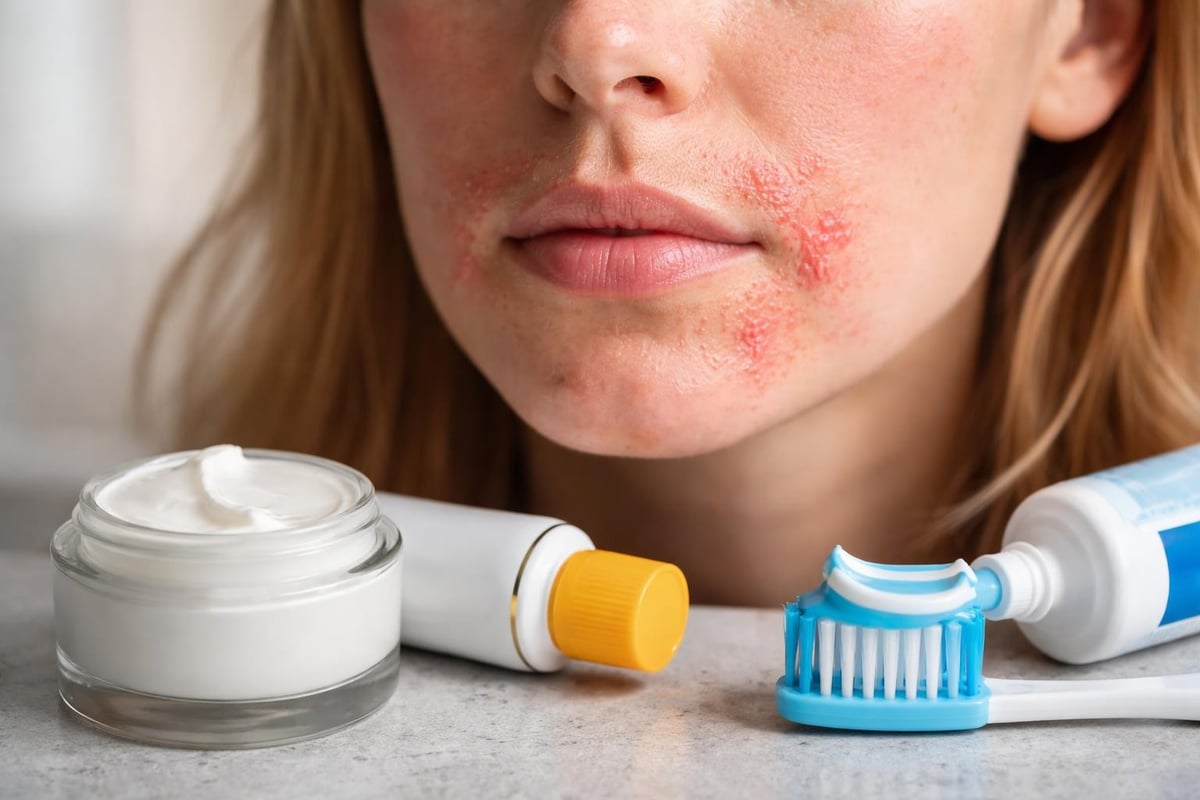
Perioral dermatitis presents as small, red, scaly bumps that typically cluster around the mouth, nose, and sometimes the eyes. The condition often resembles acne or rosacea, making it tricky to diagnose.
What makes this skin issue particularly challenging is its stubborn nature. Once it appears, it can persist for months or even years without proper treatment. The rash creates a bumpy texture, redness, and sometimes burning or itching sensations that interfere with daily comfort.
Common triggers include:
- Topical corticosteroids (ironically, often used to treat skin issues)
- Heavy moisturizers and occlusive creams
- Fluorinated toothpaste
- Hormonal fluctuations
- Compromised skin barrier function
- Certain cosmetic ingredients
Many sufferers find themselves in a frustrating cycle. They apply conventional treatments that provide temporary relief but ultimately worsen the condition. This is where natural alternatives like calendula step in to offer a gentler path forward.
The Botanical Power Behind Calendula
Calendula officinalis, commonly known as pot marigold, has been a staple in herbal medicine for over 1,000 years. This vibrant orange flower contains a complex array of bioactive compounds that work synergistically to heal damaged skin.
The flower's petals contain several therapeutic components that make it particularly effective for inflammatory skin conditions. These include flavonoids, triterpenoids, saponins, carotenoids, and polysaccharides.
Active Compounds That Target Inflammation
Understanding why calendula cream soothes perioral dermatitis requires examining its chemical composition:
| Compound Type | Primary Benefits | Mechanism of Action |
|---|---|---|
| Flavonoids | Anti-inflammatory | Inhibit inflammatory mediators |
| Triterpenoids | Wound healing | Promote tissue regeneration |
| Saponins | Antimicrobial | Reduce bacterial colonization |
| Carotenoids | Antioxidant | Neutralize free radicals |
Research has shown that calendula’s anti-inflammatory properties work through multiple pathways. The plant compounds interfere with the body's inflammatory cascade, reducing redness and swelling at the cellular level.
What's particularly fascinating is how calendula doesn't just mask symptoms. It actually supports the skin's natural healing processes, making it an ideal choice for those seeking sensitive skin remedies that work with the body rather than against it.
How Calendula Addresses Perioral Dermatitis Specifically
The question of why calendula cream soothes perioral dermatitis becomes clearer when we examine the condition's underlying mechanisms. Perioral dermatitis involves barrier dysfunction, inflammation, and often bacterial imbalance.
Calendula tackles all three issues simultaneously. Its anti-inflammatory compounds calm the redness and irritation that make the condition so visible and uncomfortable. Meanwhile, its antimicrobial properties help restore balance to the skin's microbiome.
Barrier Repair and Protection
One of the most critical aspects of healing perioral dermatitis is restoring the skin's protective barrier. When this barrier is compromised, moisture escapes and irritants penetrate more easily.
Calendula supports barrier function by:
- Providing essential fatty acids that strengthen cell membranes
- Stimulating production of structural proteins like collagen
- Creating a breathable protective layer that locks in hydration
- Reducing transepidermal water loss
According to research on calendula cream for perioral dermatitis, the plant's mucilage content forms a soothing film over the skin without clogging pores. This is crucial because heavy, occlusive products often worsen the condition.
Unlike petroleum-based products that simply seal the skin, calendula actively nourishes while protecting. This dual action explains why so many people see improvement when they switch from conventional moisturizers to calendula-based formulations.
The Anti-Inflammatory Cascade Explained
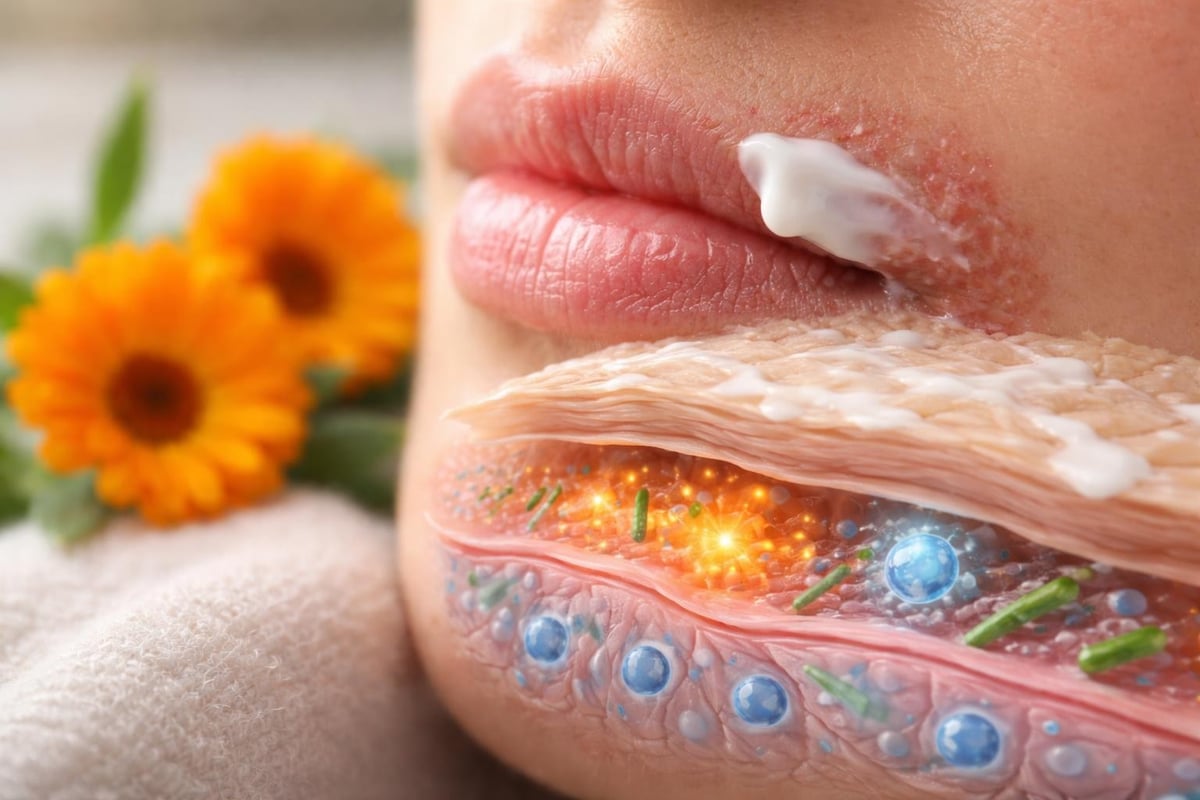
Inflammation lies at the heart of perioral dermatitis. When the skin becomes inflamed, blood vessels dilate, immune cells rush to the area, and various chemical mediators create the visible symptoms we associate with the condition.
This is precisely why calendula cream soothes perioral dermatitis so effectively. The plant's triterpenoid compounds, particularly faradiol, have been shown to significantly reduce inflammatory markers.
Studies demonstrate that calendula extracts can inhibit the production of pro-inflammatory cytokines. These signaling molecules would otherwise perpetuate the inflammatory cycle, keeping the skin red, irritated, and bumpy.
Comparison with Conventional Treatments
How does calendula stack up against standard medical treatments for perioral dermatitis? Let's examine the options:
| Treatment Type | Speed of Results | Side Effects | Long-term Safety | Cost |
|---|---|---|---|---|
| Topical steroids | Fast (days) | Significant (can worsen POD) | Poor | Moderate |
| Oral antibiotics | Moderate (weeks) | Moderate (gut issues) | Concerning | High |
| Metronidazole | Moderate (weeks) | Mild to moderate | Good | Moderate |
| Calendula cream | Gradual (weeks) | Minimal | Excellent | Low to moderate |
While calendula may work more gradually than prescription medications, its safety profile makes it an attractive option for those seeking natural approaches. Many dermatologists now recommend trying gentler botanical options before escalating to pharmaceutical interventions.
For those exploring face serums for sensitive skin, calendula-based products offer the advantage of being both effective and exceptionally gentle. This matters tremendously when treating a condition that often worsens with harsh ingredients.
Choosing and Using Calendula Products Effectively
Not all calendula creams are created equal. The extraction method, concentration, and accompanying ingredients all influence effectiveness.
Key factors to consider:
- Extract type: CO₂ extraction preserves more active compounds than alcohol-based methods
- Concentration: Look for products with at least 1-2% calendula extract
- Base ingredients: Avoid heavy oils and silicones that may aggravate perioral dermatitis
- Additional botanicals: Complementary ingredients like chamomile or aloe can enhance results
Research on emollient creams containing calendula extract suggests that formulations with 1% supercritical CO₂ calendula extract show significant anti-inflammatory benefits in treating contact dermatitis and related conditions.
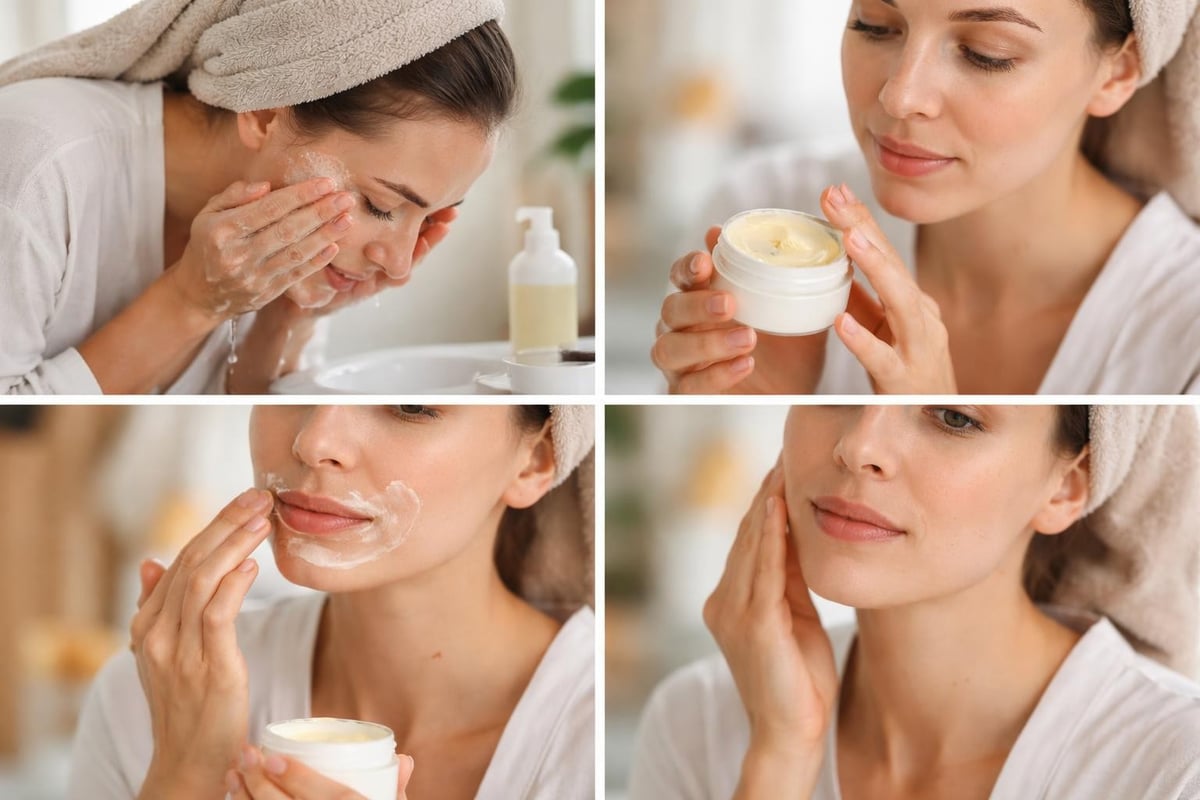
When applying calendula cream to perioral dermatitis, less is often more. Use only a thin layer twice daily on clean, slightly damp skin. This helps the active compounds penetrate without overwhelming already irritated tissue.
What to Avoid While Using Calendula
Understanding why calendula cream soothes perioral dermatitis also means knowing what might interfere with its effectiveness. During treatment, steer clear of:
- Topical steroids (these often trigger or worsen the condition)
- Heavy makeup and foundation around the mouth
- Sodium lauryl sulfate in toothpaste
- Harsh exfoliants and chemical peels
- Fragranced skincare products
The goal is to create an environment where calendula can work its magic without interference. Think of it as clearing the stage for the star performer.
Many users find success by adopting a minimalist skincare routine centered around calendula. This approach, combined with identifying and eliminating triggers, often yields better results than complicated multi-step regimens.
Real-World Results and Timeline Expectations
How quickly can you expect to see improvements when using calendula for perioral dermatitis? While everyone's skin responds differently, most people notice changes within specific timeframes.
Typical progression:
- Week 1-2: Reduced burning and itching sensations
- Week 3-4: Decreased redness and inflammation
- Week 5-8: Visible reduction in bumps and texture
- Week 8-12: Significant improvement or complete clearing
Patience is essential. Unlike steroid creams that work within days but often cause rebound flares, calendula heals gradually while building skin resilience. This slower pace actually works in your favor for long-term skin health.
Traditional approaches to treating perioral dermatitis with calendula emphasize consistency over intensity. Daily application, even after visible improvement, helps prevent recurrence.
Some people experience what herbalists call a "healing crisis" during the first week. The skin might look slightly worse before it gets better as inflammation surfaces and resolves. This temporary setback typically indicates the treatment is working.
Complementary Strategies for Optimal Results
While calendula cream forms an excellent foundation for treating perioral dermatitis, combining it with other gentle approaches can accelerate healing.
Consider incorporating zinc-rich foods into your diet, as zinc supports skin barrier function and immune response. Foods like pumpkin seeds, chickpeas, and cashews provide this essential mineral naturally.
Lifestyle Modifications That Support Healing
Beyond topical application, certain lifestyle changes enhance calendula's effectiveness:
- Stress management: Stress hormones can trigger inflammatory skin conditions
- Sleep optimization: Skin repairs itself most actively during deep sleep
- Hydration: Drinking adequate water supports overall skin health
- Gentle cleansing: Use lukewarm water and mild, fragrance-free cleansers
Products designed specifically for sensitive skin cream needs often pair calendula with other soothing botanicals. This synergistic approach can provide additional benefits without overwhelming reactive skin.
Understanding why calendula cream soothes perioral dermatitis involves recognizing that healing happens holistically. The cream works on the surface, but supporting your skin from within amplifies the results.
The Science Continues to Evolve
Research into calendula's therapeutic properties continues to expand. Recent studies explore how different extraction methods affect potency, and which specific compounds deliver the most benefit for various skin conditions.
Alternative treatment approaches including TRPV1 inhibitors are being studied for perioral dermatitis, but calendula remains attractive due to its excellent safety profile and multi-modal action.
What makes calendula particularly promising is its ability to work through several mechanisms simultaneously. Rather than targeting a single pathway like many pharmaceutical treatments, it addresses multiple aspects of skin dysfunction.
Ongoing research areas include:
- Optimal extraction methods for maximum bioavailability
- Synergistic combinations with other botanical extracts
- Delivery systems that enhance penetration without irritation
- Long-term effects on skin microbiome diversity
The beauty of using a time-tested botanical remedy is that you're benefiting from centuries of traditional knowledge while modern science validates and refines its application. This combination of ancient wisdom and contemporary research creates a powerful healing approach.
Making Calendula Part of Your Skincare Philosophy
Choosing calendula for perioral dermatitis often represents a broader shift toward gentler, more sustainable skincare practices. This aligns perfectly with the philosophy that less is definitely more when it comes to treating reactive skin.
The question isn't just why calendula cream soothes perioral dermatitis, but why more people aren't taking advantage of this gentle yet effective option. Perhaps it's because we've been conditioned to believe that strong medicine works better than natural remedies.
In reality, the skin often responds more favorably to botanical ingredients it recognizes on a cellular level. Calendula has co-evolved with human use for thousands of years, making it remarkably compatible with our skin's biology.
By choosing calendula-based products, you're not just treating a skin condition. You're supporting your skin's innate healing capacity, strengthening its resilience, and avoiding the side effects that often accompany synthetic alternatives.
Whether you're dealing with active perioral dermatitis or seeking to prevent recurrence, calendula offers a safe, effective option backed by both traditional use and modern research. Its anti-inflammatory, antimicrobial, and barrier-supporting properties make it uniquely suited to address this challenging condition.
Understanding why calendula cream soothes perioral dermatitis empowers you to make informed choices about your skincare routine. This gentle botanical remedy addresses inflammation, supports barrier repair, and promotes healing without harsh side effects. At Sinusoothe Ltd, we specialize in natural skincare products formulated with premium calendula extracts and complementary botanicals designed for reactive, sensitive skin. Discover our range of gentle, effective products that work with your skin's natural healing processes.