

Struggling with dry, flaky skin on your face even after trying countless creams and routines? You are not alone. In 2026, more people than ever will battle dry skin of face as pollution, climate shifts, and modern life take their toll.
This guide uncovers 7 proven remedies—backed by science and dermatologists—that can restore hydration, comfort, and a healthy glow. We will break down the real causes, highlight common mistakes, and share simple solutions for every routine.
Ready for real relief? Discover how to transform your skin with the latest research and actionable tips, starting today.
Understanding Dry Skin on the Face: Causes and Symptoms
Do you ever wonder why the dry skin of face feels so stubborn, even after slathering on creams and lotions? Understanding what’s behind that persistent dryness is the first step to finding real relief. By breaking down the science, you’ll be empowered to make smarter choices for your skin.
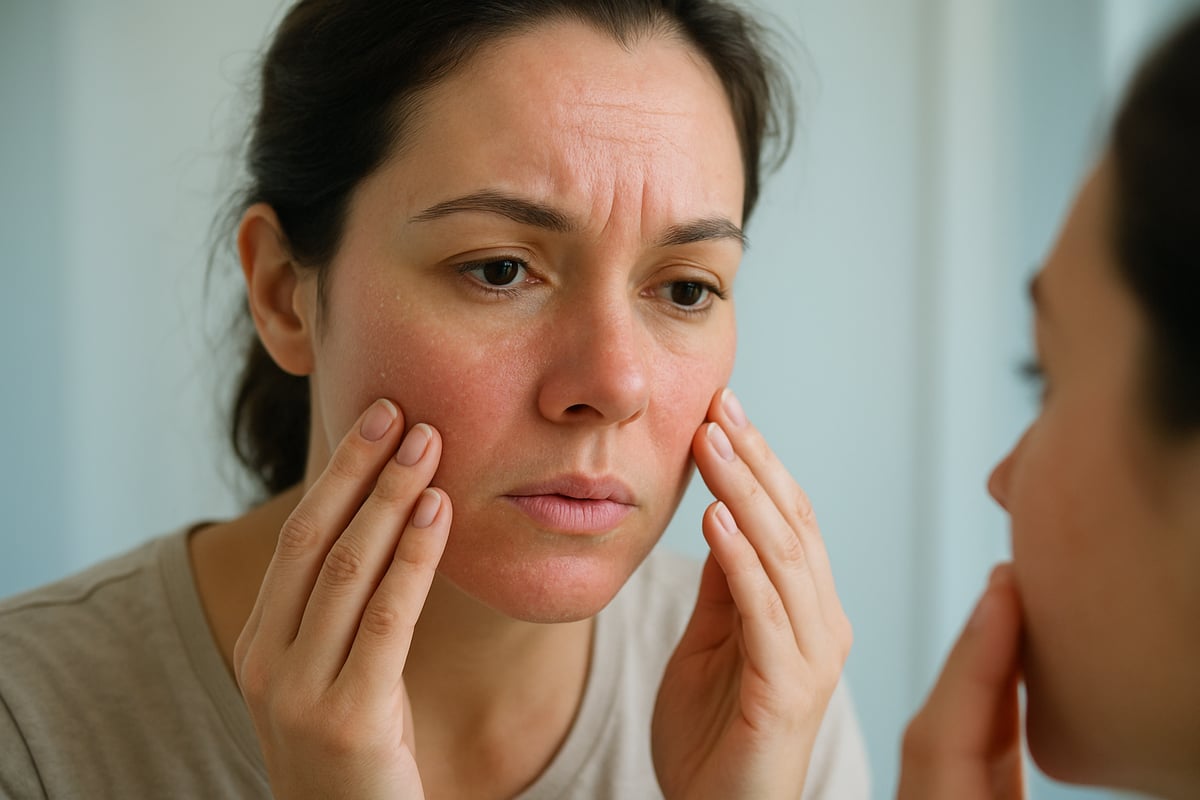
What Is Dry Skin of the Face?
Dry skin of face, also known as facial xerosis, happens when the skin loses too much moisture and natural oils. On the face, this can show up as tightness after washing, visible flakiness, rough patches, or even small cracks. Some people notice itching or a dull appearance, which can make skin feel uncomfortable and look less vibrant.
It’s easy to confuse dry skin of face with dehydration or sensitivity. Dry skin means your skin lacks oil, while dehydrated skin lacks water. Sensitive skin, on the other hand, reacts to triggers with redness or stinging. It’s possible for these conditions to overlap, but treating the root cause is crucial.
The most common signs include:
- Persistent tightness, especially after cleansing
- Fine, white flakes or rough texture
- Itching or mild redness
- Occasional burning or stinging
Recognizing these symptoms helps you distinguish dry skin of face from other concerns and tailor your skincare routine for better results.
Major Causes in 2026
Why is dry skin of face becoming more common in 2026? The answer lies in a mix of modern environmental and lifestyle factors. Urban pollution has increased, making it harder for skin to maintain its natural barrier. Climate change brings temperature swings and lower humidity, especially in cities where air conditioning and heating are used year-round.
Many people unintentionally worsen the dry skin of face by overusing harsh cleansers, soaps, or alcohol-based toners. Aggressive exfoliation strips away protective oils. After age 40, the skin naturally produces less sebum, which means less built-in moisture. Medical conditions like eczema, psoriasis, and hypothyroidism also play a role.
Stressful routines, poor diet, and not drinking enough water further drain your skin’s hydration. For a deeper look at causes and medical red flags, check out the Dry skin – Diagnosis and treatment page for expert guidance and when to seek help.
Who Is Most at Risk?
Certain groups are more likely to develop dry skin of face. People with naturally dry or sensitive skin are at the top of the list, as are older adults whose skin loses oil with age. Living in cold or dry climates increases the risk, especially during winter when indoor heating saps moisture from the air.
Recent dermatological studies show that nearly 60% of people over 45 report moderate to severe dry skin of face during colder months. A typical example: a 45-year-old woman notices her face feels extra tight and flaky as soon as the weather turns cold, despite her usual moisturizer.
If you see these patterns in your own life, you’re not alone. Understanding who faces the highest risk is key to preventing and managing dry skin of face before it becomes a bigger problem.
Skincare Habits to Avoid for Dry Facial Skin
Are you unknowingly sabotaging your efforts to fix dry skin of face? Many skin routines that seem helpful can actually make dryness worse. The right knowledge can help you sidestep these pitfalls and set your skin up for long-term comfort.
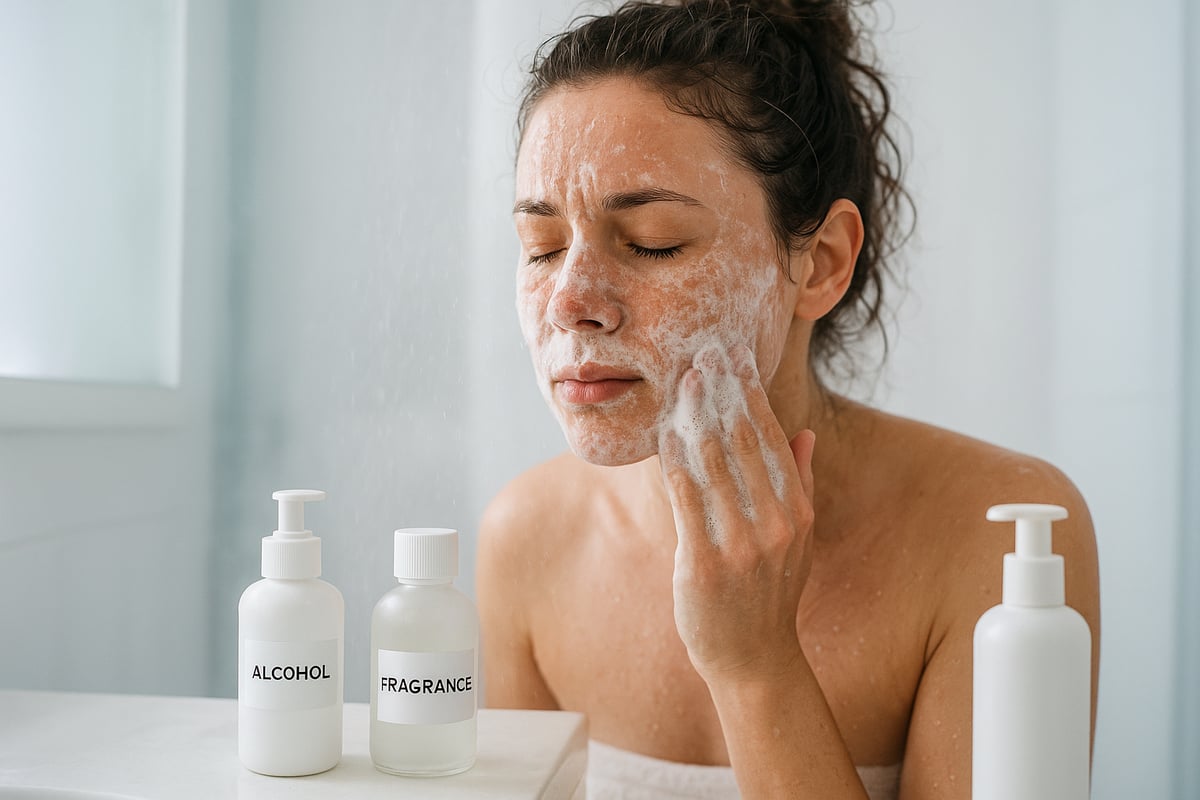
Harmful Practices
It’s easy to fall into habits that harm the skin’s natural balance. If you have dry skin of face, watch out for these common mistakes:
- Taking long, hot showers that strip away natural oils
- Over-cleansing or using drying soaps and facial washes
- Applying astringents, alcohol-based toners, or highly fragranced products
- Scrubbing aggressively, over-exfoliating, or scratching dry patches
- Skipping sunscreen or exposing your face to excessive sunlight
Each of these practices can worsen dryness, leaving your skin feeling tight, rough, and uncomfortable. Small changes in routine can make a big difference for dry skin of face.
The Impact of Barrier Damage
Your skin barrier acts as a shield, locking in moisture and blocking irritants. When you have dry skin of face, harsh practices can weaken this barrier. Once the barrier is compromised, moisture escapes more easily, and irritants can sneak in.
Imagine using a strong chemical peel and suddenly feeling more sensitive, red, or flaky. That’s barrier damage in action. Protecting the barrier is crucial for anyone struggling with dry skin of face, especially if you notice increased reactivity after trying new products.
Product Ingredient Red Flags
Not all skincare products are created equal. For those with dry skin of face, certain ingredients can be especially problematic:
| Ingredient | Effect on Skin |
|---|---|
| Alcohol | Dries out skin |
| Sulfates | Strip natural oils |
| Synthetic Fragrance | Triggers irritation |
Recent market analysis found that over 40% of facial cleansers in 2025 still contained harsh surfactants. Always check labels before buying. Look for gentle, fragrance-free, and non-comedogenic options to support your dry skin of face.
Importance of Gentle Care
Gentle routines are the foundation for healing dry skin of face. Dermatologists recommend using mild, fragrance-free cleansers, moisturizing right after washing, and choosing non-comedogenic products.
A real-life example? One reader switched from harsh scrubs to a creamy cleanser and saw smoother, calmer skin in just weeks. For more dermatologist-backed strategies, check out Dermatologists’ top tips for relieving dry skin—these expert insights can help you build habits your skin will love.
Remember, small shifts toward gentle care can transform your daily experience with dry skin of face.
7 Proven Remedies for Dry Skin of Face in 2026
Struggling with dry skin of face can feel like an endless cycle of discomfort, irritation, and frustration. In 2026, with changing climates and evolving skincare trends, it’s more important than ever to adopt remedies that are proven, science-backed, and gentle. Let’s explore seven transformative solutions that can restore hydration, comfort, and a healthy glow to your complexion.

Gentle, Hydrating Cleansers
The first step in tackling dry skin of face is using a cleanser that respects your skin barrier. Traditional soaps and foaming cleansers can strip away natural oils, leaving your face tight and flaky. Instead, choose soap-free, sulfate-free cleansers packed with hydrating ingredients like glycerin, hyaluronic acid, and ceramides.
Switching from a foaming cleanser to a creamy formula can make a dramatic difference. Creamy cleansers remove dirt without compromising the skin’s moisture. Dermatologists recommend cleansing once in the evening to remove pollutants and sunscreen, and only rinsing with water in the morning to avoid over-cleansing.
Quick Tips:
- Look for “fragrance-free” and “non-comedogenic” on the label.
- Avoid products with alcohol or harsh surfactants.
- Apply cleanser with lukewarm water, never hot.
Choosing the right cleanser is foundational for anyone experiencing dry skin of face. It sets the stage for every other remedy to work effectively.
Advanced Moisturizers with Barrier Repair Technology
If you want to lock in hydration and repair your skin, advanced moisturizers are essential for dry skin of face. Modern formulas harness barrier-repair technology, using ingredients like ceramides, squalane, shea butter, and niacinamide to replenish the skin’s protective layer.
Moisturizer texture matters. Creams and ointments are richer than lotions and offer deeper hydration, making them ideal for severely dry skin of face. Layering a serum underneath, then sealing with a thick moisturizer, can further boost results.
Consider this quick comparison:
| Ingredient | Function | Best For |
|---|---|---|
| Ceramides | Barrier repair | All skin types |
| Squalane | Lightweight hydration | Sensitive, oily skin |
| Shea Butter | Deep nourishment | Very dry, flaky skin |
| Niacinamide | Soothing, brightening | Redness, sensitivity |
Clinical trials from 2024-2025 show ceramide-rich moisturizers improve hydration by up to 70% within four weeks. For expert advice on the best routines and products, check out Best Skin Care for Dry Skin, According to Experts (2025).
A good moisturizer can be a game-changer for dry skin of face, especially when used consistently.
Incorporating Humectants Like Hyaluronic Acid and Glycerin
Humectants are the secret weapon for dry skin of face. These ingredients, like hyaluronic acid and glycerin, act like moisture magnets, drawing water from the environment into your skin.
For best results, apply humectants to damp skin after cleansing. This step ensures they have water to pull in, maximizing hydration. Follow with a richer moisturizer or an occlusive to trap the moisture inside.
Best Practices:
- Use a hydrating serum or essence with humectants morning and night.
- Always seal with a moisturizer to prevent water loss.
- Avoid using humectants alone in very dry climates, as they can pull moisture from deeper skin layers.
Combining humectants and emollients offers the ultimate boost for dry skin of face, leaving it plump, soft, and resilient.
Overnight Hydration Masks and Occlusive Treatments
Treat your dry skin of face to overnight hydration masks for a surge of moisture while you sleep. These masks come in gel, cream, or sleeping pack forms, each designed to deeply hydrate and repair overnight.
Occlusive agents like petrolatum, lanolin, and natural waxes create a protective seal, locking in all the goodness from serums and moisturizers beneath. Apply a hydration mask 2-3 times a week, or layer a thin coat of ointment over your routine as a “slugging” treatment.
Clinical studies show overnight masks can increase skin hydration by 30% after just one use, especially in harsh climates or during winter. Remember, consistency is key for lasting results.
A simple overnight ritual can transform dry skin of face from parched to radiant by morning.
Limiting Exfoliation and Choosing Gentle Methods
Exfoliation is a double-edged sword for dry skin of face. While it removes dead skin cells, overdoing it can worsen dryness and sensitivity. Stick with gentle methods like lactic acid, polyhydroxy acids (PHAs), or enzyme exfoliants.
Limit exfoliation to once or twice weekly. Physical scrubs can cause microtears, so opt for mild chemical exfoliants instead. Always follow up with a hydrating moisturizer.
Comparison Table:
| Exfoliant | Type | Suitability for Dry Skin |
|---|---|---|
| Lactic Acid | Chemical (AHA) | Gentle, hydrating |
| PHAs | Chemical | Very gentle, soothing |
| Enzymes | Natural | Mild, non-irritating |
| Scrubs | Physical | Usually too harsh |
Switching to a gentle exfoliation routine can dramatically improve the texture and comfort of dry skin of face.
Protecting Skin from Environmental Stressors
Environmental factors are major culprits behind dry skin of face, especially in 2026 with urban pollution and climate extremes. Daily sunscreen is non-negotiable, even for those with dry skin. Opt for hydrating mineral sunscreens that protect without drying.
Shield your face from wind and cold using scarves or balms. Indoors, use a humidifier to maintain optimal moisture in the air, especially during winter. Studies show that dry skin of face cases spike by 25% in urban areas during colder months.
If you need more seasonal advice, explore tips for combating dry skin during winter.
Small lifestyle changes can help defend your dry skin of face from environmental assaults.
Nutrition, Hydration, and Lifestyle Adjustments
What you put inside your body is just as important as what you apply on your face. Diets rich in omega-3 fatty acids, antioxidants, and plenty of water support healthy, hydrated skin from within.
Limit caffeine and alcohol, as both can dehydrate your skin. Stress management, quality sleep, and regular exercise all contribute to the health of dry skin of face.
Case studies reveal that people who increased their water intake and added more healthy fats saw visible improvements in their dry skin of face within weeks. A holistic routine is the foundation for lasting skin comfort.
By combining these seven remedies, anyone can transform dry skin of face into a smoother, healthier complexion. The key is consistency, gentle care, and a willingness to adapt as your skin’s needs evolve.
When to Seek Professional Help for Persistent Dry Skin
Noticing that your dry skin of face just won’t improve, no matter how many moisturizers or home remedies you try? This is more common than you think. While most people experience occasional dryness, persistent symptoms like cracking, bleeding, or constant redness may signal something more serious. If you find that your dry skin of face is causing pain, discomfort, or even small infections, it’s time to pay closer attention.
Some warning signs to look for include:
- Redness that never fades
- Itchy, rough patches that resist over-the-counter treatments
- Open sores, bleeding, or persistent scaling
- Pain or stinging, especially in cold or dry weather
Ignoring these symptoms can make the dry skin of face worse and even lead to complications.
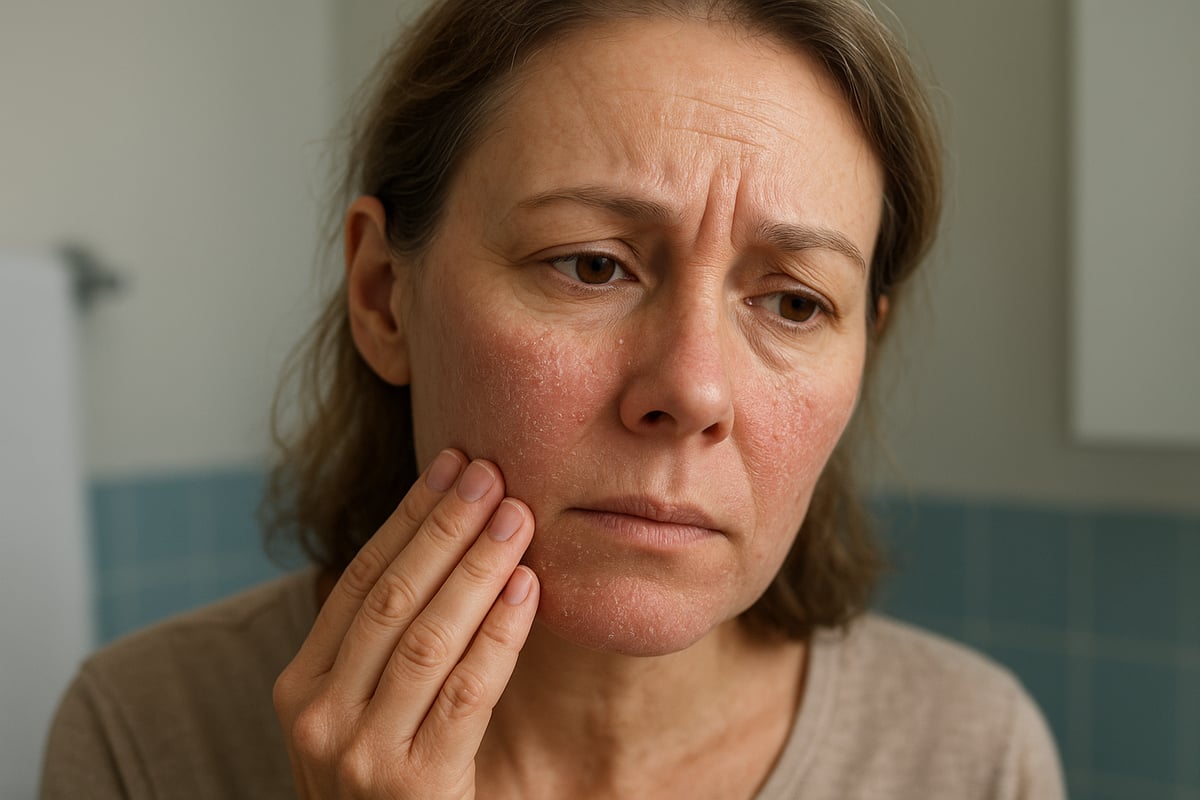
Seeking professional help for dry skin of face is important when home care isn't enough. Dermatologists are trained to spot underlying conditions like eczema, psoriasis, or allergies. According to recent studies, up to 20% of people with chronic dry skin of face require medical intervention for lasting relief. A dermatologist may recommend patch testing or a skin biopsy to identify triggers and rule out other issues.
If your dry skin of face is linked to medical conditions like eczema, targeted treatments can make a dramatic difference. You can learn more about eczema symptoms and treatments and how they overlap with facial dryness. Prescription creams, barrier repair therapies, and specialized moisturizers may be prescribed based on your diagnosis.
Take, for example, a woman who battled chronic dry skin of face for years. Over-the-counter products provided little relief. After consulting a dermatologist, she received a diagnosis of mild eczema and began a targeted treatment plan. Within weeks, her skin’s comfort and appearance dramatically improved. If you recognize similar symptoms, don’t hesitate to seek professional advice—persistent dry skin of face often has a solution once the true cause is found.
Frequently Asked Questions About Dry Facial Skin in 2026
Struggling to get answers about the dry skin of face? Here are the top questions readers ask, with science-backed, up-to-date advice for 2026.
Can dry skin of face turn into another skin condition if left untreated?
Yes, chronic dryness can weaken your skin barrier, sometimes leading to eczema, dermatitis, or increased sensitivity. If symptoms persist, consult a dermatologist for a tailored solution.
Are there specific products to avoid for mature or aging skin?
Absolutely. Mature skin is more prone to dryness. Avoid products with alcohol, sulfates, and heavy fragrances. Instead, choose gentle, hydrating options labeled as fragrance-free and non-comedogenic.
How does menopause or hormonal change impact facial dryness?
Hormonal shifts, especially during menopause, can reduce oil production, making the dry skin of face more noticeable. For a deeper dive into this topic, check out Menopause and facial dryness.
Is it possible to permanently cure dry skin of face, or is ongoing management necessary?
There’s no permanent cure, especially if your skin type or environment is a factor. Consistent, gentle care and smart product choices are key to ongoing comfort and hydration.
Can technology help monitor and manage dryness?
Yes. New tech, like AI-powered skin sensors and apps, can analyze hydration levels through selfies. Discover how this works in detail with AI-driven Remote Facial Skin Hydration and TEWL Assessment from Selfie Images: A Systematic Solution.
Are natural remedies (oils, plant extracts) safe and effective for dry facial skin?
Some natural oils, like squalane or jojoba, can help restore moisture. However, always patch-test new ingredients, as plant extracts may cause irritation for sensitive skin.
How often should you update your skincare routine for best results?
Review your routine at least seasonally, or when you notice changes in your dry skin of face. Adjust products as your skin’s needs shift with age, weather, or lifestyle.