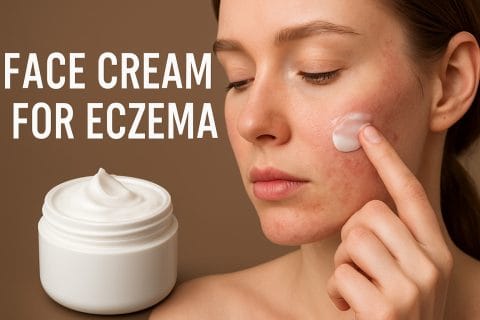
Eczema is on the rise, especially when it comes to facial skin, making the search for the perfect face cream for eczema more urgent than ever. Sensitive, eczema-prone faces often react to ordinary products, turning a simple routine into a stressful guessing game.
This article promises relief. We have curated a list of dermatologist-recommended face cream for eczema options that blend innovation, natural ingredients, and proven science. Whether you want a natural, clinical, budget-friendly, or luxury solution, you will discover which products truly soothe, hydrate, and protect your skin.
Get ready to explore the top 9 essential picks for every skin type and need—all designed for comfort, safety, and real results.
Understanding Eczema and the Importance of Specialized Face Creams
Eczema is more than a fleeting skin issue, especially when it affects the face. Managing facial eczema means dealing with visible redness, flaking, and relentless itching. The skin here is thinner and more exposed to environmental triggers, making it vulnerable to flare-ups that can disrupt daily life.
Did you know up to 20% of children and 3% of adults worldwide struggle with eczema? Facial eczema often appears as atopic dermatitis, contact dermatitis, or seborrheic dermatitis. Each type brings its own challenges, but all share symptoms like dryness, irritation, and sensitivity.
Triggers range from harsh weather to stress, allergens, or even certain foods. Because facial skin is so delicate, even small irritants can spark major discomfort. This is why picking the right face cream for eczema is crucial—your skin deserves targeted care.
What is Eczema?
Eczema is a chronic inflammatory skin condition that frequently targets the face. It can show up as red patches, intense itching, dryness, and visible flaking. These symptoms are not just uncomfortable—they can affect confidence and quality of life.
Facial eczema is especially tricky. The skin here is thin, often exposed, and more reactive to irritants. Triggers include weather changes, stress, allergens, and even some skincare products. Globally, eczema impacts millions, with children most affected but adults are not immune.
Knowing your eczema type is the first step toward finding the best face cream for eczema. Atopic dermatitis, contact dermatitis, and seborrheic dermatitis are the most common types that affect the face.
Why Ordinary Moisturizers Fall Short
You might wonder, can any moisturizer help? Unfortunately, ordinary creams often contain fragrances, alcohol, or harsh preservatives. These ingredients can trigger or worsen eczema flare-ups, especially on sensitive facial skin.
The main goal in treating eczema is repairing the skin barrier and calming inflammation. Most general creams lack the specialized ingredients needed for this. Dermatologists agree that a targeted face cream for eczema is more effective, as it is formulated to soothe, hydrate, and protect without adding stress to delicate skin.
If you want to dive deeper into what makes a cream suitable, the Skin cream for eczema guide offers a helpful breakdown of essential features.
Key Ingredients to Look For (and Avoid)
Choosing a face cream for eczema is all about smart ingredients. Here’s a quick comparison:
| Beneficial Ingredients | Ingredients to Avoid |
|---|---|
| Ceramides | Fragrances |
| Colloidal oatmeal | Parabens |
| Shea butter | Sulfates |
| Glycerin | Lanolin (possible allergen) |
| Hyaluronic acid | Alcohol |
Ceramides help rebuild the skin barrier, while colloidal oatmeal and shea butter soothe and lock in moisture. Glycerin and hyaluronic acid attract and retain hydration. Clinical studies show these ingredients can reduce eczema symptoms and improve skin comfort.
On the flip side, fragrances and parabens often trigger reactions in eczema-prone skin. Sulfates and lanolin can worsen irritation or cause allergies. Always check the label before choosing a face cream for eczema, and opt for formulas that prioritize gentle, proven ingredients.
How to Choose the Right Face Cream for Your Eczema
Ready to find your perfect match? Here’s how to select a face cream for eczema with confidence:
- Assess your skin type and the severity of your eczema.
- Patch test new products on a small area before full use.
- Consult a dermatologist, particularly if you have allergies or are shopping for children.
- Look for non-comedogenic and hypoallergenic labels.
- Consider age-appropriate formulas for babies and kids.
With the right approach, you can protect your skin and minimize flare-ups. Remember, your face cream for eczema should feel soothing, never stinging or irritating. A little care in choosing goes a long way toward lasting comfort.
9 Essential Face Cream for Eczema Picks for 2026
Choosing the right face cream for eczema can feel overwhelming, especially with so many options on the market. To help you cut through the noise, we’ve curated nine of the top dermatologist-recommended picks for 2026. Each product below stands out for its unique blend of science, soothing ingredients, and real-world results. Whether you’re seeking natural formulas, budget-friendly solutions, or clinical innovations, this list has a face cream for eczema tailored to your needs.
Mama Nature Eczema & Dermatitis Face Cream
If you’re searching for a 100% natural face cream for eczema, Mama Nature’s Eczema & Dermatitis Face Cream is a standout choice. This handcrafted formula is ethically produced and suitable for all ages, from babies to adults. The cream uses a powerful blend of soothing botanicals that help repair the skin barrier while calming inflammation.

What sets this face cream for eczema apart is its dedication to purity. Free from synthetic irritants, fragrances, and harsh chemicals, it’s designed specifically for sensitive, reactive skin. Eco-conscious users will appreciate the sustainable sourcing and cruelty-free ethos.
Pros:
- Gentle and effective for all ages
- Cruelty-free, ethical, and sustainable
- Free UK shipping
Cons:
- Limited availability outside the UK
- Premium price point
This is an ideal face cream for eczema if you value natural solutions and want to avoid synthetic ingredients. It’s especially loved by families and those seeking an earth-friendly approach to skincare.
CeraVe Moisturizing Cream
CeraVe Moisturizing Cream is a trusted mid-range face cream for eczema that’s widely available in drugstores and online. Developed with dermatologists, it features ceramides and hyaluronic acid, two powerhouse ingredients for restoring the skin’s barrier and providing deep hydration.
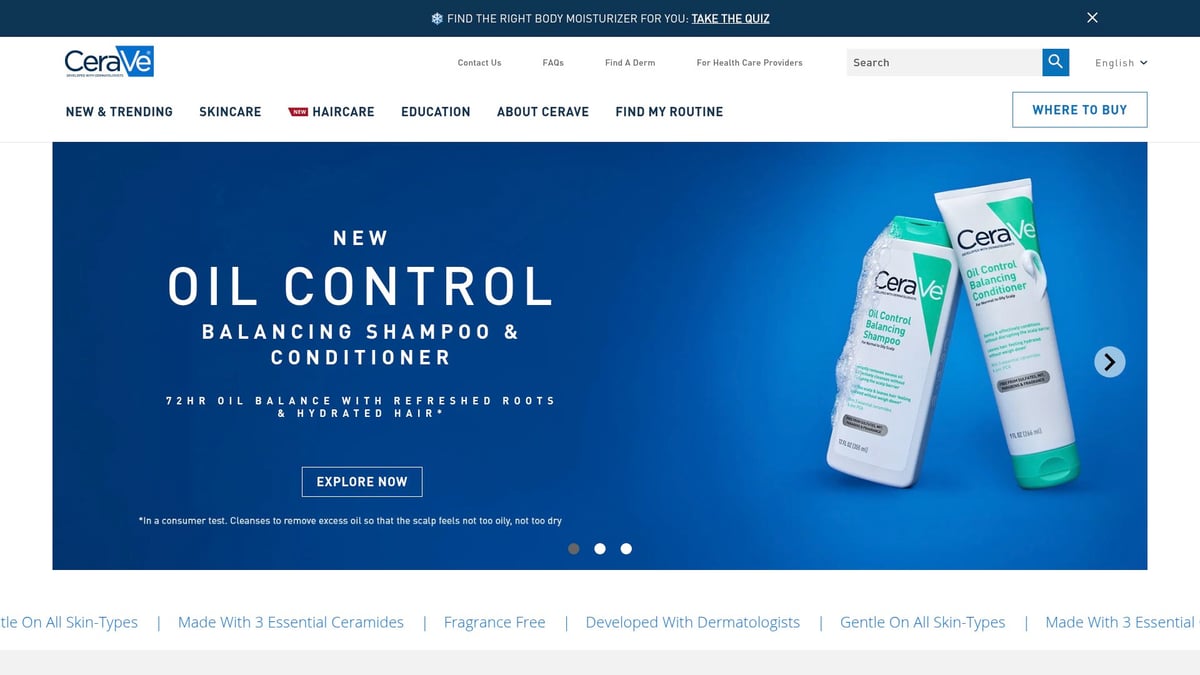
What makes this face cream for eczema so popular is its non-comedogenic, fragrance-free formula, which minimizes irritation and is suitable for all ages. Many users with dry, sensitive skin rely on it for daily comfort and protection.
Pros:
- Affordable and accessible
- Recommended by dermatologists
- Effective barrier repair
Cons:
- Texture may feel heavy for oily skin
If you’re looking for a face cream for eczema that strikes a balance between price and performance, CeraVe Moisturizing Cream is a reliable choice that delivers proven results.
La Roche-Posay Lipikar Baume AP+M
La Roche-Posay Lipikar Baume AP+M is a mid to high-end face cream for eczema formulated for severe dryness and atopic skin. Infused with prebiotic thermal water, niacinamide, and shea butter, it works to restore the skin’s microbiome balance and deliver long-lasting hydration.
This face cream for eczema is clinically tested and safe for infants, children, and adults. Its gentle, non-greasy texture makes it a favorite for those who need serious relief without stickiness. Some users note the scent may not appeal to everyone, but the results are hard to ignore.
Pros:
- Suitable for all ages, including babies
- Reduces itching and irritation
- Restores microbiome balance
Cons:
- Scent may not suit all preferences
For those battling persistent eczema, this face cream for eczema offers advanced care and is often recommended by dermatologists for its science-backed formula.
Aveeno Calm + Restore Oat Gel Moisturizer
Aveeno Calm + Restore Oat Gel Moisturizer is an affordable, lightweight face cream for eczema that’s perfect for sensitive or combination skin. Its star ingredients are prebiotic oat and feverfew extract, which work together to soothe irritation, calm redness, and hydrate without feeling heavy.
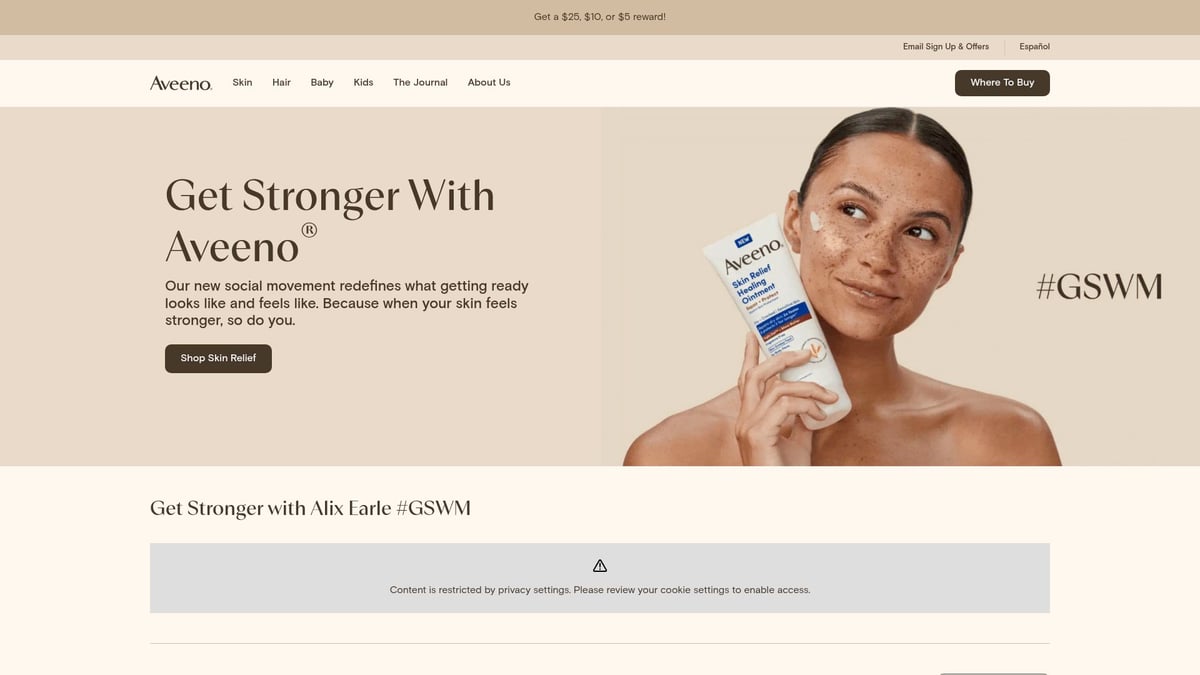
This dermatologist-recommended face cream for eczema is allergy tested and free from fragrance, making it suitable for daily use. Its fast-absorbing gel texture is especially appealing for those who dislike greasy creams.
Pros:
- Lightweight and non-greasy
- Fast-absorbing formula
- Fragrance-free and allergy tested
Cons:
- May not be moisturizing enough for very dry skin
Aveeno’s offering is a go-to face cream for eczema for anyone wanting gentle hydration and redness relief, especially during warmer months or for oily skin types.
Eucerin Eczema Relief Cream
Eucerin Eczema Relief Cream stands out as a moderate-priced face cream for eczema that targets flare-ups and ongoing symptoms. Its formula combines colloidal oatmeal, ceramide-3, and licochalcone to calm inflammation, strengthen the skin barrier, and reduce redness.
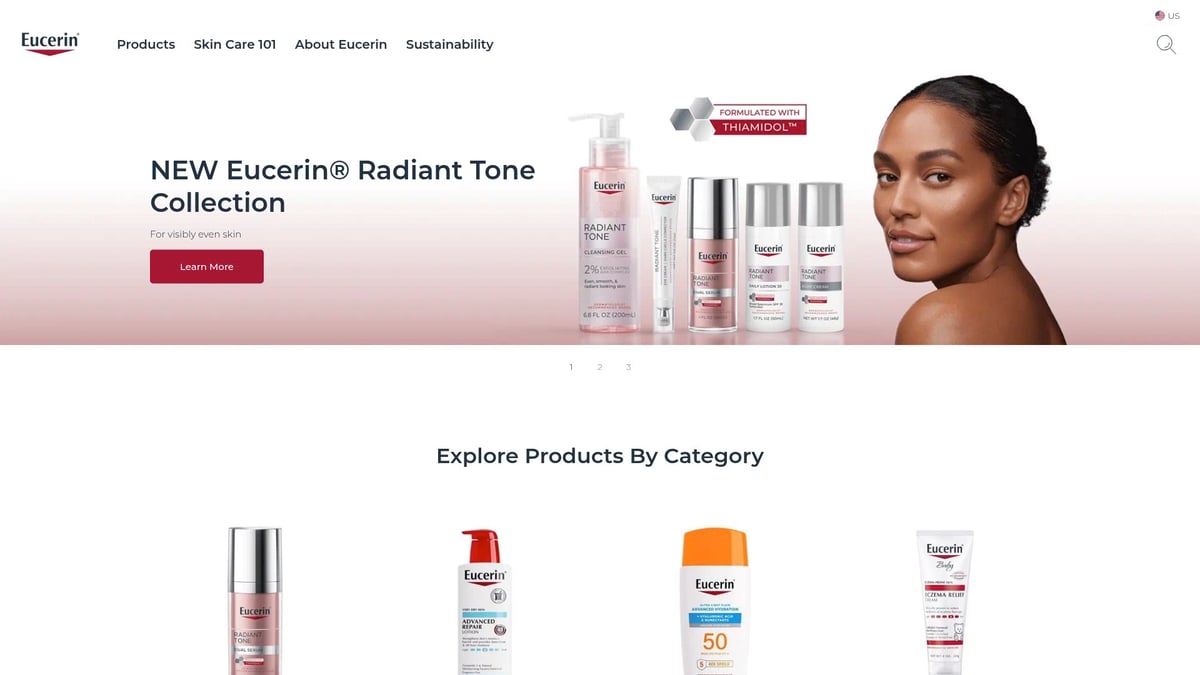
Recognized by the National Eczema Association, this face cream for eczema is suitable for all ages and offers steroid-free, fragrance-free relief. It’s clinically proven and especially helpful for those with chronic eczema.
Pros:
- Clinically tested and proven
- Steroid-free and fragrance-free
- Calms flare-ups effectively
Cons:
- May leave a slight residue on the skin
For those seeking a face cream for eczema that provides both immediate and long-term results, Eucerin’s formula is a trustworthy option for the whole family.
Vanicream Moisturizing Cream
Vanicream Moisturizing Cream is a budget-friendly face cream for eczema, beloved by those with highly sensitive or allergy-prone skin. Its minimalist formula excludes dyes, fragrance, lanolin, and parabens, dramatically reducing the risk of irritation.
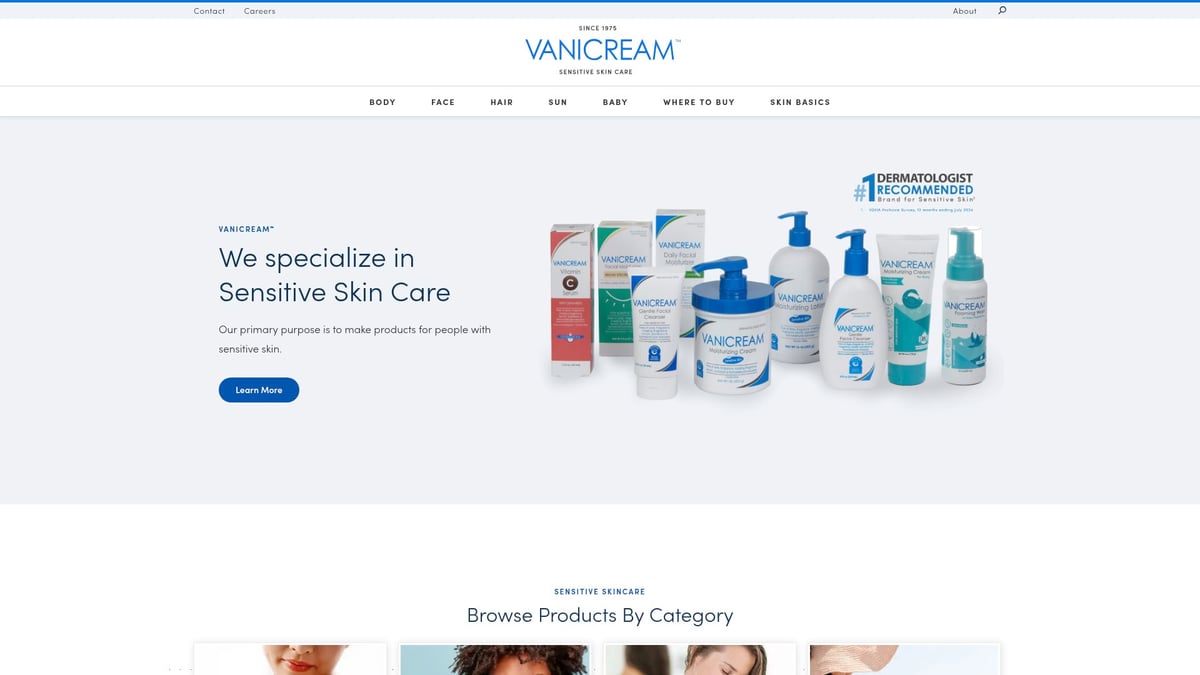
This face cream for eczema is non-comedogenic and recommended for children, adults, and anyone dealing with multiple sensitivities. While its texture is basic and lacks a luxury feel, its performance in calmness and comfort is impressive.
Pros:
- Gentle on the most sensitive skin
- Affordable and widely available
- Non-comedogenic
Cons:
- Basic texture, not luxurious
For anyone who needs a no-nonsense face cream for eczema that simply works without frills, Vanicream is a top contender and often recommended by dermatologists.
First Aid Beauty Ultra Repair Cream
First Aid Beauty Ultra Repair Cream is a mid-range face cream for eczema designed for both face and body. Featuring colloidal oatmeal, shea butter, and allantoin, it delivers immediate relief and works to repair and protect delicate skin.
This allergy-tested, non-greasy face cream for eczema absorbs quickly and is safe for sensitive or irritated skin. Its multi-purpose nature makes it a favorite for families and travelers, though it may contain essential oils, which can be potential allergens for some.
Pros:
- Multi-purpose for face and body
- Fast-absorbing and non-greasy
- Immediate soothing effect
Cons:
- May include essential oils (potential allergens)
If you’re after a versatile face cream for eczema that offers rapid relief, this cream is a reliable choice for people with varying skin needs.
Cetaphil Restoraderm Eczema Soothing Moisturizer
Cetaphil Restoraderm Eczema Soothing Moisturizer is an affordable face cream for eczema, powered by filaggrin technology, ceramides, and panthenol. This combination helps restore the skin barrier, relieve itching, and improve hydration for adults and children alike.
With its lightweight, non-irritating formula, this face cream for eczema is ideal for frequent flare-up sufferers. While it may require reapplication throughout the day, its accessibility and gentle performance make it a staple in many routines.
Pros:
- Lightweight and non-irritating
- Suitable for all ages
- Widely available
Cons:
- May need frequent reapplication
For those who need a dependable daily face cream for eczema, Cetaphil Restoraderm is a smart, budget-conscious pick.
Bioderma Atoderm Intensive Baume
Bioderma Atoderm Intensive Baume is a mid-range face cream for eczema that targets severe dryness and atopic skin. Its Lipigenium complex, Skin Barrier Therapy, and zinc content combine to intensely nourish, reduce the urge to scratch, and restore comfort to compromised skin.
This fragrance-free, non-sticky face cream for eczema is suitable for babies, children, and adults coping with chronic symptoms. While it may not absorb as quickly as lighter creams, its long-lasting protection is a significant benefit.
Pros:
- Suitable for all ages, including babies
- Long-lasting nourishment
- Fragrance-free and non-sticky
Cons:
- May absorb slowly compared to gels
Bioderma’s formula is a top face cream for eczema for anyone needing extra support for persistent, severe dryness.
Quick Comparison Table
| Product Name | Price Range | Suitable For | Key Ingredients | Fragrance-Free | Notable Feature |
|---|---|---|---|---|---|
| Mama Nature Eczema & Dermatitis | Premium | All ages, eco-conscious | Botanicals | Yes | 100% natural, handcrafted |
| CeraVe Moisturizing Cream | Mid-range | All ages, sensitive/dry | Ceramides, Hyaluronic Acid | Yes | Developed w/ dermatologists |
| La Roche-Posay Lipikar Baume AP+M | Mid-high | Infants, children, adults | Niacinamide, Shea Butter | No | Prebiotic thermal water |
| Aveeno Calm + Restore Oat Gel | Affordable | Sensitive/oily/combination | Oat, Feverfew | Yes | Lightweight gel texture |
| Eucerin Eczema Relief Cream | Moderate | All ages, chronic eczema | Oatmeal, Ceramide-3 | Yes | NEA accepted, steroid-free |
| Vanicream Moisturizing Cream | Budget | Sensitive/allergy-prone | Minimalist | Yes | Minimalist formula |
| First Aid Beauty Ultra Repair Cream | Mid-range | Dry, irritated skin | Oatmeal, Shea Butter | No | Multi-purpose, fast relief |
| Cetaphil Restoraderm Eczema Soothing | Affordable | Adults, children | Ceramides, Panthenol | Yes | Filaggrin tech, lightweight |
| Bioderma Atoderm Intensive Baume | Mid-range | Babies, children, adults | Lipigenium, Zinc | Yes | Skin Barrier Therapy |
If you want an even broader look at dermatologist favorites, check out this Best face moisturizers for eczema resource for more expert insights.
Tips for Maximizing the Benefits of Your Eczema Face Cream
Unlocking the full potential of your face cream for eczema is about more than just applying it and hoping for the best. Small changes in how you use your cream and structure your entire routine can make a dramatic difference in comfort, hydration, and flare-up prevention.
Application Techniques for Best Results
Applying your face cream for eczema the right way can boost its soothing power and lock in lasting hydration. Start by gently cleansing your skin using lukewarm water and a fragrance-free cleanser. This prepares your face for optimal absorption.
After patting your skin dry, apply face cream for eczema while your skin is still slightly damp. This helps seal in moisture, making the cream even more effective. Use clean hands or a sanitized applicator to avoid introducing bacteria or irritants.
Pat the cream onto your skin instead of rubbing, especially on inflamed or sensitive areas. This minimizes friction and helps prevent further irritation. In the morning, always follow up with a gentle, broad-spectrum sunscreen to protect vulnerable skin.
- Cleanse with a mild, fragrance-free wash
- Apply while skin is damp
- Use clean hands or tools
- Pat, do not rub
- Layer with sunscreen during the day
If you are caring for a child or baby with eczema, gentle application is even more important. For more guidance, see Eczema in babies and young children.
Building a Supportive Skincare Routine
Your face cream for eczema works best as part of a thoughtful routine. Pair it with a gentle, non-foaming cleanser to avoid stripping essential oils from your skin. Skip harsh exfoliants or anything with alcohol, as these can trigger flare-ups.
Incorporate hydrating mists or barrier sprays between cleansing and moisturizing for an extra layer of comfort. Using a humidifier in dry rooms can keep the air moist, making your face cream for eczema even more effective. Track your skin’s reactions in a journal to identify patterns and adjust products as needed.
- Choose gentle, alcohol-free cleansers
- Avoid abrasive scrubs
- Add hydrating mists or sprays
- Use a humidifier in dry environments
- Monitor and log skin changes
For even more practical tips on choosing and using products for sensitive, eczema-prone skin, check out these suitable for sensitive skin tips.
When to See a Dermatologist
Sometimes, even the best face cream for eczema is not enough. If your symptoms persist or worsen after consistent use, it is time to consult a dermatologist. Watch for signs of infection, like oozing or yellow crusts, which need prompt medical attention.
If you are unsure whether a product is causing irritation, a dermatologist can help identify allergens and recommend patch testing. For children and babies, always seek pediatric advice before introducing a new face cream for eczema, especially if symptoms are severe.
Prescription-strength creams or advanced therapies may be necessary for stubborn cases. Personalized advice ensures you are not risking your skin’s health with the wrong product or routine.
Lifestyle Factors That Support Eczema Management
Supporting your skin from the inside out makes your face cream for eczema even more effective. Manage stress with relaxation techniques and ensure you get enough sleep, as both affect skin health.
Eat a balanced, anti-inflammatory diet, and stay hydrated throughout the day. Choose soft, breathable fabrics to minimize irritation, and always avoid known triggers like fragrances and harsh detergents.
A holistic approach, combining the right face cream for eczema with healthy habits, can keep your skin calm and comfortable.
Frequently Asked Questions About Face Cream for Eczema
Curious about using a face cream for eczema? You are not alone. Many people have questions about safety, effectiveness, and the best choices for sensitive skin. Let us tackle the most common concerns so you can feel confident in your skincare journey.
Is it safe to use face cream for eczema daily?
Most dermatologist-recommended face cream for eczema products are formulated for daily use, even on sensitive skin. These creams support the skin barrier and help lock in moisture, which is crucial for managing eczema.
To avoid clogging pores or over-moisturizing, choose non-comedogenic, hypoallergenic creams. Apply a thin, even layer after gentle cleansing. If you are worried about irritation, patch test first.
For extra peace of mind, explore dermatologist-approved picks in this Best barrier creams of 2026 guide. Always monitor your skin for changes and adjust use as needed.
Can children and babies use these creams?
Many face cream for eczema options are gentle enough for children and even infants. Look for products labeled safe for all ages and free from harsh additives. Pediatricians and dermatologists often recommend formulas with minimal ingredients and no fragrance.
It is wise to consult your child’s doctor before starting a new face cream for eczema, especially for babies or kids with allergies. Some creams, like those listed in our Skincare for sensitive skin products resource, are crafted specifically for delicate skin.
Always patch test on a small area first and observe for any reaction.
How long does it take to see improvement?
Results with a new face cream for eczema vary from person to person. Many people notice initial relief, like reduced redness or itching, within a few days. However, it can take up to two weeks for more significant changes.
Factors like eczema severity, adherence to a routine, and trigger avoidance all affect results. If symptoms persist after several weeks, consider consulting a dermatologist.
Consistent use, paired with gentle skincare habits, offers the best chance for lasting improvement with your face cream for eczema.
Are natural or organic creams better for eczema?
Natural or organic face cream for eczema options can be appealing for their plant-based ingredients and minimal additives. Some contain soothing botanicals like colloidal oatmeal or shea butter, which are clinically shown to help eczema-prone skin.
However, natural does not always mean safer. Certain natural oils or extracts can trigger allergies in sensitive users. Clinical creams are often tested for efficacy and safety, offering reliable results for many.
When choosing between natural and clinical creams, consider your skin’s history, allergy profile, and preference. Both types can be effective when selected thoughtfully.