
Are you noticing new lines, a bit more dryness, or a change in your skin’s glow? If you’re searching for ways to keep your complexion radiant, healthy, and resilient, you’re not alone.
This essential guide is your trusted companion for caring for mature skin type in 2026. Backed by the latest research and expert tips, it helps you embrace your skin’s unique needs with confidence and ease.
Inside, you’ll discover what defines mature skin type, the newest breakthroughs, step-by-step routines, proven ingredients, and the most common myths—plus personalized tips for every skin type.
As we all move through the universal journey of skin aging, the demand for effective solutions keeps growing. Get ready to explore new innovations, holistic approaches, and actionable steps that bring real results, more comfort, and true self-confidence.
Are you ready to start a customized, science-backed routine? Let’s dive in.
Understanding Mature Skin: What Really Changes?
Are you curious about what sets mature skin type apart and why it needs special care? Let’s explore the science and real-life experiences behind these changes, so you can better understand how to support your skin’s evolving needs.
Defining Mature Skin: Beyond Age
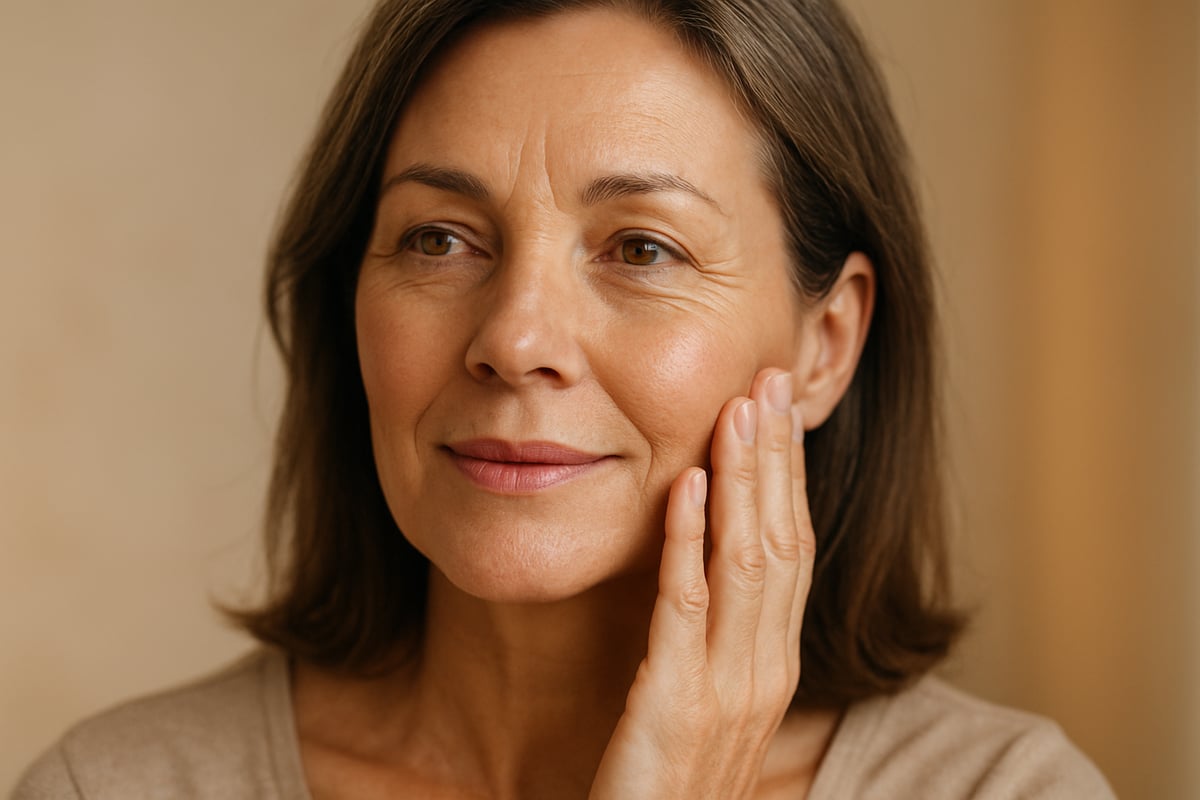
Mature skin type is not defined by a birthday. Instead, it's a condition shaped by your skin's visible changes over time. You might notice a loss of firmness, more dryness, or deeper lines. These shifts can appear in your 30s or much later, depending on genetics and lifestyle.
Unlike dry or sensitive skin, mature skin type is marked by a combination of changes: less elasticity, slower healing, and pigmentation irregularities. Not everyone with mature skin type will have the same concerns, which is why understanding your unique skin is key.
Think of mature skin type as a journey, not a single destination. Genetics, stress, sun exposure, and even where you live can influence how and when these changes appear.
Biological and Environmental Factors
The transformation of mature skin type is driven by both biology and the world around you. As you age, your skin produces less collagen and elastin, the proteins responsible for keeping it firm and resilient. Sebum, the natural oil that keeps skin supple, also decreases, leaving skin prone to dryness.
The outer layer of your skin, called the epidermis, becomes thinner and more sensitive. Years of sun exposure and pollution can accelerate this process, leading to more pronounced lines and spots. Hormonal shifts, especially during menopause, often intensify these effects.
Curious about natural ways to support skin structure? Discover how natural botanicals for collagen can help stimulate collagen production and support your mature skin type’s resilience.
Common Signs and Concerns
How do you know if you have a mature skin type? Look for telltale signs like:
- Fine lines and deeper wrinkles
- Sagging or loss of firmness
- Persistent dryness or rough texture
- Dullness and uneven skin tone
- Age spots or pigmentation patches
You might also notice slower cell turnover, which means your skin doesn’t heal or renew as quickly. This can make your mature skin type more prone to irritation, sensitivity, and even minor injuries.
It’s important to remember that not everyone will experience all these signs at once. Your mature skin type may express itself in unique ways.
When Does Skin Become “Mature”?
There’s no magic birthday when your skin officially becomes a mature skin type. For some, visible changes start early due to genetics or lifestyle factors like sunbathing or smoking. For others, these shifts appear much later.
Experts agree that mature skin type is defined by what you see and feel, not a specific age. If you notice persistent dryness, reduced bounce, or increased sensitivity, your skin may be entering its mature phase.
Paying attention to these early signs allows you to adapt your routine and support your mature skin type before concerns become more pronounced.
Statistics & Data
Did you know that after age 40, studies show a significant decrease in both hyaluronic acid and collagen levels? This decline is a key factor in the visible changes seen in mature skin type.
Here’s a quick look at some compelling data:
| Factor | Change After 40 | Impact on Mature Skin Type |
|---|---|---|
| Collagen | -1% per year | More wrinkles, sagging |
| Hyaluronic Acid | Decreases | Increased dryness, less plumpness |
| Cell Turnover | Slows by 50% | Dullness, slower healing |
Surprisingly, research suggests that up to 75% of visible skin aging in mature skin type is linked to environmental factors like UV rays and pollution, not just time.
Understanding these statistics can empower you to make informed choices for your mature skin type.
Building a Mature Skin Care Routine for 2026
Ready to give your mature skin type the care it deserves? Building a routine for 2026 means focusing on gentle, targeted steps that protect, repair, and nourish. Let’s break down each essential stage, so you can confidently support your skin’s evolving needs.
Step 1: Gentle Cleansing
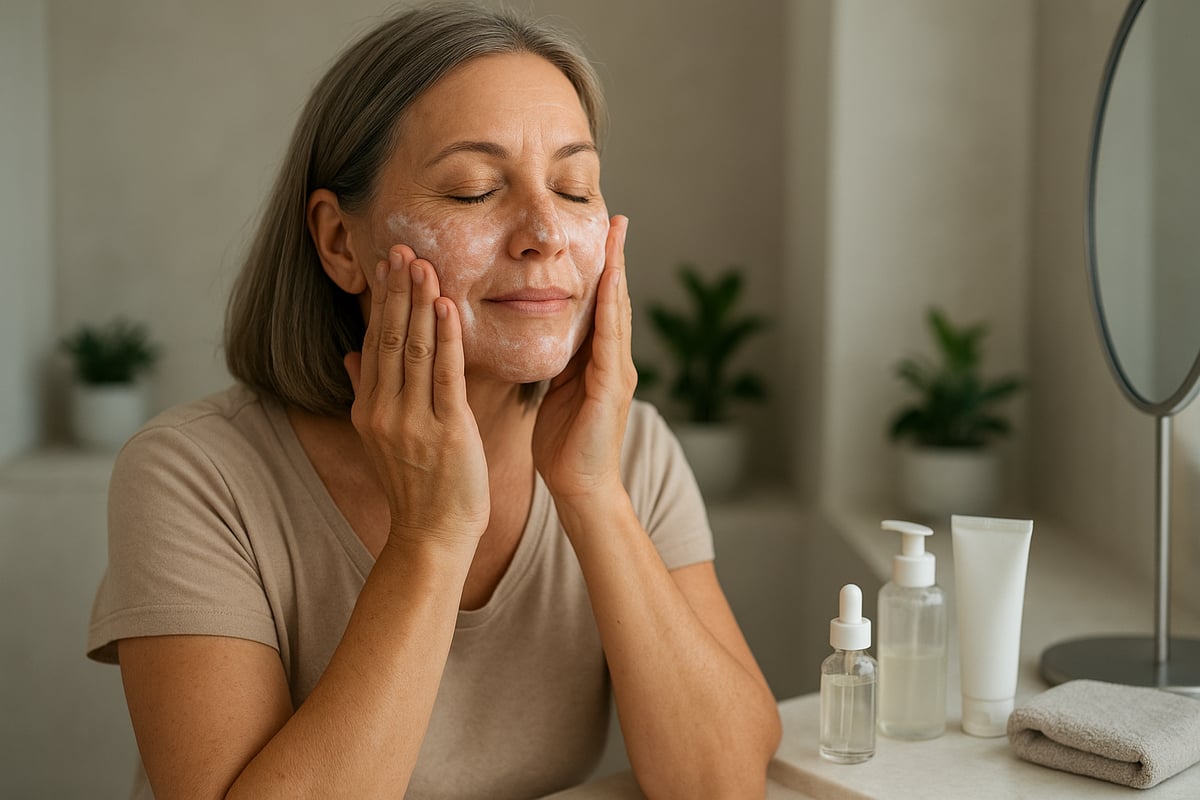
For every mature skin type, gentle cleansing is the foundation. Your skin’s barrier becomes more delicate over time, so harsh cleansers can strip away needed moisture. Choose a hydrating, non-foaming cleanser that leaves skin soft.
- Avoid products with strong surfactants or alcohol.
- Look for cleansers with ceramides, glycerin, or soothing botanicals.
- If you wear makeup or sunscreen, try double cleansing with an oil-based cleanser followed by a gentle water-based one.
Cleansing twice a day removes impurities without disturbing the natural balance of mature skin type. This sets the stage for everything that follows.
Step 2: Exfoliation for Radiance
A mature skin type often experiences slower cell turnover, leading to dullness. Exfoliation helps reveal a fresher, brighter complexion, but it needs to be gentle.
- Opt for chemical exfoliants like AHAs (lactic, glycolic acid) or PHAs, which are milder.
- Limit use to one or two times per week to avoid irritation.
- Avoid harsh physical scrubs, which can damage sensitive skin.
Exfoliating regularly softens fine lines and helps fade pigmentation, making it a smart step for mature skin type. Always follow with hydration and sun protection.
Step 3: Intensive Hydration
With mature skin type, moisture loss is common due to reduced oil production. That’s why boosting hydration is critical.
- Layer hydrating serums with hyaluronic acid or glycerin before applying moisturizer.
- Choose a rich cream with ceramides, peptides, or shea butter to lock in moisture.
- Consider facial oils for an extra boost, especially in dry climates.
Keeping mature skin type plump and comfortable is all about moisture. Hydration also helps minimize the look of wrinkles and supports the skin barrier.
Step 4: Targeted Treatments
Mature skin type benefits from potent serums and treatments designed for specific concerns.
- Retinol or bakuchiol serums support collagen and smooth lines.
- Peptides can enhance firmness, while antioxidants like vitamin C fight dullness and even tone.
- Apply spot treatments to target hyperpigmentation, redness, or persistent dryness.
Tailoring treatments to your mature skin type ensures you address your unique needs. Introduce new actives slowly and monitor for sensitivity.
Step 5: Daily Sun Protection
Sun protection is the single most important step for any mature skin type. UV rays accelerate collagen breakdown and pigmentation, so a broad spectrum SPF 30+ is non-negotiable.
- Use sunscreen every morning, all year round.
- Reapply every two hours if outdoors.
- Mineral and chemical options are both effective—choose what feels best for your skin.
Dermatologists emphasize that a simple, consistent routine is powerful, especially for mature skin type. For more on this balanced approach, see Dermatologists Advocate Simplified Skincare Routines. Sun protection helps prevent new signs of aging while supporting all your other skincare efforts.
Step 6: Eye and Lip Care
The eye and lip areas are particularly vulnerable in a mature skin type. Their delicate skin can show dryness, fine lines, and puffiness.
- Use a lightweight, hydrating eye cream with peptides or antioxidants.
- For lips, try nourishing balms with shea butter or ceramides.
- Gently tap in product with your ring finger to avoid tugging.
These targeted products provide extra comfort, making mature skin type feel smoother and more resilient.
Step 7: Nighttime Repair
Nighttime is when your mature skin type gets to recover and renew. Take full advantage with restorative products.
- Apply a richer night cream packed with peptides, retinoids, or antioxidants.
- Consider overnight masks or barrier creams for deep hydration.
- Prioritize sleep, as rest is vital for skin repair.
A thoughtful night routine allows mature skin type to bounce back from daily stressors, leaving you refreshed by morning.
Key Ingredients for Mature Skin in 2026
Unlocking the secret to a glowing, resilient complexion starts with the right ingredients. For every mature skin type, 2026 brings a wave of innovations and proven classics that work together for visible results. Curious what belongs in your routine? Let’s break down the essential actives designed to support firmness, hydration, and radiance at any age.
Retinoids and Alternatives
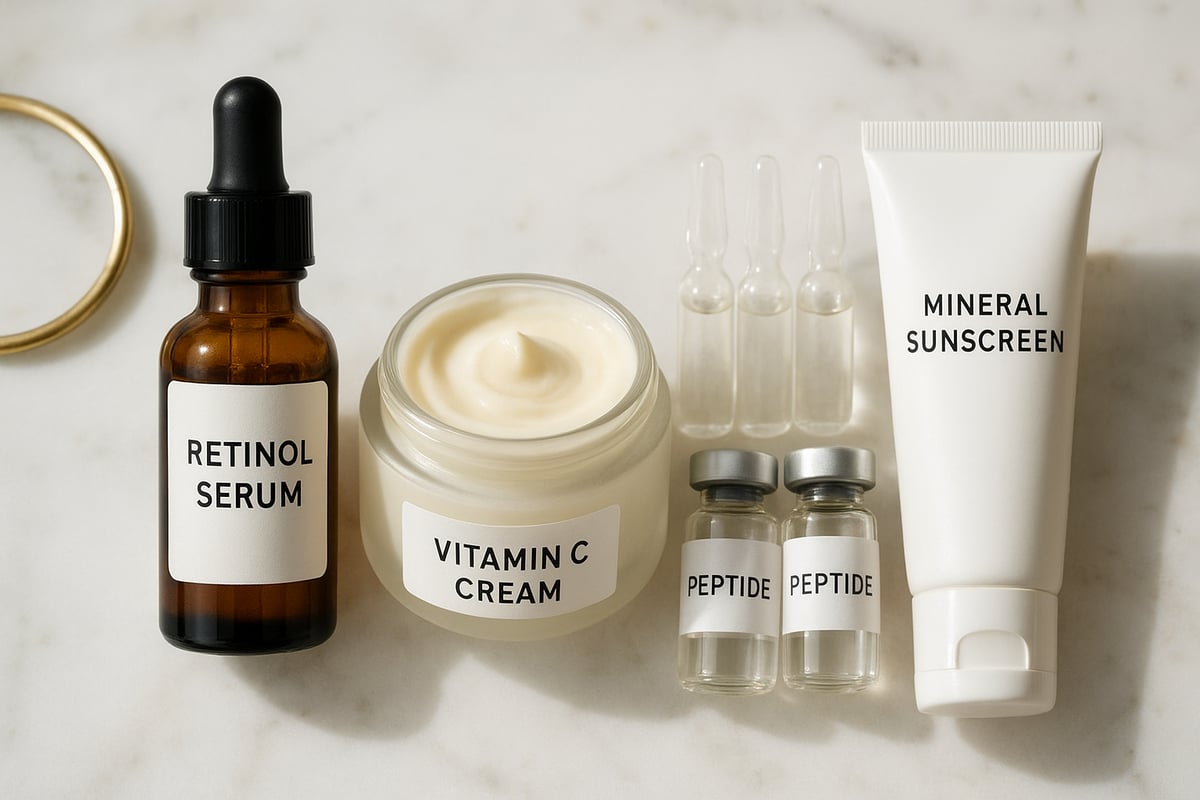
Retinoids are the gold standard for targeting visible signs of aging in every mature skin type. Retinol, a vitamin A derivative, helps boost collagen production, smooth fine lines, and refine skin texture. If your skin is sensitive, bakuchiol, a plant-based alternative, offers similar benefits with less risk of irritation.
For best results, start with a low concentration and apply at night, always following with moisturizer. Remember to use sunscreen daily, as retinoids increase sun sensitivity. Consistency is key for mature skin type to see noticeable improvements.
Hyaluronic Acid and Advanced Humectants
Dehydration is a common concern for mature skin type, which is why hyaluronic acid remains a hero ingredient. This powerhouse humectant attracts and retains moisture, plumping up the skin and minimizing the look of fine lines.
In 2026, new-generation humectants like polyglutamic acid and hydroxyethyl urea are making waves, offering even more intense hydration without heaviness. Layering a hydrating serum under your moisturizer can transform the comfort and appearance of mature skin type.
Peptides and Growth Factors
Peptides are short chains of amino acids that signal your skin to produce more collagen and elastin. For mature skin type, they help restore firmness and bounce. Recent studies highlight the efficacy of growth factors, which support skin renewal and repair.
Exciting new research, such as Shiseido’s Discovery on Collagen Maturation, reveals how certain botanical extracts can enhance collagen density, further improving elasticity for mature skin type. Look for serums or creams containing multiple peptides for a comprehensive approach.
Antioxidants: Vitamin C, E, and Beyond
Environmental stressors can accelerate the aging process, so antioxidants are a must for every mature skin type. Vitamin C brightens the complexion, supports collagen synthesis, and helps fade pigmentation. Vitamin E soothes and protects against free radical damage.
For best results, use a stabilized vitamin C serum in the morning, under sunscreen. Other innovative antioxidants, like ferulic acid and resveratrol, are gaining popularity for their powerful protective effects on mature skin type.
Barrier-Boosting Lipids and Ceramides
As we age, the skin’s barrier becomes more fragile, leading to dryness and sensitivity. Lipids and ceramides replenish lost moisture and strengthen the skin’s natural defenses. Shea olein and squalane are nourishing oils that provide comfort and softness to mature skin type.
Choose moisturizers rich in these ingredients to reduce irritation and lock in hydration. If dryness is your main issue, you might find more targeted advice in resources like Solutions for very dry skin.
Sun Protection Innovations
No routine for mature skin type is complete without daily sun protection. In 2026, SPF formulas are more sophisticated than ever, offering lightweight textures and broad-spectrum defense against UVA, UVB, blue light, and pollution.
Mineral sunscreens with zinc oxide or titanium dioxide are gentle and effective, especially for sensitive mature skin type. Some newer options even include antioxidants and hydration boosters, making them a multitasking step in your routine.
Exfoliating Acids and Enzymes
Gentle exfoliation helps mature skin type maintain a luminous, even tone. Alpha hydroxy acids (AHAs) like glycolic and lactic acid dissolve dead skin cells, while polyhydroxy acids (PHAs) offer mild renewal with less irritation.
Enzyme exfoliants, derived from fruits, are another gentle option for sensitive skin. Limit exfoliation to once or twice per week to avoid overdoing it and always follow with moisturizer and sunscreen for best results.
Addressing Common Myths and Mistakes About Mature Skin
Have you ever wondered why advice about mature skin type is often so confusing? With so much conflicting information, it is easy to fall for persistent myths and make simple mistakes. Let’s clear the air and help you avoid common traps, so your mature skin type can look and feel its best at any age.
Myth: Mature Skin Is Always Dry
One of the most common misconceptions is that mature skin type is automatically dry. In reality, mature skin type can be dry, oily, combination, or even sensitive. Factors like genetics, hormones, and environment shape your skin’s behavior far more than age alone.
For example, sensitive skin concerns often overlap with mature skin type, so it is wise to choose gentle products. If you want tailored advice on this, check out Skincare for sensitive skin products for guidance on choosing routines that respect both sensitivity and maturity.
Myth: Only Expensive “Anti-Aging” Products Work
It is tempting to believe that only high-end creams can transform mature skin type. However, the most effective routines are ingredient-focused, not price-driven. Affordable products with proven components like retinol, peptides, and antioxidants can deliver visible results.
Marketing often exaggerates claims, but science shows consistent care matters more than a luxury price tag. Look for what your mature skin type actually needs, not just what the label promises.
Mistake: Over-Exfoliating or Under-Hydrating
It is easy to think that more exfoliation means smoother skin. Yet, mature skin type is more delicate, and overdoing exfoliation can damage your barrier, leading to irritation and redness.
Balance is crucial. Pair gentle exfoliation with deep hydration to support your skin’s resilience. Listen to your mature skin type and adjust products when you notice dryness or tightness.
Myth: Makeup Is Off-Limits for Mature Skin
Some believe makeup will only accentuate lines or dryness, but this is not true. The right formulas—think creamy, hydrating, and lightweight—can enhance your features beautifully.
Avoid heavy powders that settle into fine lines. Instead, choose products designed for mature skin type and apply with a light touch for a radiant, natural finish.
Mistake: Neglecting Sun Protection
Many still skip sunscreen, thinking it is too late to benefit. In fact, starting sun protection at any age helps slow visible signs of aging for mature skin type.
Consistent daily use of broad-spectrum SPF shields your skin from further damage, helping reduce dark spots and maintain firmness over time.
Myth: Age Determines Your Routine
It is a myth that your routine should be based only on your age. Mature skin type varies widely due to lifestyle, environment, and genetics. What works for one person at 50 may not suit another at 40.
Focus on your current skin condition rather than just the number of birthdays. This approach ensures your mature skin type gets the unique care it deserves.
Lifestyle and Holistic Approaches for Radiant Mature Skin
Caring for mature skin type means looking beyond products and embracing habits that support your skin from within. A holistic approach blends nutrition, rest, movement, and mindful living to keep your complexion luminous and resilient.
Nutrition and Hydration
What you eat directly impacts your mature skin type. A diet rich in antioxidants, such as berries, leafy greens, and nuts, helps fight free radicals and supports repair. Omega-3 fatty acids from salmon or flaxseed promote a supple texture.
Hydration is essential. Sip water throughout the day and include water-rich foods like cucumbers and melons. This simple habit helps maintain elasticity and comfort for your mature skin type.
Sleep and Stress Management
Quality sleep is the secret weapon for mature skin type. During deep rest, your skin repairs itself, boosting radiance and reducing inflammation. Aim for 7-9 hours each night to maximize this benefit.
Chronic stress can accelerate visible aging. Try meditation, gentle yoga, or even short walks outside. These practices help balance hormones and minimize the toll on your mature skin type.
Exercise and Circulation
Regular movement does wonders for mature skin type. Exercise increases blood flow, delivering nutrients and oxygen for a natural glow. Even brisk walks or light stretching are effective.
Facial massage, while not a miracle cure, may improve circulation and promote relaxation. Gently massage your face with clean hands or a soft tool for a few minutes daily.
Avoiding Harmful Habits
Certain habits can sabotage your mature skin type. Smoking restricts blood flow and depletes collagen, while too much alcohol dehydrates and dulls your complexion.
Be gentle when cleansing or applying products. Tugging or aggressive rubbing can worsen sagging or fine lines. Treat your mature skin type with care and patience.
Environmental Protection
Your mature skin type faces daily exposure to sun, pollution, and even screen-emitted blue light. These factors break down collagen and increase dryness.
Shield your skin by using antioxidants, barrier creams, and mineral-based sunscreens. For a personalized approach, consider new tech like AI-Driven Facial Skin Hydration Assessment, which can help monitor hydration and barrier function for mature skin type in real time.
Community and Self-Care Rituals
Emotional well-being matters for your mature skin type. Rituals such as a soothing evening routine or connecting with supportive communities can boost confidence and reduce stress.
Adapt your routine to fit personal preferences, cultural practices, or changing needs. Embracing self-care is more than pampering—it’s a foundation for radiant, resilient mature skin type.
Personalized Solutions: Adapting Care for Your Unique Mature Skin
Personalizing your approach is the key to unlocking the healthiest version of your mature skin type. Every individual’s journey is unique, and your routine should reflect your skin’s evolving needs, preferences, and concerns.
Assessing Your Skin’s Needs
To start, honestly assess your current mature skin type. Look for visible signs like fine lines, texture changes, or pigmentation. Instead of guessing, consider using professional diagnostics or online tools, such as Typology’s diagnostic quiz. If you want a more objective measure, new technologies like the In-Vivo Skin 3-D Surface Reconstruction Study offer high-resolution imaging to track wrinkle depth and skin surface changes. This data-driven approach helps you understand how your mature skin type is evolving and guides better care decisions.
Tailoring Routines to Individual Concerns
Not all mature skin type concerns are the same. Some people face sensitivity, while others notice pigmentation, redness, or even adult acne. Adjust your routine based on what you see and feel. For example, if your mature skin type is prone to redness, look for calming ingredients. If pigmentation is your main concern, target it with gentle brightening serums. Remember to tweak your routine with the seasons or as hormonal shifts occur, ensuring your mature skin type always gets the attention it needs.
When to Seek Professional Advice
Sometimes, your mature skin type will benefit from an expert’s perspective. If you experience persistent irritation, stubborn pigmentation, or want to explore advanced options, consult a dermatologist. Professionals can offer prescription retinoids, in-office treatments, or help design a regimen tailored to your mature skin type. Don’t hesitate to ask about the latest devices or ingredient breakthroughs that might suit your unique needs.
Embracing Change and Setting Realistic Expectations
Your mature skin type is always changing. Embrace these shifts as a natural part of life. Focus on comfort, health, and progress rather than chasing perfection. Set realistic goals—perhaps smoother texture, more radiance, or less irritation. Celebrate every improvement, no matter how small. This mindset helps you appreciate your mature skin type’s resilience and beauty throughout its evolution.
Staying Informed: Trends and Innovations for 2026
The world of mature skin type care is always advancing. Stay curious and keep learning about new research, ingredients, and technologies. Evaluate trends with a critical eye—what works for others may not be right for your mature skin type. Join online communities, attend webinars, or follow trusted experts to stay updated. The best results come from combining evidence-based practices with your personal preferences and needs.
Frequently Asked Questions About Mature Skin Care
Curious about how to care for your mature skin type? You are not alone. The world of skin care can feel overwhelming, especially as your skin’s needs evolve. Here are the most common questions people ask about mature skin type, with answers designed to make your routine easier and more effective.
When does skin become “mature” and what triggers it?
There is no magic birthday when your skin suddenly changes. Most experts agree that mature skin type is defined by visible changes — such as fine lines, loss of elasticity, or dryness — rather than a specific age. Genetics, sun exposure, and lifestyle choices are the real triggers for these changes.
Can mature skin be oily or acne-prone?
Absolutely! Mature skin type is not always dry. Some people experience oiliness or even breakouts well into their 40s, 50s, or beyond. Hormonal shifts, stress, and genetics can all influence whether your skin produces excess oil. That is why understanding your unique mature skin type is so important.
Is it ever too late to start an anti-aging routine?
It is never too late to care for your mature skin type. Even if you are just starting, using the right products can improve hydration, boost radiance, and minimize visible signs of aging. The key is consistency and choosing ingredients that support your current skin needs.
Are exfoliants safe for mature skin?
Gentle exfoliation can be a game changer for mature skin type. Chemical exfoliants like AHAs and PHAs help remove dead cells and boost radiance. Stick to mild formulas and avoid over-exfoliating, which can lead to irritation. Listen to your skin and adjust frequency as needed.
How does menopause affect my skin?
Menopause brings hormonal changes that often impact mature skin type. You might notice increased dryness, sensitivity, or a sudden loss of firmness. Supporting your skin with hydrating serums, richer moisturizers, and barrier boosting ingredients can help maintain comfort and resilience.
Should I avoid certain makeup products?
Not all makeup is created equal for mature skin type. Powdery or matte formulas can settle into lines and accentuate dryness. Look for creamy, hydrating options that enhance your natural glow. Always prep with moisturizer and SPF for the best results.
How often should I change my routine as I age?
Your mature skin type may need tweaks as seasons or hormones shift. Pay attention to signs like extra dryness or new sensitivities. Adjust your products accordingly, and do not be afraid to consult a dermatologist for personalized advice if things suddenly change.
What are the most effective ingredients for visible results?
Look for proven ingredients that target mature skin type concerns. Retinoids, peptides, hyaluronic acid, vitamin C, and nourishing facial oils all help support firmness, hydration, and brightness. For an extra boost of moisture, consider adding facial oils for dry skin to your nightly routine.
No matter your journey, remember that mature skin type is unique to you. Embrace changes with confidence, and focus on what makes your skin feel its healthiest and most vibrant.