

Struggling with persistent breakouts, redness, or unpredictable skin? You are not alone. Problematic skin is one of the most common beauty challenges today, affecting people of all ages and backgrounds.
This guide is your ultimate roadmap for understanding, managing, and overcoming problematic skin in 2026. With the latest science, expert advice, and real-world routines, you will discover actionable steps that make a difference.
Ready to uncover the root causes, cutting-edge treatments, and lifestyle habits that can transform your complexion? Dive in and take the first step toward clear, healthy skin.
Understanding Problematic Skin: Types, Causes, and Triggers
Struggling with problematic skin can feel overwhelming and isolating, but you’re definitely not alone. In fact, up to 85% of people will deal with some form of problematic skin in their lives. From unpredictable breakouts to persistent redness or dry, flaky patches, these challenges touch nearly everyone at some point. But what exactly does problematic skin mean, and why does it seem so hard to manage?
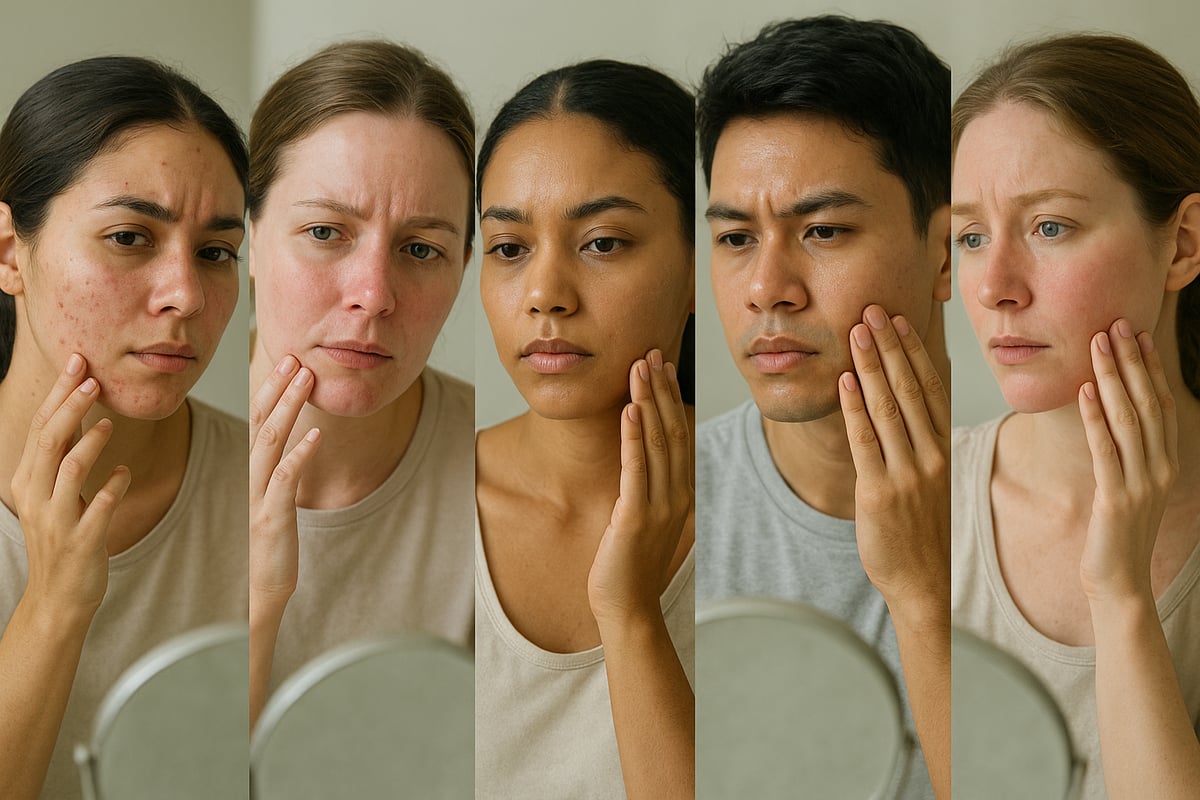
What Is Problematic Skin? Recognizing the Main Types
Problematic skin is a broad term that covers a range of persistent issues affecting the skin’s appearance and comfort. The most common forms include:
- Acne: Pimples, blackheads, whiteheads, and cystic breakouts
- Excessive oiliness: Shiny skin, enlarged pores, frequent congestion
- Sensitivity: Easily irritated, stinging, or burning sensations
- Dryness: Flaky patches, tightness, rough texture
- Redness or inflammation: Blushing, visible blood vessels, or chronic flushing
- Combination skin: Oily in some areas, dry or sensitive in others
It’s important to remember that problematic skin often isn’t just one issue. Many people experience overlapping concerns, like oily yet sensitive skin or dry skin that still breaks out. This combination of symptoms can make finding effective solutions more confusing.
Internal Causes: Genetics, Hormones, Diet, and Stress
Why does problematic skin develop in the first place? Internal factors play a huge role. Genetics determine your skin type and how your skin responds to triggers. Hormonal changes are a major driver, especially during puberty, pregnancy, menopause, or monthly cycles. Hormones can increase oil production, spark inflammation, and disrupt the skin barrier.
Diet is another internal influence. High intake of processed sugars, dairy, or inflammatory foods may contribute to flare-ups for some people. Stress is one of the most common triggers, as it can increase cortisol levels and worsen inflammation, leading to more pronounced problematic skin.
| Internal Triggers | Common Effects on Skin |
|---|---|
| Genetics | Oiliness, sensitivity |
| Hormones | Acne, redness, oiliness |
| Diet | Breakouts, dullness |
| Stress | Flare-ups, irritation |
For those dealing with adult acne, understanding the underlying causes and available treatments can provide much-needed clarity. You can explore adult acne causes and treatments for a deeper dive into this common problematic skin concern.
External Triggers: Environment and Habits
Beyond internal factors, the world around you can also shape your skin’s behavior. Climate changes are a big one—winter air is often dry, leading to flakiness and irritation, while summer heat and humidity can intensify oiliness and acne. Pollution can clog pores and trigger inflammation, while harsh skincare products (like strong cleansers or over-exfoliation) can strip the skin’s barrier and increase sensitivity.
Daily habits matter, too. Not removing makeup, using dirty pillowcases, or touching your face frequently can all worsen problematic skin. Even the water you use—hard water can be drying or irritating—makes a difference.
Here’s a quick look at how seasons can affect problematic skin:
- Winter: Increased dryness, flaking, and sensitivity
- Summer: More oiliness, breakouts, and clogged pores
- Spring/Fall: Fluctuations, sometimes a mix of both extremes
Why Problematic Skin Fluctuates—and How to Find Your Triggers
Problematic skin rarely stays the same. It often shifts with the seasons, major life events, or even small changes in routine. For example, someone may notice their skin becomes flaky and reactive every winter, but oily and prone to breakouts as soon as summer arrives. Hormonal transitions—like pregnancy or stressful periods—can also spark sudden changes.
The key to managing problematic skin is identifying your unique triggers. Keeping a simple skin diary can help you spot connections between flare-ups and things like diet, stress, product changes, or environmental shifts. Once you know what sets off your problematic skin, you can take targeted steps to calm and support it.
Understanding your own skin’s patterns is the first step toward lasting improvement. With the right knowledge, you can move from frustration to confidence, no matter what form your problematic skin takes.
The Science of Skin: What’s New in 2026
The landscape of problematic skin care is evolving quickly in 2026. Scientific breakthroughs and digital tools are transforming how we understand, diagnose, and treat problematic skin. Let’s dive into the latest research and innovations changing the game for anyone struggling with skin challenges.
Advances in Dermatology and Skincare Technology
In 2026, the fight against problematic skin is more precise than ever. The spotlight is on the skin barrier and the skin’s microbiome, with scientists revealing how delicate balances can make or break your complexion.
Genetic and hormonal testing has become more accessible, offering personalized insights into why problematic skin develops. These tests help pinpoint underlying causes such as hormonal imbalances or inherited sensitivities, making it easier to tailor treatments.
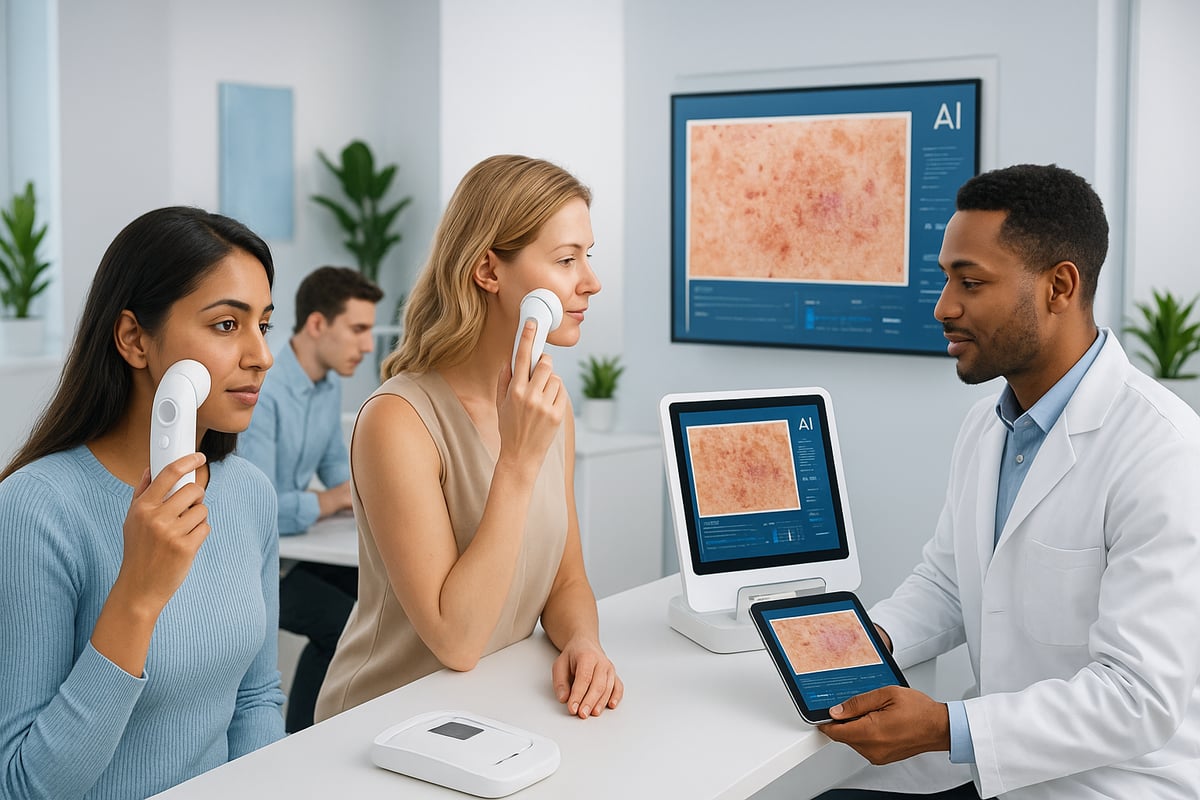
Artificial intelligence is now a central player. Clinics use AI-powered skin analysis tools to scan, map, and diagnose problematic skin concerns before symptoms even surface. These smart systems analyze thousands of data points, ensuring that every recommendation is personalized and evidence-based.
Teledermatology has also surged, allowing people with problematic skin to consult specialists from the comfort of home. According to recent industry reports, digital skin mapping and virtual visits are quickly becoming standard care.
For those curious about emerging technologies, the Innovative Technologies in Cosmetic Dermatology report highlights how AI integration, stem cell research, and digital diagnostics are revolutionizing problematic skin solutions.
Breakthrough Ingredients and Formulations
The ingredient revolution is reshaping how we care for problematic skin. In 2026, next-generation actives are designed to be both powerful and gentle, supporting the skin barrier instead of stripping it.
Bio-retinoids offer similar benefits to traditional retinoids but with less irritation, making them ideal for problematic skin types. Prebiotics and postbiotics are now common, helping balance the skin’s microbiome and reduce flare-ups.
Peptide complexes are another game changer. These tiny protein fragments target inflammation and support skin repair, which is crucial for those dealing with problematic skin. New delivery technologies, like microencapsulation and nanoemulsions, ensure these actives penetrate deeper without causing sensitivity.
The move toward “cleanical” skincare is more than a trend. Brands now combine natural ingredients with clinical-level results, offering solutions that are both safe and effective for problematic skin.
Consider this comparison table:
| Old Approach | 2026 Innovation |
|---|---|
| Harsh stripping agents | Barrier-supportive, gentle actives |
| One-size-fits-all | Personalized, microbiome-friendly care |
| Surface-level creams | Deep-penetrating, encapsulated serums |
Peptide-based serums and microbiome-balancing formulas are helping users see real changes in problematic skin, without the irritation of the past. As a result, routines are simpler, more targeted, and far more effective.
Proven At-Home Solutions for Problematic Skin
Tired of chasing miracle fixes for problematic skin? You’re not alone. The truth is, real transformation starts at home with smart routines, gentle products, and a few science-backed tweaks. Ready to take control? Let’s explore how you can build a powerful at-home strategy for clearer, calmer skin—no matter your starting point.
Daily Skincare Routines: Step-by-Step
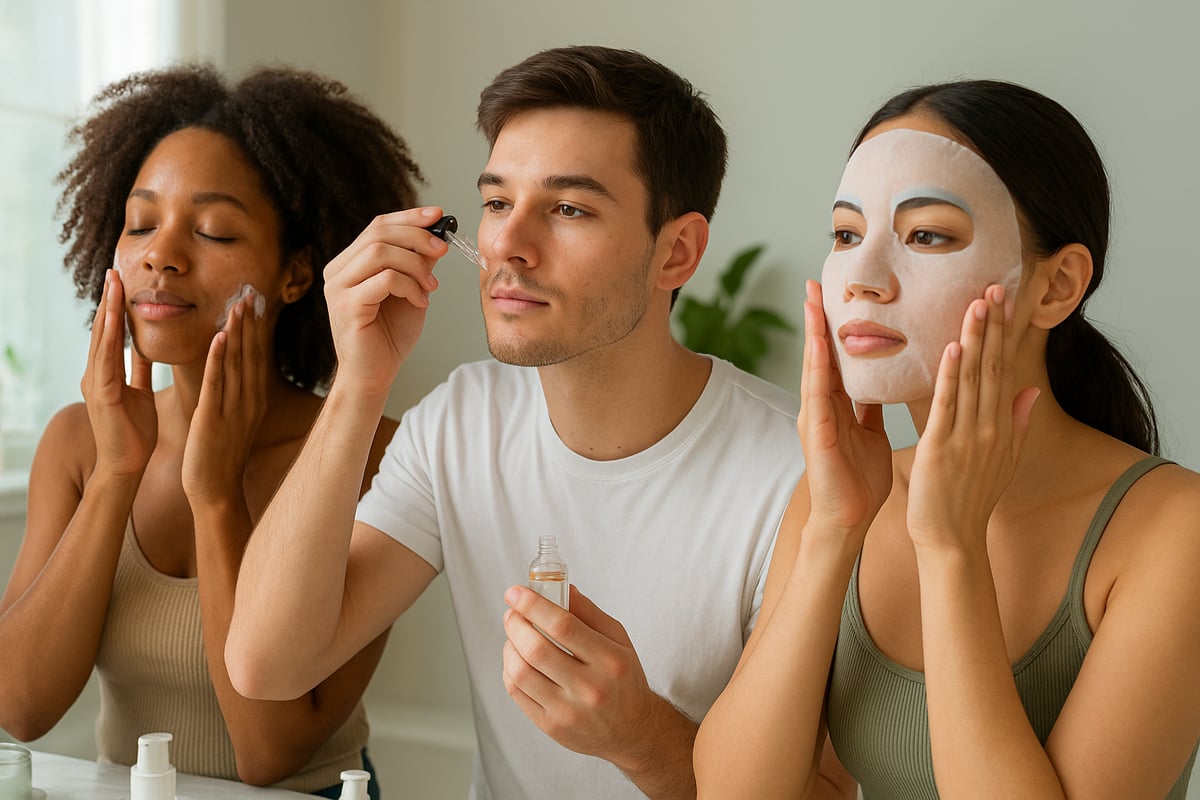
The foundation for tackling problematic skin is a consistent, well-structured routine. Start with a gentle cleanser to remove impurities without stripping your skin’s barrier. Follow this with a targeted serum based on your most pressing concern—think niacinamide for oil control, hyaluronic acid for dryness, or azelaic acid for redness.
Morning routines should always include a lightweight moisturizer and broad-spectrum SPF. At night, focus on barrier repair and hydration to help problematic skin recover from daily stressors. Keep things simple: too many actives can lead to sensitivity and make problematic skin worse.
Here’s a sample routine:
| Step | Morning | Evening |
|---|---|---|
| Cleanser | Gentle gel/cream | Gentle gel/cream |
| Serum | Antioxidant or calming | Targeted (retinoid/peptide) |
| Moisturizer | Lightweight, non-comedogenic | Barrier-repair, hydrating |
| SPF | Broad-spectrum 30+ | N/A |
Remember to patch test any new product, especially if you have sensitive or reactive problematic skin. Overuse is a common trap—industry data shows that using too many products is a leading cause of irritation and flare-ups. If you’re struggling to find products that work for sensitive skin, check out this guide to skincare for sensitive skin products for expert recommendations.
Adjust your routine with the seasons. Winter may call for richer moisturizers to combat dryness, while summer might mean lighter textures and extra attention to sun protection. Hormonal shifts, such as those during your cycle, can also trigger changes in problematic skin, so stay flexible and observant.
Targeted Treatments: Masks, Exfoliators, and Spot Solutions
Beyond the basics, targeted treatments can help you manage flare-ups and stubborn areas of problematic skin. Chemical exfoliants like AHAs and BHAs unclog pores and brighten dullness, but moderation is key. Once or twice a week is plenty for most people—overdoing it can harm your skin.
Hydrating and soothing masks are a lifesaver for sensitive or inflamed problematic skin. Look for ingredients like centella asiatica, oatmeal, and aloe vera to calm redness and replenish moisture. For breakouts, spot treatments containing sulfur or benzoyl peroxide can speed up healing, while innovative pimple patches provide a gentle, mess-free option.
Consider at-home microdermabrasion tools once a week for smoother texture, but only if your problematic skin is not currently irritated. Always listen to your skin—if it feels tight, itchy, or looks angry, scale back. Remember, supporting your barrier is the fastest route to lasting results.
Lifestyle Tweaks for Better Skin
Sometimes, the most effective changes happen outside the bathroom. Diet can have a major impact on problematic skin, with many people noticing improvement after reducing processed sugar, dairy, and inflammatory foods. Try adding more whole foods and plenty of water each day.
Stress is another big trigger for problematic skin. Regular exercise, mindfulness meditation, and good sleep habits all help keep your skin and mind balanced. If you’ve ever noticed a breakout after a stressful week, you’re not imagining things—studies confirm the link.
Gut health is also emerging as a key factor in problematic skin. Probiotic supplements and fermented foods may help some people achieve clearer skin by supporting a healthy microbiome. In fact, surveys show that 60 percent of adults report visible skin improvement after committing to simple lifestyle changes. Small tweaks, practiced consistently, can make a world of difference for problematic skin.
Professional Treatments and Emerging Therapies
Ready to take your problematic skin journey to the next level? Sometimes, at-home strategies are not enough—especially when you are battling persistent breakouts, stubborn redness, or deep-set scarring. Professional treatments offer powerful, science-backed solutions that can jumpstart real, visible change.
In-Clinic Procedures: What Works in 2026
Dermatology clinics in 2026 offer a toolkit of innovative procedures for problematic skin. Customizable chemical peels have evolved—they now target sensitive and acne-prone skin with precision. These new-generation peels use milder acids and botanicals, giving you smoother, brighter skin without excessive irritation.
Microdermabrasion and microneedling are favorites for improving texture, softening scars, and minimizing pores. Microneedling, especially when paired with radiofrequency technology, can boost collagen and firm the skin, making it a top choice for those battling problematic skin that includes both breakouts and early aging.
Laser therapies have seen a leap forward. Intense Pulsed Light (IPL), fractional lasers, and radiofrequency microneedling all help with redness, pigmentation, and acne scars. There is also a surge in advanced devices like Pico Lasers, which deliver ultra-short pulses to break up pigmentation and stimulate repair with minimal downtime. You can learn more about Pico Laser’s Rapid Efficacy in Treating Skin Concerns—this technology is gaining popularity for treating problematic skin, especially stubborn marks and discoloration.
Comparison Table: In-Clinic Treatments
| Treatment | Best For | Typical Downtime | Notable Benefit |
|---|---|---|---|
| Customizable Chemical Peels | Acne, dullness, sensitive skin | 1–3 days | Brightening, smoothing |
| Microdermabrasion | Texture, mild scarring | None–1 day | Softens rough patches |
| Microneedling (RF) | Scars, pores, firmness | 1–5 days | Collagen boost, firming |
| Laser Therapies (IPL, Pico) | Redness, pigmentation, acne scars | 1–7 days | Targeted tone correction |
Choosing the right treatment for your problematic skin means considering your unique concerns and skin type. Always consult with a board-certified dermatologist to create a personalized plan.
Medical-Grade Skincare and Prescription Options
For many facing problematic skin, in-office procedures are most effective when paired with medical-grade skincare or prescription treatments. Prescription retinoids remain the gold standard for persistent acne and clogged pores. Azelaic acid and anti-inflammatory creams are next-level options for redness, rosacea, and sensitive problematic skin.
Hormonal therapies are increasingly used for adult acne that resists topical treatments. In 2026, the rise of compounded, personalized prescription skincare means your dermatologist can create a custom formula tailored to your problematic skin profile. These routines may combine actives like niacinamide, adapalene, or spironolactone to address multiple triggers at once.
Dermatologist-curated routines offer a strategic, step-by-step plan for tackling stubborn or cystic acne. Clinical data shows that medical-grade products outperform most over-the-counter options, especially for problematic skin that has not improved with standard care.
If you are struggling with ongoing breakouts or redness, do not hesitate to ask about prescription solutions. Sometimes, a customized prescription is the missing link in your problematic skin journey.
Safety, Side Effects, and What to Expect
Professional treatments for problematic skin are more advanced than ever, but safety and aftercare remain essential. Common side effects include temporary redness, peeling, or sensitivity—especially after peels or laser sessions. Always patch test when possible and follow your provider’s post-treatment instructions.
Minimize downtime by using gentle, hydrating products and protecting your skin from sun exposure. Improvement timelines vary: chemical peels may show results within a week, while laser therapies can require several sessions to see full benefits. If you have problematic skin that is not responding, or notice worsening symptoms, consult your dermatologist promptly.
Remember, real transformation takes time and patience, but with the right combination of treatments and supportive care your problematic skin can steadily improve.
Natural and Holistic Approaches to Problematic Skin
Looking for a gentler, more holistic way to tackle problematic skin? You’re not alone. Many people are turning to natural solutions and lifestyle changes to achieve calm, balanced skin. Let’s explore how clean beauty, integrative therapies, and nature-powered brands are making waves in the world of problematic skin care.
Clean Beauty: Choosing Safe and Effective Natural Products
Clean beauty is all about using products that are free from harsh chemicals and unnecessary additives. For those with problematic skin, this approach can be a game-changer. Clean skincare prioritizes gentle, plant-based ingredients, making it easier to avoid common irritants that can trigger flare-ups.
When choosing products, always check ingredient labels. Look for formulas without synthetic fragrances, parabens, or sulfates. Instead, seek out soothing ingredients like chamomile, calendula, and aloe vera. If your problematic skin tends to be extra dry, you might benefit from these solutions for very dry skin, which use natural moisturizers to restore comfort.
Here are a few clean beauty tips:
- Patch test every new product to avoid surprises.
- Opt for fragrance-free options if you’re sensitive.
- Don’t assume “natural” always equals gentle—some botanical extracts can still irritate.
With more people choosing natural skincare, it’s clear that clean beauty is becoming a top strategy for managing problematic skin safely and effectively.
Integrative Therapies: Diet, Supplements, and Wellness Practices
Holistic care for problematic skin goes beyond what you put on your face. What you eat, how you manage stress, and your daily habits all play a role in skin health.
Supplements like omega-3 fatty acids, zinc, and probiotics have shown promise in calming inflammation and supporting the skin barrier. Herbal remedies such as chamomile and calendula may soothe irritation from the inside out. These approaches can be especially helpful for persistent problematic skin that doesn’t respond to topical products alone.
Consider these integrative strategies:
- Add more anti-inflammatory foods like berries, leafy greens, and fatty fish.
- Try meditation or gentle yoga to reduce stress, which often worsens problematic skin.
- Maintain a consistent sleep schedule for optimal skin recovery.
Many people share success stories about transforming problematic skin by combining smart product choices with lifestyle changes. It’s about treating the whole person, not just the symptoms.
Mama Nature: Harnessing Nature’s Power for Problematic Skin
Mama Nature is a brand that blends ancient remedies with modern science to address problematic skin naturally. Their product lines target acne, eczema, and sensitive skin, using clean, cruelty-free formulations that are gentle yet effective.

Customers rave about their results, from calmer complexions to reduced redness. Mama Nature’s commitment to sustainability and ethical sourcing adds another layer of trust for those seeking holistic wellness.
Choosing the right natural products can be the turning point in your journey to healthier, happier problematic skin.
Building Your Personalized Problematic Skin Action Plan
Struggling to break the cycle of problematic skin? Building a personalized action plan is your key to lasting results. Let’s walk through seven essential steps to help you understand, manage, and transform your skin’s health, no matter where you’re starting from.
Step 1: Identify Your Skin Type and Main Concerns
The first step to managing problematic skin is knowing exactly what you’re working with. Is your skin oily, dry, sensitive, or a bit of everything? Maybe you deal with redness, breakouts, or even rosacea. Take a close look in natural light or use AI-powered analysis apps for a precise assessment.
Consider scheduling a professional consultation if you’re unsure. Digital tools and quizzes can help, but nothing beats an expert’s eye. Remember, problematic skin often means facing more than one challenge at once, so don’t feel boxed in by labels.
For example, if you’re concerned about redness or persistent flushing, learning about rosacea symptoms and treatments can help you spot patterns and find targeted solutions. The better you understand your skin’s unique needs, the more effective your routine will be.
Step 2: Track Triggers and Patterns
Next, become your own skin detective. Keep a skin diary for at least a month. Each day, jot down what you eat, how much you sleep, your stress levels, and every product you use. Note any changes, like new blemishes or redness.
You might notice that your problematic skin flares up after certain foods, during stressful times, or with specific products. These patterns are gold for customizing your plan. For example, some people find breakouts spike after dairy, while others react to harsh cleansers.
Seasonal changes matter, too. Many experience more dryness in winter and oiliness in summer. By tracking, you’ll quickly spot what sets off your problematic skin, allowing you to avoid common pitfalls and make smarter choices.
Step 3: Curate Your Skincare Routine
With your triggers and skin type clear, it’s time to build a routine that supports your problematic skin. Start simple: a gentle cleanser, a targeted serum, a moisturizer, and daily SPF. Avoid overloading with too many products, which can trigger sensitivity.
Here’s a sample routine to guide you:
| Step | Morning | Evening |
|---|---|---|
| 1 | Gentle Cleanser | Gentle Cleanser |
| 2 | Targeted Serum (Vitamin C) | Treatment Serum (Retinoid/Acid) |
| 3 | Lightweight Moisturizer | Nourishing Moisturizer |
| 4 | Broad-Spectrum SPF | Optional Spot Treatment |
Patch test any new product. Adjust your routine seasonally or during hormonal shifts. For problematic skin, rotating active ingredients like retinoids or acids prevents overuse and irritation. Consistency is more important than perfection—give your skin time to adjust and respond.
Step 4: Integrate Professional and At-Home Treatments
Some cases of problematic skin benefit from a mix of home and professional care. If you notice persistent breakouts, scarring, or redness, consider monthly facials or quarterly chemical peels. Treatments like microneedling or laser therapy can target stubborn concerns.
Balance is key. Use professional treatments to give your skin a boost, but maintain a gentle daily routine at home. Always follow aftercare instructions, and consult a dermatologist before adding new procedures, especially if your problematic skin is sensitive.
Step 5: Monitor Progress and Adjust
Progress with problematic skin is rarely linear. Set realistic expectations—improvement can take weeks or months. Take weekly photos in the same lighting to track changes.
If you’re not seeing results after 12 weeks, revisit your plan. Maybe a product isn’t working, or a hidden trigger needs attention. Don’t hesitate to consult a dermatologist if your problematic skin worsens or new symptoms appear. Adjusting your approach is a sign of self-care, not failure.
Step 6: Prioritize Mental Wellbeing and Self-Compassion
Problematic skin can be tough emotionally. It’s easy to feel frustrated or self-conscious. Remember, you’re more than your skin. Practice self-care rituals that nurture your mental health—journaling, meditation, or simply taking a break from mirrors.
Join online communities or support groups to connect with others facing similar issues. Sharing your journey can provide encouragement and new perspectives. Speak kindly to yourself, and celebrate every small win. A positive mindset is a powerful tool in your problematic skin journey.
Step 7: Stay Informed—The Future of Problematic Skin Solutions
The world of problematic skin care is evolving fast. Stay curious and keep learning about new research, breakthrough ingredients, and digital tools. For example, AI in dermatology is making it easier to spot patterns and get personalized advice—check out the latest on DermETAS-SNA LLM: AI in Dermatology for a glimpse into the future.
Follow reputable dermatologists and skincare experts online for trustworthy updates. By staying informed, you’ll always have access to the best strategies for managing problematic skin, both now and in the years ahead.