
Does your skin flare up with redness, stinging, or dryness after trying new products? You are not alone. Many people struggle to find something truly suitable for sensitive skin, especially with so many options on the shelves.
This essential guide will help you confidently navigate the world of sensitive skin care in 2025. You will discover what causes sensitivity, learn which ingredients to trust (and which to avoid), and get dermatologist-backed tips for building a gentle routine.
Ready to finally feel comfortable in your own skin? Explore the latest trends, expert recommendations, and practical advice to choose products that calm, not complicate, your sensitive skin journey.
Understanding Sensitive Skin: Causes and Characteristics
Sensitive skin is more than just an occasional tingle or flush. If you find your skin reacts with redness, stinging, or dryness after using certain products or facing environmental changes, you might be among the millions searching for solutions that are truly suitable for sensitive skin. Recognizing the signs early is the first step toward comfort and confidence.
Recent research reveals just how widespread this challenge is. Up to 60 percent of women and 40 percent of men worldwide report issues that are suitable for sensitive skin, making it a common concern across all ages and backgrounds. For an in-depth look at these numbers and what they mean for you, see this International study on sensitive skin prevalence.

What Causes Sensitive Skin?
Sensitive skin often runs in families, suggesting a strong genetic link. If your parents or siblings have skin that is suitable for sensitive skin, you might notice similar traits in yourself. However, genetics is just the beginning.
The skin’s barrier, a protective shield, plays a crucial role. When this barrier is weakened by genetics, harsh weather, or overuse of strong skincare products, your skin becomes more prone to irritation. Conditions like eczema and rosacea further compromise this barrier, making the skin less able to defend itself.
Environmental factors add another layer to the story. Pollution, temperature swings, and even hard water can trigger reactions in skin that is suitable for sensitive skin. Understanding these causes helps you stay one step ahead.
Common Triggers for Sensitive Skin
Everyday life is filled with potential triggers. Fragrances in lotions, synthetic dyes, and even certain preservatives can cause problems for those seeking products suitable for sensitive skin. Stress and poor diet can also make skin more reactive, as can sudden weather changes or exposure to pollution.
Here are a few of the top triggers to watch for if your skin is suitable for sensitive skin:
- Harsh cleansers or exfoliants
- Strong fragrances or dyes
- Extreme cold or heat
- Emotional stress and lack of sleep
- Spicy or allergenic foods
Learning your personal triggers is key to keeping your routine suitable for sensitive skin and avoiding unnecessary flare-ups.
Misconceptions About Sensitive Skin
It is easy to assume that any redness or itchiness means your skin is suitable for sensitive skin, but that is not always the case. Sometimes, irritation is a temporary response to a new product or a sign of overuse rather than true sensitivity.
Another misconception is that “natural” always means safe. In reality, essential oils and botanical extracts can be just as irritating as synthetic ingredients for some people. Being suitable for sensitive skin depends on knowing what works for you, not just following trends.
How to Self-Assess and When to Consult a Dermatologist
Wondering if your routine is truly suitable for sensitive skin? Start by keeping a skincare diary. Track when flare-ups occur and what products or environments you have encountered.
If you notice persistent redness, burning, or swelling that does not improve, it is time to consult a dermatologist. They can help determine if your symptoms are due to an underlying condition, such as eczema or rosacea, and recommend treatments suitable for sensitive skin.
Scenarios: When Does Sensitivity Strike?
Sensitive skin can flare up in unexpected ways. Maybe you tried a new moisturizer and woke up with a rash, or perhaps your skin feels tight and itchy every winter. Even traveling to a city with higher pollution levels can set off a reaction.
Being aware of these scenarios helps you prepare and choose products that are always suitable for sensitive skin, no matter where life takes you.
| Symptom | Possible Trigger | When to Seek Help |
|---|---|---|
| Redness | New product, cold weather | Persistent >2 weeks |
| Stinging | Fragrance, exfoliant | Severe discomfort |
| Dry patches | Harsh cleanser, low humidity | If not relieved by moisturizer |
| Swelling | Allergens, preservatives | Sudden or severe |
Understanding the causes and characteristics of sensitive skin empowers you to make choices that are truly suitable for sensitive skin, bringing you closer to a calm, comfortable complexion.
Decoding Ingredient Labels: What’s Safe and What to Avoid
Ever stood in the skincare aisle, baffled by ingredient lists longer than a novel? For anyone searching for products suitable for sensitive skin, decoding these labels is the first step toward irritation-free care. The good news: with a few tricks, you can cut through the jargon and make empowered choices.
Understanding Ingredient Lists
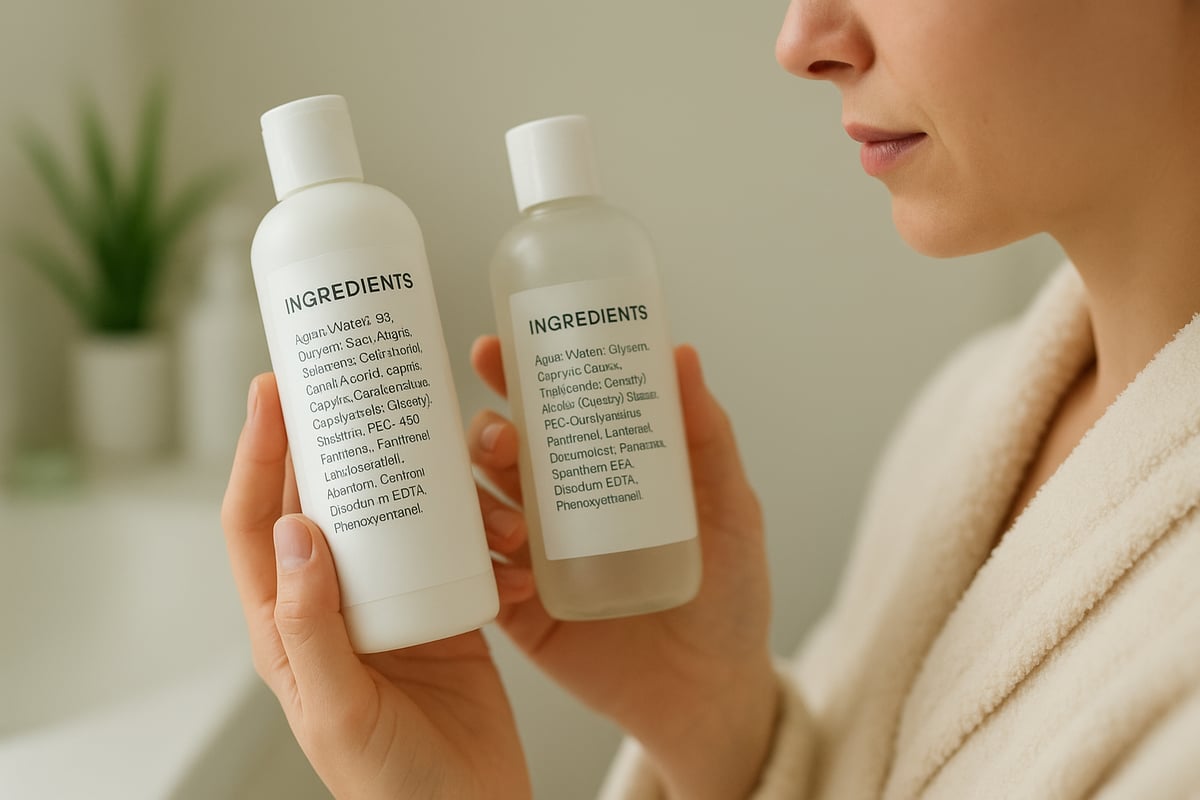
Skincare ingredient labels can seem intimidating, but learning to interpret them is crucial for anyone seeking products suitable for sensitive skin. Ingredients are listed in descending order by concentration, so those at the top make the biggest impact. If a potential irritant appears early, it’s best to steer clear.
Look for terms like “hypoallergenic,” “fragrance-free,” and “non-comedogenic.” While these suggest products are suitable for sensitive skin, they aren’t always regulated strictly. In 2025, new standards require brands to back up sensitive skin claims with clinical data, making it easier to trust what you see.
Let’s compare two moisturizers:
| Ingredient | Moisturizer A (Sensitive) | Moisturizer B (Standard) |
|---|---|---|
| Glycerin | 2nd | 5th |
| Fragrance | None | 3rd |
| Alcohol | None | 4th |
| Ceramides | 5th | Not listed |
Moisturizer A is more suitable for sensitive skin, thanks to the absence of fragrance and alcohol and the inclusion of barrier-supporting ceramides.
Understanding these lists helps you spot which products are truly suitable for sensitive skin and which might trigger discomfort. Always double-check for hidden irritants, even in products labeled “for sensitive skin.”
Safe Ingredients for Sensitive Skin
Choosing products packed with gentle, proven ingredients can make all the difference for those seeking formulas suitable for sensitive skin. Some of the best options include:
- Glycerin: Attracts moisture to the skin, keeping it hydrated.
- Ceramides: Help repair and protect the skin barrier.
- Squalane: Lightweight, non-irritating, and mimics natural skin oils.
- Aloe Vera: Soothes redness and calms inflammation.
- Colloidal Oatmeal: Clinically shown to relieve itching, especially for eczema.
Antioxidants like vitamin E and green tea extract offer extra protection against environmental stressors, making them ideal for anyone choosing products suitable for sensitive skin. Clinical studies back up their calming effects, especially in formulas designed to reduce redness and irritation.
For example, colloidal oatmeal is a powerhouse for eczema-prone skin because it forms a protective layer and relieves itching. If you’re looking for gentle formulations, Sensitive Skin Bath and Body Oils offer a curated range of options with these safe ingredients.
Remember, patch testing new products is always wise, even if a label says it’s suitable for sensitive skin. This simple step can help you avoid surprises and keep your routine gentle.
Ingredients and Additives to Avoid
Not all skincare is created equal, especially if you need products suitable for sensitive skin. Some common ingredients can trigger flare-ups or long-term irritation. Watch out for:
- Synthetic fragrances: The leading cause of allergic reactions.
- Alcohol (especially denatured): Dries out and damages the skin barrier.
- Sulfates (like SLS): Strip natural oils, leaving skin vulnerable.
- Parabens and dyes: Potential allergens and unnecessary additives.
- Microplastics: Emerging evidence shows they can irritate sensitive types.
- Certain preservatives (methylisothiazolinone): Linked to contact dermatitis.
A real-world case: Many “natural” products use essential oils, which sound gentle but can be highly sensitizing. For example, lavender and citrus oils have caused allergic reactions in some users, even though the products claimed to be suitable for sensitive skin.
To spot hidden irritants, scan the label for terms like “parfum,” “limonene,” or “linalool.” Even in products marketed as suitable for sensitive skin, these can sneak in, so vigilance pays off.
If you ever experience redness or stinging after trying something new, pause use and consult a dermatologist. Prioritizing ingredient safety is the smartest way to build a routine suitable for sensitive skin.
Building a Sensitive Skin Routine: Step-by-Step Guide
Building a daily skincare routine that is truly suitable for sensitive skin can feel overwhelming. The good news? With the right approach, you can protect your complexion, minimize redness, and enjoy calm, comfortable skin. Let’s break down each step for a routine that’s both effective and gentle.
Step 1: Gentle Cleansing
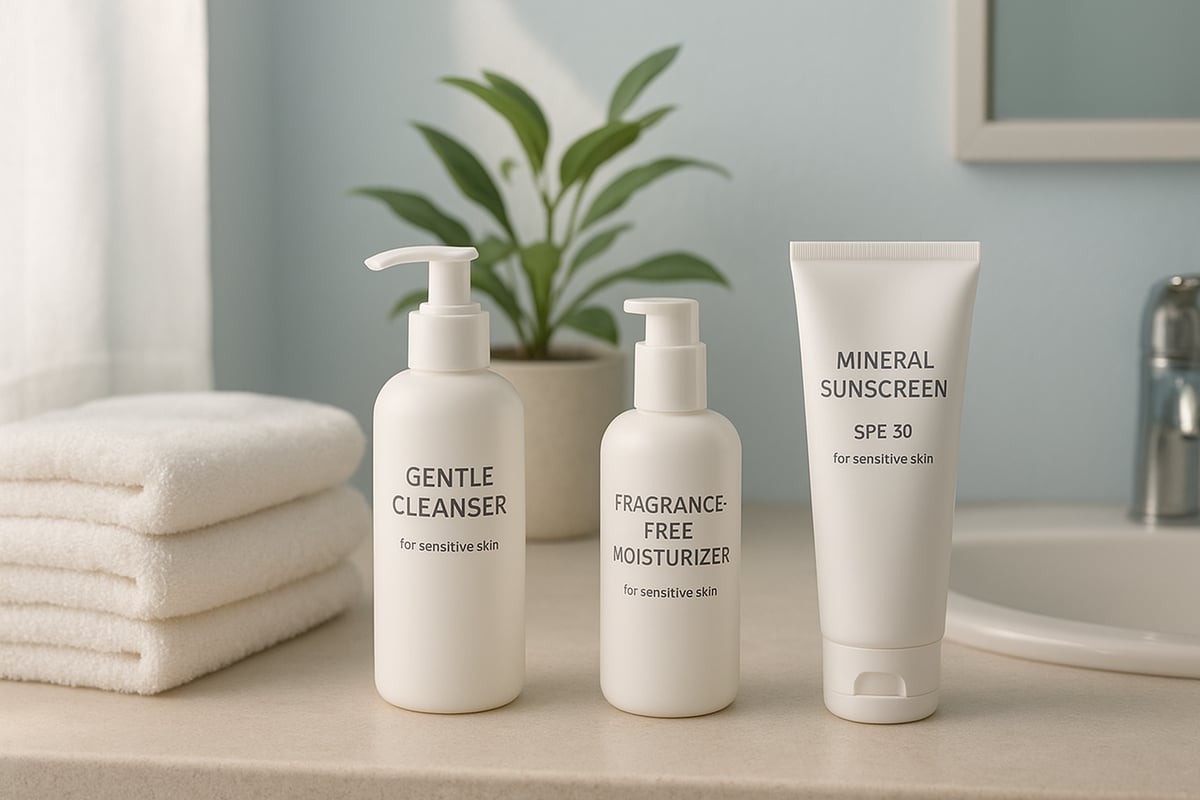
Cleansing is the foundation of any routine suitable for sensitive skin. Harsh cleansers can strip away natural oils, leaving skin tight or inflamed. Instead, opt for a mild, non-foaming cleanser that doesn’t contain fragrances or dyes.
Use lukewarm water, not hot, to avoid aggravating your skin. Apply cleanser with your fingertips and rinse gently, patting dry with a soft towel. Avoid scrubbing or using rough washcloths. Many people notice a big difference just by switching from traditional soap to micellar water or a creamy cleanser designed for sensitive skin.
If your skin feels clean but not dry or squeaky, you’re using a cleanser suitable for sensitive skin. Listen to your skin’s feedback after each wash.
Step 2: Hydration and Moisturizing
Moisturizing is essential for anyone seeking products suitable for sensitive skin. Choose fragrance-free moisturizers with barrier-repairing ingredients like ceramides, glycerin, or squalane. These help lock in moisture and support your skin’s protective layer.
For daytime, apply a lightweight moisturizer that absorbs quickly. At night, a richer cream can offer deeper hydration. Layering is helpful: start with a hydrating serum, then follow with your moisturizer. If your skin is very dry, top with an occlusive like petrolatum to seal in moisture.
Not sure where to start? Explore Face Moisturisers for Sensitive Skin for options tailored to sensitive complexions. Remember, a moisturizer suitable for sensitive skin should never leave your skin stinging or red.
Step 3: Sun Protection for Sensitive Skin
Sunscreen is a must, even if you spend most days indoors. The best options suitable for sensitive skin are mineral sunscreens containing zinc oxide or titanium dioxide. These create a physical barrier, protecting your skin without common irritants.
Chemical sunscreens can sometimes trigger reactions, so always check for ingredients like oxybenzone or avobenzone if you’re prone to sensitivity. In 2025, many brands are launching mineral SPF formulas that blend easily and leave no white cast.
Apply sunscreen every morning as the last step in your routine. Use about a teaspoon for your face and neck, and reapply throughout the day if you’re outside. A sunscreen suitable for sensitive skin will feel comfortable and non-greasy.
Step 4: Targeted Treatments and Serums
If you want to address specific concerns, it’s still possible with products suitable for sensitive skin. Start with gentle actives like niacinamide or azelaic acid, which help calm redness and strengthen your skin barrier.
Introduce new treatments slowly: patch test each product behind your ear or on your jawline for several days. Begin with twice-weekly use, and watch for any signs of irritation. Always layer serums before moisturizer, and only use one new active at a time.
During flare-ups, reach for calming serums with ingredients like colloidal oatmeal or aloe vera. This approach ensures your skin gets all the benefits without unnecessary stress.
Step 5: Lifestyle and Environmental Adjustments
A routine suitable for sensitive skin involves more than just products. Everyday habits and surroundings play a huge role in your skin’s resilience.
Eat a balanced diet rich in antioxidants, manage stress with mindfulness or gentle exercise, and aim for consistent sleep. Wear soft, breathable clothing and protect your face from wind or extreme temperatures with scarves or hats.
In your home, consider using a humidifier during dry months and an air purifier if you live in a polluted area. When traveling or during seasonal shifts, adapt your routine by packing travel-sized versions of your essentials and monitoring how your skin reacts.
Consistency and small adjustments make all the difference in maintaining skin that is truly suitable for sensitive skin.
Dermatologist-Recommended Products and Tips for 2025
Navigating the world of skincare can feel overwhelming, especially when you’re seeking products truly suitable for sensitive skin. Dermatologists in 2025 are more focused than ever on research-backed, gentle solutions that help you avoid redness, burning, and flare-ups.
Top Dermatologist-Recommended Products for 2025
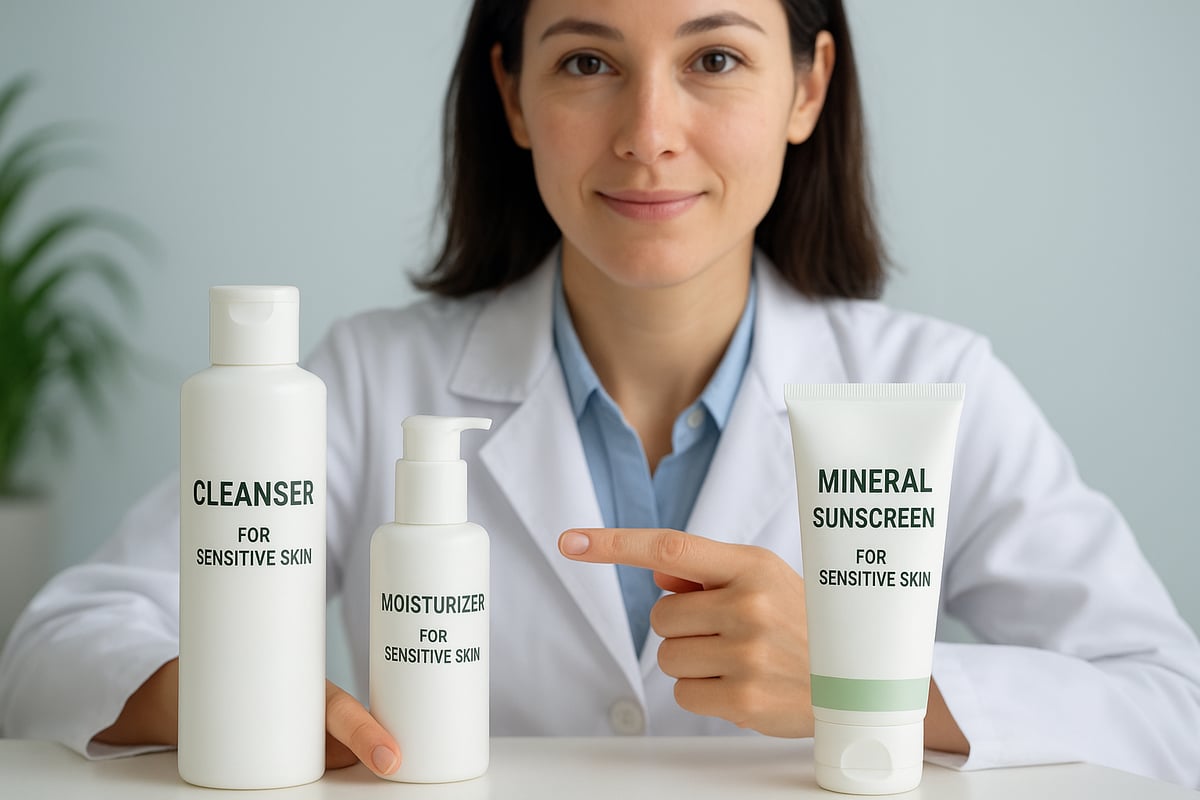
Wondering which products are truly suitable for sensitive skin this year? Here are some top picks frequently recommended by dermatologists:
| Product Type | Key Features | Example Ingredients |
|---|---|---|
| Cleanser | Non-foaming, fragrance-free, pH balanced | Glycerin, ceramides |
| Moisturizer | Barrier-repairing, occlusive, gentle humectants | Squalane, colloidal oatmeal |
| Sunscreen | Mineral-based, broad spectrum, non-comedogenic | Zinc oxide, titanium dioxide |
These products are designed to avoid common irritants while delivering effective hydration and protection. For a deeper dive into 2025’s top dermatologist picks, check out the Dermatologist-recommended skincare products 2025 guide.
How Dermatologists Evaluate Product Safety
Dermatologists follow strict criteria to decide if a product is suitable for sensitive skin. They look for minimal ingredient lists, prioritize fragrance-free formulas, and avoid known allergens. Safety testing, clinical studies, and real-world feedback all play a role in their recommendations.
They also watch for products labeled as hypoallergenic or non-comedogenic, but always check ingredient lists for hidden irritants. If you’re unsure, choose brands that publish transparent safety data.
Patch Testing and Gradual Introduction
Introducing new products can be nerve-wracking. Dermatologists always recommend patch testing before applying anything new to your face. Apply a small amount of the product behind your ear or on your inner forearm and wait 24–48 hours.
If you notice no reaction, slowly introduce the product into your routine. This helps ensure it’s truly suitable for sensitive skin, minimizing the risk of irritation or flare-ups.
Common Mistakes to Avoid
Even the best products can cause problems if used incorrectly. Here are mistakes dermatologists see often:
- Over-exfoliating, which weakens your skin barrier
- Layering too many active ingredients at once
- Ignoring patch testing
- Switching routines too quickly
- Using expired products
Avoiding these pitfalls helps you build a routine that’s genuinely suitable for sensitive skin.
Latest Research and Innovations
Sensitive skin care is evolving fast. In 2025, advances include microbiome-friendly formulas, AI-driven recommendations, and DNA-based product customization. These innovations aim to make skincare more suitable for sensitive skin by targeting individual triggers and enhancing barrier repair.
Dermatologists are also excited about new ingredient delivery systems that reduce irritation, such as encapsulated actives and slow-release moisturizers.
Real-World Testimonials
Many people with sensitive skin find relief after switching to dermatologist-recommended routines. For example, Sarah, age 32, struggled with redness until she adopted a fragrance-free, mineral-based sunscreen. James, age 28, saw improvements after choosing a moisturizer with colloidal oatmeal.
Their stories highlight the importance of finding products that are truly suitable for sensitive skin and sticking to a gentle, consistent regimen.
When to Seek Professional Help
If you experience persistent irritation, severe reactions, or symptoms that don’t improve with over-the-counter products, consult a dermatologist. They can help identify underlying issues and recommend treatments specifically suitable for sensitive skin.
Remember, expert advice and science-backed products are your best allies on the journey to calm, comfortable skin.
Navigating Trends: Natural, Organic, and Hypoallergenic Claims
Curious about the surge in natural and organic skincare? If you’re seeking products suitable for sensitive skin, you’ve probably noticed a flood of “clean beauty” options, each promising to soothe rather than irritate. But are these trends truly safer, or is it just smart marketing?
The Rise of Natural Skincare
The natural skincare movement is booming, especially among those searching for products suitable for sensitive skin. Why? Many believe natural means gentler, but is that always true?
Pros: Natural formulations often avoid harsh chemicals, synthetic dyes, and fragrances. Ingredients like aloe vera, chamomile, and colloidal oatmeal are known to calm irritation.
Cons: Not all natural ingredients are safe. Essential oils, for example, can trigger reactions in sensitive skin. Poison ivy is natural but definitely not suitable for sensitive skin!
Let’s compare:
| Feature | Natural Formulations | Synthetic Formulations |
|---|---|---|
| Source | Plant/mineral-based | Lab-created |
| Potential Irritants | Essential oils, pollen | Preservatives, fragrances |
| Consistency | Variability by batch | Highly controlled |
| Common Claims | “Organic,” “Clean” | “Dermatologist-tested” |
For an in-depth look at how to build a routine using both natural and science-backed options, check out this Guide to skincare for sensitive skin 2025.
Decoding “Hypoallergenic” and Other Marketing Claims
The “hypoallergenic” label has become a buzzword for anyone seeking products suitable for sensitive skin. But what does it really guarantee in 2025?
Fact: There’s no universal standard for “hypoallergenic.” Brands may use the term if their products avoid common allergens, but testing and criteria can vary widely.
Regulators in 2025 require brands to back up sensitive skin claims with clinical data, but the oversight is still evolving. Marketing can be misleading. For example, a product labeled “fragrance-free” might still contain botanical extracts that cause irritation.
Tips to spot misleading claims:
- Look for full ingredient lists, not just the front label.
- Watch for “dermatologist-recommended” versus “dermatologist-tested.”
- Check for third-party certifications.
Always remember, even products labeled as hypoallergenic might not be suitable for sensitive skin if you have unique triggers.
Personalized Skincare and Future Innovations
Looking ahead, the future of suitable for sensitive skin routines is all about personalization. AI-powered apps, DNA analysis, and skin microbiome testing are making custom product recommendations more accessible.
Brands are now formulating products specifically suitable for sensitive skin based on your unique biology. This means fewer reactions and more confidence in your choices.
Expect innovations that blend science with nature, offering truly suitable for sensitive skin options tailored just for you.
Frequently Asked Questions About Sensitive Skin
Struggling to navigate the world of suitable for sensitive skin products? You’re not alone. Sensitive skin can feel confusing, especially with conflicting advice everywhere. Let’s dive into the most common questions people have and get you the clarity you need.
How do I know if I have sensitive skin or an allergy?
It’s easy to confuse sensitive skin with allergies, but they’re not the same. Sensitive skin often reacts to triggers with redness, stinging, or dryness, while allergies cause more severe reactions like swelling or hives.
| Feature | Sensitive Skin | Allergy Reaction |
|---|---|---|
| Onset | Gradual/after use | Sudden/within minutes |
| Symptoms | Redness, burning | Hives, swelling, itching |
| Duration | Short, with removal | Persistent until treated |
If you suspect an allergy, stop using the product immediately. For eczema-related concerns, explore Dermatologist-Recommended Eczema Solutions for targeted advice.
Can sensitive skin become less reactive over time?
Sensitive skin might improve with the right approach. Strengthening your skin barrier and avoiding triggers can reduce reactivity. However, genetics and conditions like rosacea may mean your skin stays reactive. Consistently using suitable for sensitive skin products helps minimize flare-ups.
Is it safe to use anti-aging products with sensitive skin?
Absolutely, but you need to choose wisely. Some anti-aging ingredients, like retinoids or alpha hydroxy acids, can irritate. Instead, look for gentle options such as niacinamide or peptides, which are suitable for sensitive skin. Always patch test new anti-aging products before using them on your face.
How often should I change my skincare routine?
Stability is key for suitable for sensitive skin routines. Avoid frequent changes, as your skin thrives on consistency. Only switch products if you notice irritation or want to address a new concern. Introduce one new product at a time and monitor your skin’s response, following a dermatologist-recommended skincare routine 2025 for best results.
What should I do if I have a reaction to a new product?
First, stop using the new product immediately. Rinse your face with cool water and apply a calming, fragrance-free moisturizer. If symptoms persist or worsen, consult a dermatologist. For ongoing issues like eczema, consider exploring specialized solutions like those found in our eczema section.
Are there specific brands that dermatologists recommend?
Yes, dermatologists often suggest brands that formulate products specifically suitable for sensitive skin. Look for those with clinical testing and minimal ingredients, such as Cetaphil, La Roche-Posay, and Vanicream. Always check for “fragrance-free” and “hypoallergenic” labels.
Can makeup be suitable for sensitive skin?
Definitely. Choose mineral-based makeup and products labeled as suitable for sensitive skin. Avoid heavy fragrances, alcohol, and harsh preservatives. Always remove makeup gently and avoid layering too many products at once.
How do environmental factors (humidity, pollution) affect sensitivity?
Weather changes, pollution, and indoor heating can all impact suitable for sensitive skin. Low humidity dries out your skin, while pollution introduces irritants. Use a humidifier in dry months and cleanse gently after being outside to protect your skin barrier.
Is sensitive skin more prone to acne or other conditions?
Sensitive skin can be more reactive, leading to breakouts or flare-ups of eczema and rosacea. Choose non-comedogenic products that are suitable for sensitive skin to avoid clogging pores. Watch for signs of irritation and adjust your routine as needed.
What are the best skincare tips for men with sensitive skin?
Men benefit from suitable for sensitive skin products, too. Use a gentle cleanser and fragrance-free moisturizer. Shave with a sharp razor and soothing gel. Avoid aftershaves with alcohol and always apply sunscreen formulated for sensitive skin.
How can I protect sensitive skin during travel or extreme weather?
Travel and weather changes can trigger irritation. Pack travel sizes of your suitable for sensitive skin essentials, like cleanser, moisturizer, and mineral SPF. Use a scarf or hat in cold, windy weather and apply moisturizer more frequently in dry climates.