

The skincare world has witnessed a remarkable transformation over the past decade, with facial oils emerging from niche status to mainstream staple. These concentrated botanical elixirs offer a potent alternative to traditional moisturizers, delivering nutrients directly to your skin while working in harmony with your body's natural chemistry. Whether you're dealing with dryness, aging concerns, or even oily skin, understanding how these powerful formulations work can revolutionize your daily routine and unlock the radiant complexion you've been seeking.
Understanding How Facial Oils Work With Your Skin
Your skin produces its own oil called sebum, which forms a protective barrier against environmental stressors and moisture loss. When you apply facial oils for skin, you're not just adding extra oil, you're supplementing and balancing your skin's natural lipid layer. This creates a healthier moisture barrier that keeps water in and irritants out.
The molecular structure of plant-based oils allows them to penetrate deeply into the skin's layers. Unlike water-based products that sit on the surface, quality facial oils contain fatty acids that mirror those naturally found in your skin. This similarity enables better absorption and integration with your skin's existing structure.
The Science Behind Oil Absorption
Different oils have varying molecular weights, which determines how they interact with your skin:
- Lightweight oils like squalane and rosehip penetrate quickly without residue
- Medium-weight oils such as jojoba and argan balance absorption with surface protection
- Heavy oils like avocado and castor provide intensive barrier support
Research from dermatologists confirms that face oils can benefit various skin types when chosen correctly. The key lies in matching the right oil composition to your specific skin needs and concerns.
Choosing the Right Facial Oils for Your Skin Type
Not all oils work the same way for everyone. Your skin type determines which formulations will enhance your complexion versus potentially causing issues. Let's break down the best matches for each category.
For Dry and Dehydrated Skin
Dry skin craves rich, nourishing oils that provide deep hydration and repair damaged moisture barriers. These skin types benefit from oils high in omega fatty acids and vitamins.
| Oil Type | Key Benefits | Best For |
|---|---|---|
| Argan Oil | Vitamin E rich, anti-inflammatory | Fine lines, roughness |
| Marula Oil | Antioxidants, quick absorption | Moisture retention |
| Avocado Oil | Dense nutrition, barrier repair | Severely dry patches |
Apply these oils while your skin is still slightly damp from cleansing to lock in maximum hydration. The water molecules get trapped beneath the oil layer, creating a reservoir of moisture throughout the day.

For Oily and Combination Skin
Here's where it gets interesting. Using facial oils for skin that's already oily might seem counterintuitive, but it's actually a game-changer. When you strip away too much oil with harsh cleansers, your skin overcompensates by producing even more sebum.
Lightweight, non-comedogenic oils signal to your skin that it has enough natural lubrication. This can actually reduce excess oil production over time. Consider noncomedogenic formulations that won't clog your pores.
Best choices include:
- Jojoba oil (mimics skin's natural sebum)
- Grapeseed oil (astringent properties)
- Squalane (ultra-lightweight, balancing)
For Sensitive and Reactive Skin
Sensitive skin requires gentle oils with anti-inflammatory properties. Look for formulations free from essential oils and fragrances, which can trigger reactions even in natural products.
Calendula, chamomile-infused oils, and pure rosehip seed oil provide soothing benefits without irritation. These options strengthen your skin's protective barrier, making it more resilient against environmental triggers.
The Most Powerful Ingredients in Facial Oils
When shopping for quality facial oils for skin, understanding the active ingredients helps you make informed choices. Natural skincare enthusiasts at Mama Nature know that ingredient quality directly impacts results.
Vitamin-Rich Formulations
Vitamins transform oils from simple moisturizers into treatment products. Different vitamins target specific skin concerns:
- Vitamin A (Retinol) – Cell turnover and anti-aging
- Vitamin C – Brightening and collagen production
- Vitamin E – Antioxidant protection and healing
- Vitamin K – Dark circle reduction and even tone
Rosehip oil naturally contains all these vitamins, making it a powerhouse ingredient frequently featured in top-rated face oil formulations.
Essential Fatty Acids
Omega-3, omega-6, and omega-9 fatty acids provide the building blocks for healthy cell membranes. These nutrients can't be produced by your body, so topical application through facial oils delivers them directly where needed.
Sea buckthorn oil contains the rare omega-7, which specifically targets skin health and regeneration. This makes it particularly valuable for mature or damaged skin seeking intensive repair.
Antioxidants and Phytonutrients
Plant-based oils contain hundreds of beneficial compounds beyond basic fatty acids. These phytonutrients fight free radical damage, reduce inflammation, and support natural repair processes.
| Antioxidant | Primary Source | Skin Benefit |
|---|---|---|
| Tocopherols | Wheat germ oil | UV protection |
| Polyphenols | Grape seed oil | Anti-aging |
| Carotenoids | Carrot seed oil | Cell regeneration |
| Flavonoids | Green tea oil | Inflammation control |
Application Techniques That Maximize Results
How you apply facial oils matters just as much as which oils you choose. Proper technique ensures optimal absorption and prevents waste of these often-premium products.
The Perfect Layering Sequence
Skincare products should be applied from thinnest to thickest consistency. For most routines, this means:
- Cleanse and tone
- Apply water-based serums
- Pat on facial oil while skin is damp
- Seal with moisturizer if needed (optional for oily skin)
Some people prefer using facial oils for skin as the final step, creating a protective seal. Others mix a few drops into their moisturizer for a custom blend. Experiment to find what works best for your skin's needs.
The Press and Pat Method
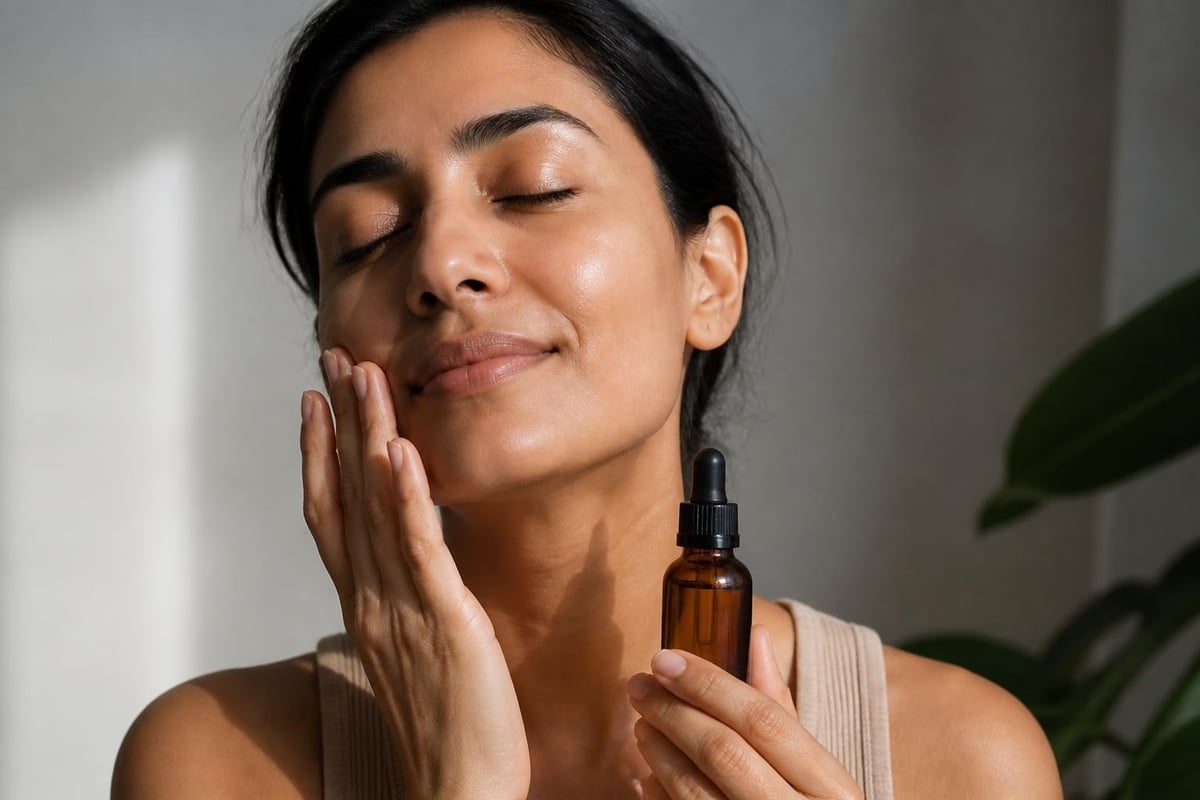
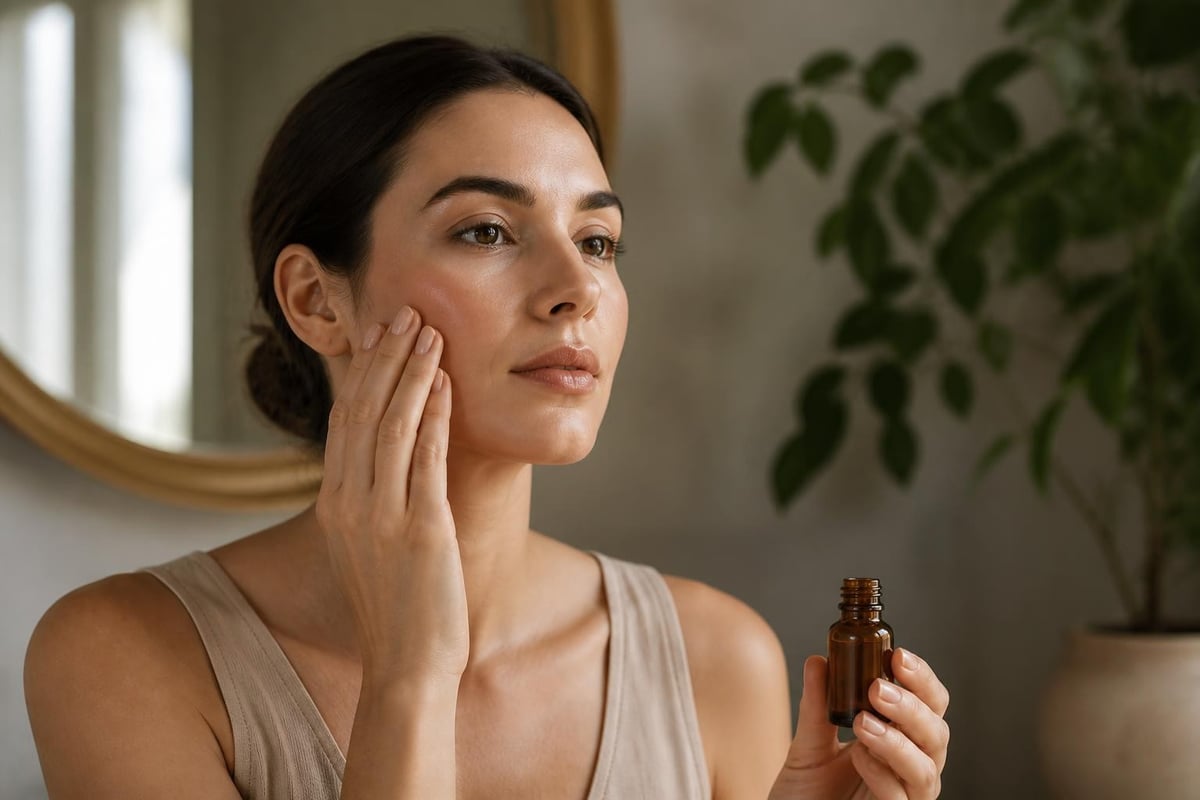
Rather than rubbing oil into your face, use gentle pressing motions. Warm 3-5 drops between your palms, then press them onto your face and neck. This technique promotes absorption without stretching delicate facial skin.
Pat the oil into areas needing extra attention: around eyes, between brows, along the jawline. These zones often show aging first and benefit from concentrated nourishment.
Mixing Custom Blends
Creating your own facial oil blend lets you target multiple concerns simultaneously. Start with a base oil (70-80% of the mixture), add treatment oils (15-25%), and finish with a few drops of essential oils if desired for fragrance.
Popular base combinations include:
- Jojoba + rosehip for balanced hydration
- Squalane + marula for lightweight moisture
- Argan + sea buckthorn for intensive repair
Expert recommendations suggest introducing one new oil at a time to monitor how your skin responds before creating complex blends.
Debunking Common Myths About Facial Oils
Despite growing popularity, misconceptions about facial oils for skin persist. Let's separate fact from fiction so you can make confident choices about incorporating these products into your routine.
Myth: All Oils Clog Pores
The comedogenic rating system ranks oils from 0 (won't clog pores) to 5 (highly likely to clog). Many beneficial facial oils score 0-2, making them safe even for acne-prone skin.
Non-comedogenic champions:
- Argan oil (0)
- Rosehip oil (1)
- Jojoba oil (2)
- Grapeseed oil (1)
Coconut oil, despite its popularity, rates a 4, making it problematic for many facial applications. Common misconceptions about oils often stem from not distinguishing between different oil types and their unique properties.
Myth: Oils Make Skin Greasier
When chosen correctly for your skin type, facial oils actually help regulate sebum production. The feedback loop works like this: harsh cleansers strip natural oils, skin panics and overproduces sebum, you look shinier and repeat the cycle.
Breaking this pattern requires gentle cleansing combined with lightweight facial oils that signal sufficiency to your sebaceous glands. Within 2-4 weeks, most people notice reduced oiliness and better balance.
Myth: You Don't Need Moisturizer With Oil
While oils provide excellent emollient properties, they don't contain the humectants found in traditional moisturizers. Humectants draw water into skin, while oils seal it in. For optimal hydration, most skin types benefit from both.
The exception? Very oily skin often finds that facial oils alone provide sufficient moisture without the heaviness of cream moisturizers. As always, your individual skin response should guide your choices.
Seasonal Adjustments for Optimal Results
Your skin's needs change throughout the year, and your facial oil routine should adapt accordingly. Temperature, humidity, and indoor heating all impact how your skin behaves and what it requires.
Winter Skincare Strategy
Cold weather and indoor heating create the perfect storm for moisture loss. Switch to richer, more protective oils during winter months:
- Increase application frequency to twice daily
- Layer heavier oils like avocado or borage
- Add facial oil to night cream for extra protection
- Use oil-based cleansers to prevent stripping
Summer Adjustments
Hot, humid weather calls for lighter formulations that won't feel heavy or contribute to breakouts. Many people choose different face oils for different seasons to maintain optimal skin health year-round.
Summer strategies include:
- Switch to squalane or rosehip for lightweight hydration
- Apply oil only at night if skin feels greasy during the day
- Use less product (2-3 drops instead of 4-5)
- Focus application on dry areas rather than entire face
Advanced Uses Beyond Basic Moisturizing
Facial oils for skin offer versatility that extends far beyond simple hydration. These multi-tasking products can replace multiple items in your beauty arsenal, simplifying routines while enhancing results.
As a Makeup Primer
A single drop of lightweight facial oil creates a smooth, hydrated canvas for makeup application. Mix it with your foundation for a dewy, natural finish that lasts all day without the cakey appearance of traditional primers.
This technique works especially well for mature skin, where makeup can settle into fine lines. The oil fills these micro-crevices, creating a flawless surface for cosmetics.
For Facial Massage and Gua Sha
Quality facial oils provide the perfect slip for massage techniques and gua sha tools. Regular facial massage promotes lymphatic drainage, reduces puffiness, and enhances product absorption through increased circulation.
The ritual also provides stress relief and promotes relaxation, addressing the mind-body connection to skin health. Embracing holistic skincare approaches recognizes that beauty extends beyond surface-level treatments.
Targeted Treatment Applications
Use facial oils as spot treatments for specific concerns:
| Concern | Application Method | Best Oil Choice |
|---|---|---|
| Dark circles | Gentle pat under eyes | Vitamin K-rich oils |
| Blemishes | Single drop on spot | Tea tree blend |
| Dry patches | Thick layer overnight | Avocado or borage |
| Fine lines | Press into creases | Rosehip or argan |
Quality Indicators When Selecting Products
Not all facial oils deliver equal results. Understanding quality markers helps you invest in products that actually work rather than wasting money on inferior formulations.
Cold-Pressed vs. Heat-Extracted
Cold-pressed oils retain more nutrients because heat processing can degrade sensitive vitamins and antioxidants. While more expensive, cold-pressed options provide superior therapeutic benefits.
Look for labels stating "cold-pressed," "expeller-pressed," or "virgin" to ensure you're getting minimally processed oils with intact beneficial compounds.
Organic and Ethical Sourcing
Plants grown without pesticides produce cleaner oils free from harmful residues. Organic certification ensures the entire production chain meets strict standards. This particularly matters for facial products, as your face has thinner, more permeable skin than most body areas.
Understanding natural skincare philosophy helps you appreciate why ingredient sourcing impacts both effectiveness and safety.
Packaging and Preservation
Dark glass bottles protect oils from light degradation, which breaks down beneficial compounds and can cause rancidity. Avoid clear plastic packaging for premium facial oils.
Pump or dropper dispensers minimize air exposure compared to jar packaging. Each time you open a jar, oxygen enters and begins oxidizing the oil, reducing its shelf life and effectiveness.
Building a Long-Term Routine With Facial Oils
Consistency delivers the most dramatic results with facial oils for skin. Rather than expecting overnight miracles, commit to a sustainable routine that becomes second nature.
The First 30 Days
During the initial month, your skin adjusts to the new routine. You might experience a brief "purging" period as oils help clear congested pores. This is normal and typically resolves within 2-3 weeks.
Track your progress by taking weekly photos in consistent lighting. Subtle improvements in texture, tone, and hydration become obvious when you compare images over time.
Creating Sustainable Habits
Integrate facial oil application into existing routines to ensure consistency:
- Keep oil on your bathroom counter as a visual reminder
- Apply immediately after brushing teeth
- Set a phone reminder for evening application
- Travel with smaller bottles to maintain routine away from home
When to Adjust Your Approach
Listen to your skin's feedback. If you experience persistent irritation, breakouts, or excessive greasiness after 4-6 weeks, reassess your oil choice or application amount.
Skin changes over time due to aging, hormones, stress, and environmental factors. What works perfectly now might need adjustment in six months or a year. Flexibility ensures your routine continues delivering results as your needs evolve.
Combining Facial Oils With Other Treatments
Facial oils for skin complement most skincare treatments, but timing and compatibility matter. Understanding interactions prevents wasted product and maximizes the benefits of your entire routine.
With Active Ingredients
Retinoids, vitamin C, and AHAs/BHAs work synergistically with facial oils when layered correctly. Apply water-based actives first, wait 5-10 minutes for absorption, then seal with facial oil.
The oil layer reduces potential irritation from strong actives while ensuring they penetrate effectively. This technique lets you use powerful ingredients without the redness and peeling that sometimes accompanies them.
With Professional Treatments
Post-procedure skin needs gentle, nourishing care. After chemical peels, microneedling, or laser treatments, facial oils provide healing support without the potentially irritating preservatives found in many conventional products.
Consult your esthetician about which oils suit your specific treatment. Generally, anti-inflammatory options like calendula or chamomile work well during recovery periods.
With Sheet Masks and Treatments
Layer facial oil over sheet masks to seal in the serum and prevent evaporation. This intensifies the treatment's effects and ensures maximum absorption of active ingredients.
You can also add 2-3 drops of facial oil directly onto a dry sheet mask before application. The mask absorbs the oil, creating a custom treatment tailored to your needs.
Transforming your complexion with facial oils for skin requires choosing quality formulations suited to your unique needs and applying them consistently with proper technique. These concentrated botanical treatments work in harmony with your skin's natural processes, delivering nutrients, protection, and deep hydration that conventional products often can't match. When you're ready to experience the remarkable benefits of truly natural skincare, Sinusoothe Ltd offers thoughtfully crafted products that honor both your skin's needs and the planet's wellbeing.