
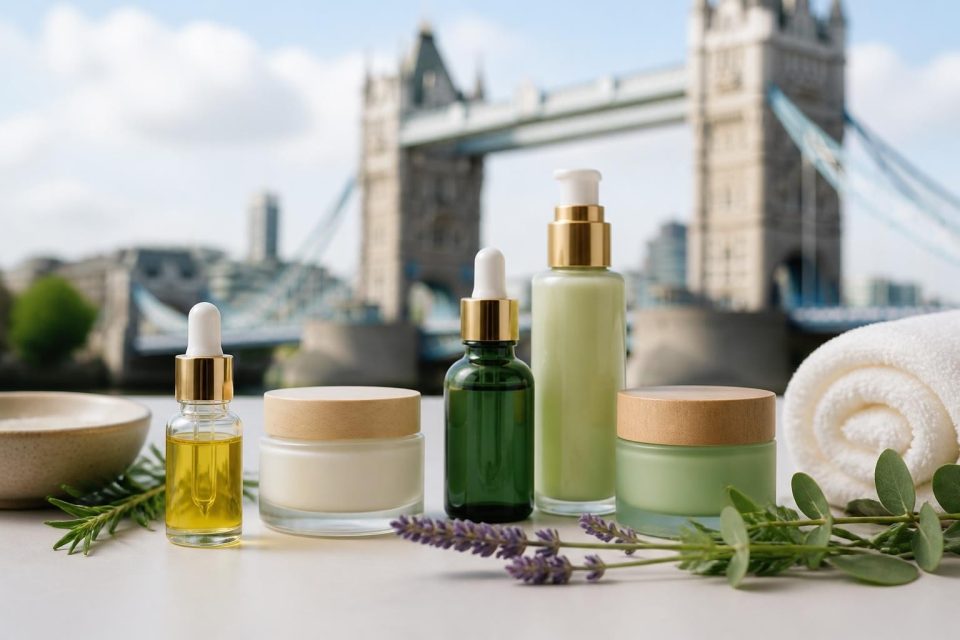
The British Isles have cultivated a reputation for excellence in beauty formulations that stretches back centuries. Today's skincare from UK manufacturers represents a sophisticated blend of traditional herbal wisdom and cutting-edge scientific research. With the UK skincare market reaching £3.8 billion in 2026, British brands have solidified their position as global leaders in premium beauty solutions that prioritize both efficacy and natural ingredients.
The British Skincare Renaissance
The skincare industry in the United Kingdom has experienced remarkable transformation over the past decade. What once centered primarily on department store counters has evolved into a diverse ecosystem encompassing everything from heritage brands to innovative startups focused on clean beauty formulations.
British consumers have become increasingly discerning about what they apply to their skin. This shift has created unprecedented demand for transparency in ingredient sourcing, manufacturing processes, and environmental impact. Skincare from UK producers responds to these expectations by emphasizing traceability and ethical production methods.
Why UK Formulations Stand Apart
Several factors distinguish British skincare in the global marketplace:
- Stringent regulatory standards that exceed many international requirements
- Climate-adapted formulations designed for temperate weather conditions
- Heritage botanical knowledge passed down through generations
- Investment in dermatological research at leading universities
- Commitment to sustainable packaging and carbon-neutral production
The combination creates products that deliver visible results while aligning with contemporary values around wellness and environmental stewardship.
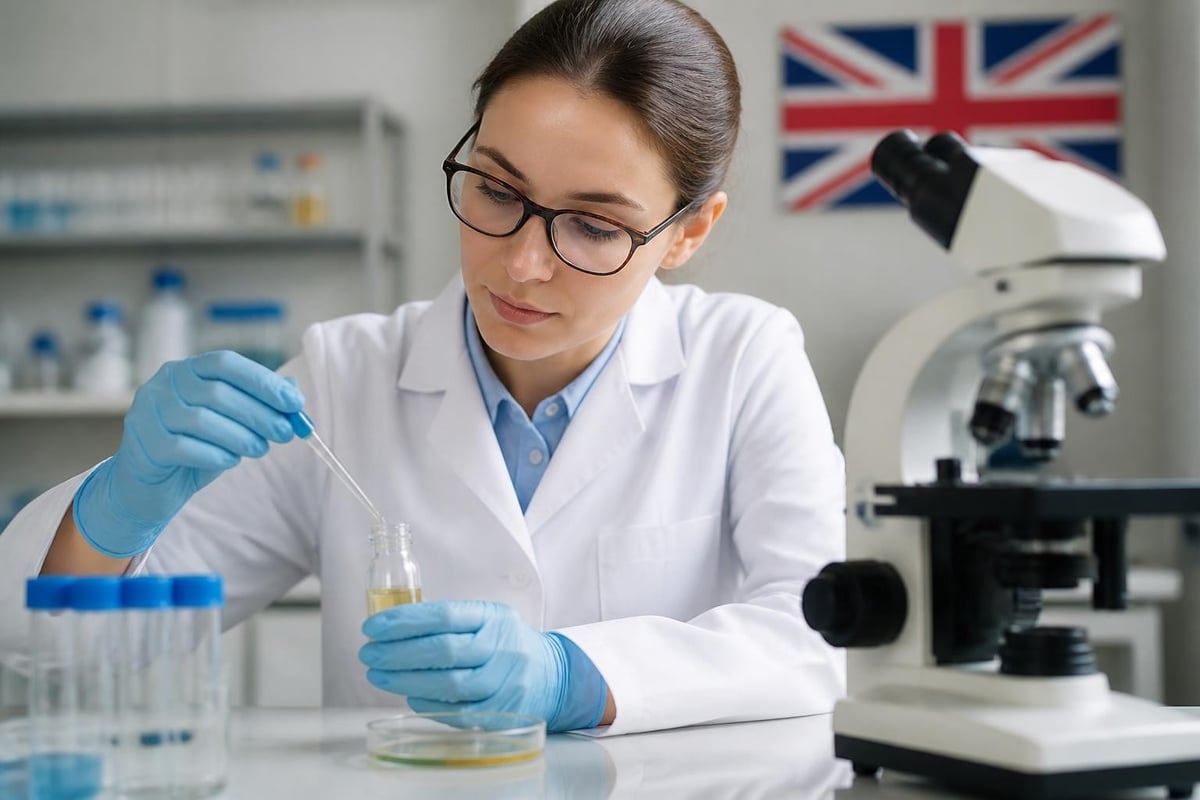
Premium Natural Ingredients Define British Beauty
The resurgence of interest in natural skincare has positioned UK brands at the forefront of botanical innovation. British formulations frequently incorporate indigenous plants with proven therapeutic properties, creating effective alternatives to synthetic ingredients.
Native Botanicals in Modern Formulations
| Ingredient | Traditional Use | Modern Application |
|---|---|---|
| Calendula | Wound healing | Anti-inflammatory creams |
| Chamomile | Skin soothing | Sensitive skin treatments |
| Rose hip | Vitamin C source | Anti-aging serums |
| Sea buckthorn | Skin repair | Barrier restoration |
| Lavender | Calming agent | Balancing toners |
These ingredients appear throughout natural skincare products that honor traditional remedies while meeting contemporary safety and efficacy standards. The scientific validation of ancestral knowledge has created formulations that bridge past and present.
Skincare from UK manufacturers often highlights regional sourcing stories. Products featuring Scottish heather, Welsh spring water, or English rose extracts create authentic narratives that resonate with consumers seeking genuine connections to place and tradition.
Market Dynamics Shaping British Skincare
Understanding consumer behavior provides insight into why certain product categories thrive in the UK market. The comprehensive analysis of facial skincare trends reveals fascinating patterns in purchasing decisions and brand loyalty.
Consumer Preferences Drive Innovation
British shoppers demonstrate particular enthusiasm for multifunctional products that streamline routines without compromising results. This preference has accelerated development of hybrid formulations combining multiple benefits in single applications.
The rise of "skinimalism" reflects desire for simplified routines featuring fewer, higher-quality products. Rather than elaborate ten-step regimens, UK consumers increasingly favor targeted solutions addressing specific concerns:
- Barrier repair treatments for stressed urban skin
- Microbiome-supporting formulations promoting skin health
- Climate-adaptive products responding to environmental changes
- Sleep-optimized overnight treatments maximizing restoration
- Digital detox solutions combating screen-time effects
This evolution toward purposeful simplicity has benefited brands emphasizing ingredient quality over marketing hyperbole. Consumers research formulations extensively before purchasing, creating demand for education-focused marketing that explains how products work rather than simply promising miracles.
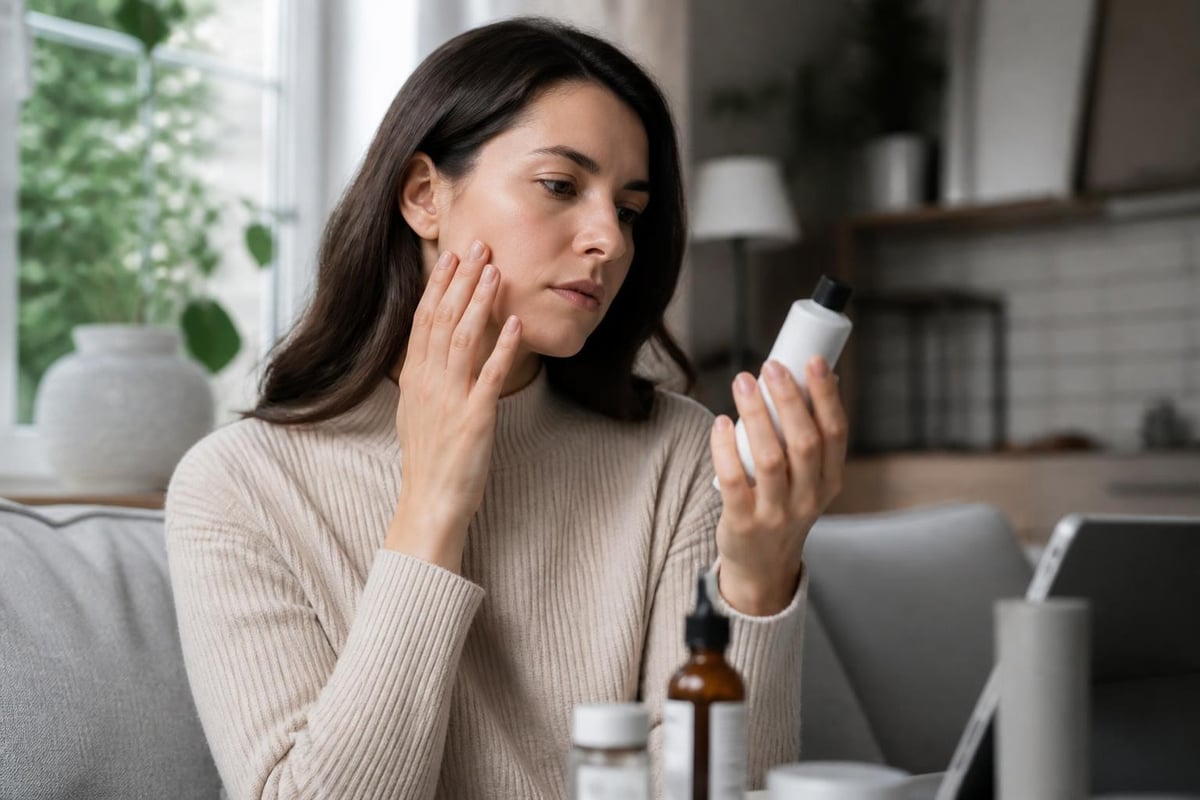
Cross-Cultural Influences Enriching UK Skincare
British beauty has never existed in isolation. The growing popularity of Korean beauty products at Boots demonstrates UK consumers' willingness to embrace international innovations while maintaining preference for domestic brands that deliver comparable benefits.
Global Trends Meet British Sensibilities
Skincare from UK companies increasingly incorporates techniques and ingredients from diverse traditions. Japanese minimalism, French pharmacy elegance, and Scandinavian simplicity all influence British product development while retaining distinctive local character.
This cultural exchange works both ways. British brands export their heritage of gentle formulations and botanical expertise to international markets where consumers associate UK skincare with quality, safety, and effectiveness.
The fusion creates exciting hybrid products. You might find Japanese fermentation technology applied to British rose extracts, or French thermal water principles adapted using Welsh spring sources. These innovations respect traditional wisdom while pushing boundaries of what natural skincare can achieve.
Addressing Specific Skin Concerns
British skincare excels at targeted treatments for common conditions affecting diverse populations. The temperate climate and urban pollution create particular challenges that UK formulations address effectively.
Specialized Treatment Categories
For those dealing with persistent skin issues, specialized products provide relief without harsh synthetic ingredients:
Acne and blemish-prone skin benefits from formulations at dedicated acne treatments that balance oil production while maintaining barrier integrity. Tea tree, willow bark, and zinc emerge as favorite natural alternatives to aggressive chemical treatments.
Sensitive and reactive skin requires gentle approaches found in bath and facial oils formulated without common irritants. British brands excel at identifying and eliminating potential sensitizers while preserving product efficacy.
Mature skin concerns receive attention through specialized day creams addressing hormonal changes and environmental damage accumulated over decades. These products recognize that aging skin requires different support than younger complexions.
| Concern | Preferred Ingredients | Application Frequency |
|---|---|---|
| Dryness | Shea butter, squalane | Twice daily |
| Dullness | Vitamin C, AHAs | Once daily |
| Redness | Niacinamide, azelaic acid | Twice daily |
| Fine lines | Retinol, peptides | Evening only |
The Science Behind Effective Formulations
British universities and research institutions contribute significantly to skincare innovation. This academic foundation ensures skincare from UK laboratories reflects current scientific understanding rather than marketing trends.
Evidence-Based Product Development
Clinical testing has become standard practice among reputable British brands. Rather than relying on anecdotal evidence or historical use alone, contemporary formulations undergo rigorous evaluation measuring:
- Transepidermal water loss reduction
- Stratum corneum hydration improvement
- Inflammatory marker modulation
- Collagen synthesis stimulation
- Antioxidant capacity enhancement
This scientific rigor builds consumer confidence. When products claim to improve skin barrier function or reduce inflammation, testing data supports those assertions. The approach separates effective solutions from expensive placebos.
Research into infant skincare practices demonstrates the thoroughness British healthcare applies even to the gentlest formulations. Standards developed for vulnerable populations inform adult products, ensuring safety across demographics.
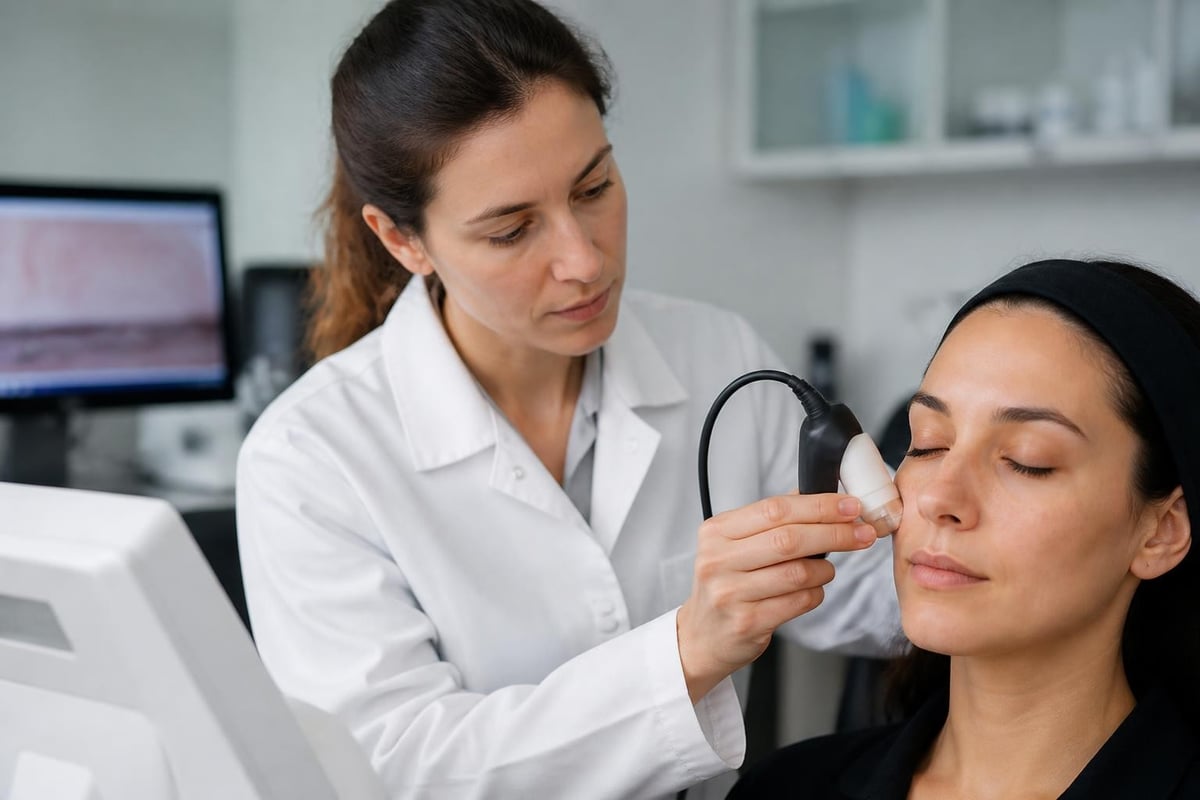
Sustainable Beauty Practices
Environmental consciousness shapes every aspect of modern skincare from UK producers. From ingredient sourcing through packaging disposal, British brands increasingly embrace circular economy principles.
Green Innovation in Action
Progressive companies have implemented comprehensive sustainability programs:
- Refillable packaging systems reducing single-use waste
- Waterless formulations conserving precious resources
- Biodegradable ingredients minimizing environmental impact
- Carbon-neutral shipping offsetting distribution emissions
- Recycled materials for containers and outer packaging
These initiatives extend beyond superficial greenwashing. Third-party certifications verify claims, and transparent reporting allows consumers to evaluate genuine commitment versus marketing positioning.
The broader UK beauty industry statistics reveal sustainability as a key differentiator. Brands demonstrating authentic environmental stewardship capture growing market segments willing to pay premium prices for products aligning with personal values.
Price Points and Value Propositions
British skincare spans impressive price ranges, from affordable pharmacy brands to ultra-luxury offerings. Understanding what justifies different price points helps consumers make informed choices.
Investment Versus Expense
Higher prices don't automatically indicate superior quality, but several factors legitimately increase product costs:
Ingredient concentration matters significantly. A serum containing 15% vitamin C derivative costs more to produce than one with 2%, regardless of marketing claims. Reputable British brands clearly state active ingredient percentages, allowing comparison shopping.
Manufacturing complexity affects pricing. Cold-processing to preserve delicate botanicals, small-batch production ensuring freshness, and extensive stability testing all increase costs that premium brands pass to consumers.
Ethical sourcing commands higher prices when brands pay fair wages to ingredient harvesters, support sustainable farming practices, and maintain supply chain transparency. These investments create quality products while supporting communities.
Navigating Product Selection
With countless options available, choosing appropriate skincare from UK brands can feel overwhelming. Strategic approaches simplify the process.
Building Your Perfect Routine
Start by honestly assessing your skin type and primary concerns. Oily skin experiencing breakouts requires different formulations than dry, mature skin showing fine lines. Many excellent products won't suit your specific needs despite popularity or positive reviews.
Consider these steps when building routines:
- Identify non-negotiables addressing your primary concern
- Choose versatile multi-purpose products for efficiency
- Test one new product at a time to identify sensitivities
- Allow adequate trial periods before judging effectiveness
- Adjust seasonally as environmental conditions change
Beauty bundles offer economical ways to sample coordinated product lines designed to work synergistically. These curated collections remove guesswork while providing cost savings versus individual purchases.
Regional Manufacturing Excellence
Different UK regions have developed particular expertise in skincare production. Scotland's clean water sources support purity-focused brands. Welsh valleys provide botanical diversity. English laboratories push scientific boundaries.
Geographic Advantages
The diversity creates healthy competition driving innovation across regions. Brands leverage local resources while incorporating ingredients and knowledge from across Britain and beyond.
Skincare from UK facilities benefits from concentrated expertise. When manufacturing clusters develop, they attract skilled formulators, quality ingredient suppliers, and specialized packaging providers. This ecosystem supports both established companies and innovative startups.
The Future of British Beauty
Emerging technologies and changing consumer expectations will shape the next generation of UK skincare. Several trends appear poised for significant growth through 2027 and beyond.
Innovation Horizons
Personalization through AI-powered skin analysis and custom formulation will expand beyond luxury into mainstream markets. British brands develop technology platforms allowing consumers to receive products tailored to individual biology rather than broad categories.
Biotechnology applications will increase as fermentation and cellular agriculture mature. Lab-grown ingredients may provide sustainable alternatives to harvested botanicals while maintaining or improving efficacy.
Microbiome science continues revealing how skin's bacterial communities influence appearance and health. Market research forecasts suggest prebiotic and probiotic formulations will command growing market share.
Expert Recommendations for Results
Dermatologists and aestheticians emphasize that even premium skincare from UK laboratories requires proper application for optimal results. Technique matters as much as formulation.
Maximizing Product Performance
Apply products to slightly damp skin for better absorption. The moisture helps active ingredients penetrate effectively rather than sitting on the surface. This simple adjustment significantly improves efficacy across product categories.
Layer from thinnest to thickest consistency. Water-based serums before oil-based treatments ensures each product reaches skin without barrier interference. This sequencing allows multiple active ingredients to work synergistically.
Wait 60 seconds between layers, especially when using active ingredients like retinol or vitamin C. This patience allows products to absorb properly rather than diluting or neutralizing each other through immediate mixing.
For dull and lacklustre skin concerns, incorporating weekly exfoliation removes dead cells that prevent product penetration. Chemical exfoliants like AHAs and BHAs often deliver superior results compared to physical scrubs.
Understanding Ingredient Lists
British regulation requires comprehensive ingredient disclosure, but decoding these lists challenges even educated consumers. Learning to read formulations empowers better decision-making.
Decoding Product Labels
Ingredients appear in descending concentration order. The first five typically constitute the bulk of formulation, so focus attention there when evaluating products. If beneficial botanicals appear near the list's end, they exist in minimal concentrations unlikely to provide significant benefits.
Watch for different names describing identical ingredients. Retinol might appear as retinyl palmitate, vitamin C as ascorbic acid or magnesium ascorbyl phosphate. Understanding these variations prevents paying premium prices for standard ingredients marketed under exotic names.
Preservatives serve essential functions preventing contamination and extending shelf life. Natural skincare from UK producers uses preservation systems like potassium sorbate, sodium benzoate, or natural alternatives rather than controversial parabens, though even these serve legitimate purposes when used at appropriate concentrations.
British skincare represents a sophisticated fusion of traditional botanical wisdom, cutting-edge scientific research, and contemporary sustainability values. The industry's commitment to quality ingredients, rigorous testing, and ethical production has established UK brands as global leaders in natural beauty solutions. Whether you're addressing specific skin concerns or seeking preventative care, the diversity of skincare from UK manufacturers offers formulations suitable for every need and budget. Discover how Sinusoothe Ltd brings this heritage of excellence to life through thoughtfully crafted natural skincare products designed to nourish, protect, and restore your skin's natural radiance.