
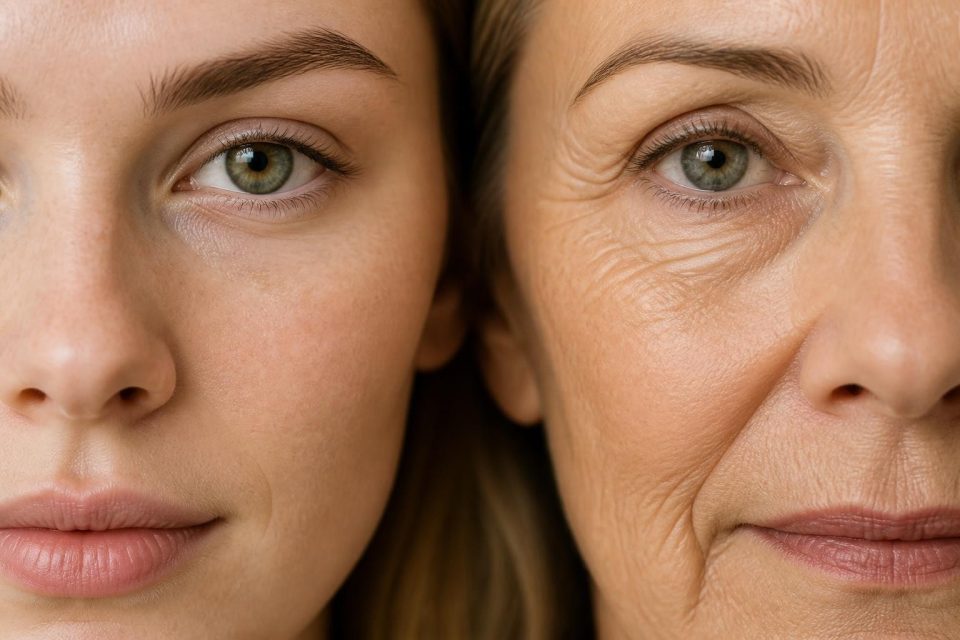
Your skin tells the story of your life-every smile, every sunny afternoon, every late night. As we age, our skin changes in remarkable ways, becoming what dermatologists call mature skin. But here's the exciting part: understanding these changes empowers you to nurture your skin better than ever before. Whether you're noticing your first fine lines or you've been embracing the aging process for years, the right knowledge and natural skincare approach can transform how your skin looks and feels. Ready to unlock the secrets of radiant, healthy skin at any stage of life?
Understanding What Happens to Mature Skin
The term "mature skin" typically refers to skin over 40, though everyone's aging journey is unique. Your skin doesn't suddenly flip a switch on your birthday, but gradual changes accumulate over time.
Think about what's happening beneath the surface. Collagen production drops by about 1% each year after age 20, meaning by age 50, you've lost roughly 30% of your skin's structural support. Elastin fibers break down, cell turnover slows from every 28 days to 45-60 days, and oil glands become less active.
The Science Behind Skin Maturation
Research shows that mature skin undergoes distinct changes in its structure and composition that affect how it functions. These aren't just cosmetic concerns-they represent fundamental shifts in your skin's biology.
Your skin's moisture barrier weakens over time, making it harder to retain hydration. Blood vessels become more fragile, leading to easier bruising and slower healing. Sun damage from decades past starts showing up as hyperpigmentation, often called age spots or sun spots.
But here's what many people don't realize: external factors often accelerate these changes more than genetics. UV exposure, pollution, smoking, stress, and poor nutrition can make skin age faster than your chronological years suggest.
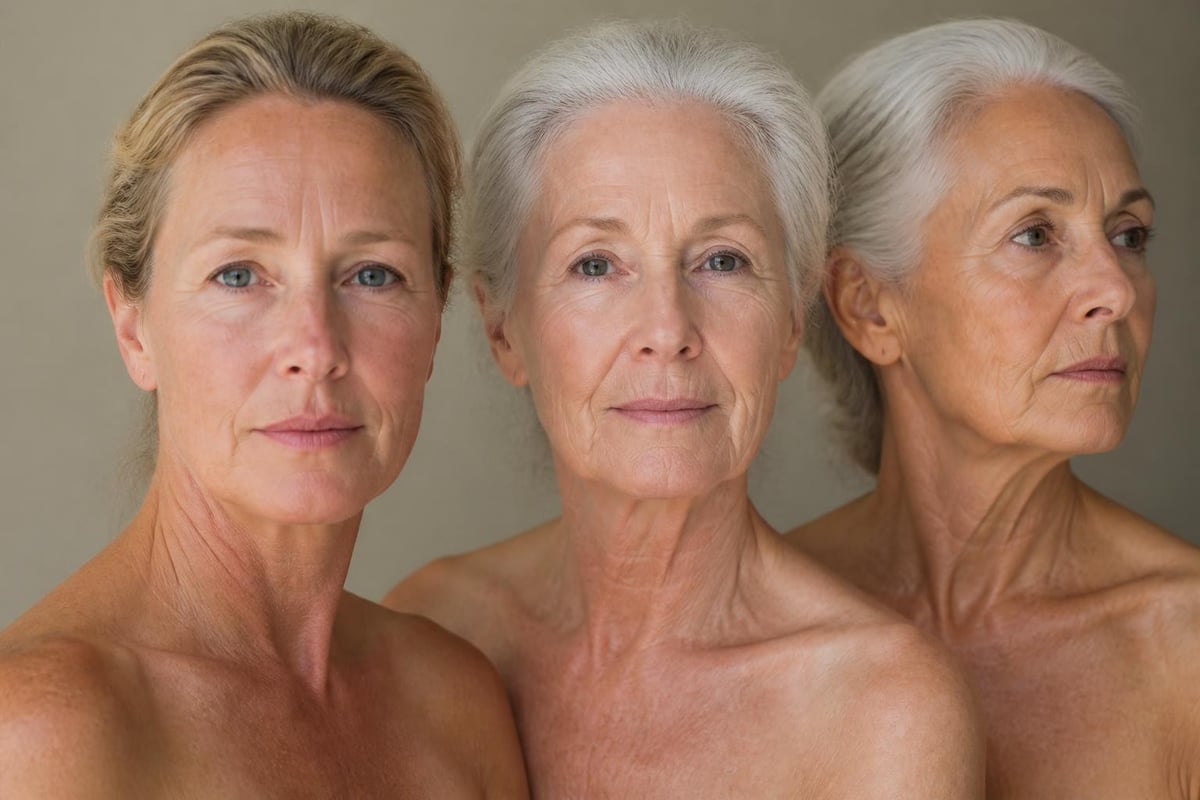
Building Your Mature Skin Care Routine
Caring for mature skin requires a different approach than the routines that worked in your twenties and thirties. The good news? You don't need complicated 12-step routines or harsh treatments.
Morning Protection Protocol
Start your day with these essential steps:
- Gentle cleansing with a cream-based or oil-based cleanser
- Hydrating toner to prep skin for better absorption
- Antioxidant serum to protect against environmental damage
- Moisturizer rich in nourishing ingredients
- SPF 30 or higher every single day (even indoors)
Never skip sunscreen. This single step prevents more aging than any other product in your arsenal. UV damage causes up to 90% of visible aging signs, so daily protection is non-negotiable.
Evening Repair Routine
Your nighttime routine focuses on repair and regeneration:
- Double cleanse to remove sunscreen and accumulated debris
- Apply targeted treatments for specific concerns
- Use richer moisturizers to support overnight barrier repair
- Consider natural oils to seal in moisture
The beauty of evening routines? Your skin's repair mechanisms work hardest between 10 PM and 2 AM, making this the perfect time for active ingredients to work their magic.
Ingredients That Transform Mature Skin
Not all skincare ingredients are created equal, especially when addressing the needs of aging skin. Some deliver dramatic results, while others waste your money with empty promises.
Powerhouse Active Ingredients
When choosing products for mature skin, certain active ingredients stand out for their proven effectiveness in addressing signs of aging.
| Ingredient | Primary Benefit | Best For |
|---|---|---|
| Retinol | Boosts collagen, accelerates cell turnover | Fine lines, texture |
| Vitamin C | Brightens, protects, firms | Hyperpigmentation, dullness |
| Hyaluronic Acid | Holds 1000x its weight in water | Deep hydration, plumping |
| Peptides | Signals skin to produce collagen | Loss of firmness, wrinkles |
| Niacinamide | Strengthens barrier, reduces inflammation | Sensitivity, redness |
Natural alternatives work beautifully too. Rosehip oil contains natural retinoids, while plant-based squalane mimics your skin's own oils perfectly. Sea buckthorn offers vitamin C without irritation, and bakuchiol provides retinol-like benefits with zero sensitivity.
What to Avoid
Some ingredients that worked in younger skin can now cause problems:
- Harsh sulfates that strip natural oils
- Alcohol-heavy toners that dehydrate
- Physical scrubs that cause micro-tears
- Heavily fragranced products that trigger sensitivity
Your skin’s barrier becomes more sensitive with age, requiring gentler formulations that still deliver results.
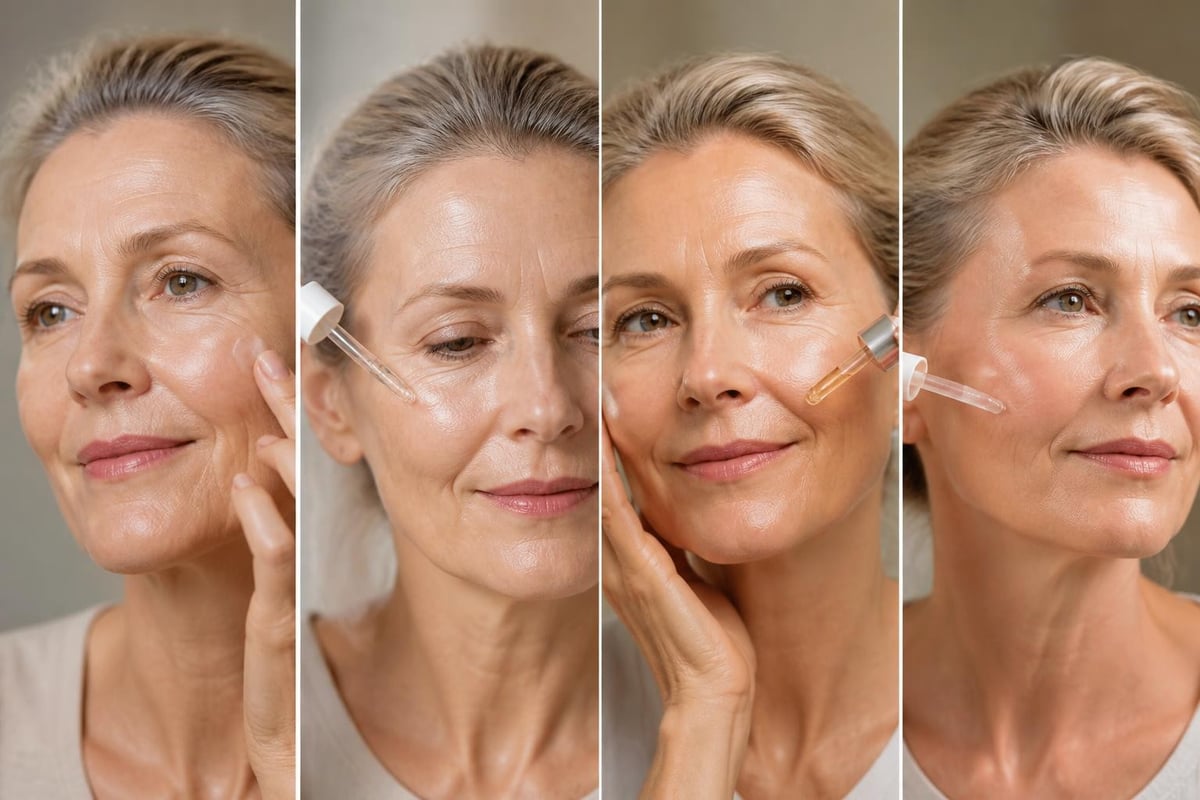
Addressing Specific Mature Skin Concerns
Everyone's skin ages differently, influenced by genetics, lifestyle, and environmental exposure. Understanding your specific concerns helps you choose the most effective solutions.
Dryness and Dehydration
This ranks as the number one complaint among people with mature skin. As oil production decreases and the moisture barrier weakens, skin feels tight, looks dull, and develops more visible fine lines.
Solutions that work:
- Layer hydrating products from thinnest to thickest
- Use humidifiers in dry environments
- Apply moisturizer to damp skin for better absorption
- Incorporate facial oils as the final step
- Drink adequate water throughout the day
The best moisturizers for mature skin over 40 contain combinations of humectants, emollients, and occlusives to address multiple hydration needs simultaneously.
Loss of Firmness and Elasticity
Sagging occurs when collagen and elastin break down faster than your body produces them. While you can't completely reverse gravity, you can significantly improve skin's resilience.
Consider these approaches:
- Facial massage to stimulate blood flow and lymphatic drainage
- Gua sha or jade rolling with upward motions
- Peptide serums that signal collagen production
- Regular exercise to maintain overall skin health
- Adequate protein intake to provide building blocks for collagen
Natural skincare enthusiasts often find success with plant-based solutions from trusted sources that work with your skin's natural processes rather than against them.
Hyperpigmentation and Uneven Tone
Years of sun exposure often manifest as dark spots, freckles, and uneven coloring. The good news? Mature skin responds beautifully to brightening treatments when approached correctly.
Effective strategies include:
- Daily SPF to prevent new damage
- Vitamin C serums to fade existing spots
- Gentle exfoliation to reveal brighter skin
- Niacinamide to regulate melanin production
- Patience-true change takes 8-12 weeks
The Natural Approach to Mature Skin
More people are turning to natural skincare solutions, driven by concerns about synthetic chemicals and a desire for gentle, sustainable products. This shift makes particular sense for mature skin, which often becomes more reactive over time.
Benefits of Natural Ingredients
Plant-based ingredients offer unique advantages:
- Biocompatibility with human skin chemistry
- Multiple active compounds working synergistically
- Lower irritation risk compared to synthetic alternatives
- Environmental sustainability that aligns with values
- Rich nutrient profiles beyond single-purpose actives
Take rosehip oil, for example. It doesn't just provide one benefit-it delivers vitamin A for cell turnover, vitamin C for brightening, essential fatty acids for barrier repair, and antioxidants for protection. One ingredient, multiple solutions.
Building a Natural Routine
Creating an effective natural routine for mature skin requires selecting ingredients backed by both traditional wisdom and modern research.
Morning essentials:
- Gentle cleansing with plant oils or cream cleansers
- Rose water or chamomile hydrosol for toning
- Vitamin C serum from natural sources
- Rich moisturizer with shea butter or cocoa butter
- Mineral-based SPF
Evening treatments:
- Oil cleansing to dissolve makeup and sunscreen
- Bakuchiol serum for retinol-like benefits
- Nourishing face oil blend
- Eye cream with caffeine from green tea
For those exploring natural skincare philosophies, remember that your skin absorbs what you apply, making ingredient quality paramount.
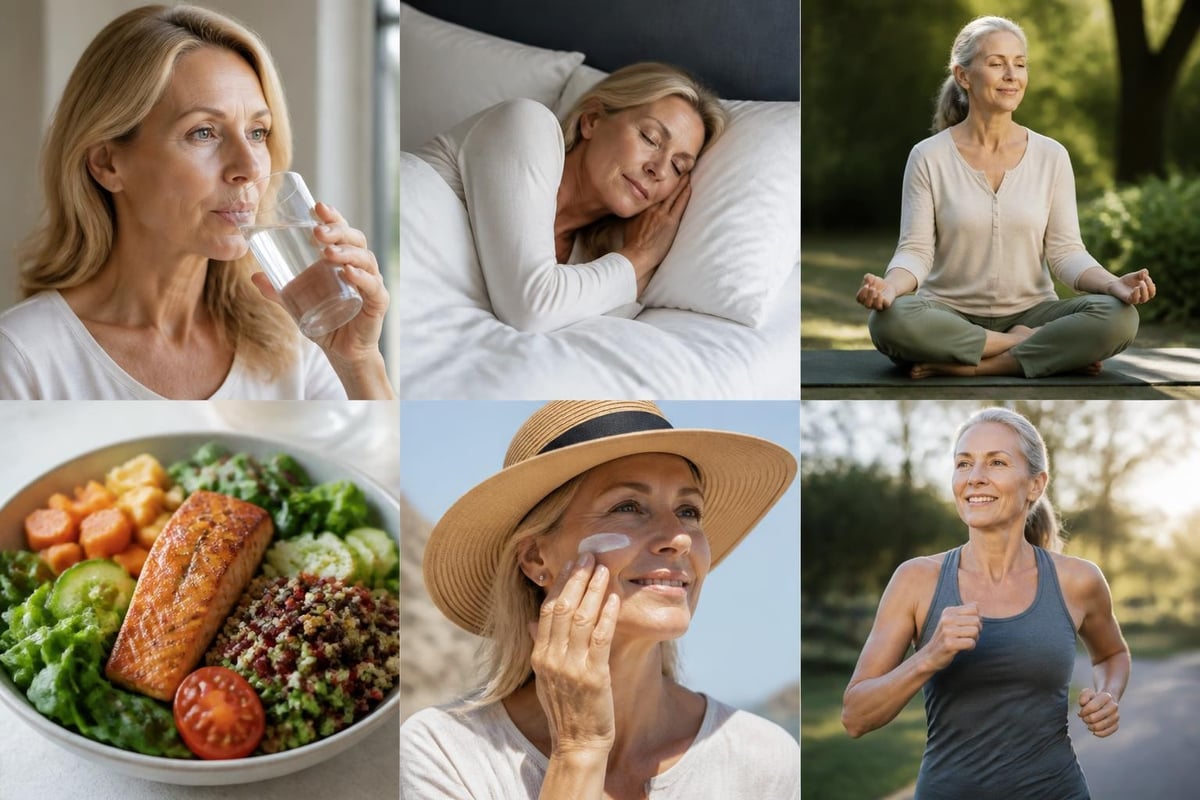
Lifestyle Factors That Impact Mature Skin
Skincare products matter enormously, but they're only part of the equation. Your daily habits either support or undermine your skin's health in profound ways.
Nutrition for Radiant Skin
What you eat literally becomes your skin. Within 28-60 days, the nutrients from your diet become the building blocks of new skin cells.
Prioritize these nutrients:
- Omega-3 fatty acids from wild salmon, flaxseeds, walnuts
- Antioxidants from colorful vegetables and berries
- Collagen-supporting vitamin C from citrus and leafy greens
- Zinc from pumpkin seeds and legumes
- Water for hydration from within
Limit sugar and processed foods, which trigger inflammation and accelerate aging through a process called glycation.
Sleep, Stress, and Skin Health
Your skin regenerates during sleep, making quality rest essential for a healthy complexion. Understanding mature skin characteristics includes recognizing how lifestyle factors compound over time.
Poor sleep leads to:
- Increased cortisol, breaking down collagen
- Reduced growth hormone, slowing repair
- Visible dark circles and puffiness
- Dull, sallow complexion
- Accelerated aging markers
Aim for 7-9 hours nightly, sleep on silk pillowcases to reduce friction, and keep your bedroom cool for optimal skin temperature.
Special Considerations for Makeup Application
Makeup on mature skin requires different techniques than what worked in your twenties. The wrong approach can settle into fine lines, emphasize texture, and actually make you look older.
Foundation and Base Products
Applying foundation on mature skin involves specific techniques that create a flawless, natural finish rather than a cakey appearance.
Key techniques:
- Hydrate skin thoroughly before makeup application
- Use illuminating primers to reflect light
- Choose liquid or cream foundations over powder
- Apply with damp sponges for seamless blending
- Set strategically, not all over
Less is genuinely more with mature skin. Heavy coverage settles into texture, while light coverage with strategic concealing creates a youthful, fresh appearance.
Enhancing Natural Features
Focus makeup where it enhances rather than masks:
| Area | Best Approach | Avoid |
|---|---|---|
| Eyes | Cream shadows in soft colors | Dark, matte shades in creases |
| Brows | Soft pencil or powder | Harsh lines, overfilling |
| Lips | Hydrating lipsticks, glosses | Matte formulas, dark liners |
| Cheeks | Cream blushes on apples | Heavy powder, low placement |
Remember that makeup works best on well-cared-for skin. Investing in quality skincare routines creates the perfect canvas for any makeup look.
Advanced Treatments Worth Considering
While a solid home routine forms your foundation, certain professional treatments can accelerate results for mature skin concerns that resist topical solutions.
Professional Options
Minimally invasive treatments gaining popularity include:
- LED light therapy for collagen stimulation
- Microneedling to trigger natural healing responses
- Chemical peels tailored to mature skin needs
- Facial acupuncture for improved circulation
- Professional facial massage techniques
Always choose licensed professionals experienced with mature skin. Your skin's increased sensitivity requires expertise and gentle approaches.
At-Home Devices
Technology has made professional-grade treatments accessible for home use:
- Microcurrent devices that tone facial muscles
- LED masks providing red light therapy
- Gentle ultrasonic cleansing brushes for thorough yet safe cleansing
- Derma rollers for controlled micro-needling (use cautiously)
- Facial steamers for deep cleansing and hydration
Start slowly with any new device and always follow manufacturer guidelines. Your mature skin deserves gentle, consistent care rather than aggressive treatments.
Embracing Your Skin's Evolution
The cultural narrative around aging is shifting. More people reject the idea that mature skin needs "fixing" and instead embrace the wisdom, character, and beauty that comes with lived experience.
Reframing the Conversation
Mature skin tells your story. Those laugh lines? Evidence of joy. Sun spots from beach vacations? Memories of adventures. The slight softening of jawline? Natural evolution that connects you to every human who's ever aged.
This doesn't mean abandoning skincare. Taking care of your skin shows self-respect and self-love. But it means releasing the pressure to look twenty when you're fifty, and instead focusing on being the healthiest, most radiant version of your current age.
Ways to celebrate your skin:
- Notice its resilience and healing capacity
- Appreciate how it protects you daily
- Honor the experiences it has witnessed
- Care for it as you would a dear friend
- Share your skincare wisdom with others
For those seeking to embrace natural beauty at every age, remember that authenticity and confidence radiate more powerfully than any product ever could.
The Long-Term Perspective
Skincare for mature skin isn't about reversing time-it's about supporting your skin's health so it can function optimally at every age. Expert-recommended serums for mature skin over 45 focus on nourishment, protection, and enhancement rather than transformation.
Think of your skincare routine as a daily act of self-care that compounds over time. Small, consistent actions create remarkable results when maintained for months and years.
Caring for mature skin successfully combines understanding your skin's changing needs with choosing gentle, effective solutions that support rather than fight natural aging. The journey to healthy, radiant skin at any age starts with knowledge, continues with consistent care, and flourishes with self-acceptance. When you're ready to explore natural skincare solutions specifically formulated for your skin's needs, discover how Sinusoothe Ltd combines time-honored botanical wisdom with modern understanding to nourish and protect mature skin beautifully.