
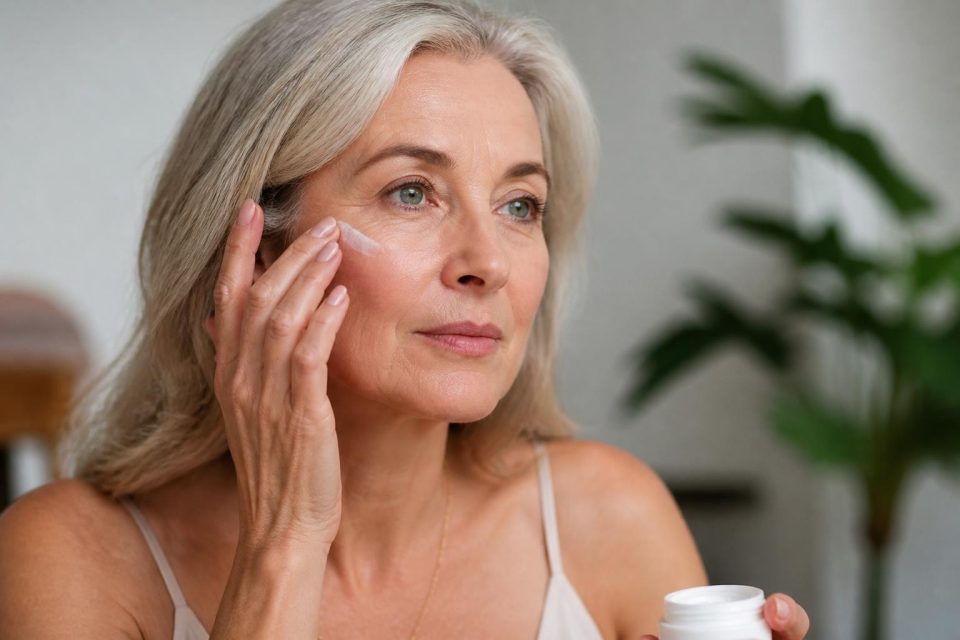
Finding the perfect face cream for mature skin feels like searching for the fountain of youth itself. As we journey through our 40s, 50s, and beyond, our skin tells a story of laughter, wisdom, and countless sun-kissed moments. But that story often comes with changing needs: reduced collagen production, thinner skin texture, and moisture that seems to evaporate faster than morning dew. The good news? Natural skincare formulations have evolved dramatically, offering targeted solutions that work with your skin's biology rather than against it. Whether you're noticing your first fine lines or you've been navigating mature skin for years, understanding what truly works can transform your skincare routine from frustrating to absolutely transformative.
Understanding What Mature Skin Really Needs
Mature skin operates on different rules than younger skin. After age 40, your skin produces approximately 1% less collagen each year, while natural oil production slows down considerably. This isn't just about vanity; it's about skin health and protection.
Your skin barrier becomes more vulnerable as years pass. Think of it like a well-loved leather jacket that needs more conditioning to stay supple and protected. The right face cream for mature skin doesn't just sit on the surface looking pretty. It penetrates deeply, delivering targeted ingredients that support your skin's natural repair mechanisms.
The Science Behind Skin Aging
Several factors accelerate skin aging beyond simple chronology:
- Collagen degradation occurs faster than new collagen synthesis
- Moisture retention decreases due to reduced hyaluronic acid production
- Cell turnover slows from approximately 28 days to 45-60 days
- Elastin fibers become fragmented and less functional
- Lipid barriers thin out, causing increased water loss
Environmental stressors compound these internal changes. UV exposure, pollution, and lifestyle factors create oxidative stress that damages cellular structures. This is why dermatologist-approved anti-aging creams focus heavily on antioxidant protection alongside hydration.

Essential Ingredients That Transform Mature Skin
Not all ingredients deliver equal results. Your face cream for mature skin should contain specific actives that address age-related concerns with scientific backing.
Powerhouse Natural Ingredients
Retinol and Retinoids
These vitamin A derivatives remain gold-standard ingredients for mature skin. They accelerate cell turnover, stimulate collagen production, and fade age spots. However, natural alternatives like bakuchiol offer similar benefits without irritation, making them perfect for sensitive mature skin.
Hyaluronic Acid
This moisture magnet holds up to 1000 times its weight in water. Multiple molecular weights work best: low molecular weight penetrates deeply while high molecular weight hydrates the surface layer. Look for formulations combining both for comprehensive hydration.
Peptides
These amino acid chains signal your skin to produce more collagen and elastin. Matrixyl 3000, Argireline, and copper peptides have demonstrated remarkable efficacy in clinical studies. They're like messengers telling your skin to act younger.
| Ingredient | Primary Benefit | Best For |
|---|---|---|
| Retinol | Cell turnover, collagen boost | Fine lines, texture |
| Hyaluronic Acid | Deep hydration | Dryness, plumpness |
| Vitamin C | Brightening, antioxidant | Dark spots, dullness |
| Niacinamide | Barrier repair, pore refinement | Uneven tone, texture |
| Ceramides | Moisture retention | Dryness, sensitivity |
| Peptides | Firming, lifting | Sagging, loss of elasticity |
Plant-Based Powerhouses
Natural doesn't mean weak. Many botanical ingredients rival synthetic compounds in effectiveness:
- Squalane mimics your skin's natural oils, providing weightless moisture
- Shea butter delivers fatty acids that repair damaged skin barriers
- Rosehip oil contains natural retinoids and essential fatty acids
- Green tea extract fights free radicals with powerful antioxidants
- Bakuchiol offers retinol-like benefits without sun sensitivity
Research published in dermatology journals shows that ingredients like squalane and shea butter excel at hydration and barrier repair, particularly for mature skin types.
Day Versus Night: Timing Your Face Cream Application
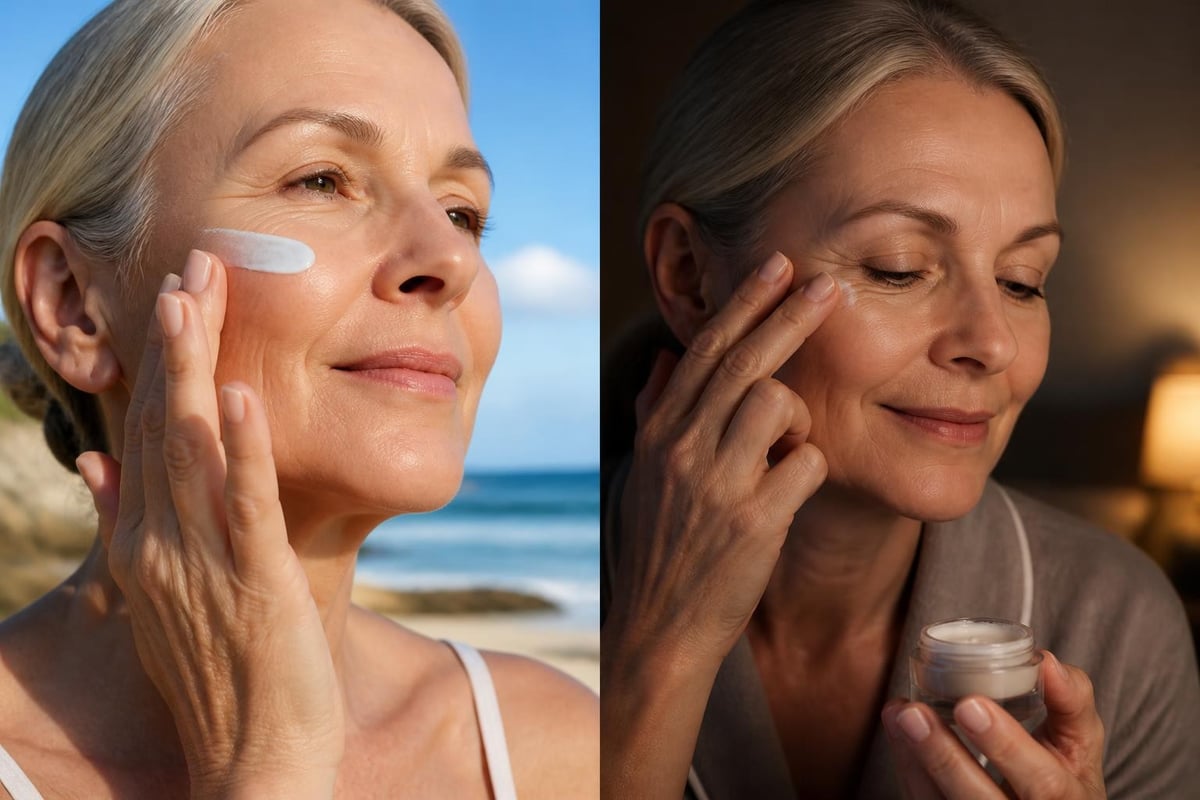
Your skin's needs shift dramatically between sunrise and sunset. Understanding these rhythms helps you maximize results from your face cream for mature skin.
Morning Formulation Priorities
Day creams protect and prepare. They should contain:
- SPF protection (minimum SPF 30) to prevent further photoaging
- Antioxidants like vitamin C to neutralize environmental damage
- Lightweight textures that layer well under makeup
- Mattifying agents for comfortable wear throughout the day
The Cleveland Clinic emphasizes that daytime protection is non-negotiable for preventing accelerated aging. Your morning routine sets the defensive tone for the entire day.
Nighttime Regeneration Strategy
Night creams work while you sleep, supporting your skin's natural repair cycle:
- Richer textures that don't need to wear well under makeup
- Active ingredients like retinol that increase sun sensitivity
- Intensive moisture to combat overnight water loss
- Regenerative peptides that work during peak cellular repair hours
Your skin's permeability increases at night, making it the ideal time for targeted treatments. This is when your face cream for mature skin can deliver transformative active ingredients without environmental interference.
Choosing Textures That Work With Aging Skin
Texture matters more than most people realize. The wrong consistency can leave mature skin feeling tight, greasy, or inadequately nourished.
Understanding Cream Consistencies
Lightweight Lotions
Best for combination or oily mature skin. These absorb quickly but may not provide enough richness for very dry areas. Perfect for humid climates or summer months.
Medium-Weight Creams
The Goldilocks option for most mature skin types. They balance absorption with nourishment, providing lasting hydration without heaviness. These work year-round for normal to dry skin.
Rich Balms and Ointments
Essential for extremely dry or winter-parched skin. While heavier, they create an occlusive barrier that prevents moisture loss overnight. Ideal for harsh climates or very dehydrated skin.
Application Techniques That Maximize Results
How you apply your face cream for mature skin matters almost as much as what's inside the jar:
- Always apply to damp skin (within 3 minutes of cleansing)
- Use upward, outward motions to support natural facial contours
- Don't forget your neck and décolletage (they age faster than your face)
- Tap gently around the delicate eye area rather than dragging
- Allow full absorption before layering additional products
Natural Versus Synthetic: Making Informed Choices
The natural skincare movement has revolutionized how we approach mature skin care. But does "natural" always mean better?
Benefits of Natural Formulations
Natural ingredients offer distinct advantages for sensitive mature skin:
- Fewer synthetic fragrances that can irritate thinning skin
- Plant-based compounds work synergistically with skin biology
- Lower risk of long-term accumulation of questionable chemicals
- Rich in antioxidants from whole-plant extracts
- Often more sustainable and environmentally conscious
However, natural doesn't automatically equal effective. The concentration, formulation stability, and ingredient quality matter enormously. A poorly formulated natural cream underperforms a well-designed synthetic alternative.
When Synthetics Excel
Some synthetic ingredients have no natural equivalent that performs as well:
| Need | Synthetic Option | Natural Alternative |
|---|---|---|
| Collagen boost | Prescription retinoids | Bakuchiol, rosehip oil |
| Deep hydration | Hyaluronic acid (lab-made) | Tremella mushroom extract |
| Sun protection | Chemical/mineral filters | Zinc oxide, titanium dioxide |
| Preservation | Synthetic preservatives | Vitamin E, rosemary extract |
The smartest approach? Hybrid formulations that combine the best of both worlds. Look for brands that use naturally-derived active ingredients with minimal, safe synthetic stabilizers for product efficacy.
Addressing Specific Mature Skin Concerns
Your face cream for mature skin should target your particular concerns, not just generic aging signs.
Deep Wrinkles and Loss of Volume
What's happening: Collagen and elastin networks collapse, creating pronounced lines and sagging.
What helps:
- Retinol or bakuchiol to stimulate new collagen
- Peptides that signal firming and lifting
- Hyaluronic acid to plump from within
- Plant stem cells that support cellular renewal
Hyperpigmentation and Age Spots
Sun damage accumulates over decades, finally surfacing as dark spots and uneven tone. Expert recommendations for mature skin consistently highlight vitamin C, niacinamide, and kojic acid as effective brightening agents.
Effective brightening ingredients include:
- Vitamin C (L-ascorbic acid) for spot fading and overall radiance
- Niacinamide to reduce melanin transfer to skin cells
- Licorice root extract for gentle, natural brightening
- Alpha arbutin derived from bearberry plants
Extreme Dryness and Sensitivity
Mature skin often becomes increasingly sensitive as the protective barrier weakens. This creates a frustrating cycle: dryness leads to irritation, which causes inflammation, which further damages the barrier.
Breaking this cycle requires:
- Ceramide-rich formulations that rebuild the lipid barrier
- Fragrance-free products to eliminate common irritants
- Occlusive ingredients like shea butter or squalane
- Anti-inflammatory botanicals such as chamomile or calendula
Building Your Complete Mature Skincare Routine
Your face cream for mature skin doesn't work in isolation. It's part of a comprehensive system that maximizes results while respecting your skin's unique needs.
The Essential Four-Step Framework
Step 1: Gentle Cleansing
Switch from foaming cleansers to cream or oil-based formulas. Mature skin can't afford the stripping effect of harsh surfactants. Cleanse once at night; in the morning, a simple water rinse or micellar water suffices.
Step 2: Targeted Treatments
This is where serums live. Apply water-based serums (vitamin C, hyaluronic acid) before your face cream, oil-based treatments (retinol, facial oils) after or mixed in.
Step 3: Face Cream Application
Your face cream for mature skin locks in everything underneath. Apply generously but not excessively. Your skin should feel comfortable, not suffocated.
Step 4: Eye Cream
The eye area has different needs than the rest of your face. It's thinner, more delicate, and shows aging first. Dedicated eye creams address puffiness, dark circles, and crow's feet.
Weekly Enhancement Treatments
Beyond daily care, weekly treatments amplify results:
- Exfoliating masks (enzymatic or gentle AHA) to remove dead cell buildup
- Hydrating sheet masks for intensive moisture infusion
- Facial massage to stimulate circulation and lymphatic drainage
- LED light therapy to boost collagen production naturally
Common Mistakes That Sabotage Results
Even the best face cream for mature skin can't overcome certain user errors. Avoiding these pitfalls ensures you get maximum value from your investment.
Over-Exfoliation Trap
More isn't better. Aggressive exfoliation damages your already-fragile skin barrier, leading to increased sensitivity, redness, and paradoxically more visible aging. Limit chemical exfoliation to 2-3 times weekly maximum.
Product Overload
Layering 10 different products doesn't multiply benefits; it multiplies the risk of irritation and ingredient interactions. Quality over quantity wins every time.
Inconsistent Application
Skincare requires patience and consistency. Results typically appear after 6-12 weeks of regular use. Switching products every few weeks prevents you from seeing true results and makes it impossible to identify what actually works.
Neglecting Sun Protection
This deserves repeating: no anti-aging routine works without daily SPF. UV exposure destroys collagen, creates hyperpigmentation, and accelerates every aging process. Even the best moisturizers for mature skin recommended by dermatologists emphasize sun protection as non-negotiable.
Reading Labels Like a Pro
Understanding ingredient lists empowers you to make informed choices about your face cream for mature skin.
Concentration Matters
Ingredients are listed in descending order by weight. If your "retinol cream" lists retinol after fragrance or preservatives, you're getting a negligible amount. Effective concentrations matter:
- Retinol: 0.25% to 1% (higher for experienced users)
- Vitamin C: 10% to 20% for effectiveness
- Niacinamide: 2% to 5% for optimal results
- Hyaluronic acid: 0.5% to 2% depending on molecular weight
Red Flag Ingredients for Mature Skin
Some ingredients do more harm than good:
- Denatured alcohol (high on the list) excessively dries
- Synthetic fragrances increase sensitivity risk
- Harsh sulfates strip protective oils
- Comedogenic oils (coconut, palm) can clog pores
Green Light Ingredients
Always welcome in mature skincare formulations:
| Ingredient Type | Examples | Primary Function |
|---|---|---|
| Humectants | Glycerin, hyaluronic acid, tremella | Attract moisture |
| Emollients | Squalane, jojoba, shea butter | Soften and smooth |
| Occlusives | Ceramides, plant waxes | Seal in moisture |
| Antioxidants | Vitamins C & E, green tea, resveratrol | Protect from damage |
| Active agents | Retinol, peptides, niacinamide | Target specific concerns |
Seasonal Adjustments for Year-Round Results
Your skin's needs fluctuate with weather changes. The perfect face cream for mature skin in July might feel inadequate come January.
Winter Survival Strategy
Cold air outside and dry heat inside create a moisture-zapping environment. Winter adjustments include:
- Switching to richer cream formulations
- Adding a facial oil as the final step
- Using a humidifier while sleeping
- Increasing hydrating serum layers
- Applying cream more frequently if needed
Summer Modifications
Heat and humidity change everything:
- Lighter, gel-cream textures prevent heaviness
- Increased SPF importance (reapply every 2 hours)
- Antioxidant serums combat increased UV exposure
- Oil-controlling ingredients if you get combination skin
- Refrigerating products for cooling, de-puffing benefits
Transition Seasons
Spring and fall require flexibility. Keep both lightweight and rich formulations on hand, adjusting based on daily conditions rather than calendar dates.
Professional Treatments That Complement Home Care
While your face cream for mature skin forms the foundation, professional treatments accelerate and enhance results.
Office Procedures Worth Considering
Microneedling
Creates controlled micro-injuries that trigger collagen production. Combined with growth factors or hyaluronic acid, it dramatically improves texture and firmness. Results appear gradually over 3-6 months.
Chemical Peels
Professional-strength peels remove damaged surface layers, revealing fresh skin underneath. They address hyperpigmentation, fine lines, and texture issues that topical creams can't fully resolve.
LED Light Therapy
Non-invasive light wavelengths stimulate cellular activity. Red light boosts collagen, while near-infrared penetrates deeper for comprehensive rejuvenation. Many see visible improvements after 8-12 sessions.
Radiofrequency Treatments
Heat energy tightens existing collagen and stimulates new production. Popular options like Thermage or Profound RF deliver noticeable lifting without surgery or significant downtime.
Maximizing Professional Investment
Professional treatments work best when:
- You maintain consistent home care between sessions
- You protect results with quality face cream for mature skin
- You follow post-treatment protocols exactly
- You maintain realistic expectations about timing and results
- You choose licensed, experienced practitioners
Budget-Friendly Strategies for Premium Results
Effective mature skincare doesn't require spending your retirement fund. Smart strategies deliver results without financial stress.
Investment Priorities
Allocate your budget strategically:
- Splurge on: Active treatment products (retinol, vitamin C serums, quality face cream for mature skin)
- Save on: Basic cleansers and toners
- Compromise on: Tools and accessories
- Never skimp on: SPF protection
Multi-Tasking Products
Look for formulations that address multiple concerns:
- Day cream with SPF 30+ (protection plus hydration)
- Tinted moisturizers (coverage, protection, moisture)
- Retinol + peptide combinations (collagen boost plus firmness)
- Vitamin C + E formulas (synergistic antioxidant protection)
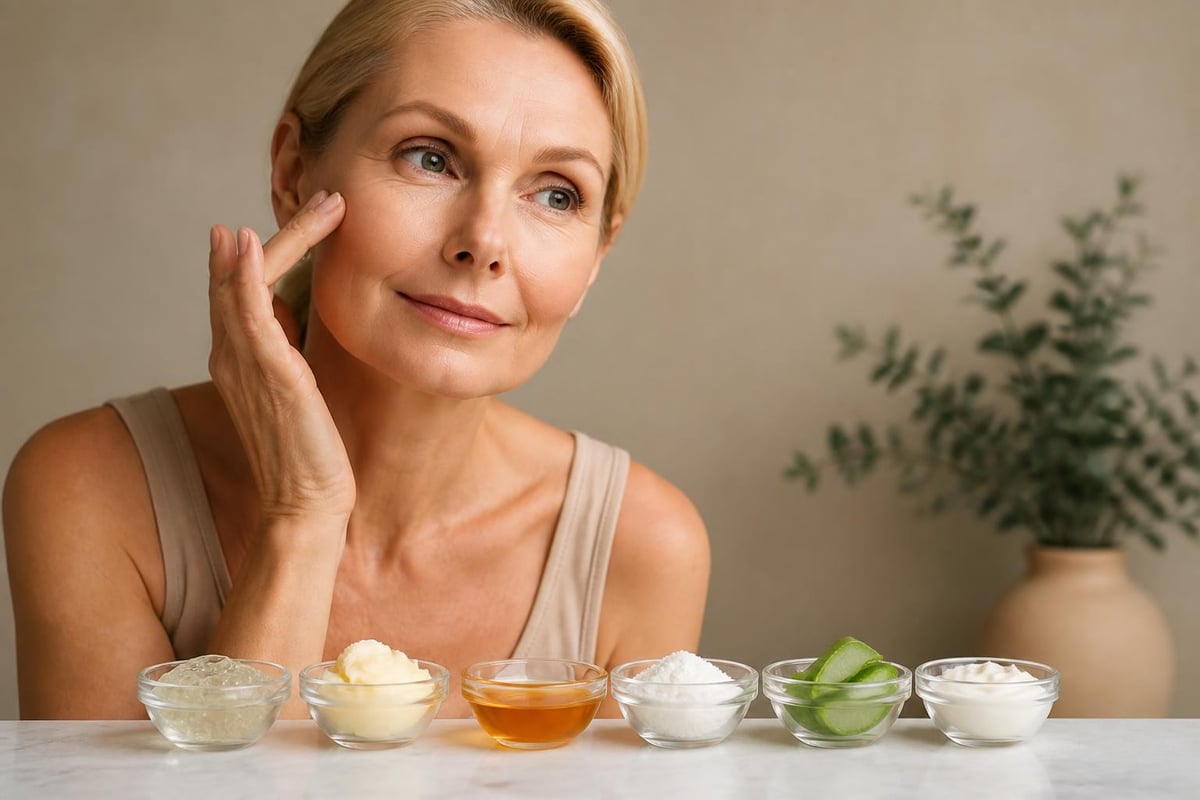
Natural DIY Boosters
Enhance commercial products with kitchen ingredients:
- Add a drop of pure rosehip oil to your night cream
- Mix honey into cleansers for gentle exfoliation
- Create avocado masks for intensive weekly hydration
- Use green tea bags as anti-inflammatory eye compresses
Testing and Transitioning to New Products
Introducing a new face cream for mature skin requires strategy to avoid irritation and accurately assess effectiveness.
Patch Testing Protocol
Always patch test before full-face application:
- Apply small amount to inner forearm or behind ear
- Wait 24-48 hours for any reaction
- If clear, test on small facial area (jawline)
- Wait another 24 hours before full application
- Introduce only one new product every 2 weeks
Recognizing Adjustment Versus Adverse Reactions
Normal adjustment period: Slight tingling with actives, minor dryness as skin adapts, temporary purging with retinoids.
Concerning reactions: Persistent burning, spreading rash, increased sensitivity to touch, worsening of existing conditions.
When in doubt, discontinue use and consult a dermatologist. Mature skin deserves gentle, effective care, never discomfort.
Long-Term Perspective: Patience Pays Off
The most important thing to understand about any face cream for mature skin is that transformation takes time. Cellular turnover, collagen synthesis, and barrier repair happen gradually, not overnight.
Realistic Timeline Expectations
- 2-4 weeks: Improved hydration and texture
- 6-8 weeks: Reduction in fine lines, better radiance
- 12+ weeks: Noticeable improvement in deeper wrinkles, firmness
- 6+ months: Significant cumulative benefits from consistent use
Document your progress with monthly photos in consistent lighting. Often, changes are so gradual that you won't notice day-to-day, but comparing monthly images reveals remarkable progress.
Lifestyle Factors That Multiply Results
Your face cream for mature skin works hardest when supported by healthy habits:
- Hydration: Drink adequate water for cellular function
- Sleep: 7-9 hours allows optimal skin repair
- Nutrition: Antioxidant-rich foods support skin from within
- Stress management: Cortisol accelerates aging processes
- Exercise: Circulation delivers nutrients to skin cells
Choosing the right face cream for mature skin transforms from overwhelming to empowering when you understand your skin's unique needs and the ingredients that truly deliver results. Remember that consistency, patience, and a holistic approach create the most dramatic, lasting improvements. If you're seeking natural skincare solutions formulated with your skin's health in mind, Sinusoothe Ltd offers carefully crafted products that work with your skin's natural biology to support radiance and vitality at every age.