
Your skin is your body's largest organ, and keeping it properly hydrated goes far beyond surface-level beauty. Whether you're dealing with dry patches, sensitivity, or simply want to maintain healthy skin, choosing the right skin moisturiser can transform your daily routine. But with thousands of products flooding the market in 2026, how do you separate truly effective formulations from marketing hype? The science behind skin hydration has evolved dramatically, revealing that natural ingredients and understanding your skin's unique needs matter more than ever before.
Understanding How Skin Moisturiser Actually Works
Let's start with the basics. Your skin has a natural moisture barrier called the stratum corneum, which acts like a brick wall keeping water in and irritants out. When this barrier becomes compromised, you experience dryness, flaking, and irritation.
A quality skin moisturiser works through three primary mechanisms:
- Humectants draw water from the environment and deeper skin layers to the surface
- Emollients fill gaps between skin cells to smooth and soften
- Occlusives create a protective seal to prevent water loss
What makes this fascinating is how natural moisturizing factors play a crucial role in maintaining skin hydration beyond just ceramides. Your skin produces its own moisturizing compounds, including amino acids, lactic acid, and urea. The best formulations work with these natural systems rather than against them.
The Science Behind Barrier Function
Research shows that emollient-rich moisturizers can significantly enhance skin hydration when formulated correctly. Think of your skin barrier like a garden that needs consistent care. You wouldn't water plants randomly and expect them to thrive, right? The same principle applies to moisturizing.
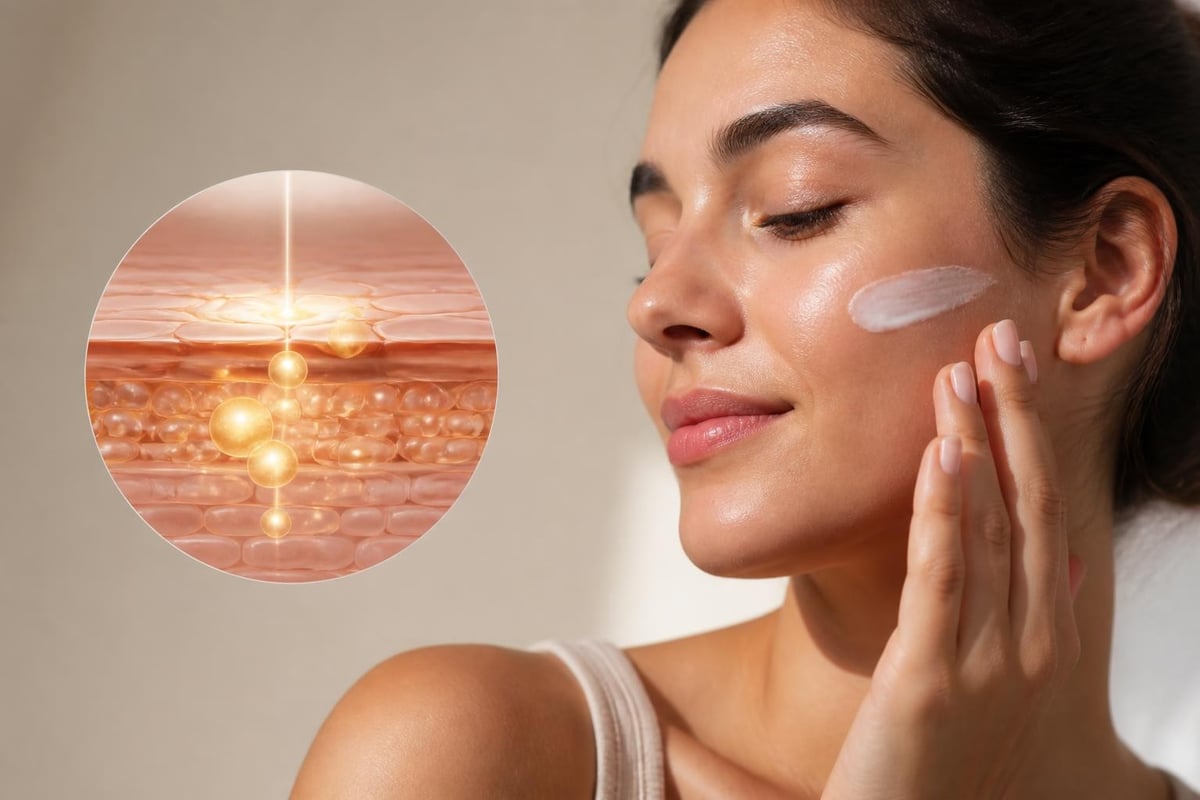
Your skin's pH level, typically around 4.7 to 5.75, plays a critical role in barrier health. Many conventional products disrupt this delicate balance, which is why natural formulations from trusted sources like Mama Nature have gained such popularity among skincare enthusiasts.
Choosing Ingredients That Actually Matter
Not all ingredients are created equal, and some buzzwords on labels mean absolutely nothing. Here's what actually works based on current dermatological research:
| Ingredient Type | Examples | Primary Benefit |
|---|---|---|
| Humectants | Hyaluronic acid, glycerin, honey | Attracts moisture |
| Emollients | Plant oils, shea butter, squalane | Softens and smooths |
| Occlusives | Beeswax, lanolin, dimethicone | Seals in hydration |
| Antioxidants | Vitamin E, green tea, rosehip | Protects from damage |
Natural vs. Synthetic: What Really Works?
The debate between natural and synthetic ingredients continues, but 2026 research indicates that source matters less than formulation quality. That said, natural ingredients often come with additional benefits. Plant-based oils, for example, contain fatty acids that closely mimic your skin's natural lipids.
When you explore our natural skincare products, you'll notice ingredients like jojoba oil, which is technically a wax ester nearly identical to human sebum. This isn't marketing fluff; it's biochemistry working in your favor.
Key natural ingredients to look for:
- Aloe vera for soothing inflammation
- Coconut oil for deep moisture retention
- Chamomile for calming sensitive skin
- Rosehip seed oil for vitamin-rich nourishment
- Oat extract for barrier repair
The concentration matters too. A product listing hyaluronic acid as the last ingredient won't deliver the same results as one with a 2% concentration prominently featured.
Common Moisturising Mistakes You're Probably Making
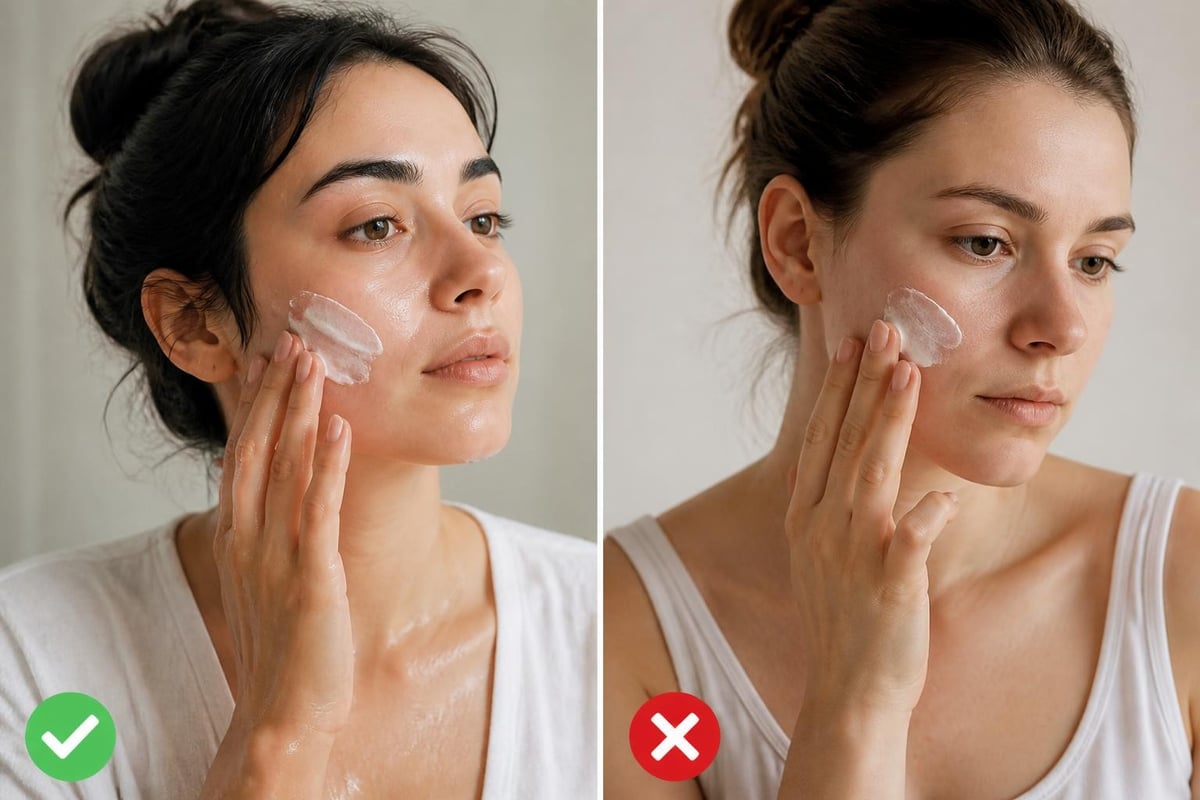
Even with the perfect skin moisturiser, application technique can make or break results. Are you applying to bone-dry skin straight out of the shower? That's mistake number one.
Your skin absorbs moisture best when it's slightly damp. Pat (don't rub) your face with a towel, leaving it about 50% damp, then apply your moisturiser immediately. This technique can increase absorption by up to 30%.
Why Your Moisturiser Might Be Making Things Worse
Here's something many people don't realize: some moisturizers can actually worsen dry skin if they contain problematic ingredients. Fragrances, alcohol, and certain preservatives can irritate and dehydrate rather than help.
Signs your current product isn't working:
- Skin feels tight 30 minutes after application
- You need to reapply constantly throughout the day
- Redness or irritation appears with use
- Your skin looks shiny but still feels dry underneath
That last point is crucial. Occlusive-heavy products can create surface shine while doing nothing for actual hydration levels. Balance is everything.
Tailoring Your Routine to Your Skin Type
One-size-fits-all approaches fail because skin varies dramatically between individuals. Your friend's holy grail skin moisturiser might cause breakouts for you, and that's completely normal.
For dry or mature skin:
Look for rich, cream-based formulas with high concentrations of ceramides and plant butters. Long-term moisturizer use shows measurable improvements in skin plasticity and hydration when products match your skin's needs.
For oily or acne-prone skin:
Lightweight, gel-based moisturizers with non-comedogenic oils work best. Yes, oily skin still needs moisture! Skipping moisturiser actually triggers more oil production as your skin overcompensates for dryness.
For combination skin:
This tricky type benefits from layering different textures. Apply a lightweight lotion overall, then add richer cream to dry areas like cheeks.
For sensitive skin:
Minimal ingredient lists win every time. Avoid essential oils, fragrances, and known irritants. Check out testimonials from others with similar concerns to find what works.
Seasonal Adjustments Matter More Than You Think
Your skin's needs shift with climate and weather. That summer gel moisturiser won't cut it during harsh winter months. I learned this the hard way after moving from humid Florida to dry Colorado-my entire routine needed an overhaul.
| Season | Climate Challenge | Moisturiser Adjustment |
|---|---|---|
| Winter | Low humidity, indoor heating | Switch to heavier creams, add facial oil |
| Spring | Temperature fluctuations | Medium-weight lotions, barrier repair |
| Summer | Heat, humidity, sun exposure | Lightweight gels, SPF integration |
| Fall | Transition dryness | Gradually increase richness |
The Role of Advanced Technologies
Modern skincare isn't just about slathering on cream anymore. Technology has revolutionized how we understand and measure moisturiser effectiveness. Researchers now use compact 3-D skin reconstruction probes to measure wrinkle depth and evaluate product efficacy with unprecedented precision.
This matters for you because brands can now prove their claims rather than relying on subjective before-and-after photos. Look for products backed by clinical studies using objective measurement tools.
Innovative Delivery Systems
Liposomal technology, time-release formulas, and microencapsulation allow active ingredients to penetrate deeper and work longer. These aren't just fancy terms-they represent real advances in how skin moisturiser ingredients reach target layers of your skin.
Think about it: what good is a powerful antioxidant if it breaks down before reaching living skin cells? Advanced formulations solve this problem through protective delivery mechanisms.
Building a Complete Hydration Strategy
Your skin moisturiser is important, but it's just one piece of the puzzle. Skin hydration starts from within and extends far beyond topical products.
Internal hydration factors:
- Drinking adequate water (half your body weight in ounces daily)
- Consuming omega-3 fatty acids from fish, flax, or walnuts
- Limiting dehydrating substances like alcohol and excessive caffeine
- Getting quality sleep for cellular repair
External supporting practices:
- Using a humidifier in dry environments
- Avoiding excessively hot showers that strip natural oils
- Applying sunscreen daily to prevent moisture barrier damage
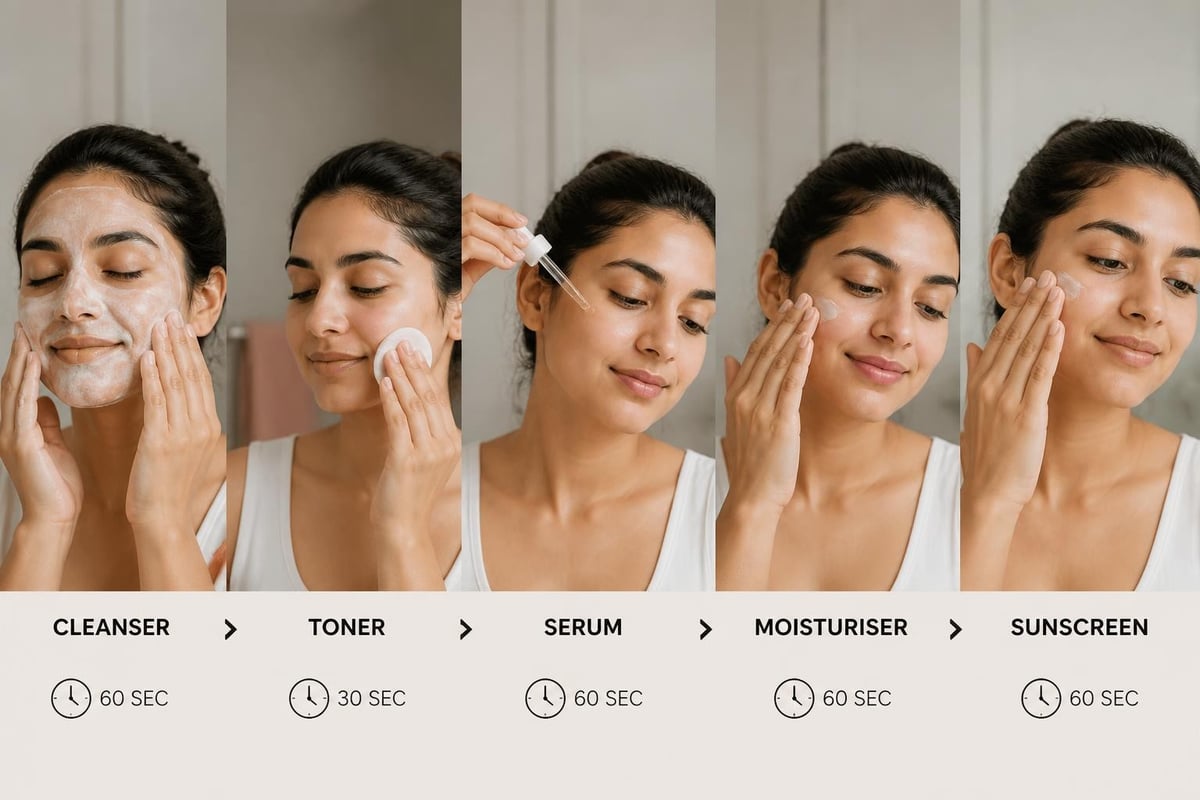
- Gentle cleansing that doesn't over-strip skin
- Regular exfoliation to remove dead cells blocking absorption
Evaluating Product Claims and Marketing Hype
Walk into any store and you'll see labels screaming "clinically proven," "dermatologist tested," and "revolutionary formula." But what do these phrases actually mean?
"Clinically proven" requires actual clinical trials, but standards vary wildly. A study with 10 participants over two weeks doesn't carry the same weight as one with 100 participants over six months.
"Dermatologist tested" simply means a dermatologist looked at it. They might have tested it on five people, or just reviewed the ingredient list.
"Hypoallergenic" has no regulated definition. Any brand can use this term without meeting specific criteria.
Instead of falling for marketing speak, learn to read ingredient lists. The first five ingredients make up the majority of the formula. If water is first (common and fine), the next few ingredients tell the real story about what you're actually applying.
Studies show that moisturizers mimicking natural skin systems deliver superior results compared to products with impressive-sounding but poorly formulated ingredient lists.
Multi-Purpose Applications Beyond Facial Care
While we often think of skin moisturiser for facial application, don't neglect the rest of your body. Your hands, elbows, knees, and feet endure significant environmental stress and deserve equal attention.
Body-specific considerations:
- Hands: Need frequent reapplication due to constant washing
- Feet: Benefit from thicker, occlusive-heavy formulas
- Body: Can handle richer textures than facial skin
- Neck and chest: Require same anti-aging care as face
Many people maintain separate products for different body areas, but high-quality, versatile formulations can work everywhere. This simplifies routines and often proves more cost-effective.
Special Circumstances Requiring Adjusted Care
Pregnancy, medical treatments, and hormonal changes all impact skin hydration needs. Chemotherapy patients, for example, often experience severe dryness requiring ultra-gentle, fragrance-free options. Pregnant individuals should avoid certain ingredients like retinoids while seeking safe alternatives.
The About Us page at many natural skincare companies often addresses these special considerations, recognizing that one standard formula doesn't serve everyone's unique situation.
Making Sustainable and Ethical Choices
Your skin moisturiser choice impacts more than just your complexion. In 2026, consumers increasingly consider environmental and ethical factors when selecting products.
Questions to ask about any product:
- Is the packaging recyclable or refillable?
- Are ingredients sustainably sourced?
- Does the company test on animals?
- What's the carbon footprint of production and shipping?
- Are workers in the supply chain fairly compensated?
Natural formulations often align better with sustainable practices, though not always. Verify claims rather than assuming "natural" automatically means "ethical."
Supporting businesses committed to environmental responsibility, like those featured in our community, creates positive ripple effects beyond your personal skincare routine.
Troubleshooting Common Problems
Even with the perfect skin moisturiser, issues sometimes arise. Here's how to address them:
Problem: Pilling (product balling up on skin)
Solution: Wait longer between product layers, reduce amount applied, or check for silicone incompatibilities between products.
Problem: Breakouts after starting new moisturiser
Solution: Could be purging (temporary) or actual comedogenic reaction. If it lasts beyond two weeks, discontinue use.
Problem: No visible improvement after consistent use
Solution: Reevaluate ingredient concentrations, consider professional skin analysis, or address underlying health issues affecting skin.
Problem: Stinging or burning sensation
Solution: Stop immediately. Your skin barrier is likely compromised. Switch to ultra-gentle, minimal ingredient formulas until healed.
Remember that skin turnover takes approximately 28 days. Give new products at least a month before declaring them ineffective, unless you experience negative reactions earlier.
Choosing the right skin moisturiser requires understanding both science and your unique skin needs, but the investment in time and education pays dividends in healthier, more resilient skin. Whether you're dealing with chronic dryness, aging concerns, or simply want to maintain your skin's natural glow, the right formulation makes all the difference. At Mama Nature, we combine evidence-based formulations with sustainably sourced natural ingredients to create products that truly serve your skin's needs without compromise. Explore our range today and discover what happens when nature and science work together for your healthiest skin yet.