
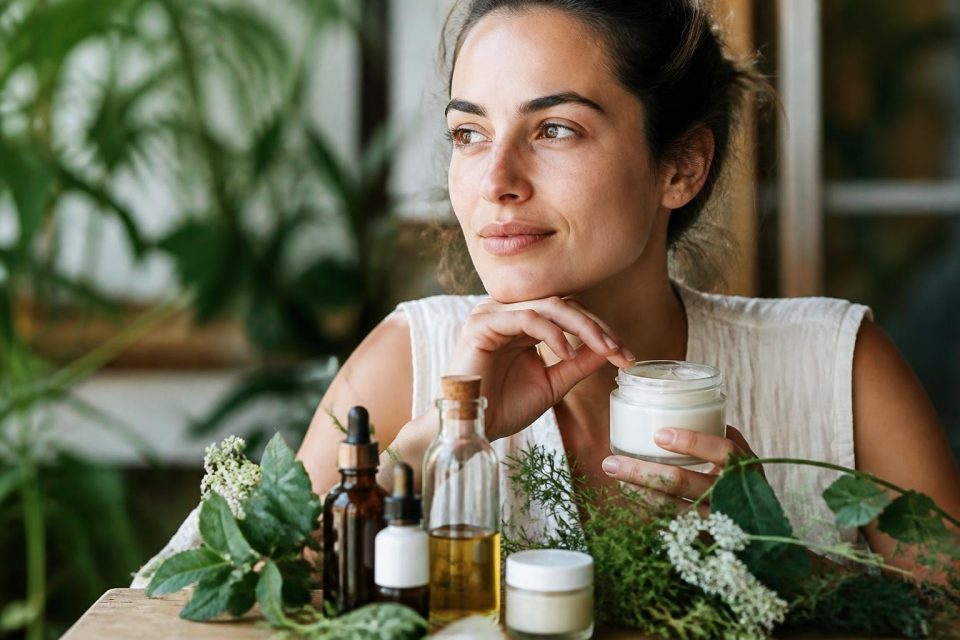
The beauty industry has experienced a remarkable shift toward organic and natural skin care in recent years, with consumers increasingly scrutinizing ingredient lists and demanding transparency from brands. This movement isn't just a passing trend but represents a fundamental change in how we think about what we put on our skin. As awareness grows about synthetic chemicals and their potential impacts, more people are turning to plant-based alternatives that promise gentler, more sustainable solutions for their skin care needs.
What Makes Skin Care Truly Organic and Natural
The terms "organic" and "natural" get thrown around frequently in the beauty industry, but they don't mean the same thing. Understanding these distinctions helps you make informed choices when shopping for products.
Organic skin care refers to products containing ingredients grown without synthetic pesticides, fertilizers, or genetic modification. The Soil Association provides strict certification standards that products must meet before displaying organic seals. These standards typically require at least 70-95% organic ingredients depending on the certification body.
Natural skin care encompasses products formulated with ingredients derived from nature rather than synthesized in laboratories. However, as dermatologists explain regarding natural skin care regulation, the term "natural" isn't regulated in the United States, meaning brands can use it liberally without meeting specific criteria.
Key Differences at a Glance
| Aspect | Organic | Natural |
|---|---|---|
| Regulation | Certified by official bodies | No standardized regulation |
| Ingredients | Grown without synthetic chemicals | Derived from natural sources |
| Verification | Third-party certification required | Self-declared by brands |
| Cost | Generally higher | Varies widely |
The Science Behind Plant-Based Ingredients
Why does organic and natural skin care resonate with so many people? The answer lies partly in biochemistry and partly in consumer values.
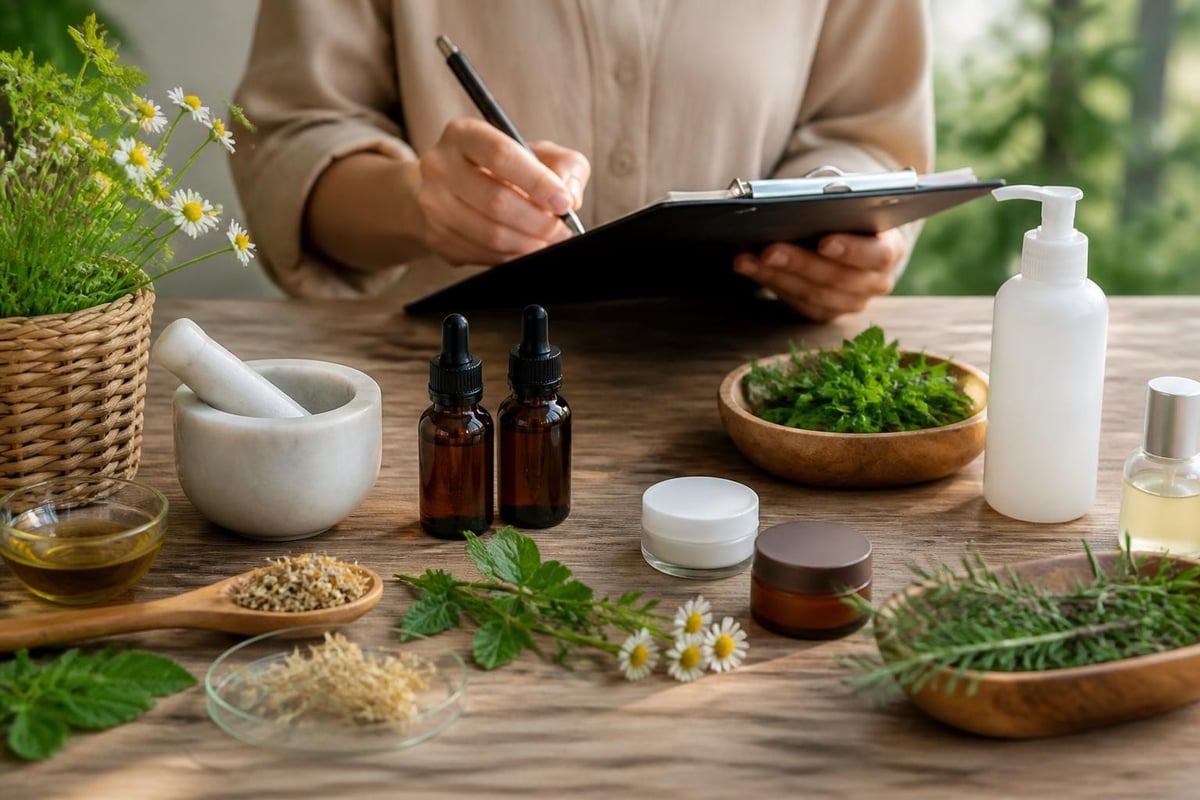
Plant-based ingredients contain compounds that have evolved over millions of years to protect plants from environmental stressors. Many of these phytochemicals offer benefits when applied to human skin:
- Antioxidants like vitamin E and polyphenols combat free radical damage
- Essential fatty acids from plant oils strengthen the skin barrier
- Botanical extracts provide anti-inflammatory properties
- Natural humectants such as glycerin and hyaluronic acid retain moisture
Harvard Health Publishing examines clean and natural cosmetics, noting that while many botanical ingredients show promise, not all natural substances are inherently safer or more effective than synthetic alternatives. The key is understanding which ingredients have scientific backing.
Products like naturally infused day creams combine multiple plant extracts to deliver comprehensive skin benefits. The formulation matters as much as the individual ingredients.
Benefits That Go Beyond Your Skin
Choosing organic and natural skin care products creates ripple effects that extend beyond personal health benefits. Let's explore the multi-layered advantages.
Environmental Impact
Organic farming practices protect ecosystems by avoiding synthetic pesticides that contaminate soil and water. They promote biodiversity and reduce carbon footprints through sustainable agriculture. When you purchase certified organic products, you're supporting farming methods that regenerate rather than deplete natural resources.
Skin Health Considerations
Many people with sensitive skin find organic and natural skin care gentler than conventional products. Synthetic fragrances, parabens, and certain preservatives can trigger reactions in susceptible individuals. Natural formulations often minimize these irritants.
That said, the Cleveland Clinic notes important considerations about natural skin care, reminding us that "natural" doesn't automatically mean hypoallergenic. Poison ivy is natural, after all. Patch testing remains important regardless of whether products are natural or synthetic.
Transparency and Trust
Brands committed to organic certification undergo rigorous third-party audits. This transparency builds consumer confidence. You know exactly what standards the products meet and can verify claims through certification seals.
Navigating Labels and Certifications
Walking down the skin care aisle can feel overwhelming with countless products claiming natural or organic credentials. Here's how to decode what you're seeing.
Recognized Certification Bodies
- USDA Organic – Requires 95% organic ingredients
- COSMOS Organic – European standard for organic cosmetics
- Soil Association – UK-based certification with strict criteria
- Ecocert – French certification recognizing organic and natural products
- NSF/ANSI 305 – American standard for personal care products containing organic ingredients
Products featuring intensive healing formulations often display these certifications prominently, giving consumers confidence in their purchases.
Reading Ingredient Lists Like a Pro
Ingredients appear in descending order by concentration. The first five ingredients typically comprise the bulk of the formula. Look for:
- Recognizable plant names (botanical Latin names indicate authenticity)
- Specific extracts rather than vague "fragrance" or "parfum"
- Cold-pressed or organic oils
- Plant-based preservatives like rosemary extract or vitamin E
Avoid products listing "natural" on the front but containing predominantly synthetic ingredients in the actual formula. Cross-reference claims with ingredient reality.
Common Ingredients Worth Knowing
Certain ingredients appear repeatedly in organic and natural skin care formulations because of their proven benefits and versatility.
Star Performers in Natural Formulations
Argan Oil has become synonymous with luxury natural skin care. Rich in vitamin E and fatty acids, it absorbs quickly without greasiness. Products like argan-based body creams harness these properties for deep hydration.
Hyaluronic Acid can be naturally derived from plant sources or created through fermentation. This moisture-binding molecule holds up to 1,000 times its weight in water, making it invaluable for plumping and hydrating skin.
Plant Ceramides from sources like wheat and rice help restore the skin's protective barrier. They're particularly beneficial for dry or compromised skin.
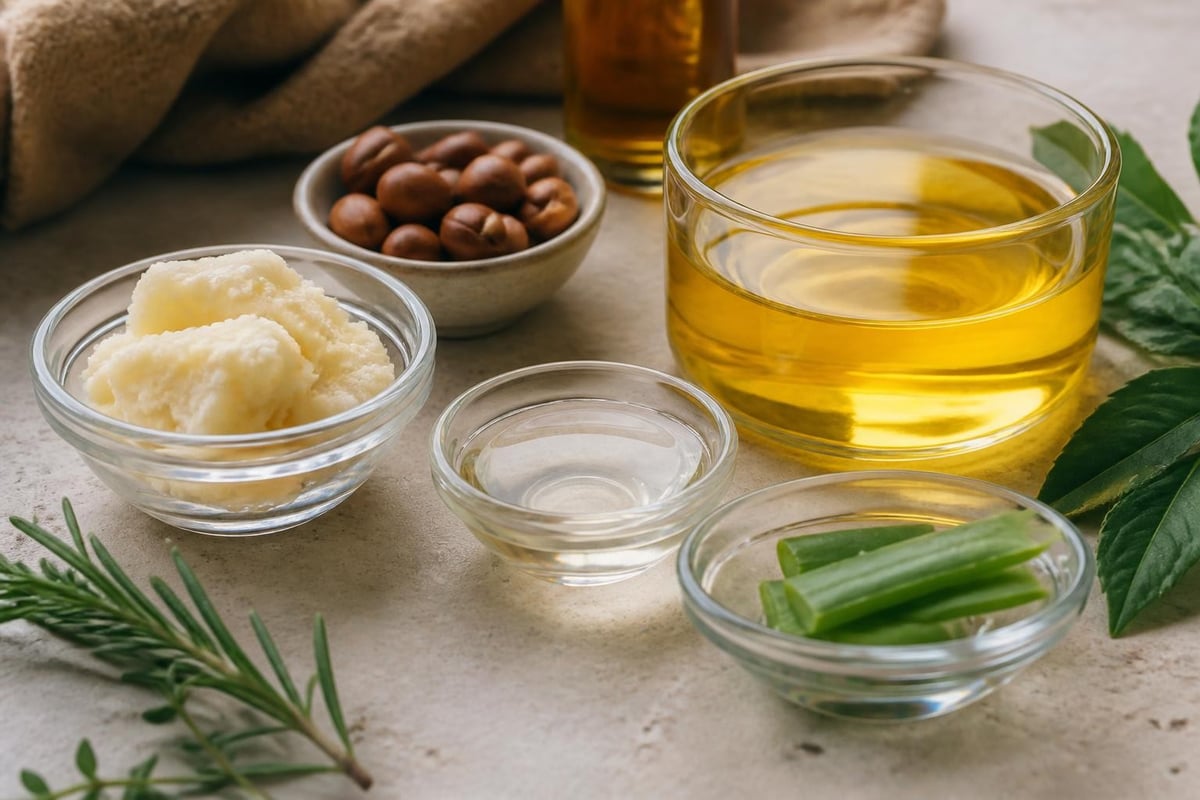
| Ingredient | Primary Benefit | Best For |
|---|---|---|
| Rosehip Oil | Vitamin C, regeneration | Aging, scarring |
| Shea Butter | Deep moisture, protection | Dry skin, body care |
| Green Tea Extract | Antioxidant, soothing | All skin types |
| Jojoba Oil | Sebum-like structure | Oily, acne-prone skin |
| Aloe Vera | Healing, calming | Sensitive, irritated skin |
Ingredients to Approach Thoughtfully
Even in natural formulations, certain ingredients deserve careful consideration. Essential oils provide fragrance and therapeutic benefits but can irritate sensitive skin in high concentrations. Citrus oils may cause photosensitivity. Natural preservatives sometimes have shorter shelf lives than synthetic alternatives.
Medical News Today’s overview of organic skin care discusses both benefits and potential downsides, encouraging balanced evaluation rather than assuming all natural ingredients suit everyone.
Building Your Natural Skin Care Routine
Transitioning to organic and natural skin care doesn't require replacing everything overnight. A strategic approach yields better results.
The Essential Four-Step Foundation
Start with these core products before expanding your routine:
- Gentle Cleanser – Remove impurities without stripping natural oils
- Hydrating Toner – Balance pH and prep skin for absorption
- Treatment Product – Address specific concerns like aging or sensitivity
- Moisturizer – Lock in hydration and protect the skin barrier
Men's formulations like all-in-one daily hydrators simplify routines while delivering comprehensive benefits through concentrated natural ingredients.
Specialized Treatments for Targeted Concerns
Once you've established your foundation, consider specialized products:
- Eye creams address delicate skin with concentrated actives
- Night creams work with skin's natural repair cycle during sleep
- Body oils provide intensive hydration for larger areas
- Aftershave products soothe and protect freshly shaved skin
Products like anti-fatigue eye cream target specific areas where standard moisturizers may not suffice.
The Age Defense Advantage
Anti-aging remains a primary concern for many skin care consumers. Organic and natural skin care offers compelling solutions through plant-based antioxidants and regenerative compounds.
How Natural Ingredients Combat Aging
Aging skin experiences decreased collagen production, moisture loss, and accumulated environmental damage. Natural ingredients address these challenges through multiple mechanisms:
Antioxidants neutralize free radicals before they damage cellular structures. Vitamins C and E, found abundantly in plant extracts, work synergistically to protect and repair.
Peptides from botanical sources signal skin cells to boost collagen production. While synthetic peptides dominate mainstream products, naturally derived alternatives are emerging.
Adaptogens like ginseng and rhodiola help skin adapt to stressors. These plants have survived harsh conditions by developing protective compounds that benefit human skin similarly.
Formulations incorporating revitalizing ingredients like Siberian ginseng leverage these adaptive properties for daily protection.
Realistic Expectations
Natural products may work more gradually than aggressive synthetic treatments. Retinol alternatives from bakuchiol or rosehip oil provide gentler retinoid-like effects over longer periods. Patience pays off with sustained improvement without irritation.
Sustainability Meets Efficacy
The organic and natural skin care movement aligns with broader environmental consciousness. Consumers increasingly consider product lifecycles beyond immediate skin benefits.
Sustainable practices include:
- Biodegradable formulations that don't harm aquatic ecosystems
- Recyclable or refillable packaging reducing plastic waste
- Fair trade sourcing supporting ethical supply chains
- Carbon-neutral production offsetting manufacturing impacts
Brands committed to these values demonstrate that effective skin care and environmental responsibility aren't mutually exclusive. Exploring complete product ranges reveals how companies implement sustainability across multiple product lines.

Addressing Common Misconceptions
Several myths persist about organic and natural skin care that deserve clarification.
Myth 1: Natural products don't need preservatives
Reality: Water-based natural products require preservation to prevent microbial growth. Natural preservatives exist but may have limitations.
Myth 2: Organic always means better results
Reality: Effectiveness depends on formulation expertise and appropriate ingredients for your skin type, not just organic status.
Myth 3: All chemicals are bad
Reality: Everything is chemical, including water. The distinction between synthetic and natural matters less than safety and efficacy data.
The Mayo Clinic discusses natural personal care products, emphasizing informed choices over blanket assumptions about superiority.
Customizing for Your Skin Type
Organic and natural skin care works across all skin types when properly matched to individual needs.
Dry Skin Solutions
Seek rich botanical oils and butters:
- Avocado oil penetrates deeply
- Shea butter provides lasting protection
- Hyaluronic acid attracts environmental moisture
Products like apricot and avocado face creams combine multiple moisturizing ingredients for comprehensive hydration.
Oily and Acne-Prone Skin
Natural doesn't mean heavy. Lightweight options include:
- Jojoba oil (mimics sebum, doesn't clog pores)
- Tea tree oil (antimicrobial properties)
- Witch hazel (gentle astringent)
Sensitive Skin Considerations
Minimize essential oils and focus on:
- Colloidal oatmeal (soothing, anti-inflammatory)
- Chamomile (calming, gentle)
- Calendula (healing, protective)
Products formulated with lavender and amaranth offer gentle rejuvenation suitable for sensitive skin when properly diluted.
The Future of Natural Formulations
Innovation in organic and natural skin care continues accelerating as technology improves extraction methods and scientific understanding deepens.
Emerging Trends for 2026
Biotechnology enables creation of natural-identical ingredients through fermentation, reducing environmental impact of harvesting rare plants. These lab-grown botanicals maintain molecular structures of natural compounds while ensuring sustainability.
Microbiome-friendly formulations recognize skin's bacterial ecosystem. Prebiotics and probiotics in natural products support beneficial bacteria while discouraging harmful strains.
Waterless beauty concentrates active ingredients while eliminating the largest component of traditional formulas. Powder-to-foam cleansers, solid serums, and concentrated oils represent this movement.
Upcycled ingredients transform agricultural waste into skin care actives. Coffee grounds, fruit peels, and vegetable scraps yield valuable extracts previously discarded.
Making the Transition Successfully
Switching to organic and natural skin care requires strategy to avoid disappointing results or skin reactions.
Transition Timeline
Week 1-2: Replace one product, typically cleanser
Week 3-4: Introduce natural moisturizer
Week 5-6: Add treatment products
Week 7-8: Complete routine with specialized items
This gradual approach helps identify any problematic ingredients and allows skin to adjust to new formulations.
Patch Testing Protocol
Always patch test new products:
- Apply small amount to inner forearm
- Wait 24 hours for reactions
- Test on jawline before full facial application
- Introduce one product at a time
Managing the Adjustment Period
Your skin may undergo a "purging" phase as it adjusts to new ingredients and eliminates built-up synthetic residues. This typically lasts 2-4 weeks. Breakouts during this period usually resolve as skin rebalances.
Stay consistent rather than constantly switching products. Natural formulations often require 6-8 weeks to demonstrate full benefits.
Price vs. Value Considerations
Organic and natural skin care often costs more than conventional alternatives. Understanding this pricing helps evaluate value.
Why Natural Products Cost More
- Organic ingredient sourcing requires premium raw materials
- Smaller production batches increase per-unit costs
- Certification processes add expenses
- Ethical sourcing and fair trade practices raise ingredient prices
- Shorter shelf lives due to natural preservatives
Getting Maximum Value
Focus on multi-functional products that serve multiple purposes. Body oils can work on face, body, and hair, maximizing per-ounce value.
Buy appropriate sizes based on shelf life. Natural products with shorter preservation periods are better purchased in smaller quantities used within recommended timeframes.
Quality Indicators Beyond Marketing
Savvy consumers look past packaging claims to assess actual quality.
What to Look For
- Detailed ingredient lists with botanical names
- Specific extraction methods mentioned (cold-pressed, CO2-extracted)
- Batch numbers and manufacturing dates
- Clear certification seals from recognized bodies
- Educational content about ingredient sourcing
Red Flags
- "Natural" claims without supporting ingredient evidence
- Proprietary blends hiding actual concentrations
- Unrealistic promises (miracle cures, instant results)
- Missing contact information or vague company details
Exploring comprehensive product catalogs from established brands provides transparency that builds confidence in purchasing decisions.
Understanding organic and natural skin care empowers you to make informed choices that benefit both your skin and the planet. The distinction between truly organic certified products and those simply labeled "natural" matters when investing in your skin's health and supporting sustainable practices.
When you're ready to experience the difference that thoughtfully formulated natural products make, Sinusoothe Ltd offers a carefully curated range of organic and natural skin care solutions designed to work with your skin's natural processes. Discover products that combine efficacy with environmental responsibility at Sinusoothe Ltd, where nature meets science in every formula.