
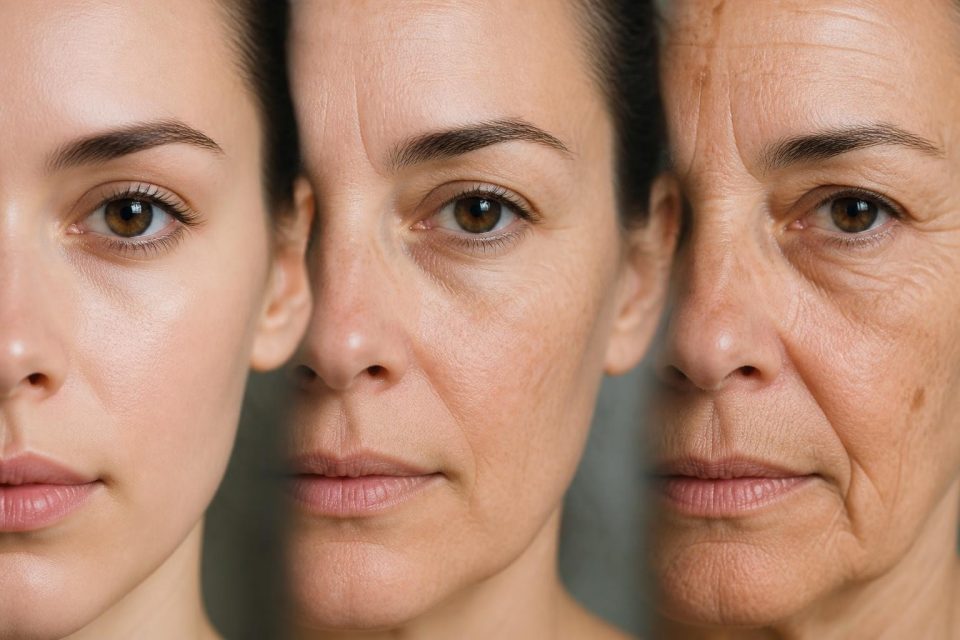
Your face tells the story of every sun-soaked day at the beach, every afternoon in the garden, and every walk where you forgot your SPF. A sun damaged face isn't just about cosmetic concerns – it's a visible reminder that UV radiation has altered your skin's structure at a cellular level. Whether you're noticing new dark spots, feeling rough texture where smooth skin once lived, or watching fine lines deepen around your eyes, understanding what's happening beneath the surface is your first step toward restoration. The good news? Your skin possesses remarkable healing abilities when given the right support.
Understanding What Happens to a Sun Damaged Face
UV radiation works like an invisible sculptor, gradually reshaping your facial features in ways you never authorized. When ultraviolet rays penetrate your skin, they trigger a cascade of cellular damage that accumulates over years.
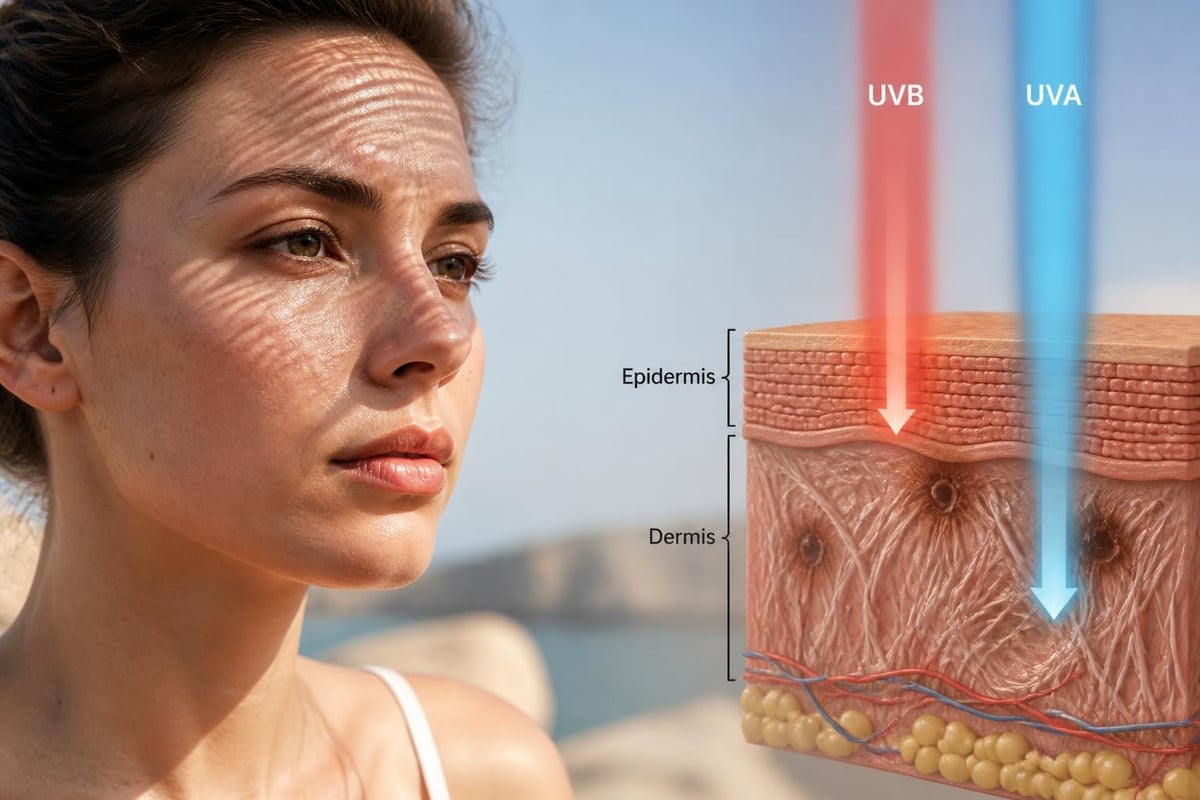
The American Academy of Dermatology outlines how dermatologists treat sun-damaged skin, explaining that UVA rays penetrate deeply into the dermis, breaking down collagen and elastin fibers. These proteins form your skin's structural foundation – imagine them as the scaffolding that keeps everything lifted and firm. When this scaffolding crumbles, sagging and wrinkles inevitably follow.
Meanwhile, UVB rays primarily affect the epidermis, your skin's outermost layer. They damage DNA directly, triggering inflammatory responses and stimulating melanin production in unpredictable patterns. This creates those frustrating brown patches that seem to appear overnight but actually represent years of accumulated damage.
The Timeline of Facial Sun Damage
Immediate effects (within hours):
- Redness and inflammation
- Warmth to touch
- Mild swelling
- Tightness or sensitivity
Short-term changes (days to weeks):
- Peeling or flaking
- Temporary darkening of existing spots
- Increased dryness
- Enhanced visibility of fine lines
Long-term manifestations (months to years):
- Persistent hyperpigmentation
- Deep wrinkles and folds
- Loss of facial volume
- Rough, leathery texture
- Visible broken capillaries
Recognizing the Signs of a Sun Damaged Face
Your mirror reveals clues that dermatologists recognize instantly. A sun damaged face displays distinct characteristics that differentiate it from normal aging.
| Sign | What It Looks Like | Where It Appears |
|---|---|---|
| Solar Lentigines | Flat brown spots (age spots) | Cheeks, forehead, temples |
| Actinic Keratosis | Rough, scaly patches | Nose, ears, forehead |
| Telangiectasia | Visible red blood vessels | Cheeks, nose |
| Solar Elastosis | Thickened, yellowish skin | Neck, lower face |
| Wrinkles | Deep creases, crepey texture | Around eyes, mouth, forehead |
Texture changes often betray sun damage before visible spots appear. Run your fingers across your cheeks – does the skin feel rougher than it once did? That sandpaper quality indicates disrupted cell turnover and damaged surface cells clinging longer than they should.
The Harvard Health overview of sun-damaged skin emphasizes that uneven pigmentation represents one of the most common complaints. These aren't just freckles – they're areas where melanocytes have become hyperactive in response to chronic UV exposure.
The Asymmetry Test
Here's something fascinating: if you spend significant time driving, examine the left side of your face compared to your right. Many people develop more pronounced damage on their window side, where sun exposure hits consistently during commutes. This asymmetry proves that cumulative exposure matters enormously.
Prevention Strategies That Actually Work
Preventing additional damage to a sun damaged face isn't about hiding indoors – it's about strategic protection that fits your lifestyle.
Daily non-negotiables for facial sun protection:
- Apply broad-spectrum SPF 30+ every morning – even on cloudy days, even in winter
- Reapply every two hours during extended outdoor time
- Use the two-finger rule – squeeze sunscreen along two fingers for adequate facial coverage
- Layer your protection with SPF moisturizer followed by SPF makeup
- Wear UV-blocking sunglasses to protect delicate eye area skin
Physical sunscreens containing zinc oxide or titanium dioxide work particularly well for already-compromised skin. These minerals sit on the surface, reflecting UV rays rather than absorbing them chemically. This approach reduces irritation while providing immediate protection.
Don't forget your ears, neck, and the top of your chest – these areas extend your facial canvas and show damage prominently. The Healthline guide on healing sun-damaged skin recommends treating these zones with the same care as your face.
Natural Ingredients That Support Skin Repair
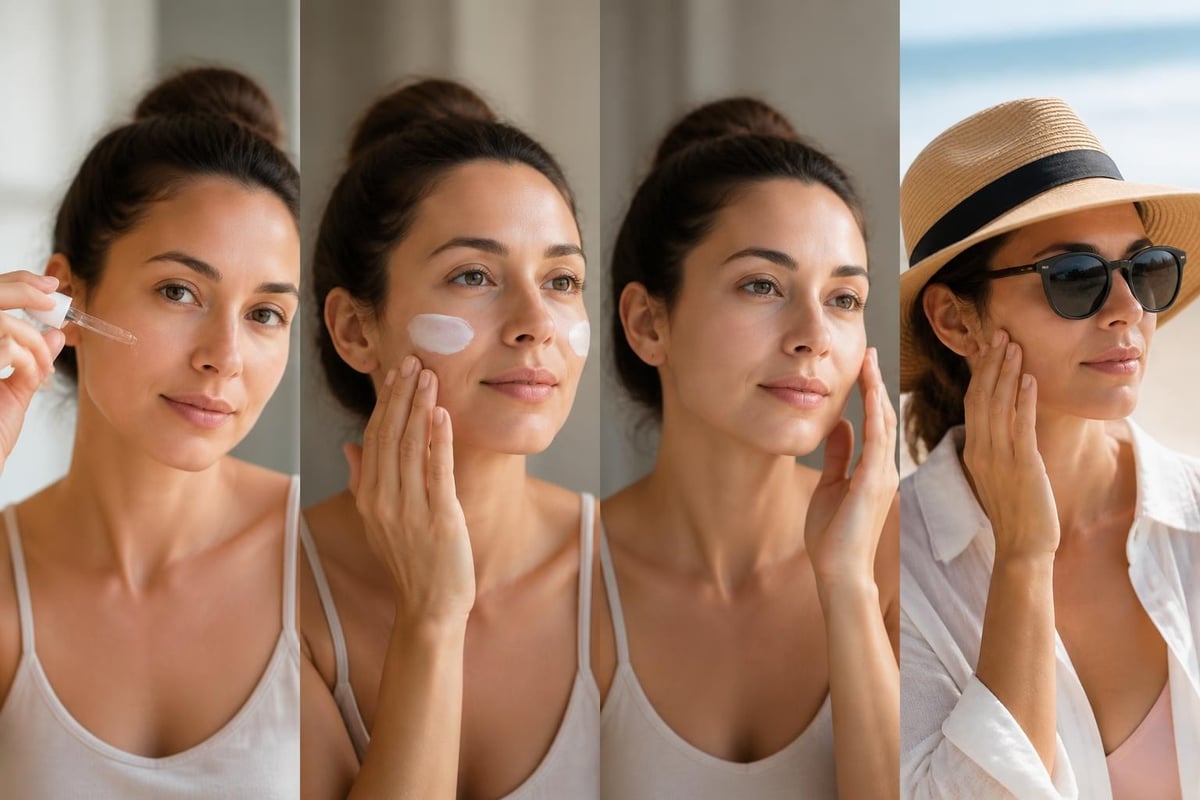
Your sun damaged face craves specific nutrients that support cellular renewal and collagen synthesis. Natural skincare approaches work with your skin's healing mechanisms rather than against them.
Powerful Plant-Based Repair Agents
Vitamin C (L-Ascorbic Acid)
This antioxidant superhero neutralizes free radicals generated by UV exposure while boosting collagen production. Look for formulations with 10-20% concentration in stable, light-protected packaging. Apply in the morning before sunscreen for synergistic protection.
Niacinamide (Vitamin B3)
This versatile ingredient addresses multiple sun damage concerns simultaneously. It reduces hyperpigmentation by interfering with melanin transfer, strengthens the skin barrier to prevent moisture loss, and calms inflammation. Concentrations of 5-10% deliver visible results without irritation.
Retinoids (Vitamin A derivatives)
Nothing accelerates cell turnover quite like retinoids. They encourage damaged surface cells to shed while stimulating fresh, healthy cell production underneath. Start with gentle plant-based retinol alternatives like bakuchiol if your skin feels sensitive.
Green Tea Extract (EGCG)
This polyphenol-rich extract provides antioxidant protection while reducing inflammation markers in sun-damaged skin. Studies show it can even help prevent further DNA damage when applied before sun exposure.
| Ingredient | Primary Benefit | Best Time to Apply | Concentration |
|---|---|---|---|
| Vitamin C | Collagen support, brightening | Morning | 10-20% |
| Niacinamide | Barrier repair, pigmentation | Morning or evening | 5-10% |
| Retinol | Cell turnover | Evening only | 0.25-1% |
| Hyaluronic Acid | Hydration, plumping | Morning and evening | 1-2% |
Professional Treatments for Advanced Damage
Sometimes a sun damaged face needs more intensive intervention than topical products alone can provide. Understanding your options helps you make informed decisions about professional care.
The Scripps Health methods to reverse sun-damaged skin detail several evidence-based approaches that dermatologists commonly recommend.
Chemical Peels
These treatments use controlled acids to dissolve damaged surface layers, revealing fresher skin underneath. Superficial peels containing glycolic or lactic acid address mild discoloration and texture issues with minimal downtime. Medium-depth peels penetrate further, targeting stubborn pigmentation and moderate wrinkles.
Recovery timeline:
- Superficial: 3-5 days of mild flaking
- Medium: 7-14 days of visible peeling
- Deep: 2-3 weeks with significant shedding
Laser and Light Therapies
Intense Pulsed Light (IPL) targets pigmented lesions without damaging surrounding tissue. The light energy converts to heat within dark spots, breaking up excess melanin that your body then absorbs. Most people need 3-5 sessions spaced monthly for optimal results.
Fractional lasers create microscopic treatment zones, stimulating collagen remodeling while leaving surrounding tissue intact for faster healing. This approach effectively reduces wrinkles, tightens skin, and evens out texture irregularities.
Microneedling
This procedure uses fine needles to create controlled micro-injuries that trigger your skin's wound-healing response. The resulting collagen production gradually fills in wrinkles and improves overall texture. Combining microneedling with vitamin-rich serums enhances absorption and results.
Building Your Daily Repair Routine
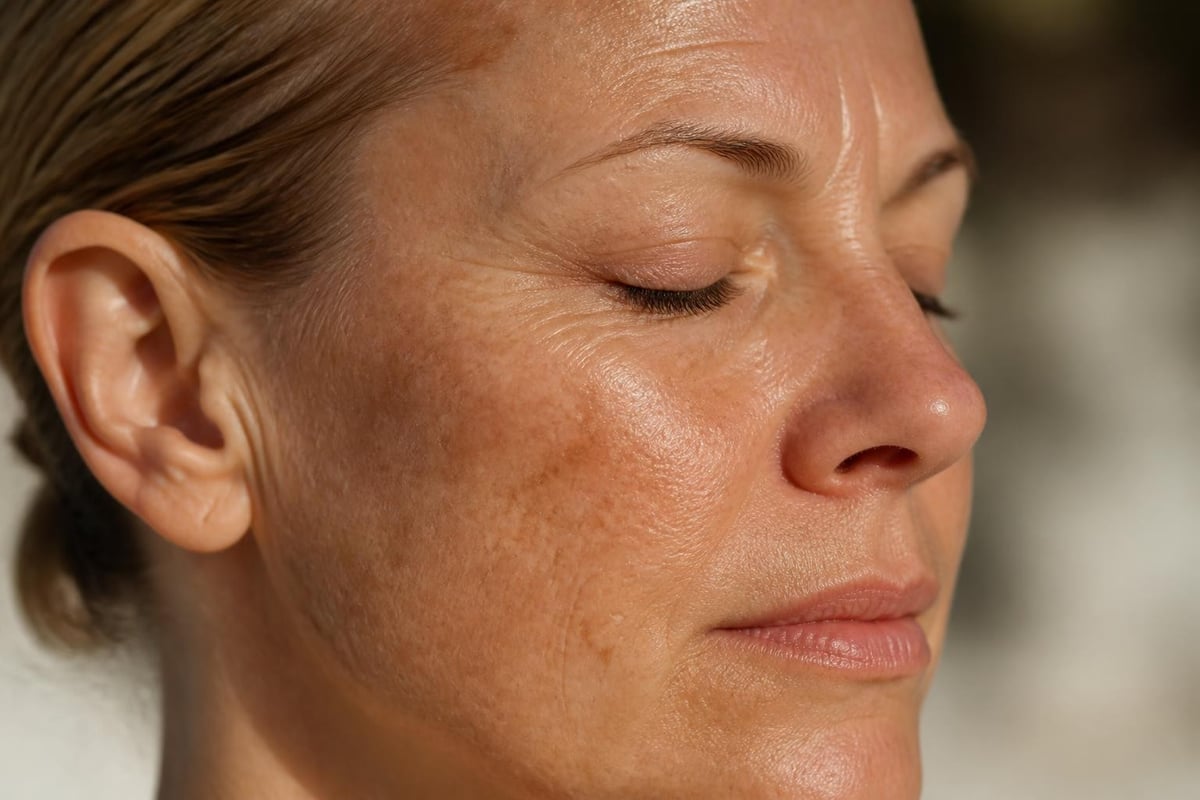
Consistency trumps perfection when reversing a sun damaged face. Your skincare routine should layer products strategically for maximum penetration and benefit.
Morning ritual for protection and repair:
- Cleanse with a gentle, pH-balanced formula
- Apply vitamin C serum to damp skin
- Layer niacinamide serum after vitamin C absorbs
- Moisturize with hydrating botanicals
- Finish with broad-spectrum SPF 30+
- Add mineral powder SPF for touchups throughout the day
Evening routine for intensive repair:
- Double cleanse to remove sunscreen and daily buildup
- Apply gentle exfoliating toner (2-3 times weekly)
- Use retinol or bakuchiol serum on dry skin
- Wait 20 minutes for full absorption
- Layer hydrating serum with hyaluronic acid
- Seal with nourishing night cream
- Apply targeted treatment to dark spots
Natural skincare products work beautifully within this framework, providing concentrated botanicals without synthetic irritants that can further compromise damaged skin. Mama Nature offers formulations specifically designed to support skin's natural healing processes.
Lifestyle Factors That Influence Recovery
Your sun damaged face doesn't exist in isolation – it responds to everything you put in your body and how you live your life.
Nutrition for skin repair:
- Omega-3 fatty acids from fish, flaxseed, and walnuts reduce inflammation
- Antioxidant-rich foods like berries, dark leafy greens, and sweet potatoes neutralize free radicals
- Adequate protein provides amino acids for collagen synthesis
- Hydration maintains cellular function and nutrient delivery
Sleep quality directly impacts skin regeneration. During deep sleep stages, growth hormone production peaks, driving cellular repair and renewal. Aim for 7-9 hours nightly, and consider silk pillowcases that create less friction against delicate facial skin.
Stress management deserves attention too. Chronic stress elevates cortisol, which breaks down collagen and impairs skin barrier function. Whether through meditation, exercise, or creative pursuits, finding stress outlets protects your skin repair investment.
Understanding Realistic Timelines
Patience becomes essential when addressing a sun damaged face. Skin damage accumulated over decades won't reverse in weeks.
What to expect month by month:
- Month 1: Improved hydration, slight brightness increase, reduced sensitivity
- Month 2: Smoother texture, diminished fine lines, more even tone
- Month 3: Fading of lighter sun spots, enhanced radiance, firmer feel
- Months 4-6: Significant pigmentation reduction, visible wrinkle improvement, restored elasticity
- Months 6-12: Continued collagen remodeling, sustained improvements with maintenance
The comprehensive Schweiger Dermatology Group article on sun damage emphasizes that individual results vary based on damage severity, skin type, age, and adherence to protective measures.
Some changes happen quickly – hydration and surface texture improve within days of starting better care. Deep structural changes require months of consistent effort as your skin gradually rebuilds collagen networks and regulates melanin production.
Special Considerations for Different Skin Types
A sun damaged face manifests differently across various skin tones and types, requiring tailored approaches.
Lighter skin tones (Fitzpatrick I-II):
- Show damage earlier and more visibly
- Higher risk of precancerous changes
- Respond quickly to brightening treatments
- Need gentler exfoliation to avoid irritation
Medium skin tones (Fitzpatrick III-IV):
- Develop post-inflammatory hyperpigmentation easily
- Require cautious treatment approach to prevent worsening pigmentation
- Benefit from combination therapies
- Need consistent sun protection to maintain results
Deeper skin tones (Fitzpatrick V-VI):
- Show sun damage primarily as uneven pigmentation
- Higher melanin provides some natural protection
- Must avoid aggressive treatments that trigger melanocyte activity
- Require patience as treatments work more slowly
Understanding your skin's unique characteristics helps you select appropriate products and manage expectations realistically.
Common Mistakes That Slow Recovery
Even with good intentions, certain practices sabotage your progress toward healing a sun damaged face.
Avoid these recovery roadblocks:
- Over-exfoliating – More isn't better; excessive scrubbing damages your skin barrier
- Mixing incompatible actives – Retinol with vitamin C or acids can cause irritation
- Skipping sunscreen on cloudy days or indoors near windows
- Expecting overnight results and giving up too soon
- Using expired products with degraded active ingredients
- Applying too many new products at once, making it impossible to identify irritants
The temptation to try every promising ingredient simultaneously often backfires. Your skin needs time to adjust to active ingredients. Introduce one new product every 2-3 weeks, monitoring for both benefits and adverse reactions.
The Role of Hydration in Repair
Water isn't just about plumping – it's essential for every cellular process involved in repairing a sun damaged face.
Damaged skin loses moisture more readily because UV exposure compromises the lipid barrier that normally prevents water evaporation. This creates a cycle where dehydration makes damage more visible while simultaneously slowing repair processes.
Multi-level hydration strategy:
- Internal hydration: Drink adequate water throughout the day (aim for half your body weight in ounces)
- Humectants: Apply hyaluronic acid, glycerin, or aloe to draw water into skin
- Occlusives: Seal moisture with plant oils, shea butter, or ceramides
- Environmental support: Use a humidifier in dry climates or heated/cooled spaces
Hydrated skin shows fine lines less prominently, appears plumper, and processes nutrients more efficiently. It's the foundation upon which all other treatments build.
Reversing sun damage takes dedication, but every step you take today protects your skin's future while gradually restoring its health and radiance. By combining diligent sun protection with targeted natural ingredients and healthy lifestyle choices, you're investing in skin that looks and feels better month after month. At Sinusoothe Ltd, we understand that healing a sun damaged face requires gentle yet effective formulations that work with your skin's natural repair processes – discover natural skincare products designed to support your journey toward healthier, more resilient skin.