
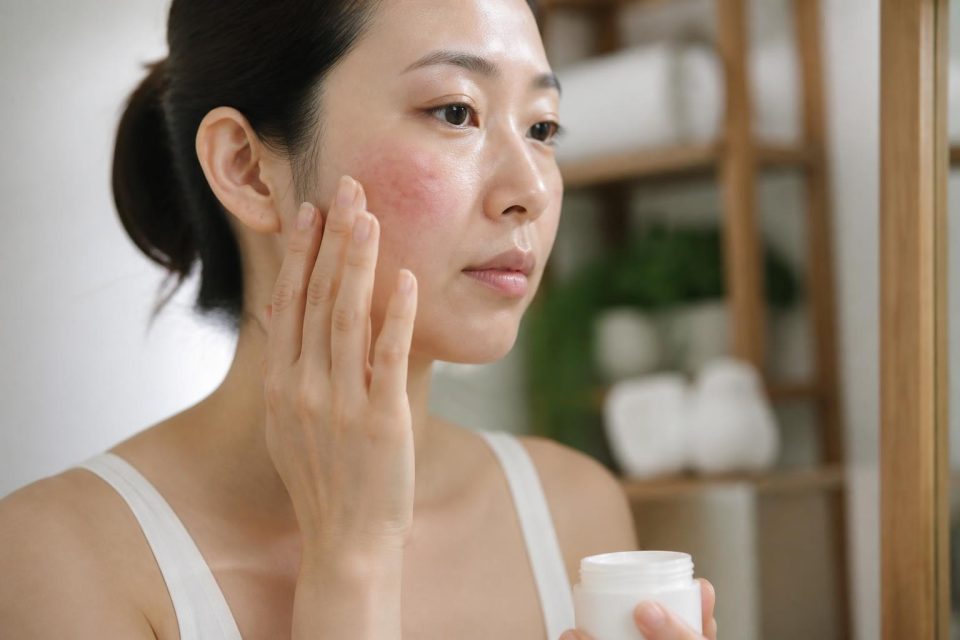
Living with dermatitis means navigating a constant battle between comfort and inflammation. Your skin deserves better than the endless cycle of flare-ups, itching, and frustration. Finding the right skincare for dermatitis isn't just about slapping on any moisturizer-it's about understanding your skin's unique needs and building a routine that actually works. Whether you're dealing with contact dermatitis, seborrheic dermatitis, or the most common form, atopic dermatitis (eczema), the journey to healthier skin starts with knowledge, patience, and the right natural ingredients.
Understanding Dermatitis and Your Skin Barrier
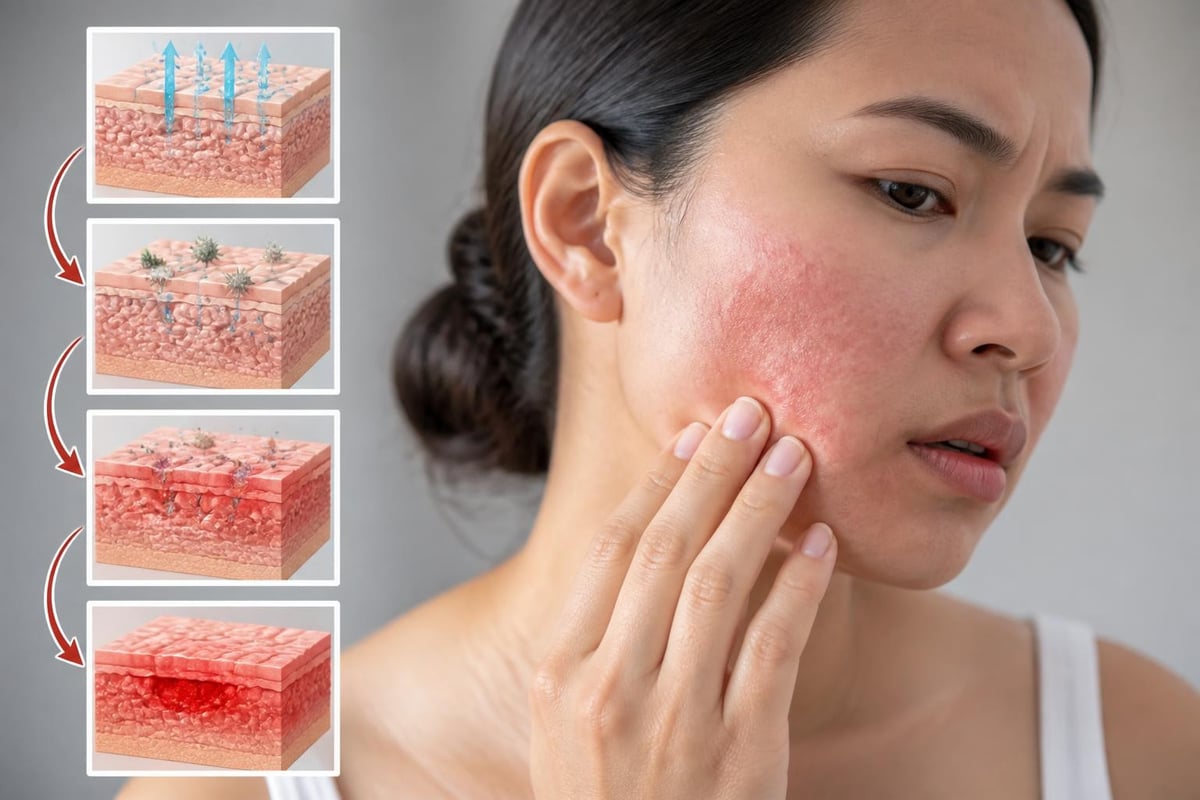
Think of your skin barrier as your body's shield against the outside world. When you have dermatitis, this shield develops cracks and weak spots, allowing irritants to penetrate while moisture escapes.
Why does this matter for your skincare routine?
The inflammatory response triggered by dermatitis creates a vicious cycle. Inflammation damages your skin barrier, which leads to more inflammation, which causes more damage. Breaking this cycle requires strategic intervention with products that support barrier repair while calming existing inflammation.
The Different Types of Dermatitis
Not all dermatitis presents the same way, and recognizing your specific type helps tailor your approach:
- Atopic dermatitis appears as itchy, red patches typically in skin creases
- Contact dermatitis develops when your skin touches an irritant or allergen
- Seborrheic dermatitis causes flaky, scaly patches, often on the scalp and face
- Nummular dermatitis creates coin-shaped patches of irritated skin
- Dyshidrotic dermatitis produces small, itchy blisters on hands and feet
Each type responds differently to treatments, though the fundamental principles of skincare for dermatitis remain consistent across conditions.
Building Your Dermatitis-Friendly Skincare Routine
The foundation of managing dermatitis lies in developing a consistent, gentle routine. Experts recommend specific daily practices that minimize triggers while maximizing skin repair.
Morning Routine Essentials
Start your day with intentional care that sets your skin up for success:
- Gentle cleansing with lukewarm water (never hot)
- Pat dry with a soft towel, leaving skin slightly damp
- Apply moisturizer within three minutes to lock in hydration
- Sun protection using mineral-based, fragrance-free formulas
Your morning routine shouldn't take more than five minutes, but those five minutes make the difference between a comfortable day and constant irritation.
Evening Care Protocol
Nighttime offers your skin the opportunity to repair without environmental stressors. This makes your evening routine crucial for healing.
Evening steps that transform your skin:
- Remove any sunscreen or impurities with a gentle, non-foaming cleanser
- Apply treatment products if prescribed by your dermatologist
- Layer on a richer moisturizer than your morning application
- Consider using an overnight occlusive balm on particularly dry areas
The foundation of eczema treatment emphasizes proper moisturizing as non-negotiable, and evening application provides maximum absorption time.
Ingredient Intelligence: What to Seek and What to Avoid
Navigating ingredient lists feels like decoding a foreign language, but certain components consistently help or harm dermatitis-prone skin.
Power Ingredients for Dermatitis
| Ingredient | Benefit | Why It Works |
|---|---|---|
| Colloidal Oatmeal | Anti-inflammatory | Contains avenanthramides that reduce irritation |
| Ceramides | Barrier repair | Replaces lipids lost in damaged skin |
| Niacinamide | Calming | Reduces inflammation and supports barrier function |
| Glycerin | Hydration | Draws moisture from air into skin |
| Hyaluronic Acid | Moisture retention | Holds 1000x its weight in water |
Natural oils deserve special mention for dermatitis care. Sunflower seed oil, evening primrose oil, and borage oil contain essential fatty acids that support skin barrier repair without clogging pores.
Ingredients That Trigger Flare-ups
Avoiding irritants matters just as much as choosing beneficial ingredients. Your skincare routine for eczema should never include these common culprits:
- Fragrance (including "natural" fragrances)
- Sodium lauryl sulfate and harsh surfactants
- Alcohol denat or SD alcohol
- Essential oils (despite being "natural," many irritate sensitive skin)
- Formaldehyde-releasing preservatives
- Lanolin (problematic for some, though not all)
The challenge with sensitive skin products lies in finding formulations that preserve effectively without irritation. Research into environmental and mental health factors affecting dermatitis reveals complex interactions that go beyond simple ingredient avoidance.
Moisturizing Strategies That Actually Work
You've heard it a million times: moisturize, moisturize, moisturize. But how you moisturize matters more than how often.
The Wet Skin Technique
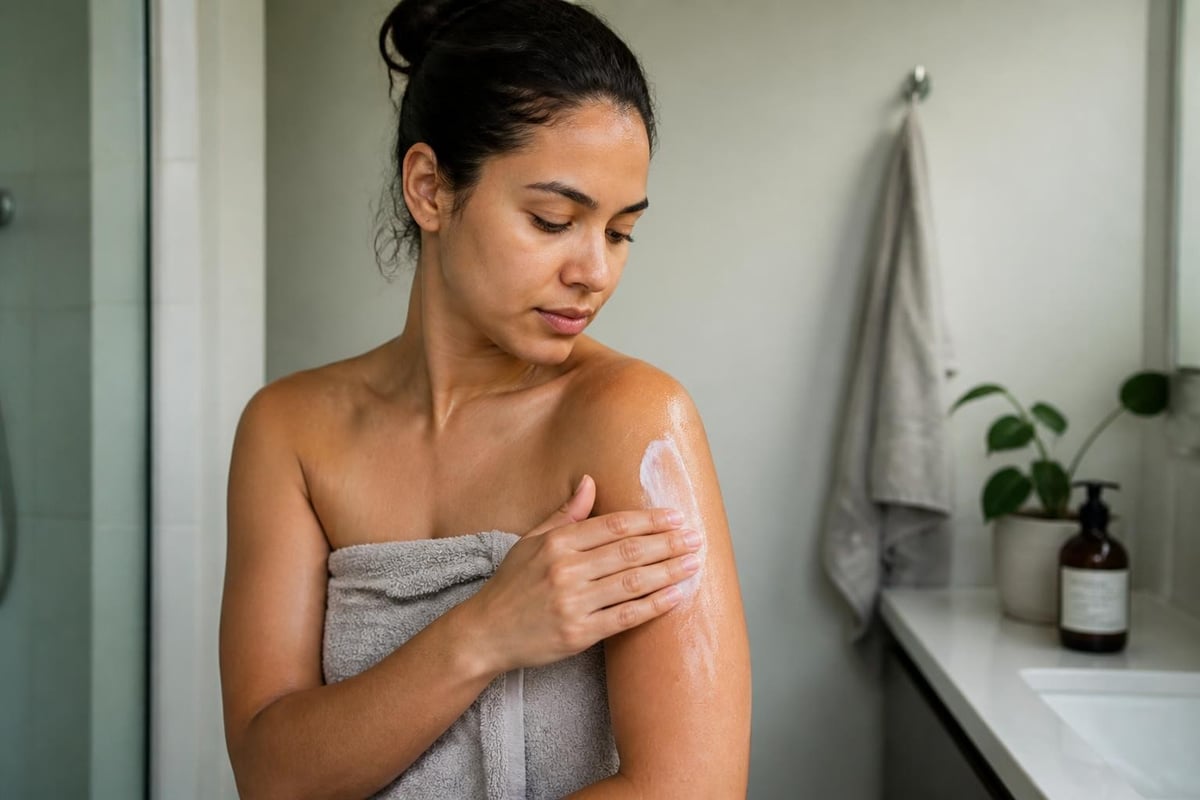
This game-changing approach maximizes hydration retention. After bathing or washing your face, don't fully dry your skin. Instead, leave it slightly damp and immediately apply your moisturizer.
Why does this work? Water molecules get trapped under the moisturizer, creating a humidity pocket against your skin. This technique can increase hydration by up to 30% compared to applying moisturizer to dry skin.
Choosing the Right Moisturizer Texture
Different situations call for different moisturizer consistencies. Understanding when to use each type optimizes your skincare for dermatitis.
Texture guide for various needs:
- Lotions work for mild dryness and warmer weather
- Creams provide moderate hydration for daily use
- Ointments deliver intensive moisture for severe dryness or nighttime use
- Balms create protective barriers on extremely compromised areas
Fragrance-free moisturizers have become increasingly sophisticated, offering luxurious textures without irritating additives. The best moisturizers for sensitive skin combine effective hydration with barrier-supporting ingredients.
Bathing and Cleansing Without Disruption
Water exposure paradoxically both helps and harms dermatitis-prone skin. The key lies in optimizing your bathing practices.
Temperature and Duration Guidelines
Hot water feels amazing but strips your skin of protective oils. Keep your water lukewarm (test with your elbow-it should feel barely warm). Limit showers to 5-10 minutes and baths to 10-15 minutes maximum.
Adding colloidal oatmeal or bath oils can transform your bath from potentially irritating to actively therapeutic. Just ensure you rinse off any residue that might cause slipping hazards.
Cleanser Selection Criteria
Not all cleansers treat dermatitis-prone skin equally. Look for:
- pH-balanced formulas (around 5.5 to match skin's natural pH)
- Cream or oil-based cleansers rather than foaming varieties
- Minimal ingredient lists reducing exposure to potential irritants
- Soap-free formulations that cleanse without stripping
Many people with dermatitis find that cleansing only once daily (at night) works better than twice daily washing. Morning rinses with plain water often suffice unless you've applied nighttime treatments that need removal.
Environmental Factors and Lifestyle Adjustments
Your skincare products form only part of the dermatitis management equation. Environmental modifications significantly impact your skin's behavior.
Home Environment Optimization
| Factor | Problem | Solution |
|---|---|---|
| Humidity | Dry air worsens dermatitis | Use a humidifier (aim for 40-50%) |
| Detergents | Residues irritate skin | Choose fragrance-free, dye-free options |
| Fabrics | Rough textures trigger itching | Wear soft, breathable cotton |
| Temperature | Overheating increases itching | Keep rooms cool, layer clothing |
Consider what touches your skin throughout the day. Pillowcases, towels, and clothing all interact with your dermatitis-prone skin. Exploring natural skincare products alongside making these environmental changes creates comprehensive support for healing.
Stress Management and Dermatitis
The mind-skin connection runs deeper than many realize. Stress triggers inflammatory responses that worsen dermatitis symptoms. Incorporating stress reduction techniques-whether meditation, exercise, or creative hobbies-supports your skincare efforts from the inside out.
Special Considerations for Facial Dermatitis
When dermatitis affects your face, the visibility adds emotional stress to physical discomfort. Facial skin requires especially gentle care due to its thinness and constant environmental exposure.
Makeup and Facial Care Products
Can you wear makeup with facial dermatitis? Absolutely, but choose products carefully. Managing sensitive skin requires identifying your specific triggers and avoiding them consistently.
Makeup tips for dermatitis-prone facial skin:
- Select mineral-based makeup without bismuth oxychloride (a common irritant)
- Use cream products instead of powders when possible
- Remove makeup gently with oil-based cleansers
- Give your skin makeup-free days whenever feasible
- Patch test new products on your inner arm before facial application
Some individuals with dermatitis find that certain makeup actually protects their skin from environmental irritants, creating a barrier effect. The key lies in finding formulas that work for your unique skin.
Natural Approaches and Alternative Therapies
Natural doesn't automatically mean gentle, but certain plant-based ingredients demonstrate remarkable benefits for skincare for dermatitis when properly formulated.
Evidence-Based Natural Ingredients
Scientific research supports several natural components for managing dermatitis:
- Chamomile extract reduces inflammation and soothes irritation
- Calendula promotes healing and has antimicrobial properties
- Aloe vera provides cooling relief and supports barrier repair
- Licorice root extract contains anti-inflammatory compounds
- Hemp seed oil offers balanced omega fatty acids without psychoactive components
The natural skincare philosophy centers on harnessing these botanicals alongside skin-identical ingredients for optimal results. However, natural ingredients still require patch testing, as allergies can develop to any substance.
Supplementation and Diet
While topical care forms the primary treatment for dermatitis, internal support through diet can influence skin health. Omega-3 fatty acids, probiotics, and vitamin D show promise in research, though results vary individually.
Consider working with a healthcare provider to identify potential food triggers and nutritional deficiencies that might affect your skin condition.
When to Seek Professional Help
Self-care manages many dermatitis cases effectively, but certain situations require medical intervention. Recognizing these moments prevents complications and accelerates healing.
Red Flags Requiring Medical Attention
Don't hesitate to consult a dermatologist when you experience:
- Widespread rashes covering large body areas
- Signs of infection (warmth, pus, fever)
- Severe itching disrupting sleep or daily activities
- Dermatitis that doesn't improve with over-the-counter care within two weeks
- Sudden worsening or changes in symptoms
Dermatologists can prescribe targeted treatments including topical corticosteroids, immunomodulators, or newer biologic medications for severe cases. Advances in dermatological diagnostics continue improving how professionals identify and treat various skin conditions.
Product Selection and Patch Testing
Every person with dermatitis responds differently to products. What soothes one person might trigger another. This reality makes personalized testing crucial.
The Proper Patch Test Protocol
Before introducing any new product to your routine:
- Apply a small amount to your inner forearm
- Cover with a bandage if desired
- Wait 24-48 hours
- Check for redness, itching, or irritation
- If clear, test on a small area of affected skin
- Proceed to full use only after successful testing
This process feels tedious but prevents devastating reactions on larger skin areas. Many people report personal experiences discovering their perfect products only through patient testing.
Reading Labels Like a Professional
Product marketing often misleads with terms like "hypoallergenic" or "dermatologist tested," which lack standardized definitions. Focus instead on:
- Ingredient lists (fewer ingredients often means fewer potential irritants)
- Fragrance-free labels (not "unscented," which may contain masking fragrances)
- Third-party certifications from organizations like the National Eczema Association
- Expiration dates (oxidized products can irritate skin)
Developing label-reading skills empowers you to make informed choices regardless of marketing claims.
Seasonal Adjustments to Your Routine
Your skin's needs shift with weather changes, requiring routine modifications throughout the year.
Winter Skincare Adaptations
Cold weather and indoor heating create a perfect storm for dermatitis flare-ups. Combat winter challenges by:
- Switching to richer moisturizer formulations
- Increasing application frequency to 3-4 times daily
- Running humidifiers in bedrooms and living spaces
- Protecting skin from wind with scarves and appropriate coverage
- Shortening shower time even further (5 minutes maximum)
Summer Considerations
Heat and humidity present different challenges. Sweat can irritate dermatitis-prone skin, but proper care prevents problems:
- Use lightweight, gel-based moisturizers during the day
- Apply heavier creams only at night when needed
- Rinse sweat off promptly after exercise
- Choose breathable, moisture-wicking fabrics
- Increase sun protection (dermatitis medications can increase photosensitivity)
Adapting your skincare for dermatitis seasonally prevents the frustration of wondering why your previously successful routine suddenly stops working.
Building Your Support System
Managing dermatitis long-term requires more than just products-it demands emotional resilience and community support.
Connecting with Others
Finding others who understand the daily challenges of dermatitis reduces isolation. Online communities, support groups, and social media platforms connect people sharing similar experiences. Learning from others' journeys often reveals helpful strategies you haven't tried.
The testimonials from others managing sensitive skin conditions provide both practical insights and emotional encouragement during difficult flare-up periods.
Tracking Your Triggers and Progress
Maintaining a skin journal helps identify patterns you might otherwise miss. Record:
- Products used and any reactions
- Weather conditions and humidity levels
- Stress levels and major life events
- Dietary changes or new foods
- Symptom severity on a simple 1-10 scale
Over time, patterns emerge that guide more effective management strategies tailored to your unique triggers.
Managing dermatitis requires patience, consistency, and the right products working in harmony with your skin's needs. By understanding your triggers, selecting gentle ingredients, and maintaining a supportive routine, you can significantly reduce flare-ups and improve your skin's comfort. When you're ready to explore natural solutions specifically formulated for sensitive, reactive skin, Sinusoothe Ltd offers thoughtfully crafted products designed to support your journey toward healthier, calmer skin.