
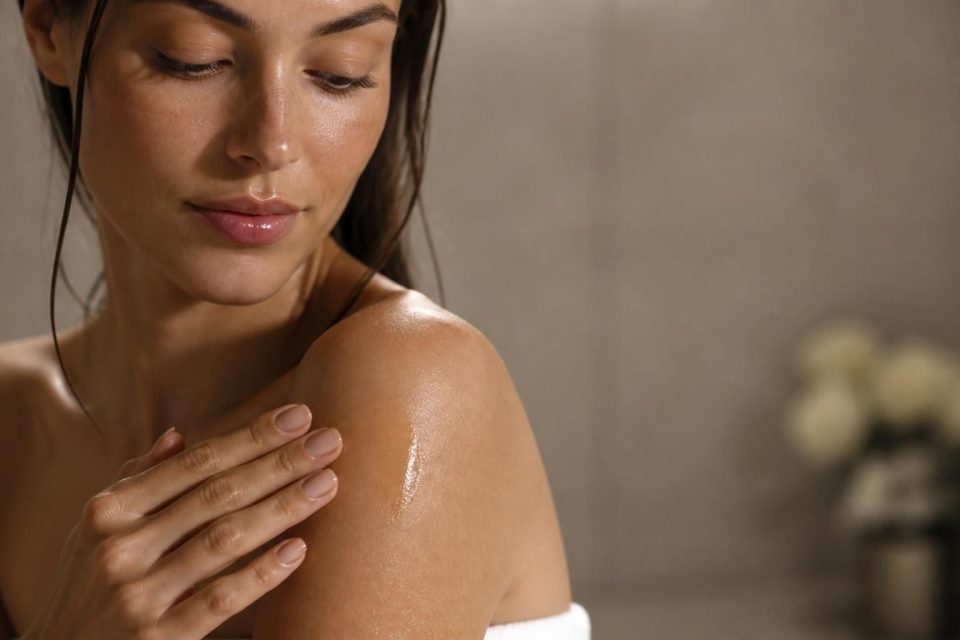
Your skin deserves more than just a quick rinse in the shower. Bath body oils have emerged as luxurious yet essential components of modern skincare routines, offering a transformative experience that goes far beyond basic cleansing. These silky formulations combine ancient beauty wisdom with contemporary science, delivering intense hydration and nourishment that conventional products struggle to match. Whether you're dealing with dry patches, seeking a spa-like experience at home, or simply want to elevate your self-care game, understanding how these oils work can revolutionize your approach to skin health.
What Makes Bath Body Oils Different from Regular Moisturizers
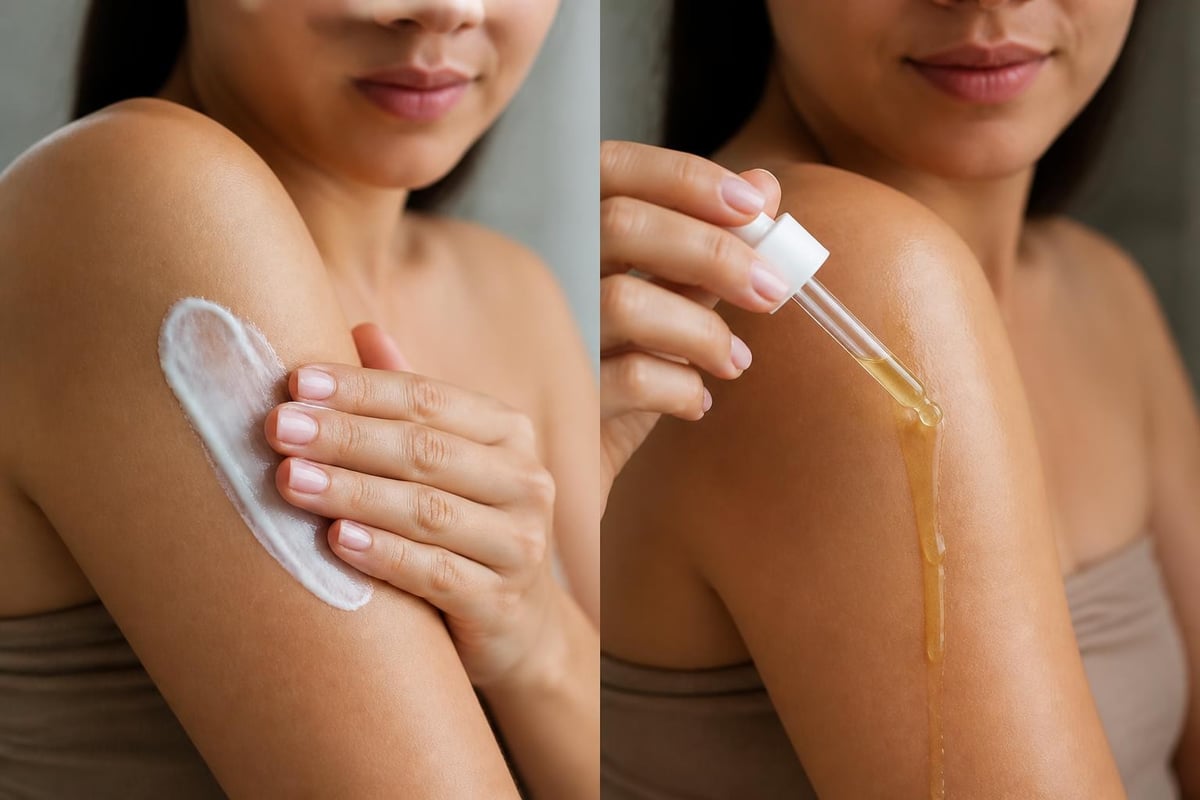
Traditional lotions and creams contain water as their primary ingredient, which means they sit on your skin's surface and evaporate relatively quickly. Bath body oils take a completely different approach to hydration and nourishment.
These specialized formulations are composed primarily of botanical oils, essential fatty acids, and lipid-rich ingredients that mirror your skin's natural composition. When applied to damp skin or added directly to bathwater, they create an occlusive barrier that locks in moisture while delivering nutrients deep into the epidermis.
Key differences include:
- Absorption rate: Oils penetrate deeper into skin layers than water-based products
- Ingredient concentration: Higher percentages of active botanical compounds
- Moisture retention: Superior ability to prevent transepidermal water loss
- Texture: Lighter and faster-absorbing than heavy creams
The molecular structure of quality bath body oils allows them to work synergistically with your skin's natural sebum production. Research published in peer-reviewed journals demonstrates that regular use significantly reduces signs of dry skin and improves overall skin barrier function. This scientific validation explains why dermatologists increasingly recommend oil-based treatments for patients with compromised skin barriers.
Choosing the Right Bath Body Oils for Your Skin Type
Not all oils are created equal, and selecting the wrong formulation can leave your skin feeling greasy or cause breakouts. Understanding your skin's unique needs is the first step toward finding your perfect match.
For Dry and Dehydrated Skin
If your skin feels tight, flaky, or uncomfortable after bathing, you need deeply nourishing oils with rich fatty acid profiles. Look for formulations containing:
- Argan oil (packed with vitamin E and essential fatty acids)
- Jojoba oil (closely mimics natural sebum)
- Sweet almond oil (excellent for sensitive, dry skin)
- Avocado oil (intensely moisturizing)
Products like naturally infused body oils combine multiple botanical ingredients to address severe dryness while providing aromatic benefits.
For Combination and Oily Skin
Think oils will make your skin greasier? Think again. Lightweight, fast-absorbing oils actually help balance sebum production and prevent that dreaded shiny T-zone.
| Skin Concern | Recommended Oil Type | Key Benefit |
|---|---|---|
| Excess oil production | Grapeseed, safflower | Balances sebum without clogging pores |
| Occasional breakouts | Tea tree, rosehip | Anti-inflammatory properties |
| Uneven texture | Apricot kernel, hemp seed | Refines skin surface |
For Sensitive and Reactive Skin
Sensitive skin requires gentle formulations free from synthetic fragrances, harsh preservatives, and potential irritants. Natural face creams and body oils designed for delicate skin typically feature calendula, chamomile, or oat-based ingredients that soothe inflammation while providing essential moisture.
How to Use Bath Body Oils for Maximum Benefits
The application method dramatically impacts how effectively these products work. Many people make critical mistakes that reduce the oils' potential benefits.
In-Bath Application Method
Adding bath body oils directly to your bathwater creates a full-body treatment that transforms ordinary soaking into a spa-worthy experience. Detailed guides on using bath oils recommend specific techniques for optimal results.
Step-by-step process:
- Fill your tub with warm (not hot) water to avoid stripping natural oils
- Add 2-3 tablespoons of bath oil under running water to disperse evenly
- Soak for 15-20 minutes, allowing oils to penetrate softened skin
- Pat dry gently rather than rubbing vigorously
- Apply additional oil to targeted dry areas if needed
The warm water opens your pores and softens the outer skin layer, allowing the oils to penetrate more effectively. This method provides whole-body hydration that's particularly beneficial during winter months or in dry climates.
Post-Shower Application Technique
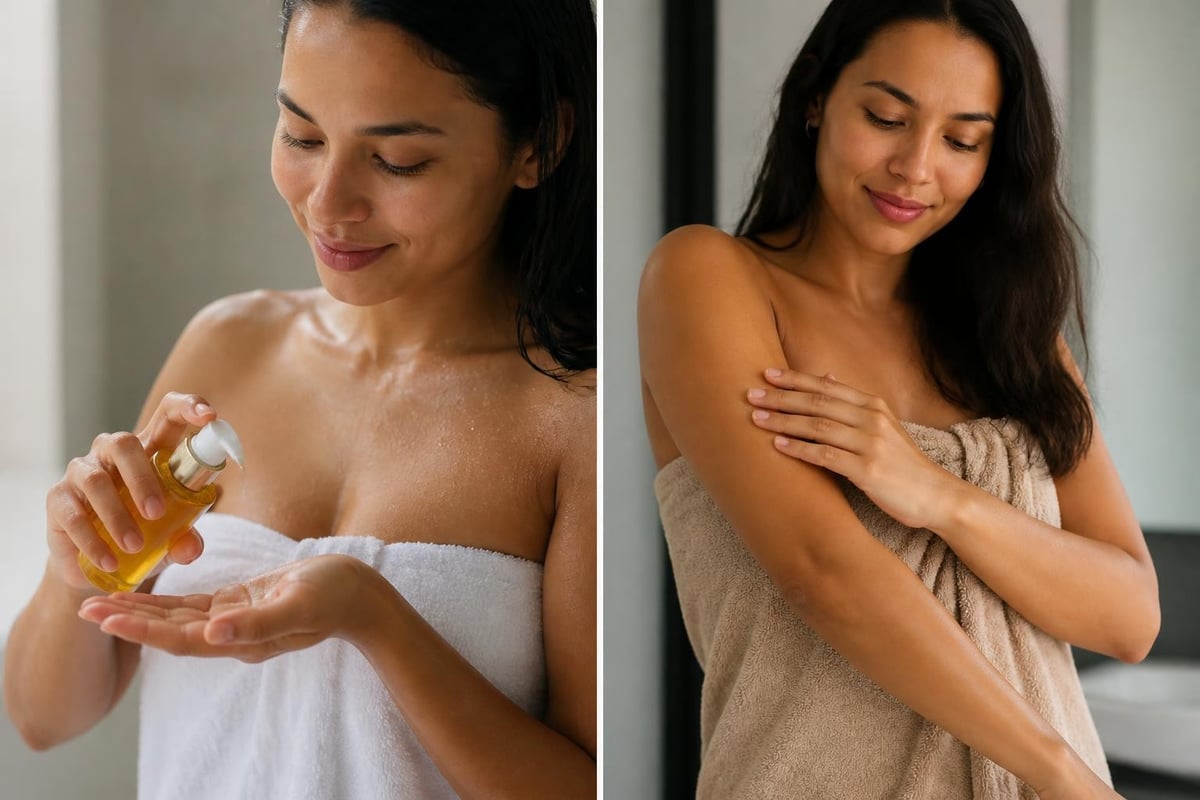
Applying bath body oils immediately after showering delivers the most concentrated benefits to your skin. Professional application techniques emphasize timing and method for achieving that coveted healthy glow.
The secret lies in application to damp, not completely dry, skin. This technique traps water beneath the oil layer, creating a powerful moisture sandwich that hydrates from within while protecting from external dehydration.
Best practices include:
- Leave skin about 80% dry after patting with a towel
- Warm oil between palms before application
- Use upward, circular motions to promote circulation
- Focus on naturally dry areas (elbows, knees, shins)
- Allow 2-3 minutes for absorption before dressing
The Science Behind Bath Body Oils and Skin Health
Understanding how these products work at a cellular level helps you appreciate their value beyond simple moisturization. Your skin is your largest organ, and it deserves ingredients that support its complex biological functions.
Bath body oils contain essential fatty acids (EFAs) that your body cannot produce independently. These compounds play crucial roles in maintaining the skin's lipid barrier, which protects against environmental stressors, pathogens, and moisture loss.
Skin Barrier Enhancement
The stratum corneum (outermost skin layer) functions like a brick wall, with skin cells as bricks and lipids as mortar. Quality oils reinforce this mortar, preventing cracks that lead to sensitivity, dryness, and premature aging.
Omega-3 and omega-6 fatty acids found in plant-based oils reduce inflammation, support cellular repair, and improve skin elasticity. WebMD’s overview of essential oil benefits highlights research showing improved skin hydration markers after consistent use.
Nutrient Delivery System
Beyond hydration, bath body oils serve as vehicles for fat-soluble vitamins and antioxidants that water-based products cannot effectively deliver. Vitamins A, D, E, and K require lipid carriers to penetrate skin layers, where they neutralize free radicals and stimulate collagen production.
| Vitamin | Primary Benefit | Common Oil Sources |
|---|---|---|
| Vitamin E | Antioxidant protection, moisture retention | Argan, sunflower, wheat germ |
| Vitamin A | Cell turnover, anti-aging | Rosehip, carrot seed |
| Vitamin D | Skin repair, immune support | Fortified oils, sun exposure |
| Vitamin K | Dark circle reduction, healing | Pomegranate, soybean |
Layering Bath Body Oils with Other Skincare Products
One of the most frequently asked questions concerns the proper order of product application. Should oils go before or after lotion? The answer affects how well your entire routine performs.
The general rule follows the principle of thinnest to thickest consistency, but oils present a unique exception. Expert guidance on layering body oil and lotion recommends specific sequences based on your desired outcome.
For maximum hydration:
- Apply water-based serum to damp skin
- Layer bath body oil while skin remains moist
- Seal with cream or lotion if needed for extra dryness
For daytime protection:
- Use oil first for deep nourishment
- Follow with sunscreen or daytime moisturizer
- Allow proper absorption time between layers
Products designed for rejuvenating body care often work synergistically with oils, creating comprehensive treatment systems that address multiple skin concerns simultaneously.
Natural Ingredients to Look for in Quality Bath Body Oils
The ingredient list reveals everything about a product's quality and effectiveness. When shopping for bath body oils, prioritize formulations featuring recognizable botanical ingredients over synthetic alternatives.
Cold-Pressed Carrier Oils
The foundation of any excellent bath oil consists of cold-pressed carrier oils that retain maximum nutritional value. Heat processing destroys beneficial compounds, so extraction method matters tremendously.
- Argan oil: Moroccan gold packed with vitamin E and fatty acids
- Jojoba oil: Technically a wax ester that perfectly mimics human sebum
- Coconut oil: Antibacterial properties with light tropical scent
- Grapeseed oil: Lightweight, non-greasy option for all skin types
Essential Oils for Therapeutic Benefits
Pure essential oils provide aromatherapeutic benefits alongside skincare advantages. Health benefits of essential oils in baths extend beyond skin health to emotional wellbeing and stress reduction.
Popular additions include:
- Lavender for relaxation and sleep support
- Eucalyptus for respiratory clarity and invigoration
- Chamomile for calming irritated, sensitive skin
- Citrus oils for mood elevation and energizing effects
Botanical Extracts and Vitamins
Premium formulations incorporate botanical extracts that deliver specific therapeutic benefits. Look for ingredients like green tea (antioxidants), calendula (anti-inflammatory), or rosehip (regenerative).
Similar to how dull skin creams target specific complexion concerns, specialized bath body oils address unique needs through carefully selected ingredient combinations.

Addressing Common Concerns About Bath Body Oils
Despite their benefits, some people hesitate to incorporate oils into their routines due to misconceptions or past negative experiences. Let's address the most common concerns with evidence-based answers.
"Won't Oils Make My Skin More Oily?"
This concern primarily affects people with naturally oily or combination skin. The truth is counterintuitive: appropriate oil use actually helps regulate sebum production.
When you strip skin of natural oils through harsh cleansers, your sebaceous glands overcompensate by producing more oil. Quality bath body oils signal your skin that adequate moisture is present, reducing this overproduction cycle.
"Will Oils Clog My Pores?"
Not all oils are comedogenic (pore-clogging). Understanding the comedogenic rating scale helps you select appropriate options:
| Comedogenic Rating | Oil Examples | Recommended For |
|---|---|---|
| 0 (Won't clog) | Argan, rosehip, hemp seed | All skin types including acne-prone |
| 1-2 (Low risk) | Apricot kernel, safflower | Most skin types |
| 3-4 (Moderate-high) | Coconut, wheat germ | Dry skin only |
Resources like comprehensive guides on bath body oils explain how proper formulation and application prevent pore congestion.
"Are They Worth the Price Compared to Regular Lotion?"
Quality bath body oils often cost more per ounce than drugstore lotions, but concentration matters more than volume. You need significantly less product per application, and the results last longer throughout the day.
Calculate cost-per-use rather than cost-per-bottle. Many users find that a single bottle of premium oil lasts three to four months with daily use, making it economically comparable to frequently repurchasing cheaper alternatives that deliver inferior results.
Seven Proven Benefits of Regular Bath Body Oil Use
Scientific research on body oil benefits identifies multiple advantages that extend beyond basic moisturization. These evidence-based benefits explain why oils have become essential components of comprehensive skincare routines.
Documented benefits include:
- Intense, long-lasting hydration that prevents transepidermal water loss
- Improved skin elasticity through essential fatty acid delivery
- Reduced appearance of fine lines via collagen support
- Enhanced skin barrier function protecting against environmental damage
- Even skin tone and texture from consistent nourishment
- Stress reduction and relaxation through aromatherapeutic properties
- Accelerated healing of minor irritations and dry patches
These advantages compound over time, meaning the longer you consistently use quality bath body oils, the more dramatically your skin improves. Many users report noticeable changes within two to three weeks of regular application.
Seasonal Adjustments for Your Bath Body Oil Routine
Your skin's needs change dramatically throughout the year, requiring adjustments to your product selection and application frequency. Smart seasonal modifications maximize benefits while preventing issues like excess greasiness in summer or inadequate protection in winter.
Winter and Cold Weather Months
Harsh winter conditions strip moisture from skin more aggressively than any other season. Indoor heating further exacerbates dryness, creating a perfect storm for compromised skin barriers.
During these months, layer richer formulations and increase application frequency. Consider products similar to rejuvenating hand creams that provide intensive nourishment for exposed areas.
Winter modifications:
- Switch to heavier oil bases (argan, avocado, macadamia)
- Apply twice daily instead of once
- Add oils to evening baths for overnight absorption
- Focus extra attention on hands, feet, and elbows
Spring and Summer Approaches
Warmer weather and increased humidity mean your skin needs lighter formulations that won't feel heavy or sticky. This doesn't mean abandoning oils entirely-it means choosing wisely.
Transition to fast-absorbing varieties with lighter molecular weights. Grapeseed, apricot kernel, and jojoba oils provide excellent summer alternatives that moisturize without overwhelming.
Consider exploring your skincare shop options to find seasonal variations that match changing needs throughout the year.
Creating Your Personalized Bath Body Oil Ritual
The most effective skincare routines become sustainable habits because they feel enjoyable rather than obligatory. Transforming bath body oil application into a mindful ritual enhances both physical and emotional benefits.
Morning Energy Ritual
Start your day with invigorating application techniques that awaken your senses and prepare your skin for environmental exposure. Choose oils with energizing essential oil blends featuring citrus, peppermint, or rosemary.
Apply in upward, circular motions that stimulate circulation and promote lymphatic drainage. This five-minute practice combines skincare with self-massage, delivering multiple benefits simultaneously.
Evening Restoration Practice
Nighttime application supports your skin's natural repair processes that intensify during sleep. Select calming formulations with lavender, chamomile, or sandalwood essential oils that promote relaxation.
Evening ritual steps:
- Take a warm bath with relaxing bath body oils
- Gently exfoliate with a natural scrub to remove dead cells
- Apply nourishing oil to still-damp skin
- Perform gentle facial massage if using face-appropriate oils
- Allow 10 minutes for full absorption before bed
This dedicated wind-down routine signals your body that it's time to transition into rest mode, potentially improving sleep quality alongside skin health.
Special Considerations for Sensitive and Problematic Skin
People with eczema, psoriasis, rosacea, or extreme sensitivity require extra care when selecting and using bath body oils. While these conditions can benefit tremendously from proper oil use, wrong choices may trigger flare-ups.
Eczema and Dermatitis Management
These inflammatory conditions involve compromised skin barriers that lose moisture rapidly. Bath body oils can provide significant relief when chosen appropriately.
Select fragrance-free formulations featuring anti-inflammatory ingredients like calendula, oat oil, or hemp seed oil. Avoid essential oils during active flare-ups, as even natural fragrances can irritate compromised skin.
Psoriasis Support
Thick, scaly patches characteristic of psoriasis respond well to oils that soften and moisturize while reducing inflammation. Look for formulations containing evening primrose oil, borage oil, or black cumin seed oil.
Apply generously to affected areas after bathing when skin is still slightly damp, allowing oils to penetrate the thickened skin more effectively.
Rosacea-Friendly Options
Redness and sensitivity associated with rosacea require gentle, calming ingredients that strengthen capillaries and reduce inflammation. Avoid stimulating essential oils like eucalyptus or peppermint.
Instead, choose products featuring chamomile, rosehip, or sea buckthorn oil, which support skin barrier repair without triggering reactive flushing.
Bath body oils represent a transformative approach to skincare that combines ancient wellness traditions with modern scientific understanding. By selecting quality formulations appropriate for your skin type, applying them using proven techniques, and maintaining consistency in your routine, you'll experience hydration, nourishment, and radiance that conventional products simply cannot match. Natural skincare enthusiasts seeking premium botanical formulations can discover expertly crafted solutions at Sinusoothe Ltd, where plant-based ingredients meet effective, gentle care designed for real results.