
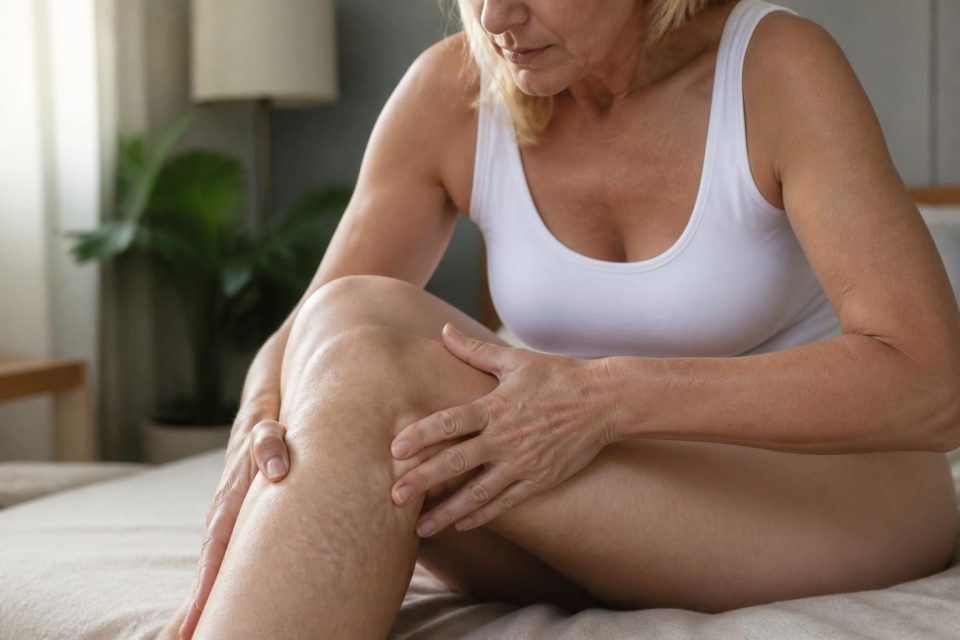
The connection between cellulite and menopause affects millions of women worldwide, yet it remains one of the least discussed aspects of aging. As hormonal shifts reshape your body during this transformative life stage, you might notice changes in your skin's texture and appearance that weren't there before. Understanding why these changes happen and what you can do about them empowers you to take control of your skin health naturally.
Understanding the Cellulite and Menopause Connection
Cellulite appears as dimpled, lumpy skin most commonly on thighs, hips, and buttocks. While it can affect anyone at any age, the relationship between cellulite and menopause is particularly significant because of dramatic hormonal fluctuations.
Estrogen plays a crucial role in maintaining skin elasticity and regulating fat distribution. When estrogen levels plummet during perimenopause and menopause, several changes occur simultaneously:
- Collagen production decreases, leading to thinner, less elastic skin
- Fat cells enlarge and redistribute to different areas
- Blood circulation to skin tissue diminishes
- Lymphatic drainage becomes less efficient
Research published on PubMed highlights how hormonal influences during menopause contribute significantly to cellulite development. The structural changes in connective tissue become more pronounced as estrogen protection diminishes.
The Hormonal Cascade Effect
Think of estrogen as your skin's protective shield. When this shield weakens, the underlying fat cells push through weakened connective tissue more easily, creating that characteristic dimpled appearance.
Progesterone levels also decline during menopause, which can lead to fluid retention and bloating. This combination makes cellulite more visible and pronounced than it was during your reproductive years.
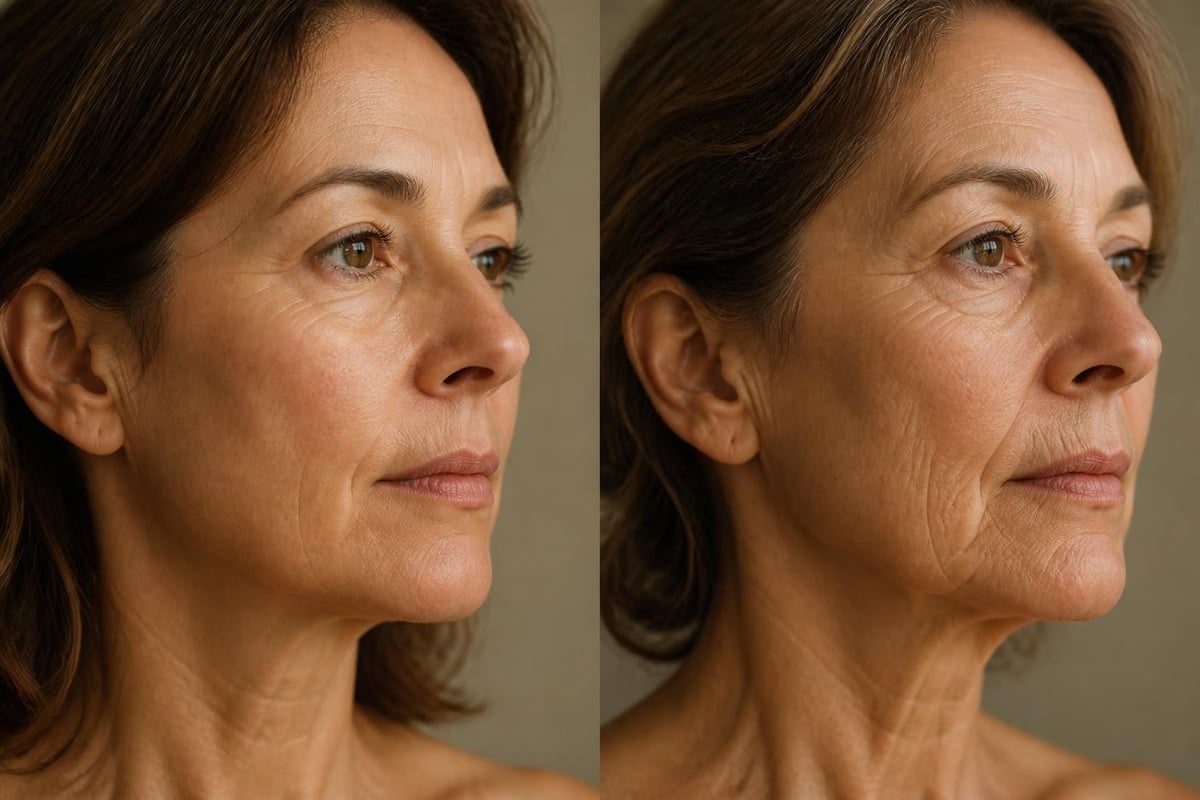
Why Cellulite Worsens During Menopause
The intensification of cellulite and menopause symptoms isn't just about hormones. Multiple factors converge during this life stage to create perfect conditions for increased cellulite visibility.
Metabolic Slowdown and Weight Changes
Your metabolism naturally slows by approximately 5% per decade after age 40. During menopause, this process accelerates. Many women notice:
- Unexplained weight gain, especially around the midsection
- Difficulty losing weight despite maintaining previous diet and exercise routines
- Muscle mass loss, which further slows metabolism
- Changes in body composition, with fat replacing lean tissue
| Factor | Pre-Menopause | During Menopause | Impact on Cellulite |
|---|---|---|---|
| Estrogen Levels | Normal | Declining | High |
| Collagen Production | Steady | Reduced 30% | High |
| Muscle Mass | Maintained | Decreases 3-5%/year | Moderate |
| Fat Distribution | Lower body | Shifts to abdomen | High |
Skin Structure Transformation
The dermis becomes thinner during menopause, losing approximately 30% of its collagen in the first five years after menopause begins. This thinning makes underlying fat deposits more visible.
BBC Science Focus explores how fat cells interact with connective tissue, creating the dimpled appearance we recognize as cellulite. When skin loses its structural integrity, these interactions become more pronounced.
Natural Approaches to Managing Cellulite During Menopause
While you can't reverse menopause, you can absolutely take steps to minimize cellulite's appearance through natural methods that support your changing body.
Nutrition Strategies That Make a Difference
Your diet directly impacts skin health and fat metabolism. Focus on foods that support collagen production and reduce inflammation:
Collagen-Boosting Foods:
- Bone broth and gelatin-rich foods
- Wild-caught fish high in omega-3 fatty acids
- Citrus fruits packed with vitamin C
- Leafy greens containing antioxidants
- Berries with polyphenols
Hydration is non-negotiable. Aim for at least eight glasses of water daily to maintain skin elasticity and support lymphatic drainage. Dehydrated skin emphasizes cellulite's appearance.
Reduce inflammatory foods like refined sugars, processed carbohydrates, and excessive sodium. These contribute to fluid retention and fat storage, both of which worsen cellulite visibility.
Movement and Exercise
Physical activity becomes even more critical when addressing cellulite and menopause together. Exercise doesn't eliminate cellulite, but it significantly improves its appearance by:
- Building muscle mass to create smoother contours under the skin
- Improving circulation to enhance skin health
- Promoting lymphatic drainage to reduce fluid retention
- Managing weight to minimize fat deposits
Strength training deserves special attention. As you build muscle in areas prone to cellulite, you create a firmer foundation that makes dimpling less noticeable.

Topical Solutions and Skincare Routines
While internal approaches address root causes, external treatments can provide visible improvements in skin texture and tone. Natural face creams and body care products formulated with specific ingredients can support skin health during menopause.
Ingredients That Work
When selecting skincare products to address cellulite during menopause, look for these proven ingredients:
Caffeine stimulates blood flow and temporarily tightens skin. Applied topically, it can reduce the appearance of cellulite by promoting drainage of excess fluid.
Retinol and natural vitamin A sources encourage collagen production and cell turnover. These ingredients thicken skin over time, making underlying fat less visible.
Plant-based oils rich in essential fatty acids, such as rosehip oil and evening primrose oil, nourish skin and improve elasticity. They're particularly beneficial for menopausal skin that's losing moisture.
Massage and Manual Techniques
Regular massage improves circulation and lymphatic drainage. Whether you use a dry brush, massage tool, or simply your hands, consistent practice yields results.
Try this simple routine:
- Start at your feet and work upward in circular motions
- Apply firmer pressure over cellulite-prone areas
- Always move toward your heart to support lymphatic flow
- Practice for 5-10 minutes daily before showering
Healthline offers comprehensive insights into various treatment options, including both lifestyle changes and topical applications that can help manage cellulite's appearance.
The Role of Stress Management
Cortisol, your stress hormone, plays a surprising role in the cellulite and menopause relationship. Chronic stress during menopause creates additional challenges:
- Increased fat storage, particularly in areas already prone to cellulite
- Disrupted sleep patterns, which interfere with skin repair
- Inflammation throughout the body, affecting skin health
- Blood sugar imbalances, leading to weight gain
Implementing stress-reduction practices becomes essential. Consider meditation, yoga, deep breathing exercises, or any activity that helps you unwind.
Sleep quality directly impacts skin regeneration. Aim for 7-9 hours of quality sleep nightly. Your body produces growth hormone during deep sleep, which supports tissue repair and collagen production.
Hormone Balance Through Natural Methods
Supporting your body's hormone balance naturally can help minimize both menopause symptoms and cellulite development. Understanding how to address dull skin during this transitional period provides insights into maintaining overall skin health.
Phytoestrogens and Plant-Based Support
Certain plants contain compounds that mimic estrogen's effects in the body, potentially helping to cushion the impact of declining estrogen levels:
Food Sources:
- Flaxseeds and flax oil
- Organic soy products (tempeh, miso, edamame)
- Chickpeas and other legumes
- Sesame seeds
- Cruciferous vegetables
These foods won't replace your body's natural estrogen, but they may help ease the transition and support skin health.
Supplement Considerations
While whole foods should be your primary source of nutrients, certain supplements may support skin health during menopause:
| Supplement | Benefits | Daily Dosage Range |
|---|---|---|
| Collagen Peptides | Supports skin elasticity | 10-20g |
| Vitamin C | Collagen synthesis | 500-1000mg |
| Omega-3 Fatty Acids | Reduces inflammation | 1000-2000mg |
| Vitamin E | Skin protection | 15-20mg |
Always consult with a healthcare provider before starting new supplements, especially if you're managing other health conditions or taking medications.

Professional Treatments Worth Considering
While this guide focuses on natural approaches, understanding available professional treatments helps you make informed decisions about managing cellulite and menopause symptoms.
WebMD discusses various treatment options, ranging from home remedies to medical procedures. Some women find that combining natural methods with occasional professional treatments yields the best results.
Non-Invasive Options
Radiofrequency treatments heat the skin to stimulate collagen production. Results are temporary but can last several months with proper maintenance.
Acoustic wave therapy uses sound waves to break down cellulite structure and improve skin appearance. Multiple sessions are typically required.
Laser treatments target cellulite by thickening skin and breaking down fat deposits. These procedures vary widely in cost and effectiveness.
Remember that no treatment permanently eliminates cellulite. Maintenance is always required, whether you choose natural methods or professional interventions.
Creating Your Personalized Action Plan
Managing the cellulite and menopause connection requires a comprehensive approach tailored to your unique situation. Start by identifying which factors affect you most significantly.
Your 30-Day Starter Plan
Week 1: Establish Baseline Habits
- Increase water intake to 8-10 glasses daily
- Add 10 minutes of daily movement
- Begin dry brushing before showers
Week 2: Nutrition Adjustments
- Incorporate collagen-rich foods into meals
- Reduce processed foods by 50%
- Add one serving of phytoestrogen-rich foods daily
Week 3: Skincare Integration
- Start using natural skincare products formulated for mature skin
- Practice nightly massage routine
- Apply topical treatments consistently
Week 4: Lifestyle Optimization
- Implement stress-reduction practice
- Improve sleep hygiene
- Add strength training exercises
Track your progress through photos and measurements rather than obsessing over appearance. Skin changes take time, especially during menopause when your body is already undergoing significant transitions.
Embracing Body Changes with Confidence
Here's an empowering truth: approximately 80-90% of women experience cellulite at some point in their lives, with prevalence increasing during menopause. You're not alone in this experience, and cellulite doesn't define your health or worth.
The relationship between cellulite and menopause represents a natural part of aging. While you can take steps to minimize its appearance, accepting your changing body as part of your life journey reduces stress and actually supports better outcomes.
Focus on what your body can do rather than solely on how it looks. Menopause marks a transition into a powerful life stage where many women report feeling more confident and self-assured than ever before.
Building a Supportive Community
Connecting with other women navigating menopause provides emotional support and practical tips. Whether through online communities, local groups, or conversations with friends, sharing experiences normalizes this transition.
Many women discover that their concerns about cellulite diminish when they focus on overall wellness rather than isolated appearance issues. The Mama Nature community offers a space where women can share their natural skincare journeys and support one another.
Long-Term Skin Health Strategies
Managing cellulite and menopause effectively means thinking beyond quick fixes to sustainable lifestyle practices that support skin health for years to come.
Consistency trumps intensity. Small daily actions compound over time to create significant improvements. Rather than attempting dramatic changes that you can't maintain, focus on gradual adjustments that become permanent habits.
Patience pays off. Skin cell turnover slows during menopause, meaning visible changes take longer to appear. Give new routines at least 3-6 months before evaluating their effectiveness.
Adaptation is essential. What works now may need adjustment as you move through different stages of menopause. Stay flexible and willing to modify your approach based on your body's changing needs.
Your skin health journey during menopause deserves the same attention and care you give to other aspects of your wellbeing. By understanding the connection between cellulite and menopause, you're already taking an important step toward managing this natural transition with knowledge and confidence.
Navigating the challenges of cellulite and menopause becomes easier when you combine understanding with action. The hormonal changes you're experiencing are natural, but that doesn't mean you have to simply accept unwanted skin changes without response. By implementing nutritional strategies, maintaining consistent movement, managing stress, and using thoughtfully formulated skincare products, you can support your skin through this transition. Sinusoothe Ltd offers natural skincare solutions designed to nourish and support your skin during menopause and beyond, helping you feel confident and comfortable in your changing body.